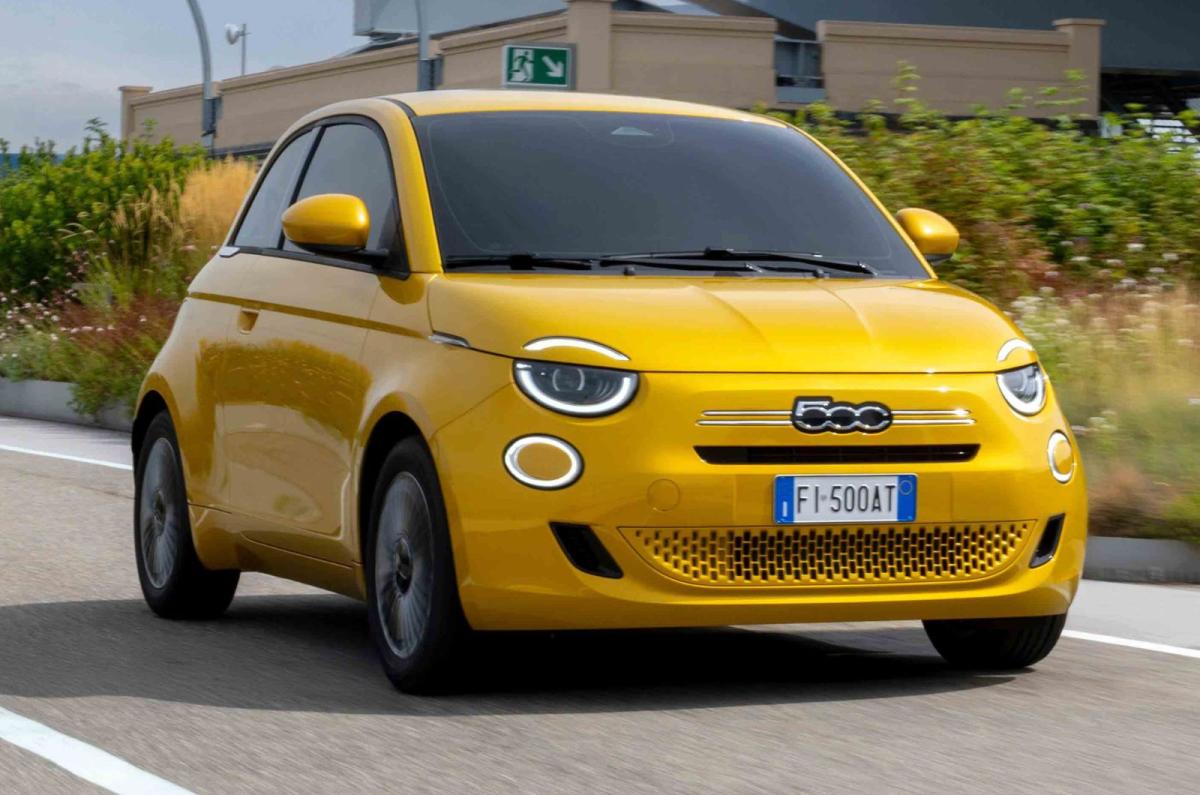
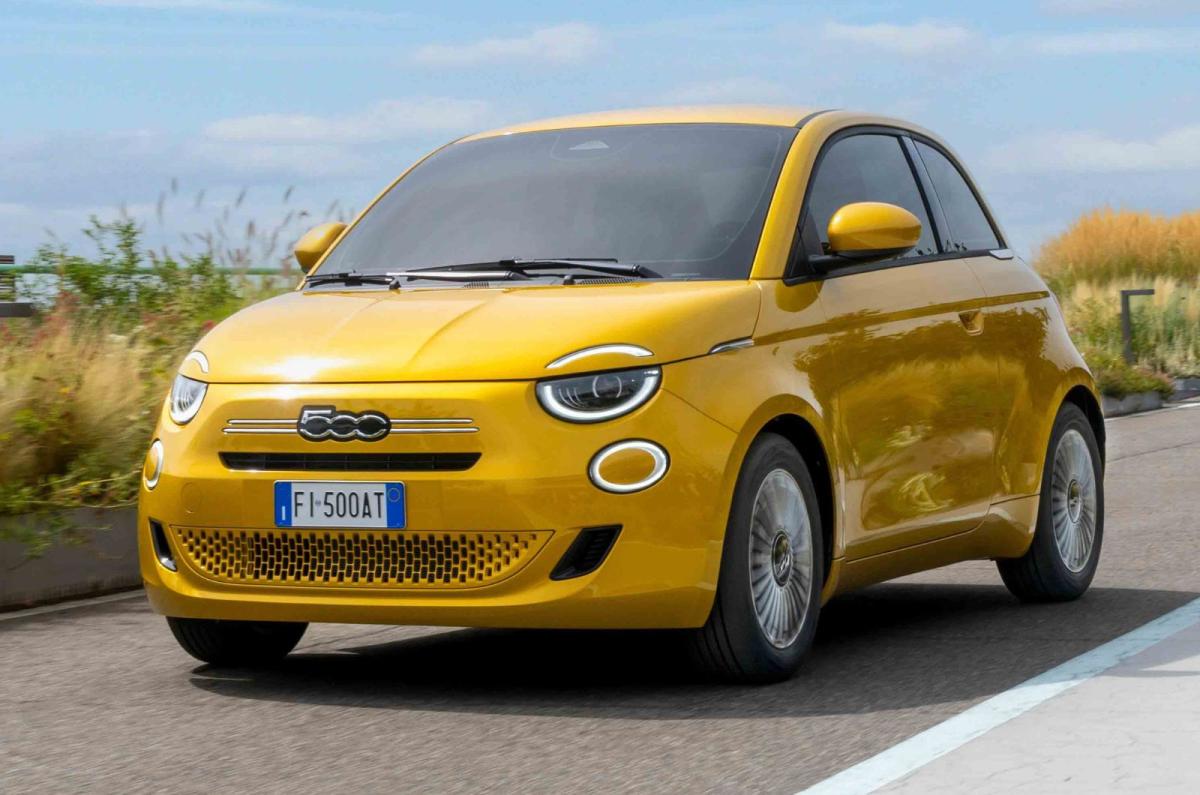
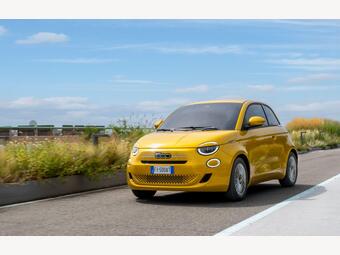
- Fiat 500 Hybrid front right driving
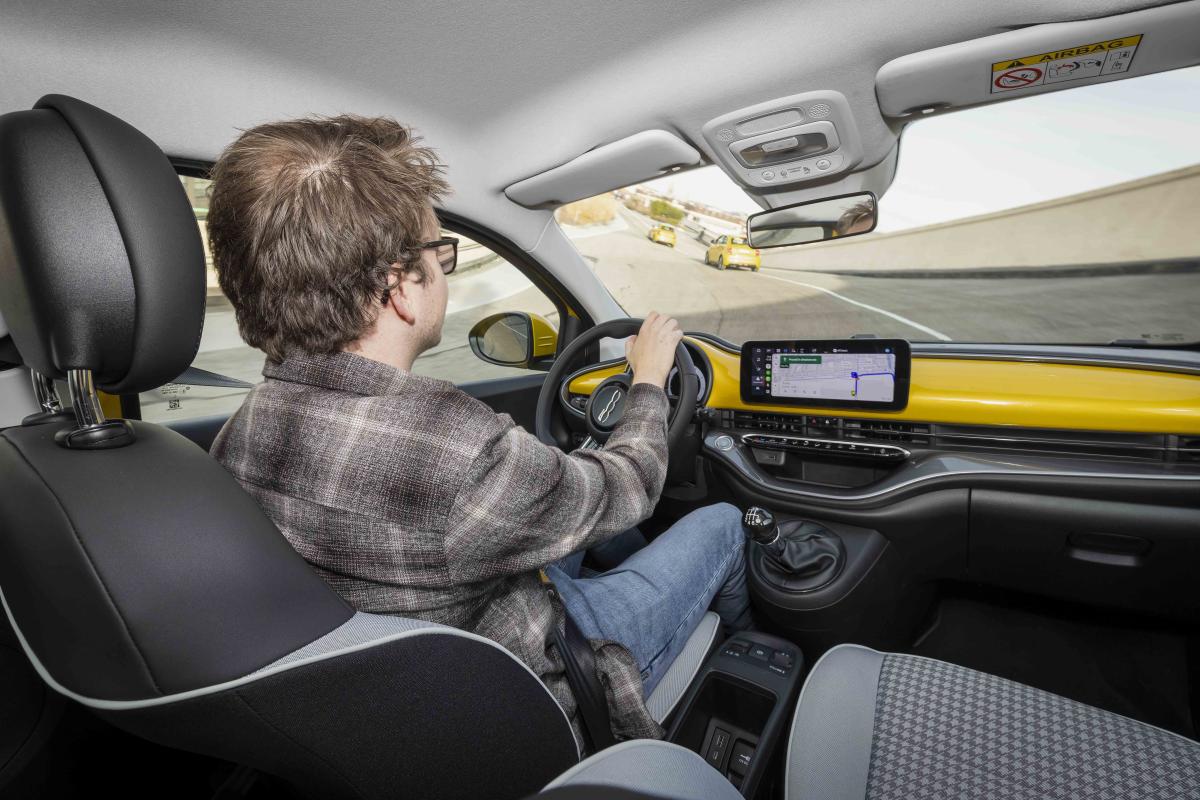
- Fiat 500 Hybrid Oliver Young interior driving
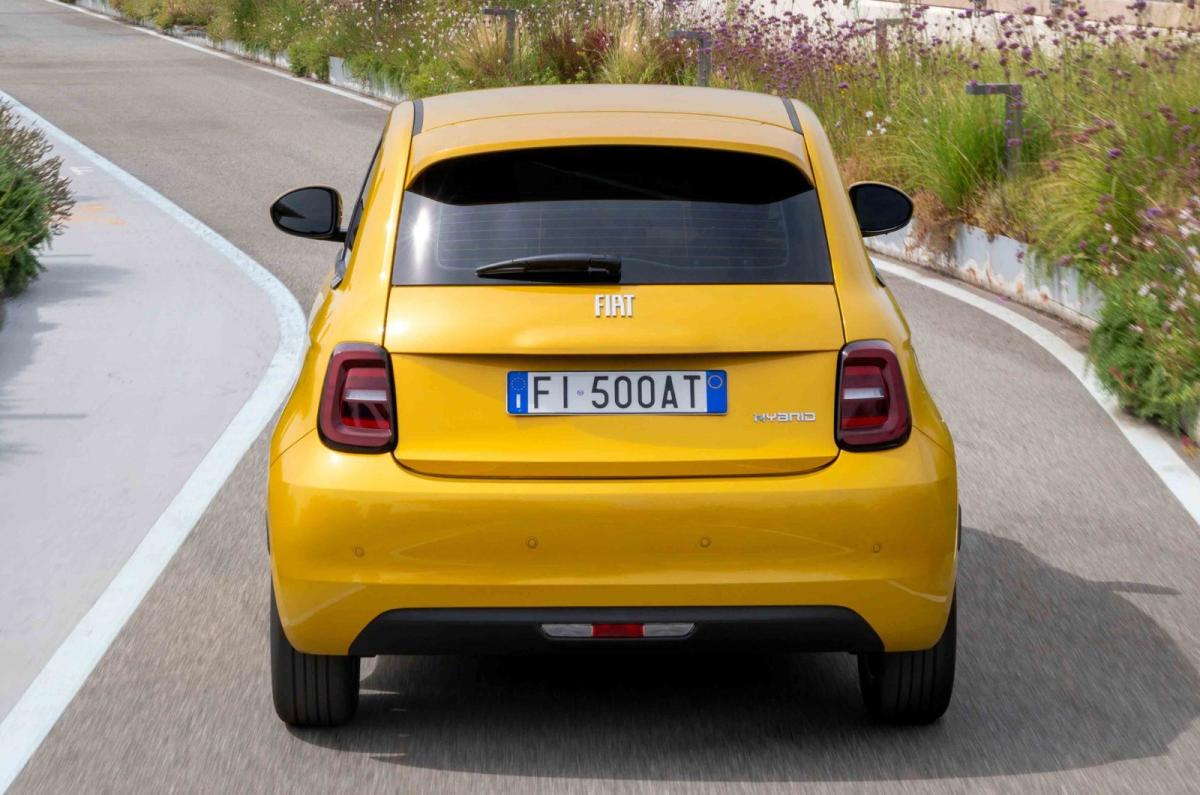
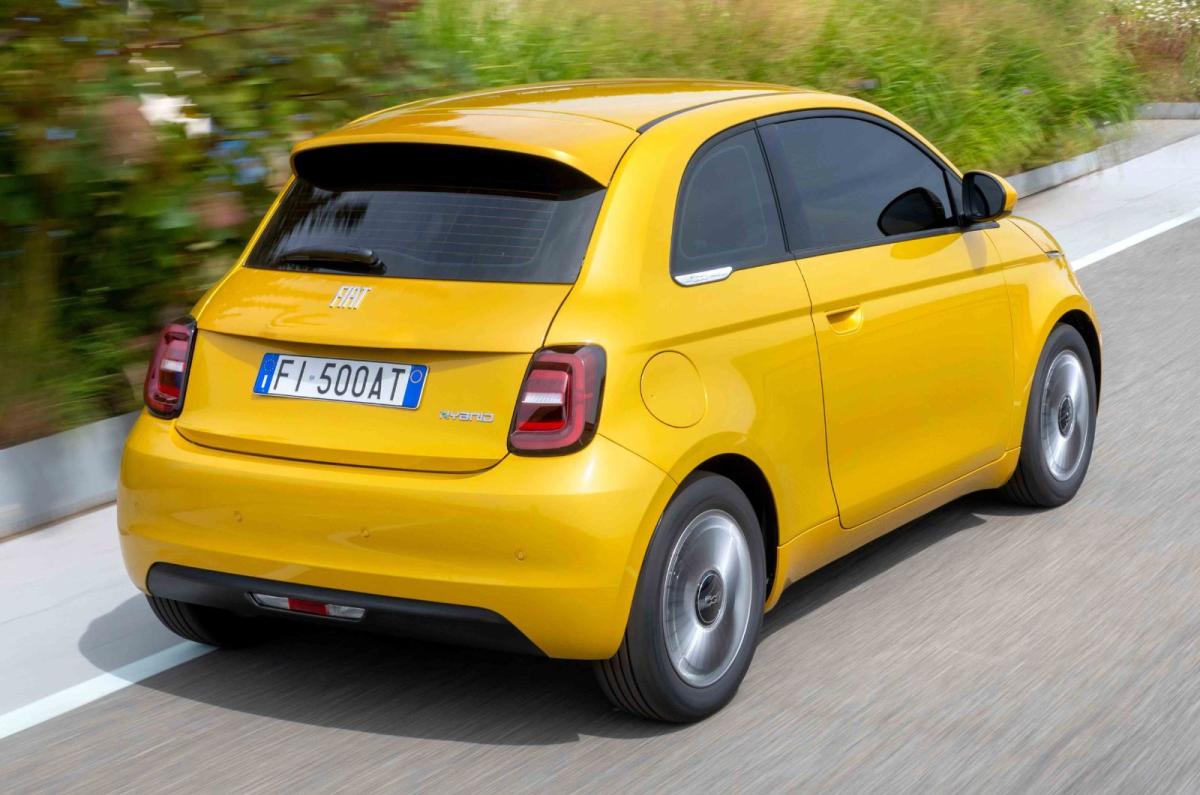
- Fiat 500 Hybrid rear driving
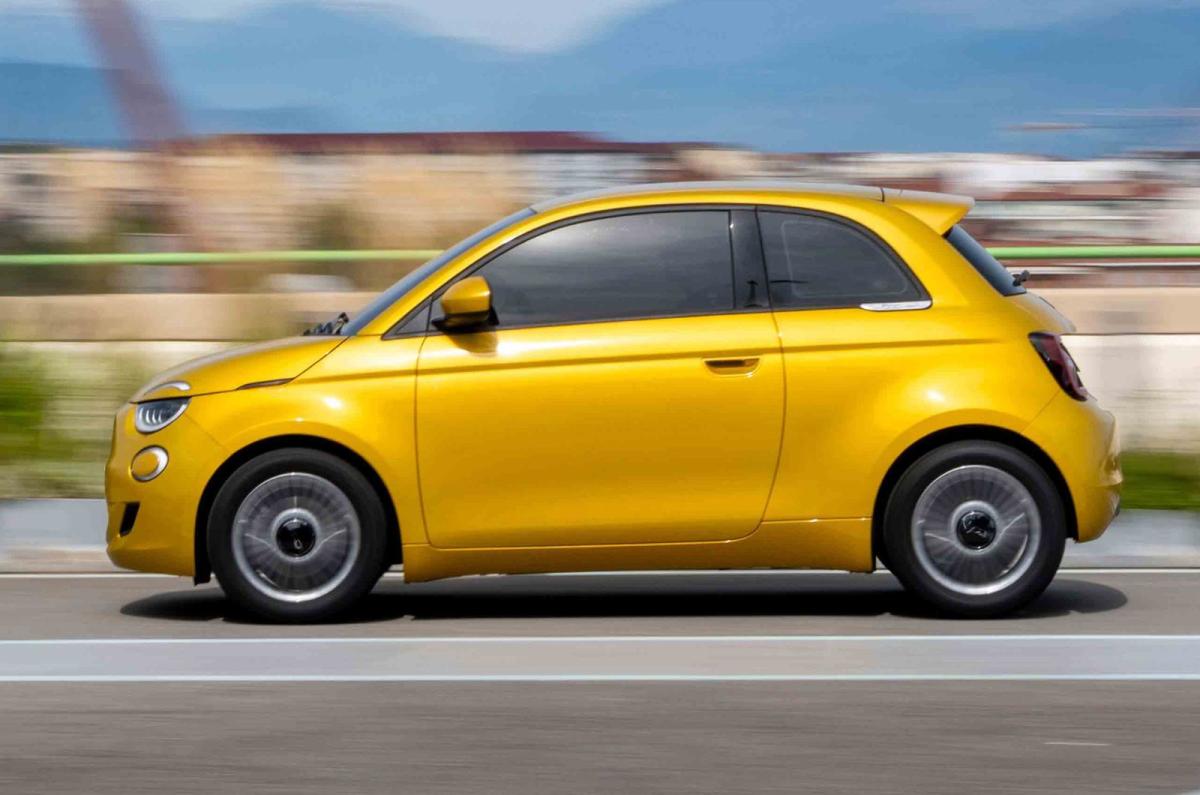
- Fiat 500 Hybrid side profile dynamic
- Fiat 500 Hybrid front left driving
- Fiat 500 Hybrid interior
- Fiat 500 Hybrid interior
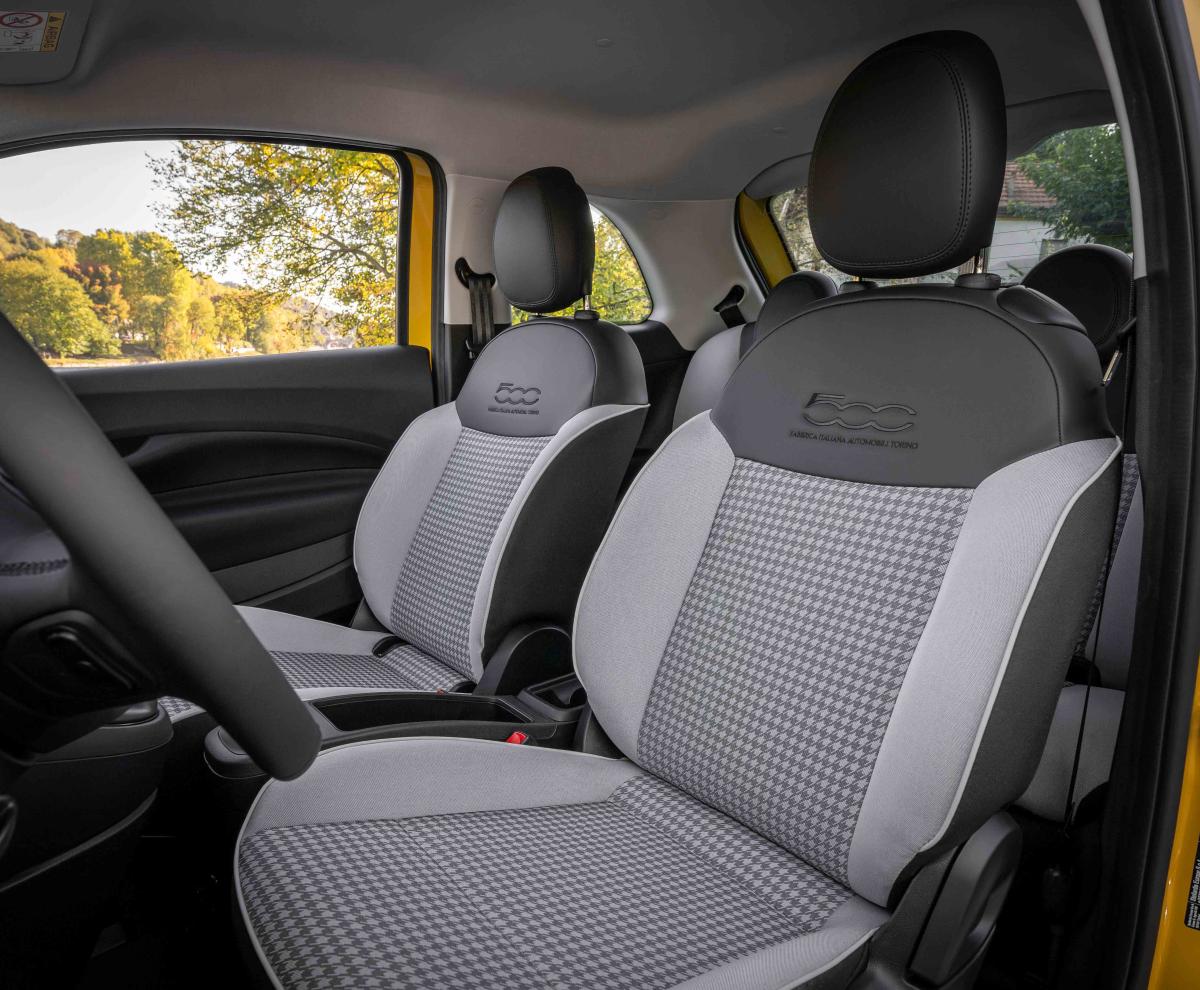
- Fiat 500 Hybrid interior details
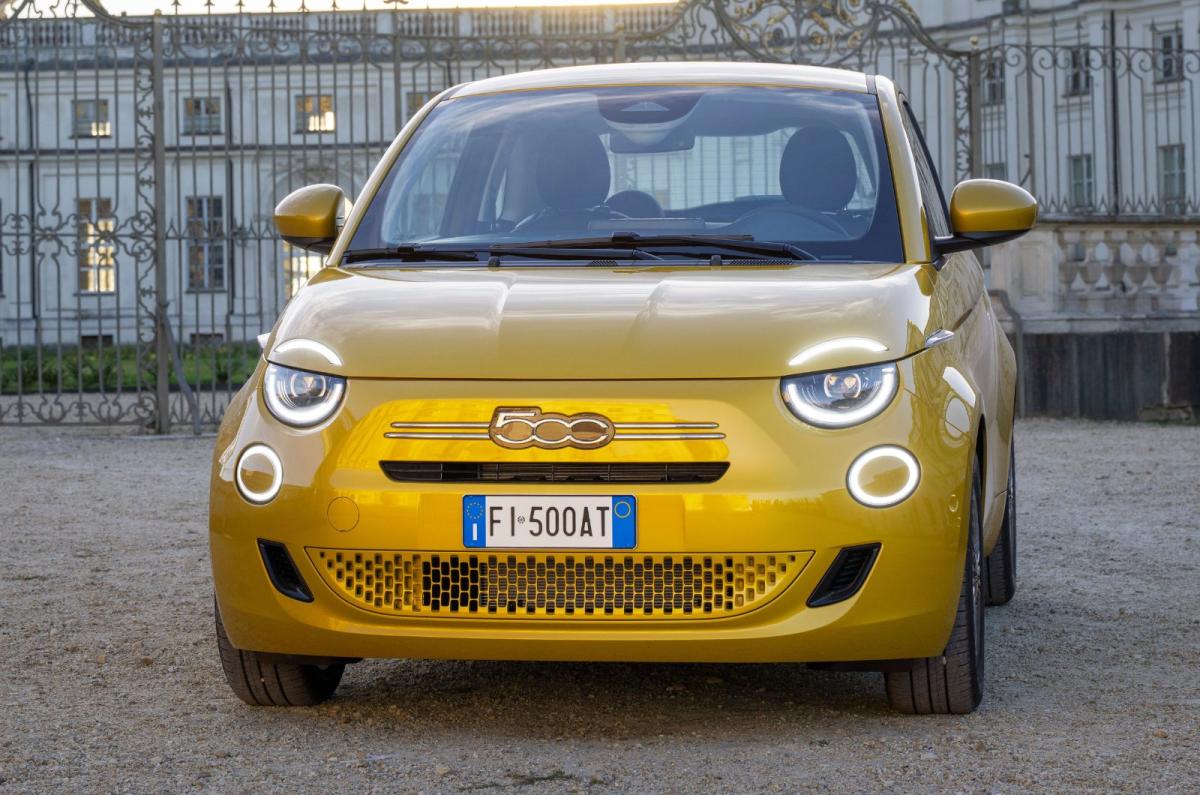
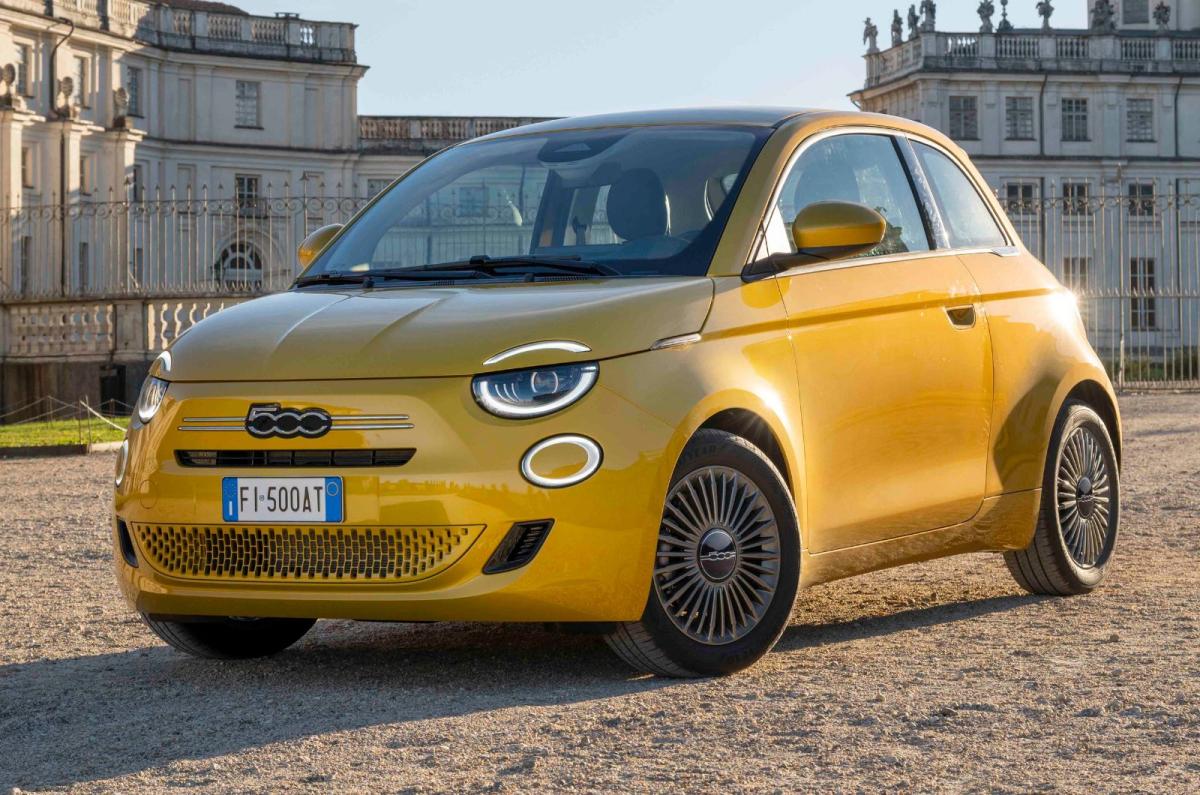
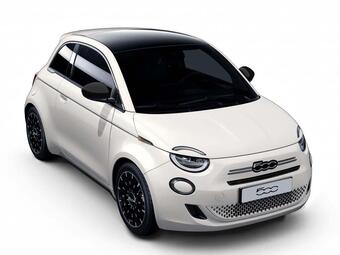
- Fiat 500 Hybrid exterior front still
- Fiat 500 Hybrid dashboard
- Fiat 500 Hybrid boot
- Fiat 500 Hybrid rear right driving
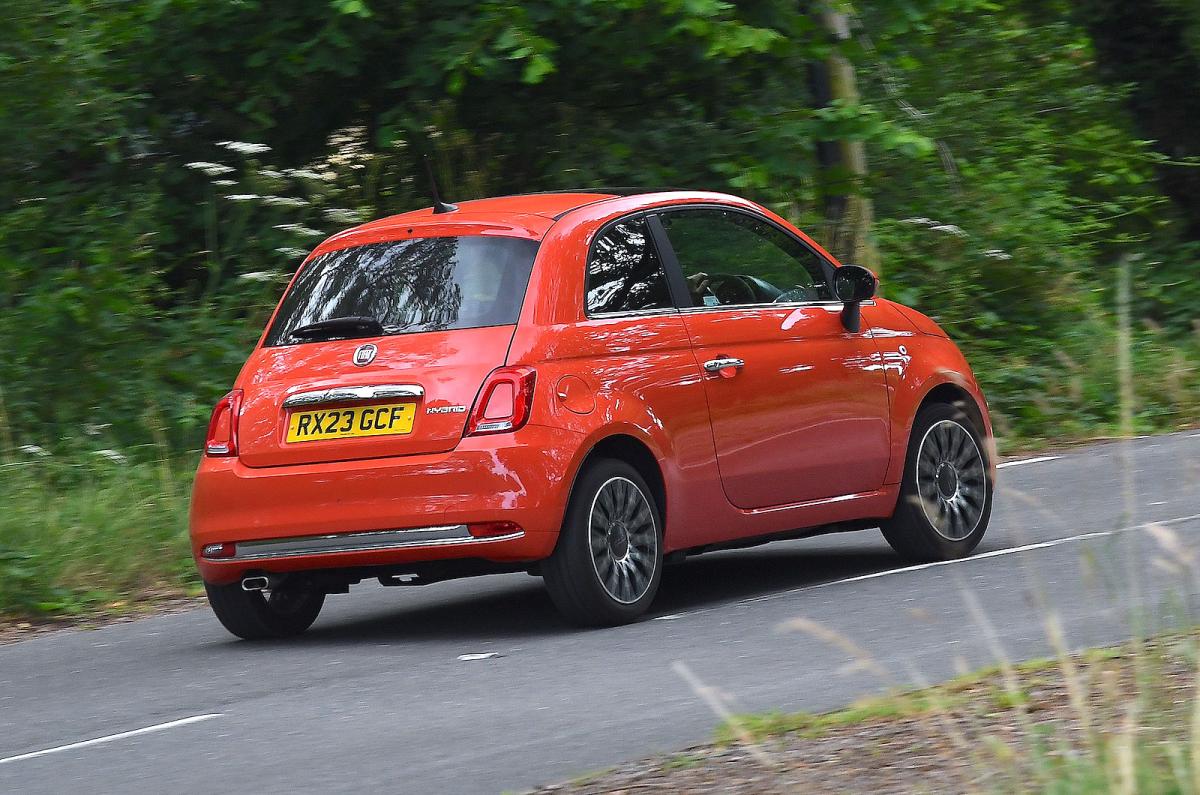
- Fiat 500 Hybrid rear driving
- Fiat 500 Hybrid interior
- Fiat 500 Hybrid interior
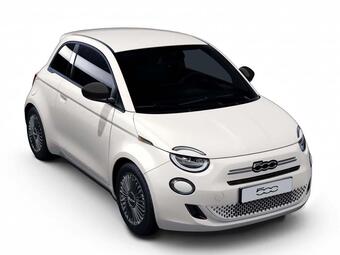
- Fiat 500 Hybrid exterior still


What is What Car? best price?
The What Car? best price shows you the cheapest way to buy your new car, whether it's by choosing an in-stock car through our partner Autotrader or placing a factory order.
RRP from: £12,675
Introduction
The Fiat 500 Hybrid is a bit like an old episode of Doctor Who: while it holds plenty of appeal, we've become used to seeing a newer reincarnation on our roads/screens.
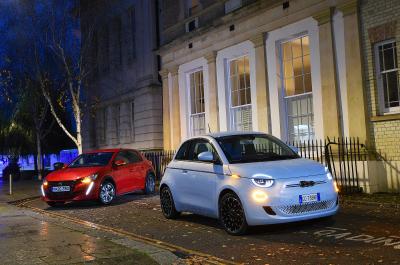
And while there's no missing the family resemblance between the 500 Hybrid and the newer and whizzier all-electric Fiat 500e, they're very different cars.
What is What Car? best price?
The What Car? best price shows you the cheapest way to buy your new car, whether it's by choosing an in-stock car through our partner Autotrader or placing a factory order.
RRP from: £12,675
This mild-hybrid version has remained relatively unchanged for a while now, so has it been left behind? And how does it stack up against similar-sized alternatives, such as the Hyundai i10, the Kia Picanto and the Toyota Aygo X?
Read on to find out how we rate the Fiat 500 Hybrid – and the 500C cabriolet version – against the best small cars...


Pros
- Stylish, well-thought-out interior
- A breeze to drive around town
- Good visibility
Cons
- Only one engine and gearbox available
- Sluggish on country roads and motorways
- Tight rear seats and small boot
Performance & drive
What it's like to drive, and how quiet it is
Strengths
- Punchy enough around town
- Fairly comfortable ride
Weaknesses
- Sluggish acceleration at higher speeds
- Vague steering
How fast is it and which engine is best?
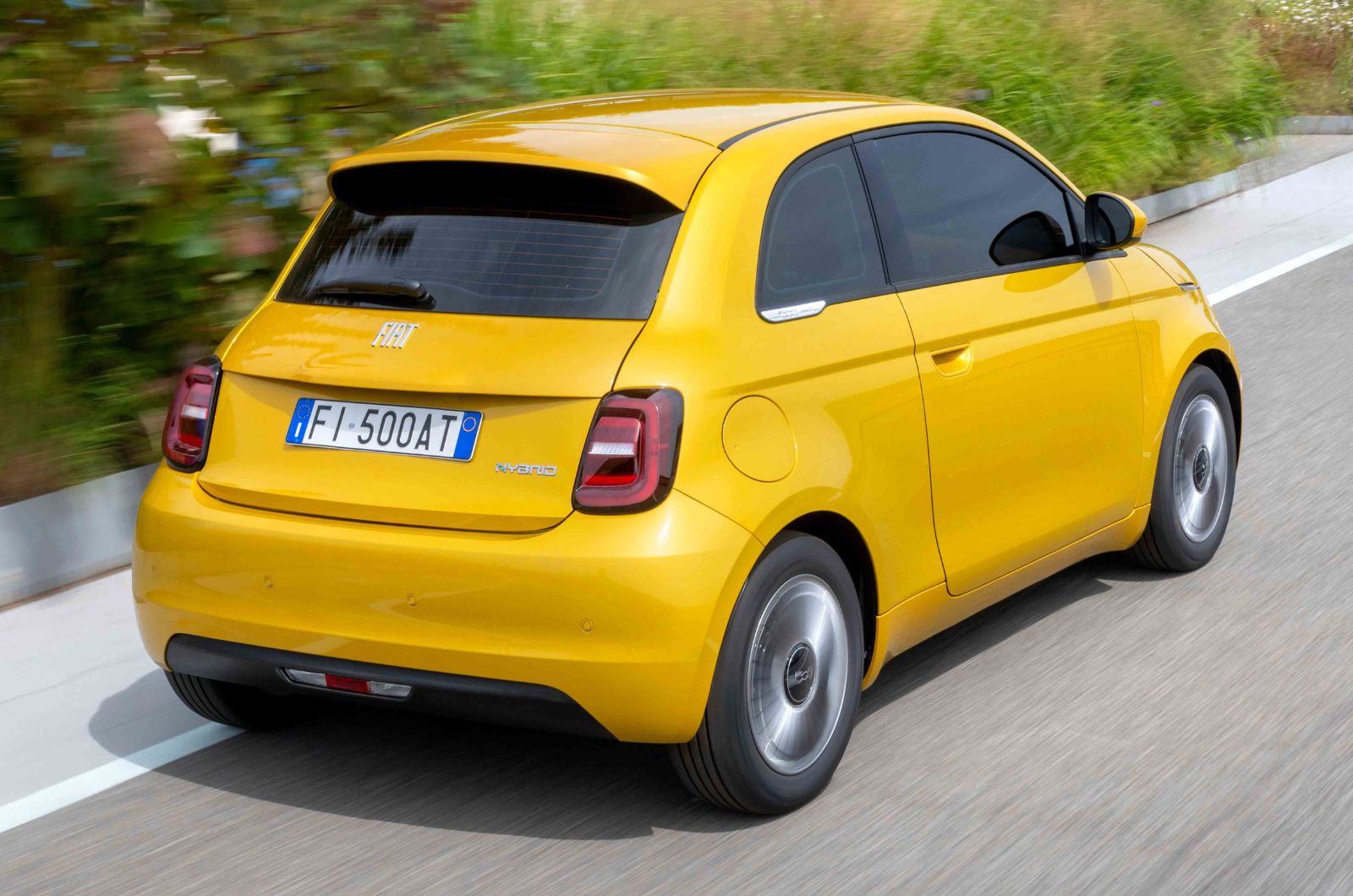
Fast is not really a word in the Fiat 500’s vocabulary. Its 1.0-litre petrol engine has just 64bhp and the resulting 0-62mph is – brace yourself – 16.2secs. If you choose the convertible Fiat 500C, that time becomes – really brace yourself this time – 17.3sec. That’s right, this is one of the slowest cars on sale today.
In practice, the 500 is fine around town. The car is small and light, so it feels relatively peppy getting away from the lights. It’s only really when you need to stretch the 500’s legs – for instance, accelerate to motorway speeds or get up a steep hill – that progress really starts to feel sluggish.
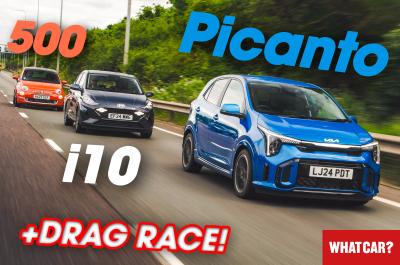
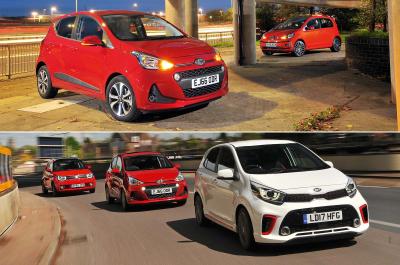
The 500 demands a heavy right foot, more so than the 1.2-litre Hyundai i10. The i10 accelerates quicker and feels more at home on motorways and country roads.
Is it agile and is the ride comfortable?
Yes, the 500 is nimble, although you might’ve already guessed that given its small dimensions. Another trait helping the 500 feel so agile is the steering, which is light. Nipping around tight city streets is as easy as pie.
On faster roads, the 500 has enough grip to feel safe, but we wouldn’t call it sharp or sporty. And this is where the light steering becomes a bit of an issue, because you only ever get a vague feeling of what the front wheels are up to, which tapers your confidence on twisty country lanes.
So, it’s best to take things fairly easy and, speaking of easy, the ride is pretty forgiving, tackling speedbumps and potholes around town with a good amount of cushioning. There’s quite a bit of side-to-side sway over patchy surfaces, though, and we’d prefer a more tied-down feel at higher speeds. The i10 and Picanto are ultimately more comfortable as a result, because they’re similarly forgiving around town but more planted at higher speeds.
Is it quiet and how easy is it to drive smoothly?
The old Fiat 500 felt quite tinny, but fortunately this new one is quieter and more refined. There’s not much road noise, and wind noise only creeps up at motorway speeds – and it never becomes annoyingly loud. The three-cylinder engine sounds quite rorty when you put your foot down, but on the flipside, it can come across quite coarse and rattly at low revs.
The 500 is easy to drive smoothly, with a progressive, predictable brake pedal and a precise clutch pedal. The gear lever is easy to throw around, too.
“Zipping around tight city streets was good fun, but I felt somewhat nervous on the motorway. The steering is too light and the car never feels that planted.” – Oliver Young, Reviewer
Interior
The interior layout, fit and finish
Strengths
- Good visibility
- Welcomed splash of colour on the dashboard
- Good infotainment system
Weaknesses
- Cramped pedal area
- Still ultimately feels cheap
What does the interior look like and is it well made?
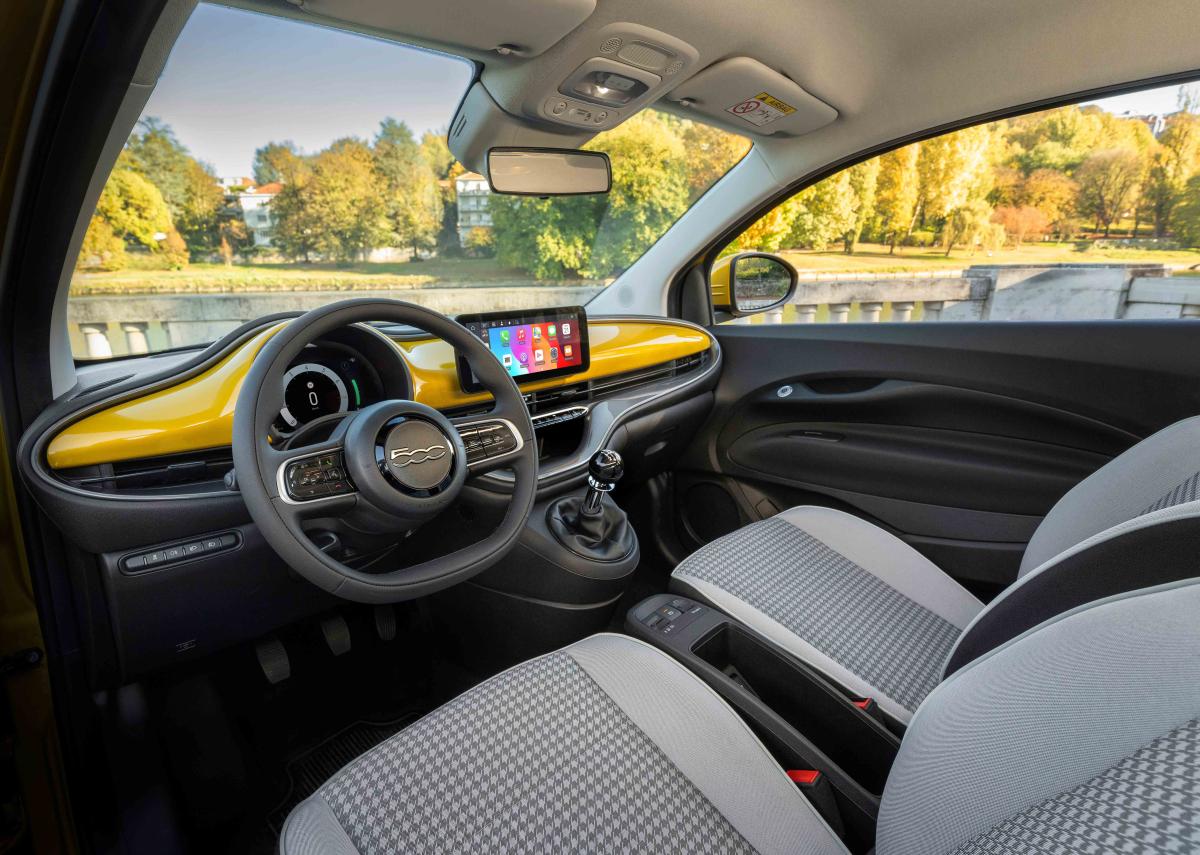
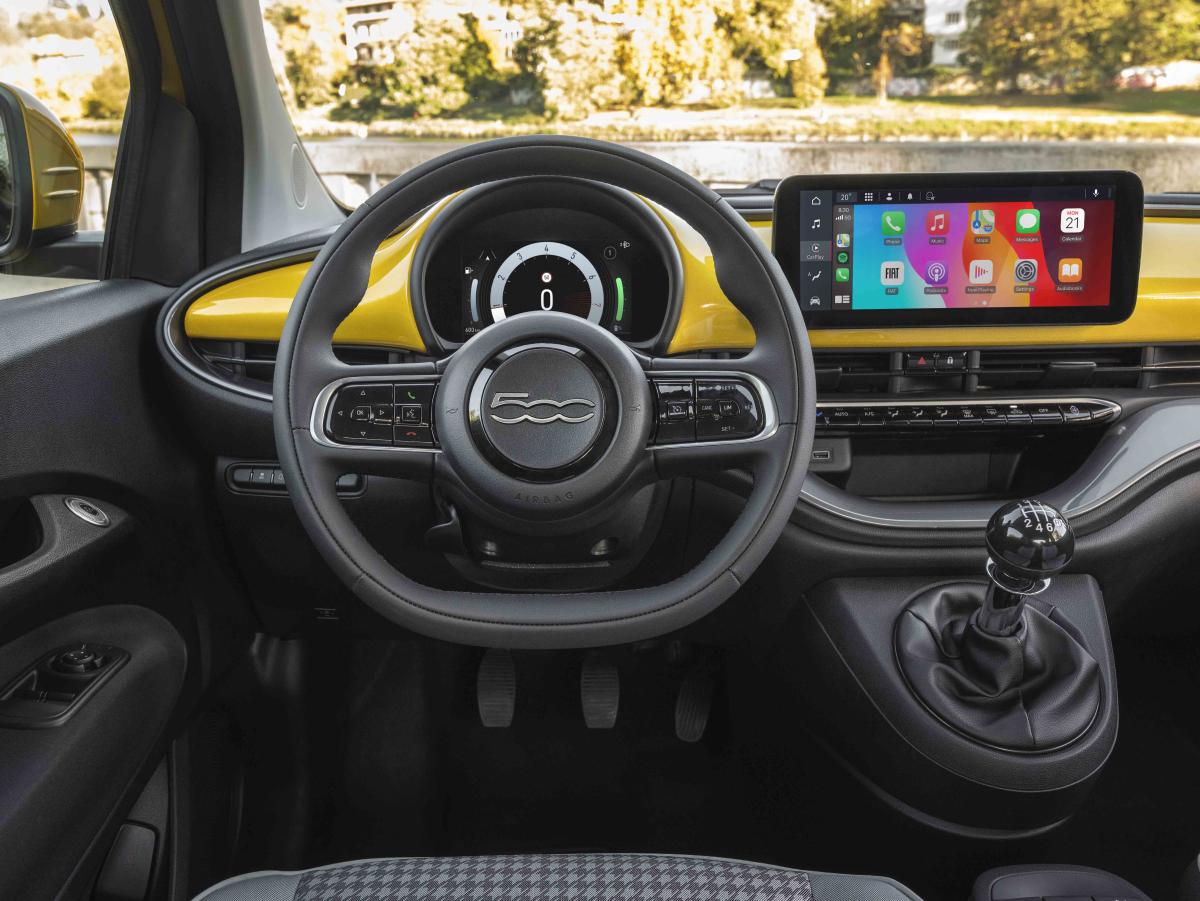
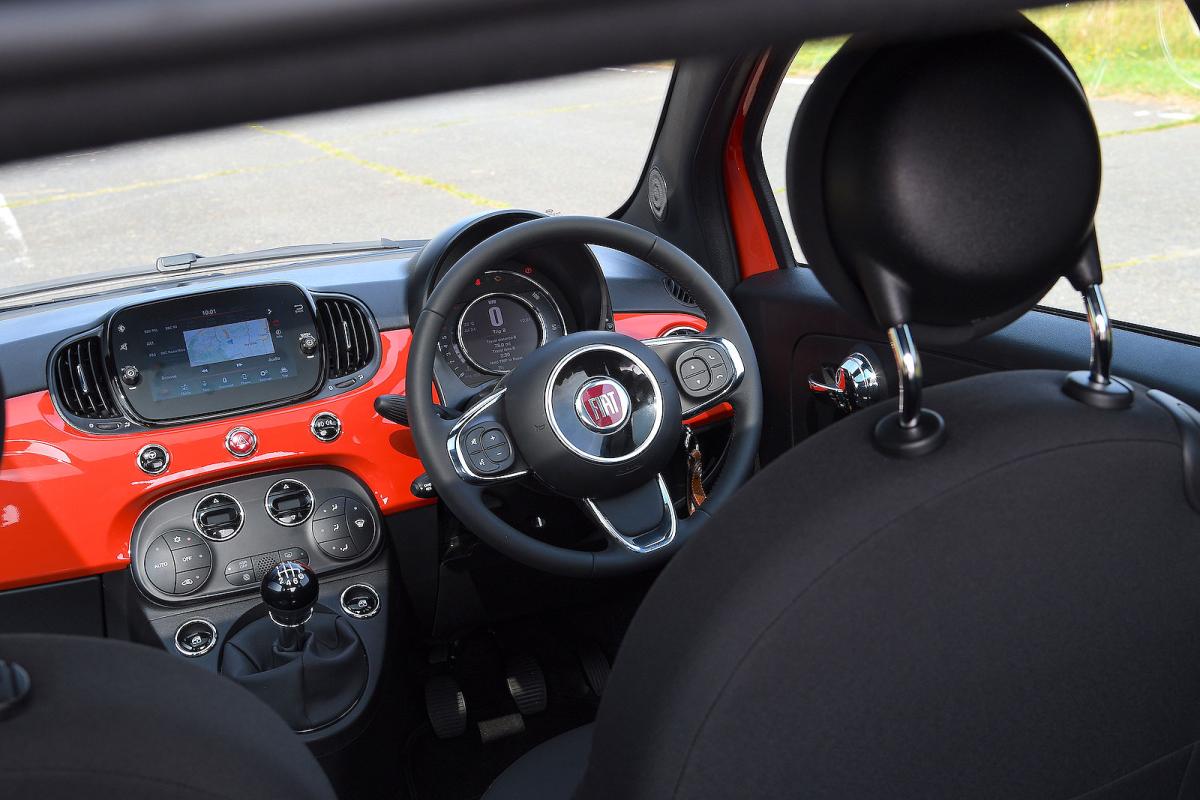
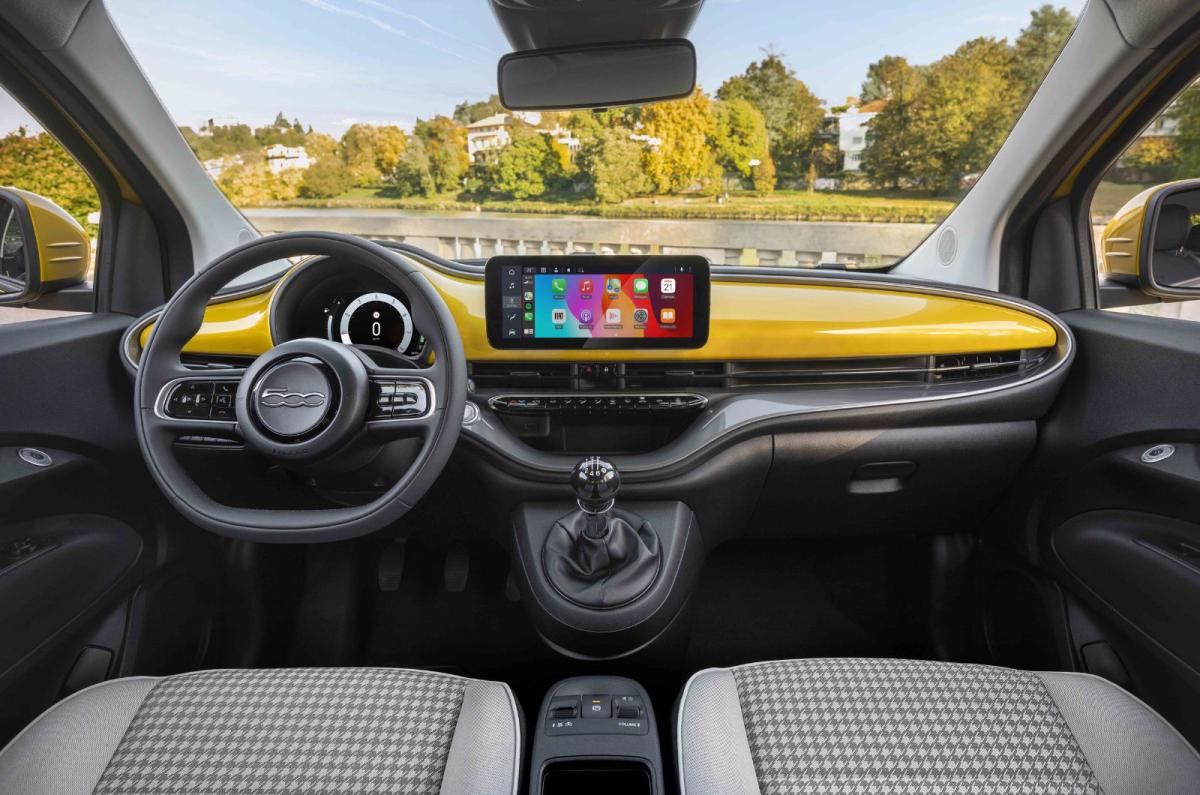
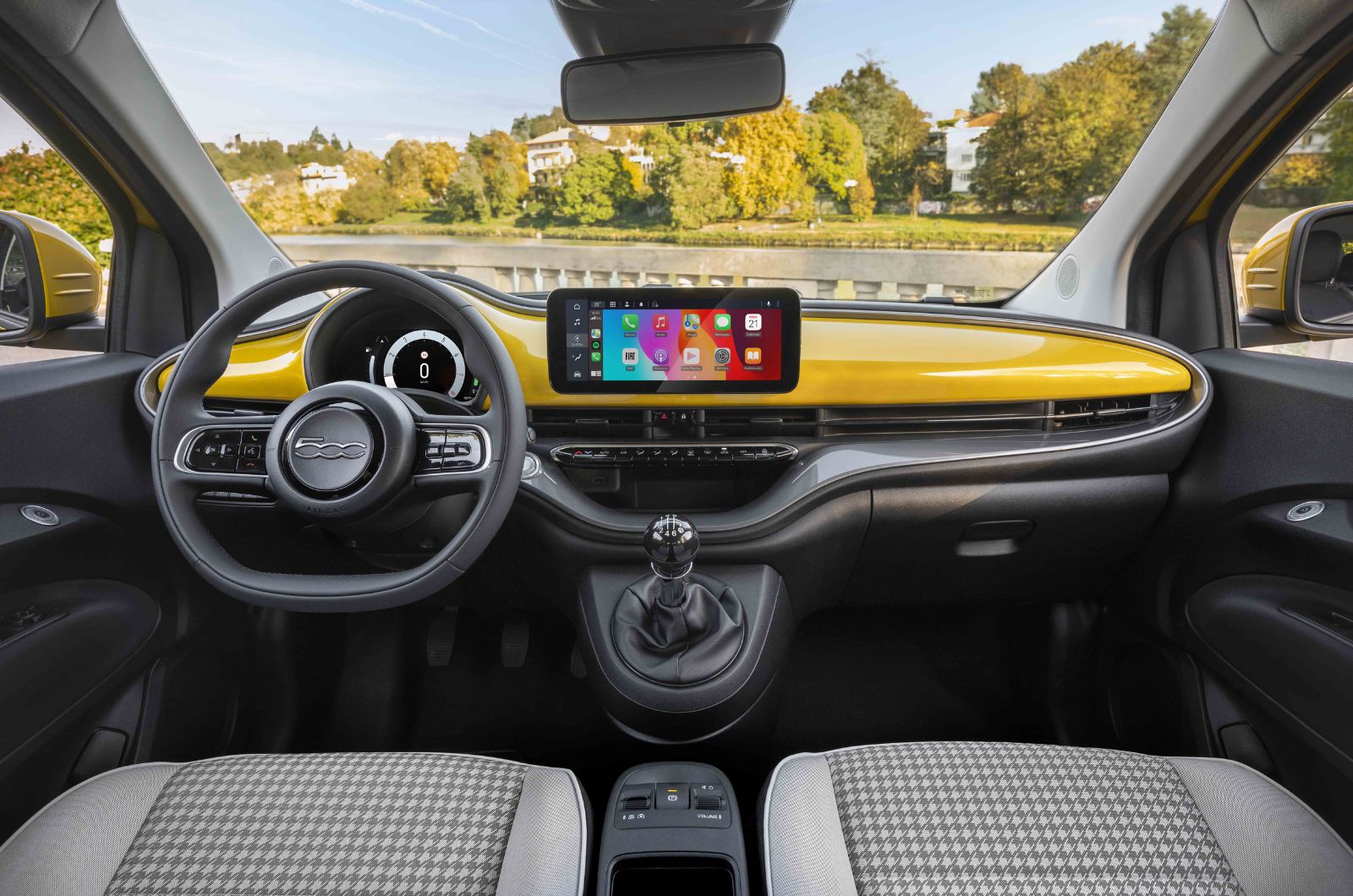
Besides a gear lever in the middle, the Fiat 500 Hybrid and Fiat 500e are almost identical inside. That’s a good thing, because the interior is a nice blend of old and new. To be more specific, the design is loosely inspired by the original from the 1950s, but it feels modern in its tech and features; take the digital driver’s display, for example.
We also like that every 500 gets body-coloured trim on the dashboard. As long as you’ve opted for a bright exterior colour, the interior really pops – much more so than the Hyundai i10 and Kia Picanto’s respective interiors.
Quality is similar to rivals’ too, which is to say the 500 is filled with scratchy plastics, with barely any softer materials present. It’s built to a budget, as you can imagine, but at least build quality itself feels pretty solid.
Is the driving position comfortable and is it easy to see out?
The 500 sits you fairly high and upright, a little more so than the i10 and Picanto. Its tall driving position, along with its big windows, gives you great all-round visibility. If you’d prefer to be more snug, look at larger hatchbacks like the Seat Ibiza.
The pedal area in the 500e is quite cramped, and it’s even tighter in the 500 Hybrid due to the clutch pedal. There’s barely anywhere to rest your left foot, unfortunately, so a little more space here would be appreciated.
Is the dashboard and infotainment system easy to use?
Every 500 comes with a 10.3in infotainment touchscreen which has wireless Android Auto and Apple CarPlay smartphone mirroring programmed in. Apart from a few icons being a bit small, it’s all good news: the menus are easy to get your head around and the screen responds quickly when you press it. What’s more, the graphics are crisp and a cut above the i10 and Picanto’s.
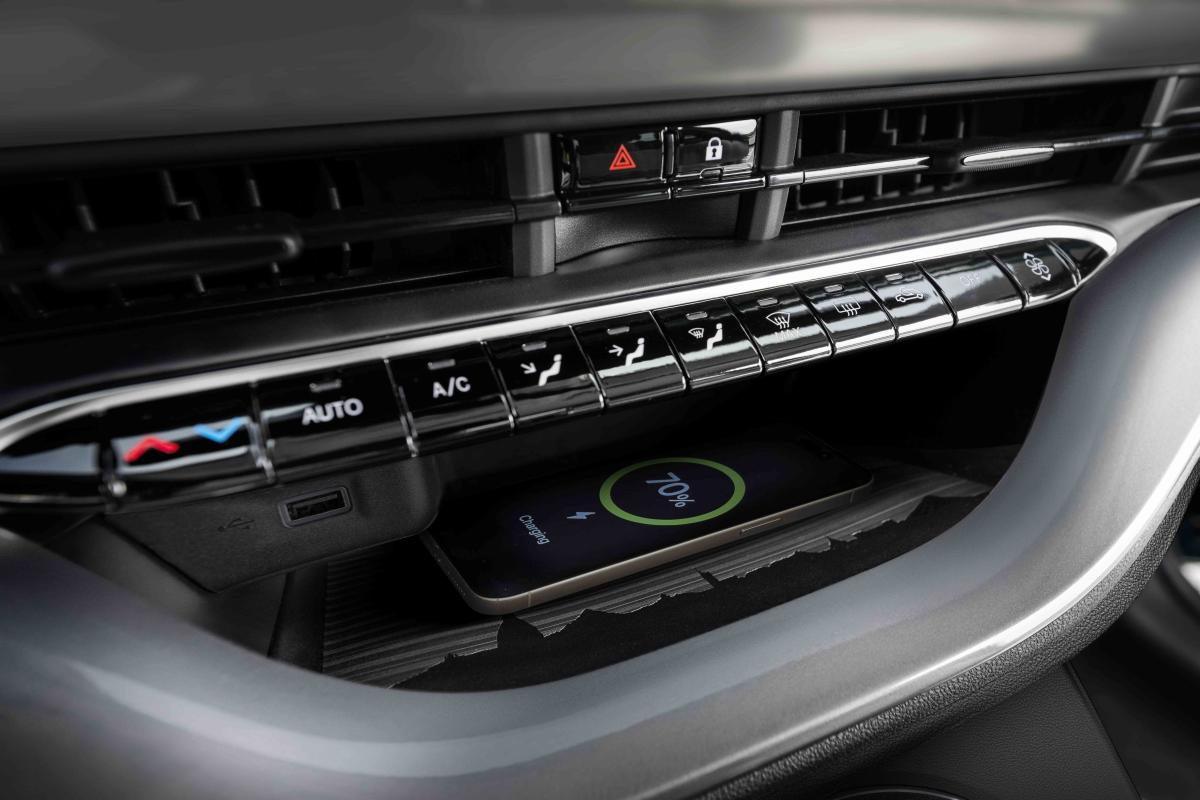
Like those cars, the 500 features easy-to-use, physical controls for the air-con.
“Where some rivals feel dull inside, the 500 is the opposite. It’s bright and funky. I like it.” – Oliver Young, Reviewer
Passenger & boot space
How it copes with people and clutter
Strengths
- Handy cubby between front seats
- Big glovebox
Weaknesses
- Tiny boot
- Cramped in the back
- No rear doors
How much space does it have for people?
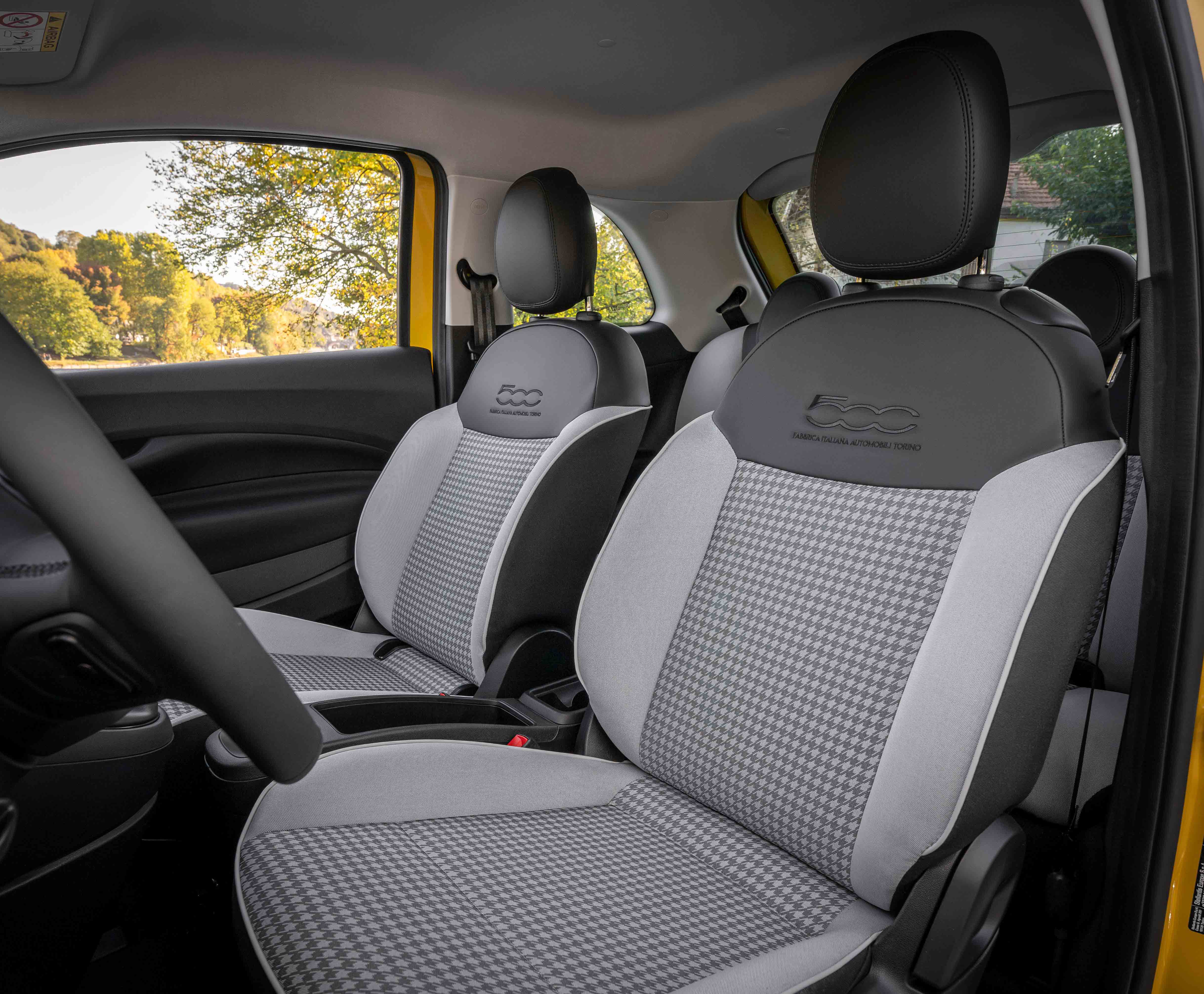
Up front, the Fiat 500 will cater for two six-footers without much issue. As mentioned, you’ll feel quite upright, perhaps rather perched, but space-wise you’ll be fine.
There’s even a respectable amount of storage space, with a tray on the dashboard that’ll fit your phone. The door bins are quite small, but the glovebox is large and there’s a long, narrow cubby between the front seats. Range-topping La Prima cars get an armrest with a storage slot underneath.
Rear passengers are less well-catered. For starters, unlike the Hyundai i10 and Kia Picanto, there are no rear doors, so it’s a squeeze to get in. And when you’re in, you’ll find only two seats, as well as tighter spaces for head and leg room – certainly less space than you get in the i10 and Picanto.
How much room does it have for luggage?
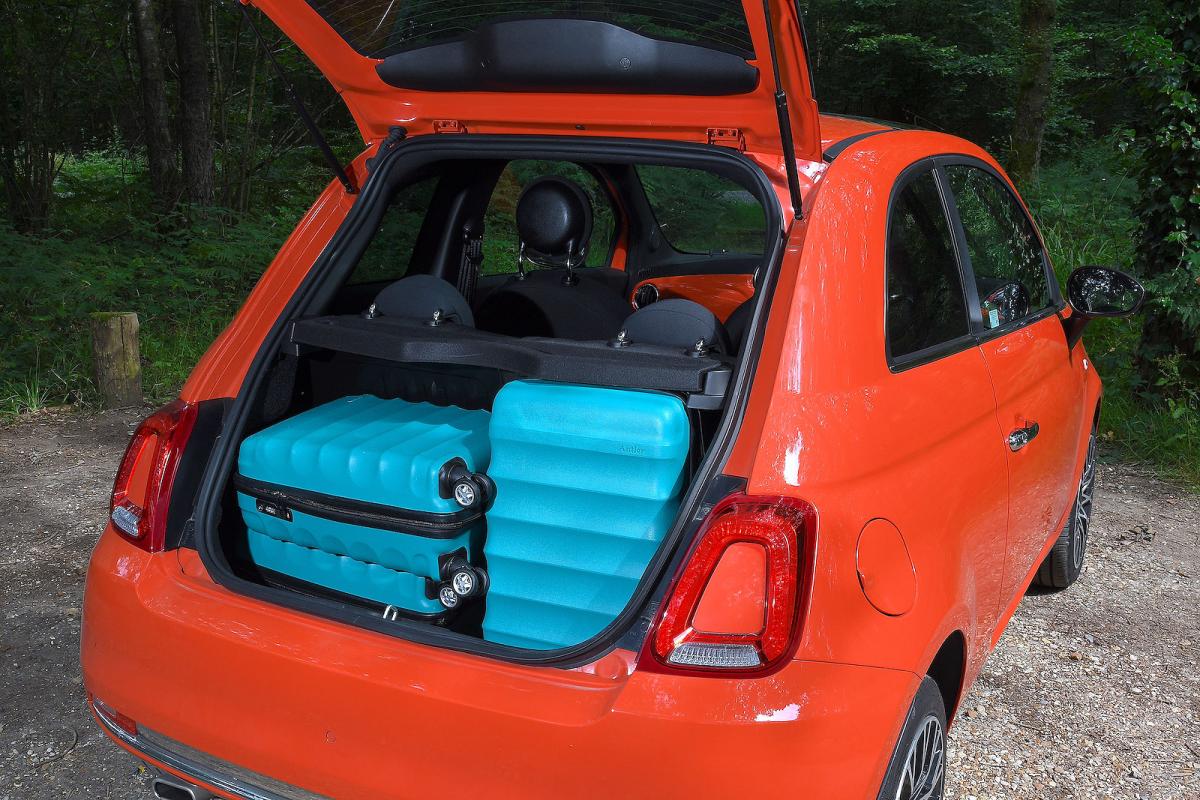
The 500 has just 183 litres of boot space, which is similar to the 500e. That car can take three carry-on suitcases and we’d expect the 500 to be no different. Sure, the i10 and Picanto can also only manage three, but their boots are still around 70 litres larger nonetheless.
Access to the boot is more restricted in the 500C convertible because the boot lid is much smaller (akin to a saloon car’s). The electric version can take only two carry-on cases – again, we’d expect the petrol version to cope with the same amount. If you need to carry more, the rear seatbacks can be folded down in a 50/50 split.
“Short trips are fine, but I’d hate to be a rear-seat passenger if we’re off on a long journey.” – Oliver Young, Reviewer
Buying & owning
Everyday costs, plus how reliable and safe it is
Strengths
- Decent standard kit
- Cheaper than a Mini Cooper
Weaknesses
- The i10 and Picanto are even cheaper buys
- Hefty premium for the convertible version
How much does it cost and what equipment do you get?
Official pricing is yet to be released, but we’ve been given a rough figure of £19,000. With that starting list price, the Fiat 500 undercuts its 500e electric sibling (considerably) and the Mini Cooper, but not the Hyundai i10 and Kia Picanto.
As we mentioned, there’s just the one engine option with the 500 and it officially averages 53mpg. It’ll return similar fuel economy to the i10 and Picanto, but the new Toyota Aygo X Hybrid can manage upwards of 60mpg.
Ways to buy
But wait a second: isn’t the Fiat 500 Hybrid a, you know, hybrid? Well, no, that name is a tad deceiving. The 500 Hybrid is only a mild hybrid, and its electrical assistance is so light that it’s barely noticeable. It’s unable to run on electric power alone like an Aygo X Hybrid.
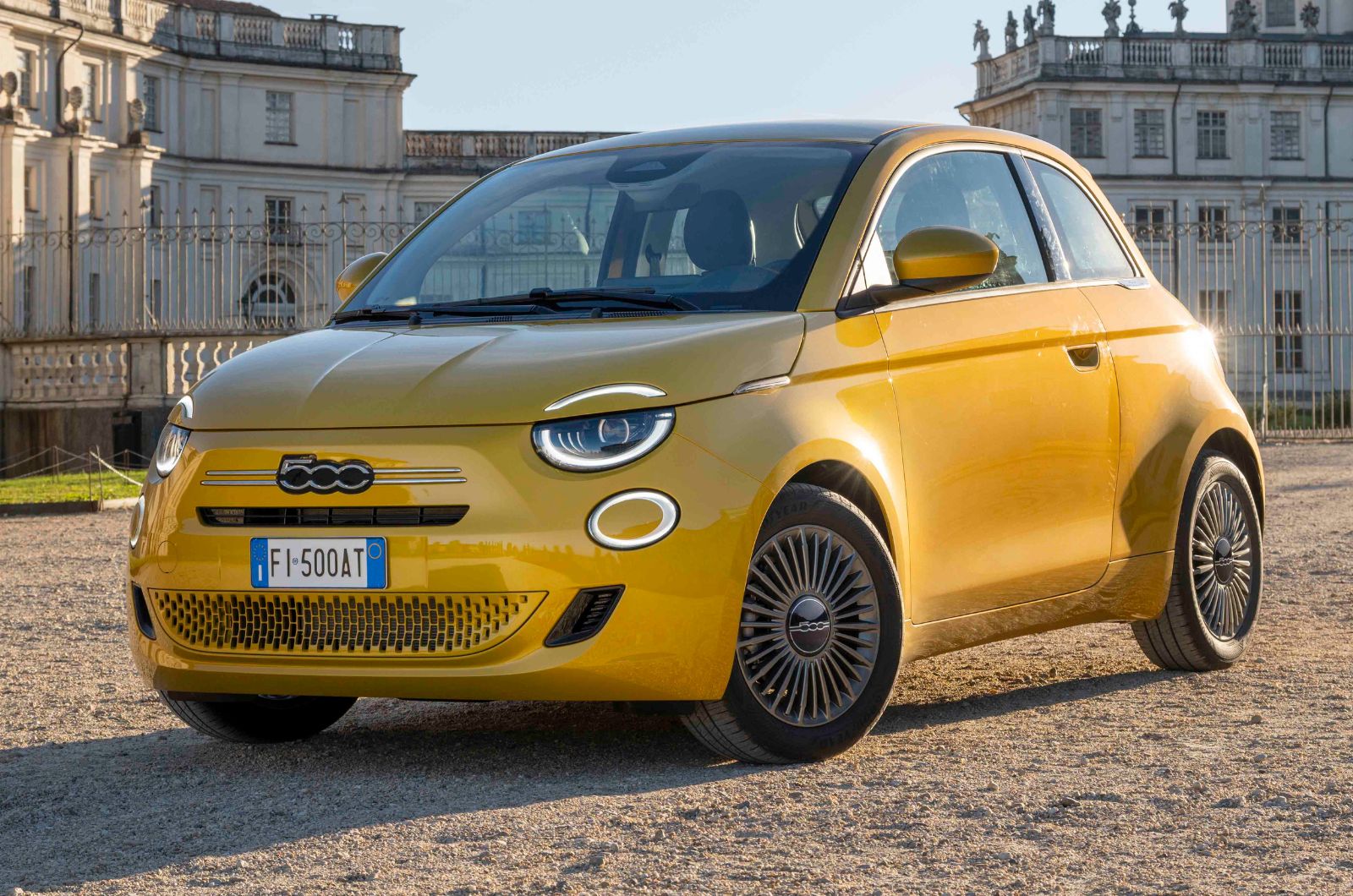
The entry-level trim is called Icon and it’s decently equipped. It gets 16in alloy wheels, automatic air conditioning and LED headlamps. The other trim is La Prima and it tops the range. It gets 17in wheels, heated front seats, tinted rear windows and a fixed glass sunroof (not on the 500C). It should come at a premium of around £1500, which is reasonable. La Prima is our pick.
The 500C is more of a tough sell. Obviously, the fabric drop-top roof has its appeal, but you’ll need to fork out an extra £3000 or so (again, that’s a rough figure) to get it.
Is it reliable, and how long is the warranty?
The 500 Hybrid is too new to feature in a What Car? Reliability Survey. The 500e is the best reference point we have and that car placed mid-table with a decent 91.9% reliability score. As a brand, Fiat ranked 28th out of 30 manufacturers, which is somewhat disconcerting.
If anything were to go wrong, there’s a standard three-year, unlimited-mileage warranty. Hyundai and Kia give its cars longer warranties, however – five and seven years respectively.
How safe is it, and is it easy to steal?
The 500 Hybrid hasn’t been tested, but the electric version achieved an overall four-star safety rating when it was tested by Euro NCAP back in 2021. That's the same rating as the Peugeot 208, but the Mini Cooper was awarded five stars.
We’re yet to be told what safety equipment and tech the 500 Hybrid is going to get, but we’d expect it to follow suit with the 500e. If that’s the case, all versions will come with lane-keeping assistance, traffic-sign recognition and automatic emergency braking (AEB). Stepping up to at least La Prima will add blindspot monitoring.
Similarly, every 500e does without an alarm. If you want one, it’s available as a dealer-fit accessory. All versions of the 500e do get an immobiliser to make it tougher for thieves to drive your car away though. Again, the 500 Hybrid will probably follow suit here.
“The 500 is likely to be similarly priced next to the larger Fiat Grande Panda, which I think could confuse some buyers.” – Oliver Young, Reviewer
Buy it if…
- You love the retro styling
- You do a lot of urban driving
- You’re a bit of a traditionalist and like a manual gearbox
Don’t buy it if…
- You regularly travel long distances
- You need to carry adults in the back
- You want a powerful engine
For all the latest reviews, advice and new car deals, sign up to the What Car? newsletter here
Tips & Advice
Similarly priced cars


If you're interested in finding a Fiat 500, or any of the other small cars mentioned here, head over to our Cars available now pages to find new cars listed for sale at great prices.
FAQs
Fiat 500 specifications
RRP price range
MPG range across all versions
Available fuel types (which is best for you? )
Available colours
Number of engines (see all)
Number of trims (see all)
What is What Car? best price?
The What Car? best price shows you the cheapest way to buy your new car, whether it's by choosing an in-stock car through our partner Autotrader or placing a factory order.
RRP from: £12,675
Cars available now

About the writer