Best luxury SUVs in 2026 – and the ones to avoid
Best luxury SUVs 2025 – and the ones to avoid
Whether you're attending a movie premiere, wafting along to your next business meeting, or simply doing the school run, a luxury SUV is a hugely appealing proposition. In this class we're looking for sumptuous comfort, class-leading space for both passengers and luggage, and instant showroom appeal from an interior filled with high-quality materials and the latest technology.
To earn a space on this list, a luxury SUV must do all of the above. But we're also loking for the best to be engaging to drive – whether it's powered by a combustion engine, hybrid power, or even if it's fully electric – plus running costs which won't be ruinous.
To sort the best from the rest, our experienced team of road testers have spent thousands of hours behind the wheel of every luxury SUV on the market, assessing them both on public roads, and back-to-back against key rivals at our private test track. The end result of that testing is the list you see here, where we're naming the best luxury SUVs.
To help guide you through the plethora of options, we've detailed 10 of our luxury SUV favourites on this page. And if any of them take your fancy, you can click the links to learn more about any of them in our in-depth reviews. We've also named the luxury SUV we think you should avoid, and answered some of the most common questions about luxury SUV ownership at the bottom of this page.
Slideshow story: please click the right-hand arrow above to continue, or simply scroll down if you’re reading on your mobile

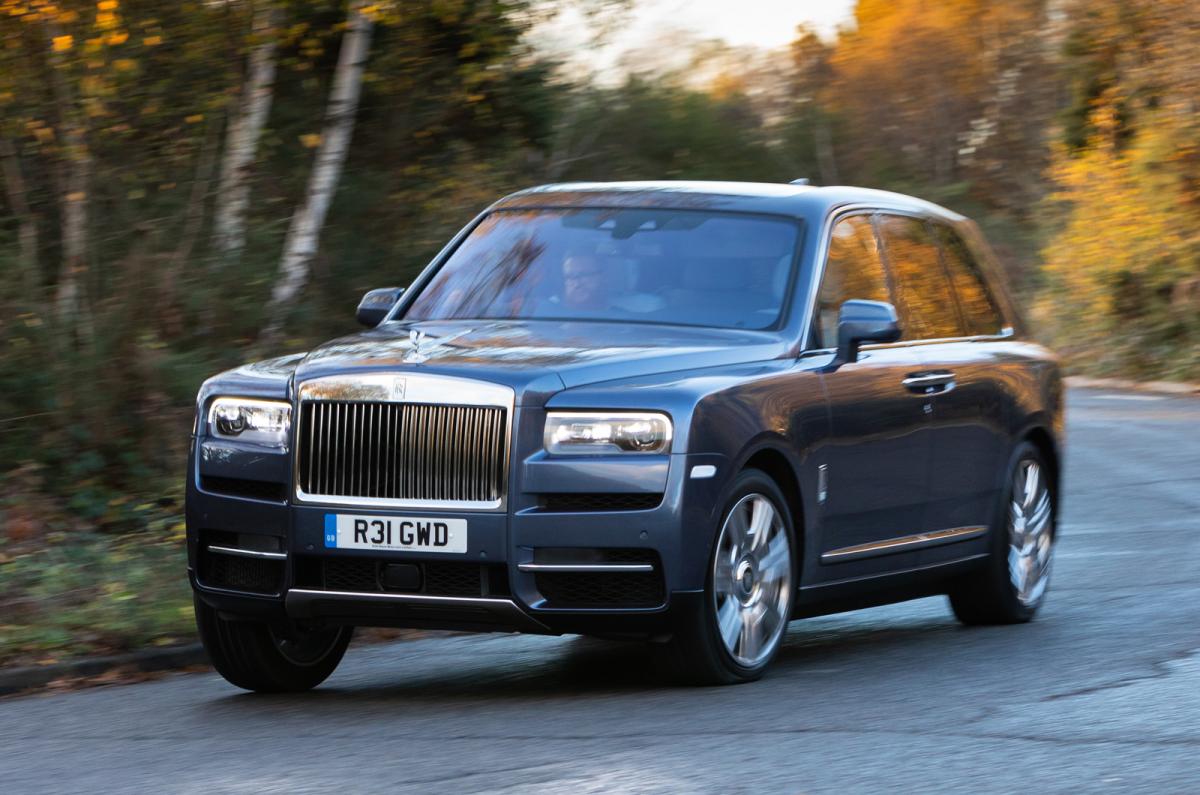
10: Rolls-Royce Cullinan
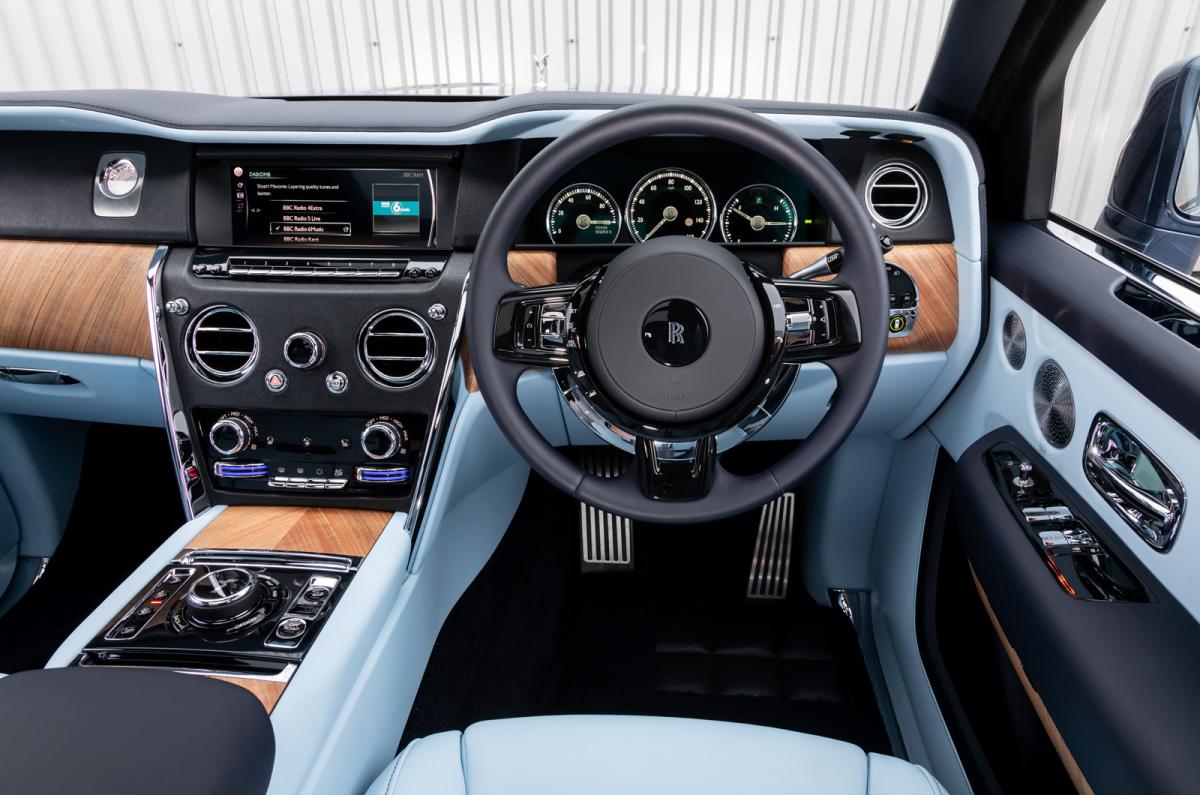
Yes, you could buy a property for the same money, but would your three-bedroom house come with lambswool mats as standard? For the best of the best interiors, the Cullinan swats away its rivals with lashings of leather, wood and solid metal finishes.
It’s not only the Cullinan’s interior that impresses. Considering its size, the Cullinan provides effortless performance from its mighty V12 engine. Indeed, this 2.6-tonne SUV can go from 0-62mph in just 5.2sec. And yet, it’s quiet, smooth and refined.
So, if you can afford it, the Cullinan makes a brilliant choice. However, the enormous list price and expensive running costs do restrict its position on this list.
“In the Cullinan even opening the boot is luxurious, because Rolls-Royce offers a glass partition which separates the rest of the interior from the boot space – meaning you can remain warm and toasty even if the boot is open to the elements.” – Claire Evans, Consumer Editor
10: Rolls-Royce Cullinan
Strengths
- Effortless performance
- Wonderfully opulent interior
- Superb refinement
Weaknesses
- Unsettled low-speed ride
- Hugely expensive to buy and run
- Controversial styling
9: Bentley Bentayga
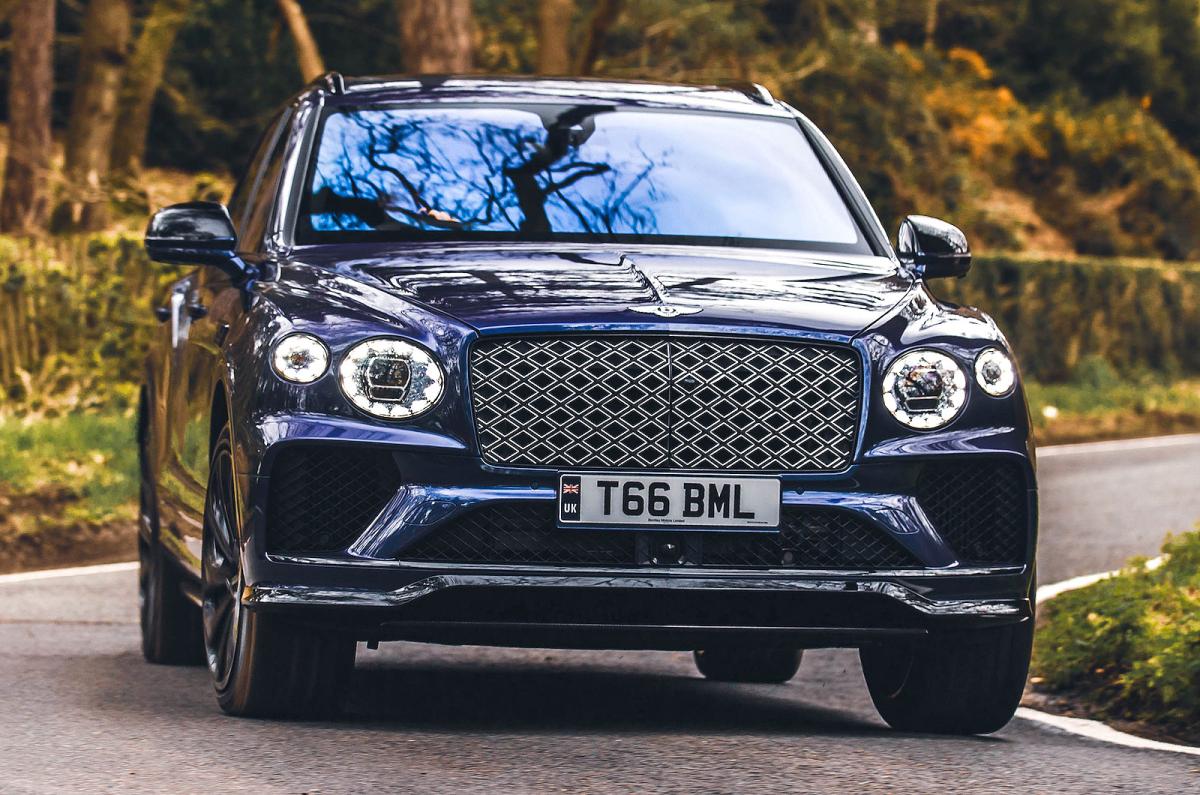
The Bentley Bentayga quickly became the British firm's fastest-selling car when it first went on sale, and it's not hard to see why.
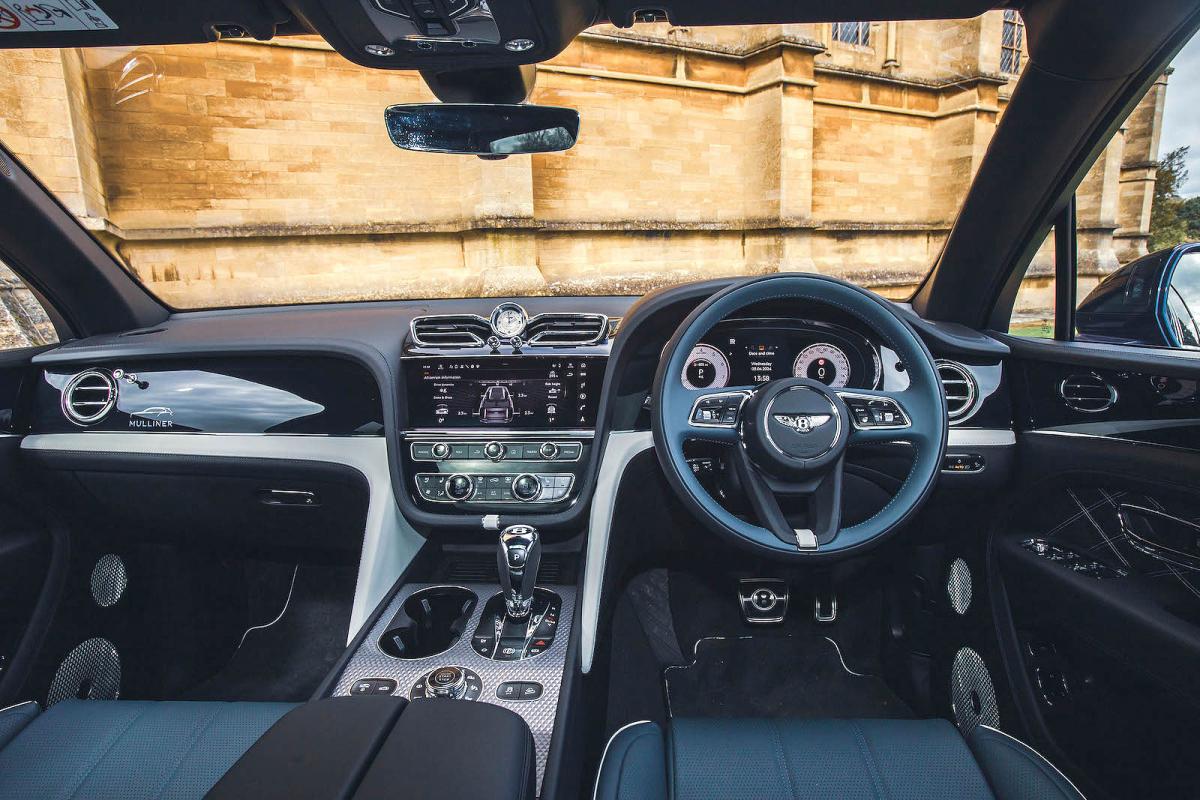
It has the same sense of occasion as any other Bentley, with a beautiful interior and a great infotainment system. Performance is effortless, and our favourite version, the V8 S, offers a more engaging drive – even if there's a little more road noise than you'll find in the plug-in hybrid alternative.
Despite its considerable size, the Bentagya offers great visibility, aided by a range of cameras. Those dimensions mean there's huge space inside, and while seven seats come as standard you can also choose a seven seat layout, or even a four seat configuration with throne-like rear seats for those seeking ultimate luxury.
“Don't think that just because you're in a large car that you have to settle for large running costs. Indeed, the V6 plug-in hybrid model of the Bentayga can officially cover 28 miles on eletricity alone, and returns upwards of 80mpg if you keep its battery topped up.” – George Hill, Staff Writer
9: Bentley Bentayga
Strengths
- Beautiful hand-finished interior
- Effortless performance
- Impressive infotainment system
Weaknesses
- Gearbox can be laggy around town
- High running costs
- Average boot space
8: Volvo EX90
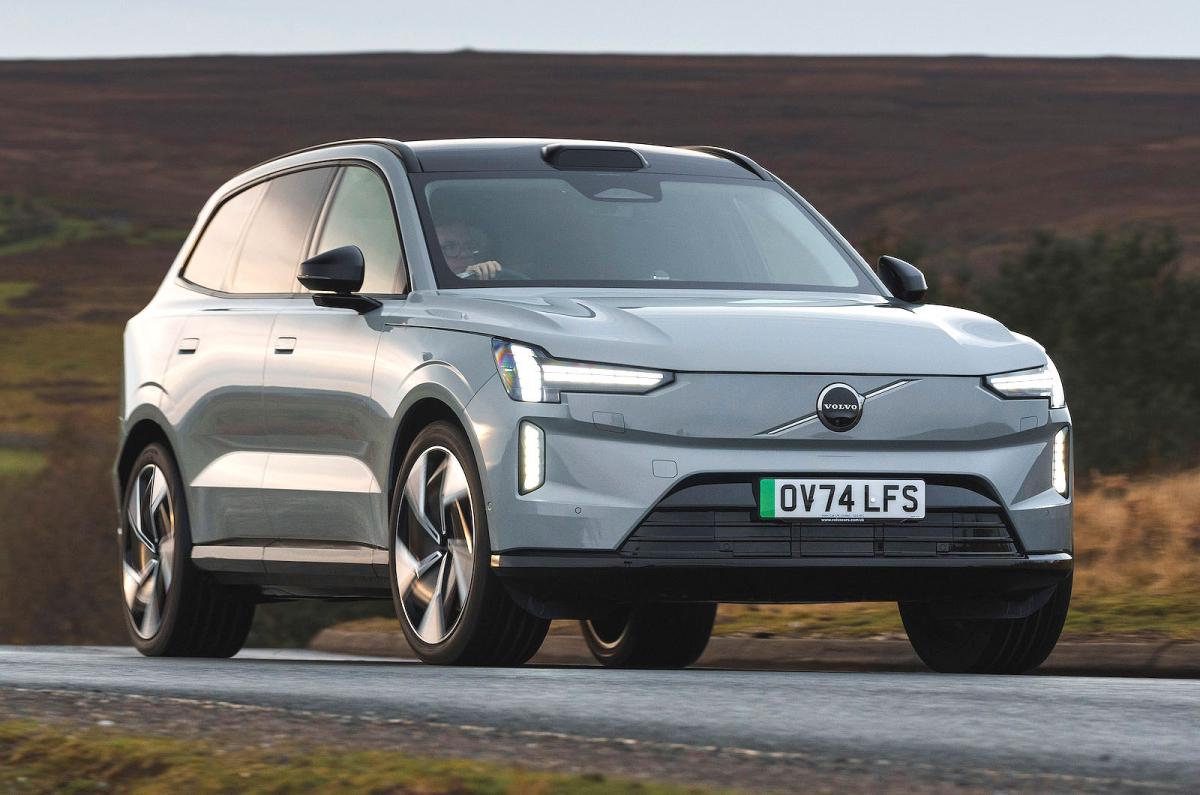
The Volvo XC90 has been a staple of the luxury SUV market for years, and the EX90 is here to pick up where that car left off, and move it into the electric age. Crucially – and still something of a rarity among electric SUVs – the EX90 can seat seven people. It's worth noting, though, that if you'll regularly be piling passengers into the third row, then the rival Kia EV9 is even more spacious.
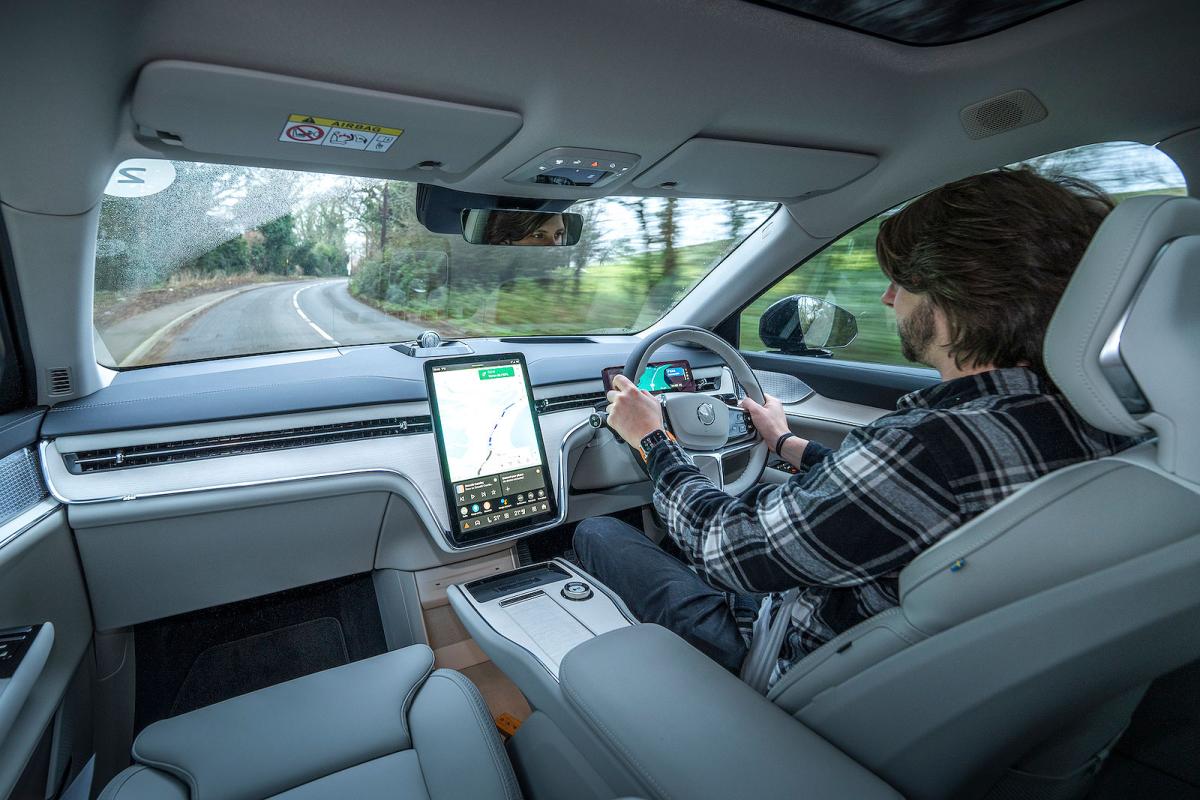
The Volvo knocks the socks off of the Kia for interior quality, where classy materials cover most of the surfaces you'll touch regularly. The 145.in infotainment touchscreen works well, too, and comes with Google apps for navigation and keeping in touch with friends and family built in.
You can have the EX90 in either Twin Motor or Twin Motor Performance forms, with the former able to cover the 0-62mph sprint in 5.9 seconds, and the latter dropping that figure to a sports SUV-rivalling 4.9 seconds. No matter which version you go for, you'll get the same 111kWh battery pack, which officially offers up to 374 miles of range.
“I commute a long way for work, so I'm used to taking every helping hand a car can give me. I was pleased that the EX90's driver assistance systems, including its adaptive cruise control and steering assistance, were easy to set up and usse."– Dan Jones, Reviewer
8: Volvo EX90
Strengths
- Seven seats as standard
- Rapid straight-line pace
- Great driving position
Weaknesses
- Expensive to buy outright
- Missing some features at launch
- Kia EV9 has more spacious third row seats
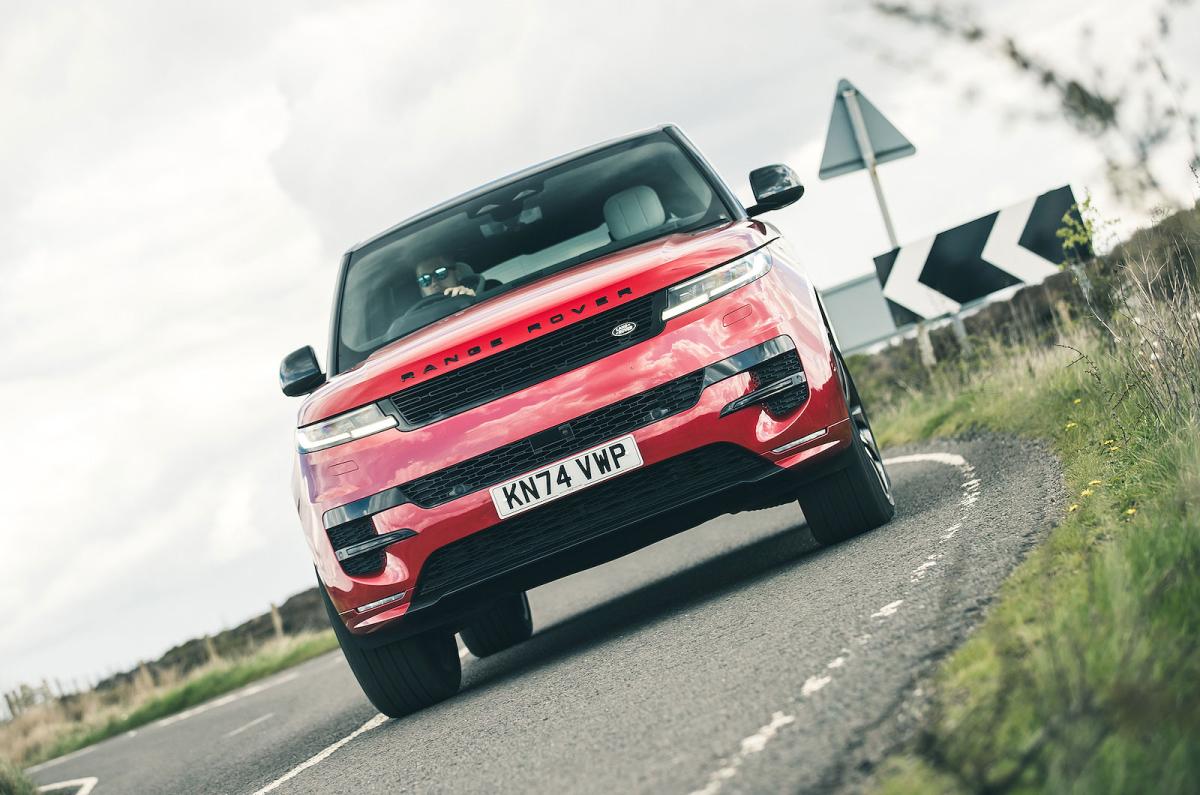
7: Range Rover
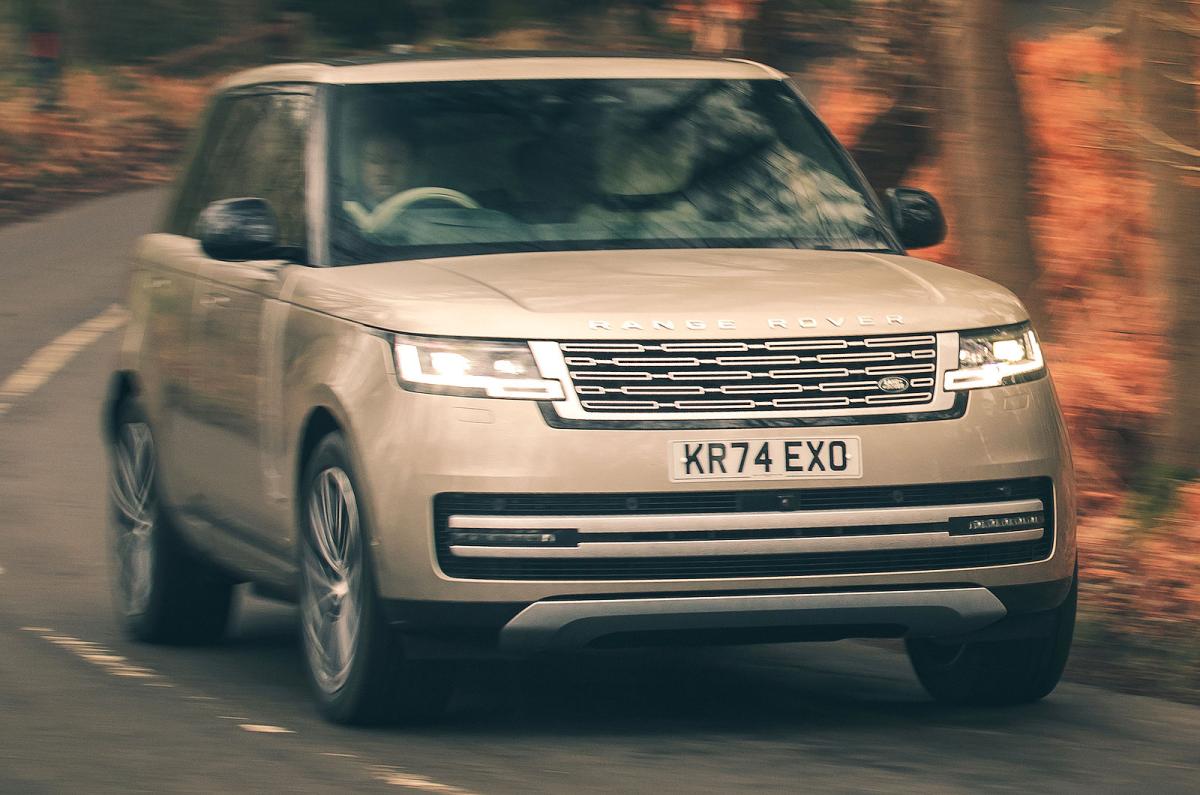
The Range Rover is one of the founding fathers of the luxury SUV class, and today it remains the go-to choice for many.
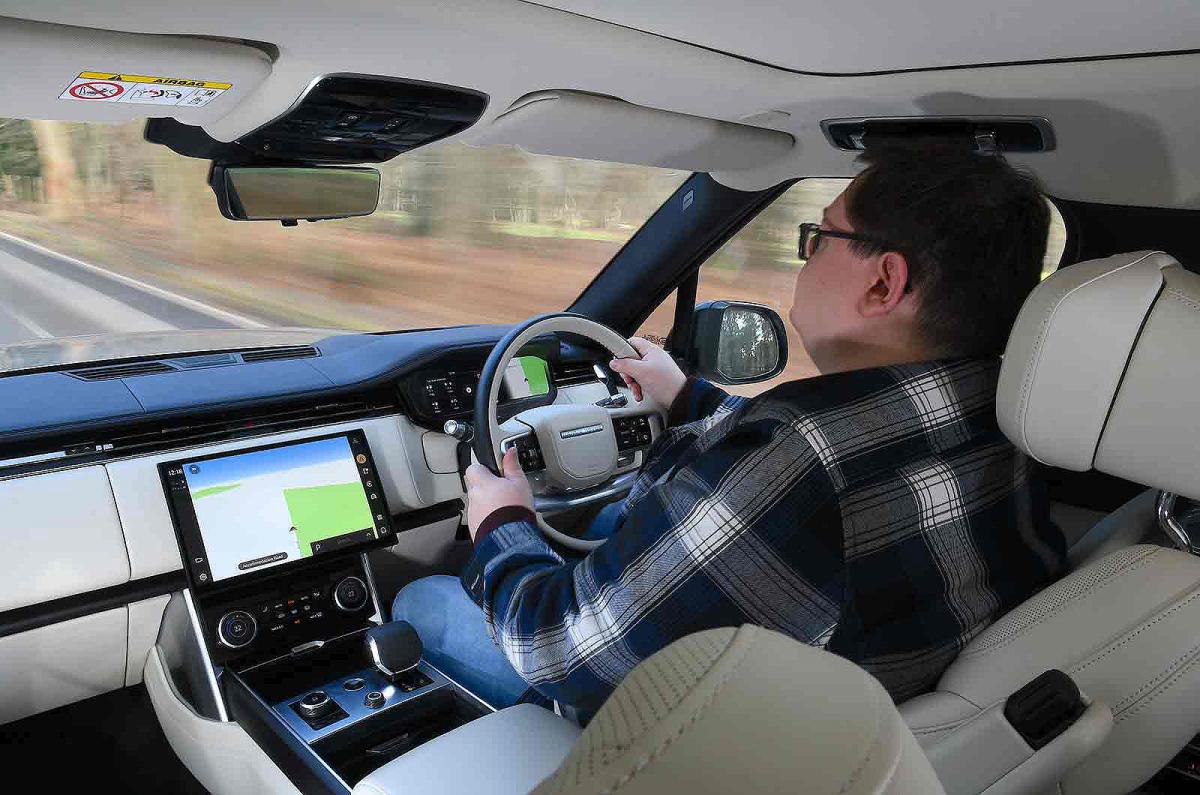
Why is that? Well, the Range Rover has a presence few other luxury cars can match. It’s stylish both inside and out, plus it’s incredibly comfortable to drive. That’s largely thanks to its cosseting air suspension and whisper-quiet interior.
Our preferred 296bhp D300 diesel engine is the cheapest option, yet still offers enough punch for most situations, although you can opt for a more powerful diesel, two plug-in hybrid versions or a range-topping V8 petrol if you wish.
There is a catch, though, because you do have to pay a premium for the Range Rover. Rivals such as the BMW X7 and Audi Q7 are cheaper, and both come with seven seats as standard. If you want seven seats in the Range Rover, you have to add them as an optional extra on the LWB (long wheel-base) version. That's why the Range Rover doesn't go higher up this list.
"I lived with a Range Rover for four months, and appreciated its high-set seating position every day. This is a luxury SUV which really does place you high above the road, meaning you have excellent visibility around you.” – Darren Moss, Deputy Editor
7: Range Rover
Strengths
- Fabulous driving position
- Fantastic off-road ability
- Useful seven-seat versatility
Weaknesses
- Very expensive
- Reliability is a concern
- More physical controls for the infotainment would be preferable
6: BMW iX
It may have divisive looks, but the BMW iX is a hugely impressive electric SUV. It’s luxurious, quick and incredibly quiet on the move.
Our favourite version is the xDrive50 model. It uses two electric motors and a 108kWh (usable) battery that gives it an official range of 382 miles. That’s farther than the Audi Q8 e-tron and Jaguar I-Pace can manage. Even in real-world conditions, expect to manage up to 284 miles – which should suit most drivers just fine.
The interior is the real party piece of the iX, though. It has a minimalist look, a user-friendly infotainment system and plush materials. However, even though there's plenty of space for passengers, the boot is on the small side for such a big SUV.
“As well as its extra range, a side benefit of opting for the xDrive50 over the cheaper xDrive40 model of the BMW iX is that it can charge at a faster rate – up to 195kW, versus 150kW for the xDrive40. If you have a long commute, as I do, that extra charging speed is very useful.” – Stuart Milne, Digital Editor
6: BMW iX
Strengths
- One of the quietest cars we’ve ever tested
- Spacious and luxurious interior
- Great infotainment system
Weaknesses
- Air suspension only standard on top-spec M70
- Fiddly air-con controls
- Quicker depreciation than rivals
5: Land Rover Defender
While previous versions of the Land Rover Defender were as luxurious as flying economy on a low-cost airline, the latest version has upped the ante, mixing premium materials and cossetting on-road manners with the off-road prowess which has made the Defender name famous.
You can have your Defender in a variety of lengths, ranging from the shortist '90' models to the enormous '130' version with up to eight seats, but it's the middle-ground seven-seat '110' models which we think make the most sense. Opting for the D250 diesel engine means effortless progress, even with every seat filled – indeed, Land Rover says the 0-62mph sprint can be cracked in around 7.0 seconds.
Your rear passengers will find they have a palatial amount of leg and head room – although both the Audi Q7 and BMW X5 have slightly lower floors, so the rear seats in those models are likely to be more comfortable over big distances.
“When I tested the Land Rover Defender 110 against its Audi Q7 and Volvo XC90 rivals, I found that I could fit seven carry-on suitcases into its boot below the load cover – but both of its rivals could take more.” – Steve Huntingford, Editor
5: Land Rover Defender
Strengths
- Comfortable on the road, excellent off it
- Up to eight seats
- Slow depreciation
Weaknesses
- Higher trim levels are very pricey
- Fuel economy and CO2 emissions are poor
- Tiny boot in 90 models
4: BMW X5
It might not be quite as luxurious as its BMW X7 sibling, but there's a good reason why we suspect a lot of buyers will start their journey by looking at the X5 instead – it's a heck of a lot cheaper.
Don't think that by spending less you'll be living in a bargain basement SUV, either, because it's truly hard to fault the quality of materials used inside the X5. Every surface you're likely to touch regularly is coated in plush-feeling materials, but what's especially impressive is that attractive, tactile finishes are used even in places you won't see or touch often. Then there's the X5's infotainment system, which remains one of the best in the business to use thanks to its rotary controller – a feature shared with the larger X7.
While both petrol and diesel engine options are available, we'd steer you towards the xDrive50e plug-in hybrid instead. This combines a 3.0-litre six-cylinder petrol engine with an electric motor and a big 25.7kWh battery – allowing the X5 to officially cover up to 65 miles on electric power. That's further than plug-in hybrid versions of the Audi Q5 or Volvo XC90 can travel.
As you might expect, having to cart around that large battery means boot space in plug-in hybrid X5s is smaller than that of regular models, but your holiday luggage still shouldn't pose any problems.
“I like the X5's split tailgate – not only does it give you a shelf to rest larger items on when loading them, but also forms a handy picnic seat if you find yourself parked somewhere with a great view.” – Doug Revolta, Head of Video
4: BMW X5
Strengths
- Fantastic plug-in hybrid version
- Great to drive
- Classy, well-designed interior
Weaknesses
- Wide standard tyres generate road noise at speed
- Third row of seats costs extra
- There are more spacious and practical rivals
3: Audi Q7
The Audi Q7 is an incredible all-rounder, offering composed driving dynamics and plenty of space for seven occupants.
Its strongest suit of all is comfort; the suspension soaks up impacts from speed bumps and other road imperfections with aplomb and demolishes long journeys like a private jet. The Q7 also takes on corners very well, and feels agile for its size.
The interior quality only adds to the sense of comfort you get while driving, with plenty of soft-touch materials, glossy black veneers and smart brushed metal trims used throughout. We also like the fact that there’s plenty of technology on board, but the Q7’s touchscreen infotainment system can be fiddly to use while driving.
While it's diesel power which we recommend in the rival BMW X7 and Range Rover Sport, the Q7's 55 TFSI petrol motor is the one which will make the most sense to most buyers. It offers lots of low-down grunt, and with 355bhp available has no trouble in hauling the Q7 up to motorway speeds. Fuel economy aside, it's the best choice – especially considering that Audi no longer offers a plug-in hybrid version of the Q7.
“I like the satisfying click which accompanies the Q7's physical volume knob – especially since it's one of the few physical controls left in the car. Indeed, it's a shame that since a mid-life facelift in 2019, the Q7's infotainment usability has actually taken a step back, since it's now almost entirely touchscreen-based.” – Darren Moss, Deputy Editor
3: Audi Q7
Strengths
- Smooth and powerful engines
- Pillowy ride in Sport and S line trims
- Superb interior quality
Weaknesses
- Touchscreen infotainment system
- Third-row space is better in the BMW X7
- Entry-level Sport trim misses some important kit
2: Range Rover Sport
Land Rover knows a thing or two about building luxurious SUVs, and the Range Rover Sport is a prime example of the firm’s expertise.
Like the full-size Range Rover, you get a high driving position that gives you a great view of the road. And yet, the centre console is raised to give it a slightly sportier feel. The ride is also smooth and supple, making it the ideal companion for long journeys.
Our favourite version is the entry-level engine, the D300 diesel, because it blends impressively punchy performance with silken refinement. Indeed, its 296bhp is officially enough to get you to 62mph in 6.6sec, and that feels plenty quick enough despite being the least powerful option in the line-up. Every Range Rover Sport feels stable and relatively agile, but the BMW X5 offers even more grip through corners.
Even taller passengers won't struggle for space in the rear seats, but unlike older Range Rover Sports, the latest model only has room for five – if you want a seven-seat Range Rover, you'll need to spend more on its bigger brother.
“I found that my holiday luggage fit with ease inside the Range Rover Sport's boot – and even better, there's no penalty in terms of space if you go for the plug-in hybrid model.” – Lawrence Cheung, New Cars Editor
2: Range Rover Sport
Strengths
- Offers lots of Range Rover qualities for a lower price
- Incredible ability off-road
- Fantastic range on the PHEV model
Weaknesses
- Cheaper than a Range Rover, but still very expensive
- Rivals are sharper to drive
- Land Rover’s reliability record is a concern
1: BMW X7
Our reigning Luxury Car of the Year really does let you have it all – big space, big comfort, and a big personality.
Yet despite its size, the X7 doesn't feel like the big SUV it is. Indeed, threading an X7 down a congested urban street is no harder than in a much smaller car. Plus, if you go for our favourite engine – the 3.0-litre (whisper it) diesel-fuelled xDrive40d – then you'll always have plenty of power without sacrificing fuel economy.
Of course, it's still a heavy car, so it's not as much fun to drive as a Porsche Cayenne, but it's certainly more agile than the likes of the Land Rover Discovery or Mercedes GLS.
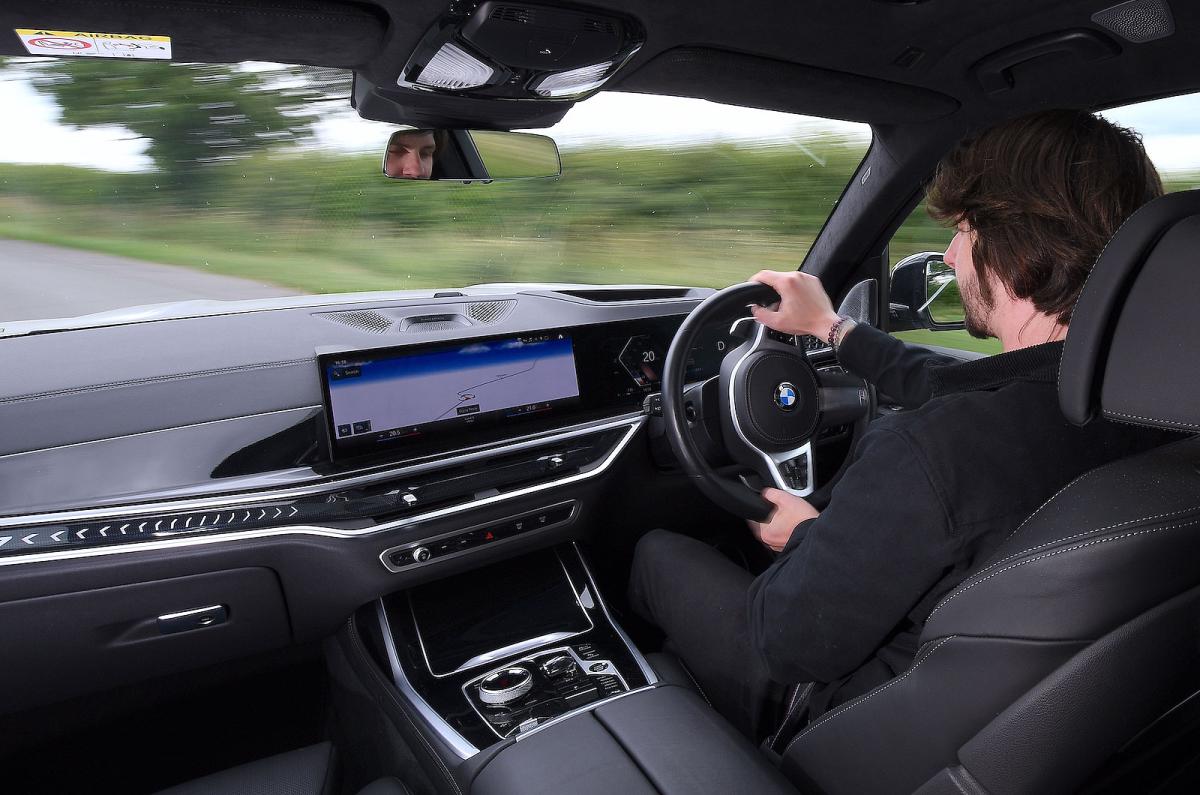
But all of that counts for nothing if it doesn't look and feel luxurious inside, and here the X7 scores highly. It's loaded with tech, including BMW's brilliant iDrive infotainment controller. It's also refined enough that those in the front seats can have a conversation with those in the third row without raising their voices.
“You wouldn't describe the X7 as being a fun car to drive along a country road, but few luxury SUVs are. What it is, though, is one of the quietest cars I've ever tested.” – Will Nightingale, Reviews Editor
1: BMW X7
Strengths
- Supremely quiet and comfortable
- Incredibly spacious and practical
- Great infotainment system
Weaknesses
- There are cheaper alternatives
- Looks won’t be to all tastes
- No plug-in hybrid or electric option
And the luxury SUV to avoid - Jeep Grand Cherokee
It's very good off-road and comes loaded with kit, but the Jeep Grand Cherokee only has so-so interior quality and its hybrid system is disappointing.