Radical new Peugeot Polygon concept previews next-generation Peugeot 208
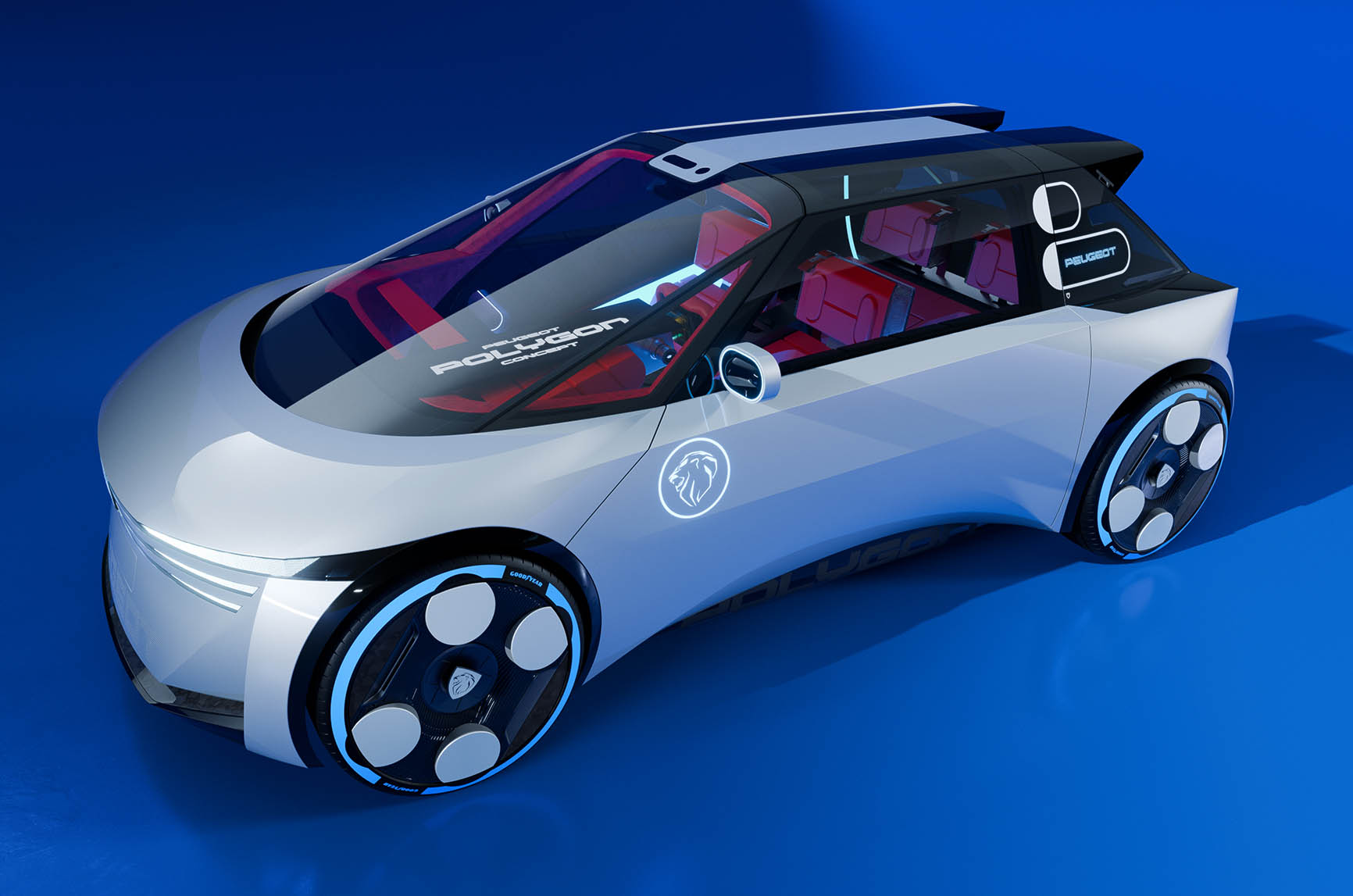
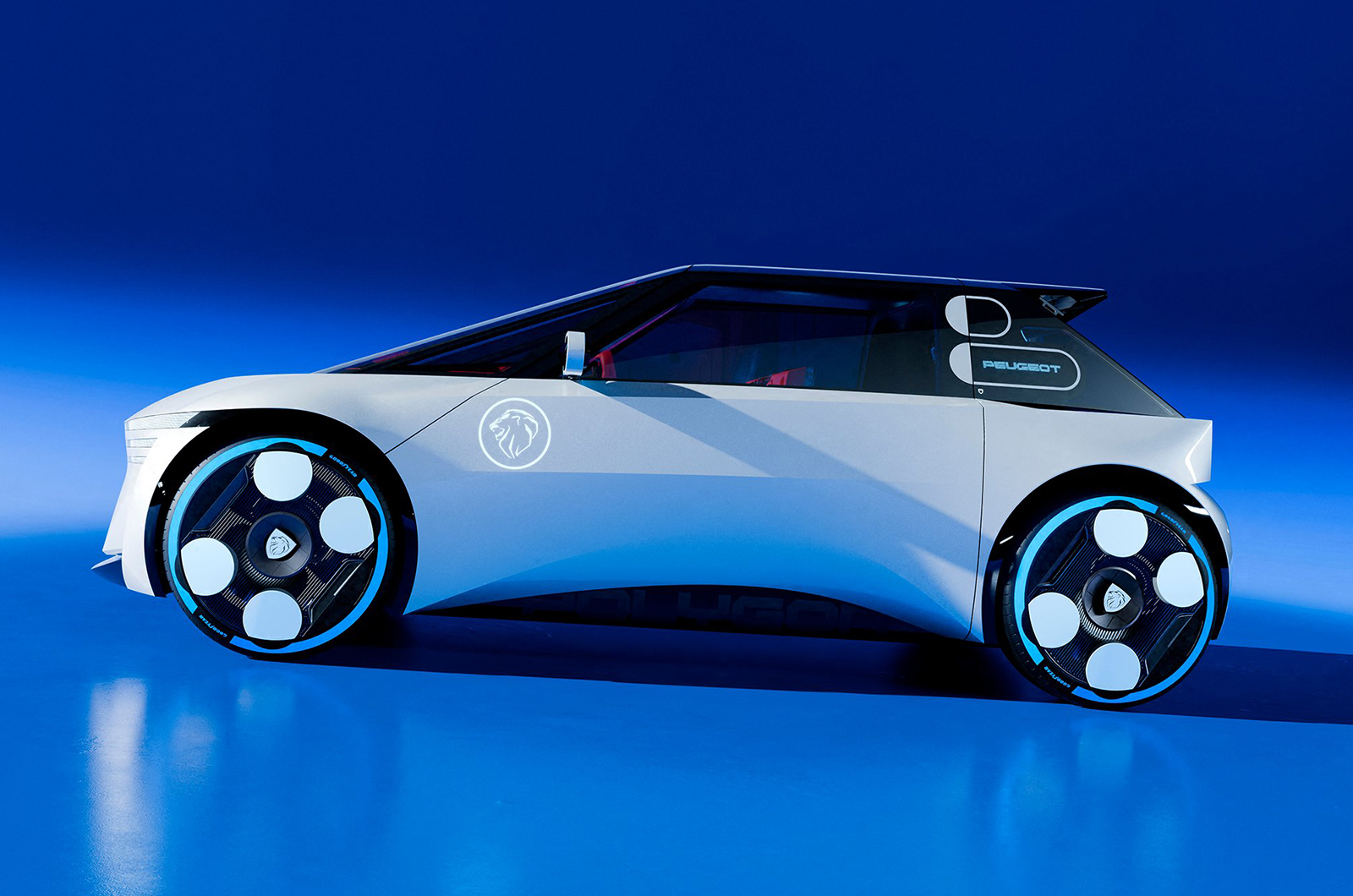
The new Peugeot Polygon concept might look like something out of a sci-fi blockbuster, but upon closer inspection, we could be looking at the inspiration behind the next-generation Peugeot 208 hatchback.
Inspired by the iconic 205 hatchback, the Polygon concept is named for its rectangular Hypersquare steering wheel, which will introduce steer-by-wire technology to Peugeot's production models for the first time. This is where the wheels are controlled using electrical signals rather than a physical link directly from the steering wheel.
Peugeot has confirmed it'll be used on a production model in 2027 – which means we could well see it on the next-generation 208 since it's due to arrive around that time. This technology features in some Lexus models, but it will be the first time any Stellantis model has used the feature.
According to Peugeot, just one full turn of the wheel will bring it to full lock (instead of three on the regular 208) which should allow for better agility.


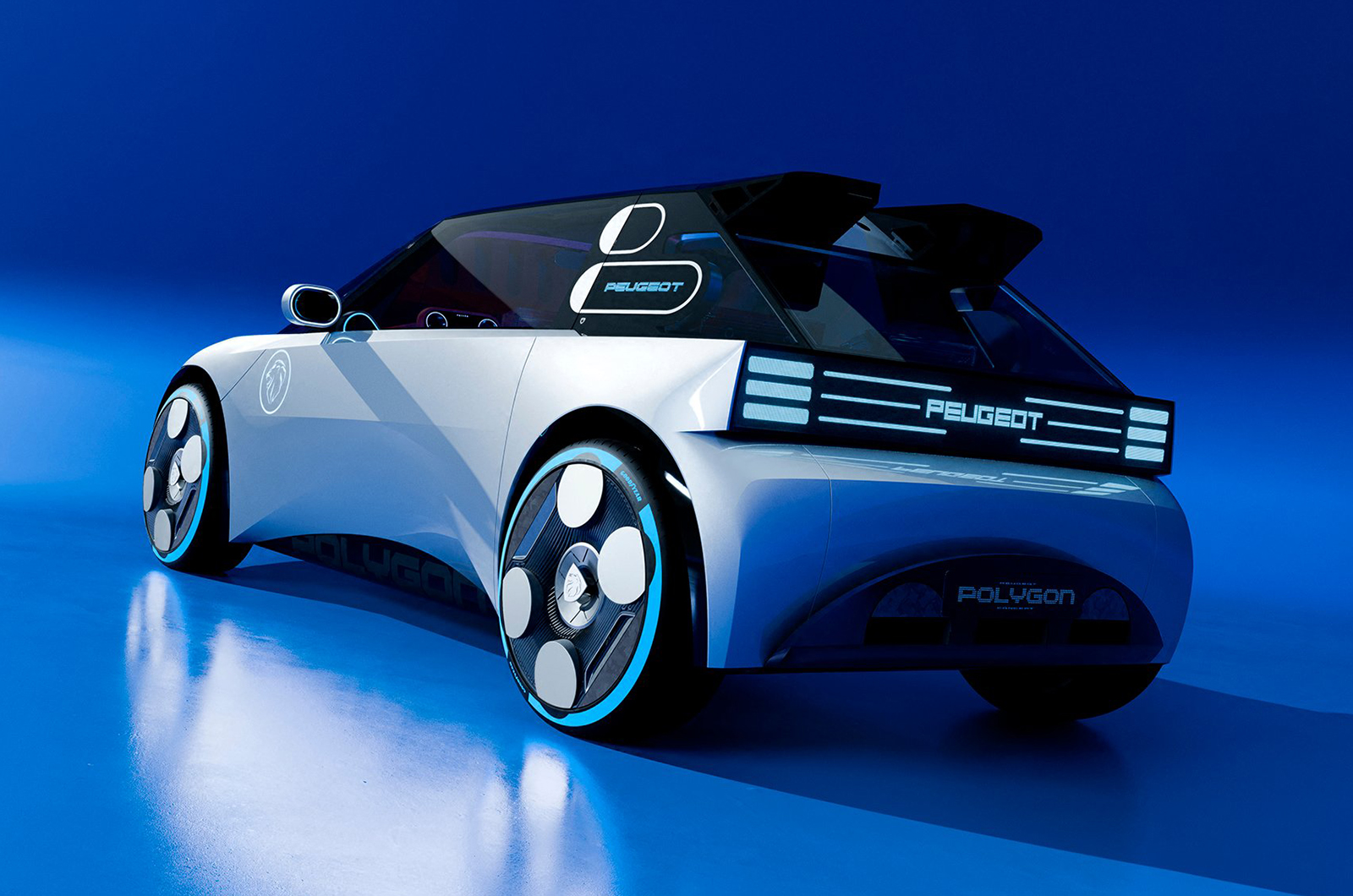
Naturally, the production version won’t look quite as striking as the concept, but it will likely borrow some of its broader design cues, such as the lightbar across the front of the car, the aerodynamic silhouette and the sharp edges at the rear, which is reminiscent of the boxy 205. You can also check the car's charge level from the outside thanks to a small LED screen next to the charging port.
Instead of a more common infotainment touchscreen, the Polygon has all its information projected onto the windscreen behind the Hypersquare wheel, equating to a 31in screen. The Hypersquare gets four circular buttons at each corner housing key controls – one of which is likely to be drive modes, of which there are three: Cruise, Fun and Hyper.
There's also a rotary dial on the centre console that allows you to control ambient lighting. On top of that dial sits a small LED screen displaying climate controls.
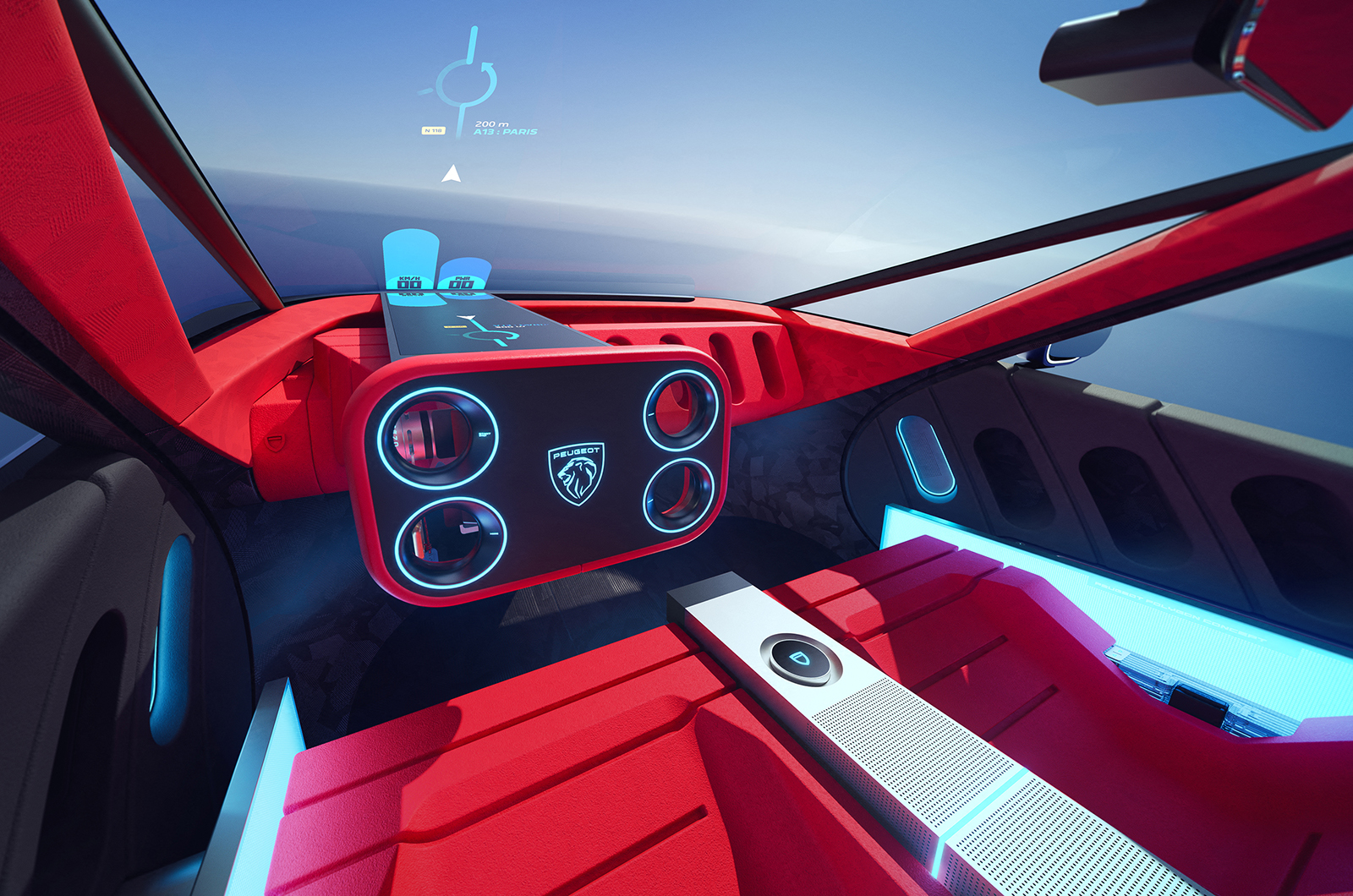
The Polygon forgoes traditional seats in favour of racing-style 3D-printed shells, which can be swapped out easily for more personalisation.
Unlike the 208, the Polygon has been conceived as a three-door hatchback. Its dinky stature suggests that it's powered by a battery rather than a combustion engine, since there's little room under the bonnet.
It likely theoretically sits on Stellantis’s STLA Small platform – the same chassis tech that’s expected to underpin the Vauxhall Corsa GSE Vision Gran Turismo concept unveiled earlier this year. That tech has the capability of facilitating both hybrid and electric power, with battery sizes between 37kWh and 82kWh.
As such, it’s possible that the next-generation 208 could be available with both combustion and pure electric power when it eventually arrives – probably late 2026 or early 2027. It’s likely that both models will continue to be distinguished by the 208 and e-208 monikers.
For reference, the current e-208’s largest battery is a 51kWh (total capacity) unit with an official range of 268 miles. With the new tech, it could get a boost in range.
For all the latest reviews, advice and new car deals, sign up to the What Car? newsletter here