The Best MPVs and people carriers in 2026 – reviewed and rated
Best MPVs and people carriers 2026 – reviewed and rated
Family life isn't a walk in the park, but a practical MPV certainly makes things easier. These people carriers are specifically designed to make light work out of ferrying your kids around, with versatile interiors that give you plenty of space and practicality. They often come as 7 seaters, too.
Our team of expert testers have driven every MPV on sale, and crammed them full of people and luggage to deliver their verdict. As well as driving them over hundreds of miles on public roads, we've also tested each model back-to-back against its key rivals at our private test track.
Here we'll take you through our picks for the 10 best MPVs on the market, as well as the model we think you should avoid. If you're interested in buying, then we'll also show you how to get the best PCP and leasing deals. Just follow the links to find out more.
Best MPVs to buy now – and how to get the best deal
| Make and model | List price from | Rating | PCP deals | Leasing deals |
| Kia PV5 | £32,995 | 5 | Best PCP deals | Best leasing deals |
| Volkswagen ID Buzz | £58,925 | 5 | Best PCP deals | Best leasing deals |
| Volkswagen Touran | £37,803 | 4 | Best PCP deals | NA |
| Volkswagen Multivan | £47,659 | 4 | Best PCP deals | Best leasing deals |
| Dacia Jogger | £18,995 | 4 | Best PCP deals | Best leasing deals |
The best MPVs for you
Our reigning champion among MPVs is the Kia PV5, with its spacious interior, fast charging speed and tempting price tag. Go for a top-spec version and you get plenty of goodies while still undercutting most rivals. While there's no seven-seat version yet, one is on the way, and both will ensure your child car seats feel right at home.
Elsewhere, the Volkswagen ID Buzz is an MPV to consider if you want something with a bit more style. A former What Car? Car of the Year, the ID Buzz is available in five or seven-seat forms (via the ID Buzz LWB). No matter which version you choose, the Buzz offers a long range and an interior which offers a great view – helped by its high-up seating position. Bright colour schemes help the interior to feel nice and airy, too.
Don't need seven seats? The Volkswagen Touran is roomy, practical and, perhaps unexpectedly, good to drive. The sole petrol engine on offer pulls well, the ride is adept at covering up lumps and bumps in the road, and the steering is remarkably well-weighted, with plenty of grip and body lean that's kept well in check.
Slideshow story: please click the right-hand arrow above to continue, or simply scroll down if you’re reading on your mobile

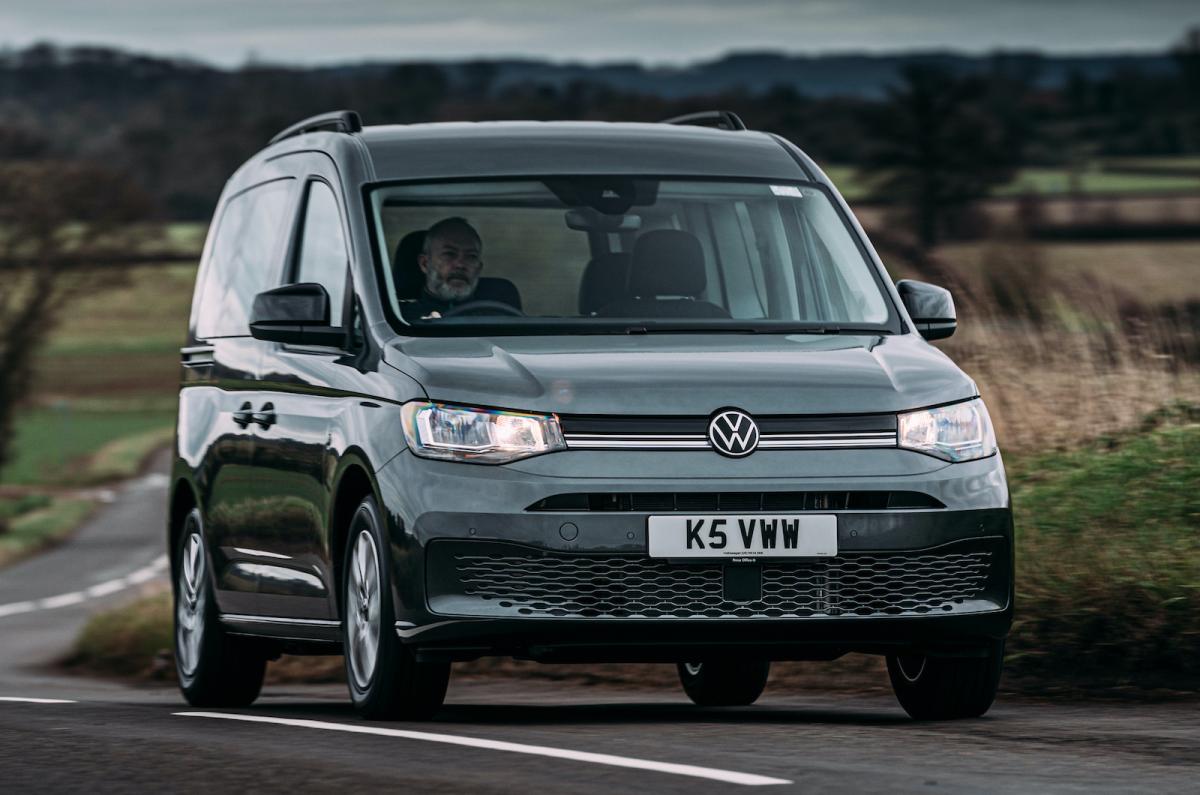
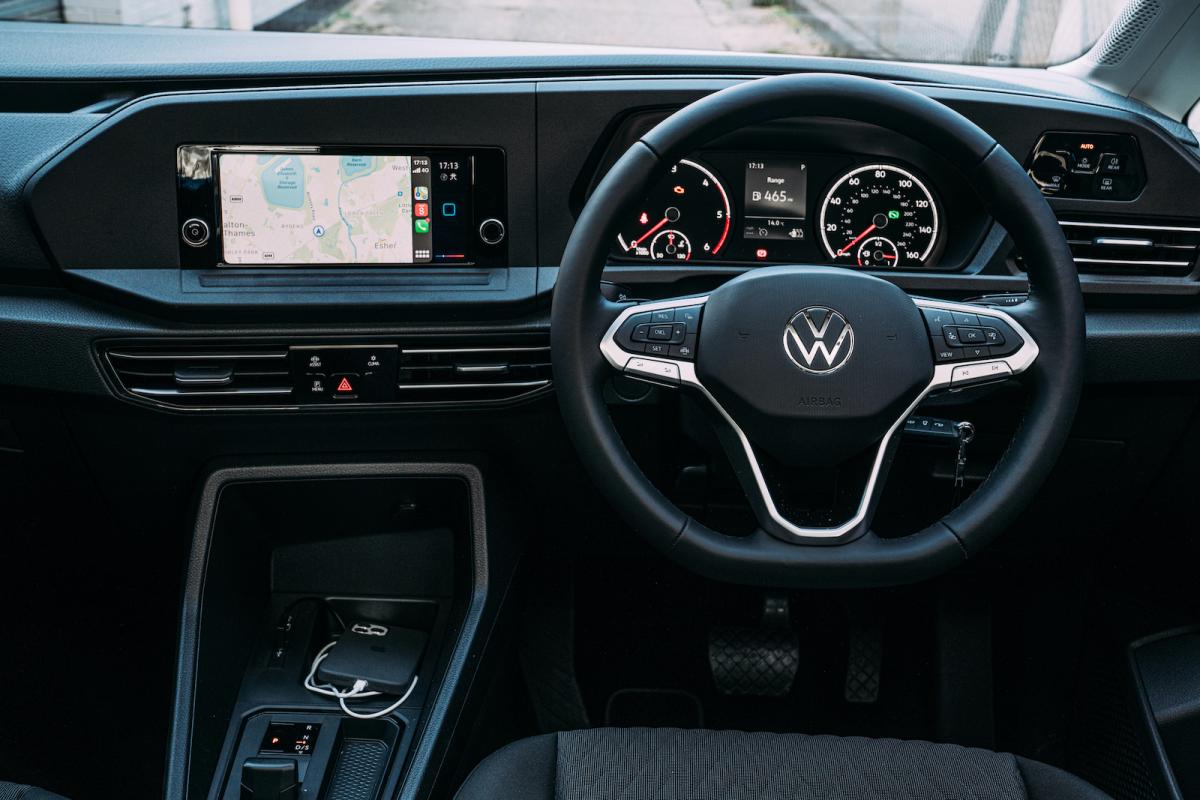
10: Volkswagen Caddy
The Volkswagen Caddy is the sibling of the Ford Tourneo Connect we saw earlier on this list – so it should come as no surprise that it shares many of the same strengths. Its extremely practical, for example, with enough space for three adults to sit side-by-side on the rear bench, and a boot which should have no trouble in swallowing anything you might wish to throw at it.
Engine options are confined to a 112bhp 1.5-litre petrol, or a 2.0-litre diesel with 101bhp or 120bhp – and none get mild hybrid assistance to help with your fuel bills. It's the petrol option which we recommend for its reasonable pep, but make no mistake, this is not a quick MPV.
While the Caddy attempts to give you the feeling of the smaller Volkswagen Golf in the way it drives, it's only partially successful. There's accurate steering and strong brakes, yes, but the Caddy's sheer size and weight means it still feels like a very big car – the Volkswagen Touran is more composed.
"I found the Caddy's sliding rear doors handy for getting in and out in tight parking spaces, but there's a high sill to clamber over to actually get inside the car.” – Darren Moss, Deputy Editor
Read our in-depth Volkswagen Caddy review
10: Volkswagen Caddy
Strengths
- Five-star NCAP rating beats other MPVs
- Pleasant to drive
- Better warranty than most rivals
Weaknesses
- Low-rent interior
- Rivals have better rear seat space
- Very expensive
9: Lexus LM
The Lexus LM is one of the few MPVs which can do a passing impression of a first class airplane, because in four-seat form its rear bench is able to recline into a bed – handy if you've got a long drive ahead and tired passengers. We suspect most buyers will instead opt for a more practical six or seven-seat configuration, which misses out on reclining seats but maintains masses of storage space, so no matter how many people you're bringing with you, nobody will need to pack light.
Powering the LM is a 2.5-litre petrol engine and electric motor, which allows this big and heavy car to travel using electric power alone over short distances. Given the LM's bulk, it won't surprise you to learn that it's not especially fast, with even the sportiest version taking 8.7 seconds to cover the 0-62mph sprint. Still, that's no a big issue because the LM is more about driving comfortably, and to that end its soft suspension is adept at taking the sting out of imperfections in the road surface.
You'll pay more to put an LM on your driveway than you would for the rival Mercedes V-Class, but it will still cost you less than a seven-seat Range Rover. The LM is also expected to depreciate slowly, so you should get a good chunk of your money back when you come to sell it on.
"I love in-car tech, so I'd opt for the Takumi version of the LM, which adds a 48in widescreen monitor to give your rear passengers their own cinema.” – Darren Moss, Deputy Editor
Read our in-depth Lexus LM review
9: Lexus LM
Strengths
- Fantastic interior materials
- Loads of space
- Great reliability and warranty
Weaknesses
- CVT gearbox can be noisy
- No plug-in hybrid or full electric version
- Controlling the rear screen can be fiddly
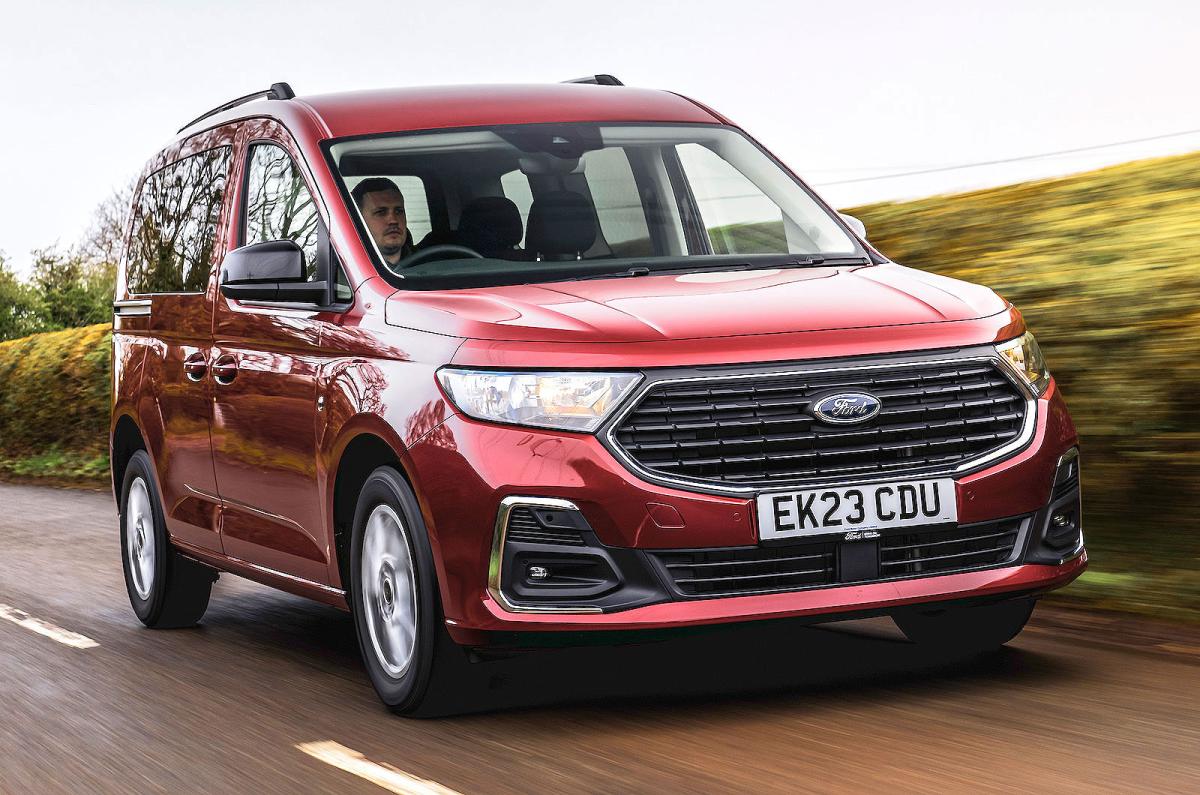
8: Ford Tourneo Connect
Although it's based on a van, don't go thinking that the Ford Tourneo Connect is more geared towards luggage than people. While it's true that whether you opt for the regular Tourneo, or the stretched Grand Tourneo Connect, both are absolutely cavernous inside, they're also comfortable, and even offer more leg room for third-row passengers than you'd find in the rival Seat Tarraco or Volkswagen Tiguan Allspace.
Engine options are confined to a 112bhp 1.5-litre petrol or a 120bhp 2.0-litre diesel, and it's the latter we recommend for its low down pulling power – useful if you plan on loading the car to the rafters regularly.
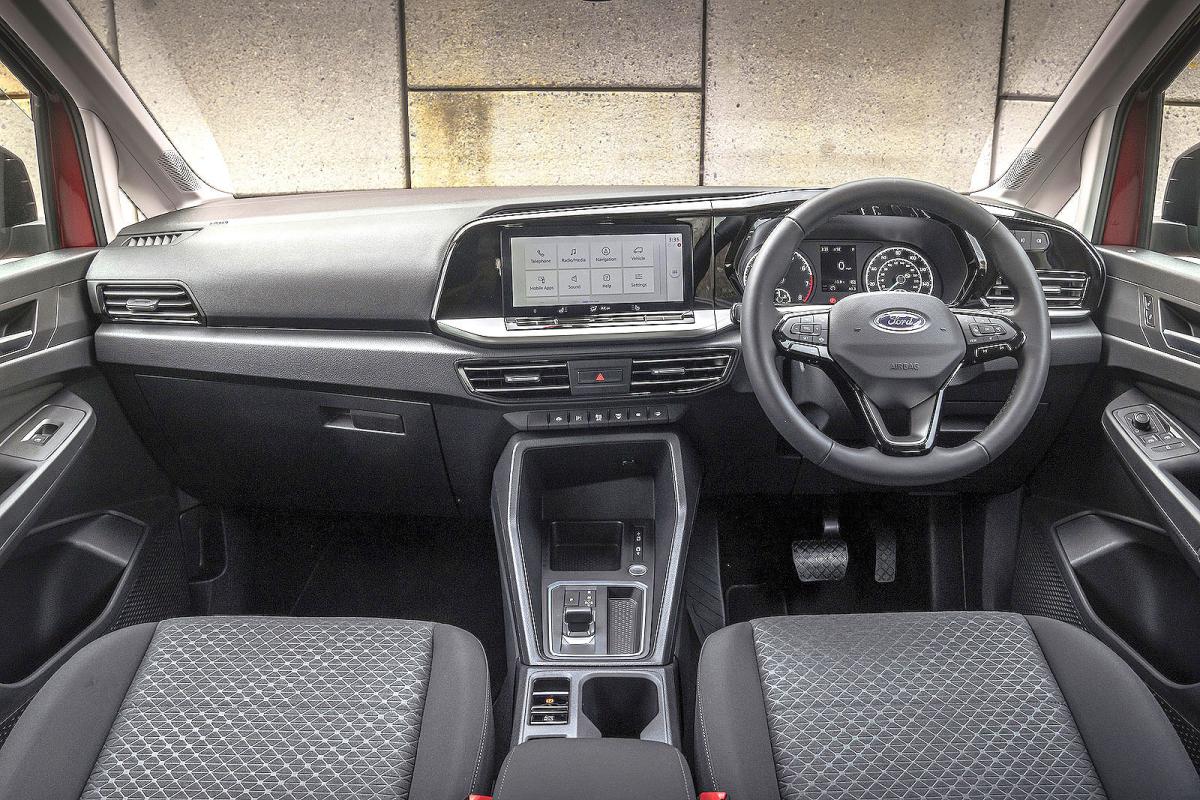
While much of the Tourneo Connect's interior is built from hard plastics – even the cheaper Dacia Jogger feels a bit more premium, with its cloth and satin chrome trim pieces – it does feel well put together. The lack of physical controls for the climate is infuriating, though, because it means you need to go venturing into the touchscreen infotainment system.
“The Tourneo Connect was built alongside another van-based MPV, the Volkswagen Caddy, but ultimately represents better value for money when you consider all the extra kit it comes with as standard.” – Steve Huntingford, Editor
Read our in-depth Ford Tourneo Connect review
8: Ford Tourneo Connect
Strengths
- Five-star NCAP rating beats other MPVs
- Pleasant to drive
- Better value than the closely related VW Caddy
Weaknesses
- Slightly low-rent interior
- Rivals have better rear seat space
- Infotainment could be better
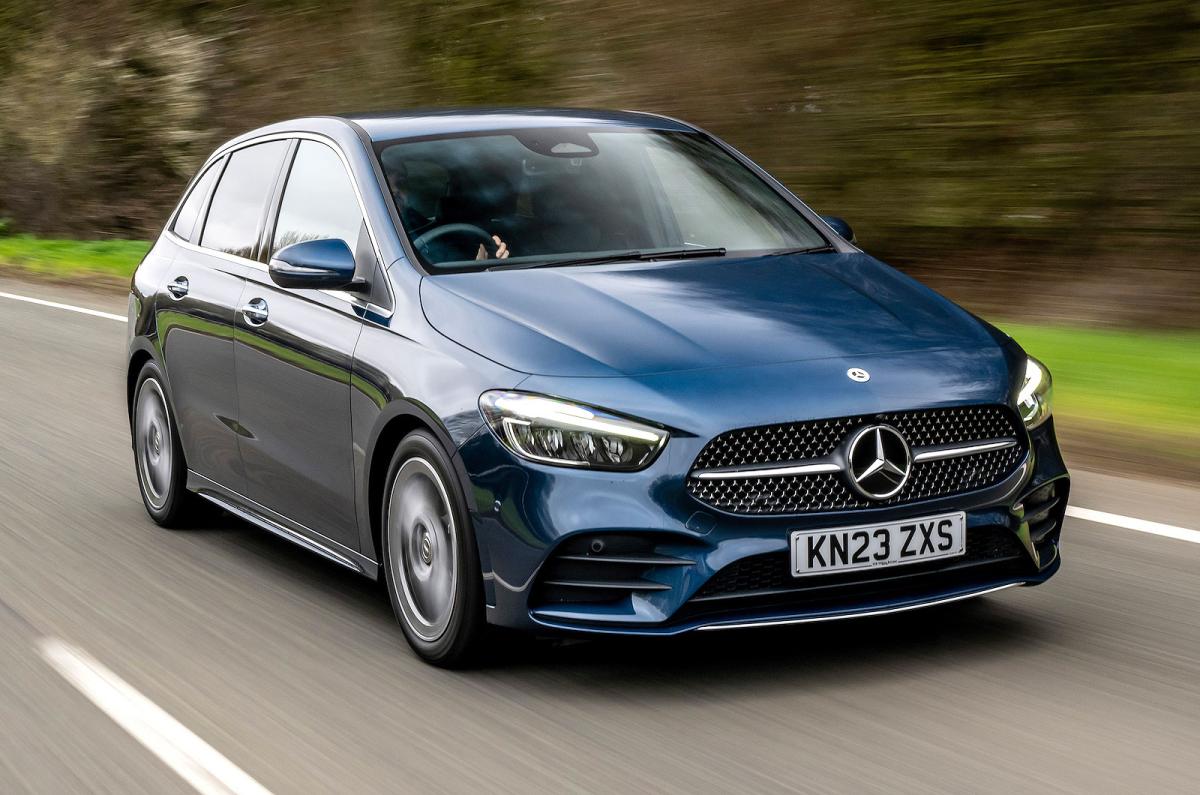
7: Mercedes B-Class
The Mercedes B-Class is even more comfortable over broken British roads than the BMW 2 Series Active Tourer, and contains noise better – meaning you can relax away the miles without needing to turn the stereo up.
It's not available with as many different power options as its BMW rival – there's no hybrid or plug-in hybrid version, for example – but we think the entry-level B200 1.3-litre petrol engine will be the best pick for most people. It offers plenty of performance, even with every seat filled, yet should also keep your running osts in check.
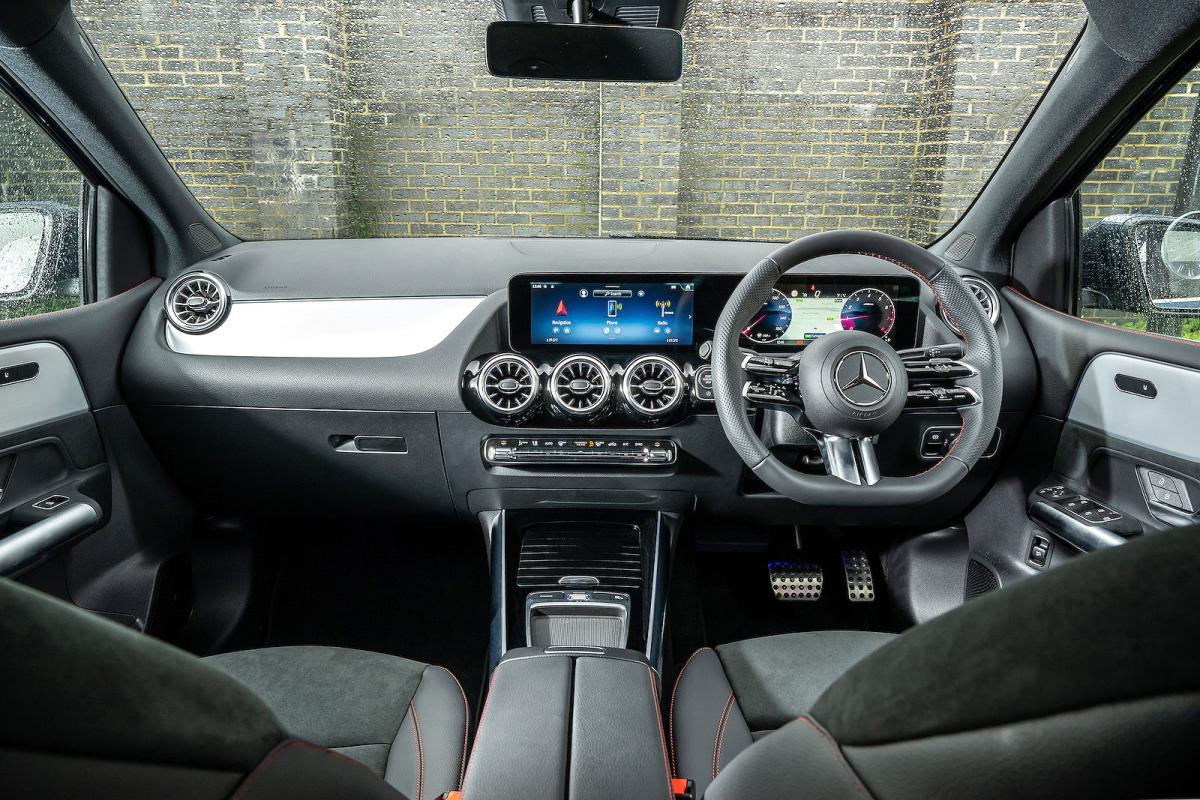
With fixtures and fittings more reminiscent of a luxury saloon than a family MPVs, the B-Class is a nice place to spend time, and two six-footers will find themselves with plenty of head and leg room in the rear seats. Any middle-seat rear passengers won't want to be there for long, though, beause the seat cushion is raised.
“With a wide range of plush materials and lots of ambient lighting, Mercedes hasn't forgotten to inject its spacious interior with a big dose of wow-factor.” – Lawrence Cheung, New Cars Editor
Read our in-depth Mercedes B-Class review
7: Mercedes B-Class
Strengths
- Stunning interior
- Comfortable ride
- Lots of passenger space
Weaknesses
- No seven-seat option
- Some road noise and the petrol engine could be quieter
- There are cheaper alternatives
6: BMW 2 Series Active Tourer
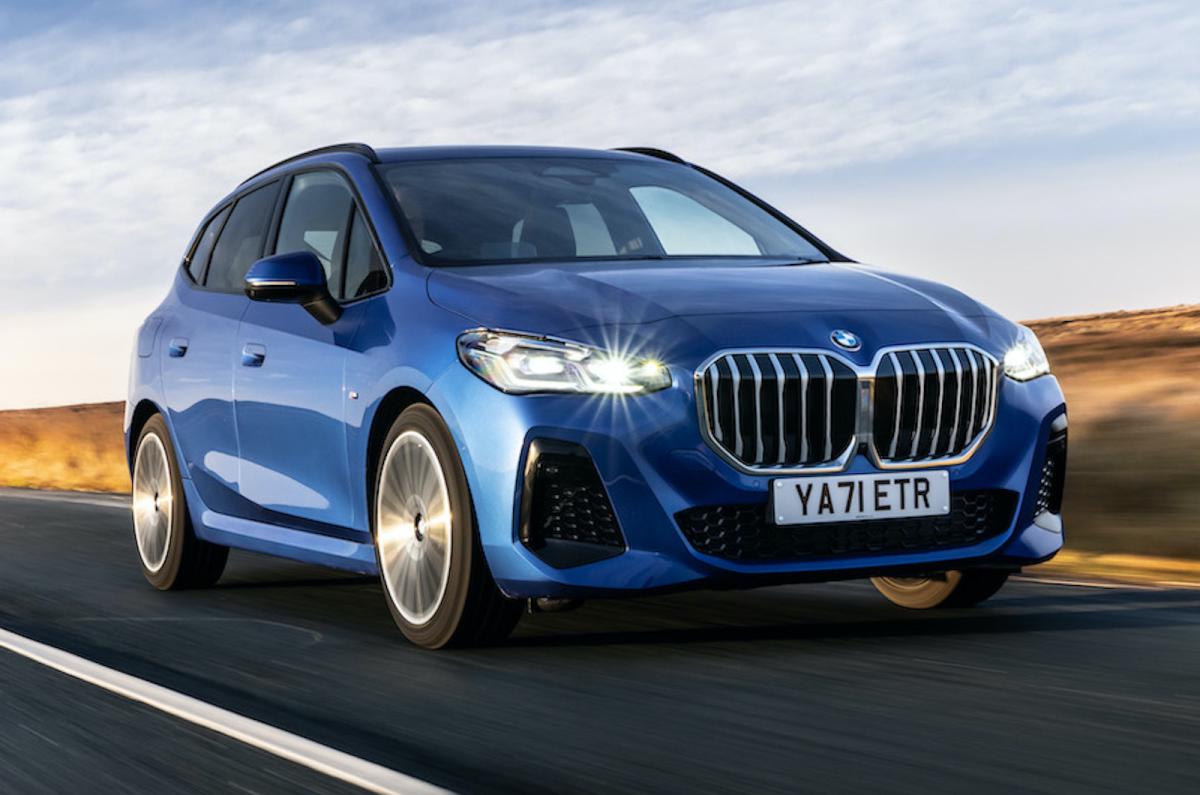
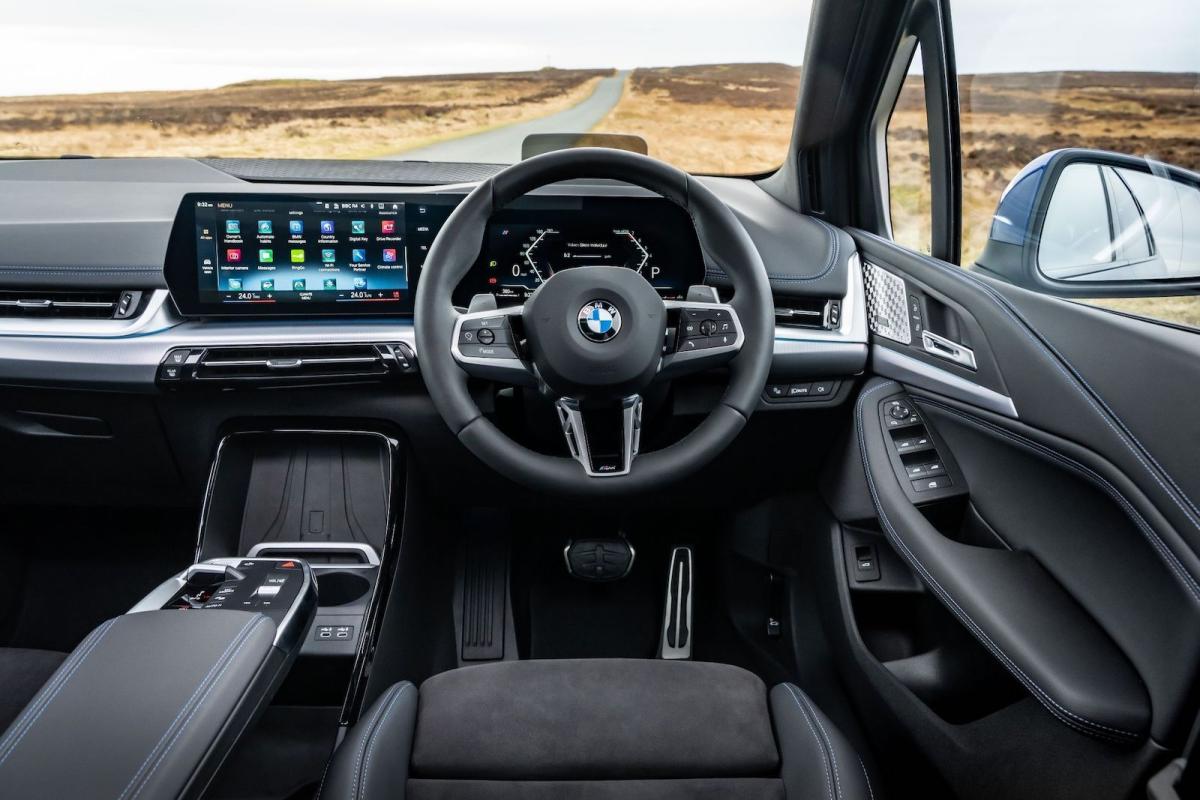
BMW's take on the MPV formula is a truly premium product. Indeed, its interior quality knocks the socks off of most other cars on this list, with plenty of dense, soft-touch materials in all the right places, and build quality which means it should stand up well to the rough and tumble of family life.
Although you can have your 2 Series with petrol, diesel or even plug-in hybrid power – the latter being especially tempting for company car drivers – it's the entry-level 168bhp 220i petrol which we think will suit most buyers best. It's powerful yet efficient, and features mild-hybrid assistance to help keep your fuel bills low.
Rear passengers will find a touch more head and leg room than they'd get in the Volkswagen Touran, but mild hybrid versions lose out a little on boot space compared with the Mercedes B-Class.
“It may miss out on a third row of seats, but at least the ones in the 2 Series Active Tourer are pleasantly flexible – they can split and fold in a plethora of different ways, and can be slid forwards and back, so you can prioritise boot space or leg room.” – Stuart Milne, Digital Editor
Read our in-depth BMW 2 Series Active Tourer review
6: BMW 2 Series Active Tourer
Strengths
- Plenty of rear space
- Good balance of ride and handling
- Good infotainment system
Weaknesses
- Some rivals offer more boot space
- Tyre roar on coarse surfaces
- No seven-seat version
5: Dacia Jogger
Offering lots of practicality for not a lot of money is nothing new, but few stick the landing and avoid harsh compromise like the Dacia Jogger.
It's cheaper to buy than a Toyota Yaris small car, yet it's a very accomplished seven-seater and one that's decent to drive and comes with a good amount of kit. For the best value, we think the 109bhp petrol engine (badged 110 TCe) is the one to go for – over the hybrid version.
Its one-star safety rating (earned during safety testing by Euro NCAP) stops it from taking the win, but remember that every Jogger still comes with six airbags, Isofix child-seat mounts for the outermost seats in the second row, and automatic emergency braking. It's also worth remembering that if the rival Ford Galaxy and Volkswagen Touran were tested under these stricter conditions, they likely would score poorly compared with newer models.
Where the Galaxy and Touran score extra points over the Jogger is with their engines, which are altogether smoother, and have much better power delivery when you've loaded them to the gunwhales. That being said, those models also cost more than the Jogger to buy, and the Galaxy is only available from dealer stock. Indeed, its low price helped secured the Jogger the title of the Best Seven-Seater for Value at the most recent What Car? Car of the Year Awards.
“While many modern cars force you to use their touchscreens to change temperature, I liked that the Jogger takes a back-to-basics approach, with big physical dials which make keeping comfortable on the move a doddle.” – Lawrence Cheung, New Cars Editor
Read our in-depth Dacia Jogger review
5: Dacia Jogger
Strengths
- Extremely well priced
- Genuine seven-seat usability
- Easy to drive
Weaknesses
- Very poor safety rating
- Prominent wind, road and engine noise
- Build quality isn’t super solid
4: Volkswagen Multivan
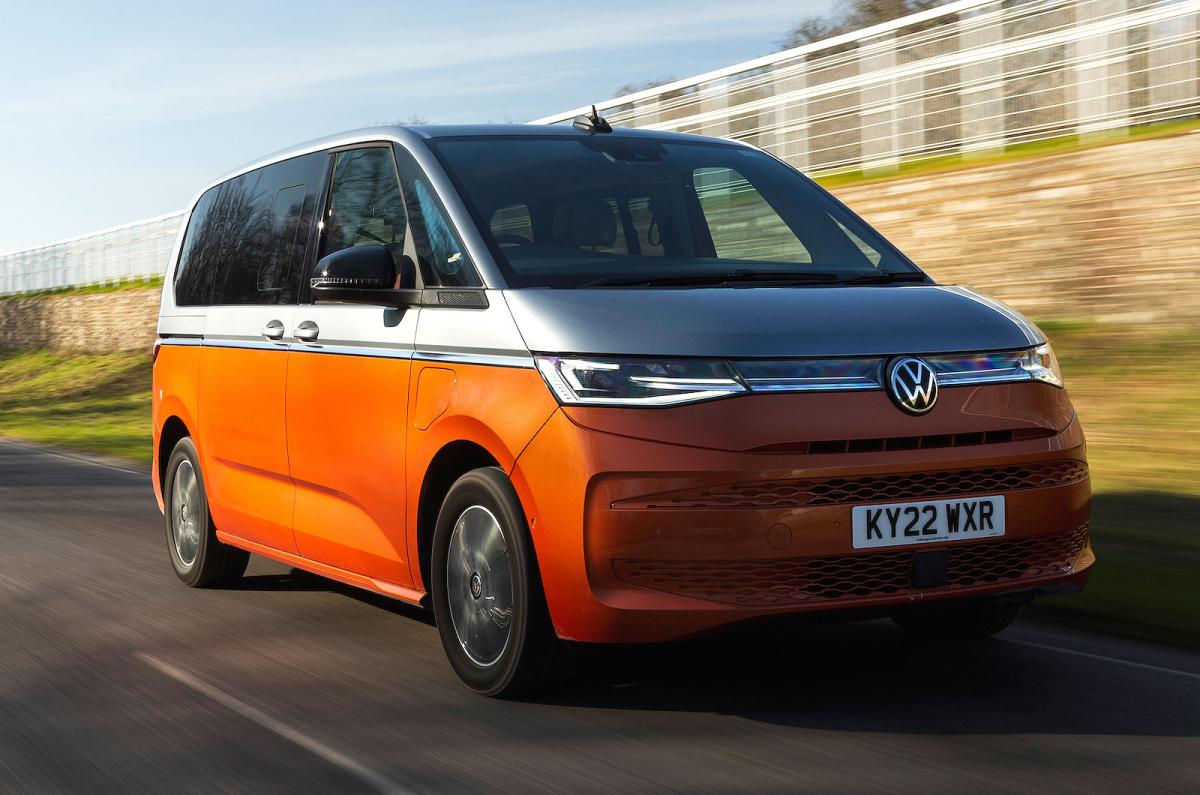
While the smaller, electric ID Buzz is a more sophisticated package, the Volkswagen Multivan is the more practical machine, plus it remains better to drive than many of its van-based MPV rivals.
It comes with an extensive range of engine options to suit all needs, too, including a plug-in hybrid (PHEV). For the vast majority of buyers, though, it's the 148bhp 2.0-litre diesel which will be most well suited to most needs. It offers lots of low-down grunt, so is a great choice if you plan on regularly filling your car to the brim with people and luggage.
Speaking of space, long-wheelbase versions of the Multivan offer seemingly infinite amounts of space, but it's not like standard-wheelbase models are diminuitive. With all seven seats in place, though, you're unlikely to get a pushchair in the boot.
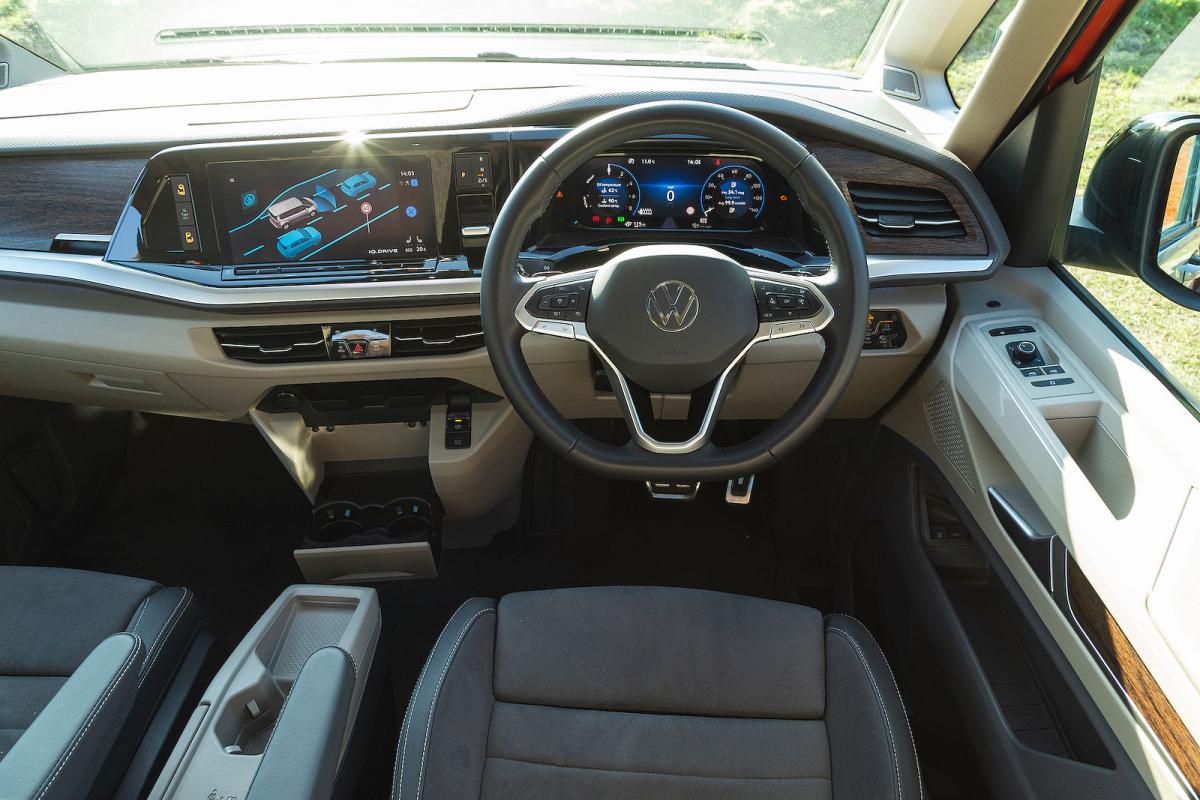
While much of the Multivan's interior is made from hard plastics, these are at least formed into different textures, which makes the Multivan a bit more premium than some rivals.
“With its digital dials and matrix LED lights, the Volkswagen Multivan feels that bit more modern than some old-fashioned MPVs.” – Neil Winn, Deputy Reviews Editor
Read our in-depth Volkswagen Multivan review
4: Volkswagen Multivan
Strengths
- Exceptionally good predicted residual values
- Good value against van-based MPV rivals
- Lots of safety tech
Weaknesses
- Infotainment not the best
- No rear air-con as standard
3: Volkswagen Touran
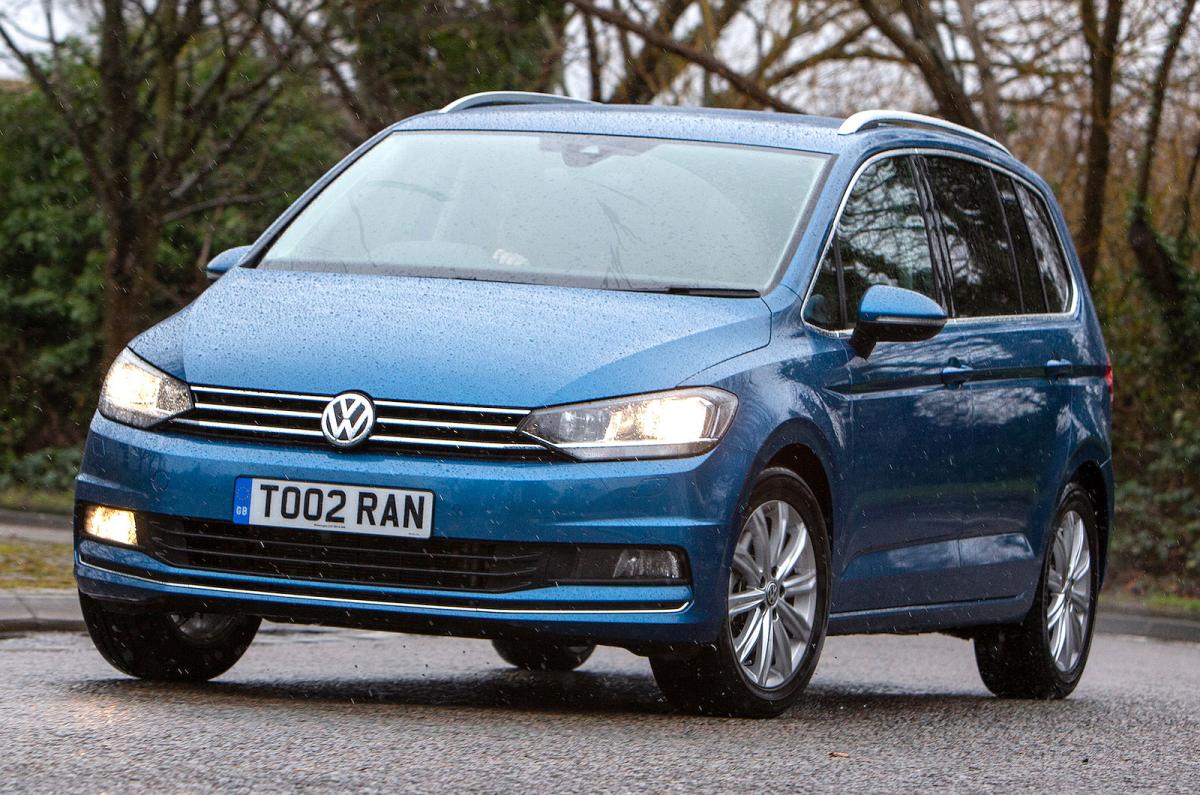
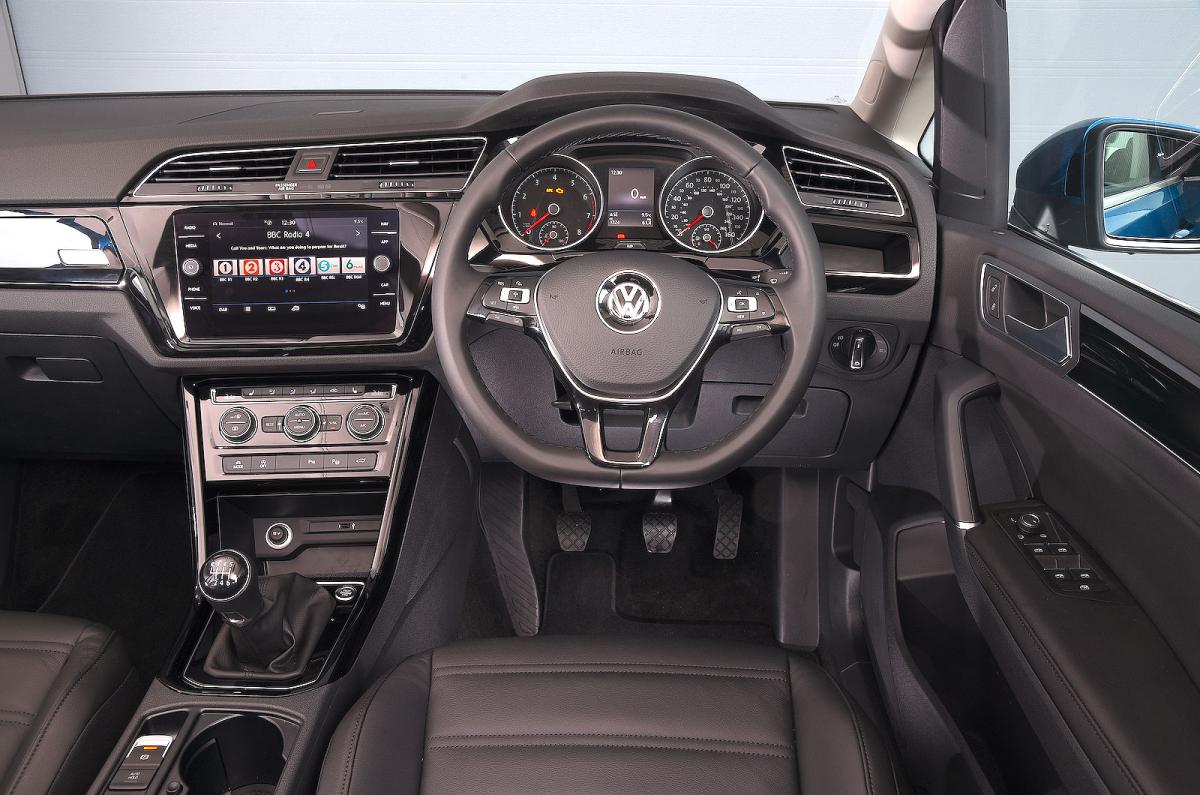
Just because you're wearing your sensible trousers when buying a new MPV, it doesn’t mean you have to slum it. Opt for a Volkswagen Touran and you’ll find the same level of plushness that you’d get in the big-selling Volkswagen Golf, but with far greater practicality.
All five of the Touran's rear seats feature Isofix child seat mounting points and enough space for adults. Indeed, average-sized adults will be more comfortable in the Touran's rearmost seats than they would be in some rivals, and the boot is a deep, wide shape, so it's easy to load your luggage into.
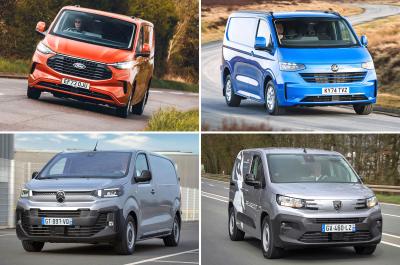
The only engine on offer in the Touran is a 148bhp 1.5-litre petrol. While it's not the last word in performance – the 0-60mph sprint takes 8.9sec – it feels plenty quick enough even if you've got seven people on board and a boot full of luggage. The ride is generally good, too, and the Touran keeps its composure better through corners than in van-based MPV rivals such as the Citroën Berlingo and Peugeot Rifter.
“Usually we'd advise against going for a panoramic sunroof, because these tend to lower the height of the roof lining, thus impacting headroom. In the Touran, however, two adults can sit comfortable with plenty of head room, even with one fitted.” – Doug Revolta, Head of Video
Read our in-depth Volkswagen Touran review
3: Volkswagen Touran
Strengths
- Superb space and practicality
- Strong level of standard equipment
- Great to drive by MPV standards
Weaknesses
- Rivals offer more economical diesel or hybrid engines
- Costly to buy on PCP finance
- Automatic gearbox can be hesitant
2: Volkswagen ID Buzz
A former What Car? Car of the Year winner, the Volkswagen ID Buzz very successfully updates the MPV formula for the age of the electric car, yet it still loveably tips its hat to the past.
In other words, it's a modern electric car, though one with some retro styling inspired by classic VW Type 2 campers. The ID Buzz is powered by the same punchy, 201bhp electric motor found in the other Volkswagen ID models, such as the VW ID 3 and VW ID 4 – it has the same 77kWh (usable capacity) battery pack as well. That battery officially gives the Buzz a range of up to 260 miles, depending on which trim you choose, but we found around 236 miles is more acheivable in real-world conditions.
Its enormous footprint makes the ID Buzz one of the most spacious and versatile electric cars you can buy. Plus, it drives well and, while undoubtedly an expensive choice, good finance deals help to soften the blow.
“I found the physical switches below the Buzz's touchscreen and to the right of the steering column (for functions such as deactivating the lane-keeping assistance) much easier to operate than touch-sensitive equivalents.” – Will Nightingale, Reviews Editor
Read our in-depth VW ID Buzz review
2: Volkswagen ID Buzz
Strengths
- Surprisingly good to drive
- Hugely practical
- Strong resale values
Weaknesses
- Fiddly air-con controls and infotainment
- Efficiency could be better
- The LWB version doesn't ride as smoothly as the SWB
1: Kia PV5
You might be willing to look past the Kia PV5 because of its relatively blocky shape, but to do so would be to discount the most well-rounded MPV you can buy. And in fact, that blocky styling helps the PV5 where it really matters for MPVs – space.
There's simply masses of room inside the PV5 no matter which seat you're sitting in. Granted, it can't carry seven like you can in the rival VW ID Buzz LWB, but that car costs thousands more than the Kia. And both are equally matched elsewhere, such as in interior quality. With all five seats in place, the PV5 gives you 1320 litres of boot space to play with, and we dare say that most owners won't come close to maxxing that figure out – no matter how adventurous their plans might be.
Standard Range versions of the PV5 have an official range of 183 miles, but Long Range models up that figure to a more impressive 256 miles, which is closer to what you get from the ID Buzz.
Going for the Long Range version doesn't add much to the price, either, and if you stick with Essential trim you'll get 16in alloy wheels, automatic LED headlights and adaptive cruise control among other things.
“I’d usually say that it’s a shame when an EV doesn’t have a frunk… but given the PV5’s sheer amount of space and practicality inside, I’m not sure anyone will miss having one” – Dan Jones, Senior Reviewer
Read our in-depth Kia PV5 review
1: Kia PV5
Strengths
- Masses of interior space
- Far cheaper to buy than rivals
- Easy to drive
Weaknesses
- Shorter range than the ID Buzz
- No seven-seater version (yet)
- No physical air-con controls