
50kWh GT Hatchback 5dr Electric Auto (7.4kW Charger) (136 ps)
Category: Electric
Section: Version review
The image maybe different from the version you have selected
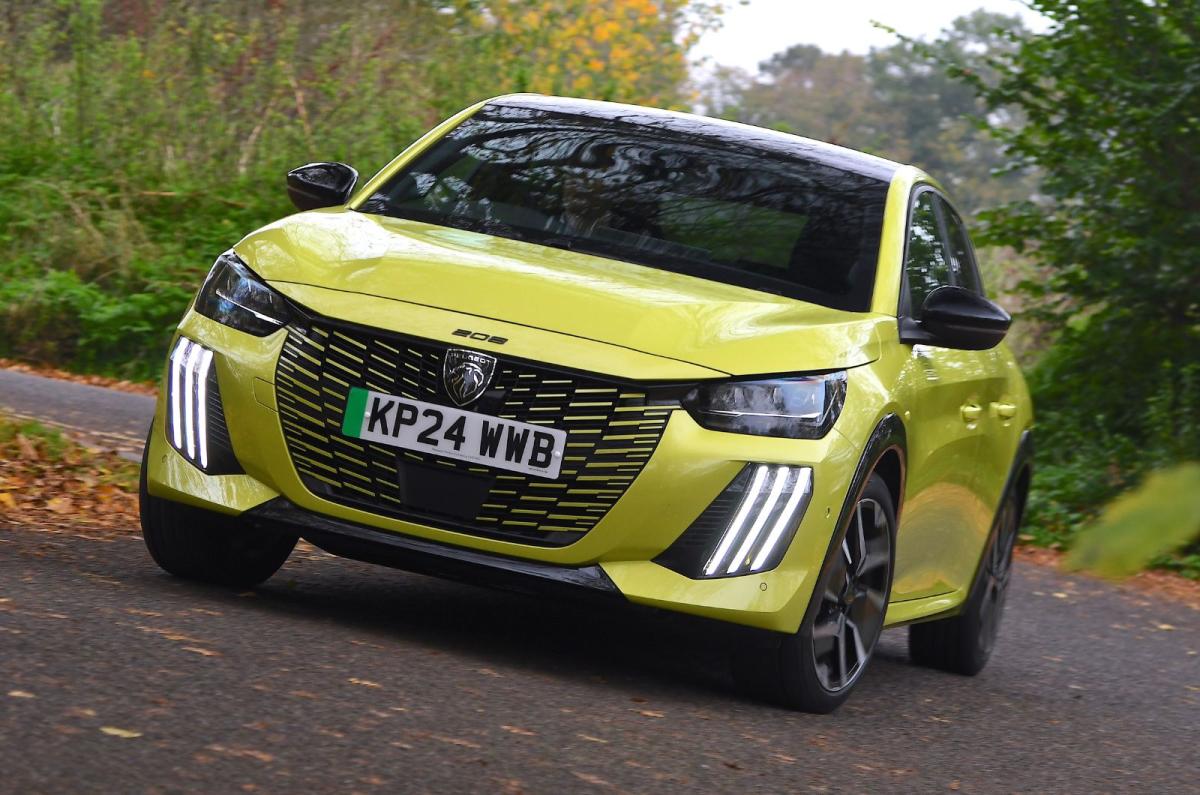
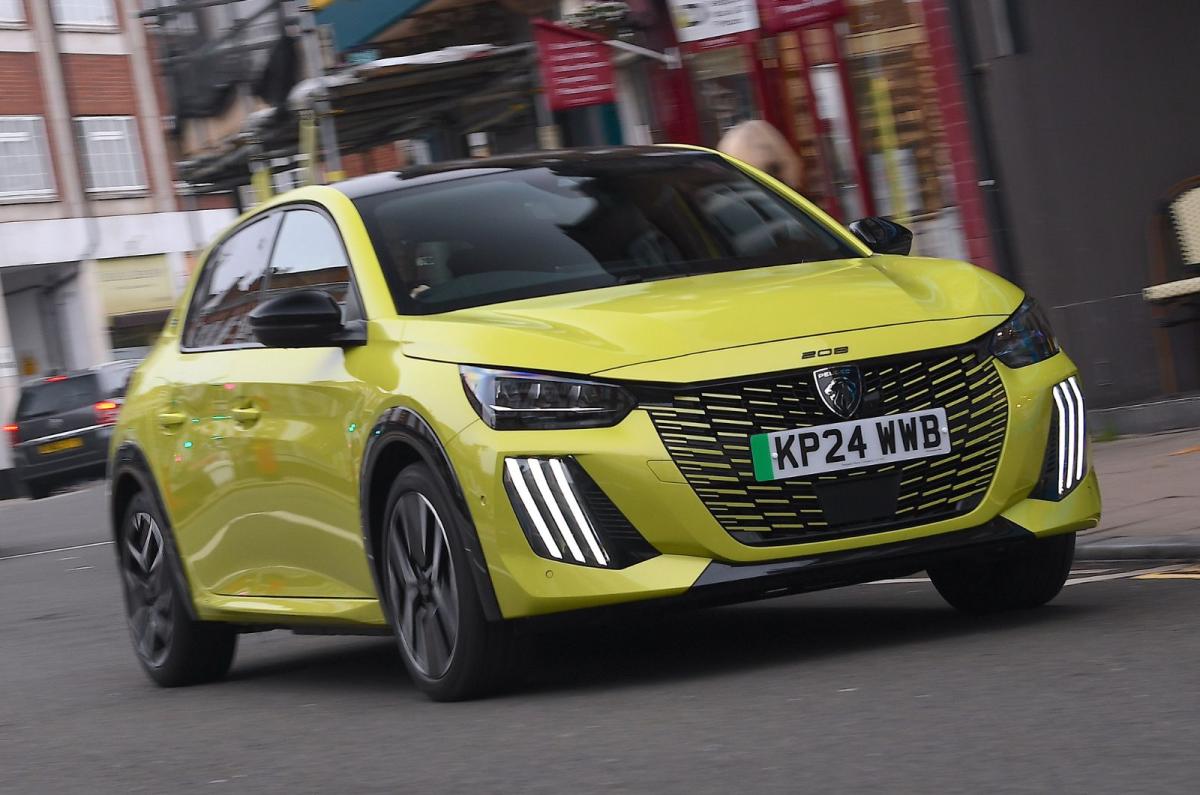
- Peugeot e-208 front cornering
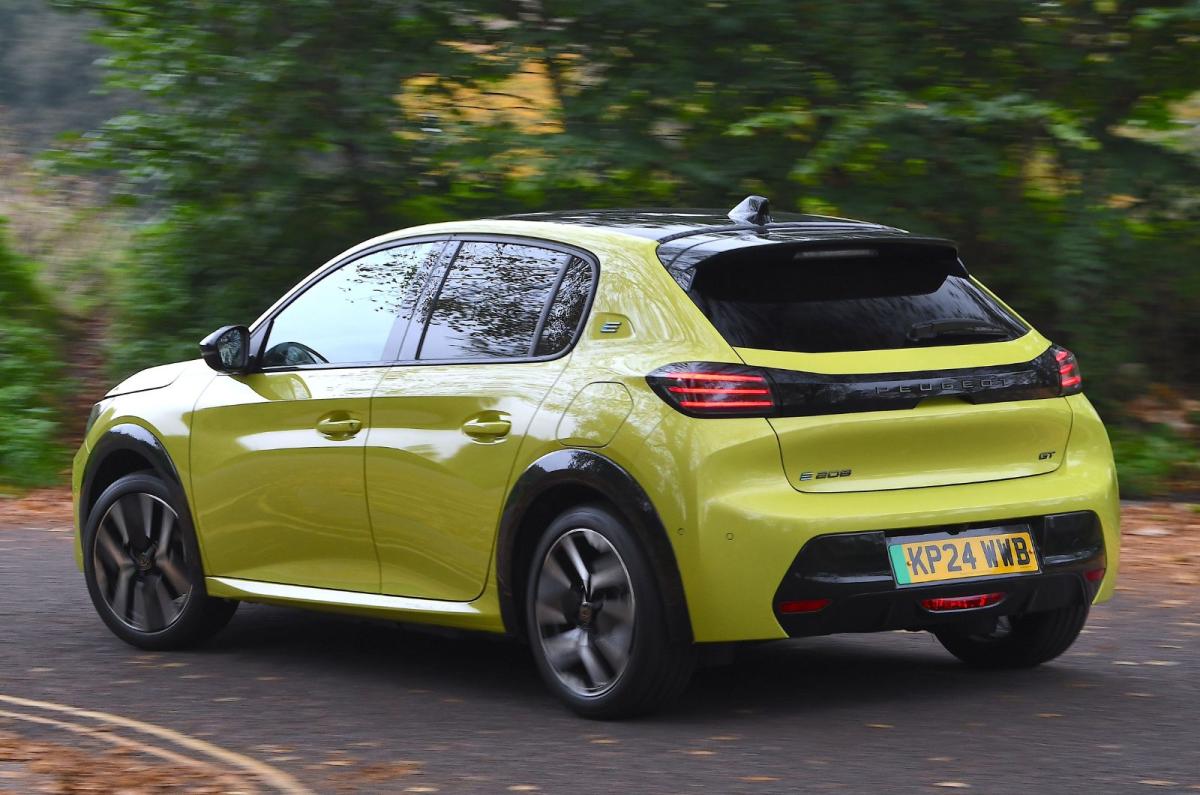
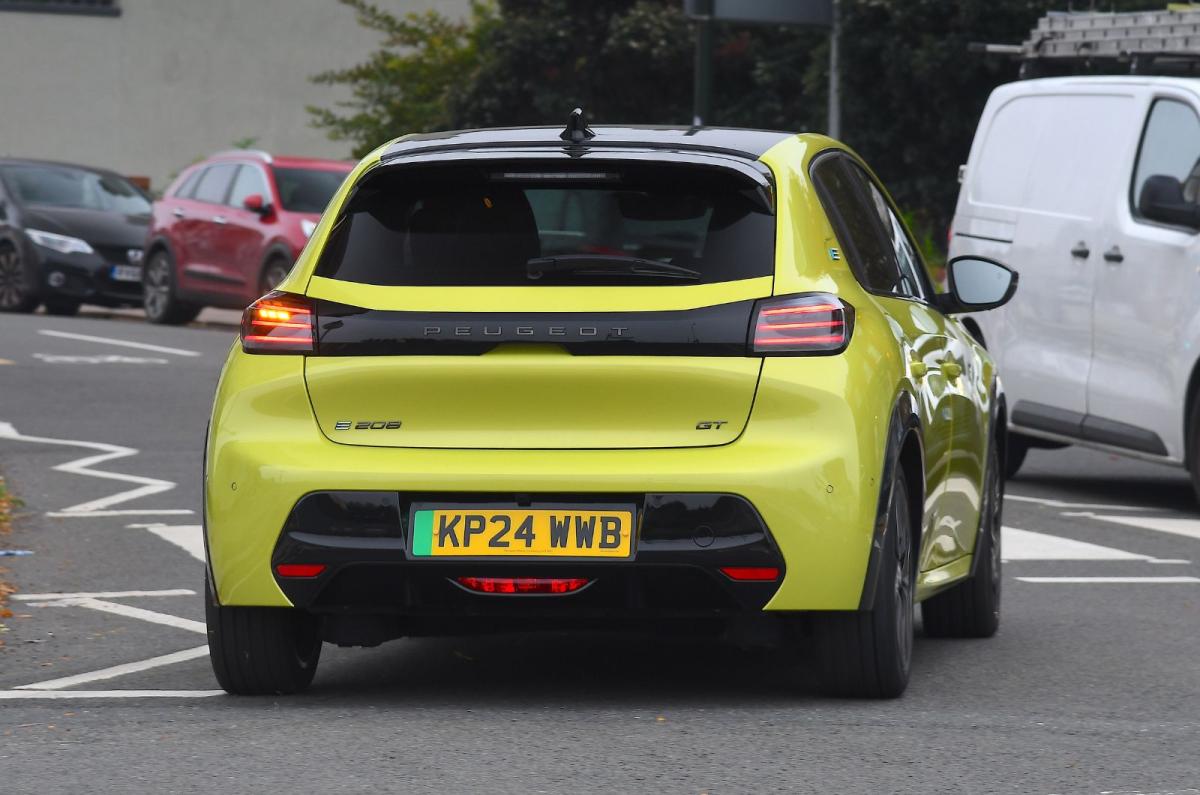
- Peugeot e-208 rear cornering
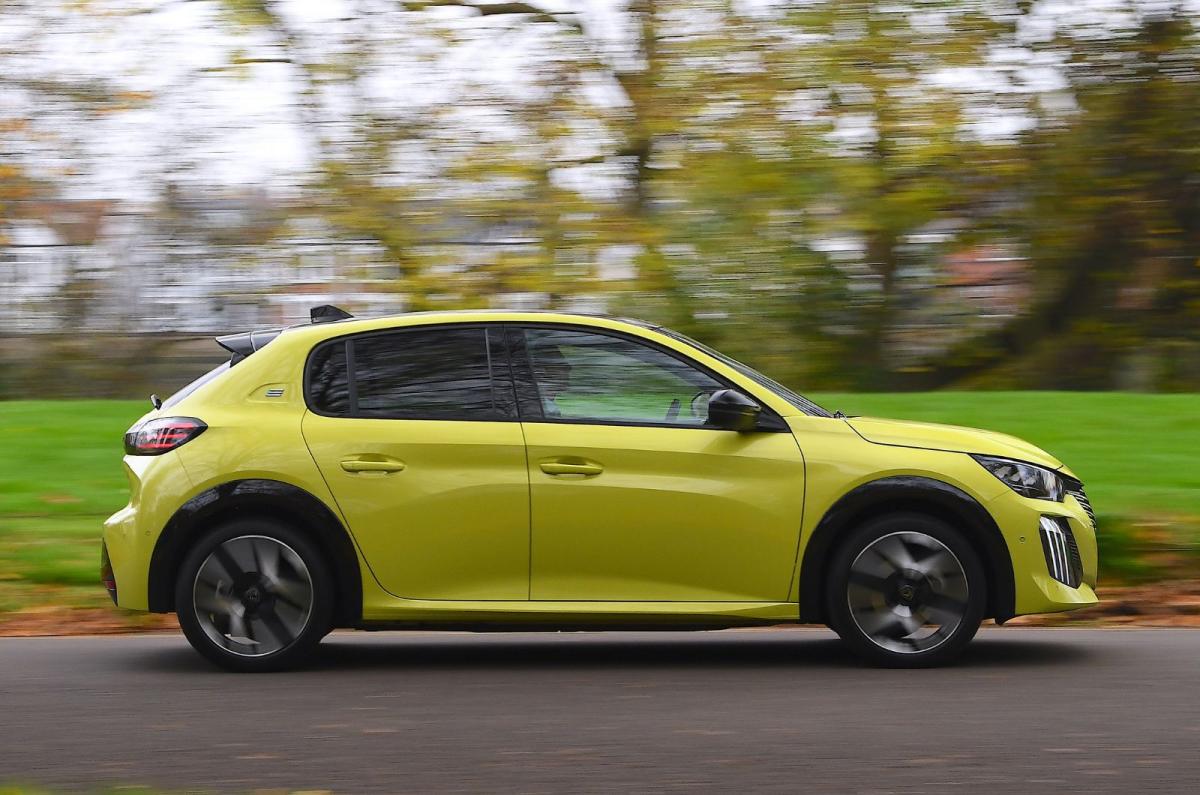
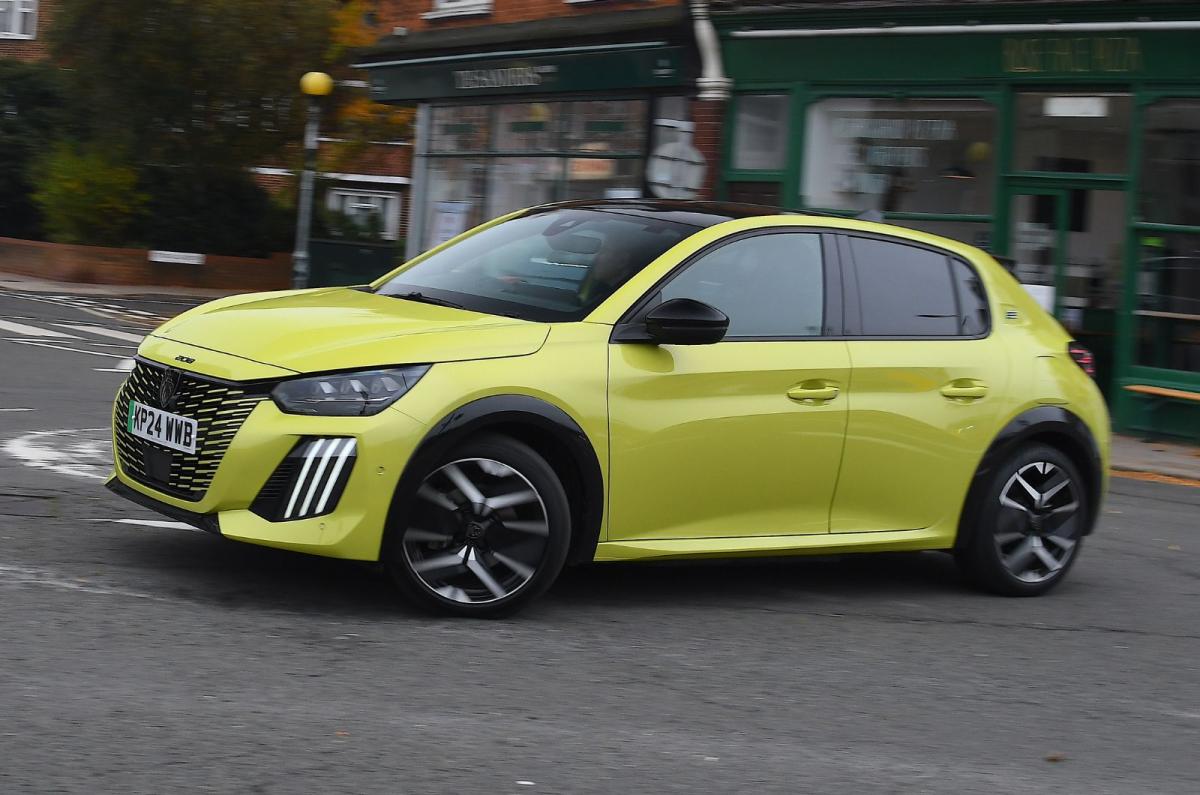
- Peugeot e-208 side profile dynamic
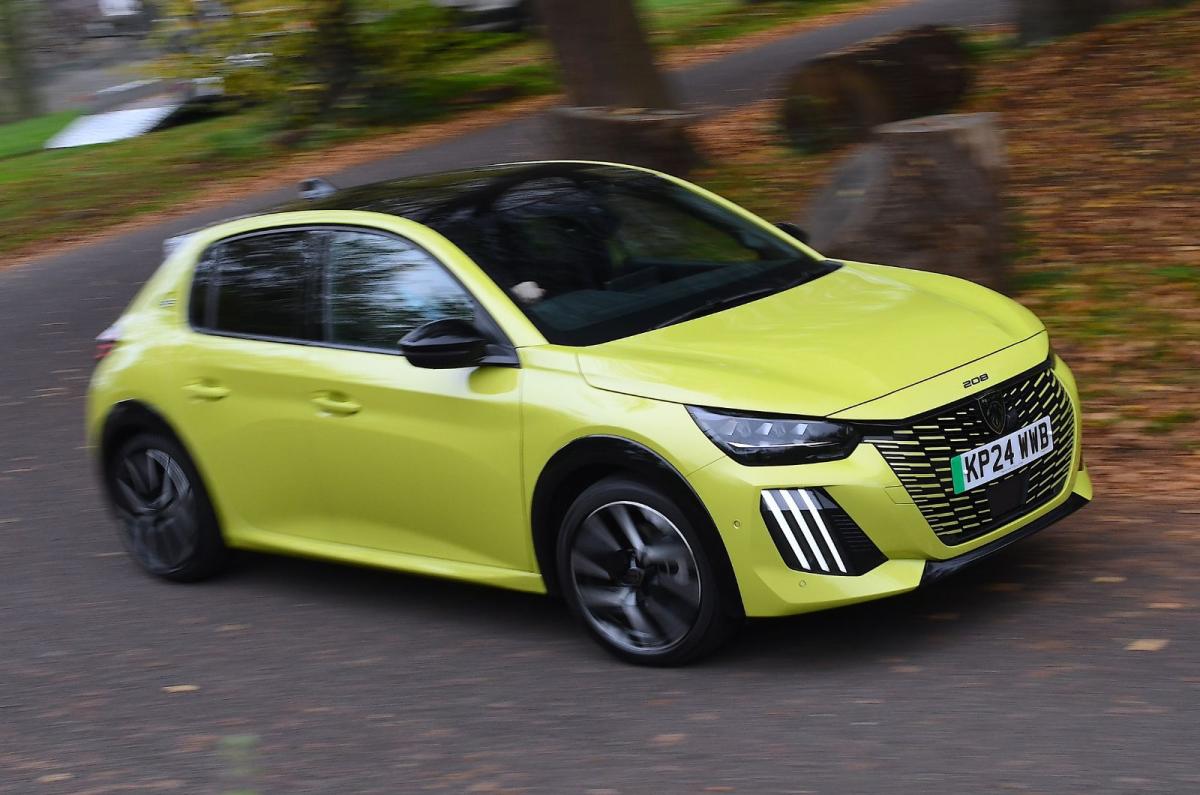
- Peugeot e-208 front three quarters dynamic
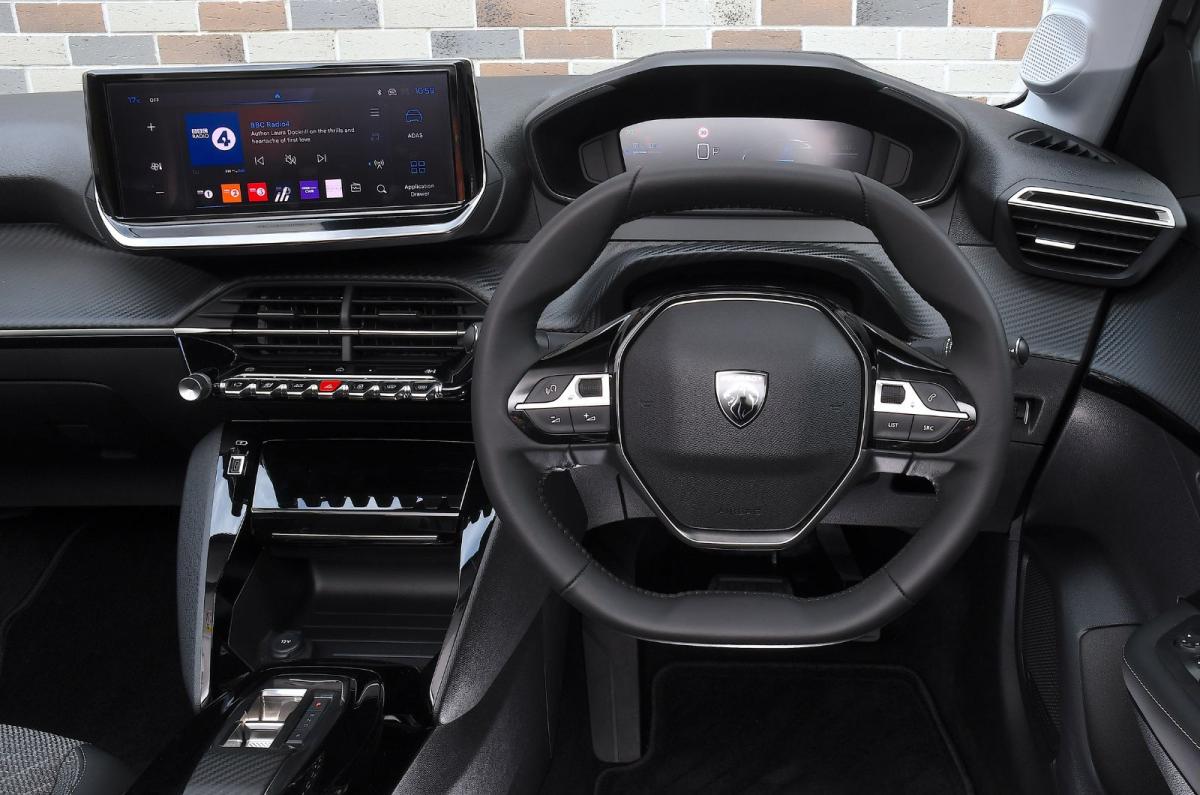
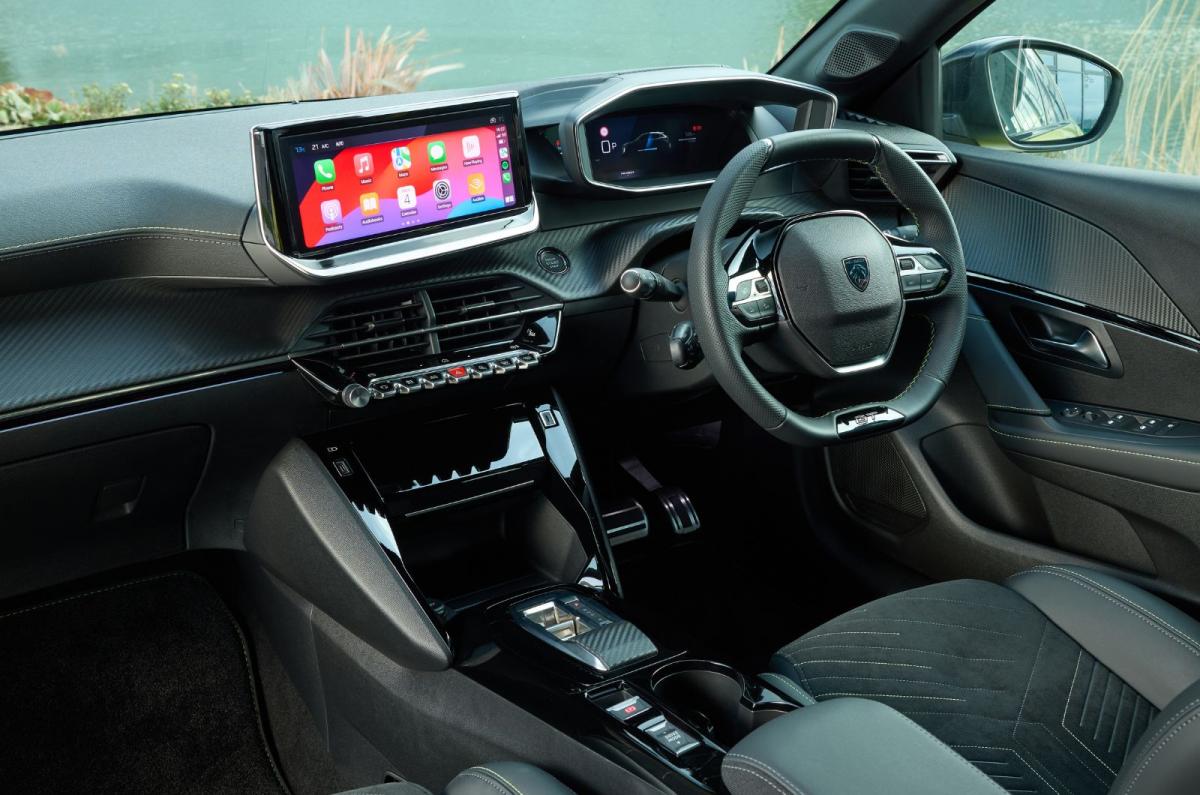
- Peugeot e-208 interior
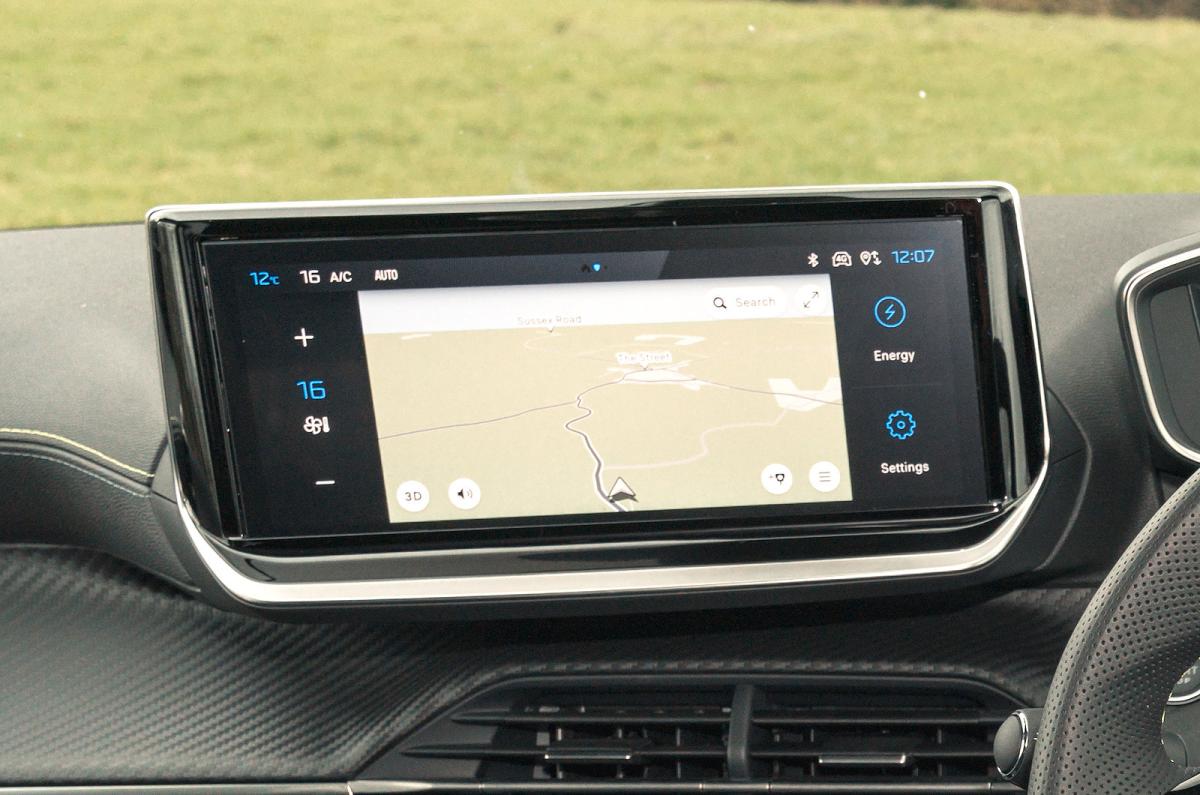
- Blue Peugeot e-208 interior infotainment
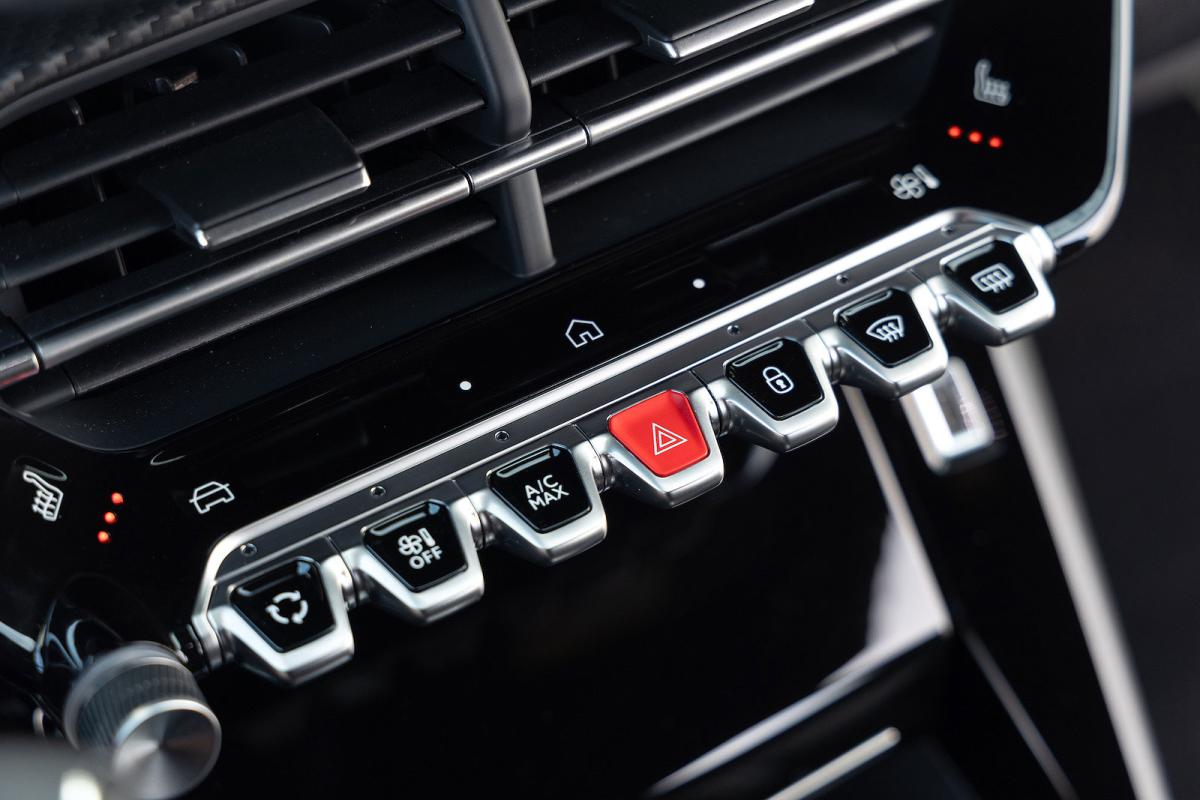
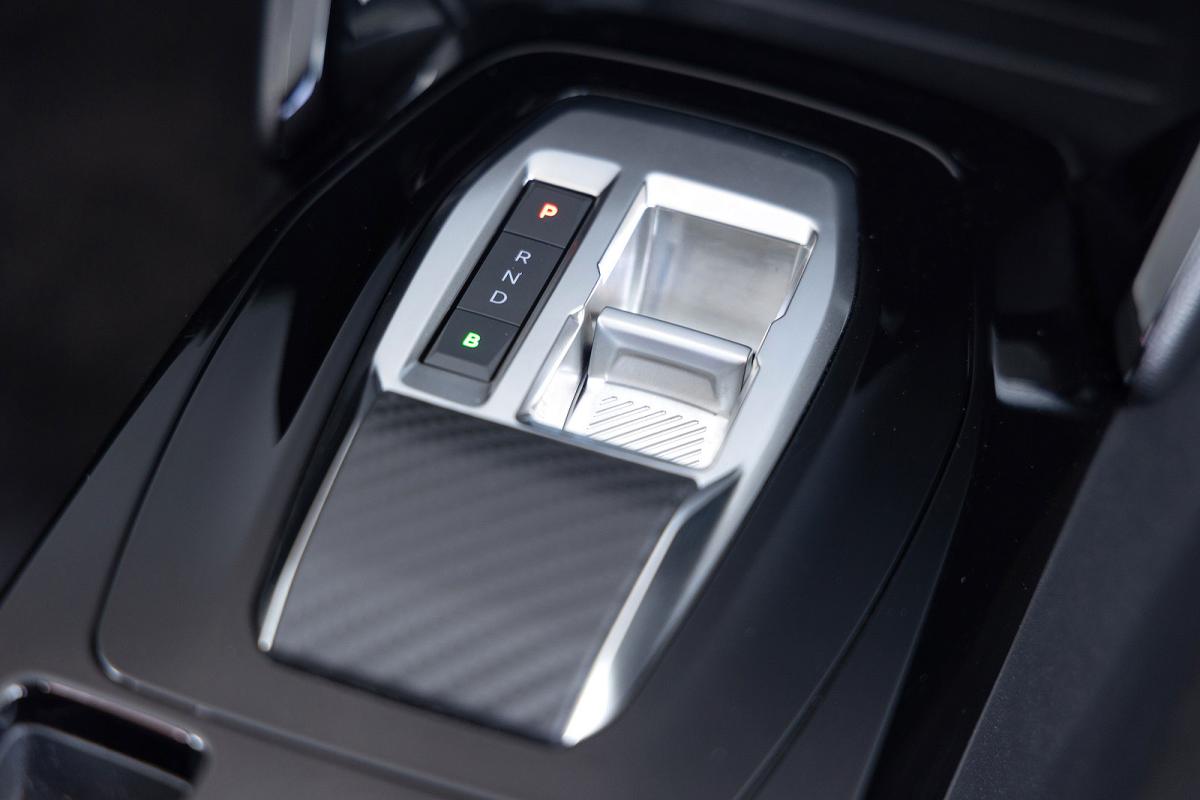
- Peugeot e-208 interior detail
- Peugeot e-208 interior detail
- Peugeot e-208 interior
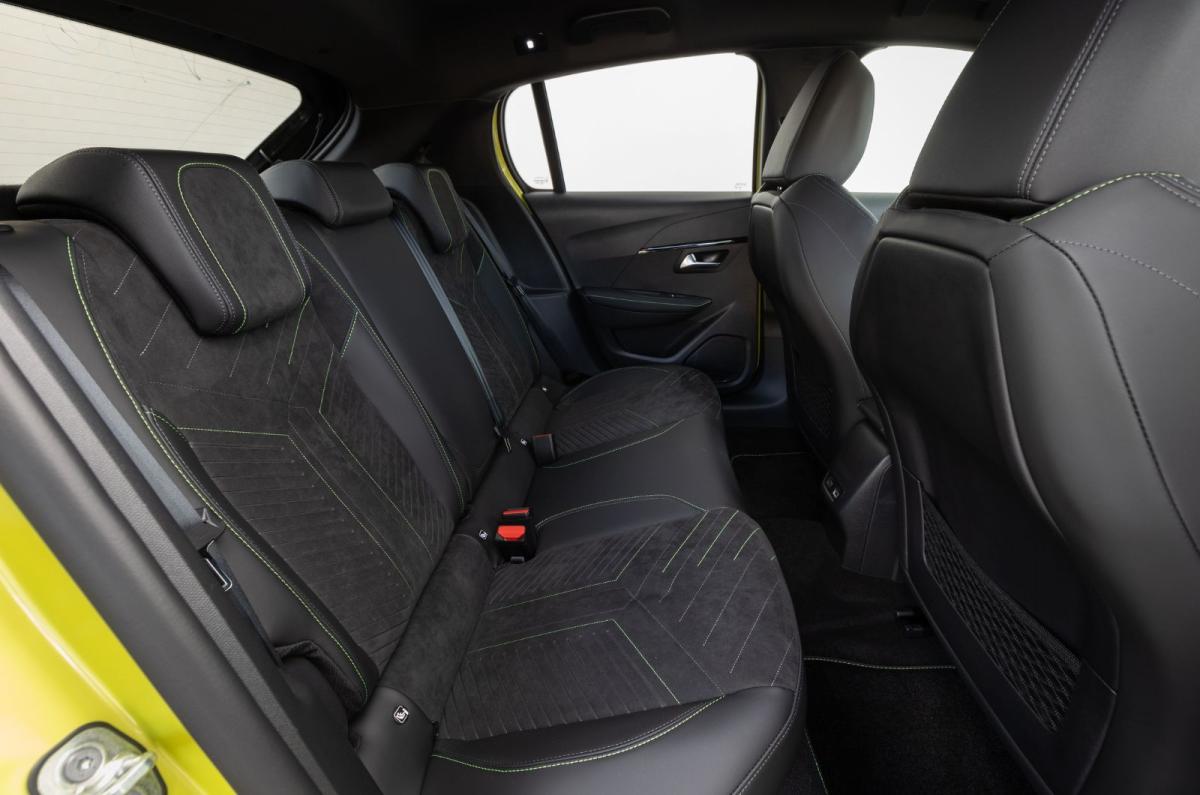
- Peugeot e-208 interior rear seats
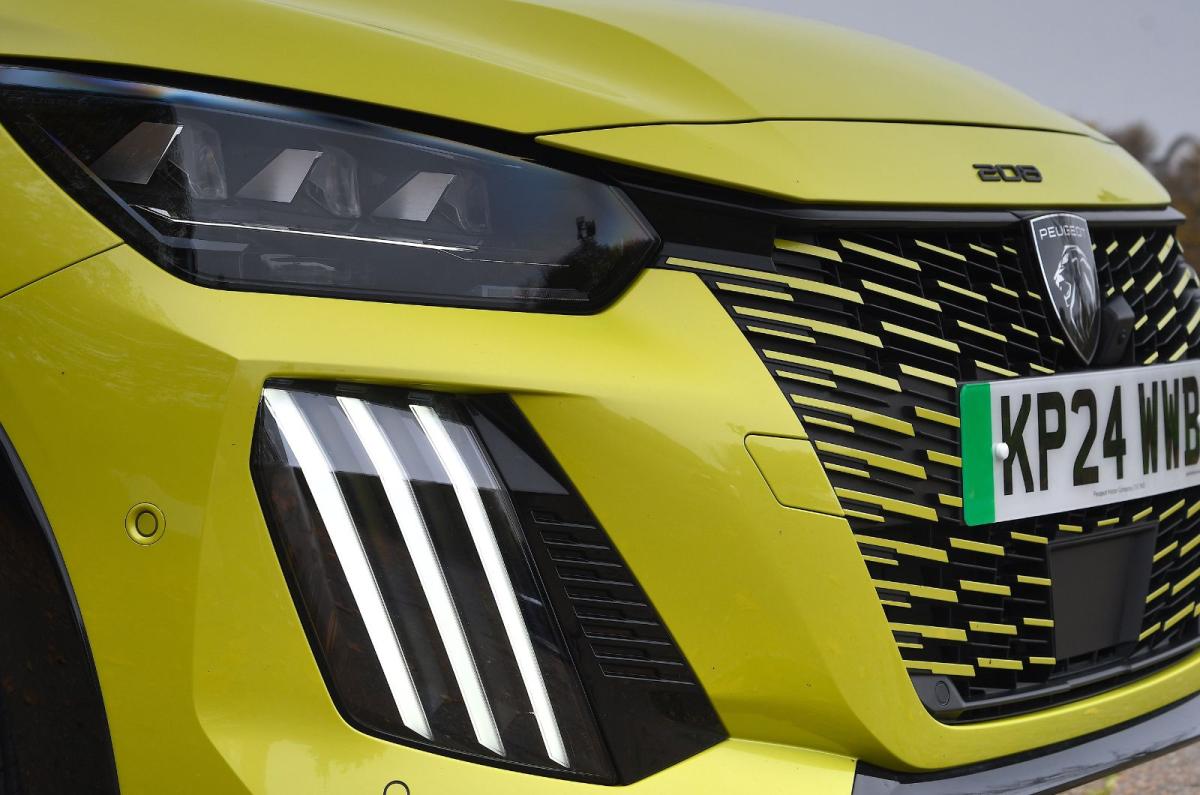
- Peugeot e-208 exterior details
- Peugeot e-208 exterior details
- Peugeot e-208 exterior dynamic
- Peugeot e-208 exterior dynamic
- Peugeot e-208 rear cornering
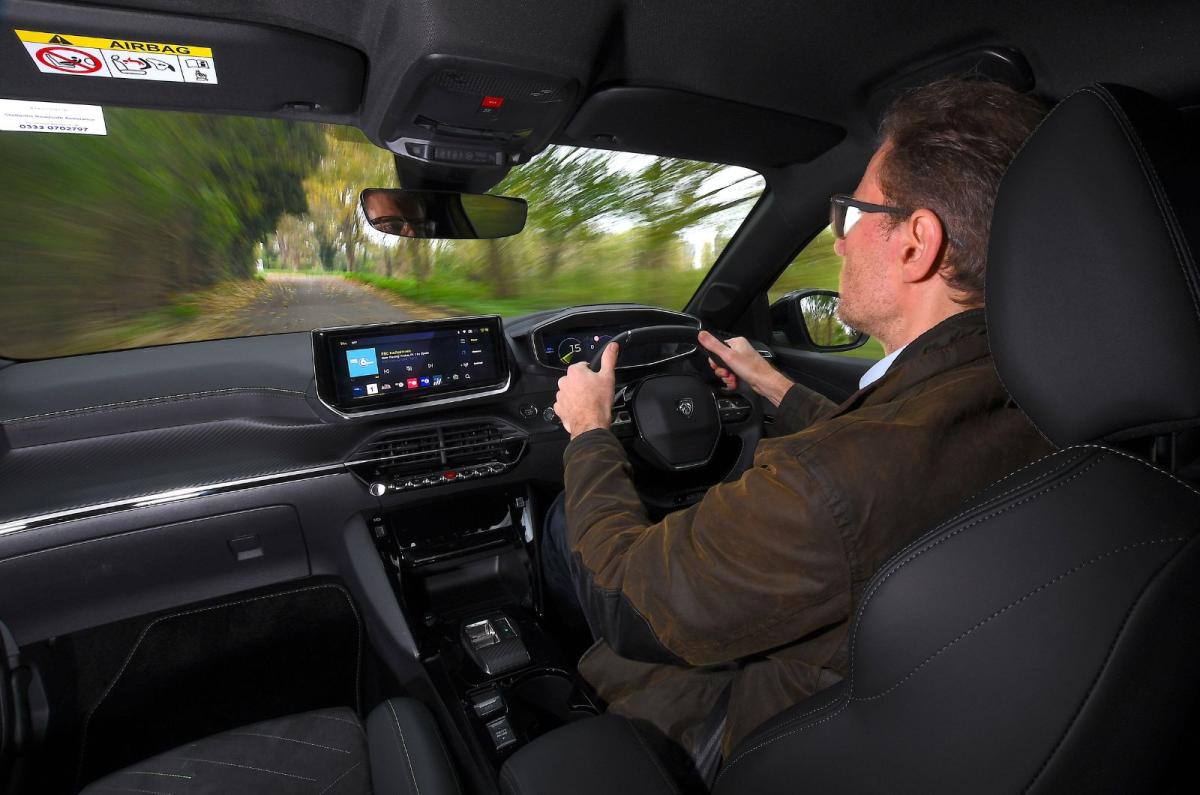
- Peugeot e-208 interior driving shot
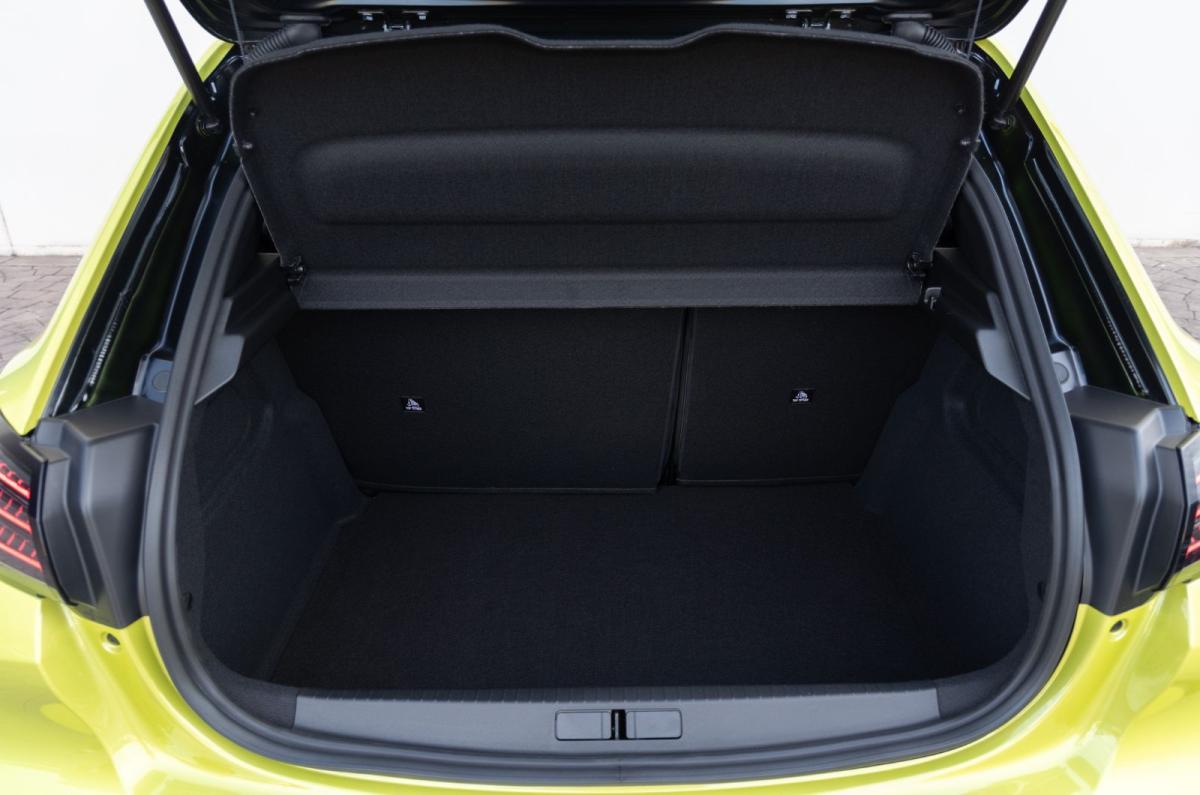
- Peugeot e-208 boot open
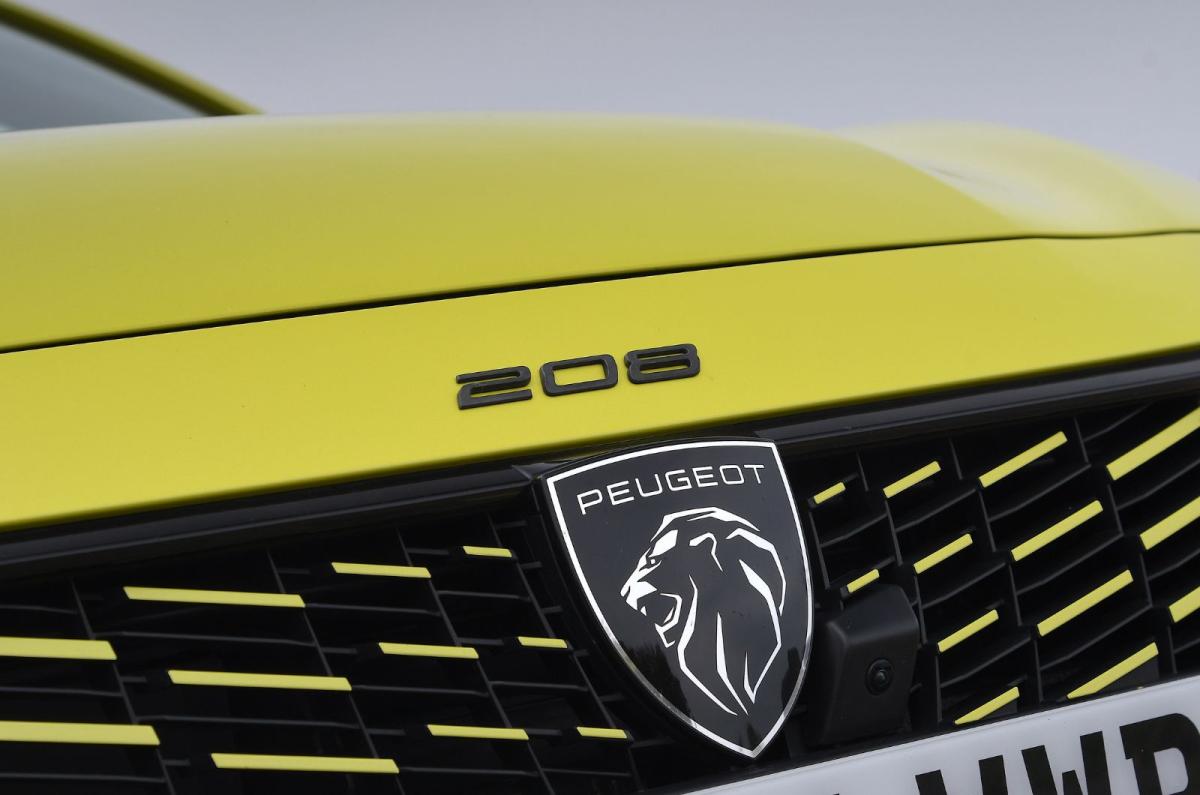
- Peugeot e-208 exterior badges

Image 1 of 18
RRP £27,145
Fuel type:
Electric
Gearbox:
Automatic
Doors:
5 doors
Find your perfect e-208
The model
Read full Peugeot e-208 review
The Peugeot e-208 is smart inside and good to drive. However, it’s pricey next to the Hyundai Inster and Renault 5. As such, we'd recommend the entry-level Allure trim because it keeps the price respectable and comes with enough standard equipment.
The trim
Top-spec GT trim comes with niceties such as 17in alloy wheels, rear-view camera, keyless entry, full LED headlights, and ambient interior lighting. However, it’s too pricey to recommend.
The engine
This is the less powerful motor variant of the fully electric e-208. Acceleration is nippy enough (0-62mph takes 8.1 seconds) and the official range is up to 225 miles – although you won't get that far in real-world driving.
Buying with What Car?
Get the best deal
At What Car?, we believe that no one should overpay for their new car, which is why we partnered with Autotrader to bring the biggest selection of discounted new cars available in the UK.
Key information

Doors
5

Seats
5

0-62 MPH
8.1 seconds

Fuel Type
Electric

Range (miles)
219
Available colours

Boot Capacity
How much space is there?
309
litres

Charge Time
Rapid charge (10-80%)
8 hr
30 mins
30 mins

Range
Range with a full charge
219
miles
The GT trim equipment
This table shows all items available in the e-208 range, and what is included, optional or not available for this trim.
Performance
| 7.4KW Monophase On Board Charger | Included |
| Power Assisted Steering - Electric | Included |
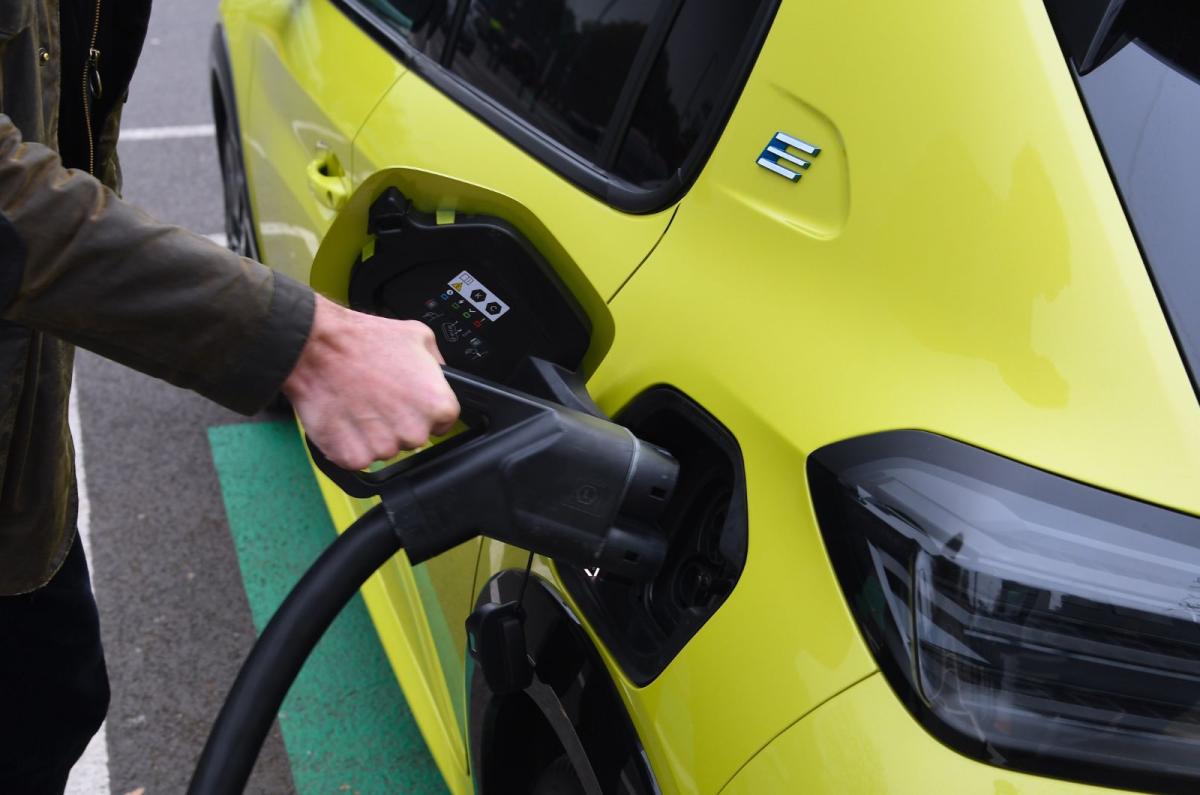
| Charge Cable - Electric | Included |
| Parking Heater (Pre-Heating) | Included |
| Heat Pump | From £66.67 |
| 11kW Triphase On Board Charger | From £60.00 |
Audio and Communications
| Display Screen - Front Touch Screen | Included |
| Peugeot Connect SOS and Assistance | Included |
| Smartphone Integration | Included |
| USB | Included |
| DAB Radio | Included |
| Bluetooth | Included |
| Radio Aerial - Shark Fin | Included |
| Audio System Speakers | Included |
| 12V Socket | Included |
| Satellite Navigation | From £66.67 |
Exterior
| GT Model Designation Badging on Tailgate | Included |
| Gloss Black Rear Cluster Connecting Strip | Included |
| Tyre Repair Kit (inc Sealant/Foam Kit) | Included |
| Gloss Black Wheel Arch Extensions | Included |
| Body Styling | Included |
| Rear Spoiler | Included |
| Tailgate | Included |
| Windows - Privacy Glass | Included |
| Matt Black Window Weatherstrips | Included |
| Front Electric Windows | Included |
| Windscreen - Acoustic | Included |
| LED Front Indicators | Included |
| Gloss Black B Pillar | Included |
| Front Bumper Grille - Gloss Black with Body-Colour Accents | Included |
| Door Mirrors - Electric | Included |
| Door Sill Protection with PEUGEOT Signature Lettering | Included |
| Door Mirrors | Included |
| Dichroic E Monogram on C Pillar and Tailgate | Included |
| 208 Model Designation Badges Front and Rear | Included |
| Diamond Black Roof | Included |
| Wheels - 17in Alloys | Included |
| Panoramic Sunroof - Fixed | From £83.33 |
| Parking Pack | From £33.33 |
Drivers Assistance
| Parking Assistance - Rear Camera | Included |
| Drive Mode Selection - Eco-Normal-Sport | Included |
| Driver Attention Warning | Included |
| Driver Information | Included |
| Parking Assistance - Front Sensor | Included |
| Gear Lever - e-Toggle | Included |
| Fuel Computer | Included |
| Head Up Display | Included |
| Cruise Control | Included |
| Tyre Pressure Monitoring System | Included |
| Cruise Control - Adaptive | From £50.00 |
Interior
| 8 Colour Personalisable Ambient Lighting | Included |
| Adamite Green Contrast Stitching on Front and Rear Door Armrests - Front Centre Console and Dashboard Facia | Included |
| Climate Control | Included |
| Aluminium Pedals | Included |
| Boot Lighting | Included |
| Armrest - Front Centre | Included |
| Dashboard | Included |
| Seats - Manual Adjustable | Included |
| Driver and Passenger Sunvisors - Front Footwells and Central Storage with LED Lighting | Included |
| Auto Dimming Rear View Mirror | Included |
| Front Optimised Safety Headrests and Rear Retractable Headrests - x3 - Height-Adjustable | Included |
| Centre Console | Included |
| LED Front Interior Light with Front LED Reading Spotlights x2 and Rear LED Reading Spotlights x2 | Included |
| Floor Mats | Included |
| Steering Wheel - Leather | Included |
| PEUGEOT i-Cockpit Compact Steering Wheel | Included |
| Piano Keys - Gloss Black Plated Toggle Switches to Access Main Functions of Vehicle | Included |
| Engine Start Button | Included |
| Roof Lining - Mistral Black | Included |
| Seating - Driver and Front Passenger Dynamic Seats | Included |
| Seating- 1-3 - 2-3 Folding Rear Seat | Included |
| Visibility Pack - Automatic Windscreen Wipers | Included |
| Visibility Pack - Follow Me Home Headlights | Included |
Safety and Security
| ABS - Anti-lock Braking System | Included |
| Artificial Engine Noise | Included |
| Autonomous Emergency Braking - City | Included |
| Airbags - Curtain | Included |
| Airbags - Front Side | Included |
| Airbags - Driver | Included |
| Alarm | Included |
| Safety Equipment | Included |
| Brake Hazard Warning Lights | Included |
| Child Locks | Included |
| Deadlocks | Included |
| ESP - Electronic Stability Programme | Included |
| Electronic Parking Brake | Included |
| Vehicle Security System / Immobiliser | Included |
| ISOFIX Child Seat Preparation - Rear | Included |
| Lane Keep Assist | Included |
| Keyless Entry | Included |
Paint
| Yellow | Included |
| Red | From £158.33 |
| Blue | From £158.33 |
| Grey | From £125.00 |
| Black | From £125.00 |
| White | From £125.00 |
Illumination
| Headlights - LED | Included |
| Headlights | Included |
| Rear Lights - LED | Included |
| Daytime Running Lights - LED | Included |
| Headlights - Automatic On | Included |
Upholstery
| Cloth | Included |
| Alcantara | From £83.33 |
The 50kWh GT Hatchback 5dr Electric Auto (7.4kW Charger) (136 ps) specifications
Engine
| Fuel delivery | Direct Current |
Performance
| Top speed (mph) | 93 |
| Engine Power (PS) | 136 |
| Engine Power (bhp) | 134 |
| Engine Torque (lb ft) | 221 |
| Engine Torque (Nm) | 300 |
Transmission
| Transmission Type | Automatic |
| Gears | 1 speed |
Exterior
| Doors | 5 |
| Body type | Hatchback |
Interior
| Luggage capacity (litres - seats up) | 309 |
| Luggage capacity (litres - seats down) | 1118 |
| Seats | 5 |
Technical
| Emissions (g/km) | 0 |
Dimension
| Wheelbase (mm) | 2540 |
| Width (mm) | 1960 |
| Height (mm) | 1430 |
| Length (mm) | 4055 |
| Kerb weight (mm) | 1455 |
Charge Times
| Fast charge | 450 |
| Ultra rapid charge | 73 |
advertisment
advertisment