New Peugeot e-Partner review
The e-Partner is a decent electric van with practical strengths but it’s no longer leading the class


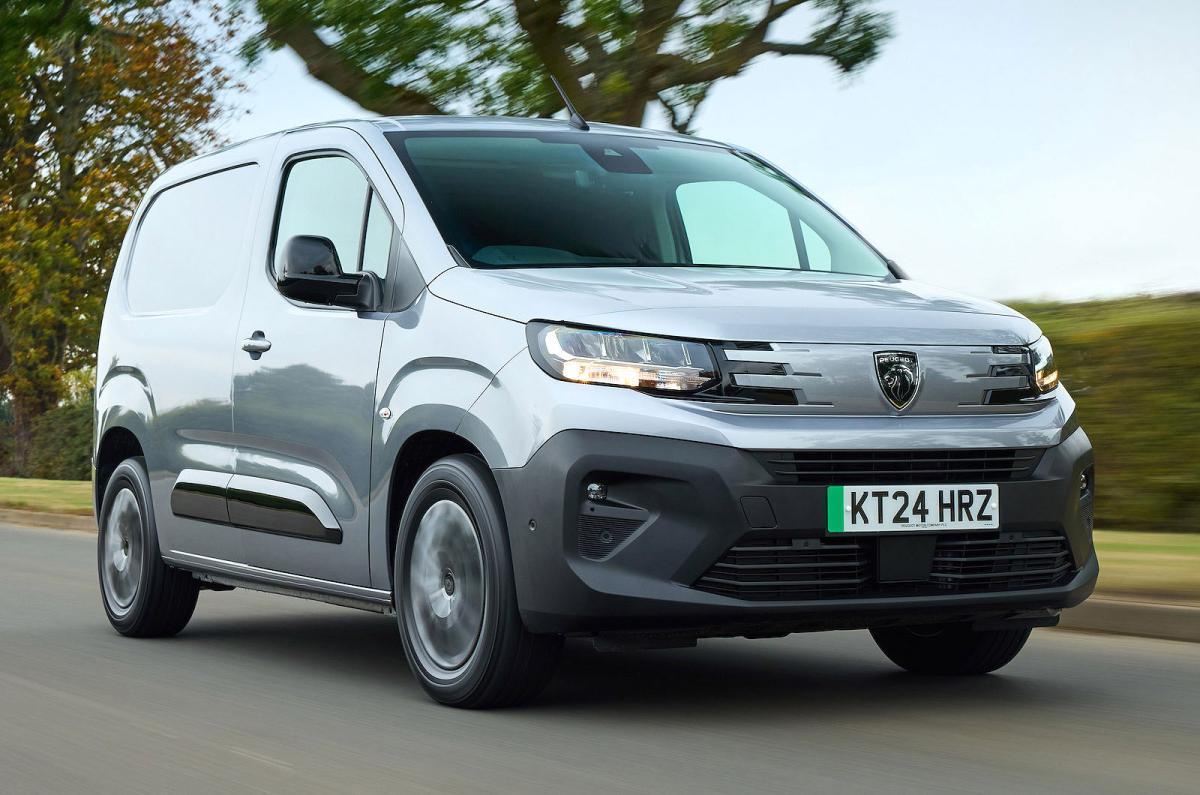
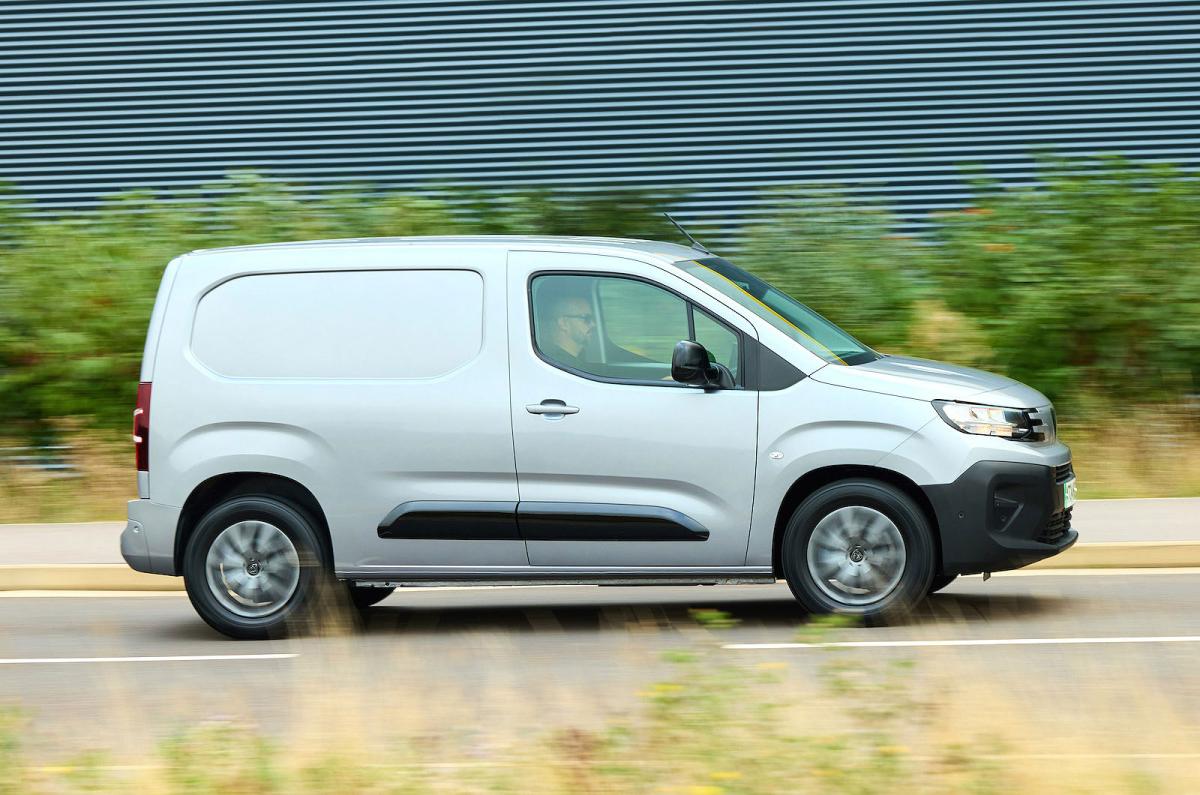
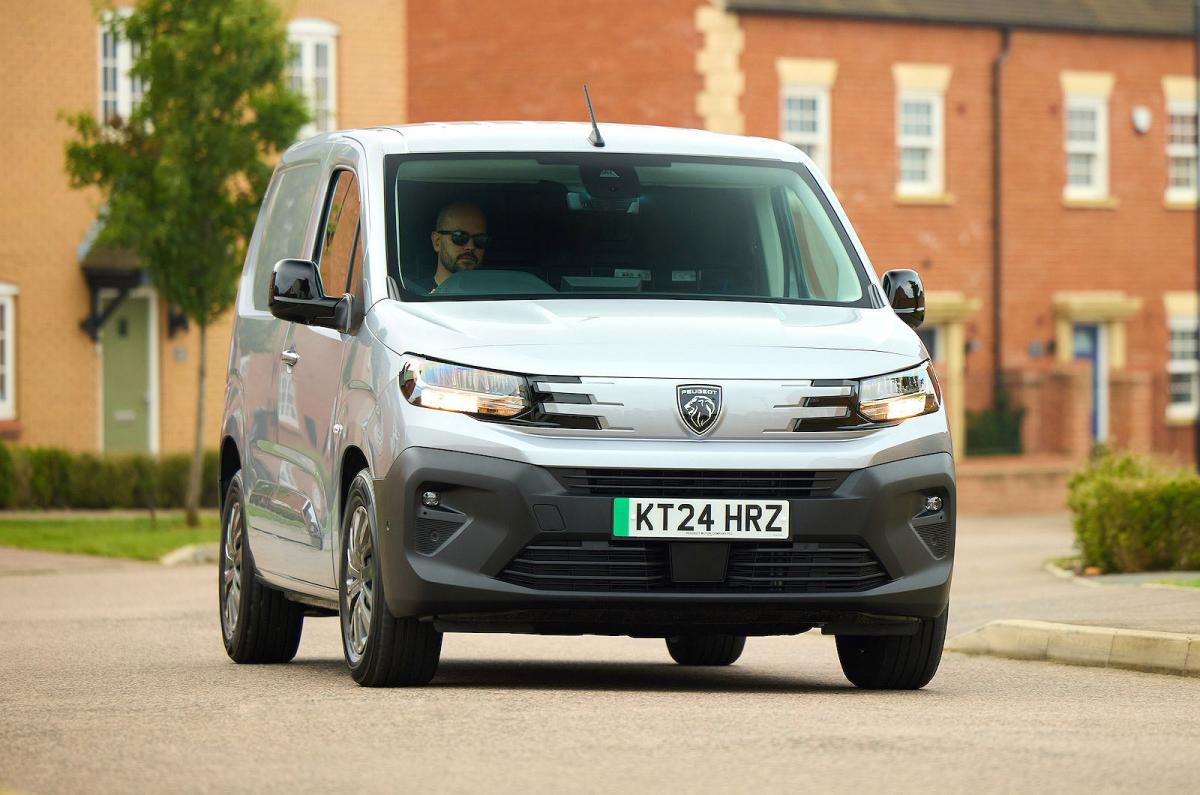
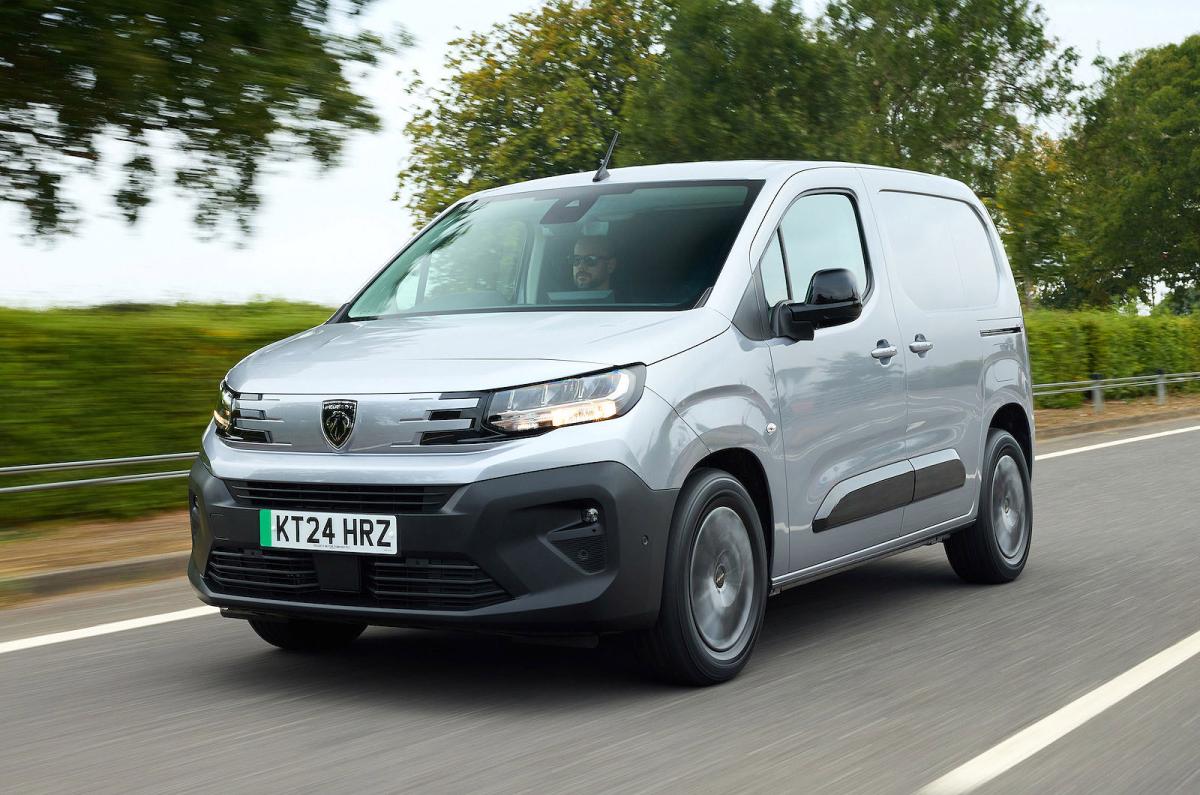
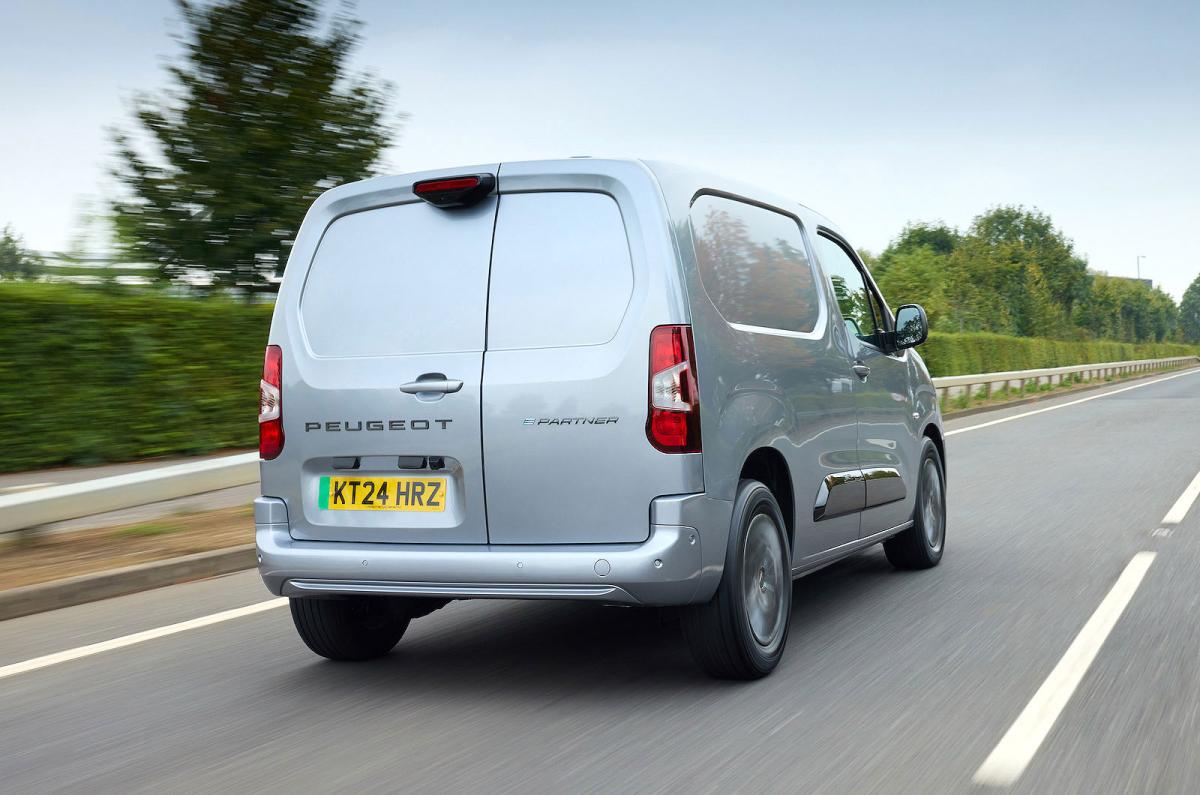
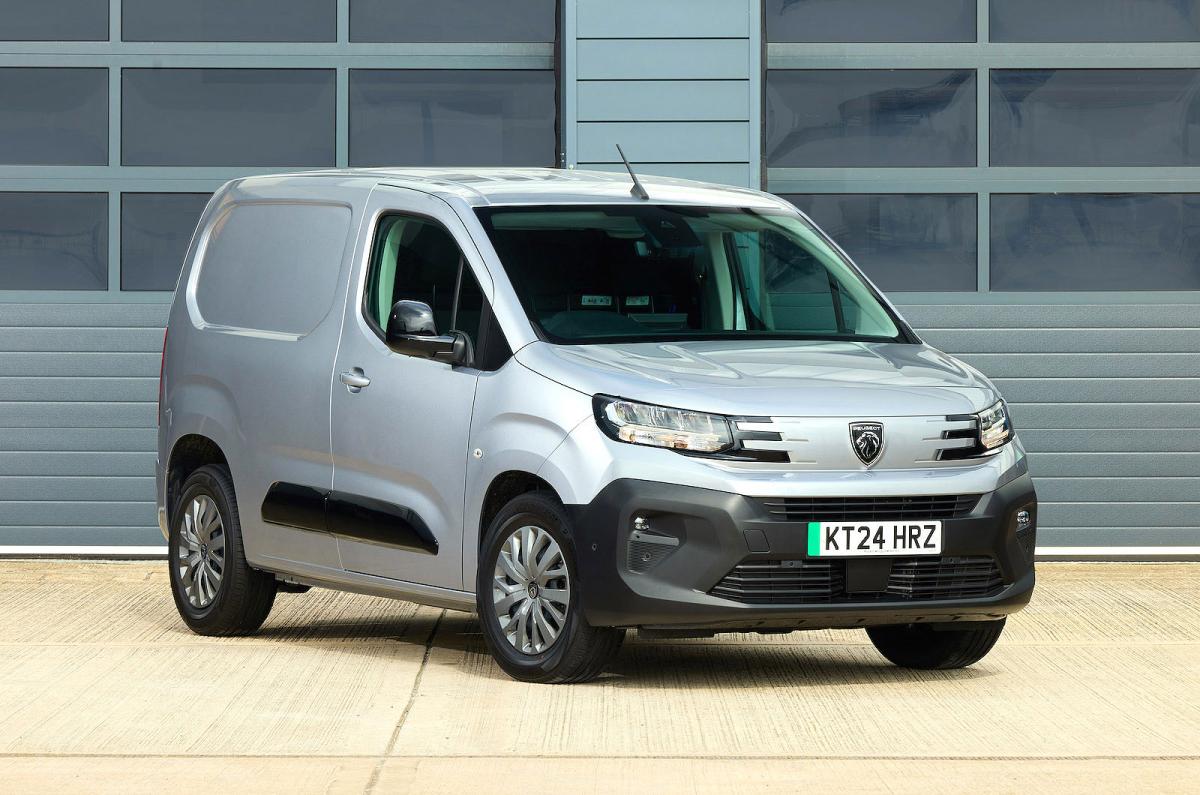
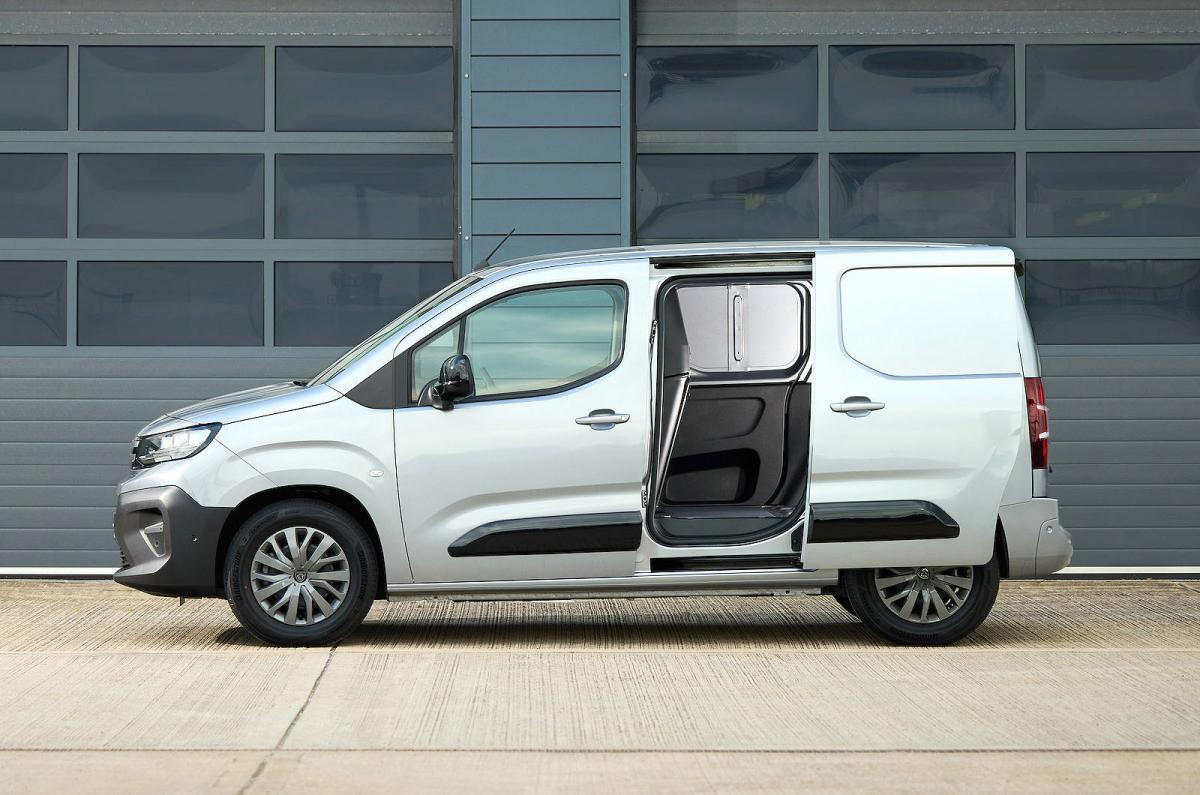
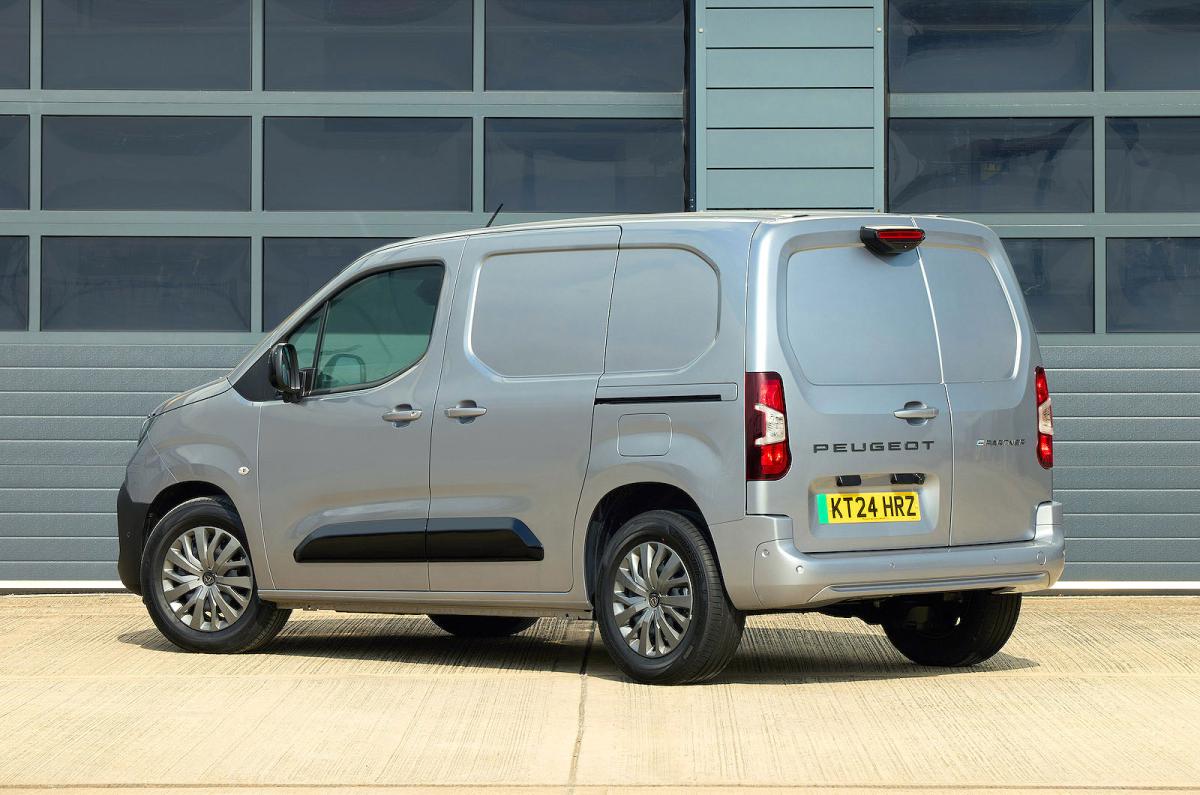
- Peugeot e-Partner van
- Peugeot e-Partner right driving
- Peugeot e-Partner front driving
- Peugeot e-Partner front left driving
- Peugeot e-Partner rear right driving
- Peugeot e-Partner front right static
- Peugeot e-Partner left static
- Peugeot e-Partner rear left static
- Peugeot e-Partner rear static doors open
- Peugeot e-Partner front detail
- Peugeot e-Partner front seats
- Peugeot e-Partner load-through hatch
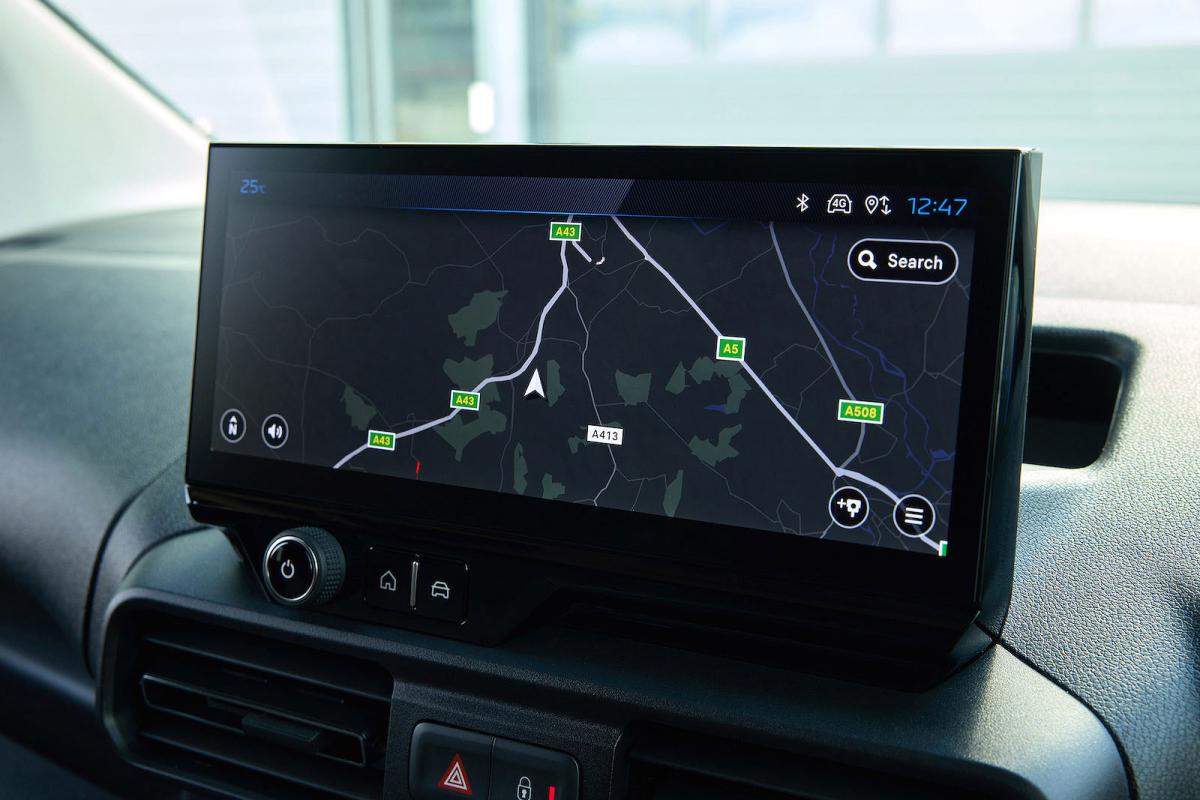
- Peugeot e-partner infotainment touchscreen
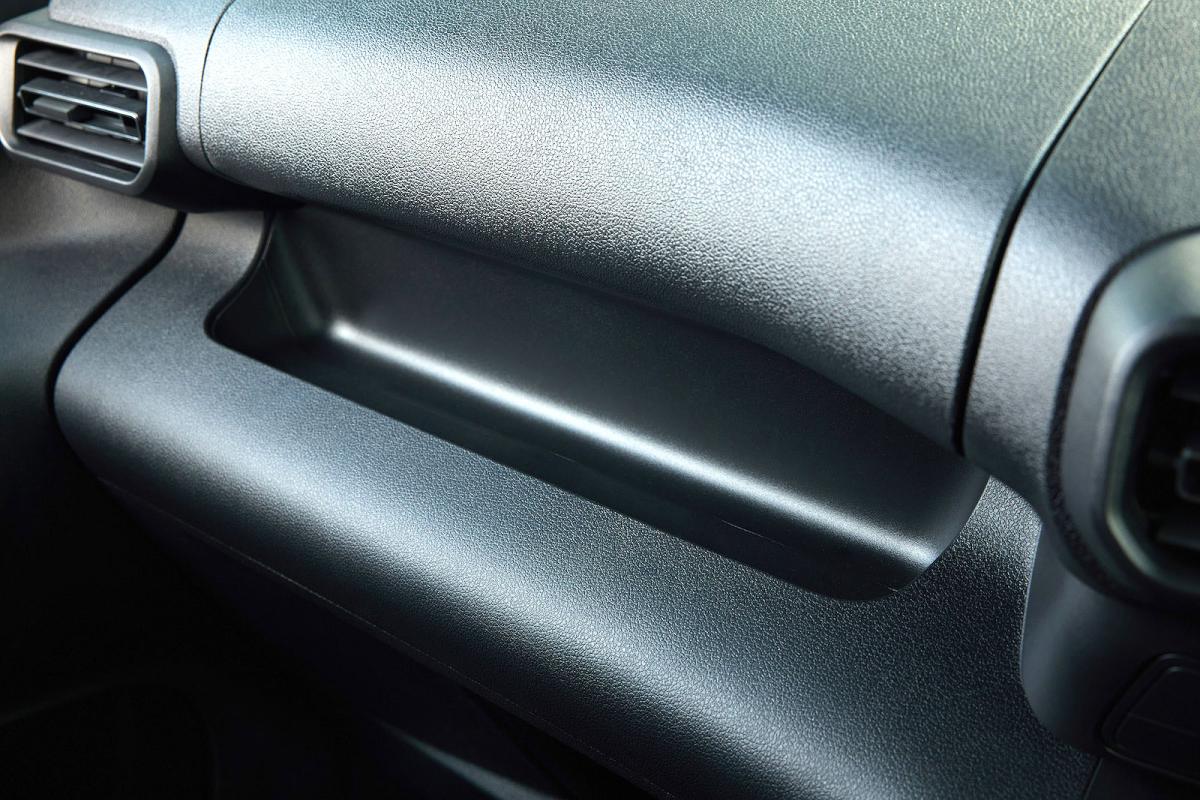
- Peugeot e-Partner dashboard detail
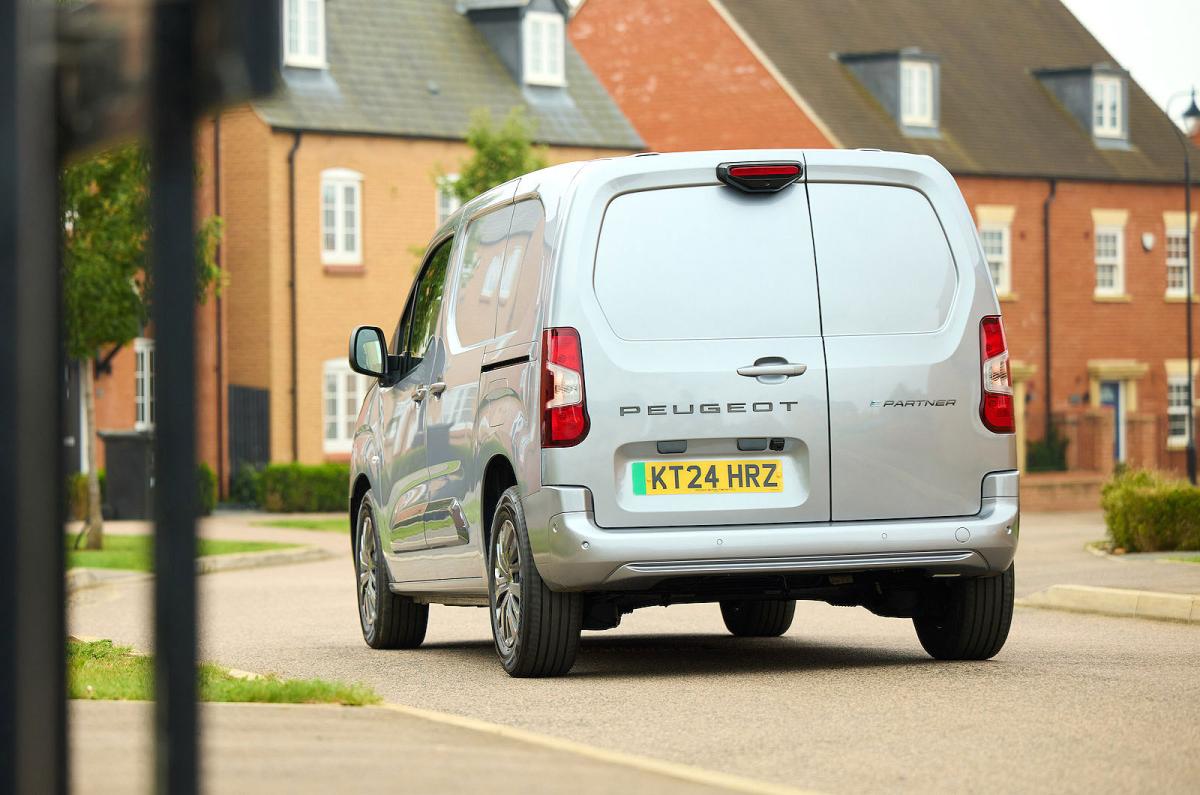
- Peugeot e-Partner rear driving
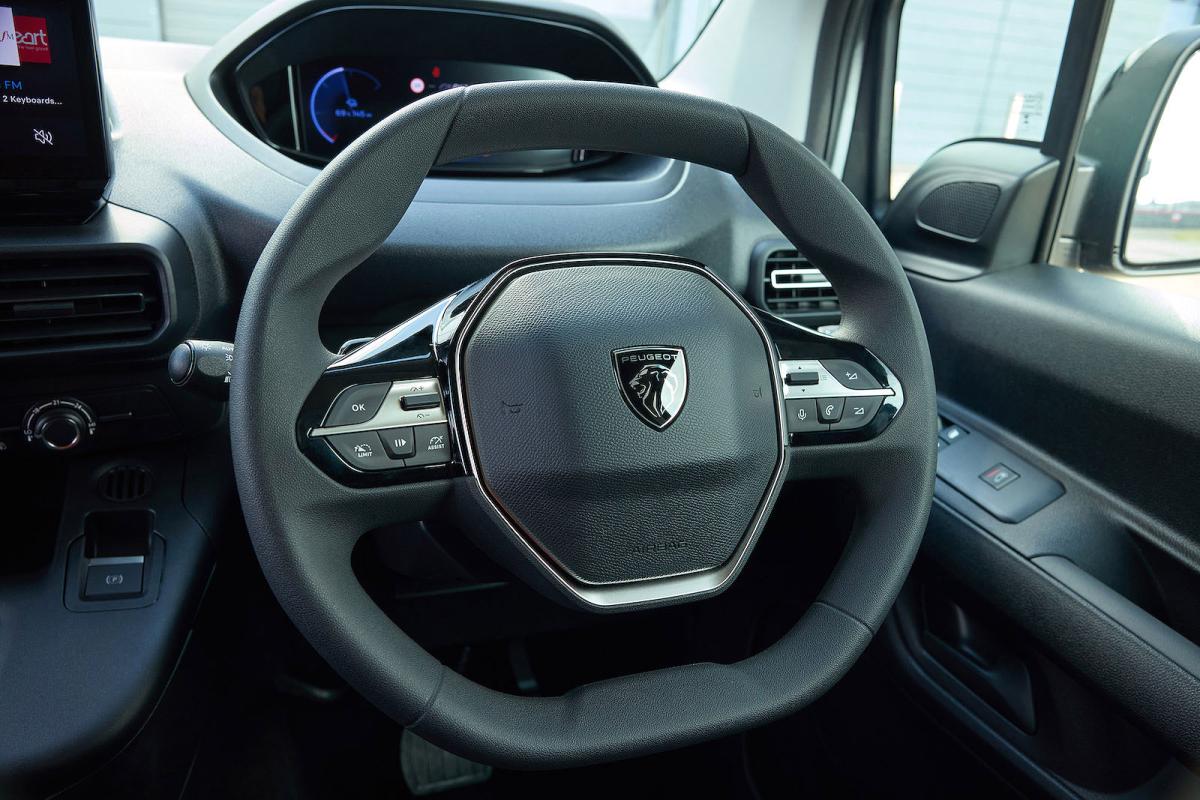
- Peugeot e-Partner steering wheel
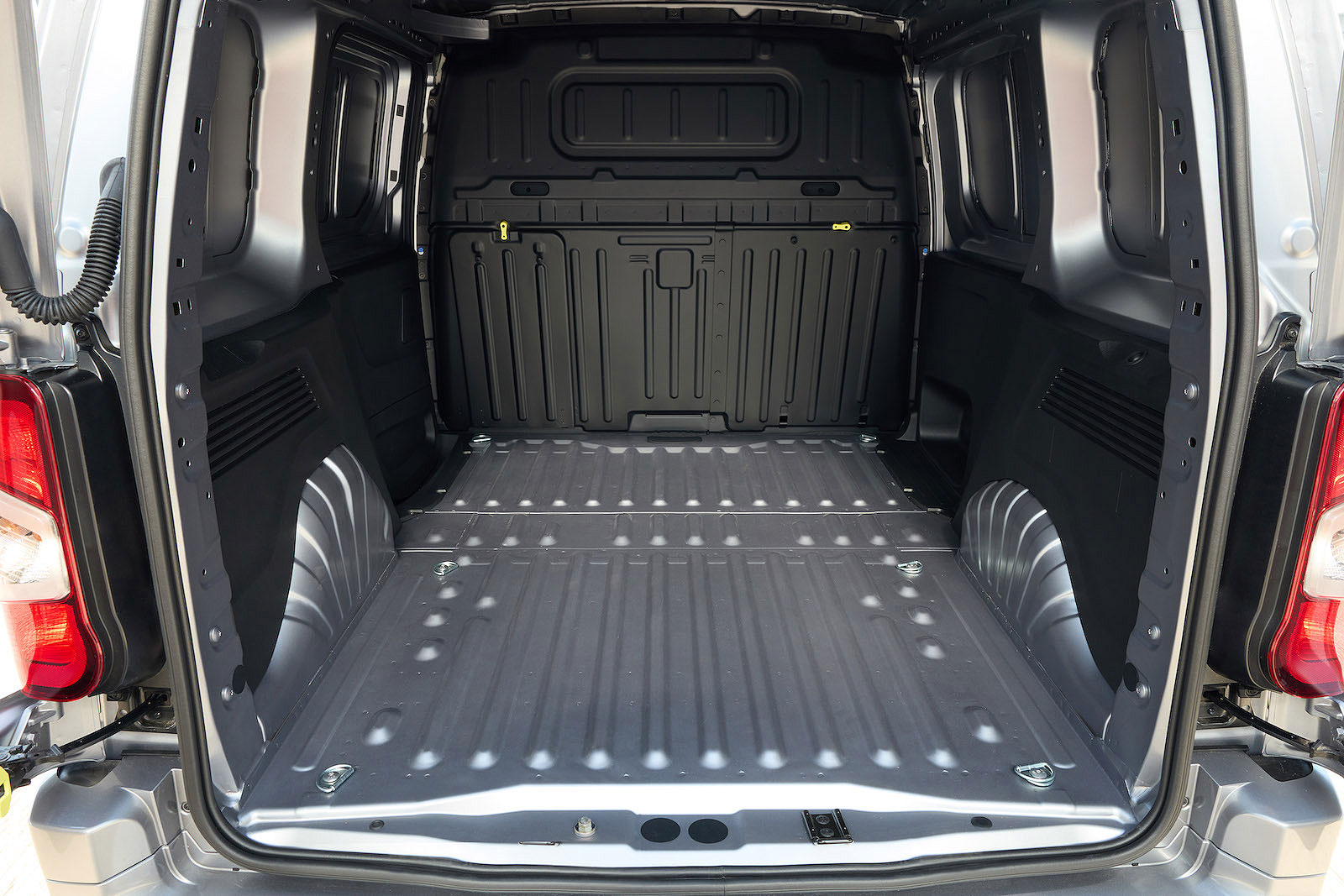
- Peugeot e-Partner load bay
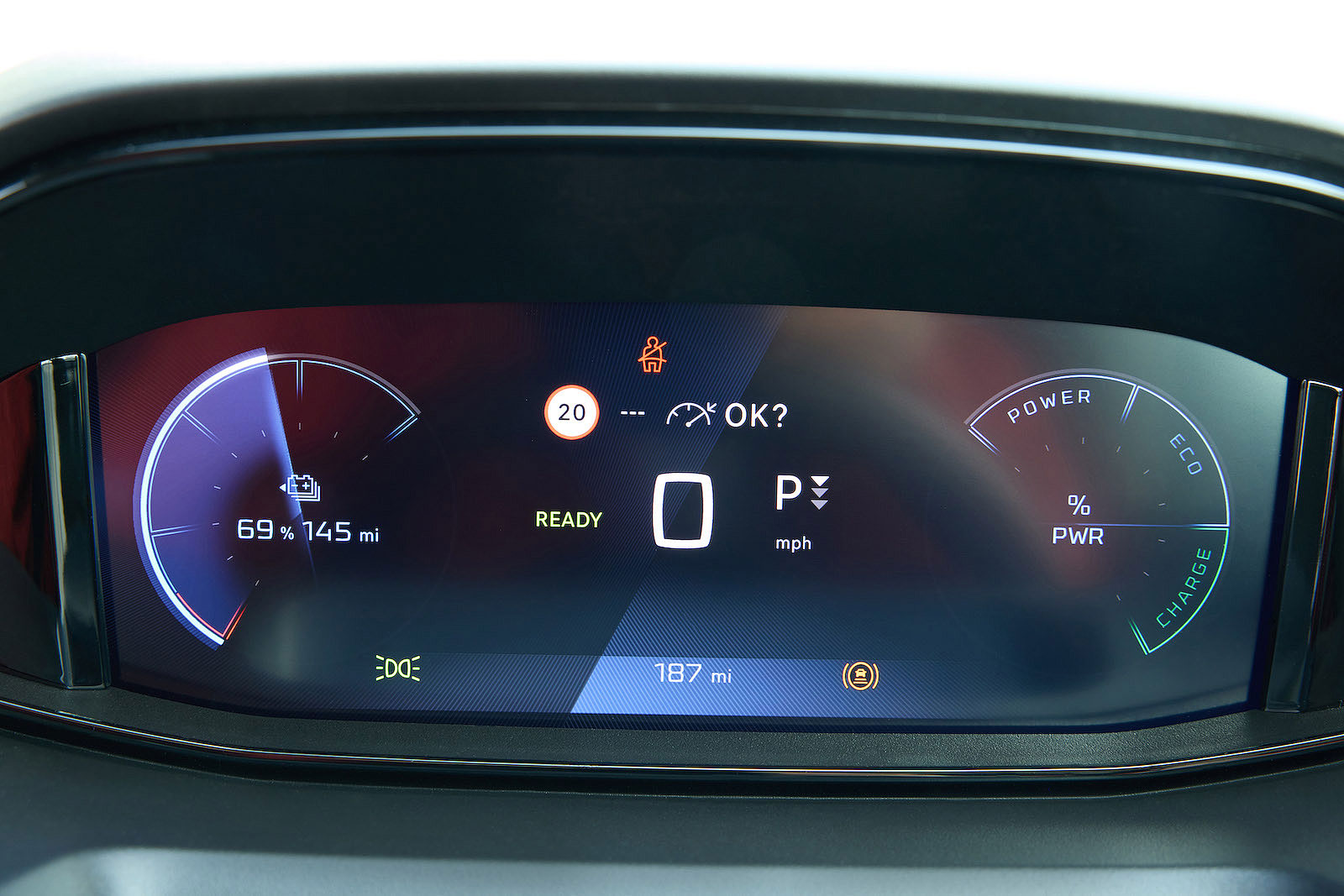
- Peugeot e-Partner driver display


What is What Car? best price?
The What Car? best price shows you the cheapest way to buy your new car, whether it's by choosing an in-stock car through our partner Autotrader or placing a factory order.
Available now from: £21,599
RRP from: £36,095
Introduction
The Peugeot e-Partner offers an all-electric alternative to the regular Partner, and that's long been a go-to choice as a reliable, no-nonsense workhorse. In other words, in the small van world the e-Partner comes from good stock.
And indeed, since its launch the electric model has won multiple industry awards. Plus, Peugeot's parent company Stellantis has recently given the model a mild refresh to help it stay competitive against rival electric vans.
What is What Car? best price?
The What Car? best price shows you the cheapest way to buy your new car, whether it's by choosing an in-stock car through our partner Autotrader or placing a factory order.
Available now from: £21,599
RRP from: £36,095
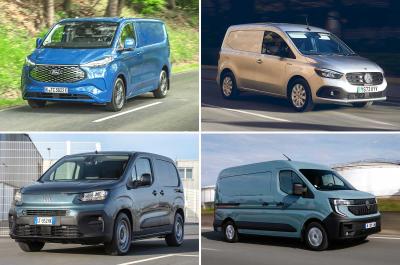
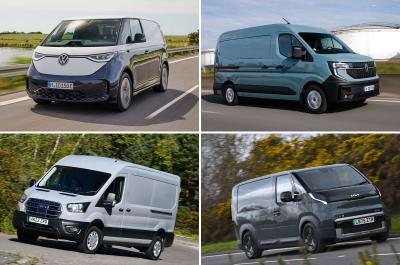
Of course, the e-Partner doesn't exist in isolation – the Citroën ë-Berlingo Van, the Fiat e-Doblò, the Vauxhall Combo Electric van and, as part of a commercial partnership, the Toyota Proace City Electric are built on the same production line. They have the same underpinnings, body, motors and interior.
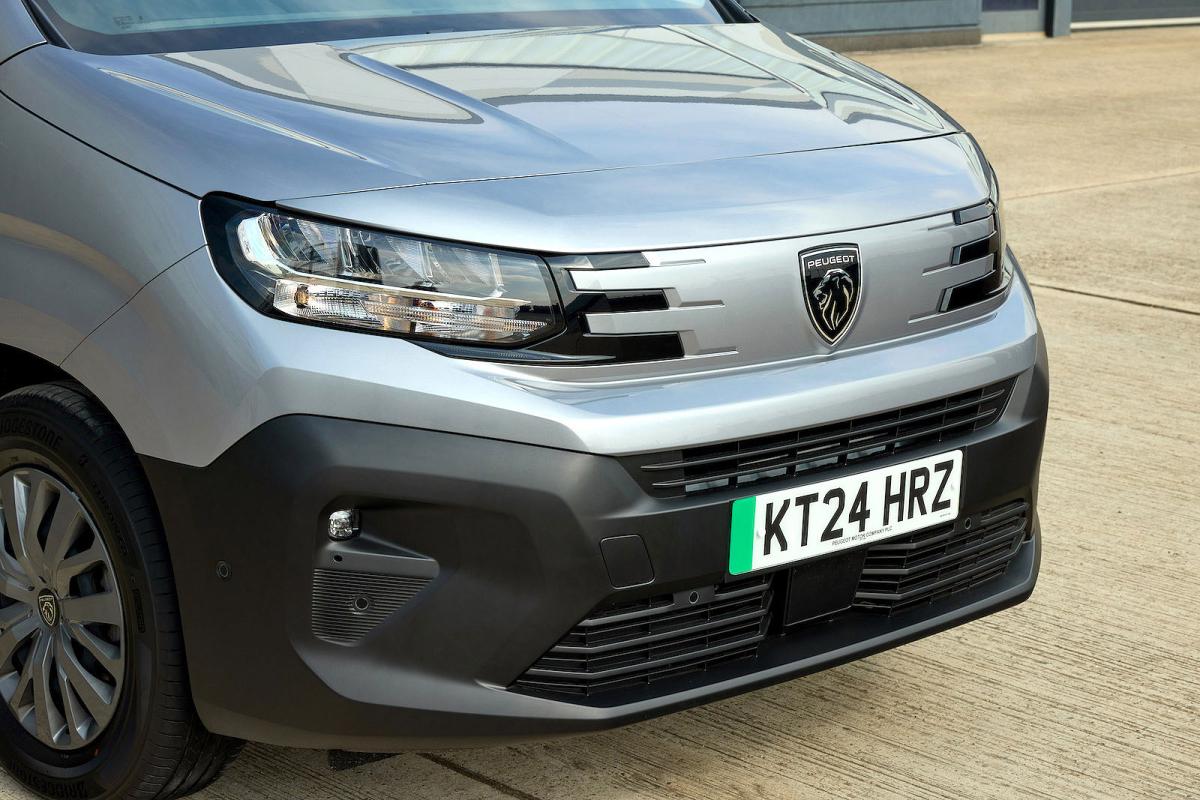
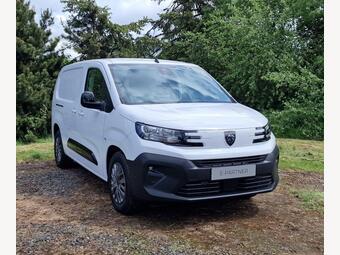
From the outside, the latest e-Partner brings Peugeot’s modern design language into its range of vans. The most noticeable change is up front, where a sleek new grille is bordered by dramatic LED claw marks (assuming you buy into Peugeot’s big cat branding).
It’s a striking look, but does the Peugeot e-Partner deliver where it matters against rivals including the Ford E-Transit Courier and Renault Kangoo E-Tech (or the Kangoo's badge-engineered cousins, the Mercedes eCitan and Nissan Townstar EV)? Read on to find out...


Pros
- Competitive cargo volumes
- Impressive maximum payload figures
- Refined ride quality
Cons
- Infotainment system (if fitted) is subpar
- Towing limits are low compared with rivals'
- Will get uncomfortable if driving three-up
Performance & drive
What it's like to drive, and how quiet it is
Strengths
- Performance feels strong in cities
- Enough poke for motorway driving
- Pleasingly smooth ride
Weaknesses
- Steering is vague and imprecise
- Performance slows noticeably as speed increases
- Steering is a little vague and imprecise
The Peugeot e-Partner comes with a 52kWh battery delivering an official WLTP range of 213 miles. That’s a competitive figure for the class – beating, for example, the Renault Kangoo E-Tech – but as with all EVs, real-world range can vary significantly. In colder months or when fully loaded, we'd expect the range to be much lower.
The e-Partner's electric motor produces the equivalent of 134bhp of power, but – perhaps more importantly – 199lb-ft of torque, which compares well with diesel vans. The difference here is that it’s all available immediately, with the driver not having to wait for the engine to build up speed.
When carrying a heavy load, that makes all the difference, especially around town. The Kangoo E-Tech is slightly less powerful, at 121bhp and 180lb-ft, while the Ford E-Transit Courier provides 134bhp and 213lb-ft, but there’s not much between the rivals.
There are three drive modes available in the e-Partner. The default when you switch the van on is Normal, and in an effort to balance power with range, it limits you to using 80% of the power available. Eco mode takes off another 20%, leaving you with 80bhp and reduced effectiveness from the air-conditioning to eke out more range. Want all 134bph? You’ll need to hit the Power button.
Performance is sprightly, especially in Power mode, but falls short of earth-shattering. The van completes the 0-62mph sprint in 11.7 seconds, with a maximum unrestricted speed of 82mph.
A special B mode on the drive selector ramps up the brake regeneration that recovers lost energy. It adds to the charge but we’re disappointed it doesn’t provide full one-pedal driving. Still, we found that B mode saves significant amounts of energy and makes driving surprisingly relaxed – once we'd got used to it.
The e-Partner's unladen ride is smooth but no better than in the Kangoo E-Tech rival, and the handling is just okay. The steering, while light and allowing for easy parking, is a little vague when at speed, making spirited driving on country roads less enjoyable by reducing the driver’s confidence.
The van is well-balanced though, and it’s a shame it’s tricky to take advantage of that. The Kangoo – along with its platform sharers, the Mercedes eCitan and Nissan Townstar EV – are an absolute joy to drive on challenging roads.
“An enhanced regen mode, labelled 'B' on the drive selector, offers impressive regenerative braking, but it’s not a full one-pedal mode, which I think is a shame.” – Phil Huff, Van Reviewer
Tips & Advice
Interior
The interior layout, fit and finish
Strengths
- Spacious cab
- Three seats on some versions
- Air-conditioning across the range
Weaknesses
- Basic Professional model misses out on essentials
- Infotainment screen on higher-spec models is dated
- Cupholders are in an awkward position
In a small van there are always going to be compromises when it comes to the interior, and while they’re evident in the Peugeot e-Partner, the designers have made an environment that will work well for most.
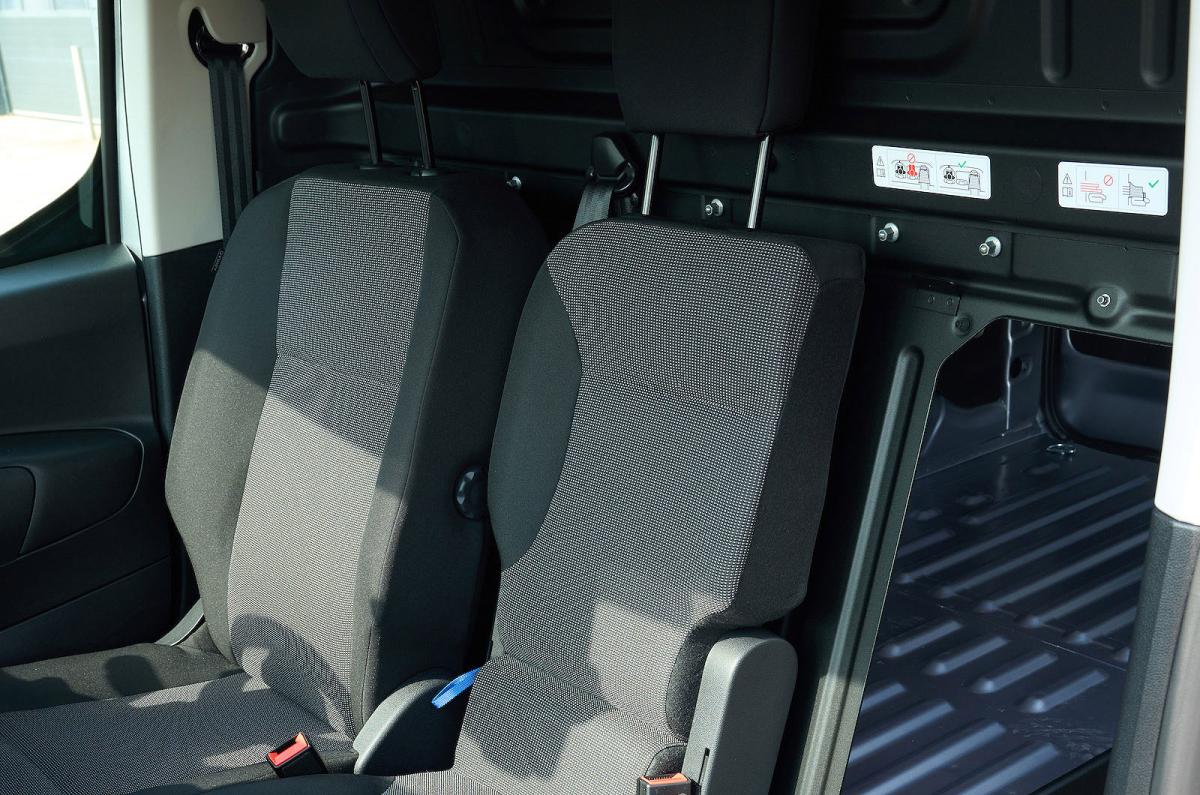
Perhaps the main issue is one that has plagued the diesel Peugeot Partner for many years. In an effort to satisfy demand for accommodation for three people, the passenger seat in most models is designed to take two people.
They'll need to be relatively slim individuals for at least a modicum of comfort, but the person sitting next to the driver will have a constant territorial dispute with the pod jutting out from the dashboard (it holds the drive selector switch). It’s also a problem, but to a lesser extent, for a middle passenger in the Renault Kangoo E-Tech.
Storage in the cab isn’t great, but there is capacity for some bits and bobs that the driver might need to stow on a daily basis.
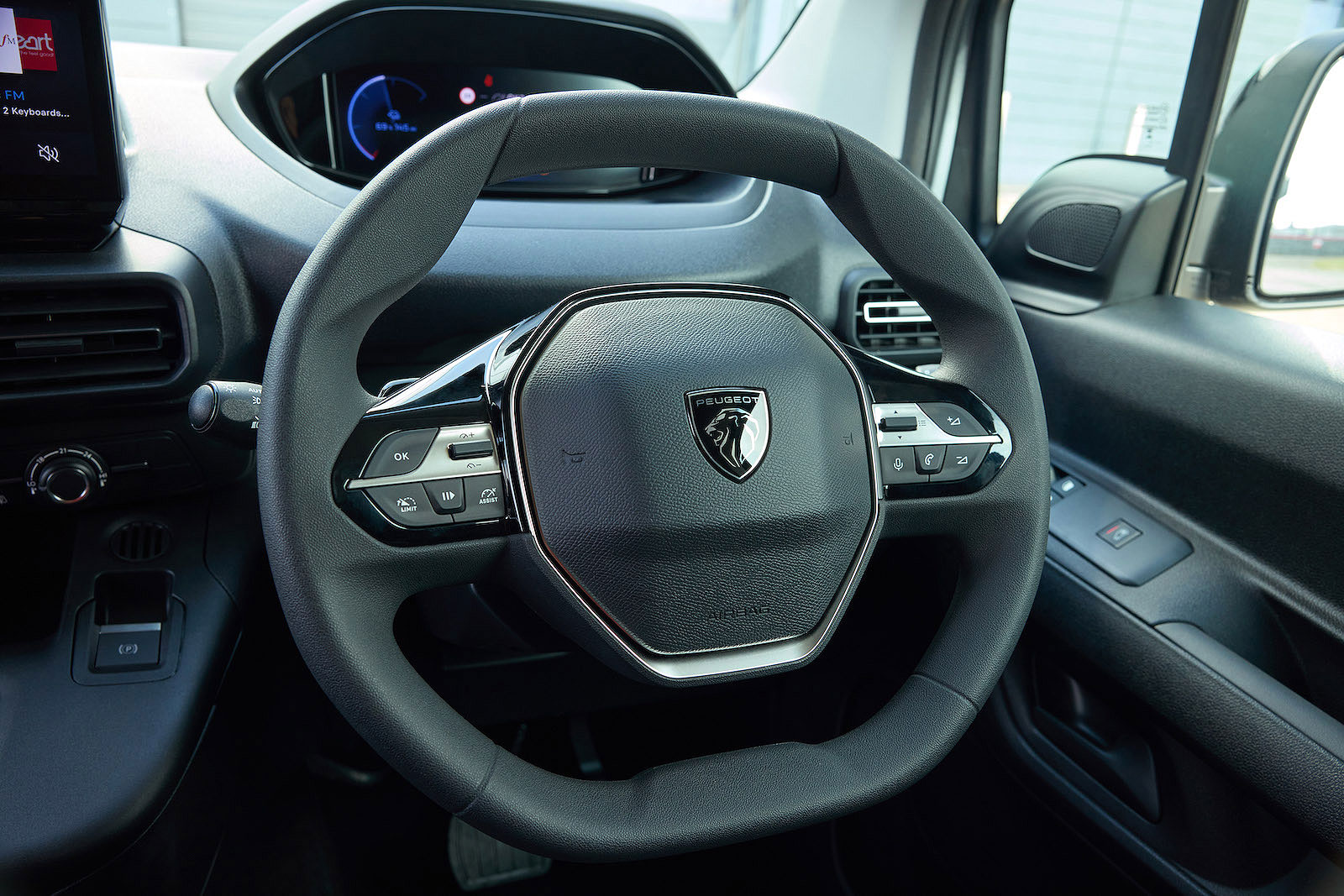
When there are multiple identical models from other Stellantis brands, it’s refreshing to see Peugeot taking steps to differentiate the e-Partner, including with its i-Cockpit dashboard. That places the digital driver's display comparatively high up, potentially enabling the driver to glance more easily at it over the steering wheel (although it doesn't suit everyone).
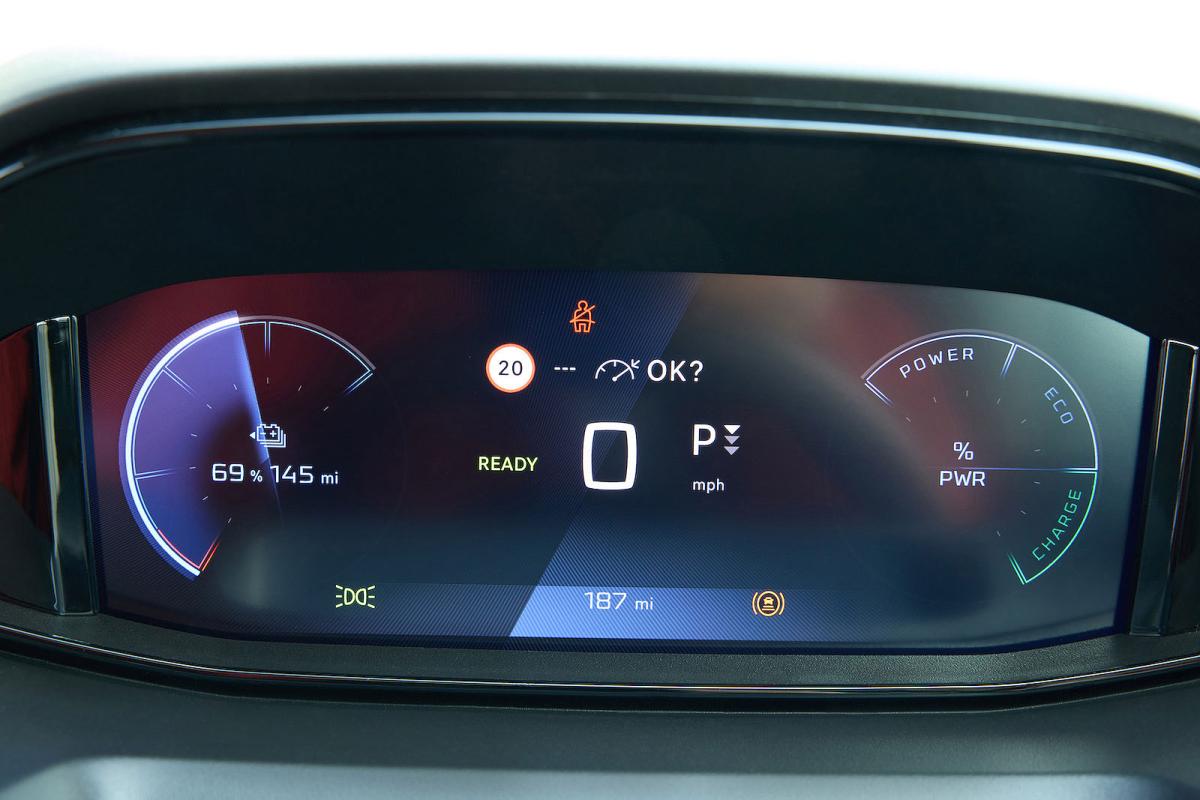
The driver's display graphics show the state of battery charge, the range remaining and whether the motor is drawing power from the battery or replenishing it using regen braking. You get a swisher full-colour system on higher-spec models.
Tech wise, the e-Partner's three trims provide an increasing amount of equipment. Professional has no infotainment touchscreen, relying on the driver to pop their phone into the Smartphone Station. You don't get a radio as standard but scrutiny of the price list shows a DAB radio as a no-cost option. Quite why it isn’t standard is a mystery.
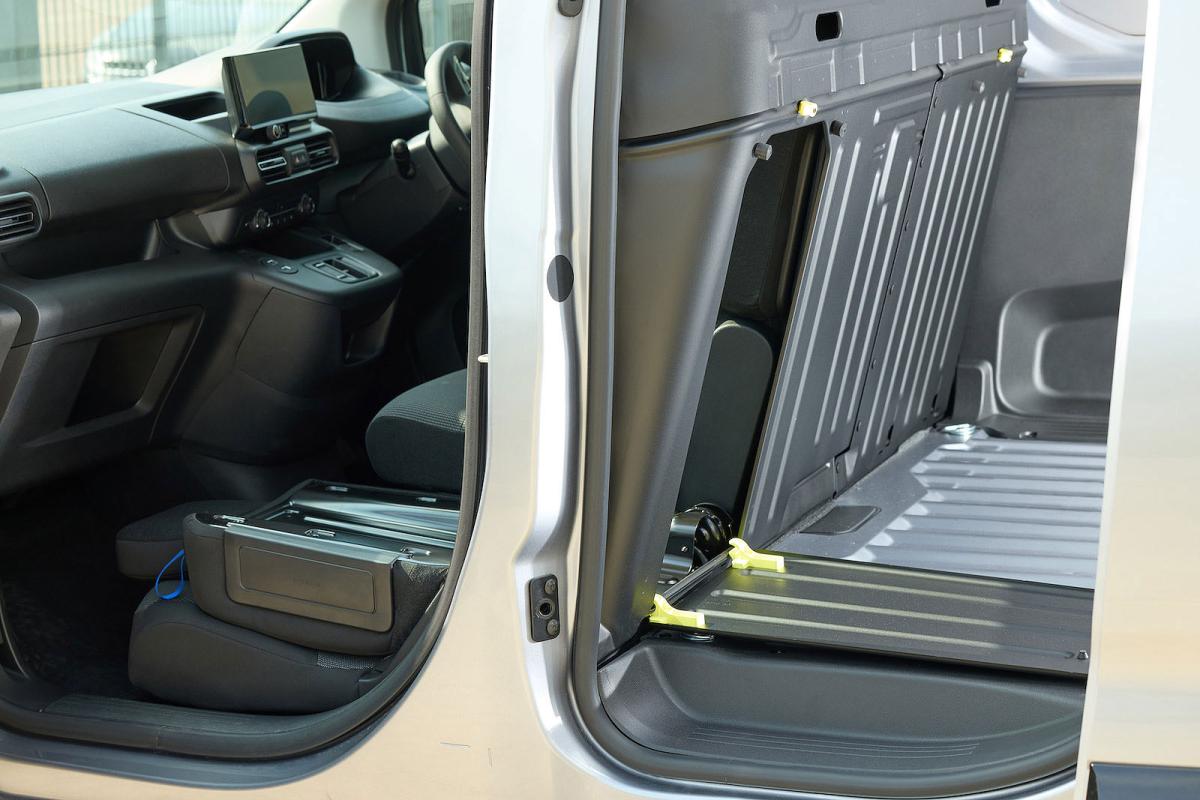
Professional Plus adds the twin passenger seat, including a load-through bulkhead facility, and also acquires a 10in touchscreen, which includes a navigation app on the range-topping Asphalt version.
“If you go for the Professional model, I'd definitely recommend ticking the option box for DAB radio. It won't cost you anything but will save you sitting in silence or fiddling with your smartphone to get tunes.” – Phil Huff, Van Reviewer
Passenger & boot space
How it copes with people and clutter
Strengths
- Competitive payload limits
- Cargo volume is up with the best in class
- Asymmetric rear doors can be handy
Weaknesses
- Towing limits are low
- Only one sliding side door on standard length van
The Peugeot e-Partner is available in two body lengths, offering flexibility for different load requirements.
The Standard version provides an internal load length of 1817mm, while the Long model extends this to 2167mm. Without the load-through bulkhead, they translate to cargo volumes of 3.3m³ and 3.9m³ respectively.
The capacity increases by 0.5m³ on versions with the load-through bulkhead fitted (Professional Plus and Asphalt), but it’s best suited for long, narrow items rather than additional bulky cargo.
Payload capacities vary depending on the model, with a maximum of 781kg in Professional Standard and a minimum of 691kg in the Asphalt Long variant. Towing capacity is capped at 750kg across the range.
Against the competition, the e-Partner holds its own in most respects. The Renault Kangoo E-Tech (along with Mercedes eCitan and Nissan Townstar EV), features similar load lengths, differing only by a few millimetres. However, the Kangoo E-Tech’s payload tops out slightly lower at 764kg, while its 1500kg towing capacity significantly surpasses that of the e-Partner.
The Ford E-Transit Courier offers only a single, shorter body length at 1802mm, resulting in a smaller load volume of 2.9m³. Its maximum payload is 698kg, falling short of the e-Partner, though its towing capacity is identical at 750kg. While the larger Ford Transit Connect might seem a closer rival, it's not available as an electric van.
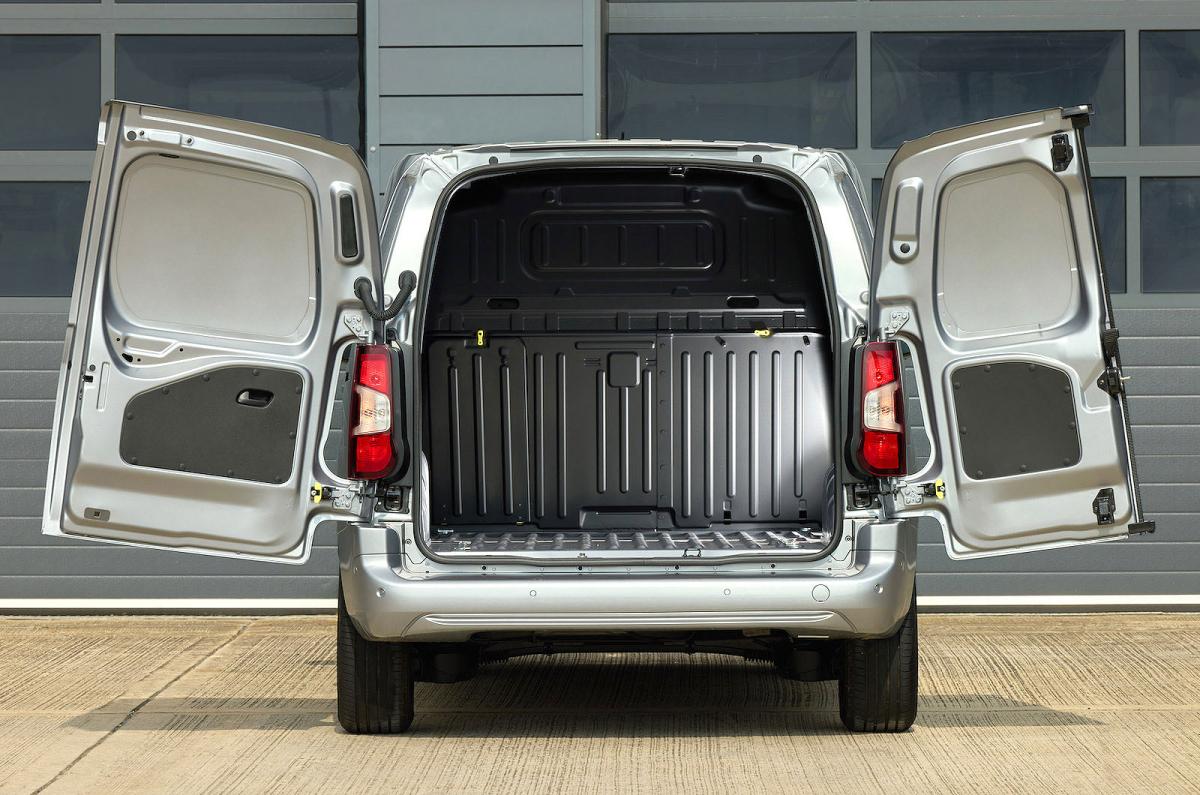
The e-Partner is fitted with asymmetric twin rear doors for easy cargo access. The standard-length van includes a single sliding side door, while the Long model gains a second one on the driver’s side.
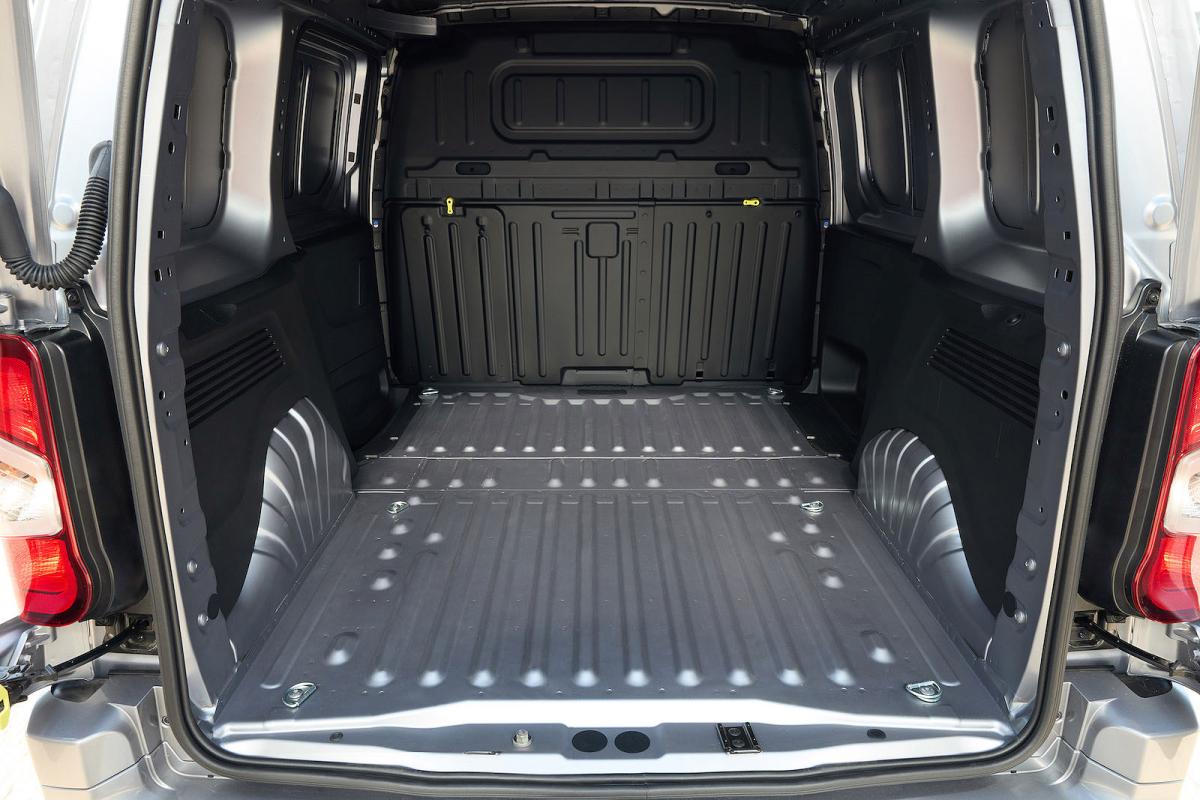
Inside, the load area is well-shaped for accommodating boxes and equipment, with multiple load-lashing eyes to keep cargo secure. A bulkhead is standard, providing a necessary barrier between the load space and cabin occupants.
“The e-Partner is right near the top of the small electric van class for cargo volume, and I think that'll be a crucial selling point for some users.” – Phil Huff, Van Reviewer
Buying & owning
Everyday costs, plus how reliable and safe it is
Strengths
- Price tag is fairly competitive
- Reasonable service intervals
- Good warranty...
Weaknesses
- ...but Toyota warranty is better
- Some identical rivals cost less
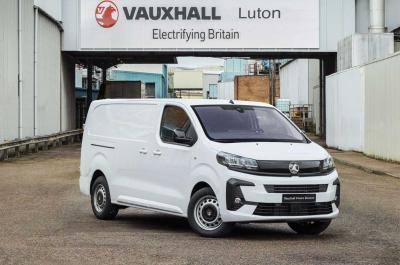
Most van buyers opt for finance or lease deals, making outright purchase costs less significant in this market. That said, the Peugeot e-Partner is priced competitively against other electric vans, undercutting the Vauxhall Combo Electric by a few pounds.
It’s also more affordable than the Renault Kangoo E-Tech. The Ford E-Transit Courier comes in at a lower price point, but as a smaller van it offers less in terms of maximum payload and cargo volume.
Ways to buy
The e-Partner's three trims start with entry-level Professional, which is pretty basic. For example, there's a holder for your smartphone rather than an infotainment screen. You do, though, get air-conditioning, cruise control and lane assist.
Professional Plus gets you a third seat and a load-through hatch in the bulkhead, plus a 10in touchscreen. Top-spec Asphalt adds sat-nav and some cosmetic touches, including body-coloured bumpers.
Stellantis gives you a standard three-year, 60,000-mile vehicle warranty across its van range, including the e-Partner. However, the near-identical Toyota Proace City Electric has up to 10 years of cover, subject to some less-than-arduous conditions. The extended warranty could be particularly appealing to owner-operators and small businesses planning to keep their vans beyond the usual three-year lease term.
The e-Partner's battery is covered for eight years or 100,000 miles, guaranteeing at least 70% of its original capacity. Servicing intervals are reasonable, with the exception of a first-year service, after which scheduled maintenance is required every two years or 25,000 miles at a dealer.
The model's maximum charging rate is 100kW and you can potentially charge to 80% with a fast public charger in half an hour. A home EV charger will take about seven and a half hours to do a full charge.
“The competitive advantage provided by Toyota’s 10-year warranty comes at a price, but if it keeps your van working for 10 years, then I think it’s a price worth paying.”– Phil Huff, Van Reviewer
For all the latest reviews, advice and new car deals, sign up to the What Car? Newsletter here
Tips & Advice
Similarly priced cars


If you're interested in finding a Peugeot e-Partner, or any of the other electric van cars mentioned here, head over to our Cars available now pages to find new cars listed for sale at great prices.
FAQs
Peugeot e-Partner specifications
RRP price range
Battery range (miles)
Available fuel types (which is best for you? )
Available colours
Number of engines (see all)
Number of trims (see all)
Company car tax at 20% (min/max)
Company car tax at 40% (min/max)
What is What Car? best price?
The What Car? best price shows you the cheapest way to buy your new car, whether it's by choosing an in-stock car through our partner Autotrader or placing a factory order.
Available now from: £21,599
RRP from: £36,095
Cars available now

About the writer