
Used Toyota Yaris Cross 2021-present reliability review
The Toyota Yaris Cross majors on efficiency, ride comfort and practicality. It’s a great used buy







See used cars for sale
Small SUV
Jump to:
What's the used Toyota Yaris Cross like?
Ownership cost
Our recommendations
Alternatives
Reliability

George Hill
Updated: 12 August 2025
How we test cars
What's the used Toyota Yaris Cross like?
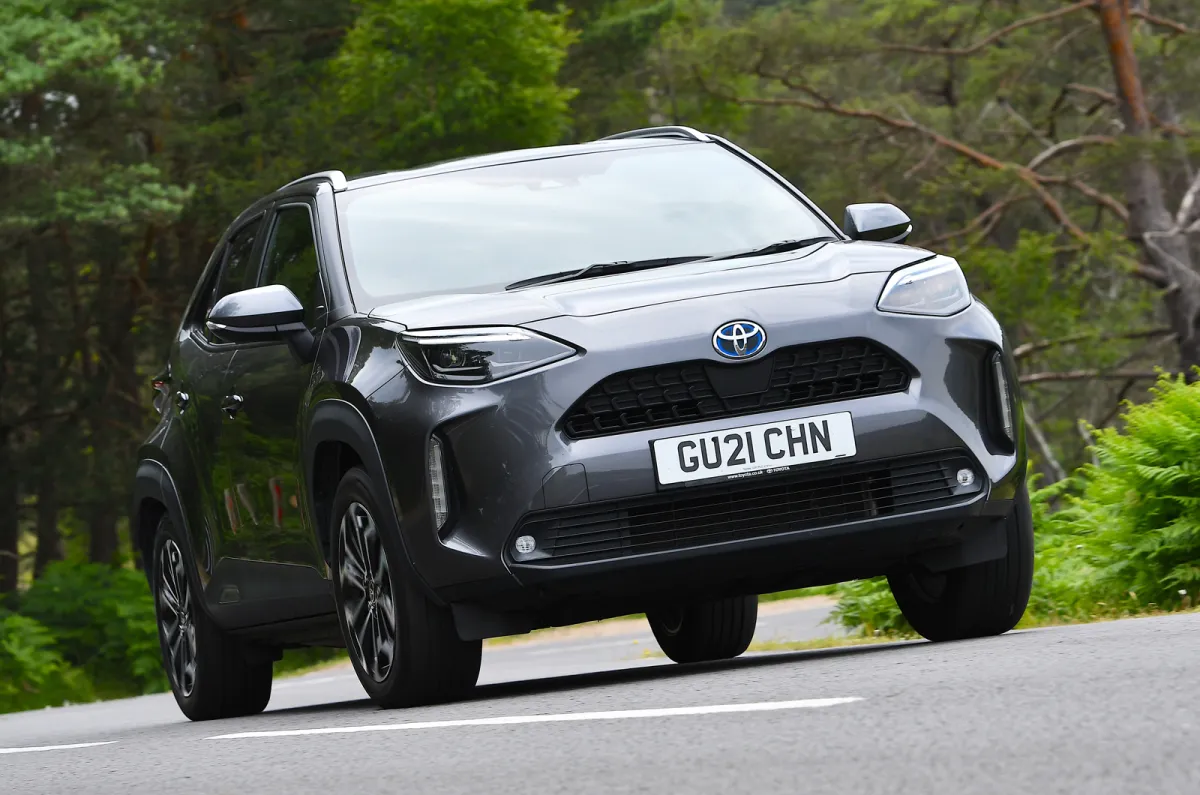
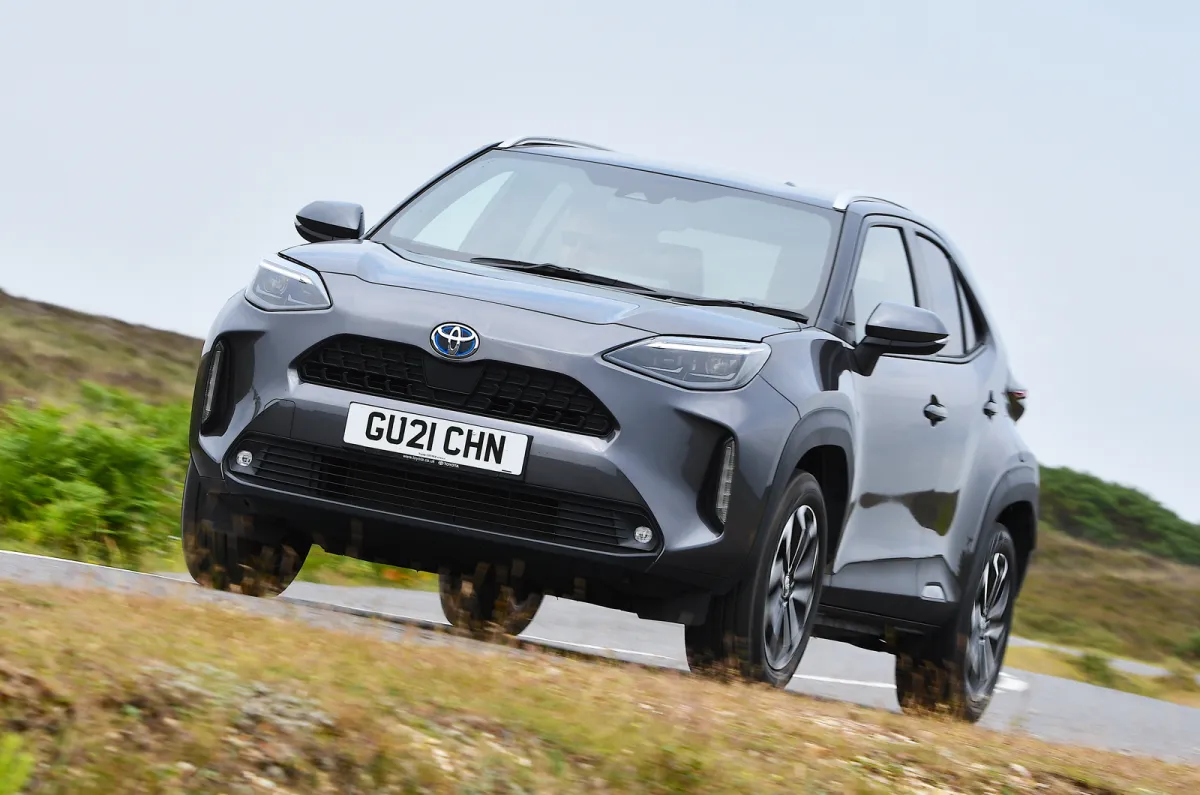
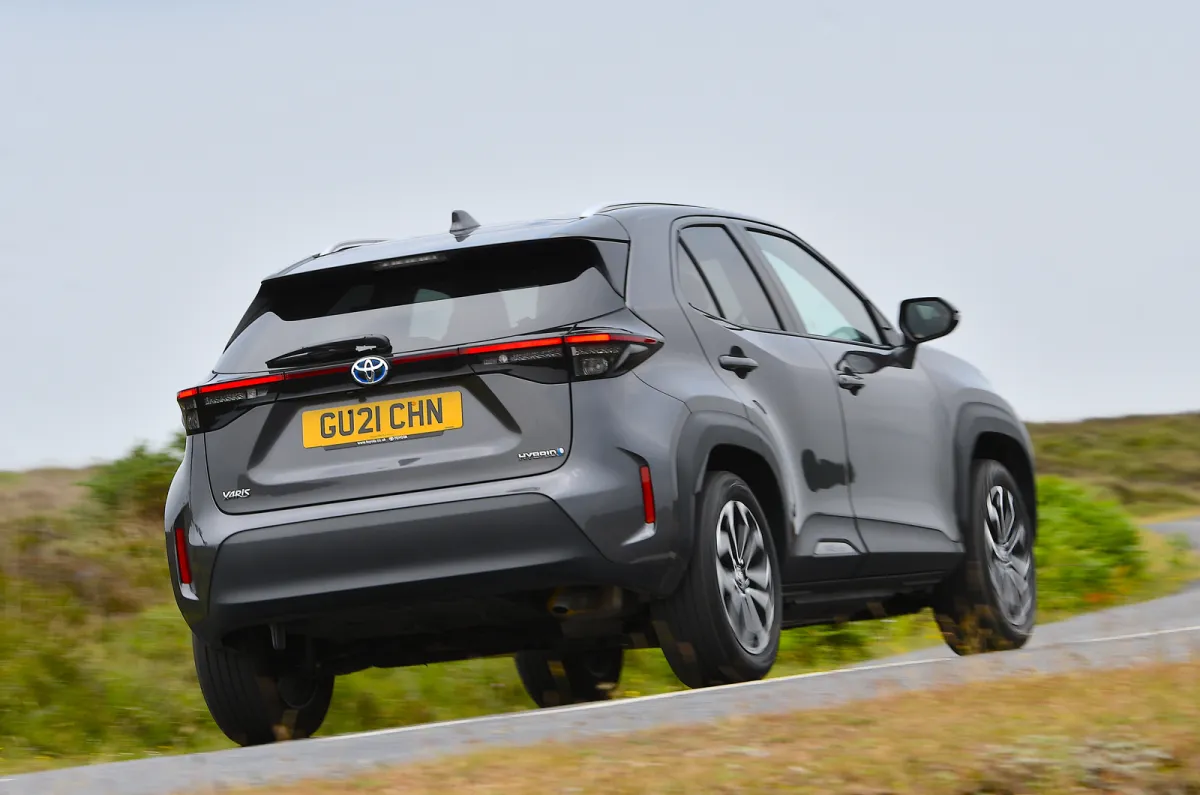
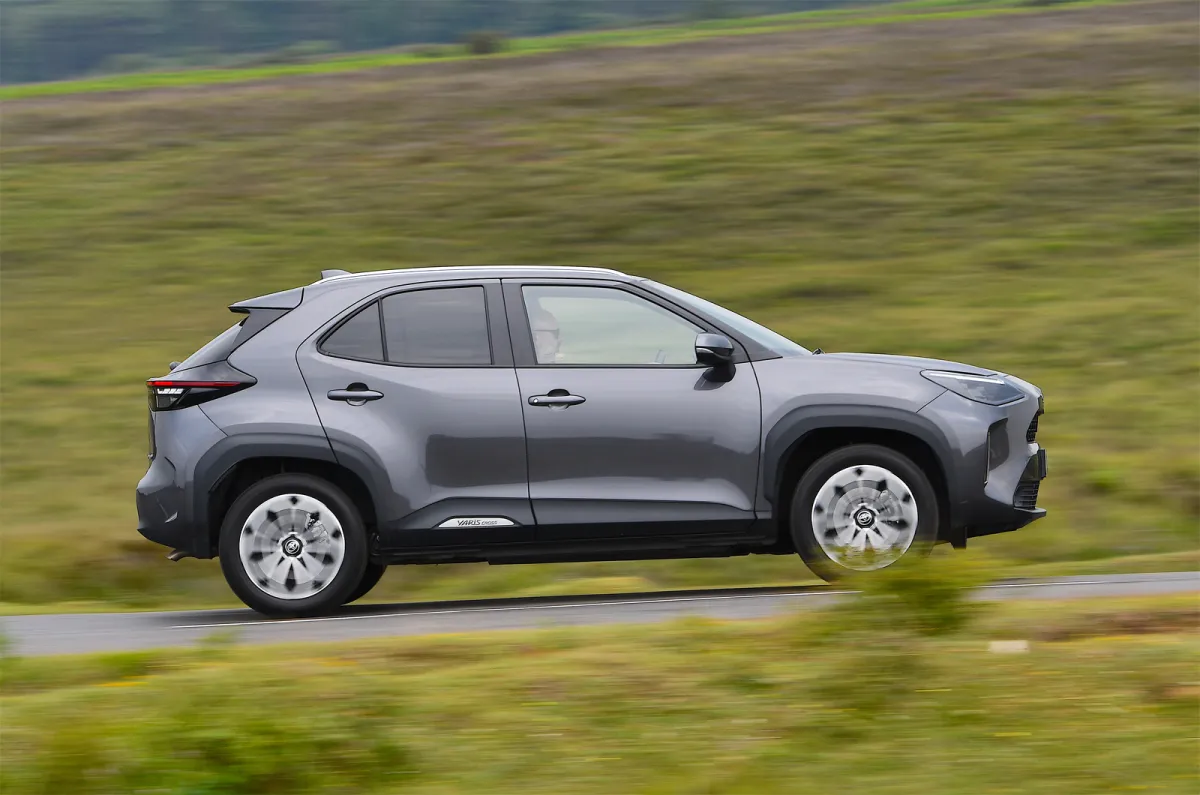
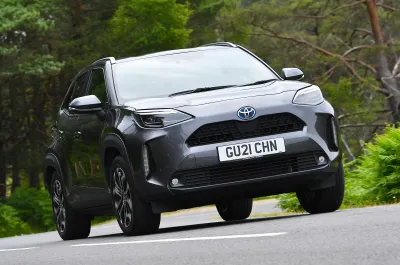
Back in the early 2000s, most SUVs would easily fit the "Chelsea Tractor" stereotype, being large, inefficient and poorly suited to urban roads. Fast forward to today, and that label is much harder to apply, especially with cars like the Toyota Yaris Cross.
You see, the Yaris Cross is a dinky small SUV that is more at home in a city than much larger SUVs, like the off-road-focused Toyota Land Cruiser. It’s also powered by an efficient hybrid system that gives it the ability to run on electric power alone for very short distances, helping to lower your fuel bills.
See used cars for sale
It’s worth noting that the Toyota Yaris Cross isn’t a standalone model because it’s based on the smaller Toyota Yaris hatchback. Not only that, but it also shares its underpinnings with the Lexus LBX, which is a more premium version of the same car, with a plusher interior and mechanical changes to improve refinement.
Engines and performance: The Yaris Cross is only available with one full hybrid engine. It consists of a 1.5-litre three-cylinder petrol engine, an electric motor and a tiny battery. It isn’t a mild hybrid like the Ford Puma, so it can run on electric power for short distances (most mild hybrids can’t do this).
advertisment
scroll for more
Cheaper versions produce a combined output of 114bhp, but if you choose a top-spec model, you get a slightly more powerful 129bhp version (bringing it closer in power to the closely-related LBX). These top-spec models can also be had with four-wheel drive, which is rare for a small SUV.
No matter the version you choose, the Yaris Cross isn’t a quick car; we achieved a 0-60mph time of 10.3 seconds in a 114bhp model. While the Yaris Cross is reasonably nippy in town, thanks to the instant shove from the electric motor, the hybrid system does run out of puff when accelerating at higher speeds, especially when approaching 70mph. We’d recommend going for the more powerful version if you regularly drive on the motorway.
Ride and handling: The Yaris Cross has a softer suspension set-up than the Nissan Juke and Puma, making it a comfortable car to drive around town, where it absorbs lumps and bumps rather nicely. Yet, at higher speeds, the body is well controlled over undulations. We’d say it’s up there with the Skoda Kamiq for comfort, which is one of the more comfortable cars in the class.
advertisment
scroll for more
In the bends, the Yaris Cross handles tidily enough. While there’s more body lean than the Puma or VW T-Roc, it’s neatly controlled. The well-weighted steering responds naturally, too, with a good sense of connection to the front wheels.
While the Yaris Cross is very quiet to drive around town, it is quite blustery on the motorway, with plenty of wind and road noise entering the interior. The T-Roc is noticeably more refined.
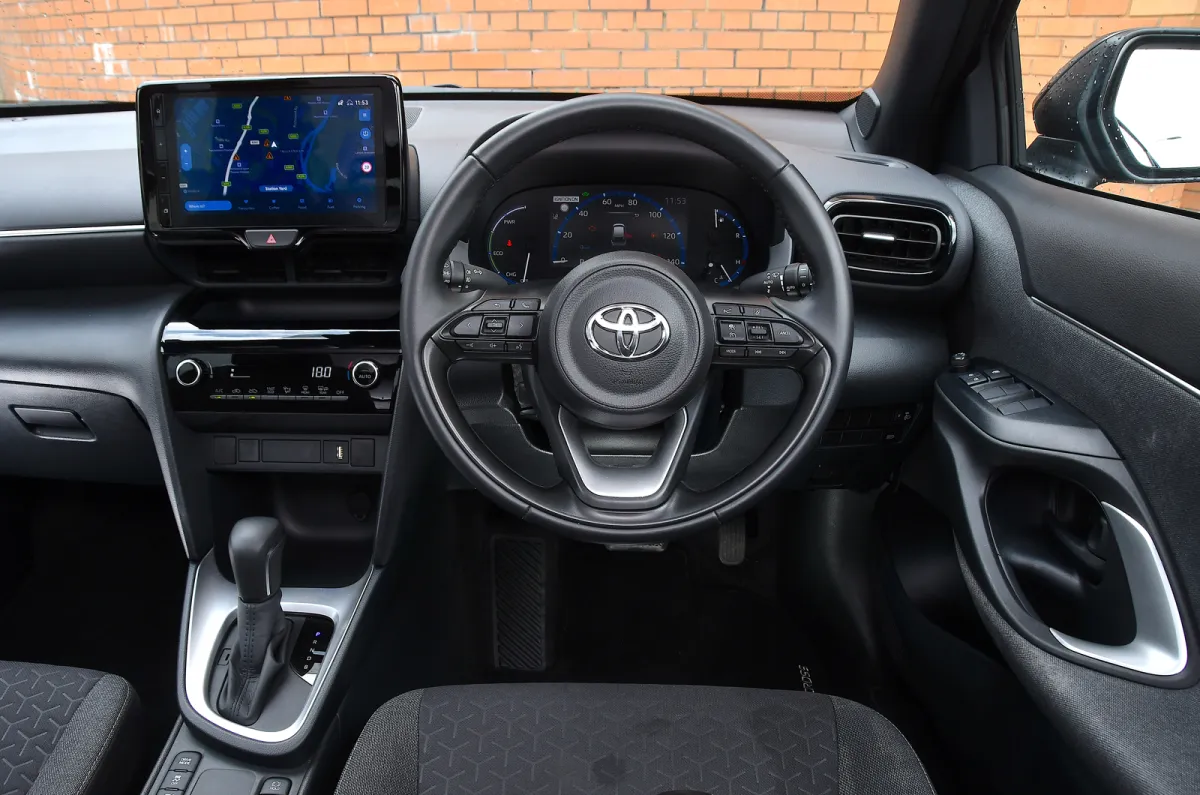
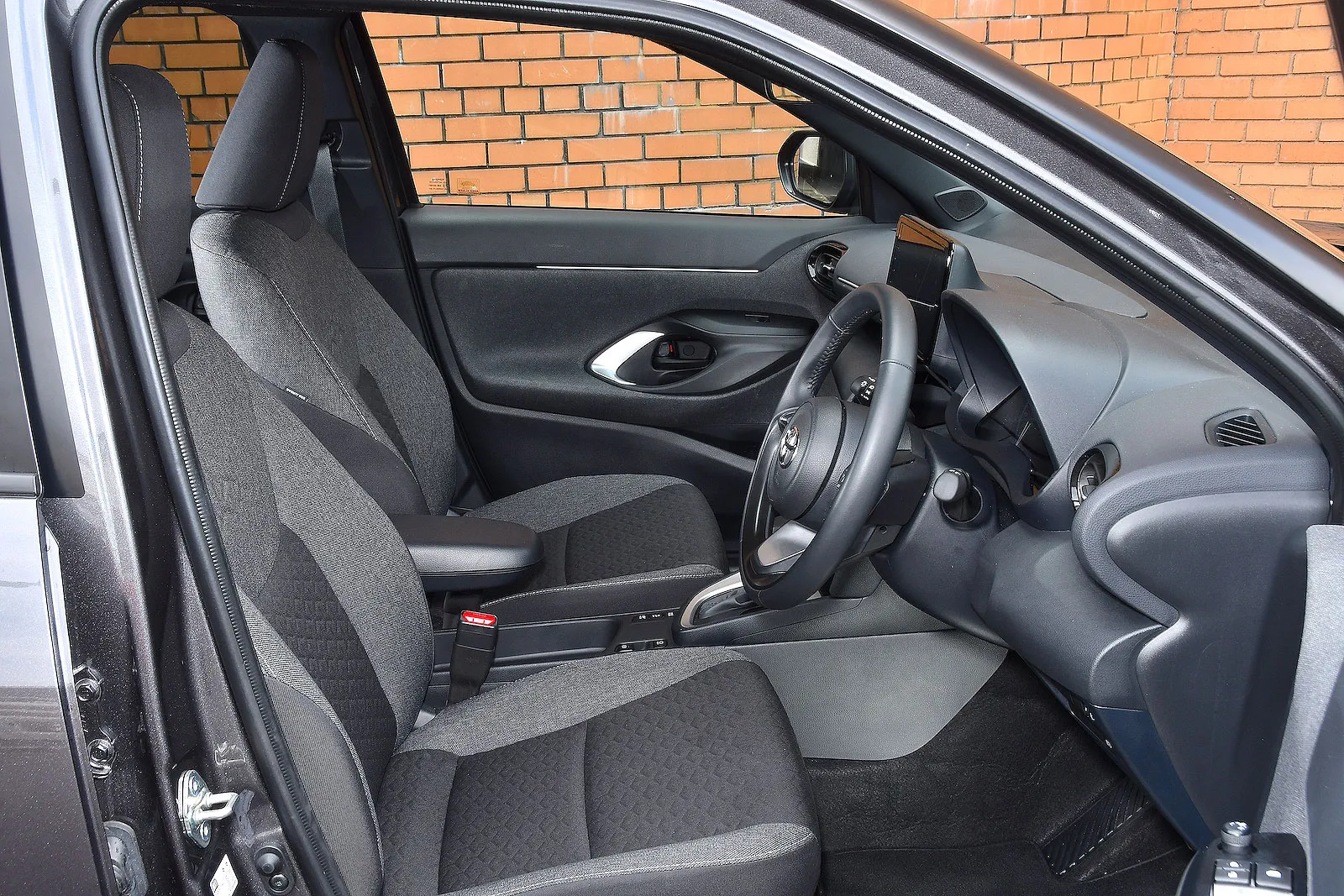
Interior and practicality: The Yaris Cross’s driving position has a lofty feel for a small SUV. It perches you higher up than a Puma or Kamiq, giving you a great view of the road. Its low dashboard and low bonnet help with visibility, too. While the view backwards isn’t as clear as the view forwards (because of thick rear pillars), the standard-fit rear-view camera, big door mirrors and large windows do help.
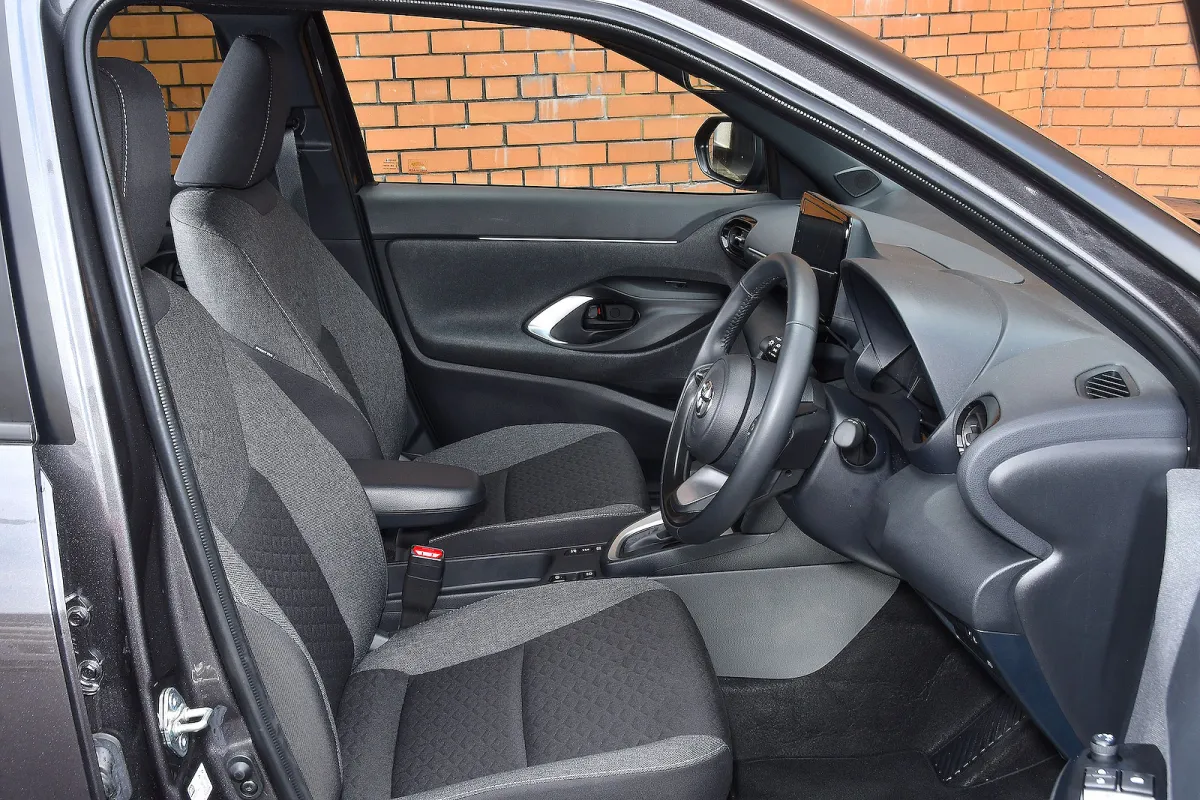
Getting comfortable in the Yaris Cross is easy. All versions feature a good range of manual adjustments to the steering wheel and driver’s seat. You also get adjustable lumbar support on all versions except the entry-level model. The only disadvantage is that the seats could do with more side support to hold you better when cornering.
advertisment
scroll for more
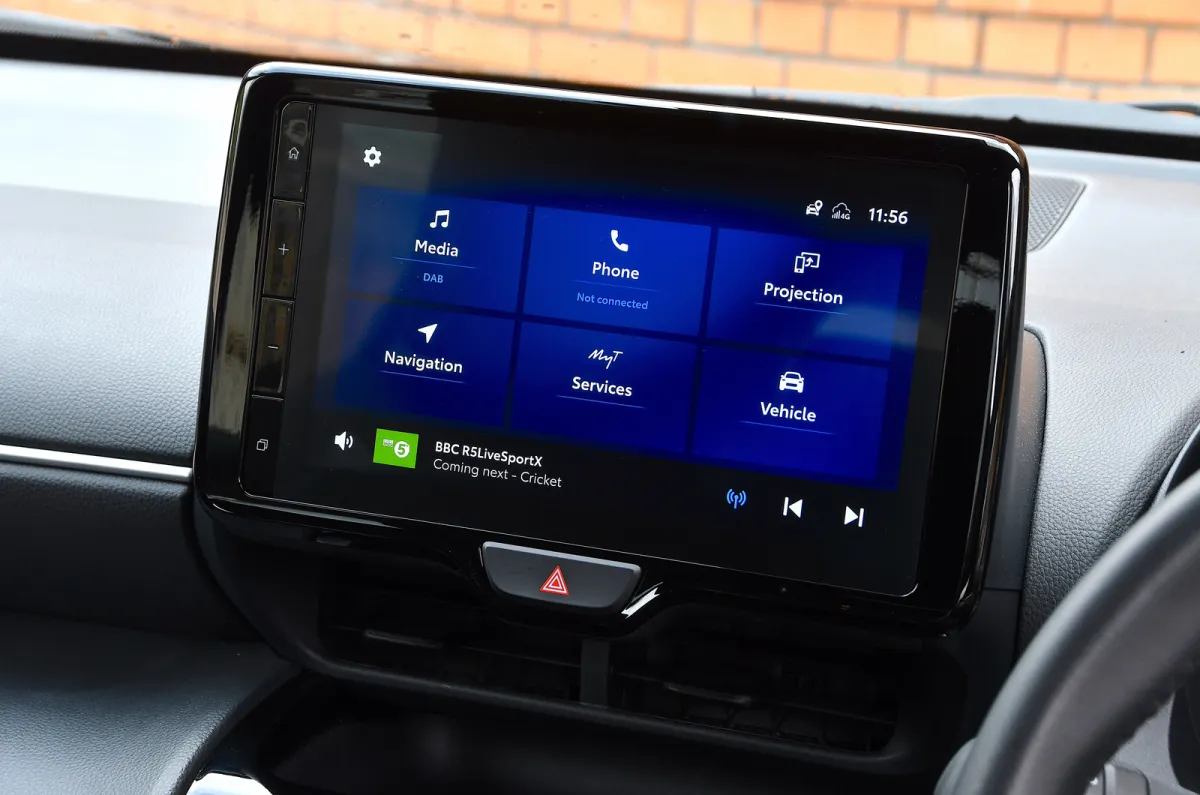
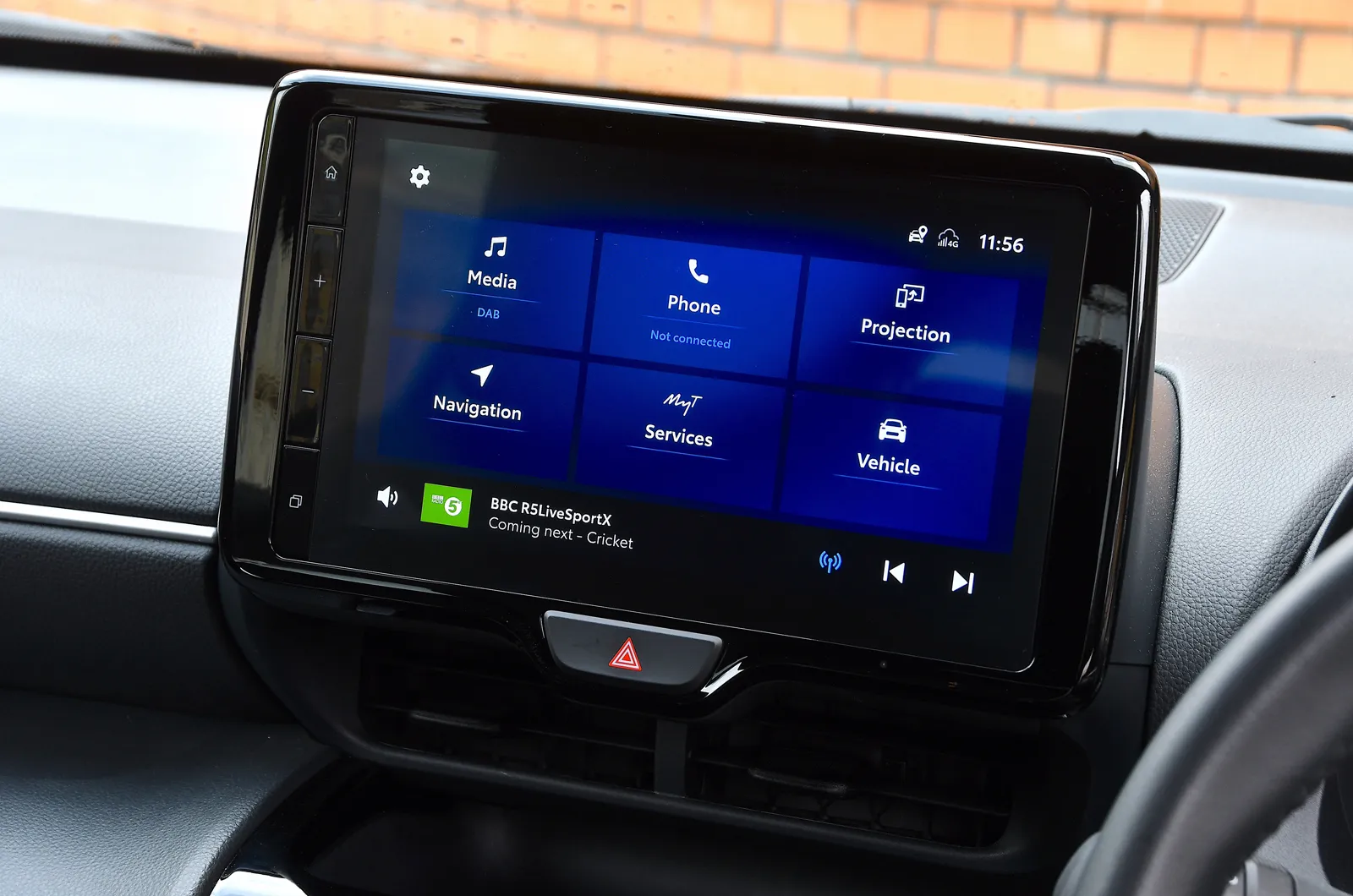
The Yaris Cross’s dashboard won’t be winning a huge number of style awards, but it is well-built and functional, with plenty of physical controls. Pre-2024 cars all come with a 9.0in infotainment touchscreen, while on later models this is only reserved for the entry-level trim. On 2024 cars onwards, Design trim and up get a 10.5in screen.
Similarly, pre-2024 cars all come with a 7.0in digital driver’s display behind the steering wheel, while updated cars in Excel trim and above get a more configurable 12.3in display.
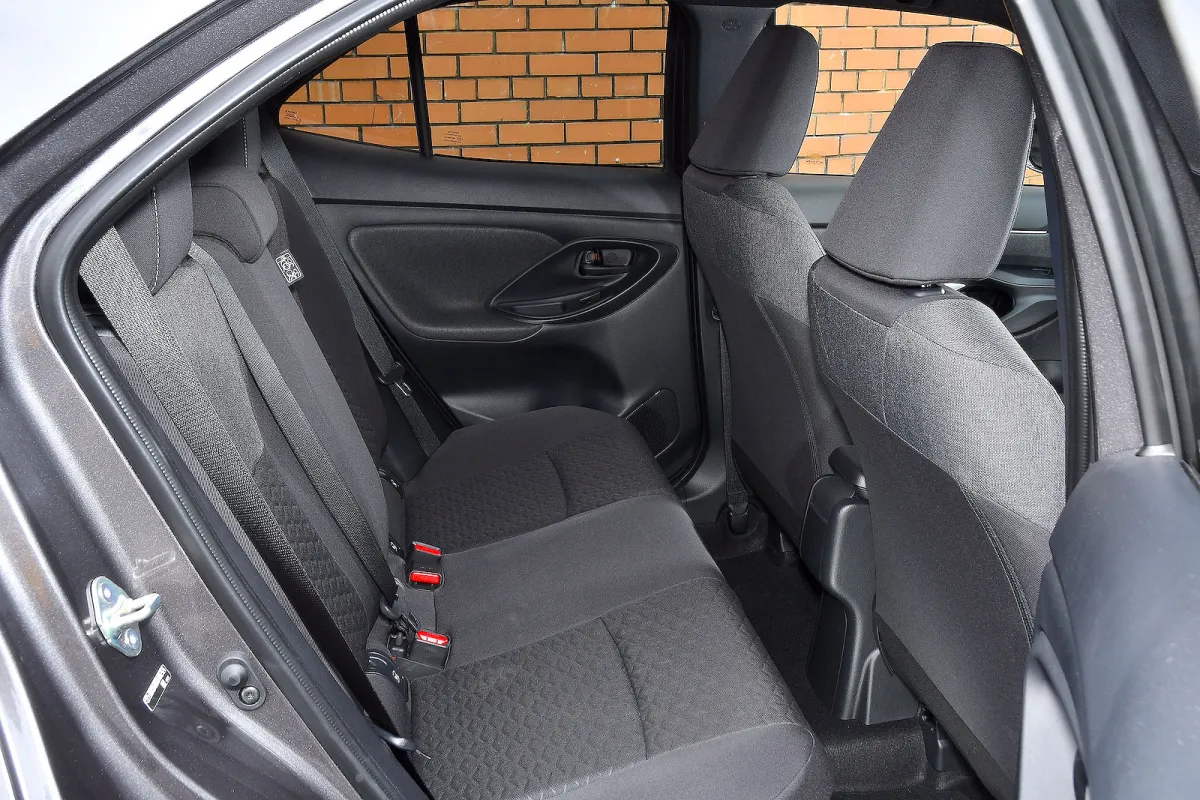
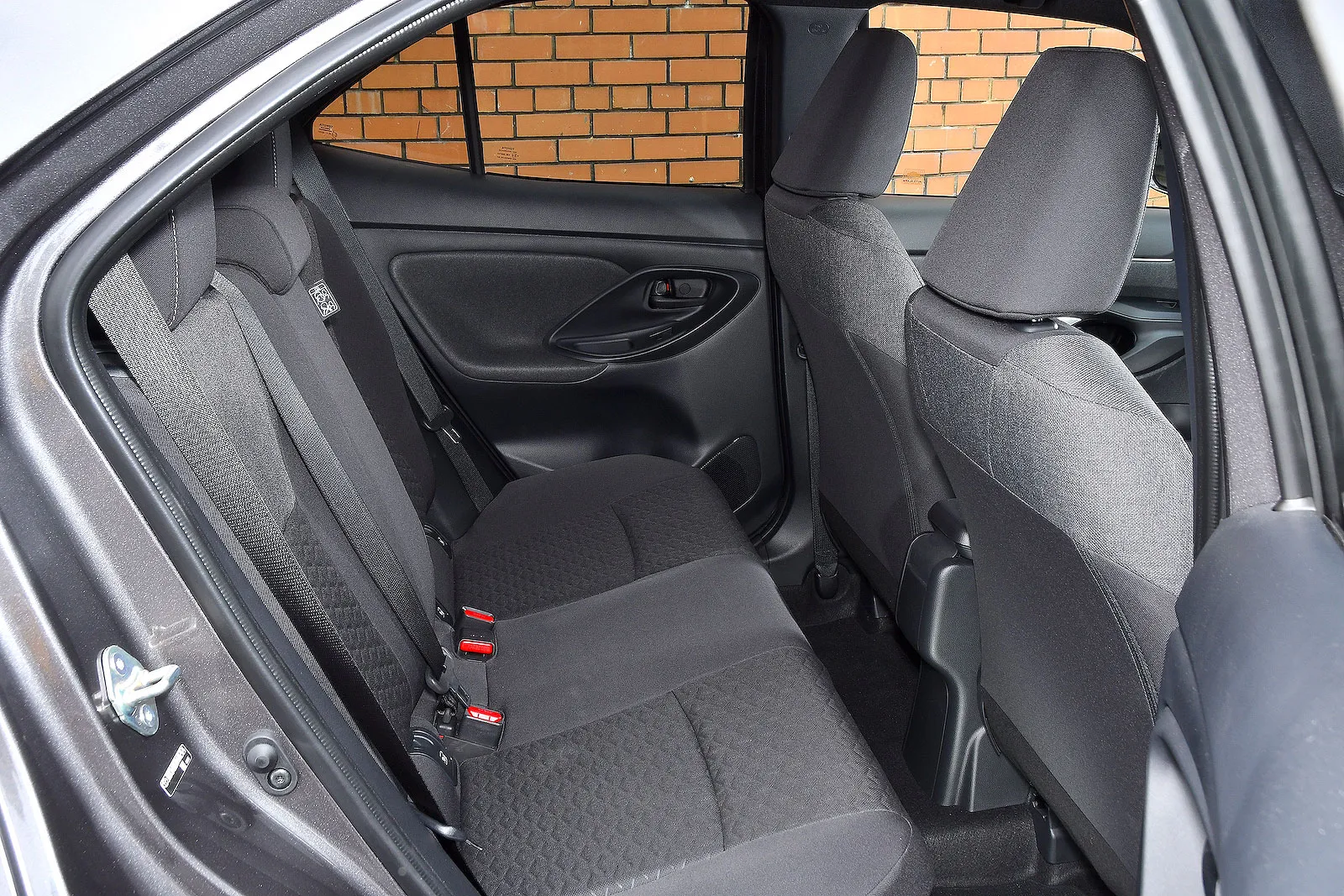
In terms of space, there’s plenty of room in the front of the Yaris Cross, including sufficient head room for those over six feet tall. In the back, a couple of six-footers will fit in quite happily, with a touch more space than in a Puma. They might find their knees brush up against the back of the front seat when sitting behind a similarly tall driver, though. Anyone wanting to stretch out will be much more comfortable in the back of a Skoda Kamiq or VW T-Roc.
advertisment
scroll for more
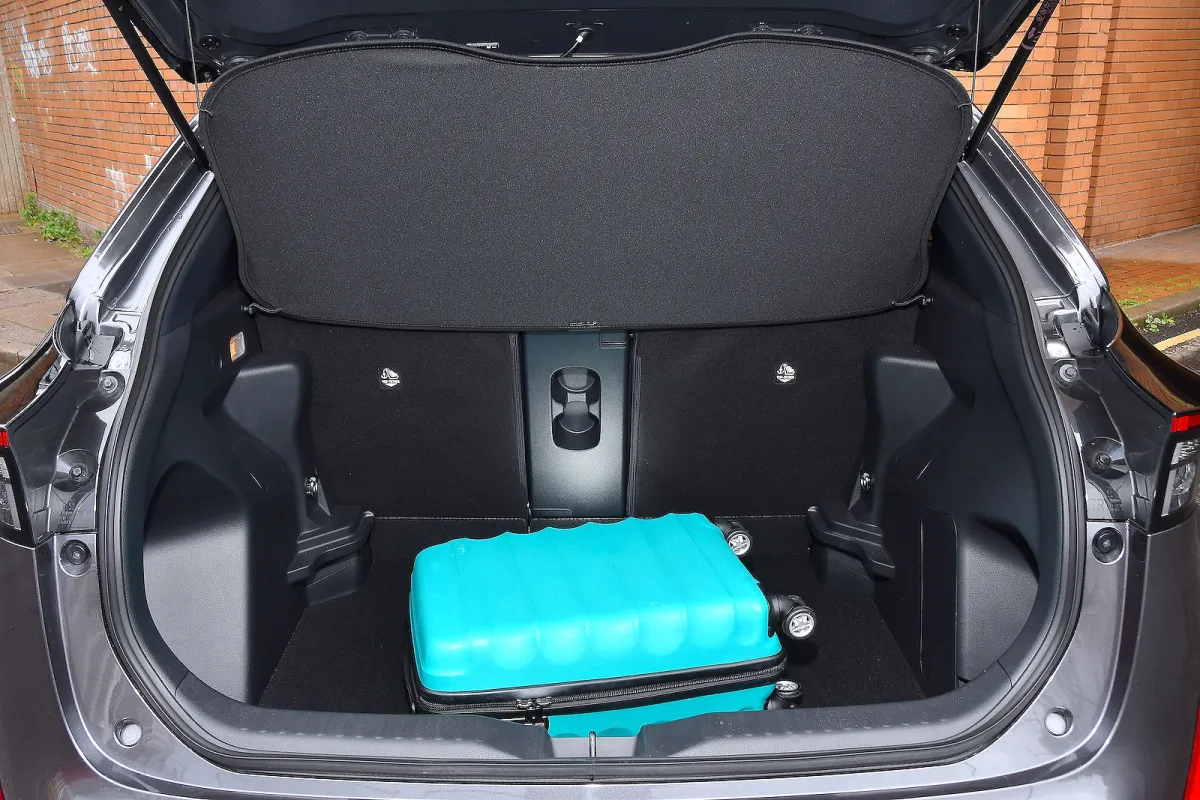
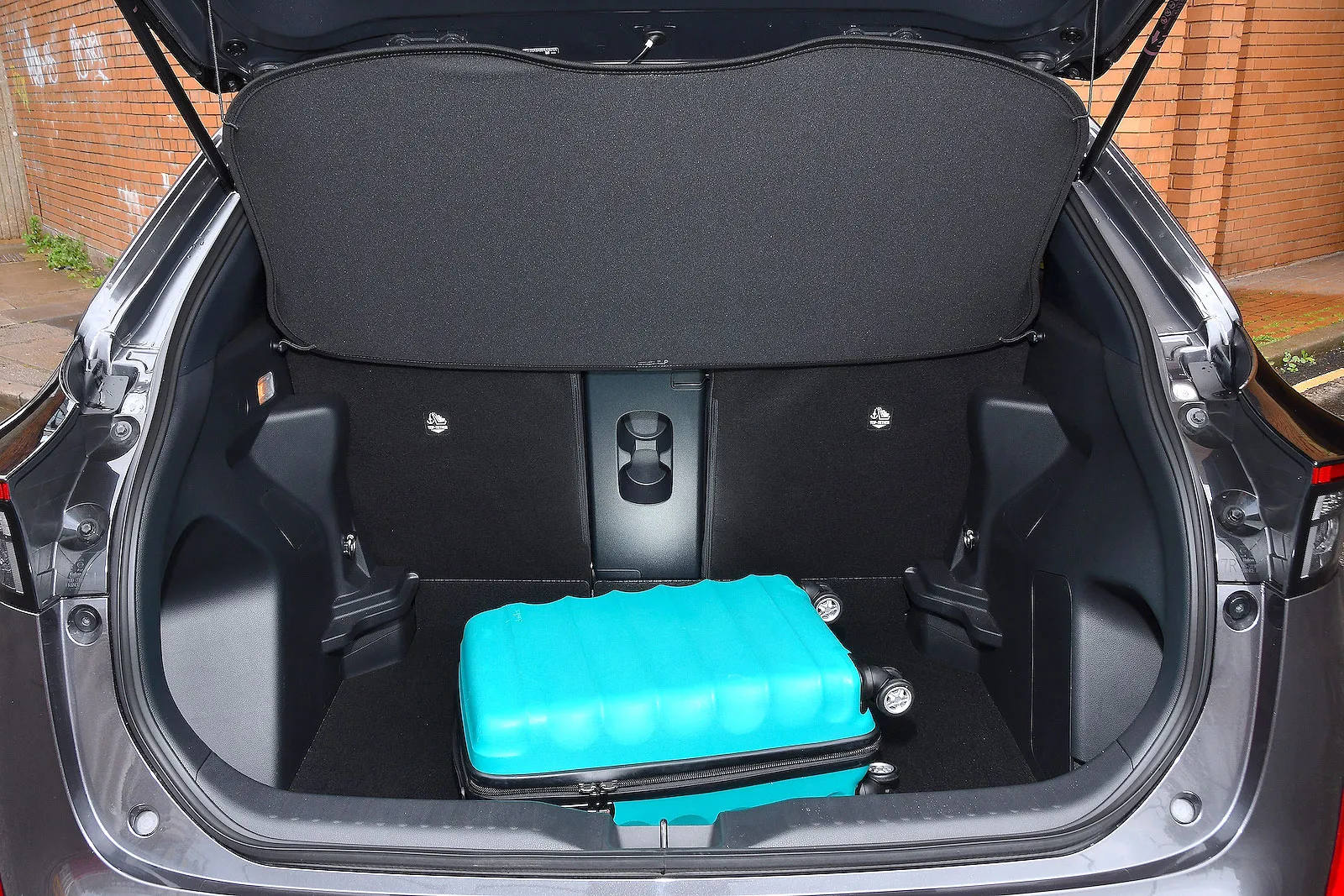
At 400 litres, boot capacity is pretty good, matching the Kamiq but falling short of the Puma. Later versions of the Yaris Cross get a handy two-piece height-adjustable boot floor on all trim levels.
Usefully, the Yaris Cross comes with 40/20/40 split folding rear seatbacks on all trims but entry-level Icon, which is super useful if you regularly carry long items in the boot, but want to retain some passenger space. Most small SUVs, including the Juke, Puma or Kamiq, only get 60/40 split seats.
Trims and equipment: Entry-level Icon is quite basic but includes 16in alloy wheels, keyless entry and start, a rear-view camera, adaptive cruise control, automatic headlights and a 9.0in infotainment touchscreen.
Design trim adds some useful extras, such as driver’s adjustable lumbar support, the larger touchscreen (on later cars), electric rear windows and rear privacy glass. It also has larger, 17in alloys wheels.
Mid-level Excel adds more luxuries, including heated front seats, a heated steering wheel and dual-zone climate control.
advertisment
scroll for more
GR Sport (or Dynamic on earlier cars) comes with sporty exterior styling cues, including larger 18in alloy wheels. It also gives you access to the more powerful engine.
Premier Edition is the range-topping trim. This also gets you the more powerful engine, plus a head-up display and an eight-speaker JBL sound system.
All the latest deals, offers and much more from the What Car? team. Don't miss out.
See our full privacy notice for more details.
CAPTCHA
This question is for testing whether or not you are a human visitor and to prevent automated spam submissions.
“Toyota’s been making hybrids for donkey's years and its expertise shows with the Yaris Cross. I was very impressed by the smoothness of the transitions between electric and petrol power when driving in town." – Mark Pearson, Used Cars Editor
If you're interested in buying a used Toyota Yaris Cross or any of the cars we've mentioned, head over to our Used Cars For Sale pages to find lots of cars listed at a great price.
Tips & Advice
How to test drive a car
There’s no substitute for a test drive in a new car. Take it on a variety of roads and surfaces to ensure it measures up.
Will the car fit your needs?
As part of the test drive, fill the car with regularly-carried luggage, and make sure the family can get comfy before you buy
Ownership cost
What used Toyota Yaris Cross will I get for my budget?
Prices for a used Yaris Cross start from around £15,000, which gets you into a 2021 or 2022 car in Icon or Design trim. Mileages aren’t too high yet, but some cars at this price point have around 70,000 miles on the clock.
advertisment
scroll for more
If you up your budget to around £17,000, you’ll pick up a 2023 car in Icon or Design trim with lower miles. Newer 2024 cars or 2023 cars in Excel trim start from around £19,000, while 2025 cars cost upwards of £23,000.
Check the value of a used Toyota Yaris Cross with What Car? Valuations
Find used Toyota cars for sale
How much does cost to run a Toyota Yaris Cross?
MPG
Despite being an SUV, and larger than the Yaris hatchback it’s based on, the Yaris Cross is one of the most efficient cars we’ve ever tested. In our Real MPG fuel economy tests, a front-wheel-drive 114bhp Yaris Cross managed a real-world average of 60.1mpg, which is more than the 59.93mpg the regular Yaris achieved under the same conditions. It even averaged an incredible 103.3mpg on our simulated town route, making it a fantastic choice if you live in a city.
The 129bhp Yaris Cross shouldn’t be far behind when it comes to real-world fuel economy. Its official consumption of 58.9mpg is pretty close to the 114bhp car's 62.8mpg. For reference, you’d be lucky to see MPG figures much more than the mid-40s from a 1.0-litre Puma or T-Roc in real-world driving.
advertisment
scroll for more
Road Tax
All versions of the Yaris Cross will attract a flat rate fee for road tax, which is currently £195 per year.
Servicing
At an authorised Toyota dealer, an intermediate service for a Yaris Cross will cost £265 and a full service £365. That’s similar to what Ford will charge you to service a Puma, but less than what VW will charge for a T-Roc.
Warranty
From new, every Yaris Cross comes with a standard three-year, 60,000-mile warranty. However, it can be extended for up to 10 years or 100,000 miles if the car is serviced regularly at a Toyota dealer (every official service adds 12 months of warranty), giving it one of the longest warranties in the business. Only Lexus and Suzuki offer similar terms.
Insurance
The Yaris Cross should be cheap to insure. The entry-level version is in group 11, while top-spec cars are in group 14 (out of 50). That’s slightly less than equivalent versions of the Puma and T-Roc.
Safety
The Yaris Cross was given a full five-star safety rating when it was tested by Euro NCAP in 2021. Standard equipment includes driver assistance systems such as automatic emergency braking (AEB), automatic high-beam assist, lane-keeping assistance and road-sign display. Blind-spot monitoring and rear cross-traffic alert are standard on Excel trim, but optional on GR Sport.
Reliability
The Toyota Yaris Cross stands out for its excellent reliability record, according to real-world owner reviews from our latest What Car? Reliability Survey.
advertisment
scroll for more
Owners frequently described their cars as “faultless” and “trouble-free,” even after several years. Just a few reported issues, like unexpected warning lights, but these were mostly resolved quickly and under warranty.
Toyota’s dealer network also earned praise, with efficient servicing, professional staff and good communication commonly mentioned. A couple of owners felt let down initially, but these were rare cases.
Find out more about Toyota Yaris Cross reliability on our dedicated reliability page.
Tips & Advice
Organise your motoring life
Whether you need to keep tabs on your insurance renewal, sort breakdown cover, or book a service, My What Car? has you covered
Never miss a motoring date
Remembering to arrange insurance, book a service or buy breakdown cover can be a pain. Fortunately, My What Car? is here to help
Can I buy a car with cash?
Paying cash isn’t always an easy way to a new car – and you may not be able to get the big discounts you might expect
Protect your investment
GAP insurance allows you to get the full price for your car if it’s stolen or written off, but only a quarter of Brits buy it
Reduce your car finance bills
Refinancing your car effectively means taking out one loan to pay off another, which could help reduce your monthly payments, or reduce your finance term
What is hire purchase?
Hire purchase allows you to make monthly payments to buy your next car – although these will be higher than with a PCP
What is PCP finance?
Low monthly payments are key to the appeal of Personal Contract Purchase (PCP) agreements. But are there downsides?
Our recommendations
Which used Toyota Yaris Cross should I buy?
Engine
You’re not exactly spoilt for choice with engine options with the Yaris Cross. However, we’d recommend going for the 114bhp version because it’s cheaper to buy than the 129bhp model. There are a lot more of them around on forecourts, too.
Specification
Unlike the engine options, there are plenty of trims to choose from with the Yaris Cross, each with a varying degree of kit. We recommend going for the mid-spec Design trim; it’s better equipped than entry-level Icon, plus there are loads of them available. We wouldn’t blame you for going for an Excel car if you can get a good deal on one.
advertisment
scroll for more
Our favourite Toyota Yaris Cross: 1.5 Hybrid Design
Tips & Advice
Avoid ULEZ and clean-air zone fines
If you regularly drive into a clean air zone, you’ll want to ensure your next car is compliant to avoid costly fines
Alternatives
What alternatives should I consider to a used Toyota Yaris Cross?
The Ford Puma is a good alternative. It’s fun to drive, well equipped and practical, with one of the biggest boots in the class. Its mild hybrid engines are economical too, even if they can’t quite beat the Yaris Cross for efficiency. Used prices are very reasonable.
The VW T-Roc is a good all-rounder that’s spacious in the back. It’s not a hybrid, but it is available with a range of efficient petrol and diesel engines. Entry-level cars are not very well equipped, especially on early examples, but used prices are competitive. There are a lot of them available on forecourts.
If you like the idea of a Yaris Cross but want a plusher interior, the closely-related Lexus LBX could be worth a look. It’s powered by a similar hybrid system, so it should be cheap to run. It’s not as good for carrying people in the back, though.
advertisment
scroll for more
For all the latest reviews, advice and new car deals, sign up to the What Car? newsletter here
If you're interested in buying a used Toyota Yaris Cross or any of the cars we've mentioned, head over to our Used Cars For Sale pages to find lots of cars listed at a great price.
How reliable is the Toyota Yaris Cross ?
Reliability rating: 91%
Toyota Yaris Cross
Read reliability
Used cars available now
In partnership with
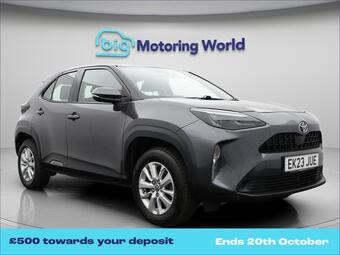
Toyota Yaris Cross
1.5 VVT-h Icon E-CVT Euro 6 (s/s) 5dr
£13,550
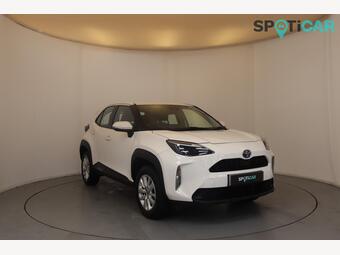
Toyota Yaris Cross
1.5 VVT-h Icon E-CVT Euro 6 (s/s) 5dr
£13,576
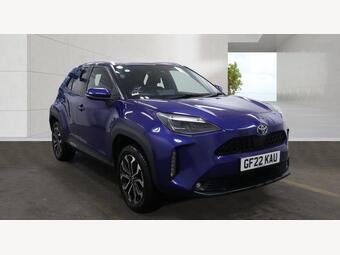
Toyota Yaris Cross
1.5 VVT-h Design E-CVT Euro 6 (s/s) 5dr
£13,700
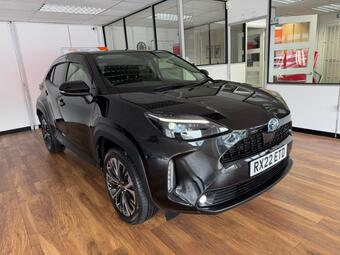
Toyota Yaris Cross
1.5 VVT-h Design E-CVT Euro 6 (s/s) 5dr
£13,985
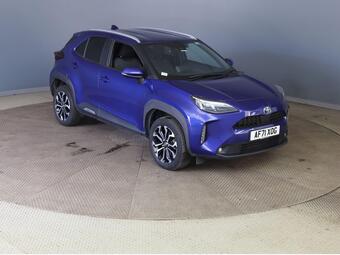
Toyota Yaris Cross
1.5 VVT-h Design E-CVT Euro 6 (s/s) 5dr
£13,995
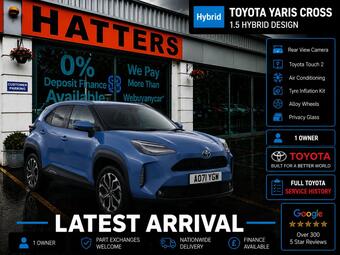
Toyota YARIS CROSS
1.5 VVT-h Design E-CVT Euro 6 (s/s) 5dr
RRP £23,209
£14,826
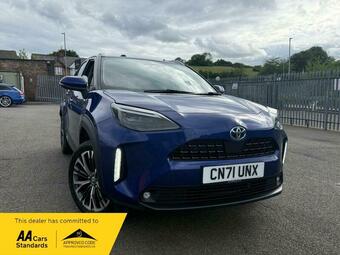
Toyota Yaris Cross
1.5 VVT-h Excel E-CVT Euro 6 (s/s) 5dr
£14,990
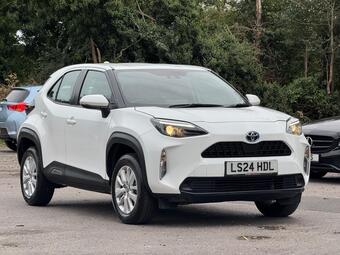
Toyota Yaris Cross
1.5 VVT-h Icon E-CVT Euro 6 (s/s) 5dr
£14,995
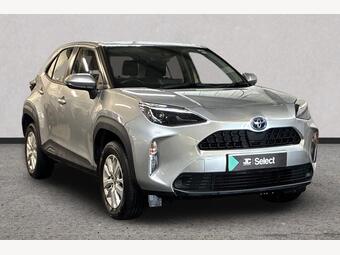
Toyota Yaris Cross
1.5 VVT-h Icon E-CVT Euro 6 (s/s) 5dr
£15,000
See all available cars
About the writer

Name: George Hill
Title: Used car writer
Follow George Hill on
George Hill has worked as What Car?’s used car writer since 2024, having previously joined the team as a staff writer in 2021. In his current role he focuses on used car reviews, used car group tests and used car top 10s, as well new car editorial, for What Car? magazine and whatcar.com.
If you follow What Car? on social media, you might also see him presenting the odd video on new and used cars too.
News and advice
News
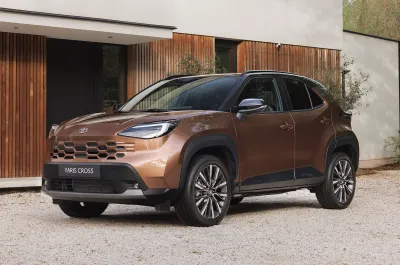
Toyota Yaris Cross gets new kit and fresh styling for £27k
New looks and revised engines are in store for the updated Yaris Cross arriving next month
Thu Aug 27 2026
Best of
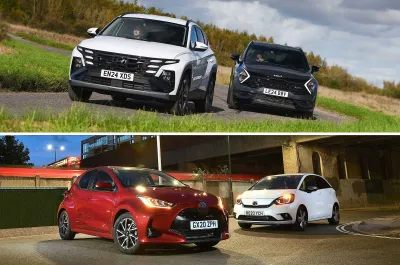
Best self-charging hybrid cars you don't have to plug in 2026
Like the idea of a hybrid, but don't want to faff around with power cables? If so, these are the top 10 cars for you. Plus, we name the models that are best avoided
Sun Aug 16 2026
News
Next-gen Mazda CX-3: small SUV could return in 2028 as Toyota Yaris Cross rival
Mazda’s smallest SUV could return in the coming years – and it won’t be electric
Thu Aug 13 2026
Best of
The best new car PCP deals for less than £400 per month
You can drive away in a brand new car for as little as £96 per month by taking advantage of a good PCP deal. We share 10 of the best offers around
Fri Jun 12 2026
See all latest advice