Slideshow

The Best executive cars in 2026 – top saloons tested and rated, plus the one to avoid

Great executive cars are comfortable, classy and well equipped, yet also cheap to run. Here we name the best 10 executive cars on sale in the UK – plus one we recommend avoiding

Best executive cars 2025 – top saloons tested and rated, plus the one to avoid

Best executive cars 2024

The executive car park has never looked more diverse – not only are there traditional petrol and diesel-powered saloons to consider, but there are also a growing number of plug-in hybrid and electric options. And for savvy company car drivers looking to take advantage of substantial Benefit-in-Kind tax savings, the latter are well worth looking at.

The best executive cars need to be more than just cheap to run, though. They also need to be comfortable, with high-quality interiors and the latest driver aids to make driving big distances as easy as stepping into the office. And speaking of the office, the best executive cars should also allow you to keep in touch with colleagues seamlessly, through an infotainment system that's easy to get along with.

We're also looking for executive cars which are good to drive, with agile handling, potent performance and a ride which can soak up the worst lumps and bumps from battered British roads.

Our expert team of road testers have spent hundreds of hours behind the wheel of every new executive car, assessing them both on public roads, and back-to-back against key rivals at our private test track. The result of all that testing is the list you see here, where we've ranked the best executive cars – and named the one we think isn't worth your time.

We've also answered some of the most common questions around executive car ownership at the bottom of this page. Remember, if any of the new cars you see here take your fancy, you can click the links through to our in-depth reviews to learn more about each car. You can also see the latest executive car discounts available through our New Car Deals service.

Slideshow story: please click the right-hand arrow above to continue, or simply scroll down if you’re reading on your mobile

If you're in the market for a company car, then we've rated those separately.

advertisment

10: Audi A5 Saloon

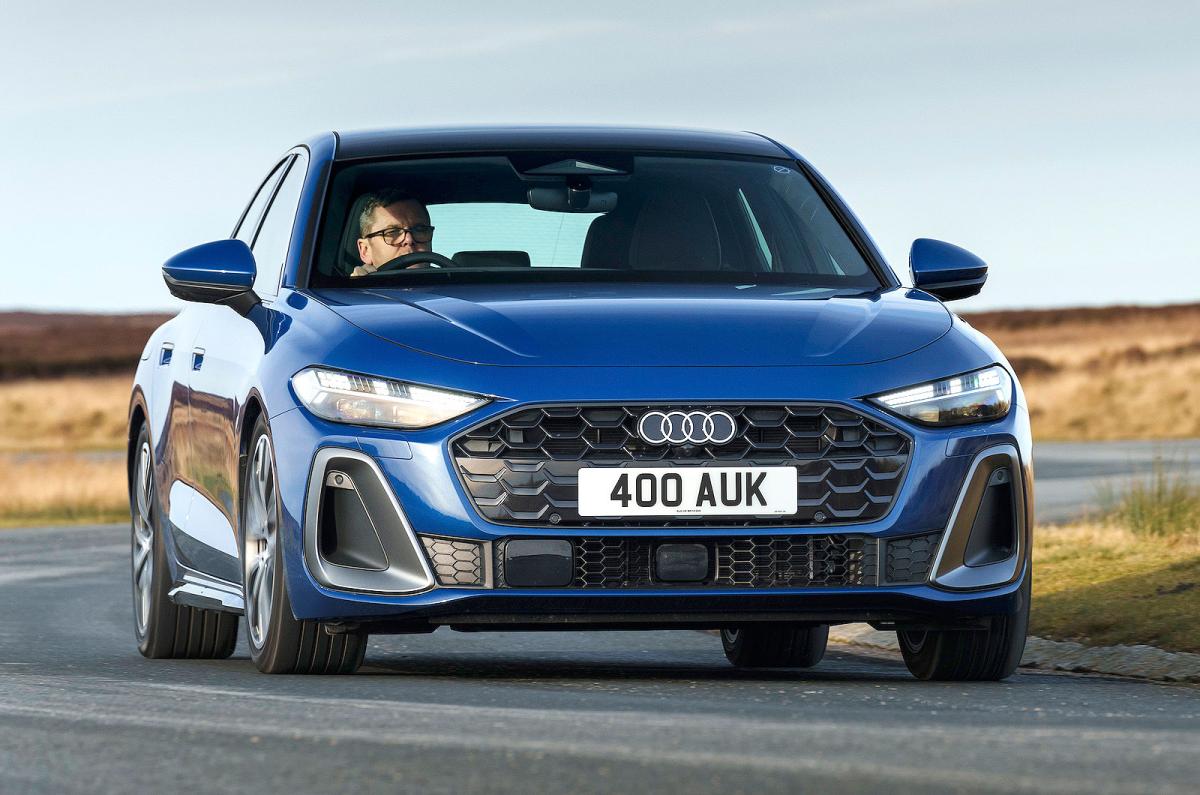
Audi A5 front cornering

Think of the Audi A5 as being three cars in one, because not only is it picking up where the old Audi A4 executive saloon left off, but also picks up the baton from the previous Audi A5 Coupé and A5 Sportback.

There are both petrol and diesel engines to choose from, but we'd head straight for the A5 e-Hybrid, which can officially manage up to 67 miles on electric power alone – and that puts it into a cheaper rate of Benefit-in-Kind tax than purely combustion-engined rivals.

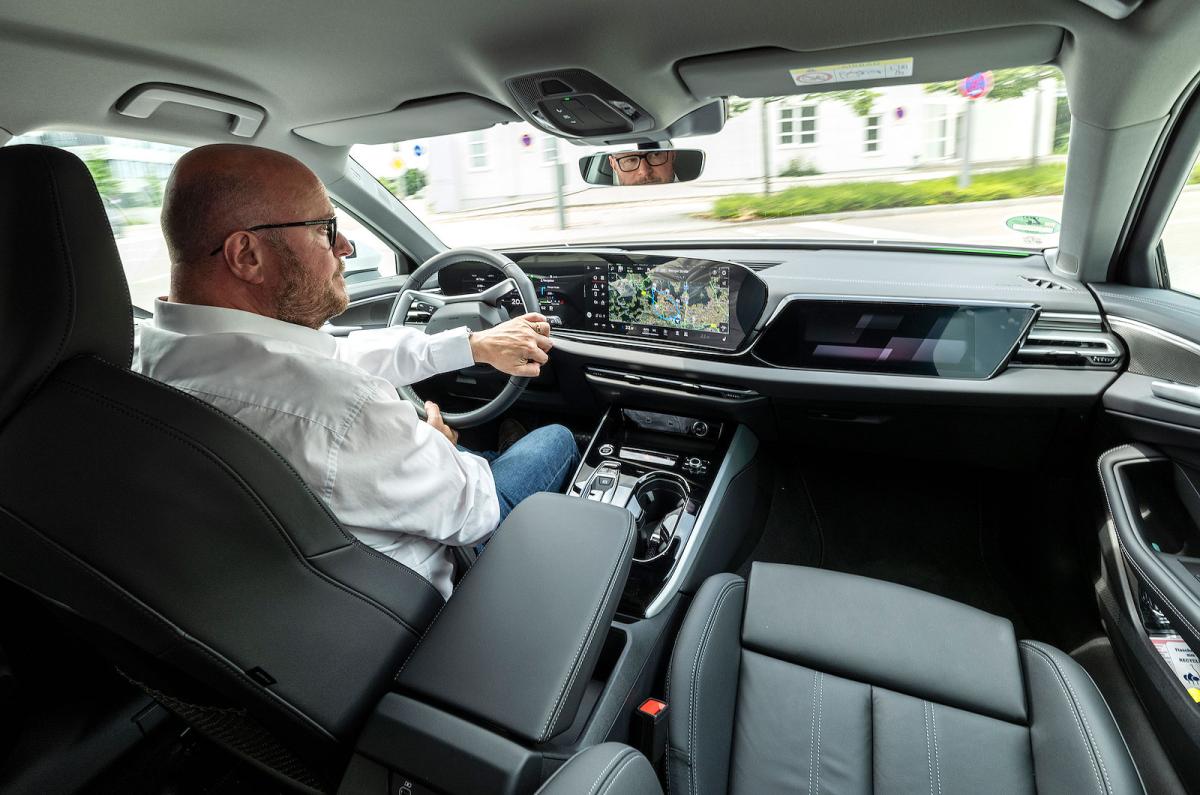
Elsewhere, the A5 offers a comfortable driving position with lots of adjustment, and a decent amount of rear-seat space for your passengers. However, its boot is smaller than that of the outgoing A4, and you'll get less into it than you would into rivals including the BMW 3 Series and Mercedes C-Class.

"I found the A5's electric tailgate extremely useful when coming back to the car with my shopping – I didn't have to drop by bags to get the boot lid open." Steve Huntingford, Editor

10: Audi A5 Saloon

Stuart Milne test driving Audi A5

Strengths

  • Refined engines
  • Comfortable motorway cruiser
  • Relatively spacious

Weaknesses

  • Audi interior quality is not what it once was
  • Not as agile as a BMW 3 Series
  • Too many controls are touchscreen-based

9: Hyundai Ioniq 6

Hyundai Ioniq 6 front right driving

Like many of the other models on this list, the Ioniq 6 is an electric car, which means it'll cost you very little to run if you choose one as a company car.

Better still, the Ioniq 6 has a smart interior, is good to drive and quiet on the move, and has a charging speed of up 220kW, so if you can find a fast enough public charger you won't be waiting around ages before you can hit the road again. Once charged up, the rear-wheel-drive RWD version we recommend is officially good for a range of up to 338 miles.

Performance in RWD form is quick enough (0-62mph in 7.4sec) but no match for the fastest electric models. There's also a four-wheel-drive version that manages 0-62mph in 5.1sec if rapid acceleration is your thing.

"The two front seats are separated by a large, flat centre console that’s said to have been designed so that you can easily prop a laptop on it –to catch up on emails while the car charges, perhaps – and recycled materials feature throughout." – Doug Revolta, Head of Video

9: Hyundai Ioniq 6

Hyundai Ioniq 6 interior dashboard

Strengths

  • Quiet on the move
  • Super-fast charging speeds
  • Long warranty – and not just on the battery

Weaknesses

  • Rear headroom isn't great
  • Interior quality is nothing to write home about
  • Tesla Model 3 is more efficient and has a longer range

8: Volkswagen ID 7

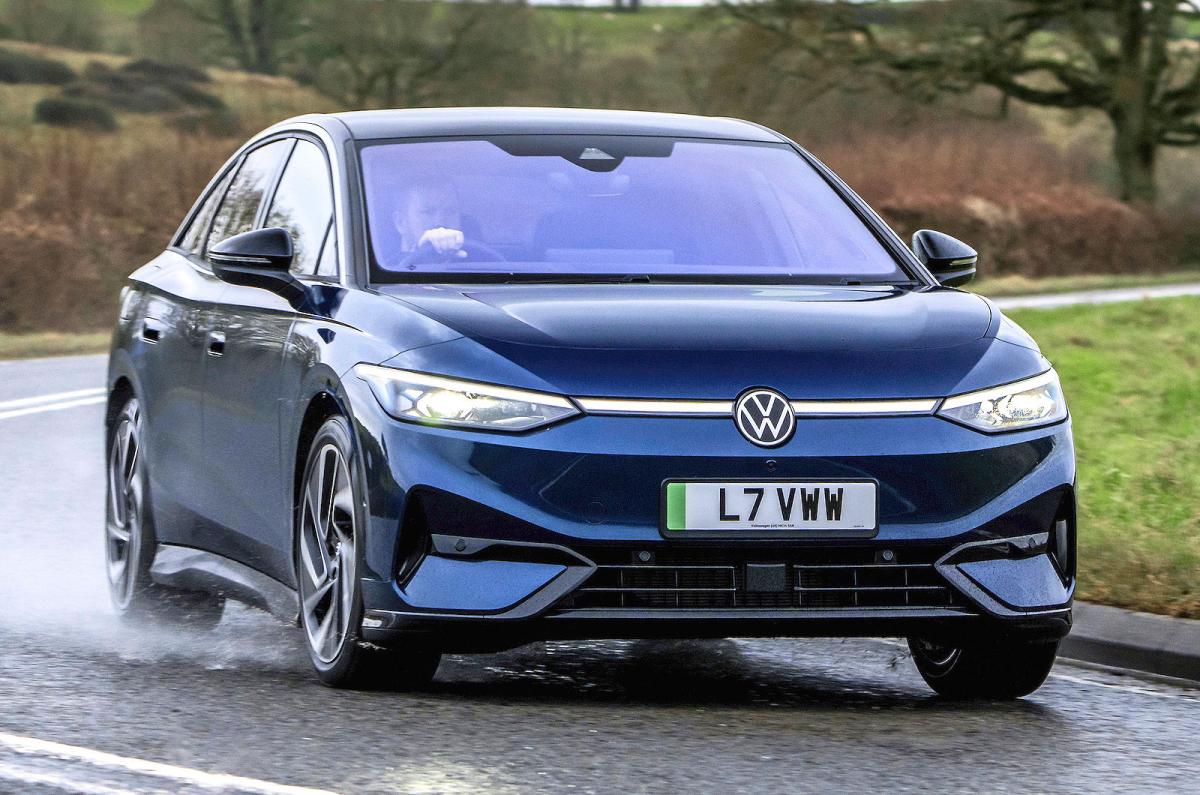
VW ID 7 front cornering

Volkswagen's take on the electric executive car offers some seriously long legs – indeed, even entry-level Pro models have an official range of up to 379 miles between charges, which is more than the standard Tesla Model 3 can manage. Go for the Pro S, and that figure increases to 436 miles, which means you might only charge the VW up every week.

In any case, like the other electric cars on this list, the ID 7 should be very cheap to run as a company car, since its low C02 emissions and long range means it sits in the lowest Benefit-in-Kind tax ratings.

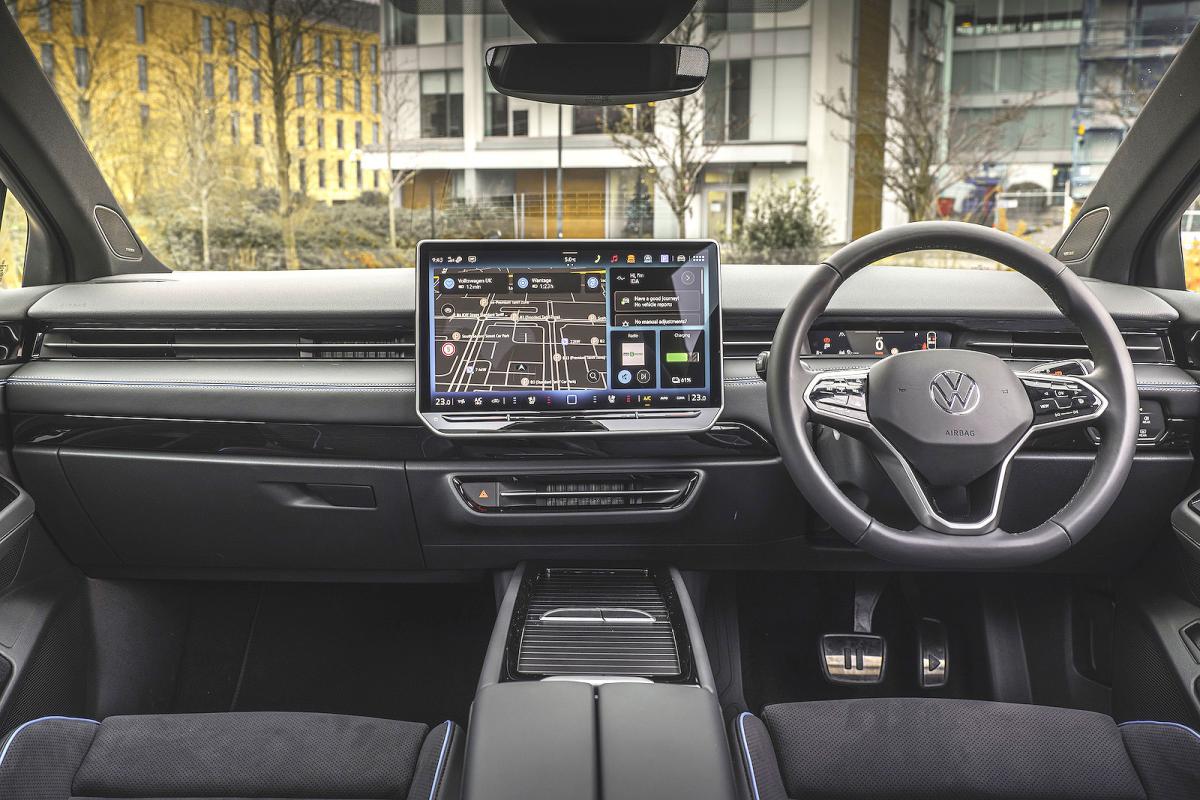
There's a pleasing mix of materials on show inside the ID 7, ranging from vegan leather on the seats to suede inserts on the doors. Your passengers will appreciate the high-end feel, but also the sheer space on offer, because the ID 7 is a huge car. Indeed, three adults can sit comfortably on its rear bench, which isn't something you could say about every car on this list.

"I drove an ID 7 for more than 15,000 miles in 2025, and I found it to be an exceptional long-distance cruiser. If you're able to go electric and want to take advantage of the cheap tax which comes with running one, I'd urge you to do so." – Stuart Milne, Digital Editor

8: Volkswagen ID 7

VW ID 7 dashboard

Strengths

  • Long range between charges
  • Great safety rating
  • Comfortable ride

Weaknesses

  • Fiddly touchscreen controls
  • Less dynamic than rivals
  • Pricier than rivals and a heat pump is optional

7: BMW i5

BMW i5 front cornering

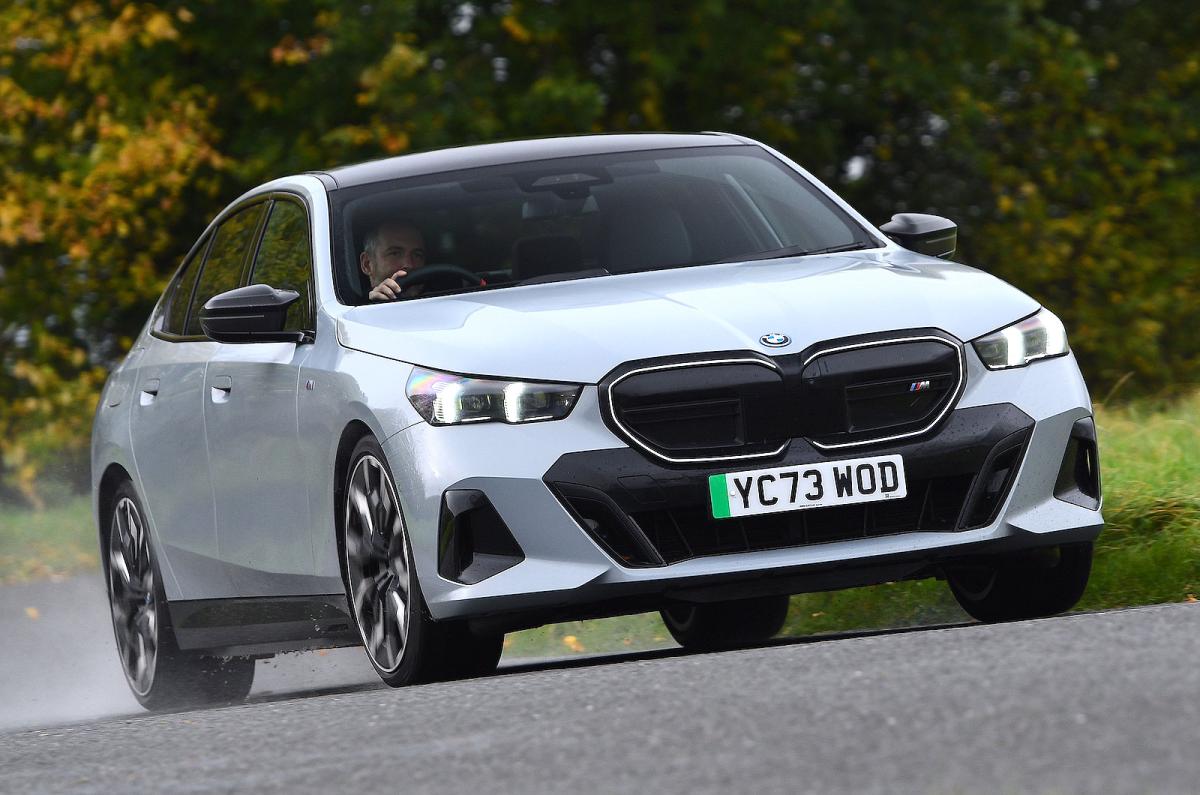
It may have a different name, but the i5 is a fully electric version of the new BMW 5 Series saloon.

That's evident by the fact that the two cars have very similar styling. As you might expect, though, it's a different underneath; the i5 is available with single or dual-electric motors and an 81.2kWh battery.

Out of the two versions, the single motor version (eDrive40) is our favourite; it provides quick performance, hushed driving manners and a long official range of 349 miles (although the Mercedes EQE can travel farther). Being based on the same underpinnings as the BMW i7, the i5 also offers a good balance of ride comfort and handling, and it tops the EQE in this regard.

No matter which version of the i5 you go for, it will qualify for the advantageous Benefit-in-Kind tax ratings associated with electric cars. In the 2025/26 tax year, you'll pay 3%, rising to 5% in the 2027/28 tax year.

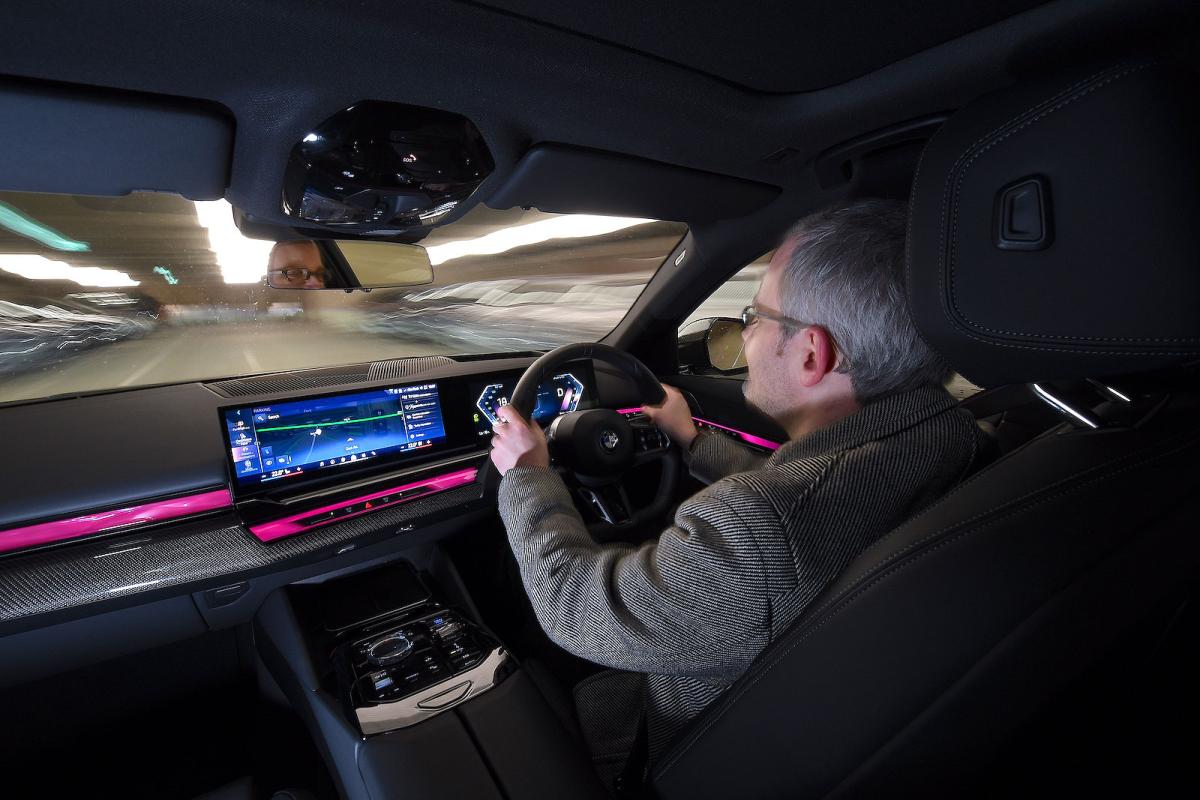
We're also particularly fond of the i5's interior, which has a range of plush materials and a good infotainment system. If it weren't so expensive, it would be higher up this list.

"The i5's touch-sensitive ‘interaction bar’ features haptic controls that are surprisingly easy to use. It’s used to adjust various functions, plus it lights up to tell you that the car is charging, for example, or warn you not to open your door in front of a cyclist." – Lawrence Cheung, New Cars Editor

7: BMW i5

Steve Huntingford test driving BMW i5

Strengths

  • Tidy handling
  • Excellent refinement
  • Well built and spacious interior

Weaknesses

  • An expensive private buy
  • You'll want to add some options
  • Range and efficiency are good rather than great

6: Skoda Superb

Skoda Superb front cornering

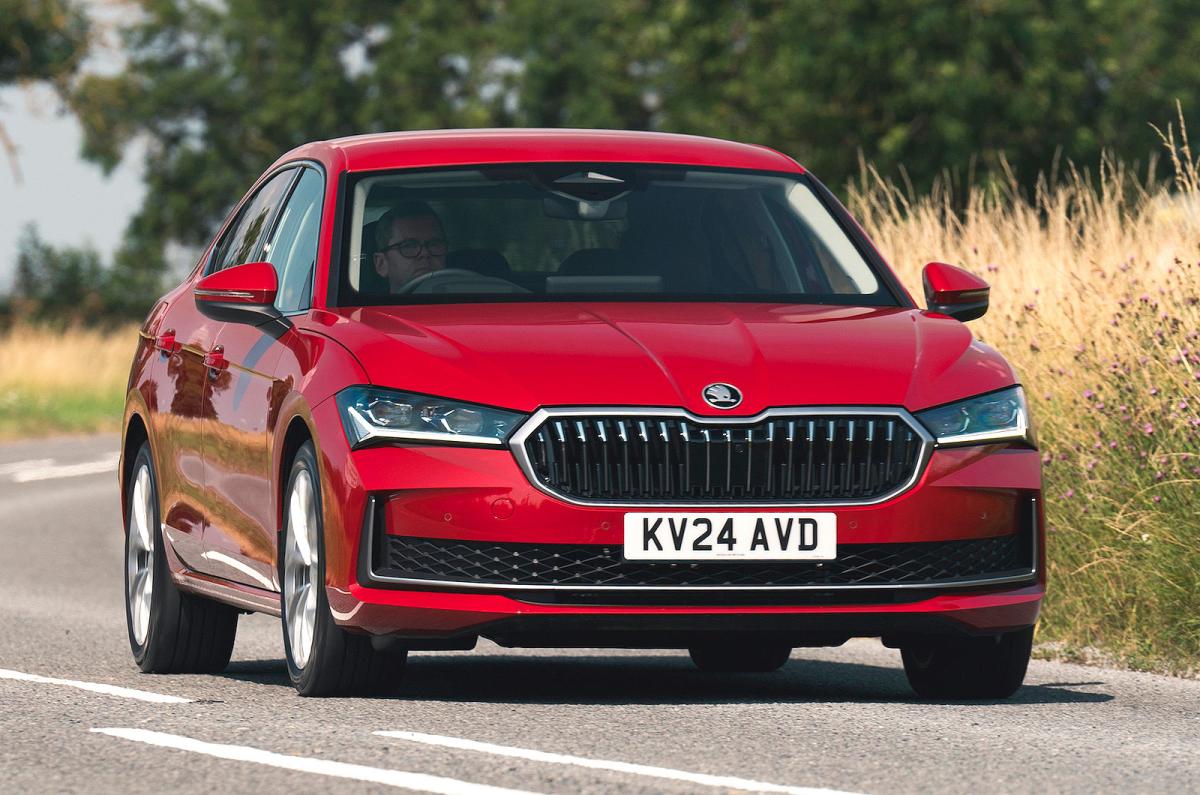
Calling a car the Superb gives it a lot to live up to, but Skoda's executive car is fully deserving of its moniker.

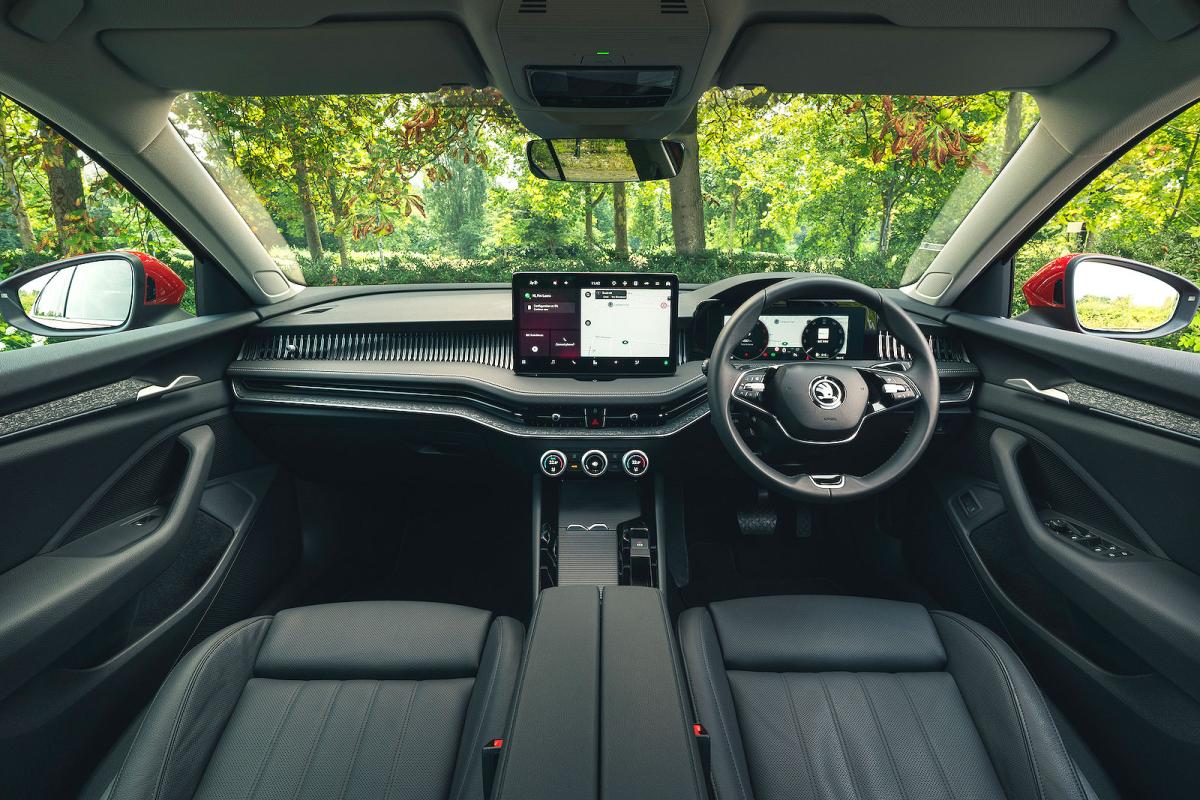
It's comfortable, well made, generously equipped and great value for money. It’s also very spacious in the back seats (few cars this side of the Mercedes S-Class can match it), and the boot is massive.

It also gets a good range of engines, including petrol and diesel variants, although we think the 148bhp 1.5-litre petrol (badged as the 1.5 TSI 150) is the best option.

With there being no fully electric option, the Superb isn't among the cheapest executive cars on Benefit-in-Kind company car tax. That said, we remain hopeful that a plug-in hybrid variant will arrive soon, and that will likely become the go-to choice for fleet drivers.

"Both the hatchback and estate versions of the Superb have a handy storage cubby on each side of the boot opening. However, there’s a big drop down from the sill to the boot floor in the hatch." George Hill, Used Cars Writer

6: Skoda Superb

Skoda Superb dashboard

Strengths

  • Vast interior and boot space
  • Exceptional value for money
  • Very generously equipped

Weaknesses

  • Some rivals are more fun to drive
  • Sluggish dual-clutch automatic gearbox
  • No plug-in hybrid currently offered

5: BMW i4

BMW i4 front right driving

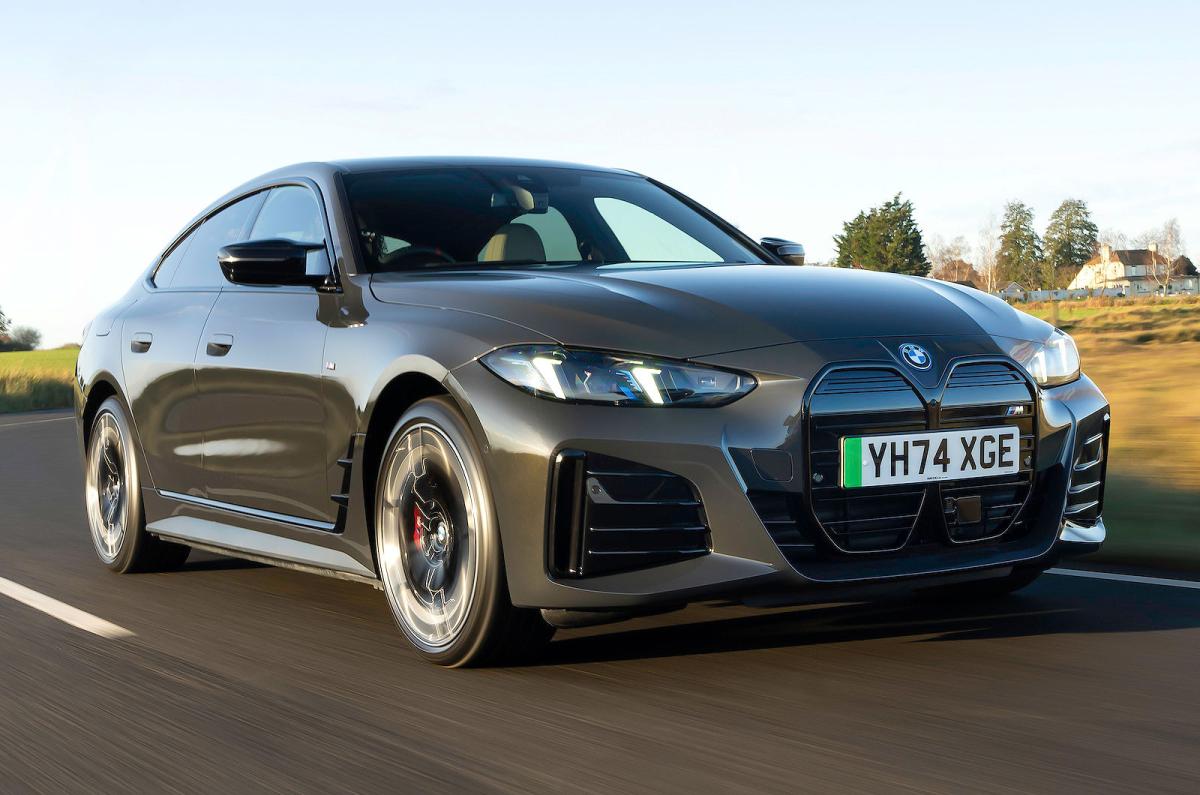
BMW's i4 electric car is fast, comfortable and very hushed at high speeds. Our preferred version is the eDrive40 model, which offers an impressive official range of 367 miles.

Whichever version you go for, the i4 is great to drive and smart inside, making it a compelling alternative to a Tesla Model 3. It’s also a good choice if you prioritise practicality, with its hatchback boot opening and 40/20/40 split folding rear seats.

If you cover a lot of motorway miles, it’s worth bearing in mind that the Model 3 has the i4 pipped, because it grants you access to a significantly better charging network in the form of Tesla's Superchargers – although these days, you can pay to access much of the network with a non-Tesla car.

Being a fully electric car, the i4 benefits from the lowest Benefit-in-Kind taxes, meaning running one as a company car should be very cheap.

"The i4’s front seats have the most side bolstering than those in a Tesla Model 3 or BYD Seal, but you have to pay extra for electric adjustment and lumbar support." – Dan Jones, Reviewer

5: BMW i4

BMW i4 dashboard

Strengths

  • Brilliant performance
  • Impressive official range
  • Class-leading infotainment

Weaknesses

  • Relatively expensive to buy outright
  • M50 not as sharp as Tesla Model 3 Performance
  • BMW lacks Tesla’s world-beating charging infrastructure

4: Mercedes C-Class

Mercedes C-Class front right driving

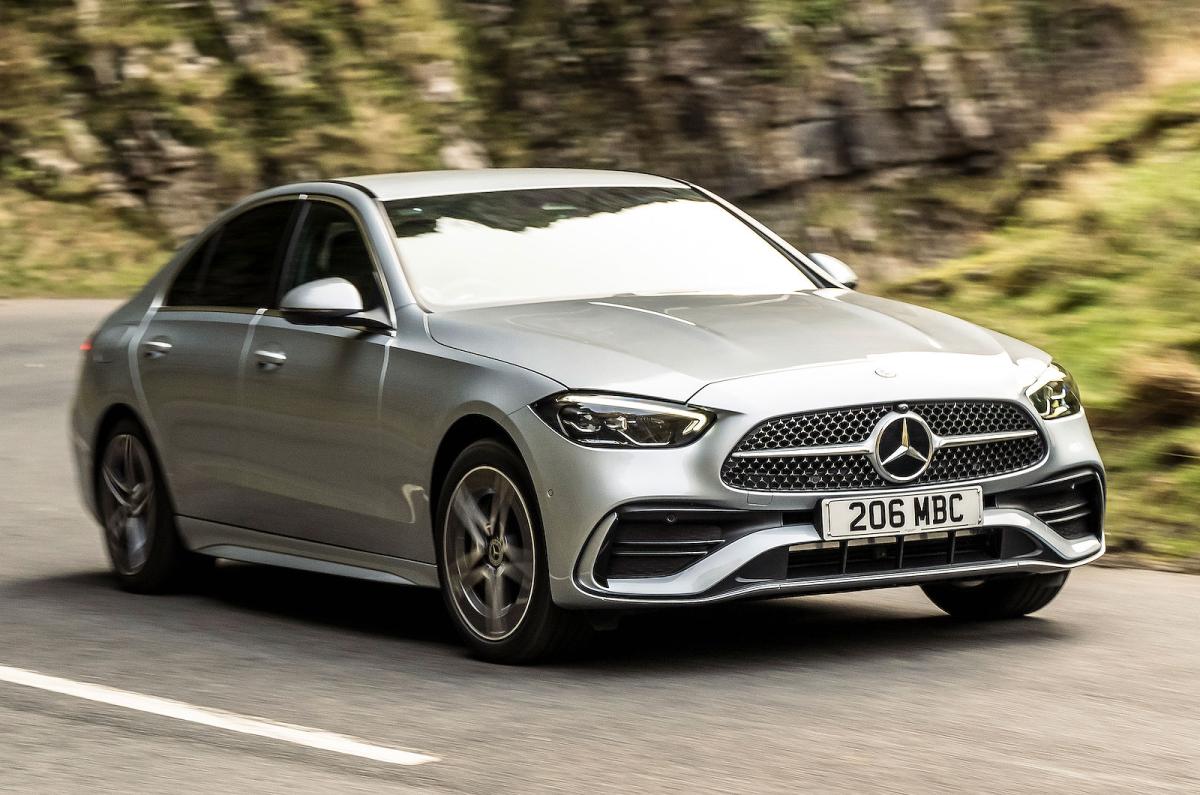
Many rivals outshine the C-Class in terms of interior quality, but the C300e plug-in hybrid (PHEV) version offers an impressive official electric-only range of 68 miles – almost double the official 37 miles the BMW 330e can manage. That means it makes for a very cheap company car when you take Benefit-in-Kind tax into account.

In the corners, the C-Class is very composed – especially in C300e form, with its standard rear air suspension. In fact, it strikes a wonderful balance between ride comfort and cornering composure, and does a brilliant job of managing the extra weight of the battery.

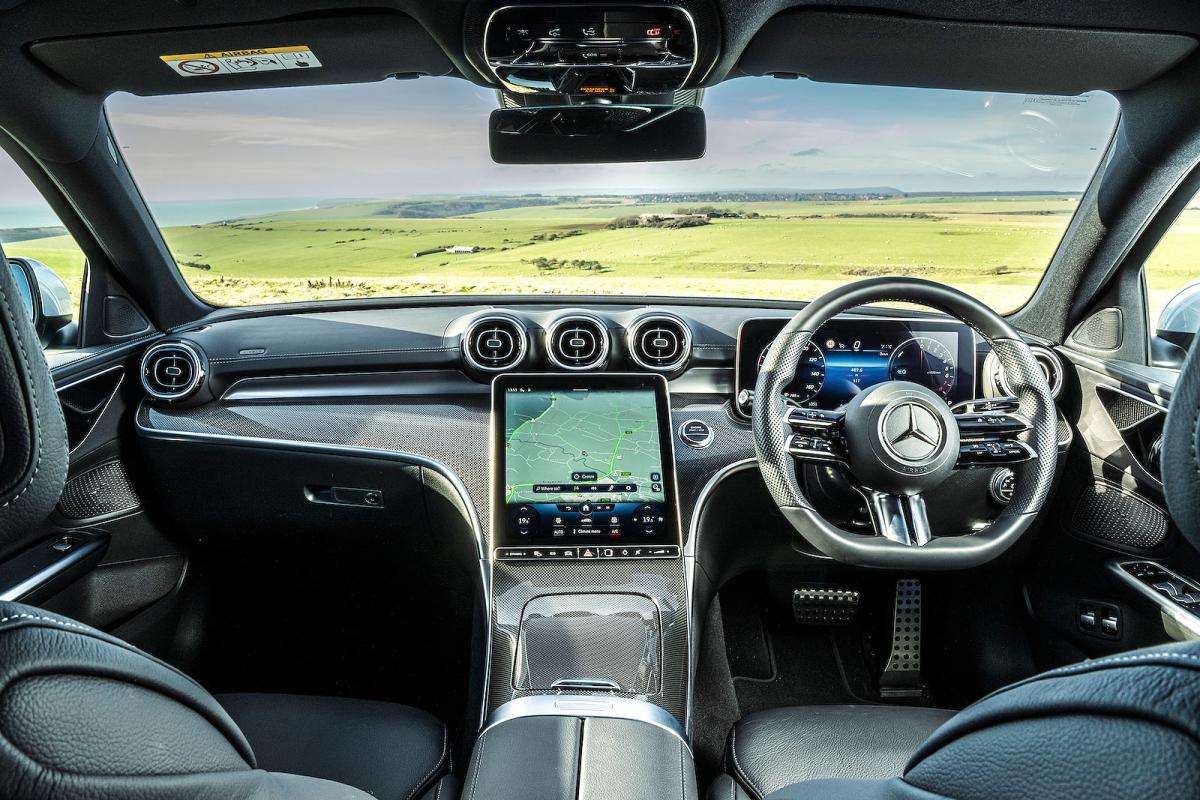
While a first glance at the C-Class' interior reveals the kind of visual pizazz which is likely to impress your passengers, a closer look reveals far too many cheap plastics for our liking. Both the 3 Series and the far cheaper Skoda Superb surround you with better materials.

"The C-Class's infotainment system is more distracting to use on the move than the 3 Series Touring's iDrive system, which has a physical rotary controller, as well as touchscreen contol; we ’d also prefer some physical controls for the climate control system." – Darren Moss, Deputy Editor

4: Mercedes C-Class

Mercedes C-Class dashboard

Strengths

  • Plug-in hybrid has an impressive ride
  • Fuel economy and emissions compare well with rivals
  • C300e has a very low company car tax rate

Weaknesses

  • Disappointing interior quality
  • Not as much fun to drive as a BMW 3 Series
  • Some road noise

3: BMW 3 Series

BMW 3 Series front right driving

For many, the 3 Series remains the de facto executive car and company car saloon, and it's easy to see why. The latest version is the best-steering BMW of recent times and matches that with stellar body control and plenty of grip, yet still manages to serve up good ride comfort and relaxing refinement.

Our preferred version of the 3 Series is the 330e plug-in hybrid (PHEV). It offers strong performance and a decent official electric-only range of up to 37 miles, while promising lower running costs than non-hybrid versions. It won't surprise you to learn that the 330e will be the cheapest version for company car drivers to run, thanks to its lower Benefit-in-Kind tax rating, though the rival Mercedes C300e is even cheaper.

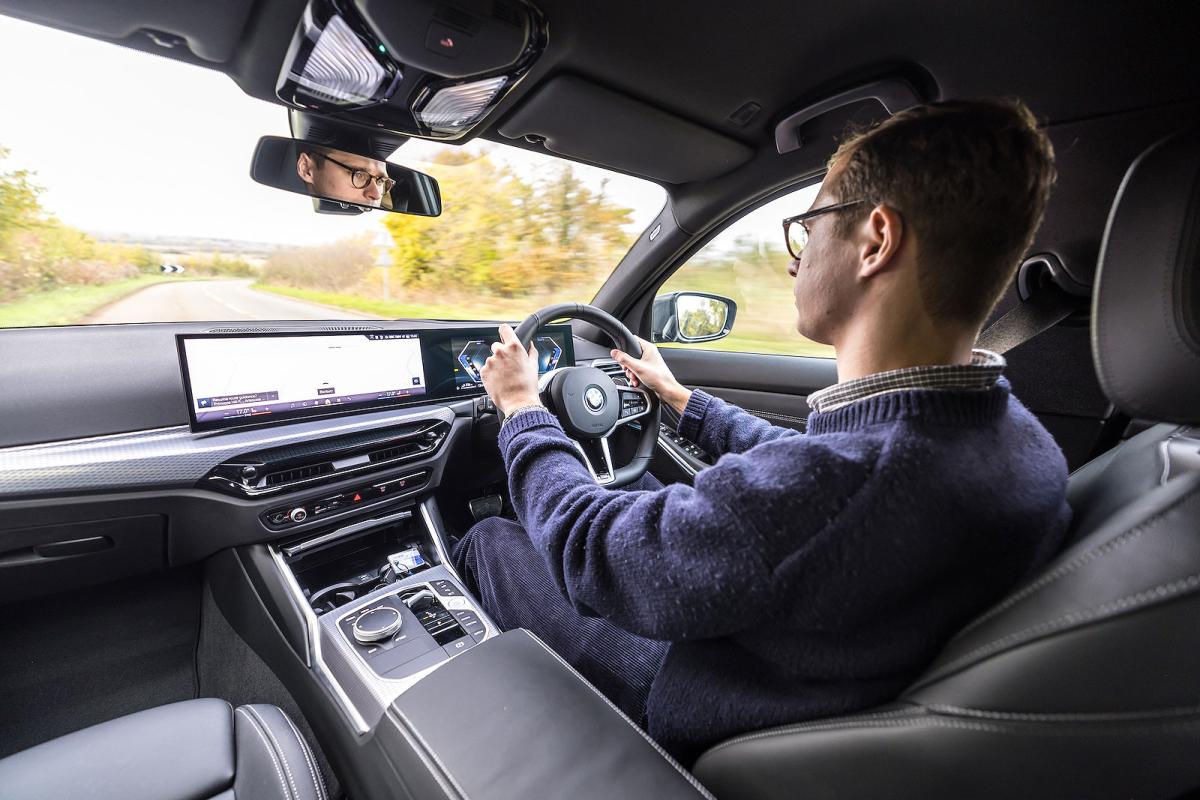
The interior of the 3 Series feels solid and well made (although it’s not quite a match for the Audi A4), and it gets one of the best infotainment systems in the business.

"In its move to modernise the interior, BMW has swept away some buttons on the dashboard. All the climate control functions are now on the touchscreen – a clear backwards step for usability." Will Nightingale, Reviews Editor

3: BMW 3 Series

George Hill test driving BMW 3 Series

Strengths

  • Brilliant fun to drive
  • Class-leading infotainment system
  • Great range of engines

Weaknesses

  • Ventilation controls less user-friendly than before
  • You’ll want to add options – and they’re pricey

2: Mercedes E-Class

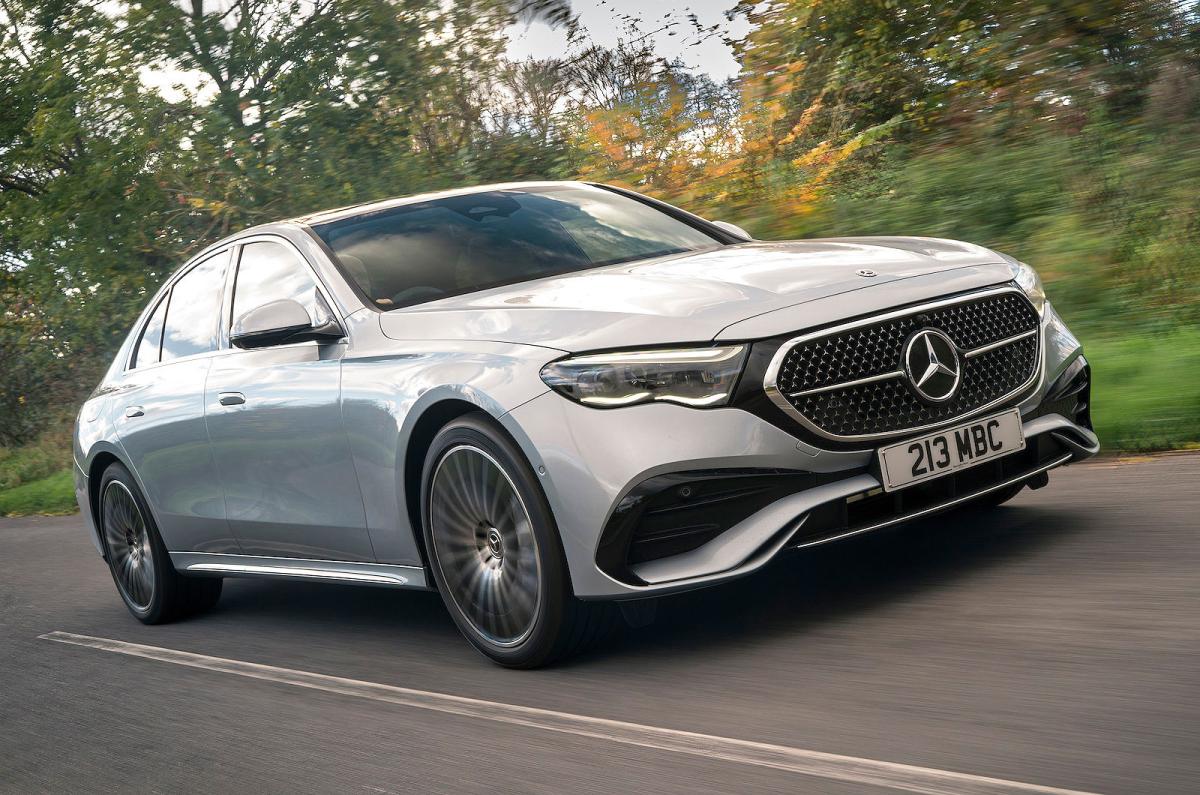
Mercedes E-Class front right driving

The Mercedes E-Class name is synonymous with the executive car and the traditional company saloon, and this latest version helps to build on that.

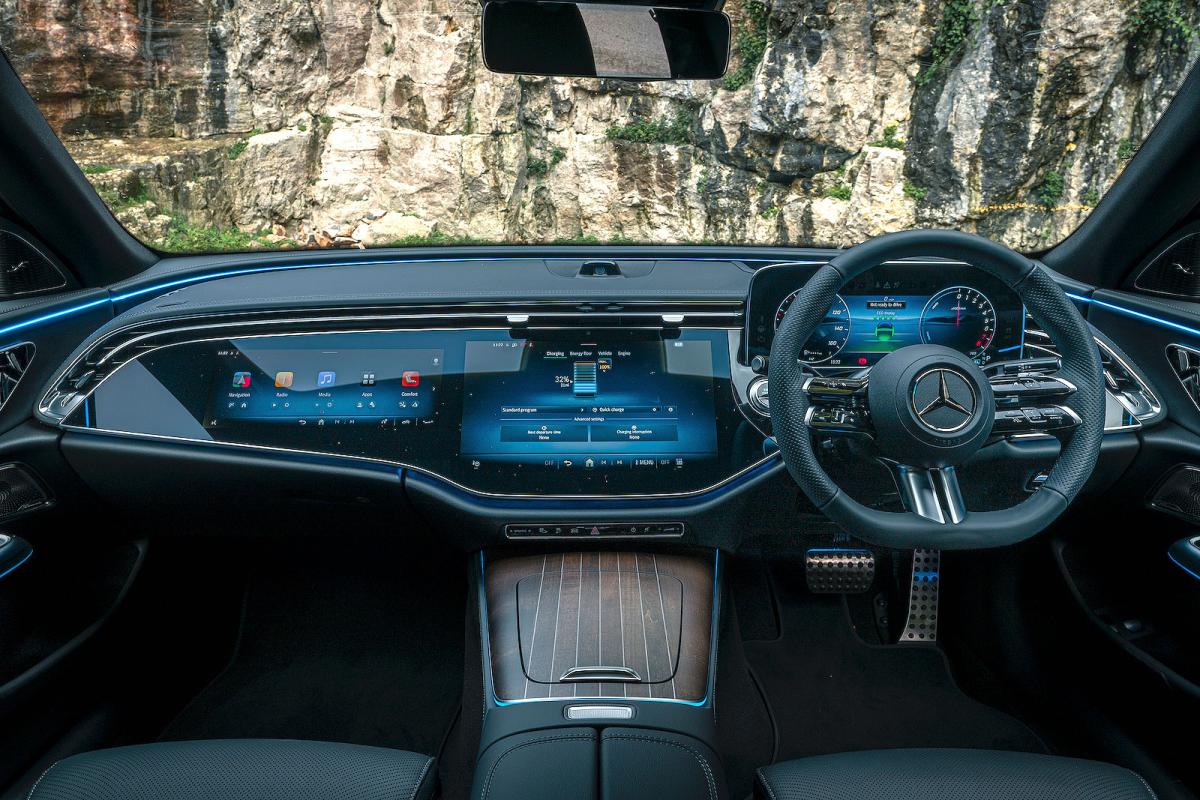
Indeed, the latest E-Class is slightly bigger than its predecessor, so the interior is noticeably more spacious. In the front and back seats there's plenty of head, leg and shoulder room for you to get comfortable. There's also plenty of tech inside to keep your passengers occupied, with all versions offering the ability to download third-party apps such as TikTok or Zoom through the infotainment system.

Despite the Tesla Model 3 being better for Benefit-in-Kind tax ratings, the E-Class – specifically in E300e form – is the best executive car if you're not ready to go electric. Being a plug-in hybrid (PHEV), it comes with a large 24.1kWh battery and an electric motor, which means you can travel a 72 miles officially on electric-only power. That's significantly farther than the PHEV versions of its closest rival, the BMW 5 Series.

"High-spec models get an extra display for the front passenger; it can run social media apps and take photos, and has a special filter to make sure it's not visible from the driver’s seat." Steve Huntingford, Editor

2: Mercedes E-Class

Mercedes E-Class interior dashboard

Strengths

  • Spacious and sumptuous interior
  • Impressive infotainment system
  • PHEV's class-leading electric range

Weaknesses

  • No air suspension or rear-wheel steering in UK
  • E200 is not particularly sprightly
  • Boot space in PHEV is compromised

1: Tesla Model 3

Tesla Model 3 front right driving

The Tesla Model 3 is a recurring member of the best-selling cars club, and its popularity is well earned. Indeed, if you're in the market for a new executive car and can charge up at home or at work, we'd suggest taking a good look at one and seeing if it can work for you.

Key to the appeal of the Model 3 is that it's not just a great electric car – it's a great all-rounder which just happens to be electric. Even in Standard Range form, the Model 3 is officially capable of travelling up to 318 miles between charges, while the Long Range model ups that figure to 436 miles – more than enough for the needs of most drivers.

That range, as well as the Tesla's 0% C02 emissions, allows the car to sit in the lowest Benefit-in-Kind tax rating. You'll pay just 3% to drive one as a company car in the 2025/26 tax year, rising to 4% in 2026/27, and 5% in 2027/28.

The Model 3 is also a spacious choice, and a couple of taller rear passengers won't feel like they're hemmed in. Indeed, the Tesla's tall rear windows and broad glass roof make it feel airier than the rival BMW i4.

"The latest Model 3 has seen a real uptick in interior quality. We particularly like the use of fabric on the doors and dashboard." – Will Nightingale, Reviews Editor

1: Tesla Model 3

Tesla Model 3 dashboard

Strengths

  • Fast and reliable charging via Tesla's Supercharger network
  • Long range between charges
  • Surprisingly practical

Weaknesses

  • Fiddly interior controls
  • Handling not as entertaining as the best petrol-powered rivals
  • Windscreen pillars hamper visibility

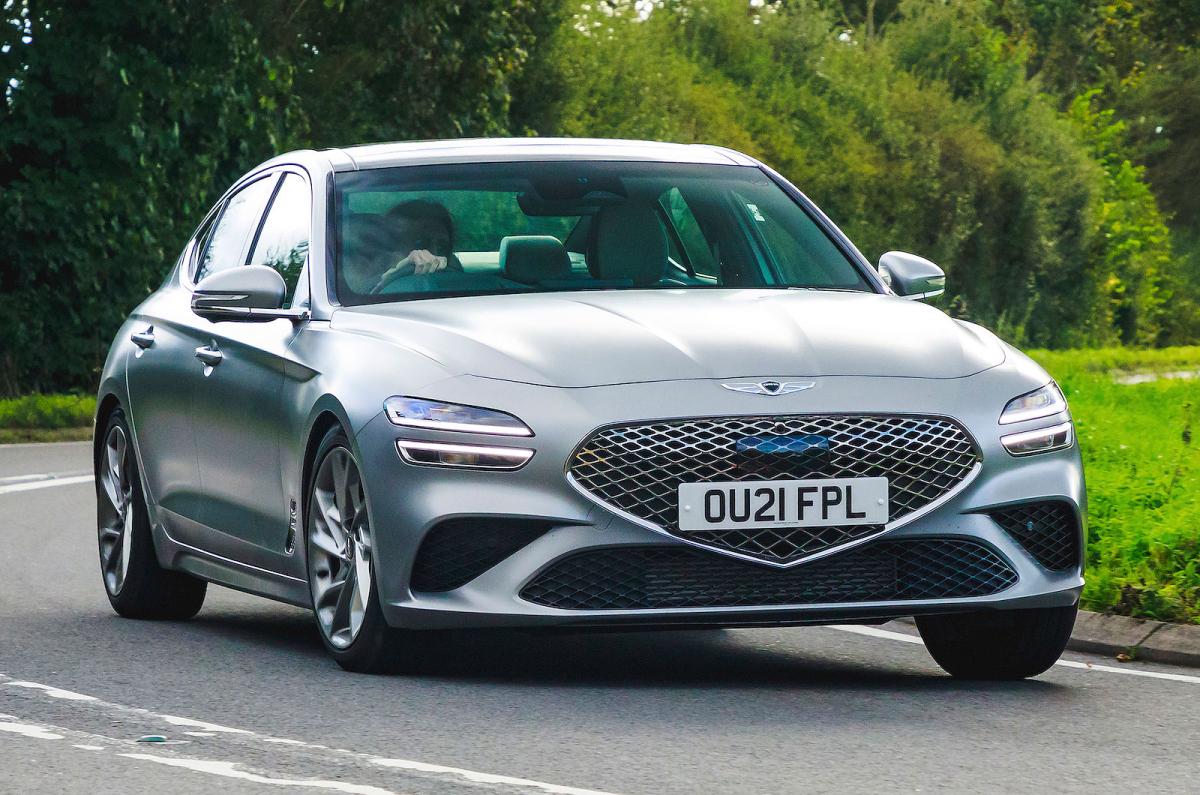
And the executive car to avoid - Genesis G70

Genesis G70 front cornering

While it comes well equipped, most of the the G70's key rivals are quieter, better to drive, more practical and cheaper to run.

advertisment

News and advice

Feature

New Kia Stonic vs Seat Arona

Best of

Best-selling cars 2026: EV sales reach new heights in June

News

New Bentley Torcal: name confirmed for brand's first all-electric car

Feature

Most reliable Mercedes models - and the unreliable ones to avoid

Feature

Best medium vans 2026 – tried and tested

Best of

Best used car deals of the week