Slideshow

Best hybrid SUVs in 2026 – reviewed, rated and ranked

Sales of SUVs and hybrids are booming, making hybrid SUVs some of the most desirable cars around. But which of them are best ones to go for and which are best avoided?

Best hybrid SUVs 2025 – reviewed, rated and ranked

Best hybrid SUVs 2025

These days, it pays to choose hybrid power if you're in the market for a new SUV. For one thing, if you choose to run one as a company car, you'll pay less in monthly Benefit-in-Kind tax than you would for a purely petrol or diesel alternative. For another thing, because hybrid cars have both a combustion engine and an electric motor, your running costs should tumble – especially if you mainly drive in the city, where the electric power can be deployed more often.

The good news is that there are now more hybrid SUVs to choose from than ever before, ranging from small SUV options right the way up to luxury models and seven-seaters. This is a double-edged sword, though, because it means that deciding on which hybrid SUV is right for you can be a tricky business. Let's take a look at the cars we would choose:

Slideshow story: please click the right-hand arrow above to continue, or simply scroll down if you’re reading on your mobile

advertisment

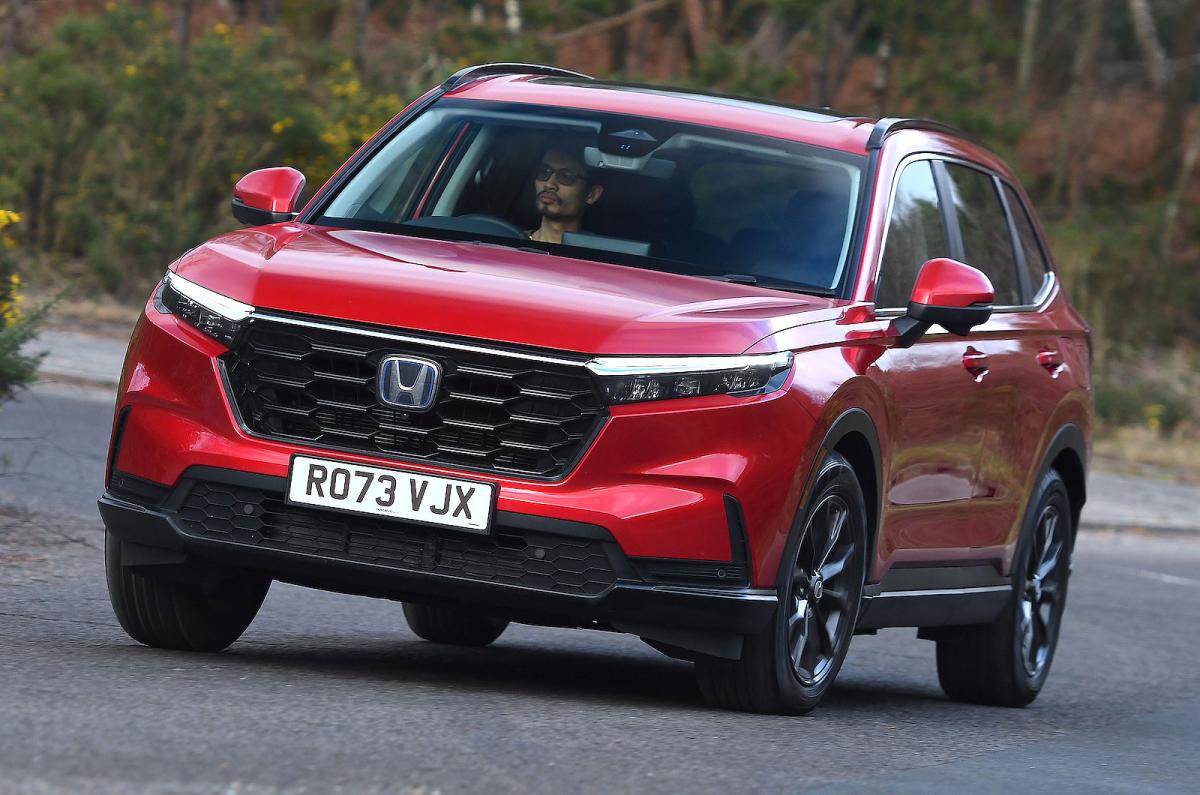
10: Honda CR-V e:HEV

Honda CR-V front cornering

Honda's family SUV is only available as a hybrid – the only choice you have as to what powers it is whether you want to choose regular or plug-in hybrid power.

We think the regular hybrid – which also has the benefit of four-wheel drive for slippery roads – will suit most buyers the best. Like the PHEV model, it gets a 181bhp 2.0-litre petrol engine and electric motor, and can haul you up to motorway speeds pretty swiftly, even when loaded down with luggage.

Speaking of which, we managed to fit eight carry-on suitcases into the CR-V, which is more than the rival Lexus NX can manage. Things aren't so good in the rear seats, though, because the roller blind for the panoramic roof robs you of a few vital centimetres of rear head room.

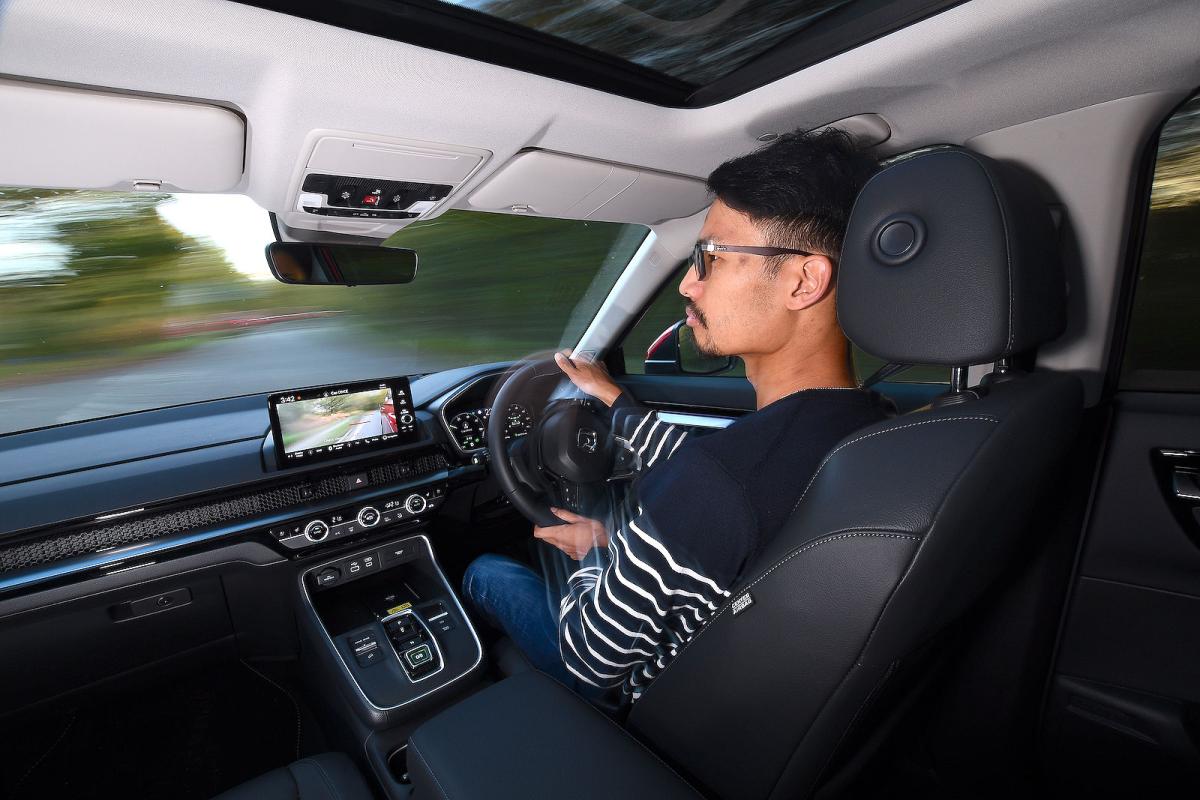
“I spend a lot of time on the motorway, so the CR-V's relatively heavy steering didn't bother me at all. Drivers who spend most of their time in the city, however, might prefer something lighter.” Dan Jones, reviewer

10: Honda CR-V e:HEV

Lawrence Cheung test driving Honda CR-V

Strengths

  • Generous boot space and versatile rear seats
  • Hybrid system is smooth and economical in town
  • Secure handling

Weaknesses

  • Expensive compared with rivals
  • Noticeable road noise
  • Rivals have classier interiors

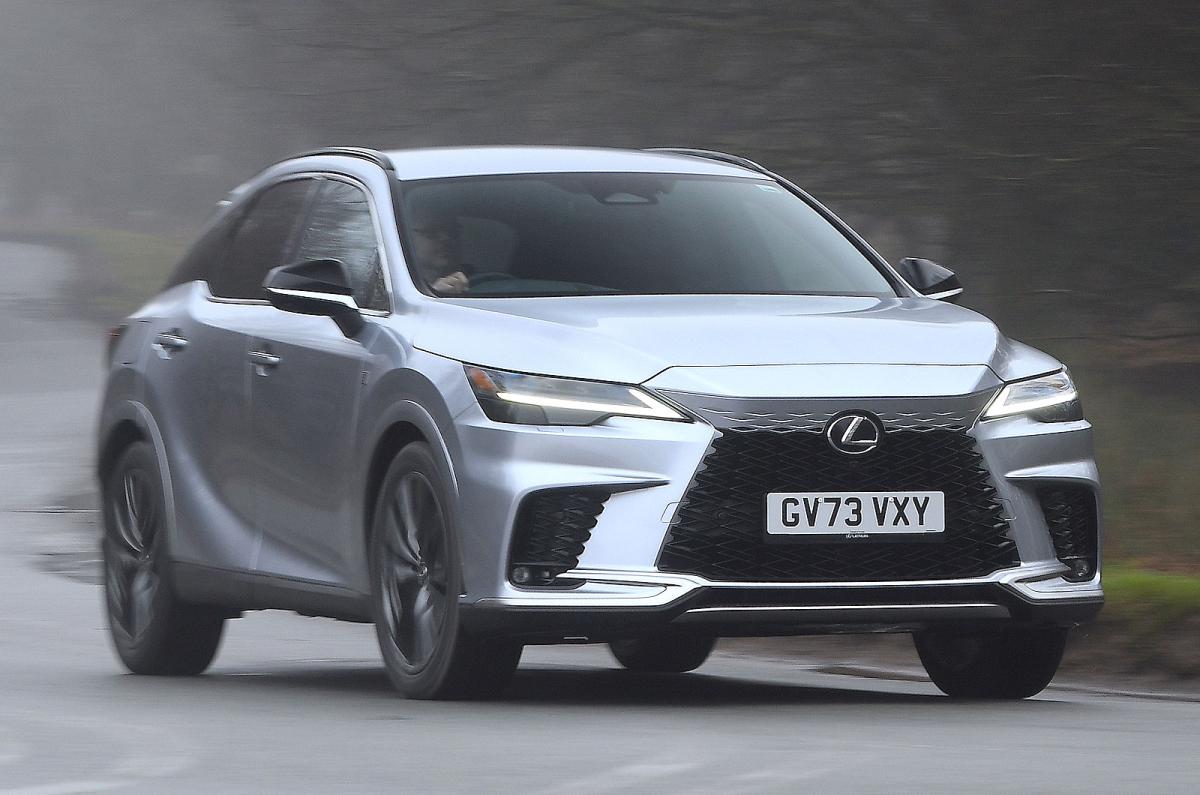
9: Lexus RX 450h+

Lexus RX front cornering

The Lexus RX of the early 2000s was one of the first luxury SUVs to use a hybrid system, and this latest version is proof of the firm’s expertise.

The plug-in hybrid RX 450+ is incredibly quiet and refined, while reliability remains a strong point for Lexus. In fact, the RX should be more dependable than the Range Rover Sport P460e.

While the electric-only range with the 450h+ isn’t as long as the Range Rover Sport or Mercedes GLC 300e’s, those cars are more expensive to buy outright. There’s also a more affordable regular hybrid version available, which is a good choice if you don’t have easy access to a charger.

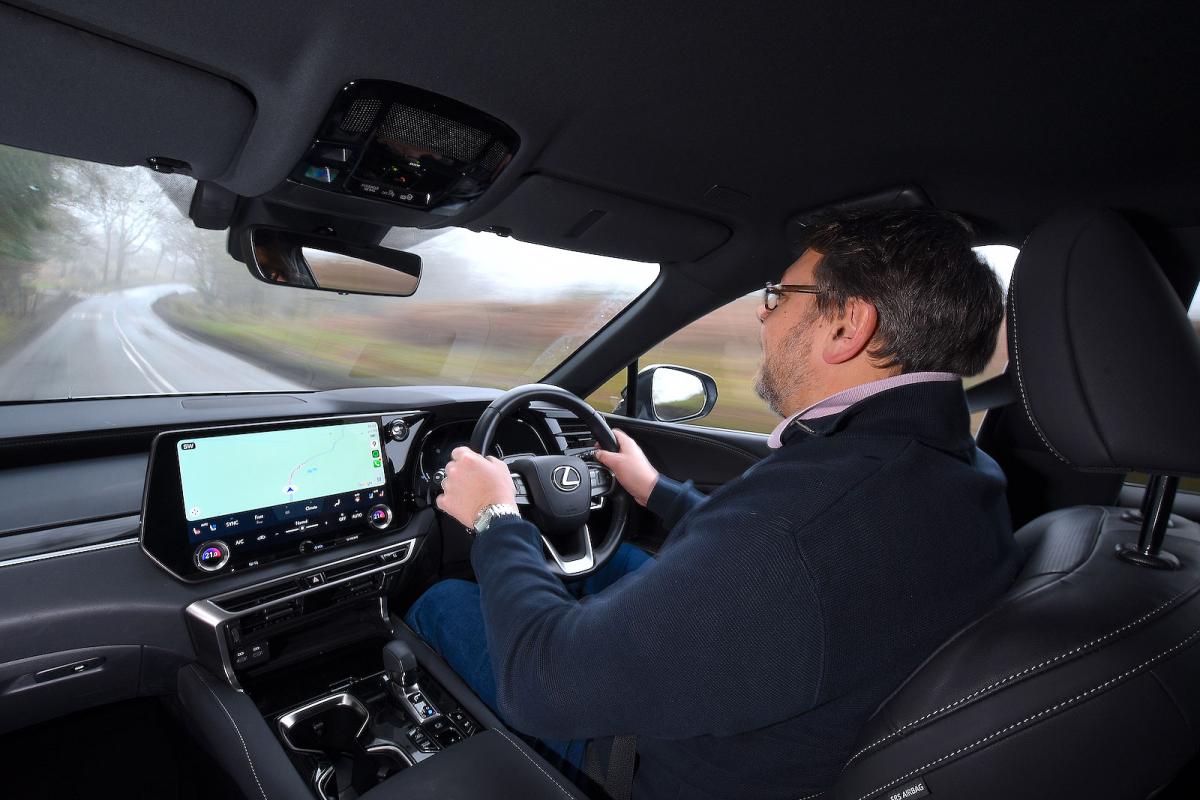
“I enjoyed how serene the RX is, because there's hardly any wind or road noise on the motorway. Plus, when its petrol engine needs to wake up and take over from the electric motor around town, the changeover is seamless.” – Claire Evans, consumer editor

9: Lexus RX 450h+

Lexus RX test drive

Strengths

  • Efficient engines
  • Hushed on the move
  • Strong performance

Weaknesses

  • Rivals are better to drive
  • Takumi versions are pricey
  • PHEV's electric range isn't the best

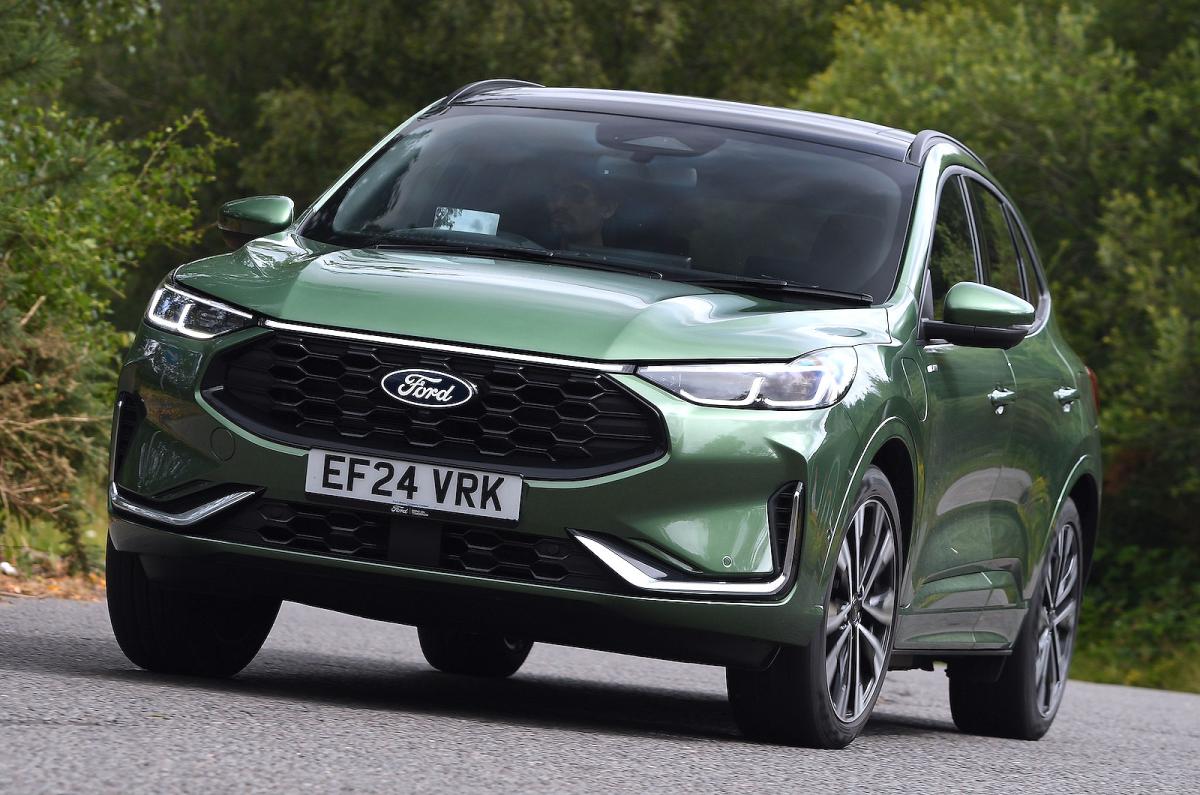
8: Ford Kuga 2.5 FHEV

Ford Kuga front left driving

Ford knows a thing or two about making a car that’s good to drive, and the Kuga lives up to that reputation.

In our favourite ST-Line Edition trim, it’s one of the more engaging family SUVs to drive, with quick steering and a firmer suspension set-up that allows it to follow the contours of the road more easily than the entry-level versions.

The Kuga’s engine range includes two hybrid options: a regular hybrid and a PHEV. The former is our recommended option for private buyers, and it pairs a 2.5-litre petrol engine with an electric motor and battery pack. The system is smooth and easy to drive, although the Hyundai Tucson and Kia Sportage are slightly quicker and equally as efficient.

Those cars also have more spacious and practical interiors (but only just), while quality isn’t as good for the price.

“Hybrid SUVs can sometimes feel more wallowy through corners than their combustion-engined siblings because of their extra weight. However, with the Kuga hybrid, it handles with such precision that you'd be hard pressed to tell it apart from the regular car.” – George Hill, used cars writer

8: Ford Kuga 2.5 FHEV

George Hill test driving Ford Kuga

Strengths

  • Good to drive
  • Spacious in the back
  • Well equipped

Weaknesses

  • Interior quality doesn’t impress
  • Relatively small boot
  • Busy low-speed ride on ST-Line trims

7: Hyundai Tucson 1.6 TGDi Hybrid 230

Hyundai Tucson front cornering

The Tucson is available with a wide range of engines, including petrol, mild hybrid, hybrid and plug-in hybrid units.

Our favourite of the bunch is the regular hybrid, which is quick, quiet and efficient. It pairs a 1.6-litre petrol engine with an electric motor to produce 227bhp, while a small battery allows for short bursts of electric power at low speeds, which helps boost refinement and fuel economy around town.

However, the achilles heel of the Tucson is its sibling, the Kia Sportage. While that car is slightly more expensive, it does feel more polished to drive, with better judged brakes, tidier handling and a slightly more comfortable ride.

"While we recommend going for SE Connect trim to help keep your costs sensible, it's worth looking at range-topping Ultimate versions if you're likely to have multiple people driving your car, because this gets you a fully electric driver's seat with a memory function." – Mark Pearson, used car editor

7: Hyundai Tucson 1.6 TGDi Hybrid 230

Hyundai Tucson dashboard

Strengths

  • Well-made, user-friendly interior
  • Spacious for passengers and luggage
  • Good range of engines

Weaknesses

  • Some rivals have tidier handling
  • Slightly more expensive to buy than rivals
  • No sliding rear seats

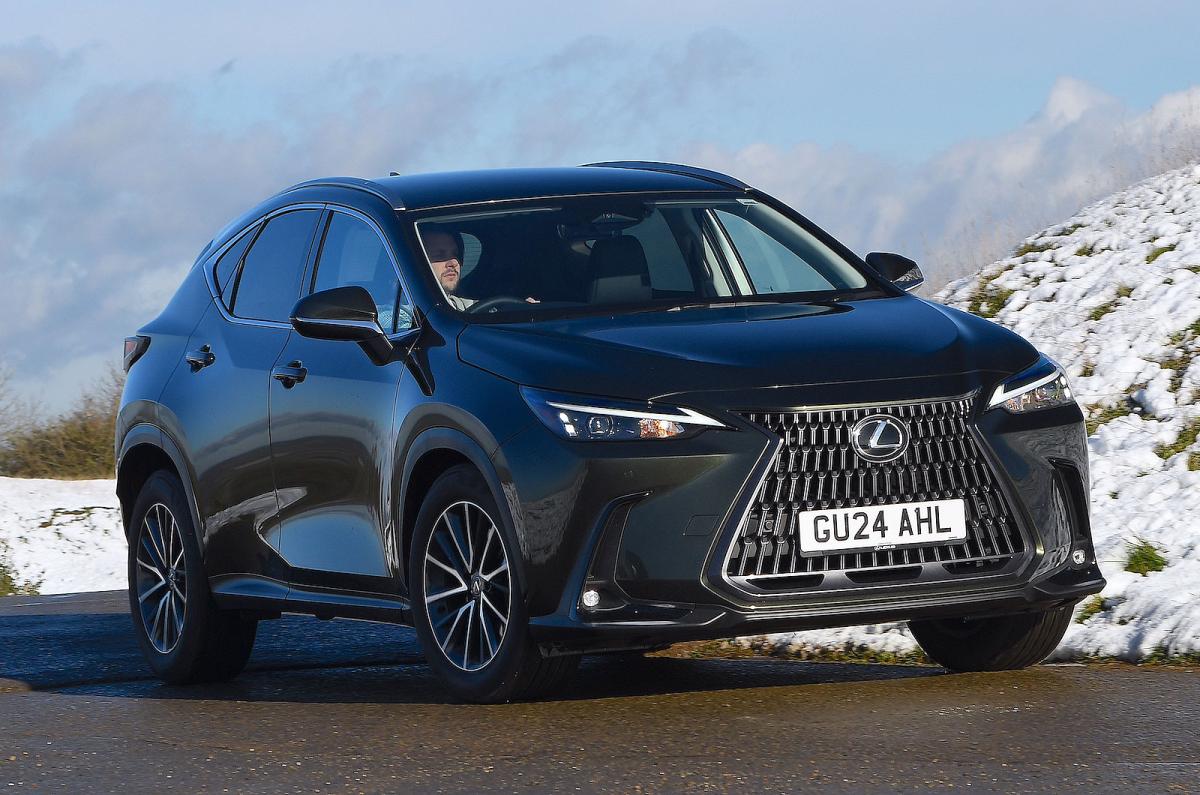
6: Lexus NX 450h+

Lexus NX front cornering

Even though the Lexus NX 450h+ can’t quite beat the Mercedes GLC 300e on electric-only range, it does top the rival Audi Q5 50 TFSIe and BMW X3 xDrive30e, being officially able to take you up to 45 miles.

It can also reach speeds of up to 83mph solely on battery power, and is exceptionally smooth and quiet, even when the battery has been exhausted and the 2.5-litre petrol engine has taken over propulsion duties. Plus, it delivers impressive straight-line performance.

Add in handling that inspires confidence, Lexus's superb reliability record, and an interior that's as classy as it is spacious, and you've got a hybrid SUV that’s a brilliant all-rounder.

“Usually, going for larger wheels on your new car can affect the ride quality. In the NX, however, you'll get a comfy experience whether you stick with the standard 18in alloys, or the upgraded 20in units.” – Lawrence Cheung, new cars editor

6: Lexus NX 450h+

Lexus NX dashboard

Strengths

  • Strong performance
  • Should be very reliability
  • PHEV has a competitive electric range

Weaknesses

  • Petrol engine isn’t the smoothest
  • Slightly choppy high-speed ride on 20in wheels
  • Takumi versions are pricey

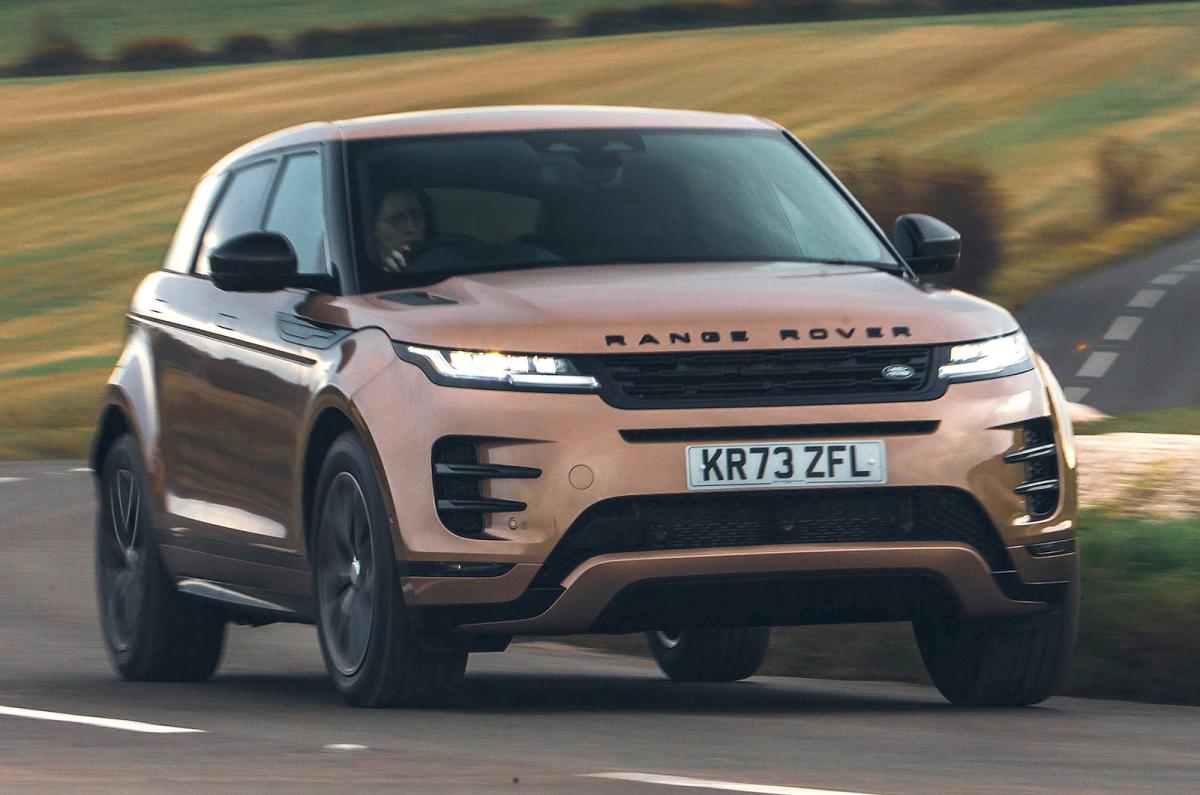
5: Range Rover Evoque P300e

Range Rover Evoque front cornering

It may well be the Evoque’s looks that first pique your interest, but it’s a fine car on more objective levels, too.

It’s comfortable, really posh inside and even reasonably practical by class standards, with this PHEV losing no luggage space compared with its purely combustion-engined siblings, despite having a battery that's big enough for 38 miles of electric driving.

The PHEV is also the fastest engine option in the Evoque range (0-60mph takes just 6.1sec), while the hybrid system is smooth around town and punchy on the motorway.

Land Rover’s reliability record remains a concern, though – the brand finished in 28th position out of 32 manufacturers in our latest What Car? Reliability Survey.

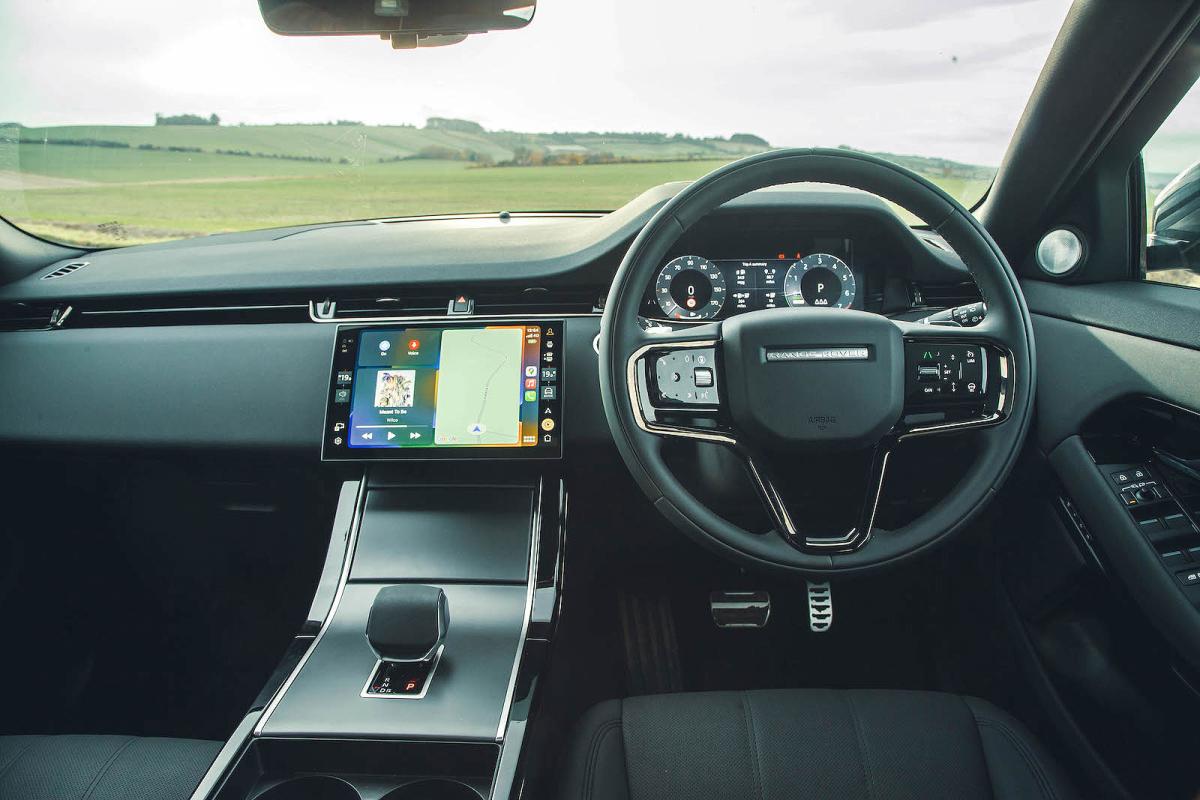
“While most of the Evoque's controls are now accessed through its touchscreen, at least shortcuts to some commonly-used ones – the climate, for example – are permanently displayed, so you don't need to go hunting for them.” – Doug Revolta, head of video

5: Range Rover Evoque P300e

Range Rover Evoque dashboard

Strengths

  • Great driving position
  • Well-equipped
  • Slow depreciation

Weaknesses

  • Limited boot space
  • So-so fuel economy and emissions
  • Land Rover’s reliability record

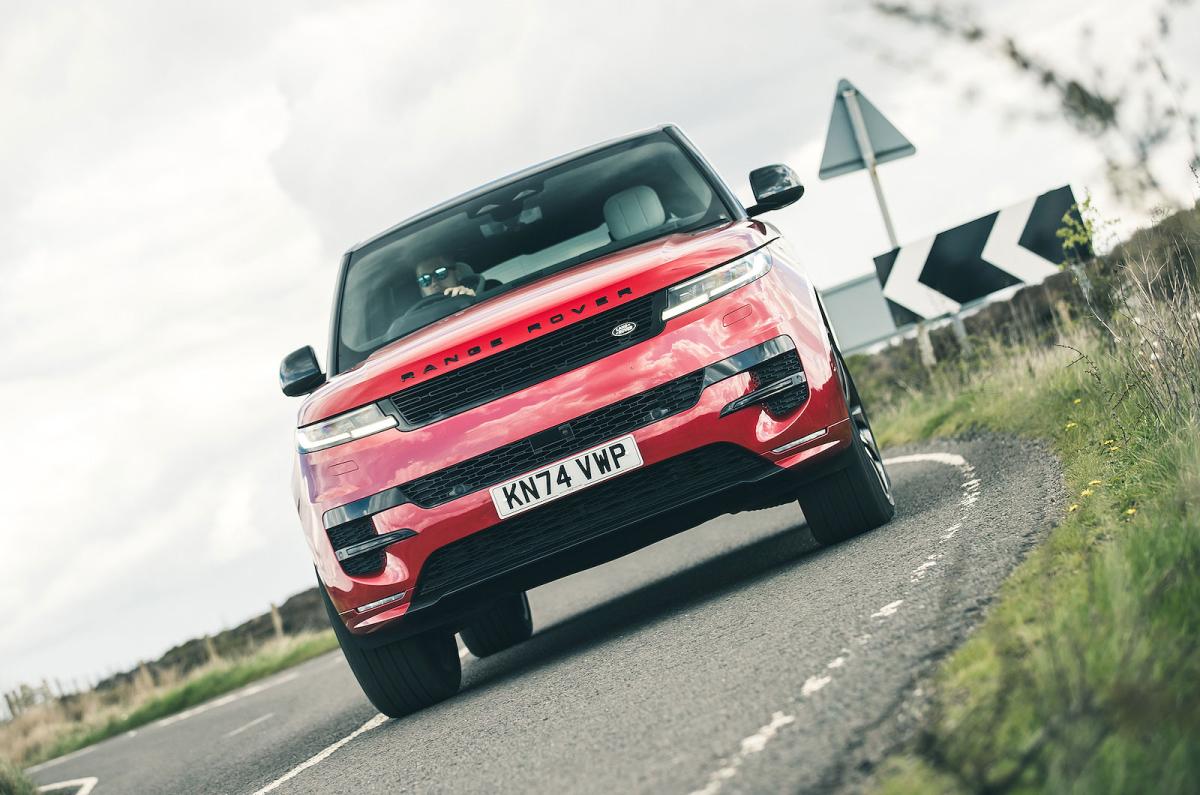
4: Range Rover Sport P460e

Range Rover Sport front cornering

The Range Rover Sport takes many features from the full-size Range Rover (including its plush interior and impressive off-road ability), but offers them at a slightly lower price.

There's only one plug-in hybrid version of the Sport, called the P460e, and it combines a silky-smooth 3.0-litre straight-six petrol engine with an electric motor to produce 454bhp.

With its vast 31.8kWh (usable) battery, the P460e can manage 73 miles officially on electric-only power. That’s almost as much as the 80 miles the Mercedes GLC 300e can manage officially.

Even though the Sport is slightly cheaper to buy than its full-size sibling, it still remains a pricey option.

"I think the Range Rover Sport's boot is especially clever, because not only can you drop the rear seatbacks at the touch of a button, but there's also a handy flip-up partition you can use to keep things separate in the back – or to even use as a makeshift seat.” – Darren Moss, deputy editor

4: Range Rover Sport P460e

Range Rover Sport test drive

Strengths

  • Offers lots of Range Rover qualities for a lower price
  • Incredible ability off-road
  • Fantastic range on the PHEV model

Weaknesses

  • Cheaper than a Range Rover, but still very expensive
  • Rivals are sharper to drive
  • Land Rover’s reliability record is a concern

3: Hyundai Santa Fe 1.6 T-GDi Hybrid

Hyundai Santa Fe front cornering

The previous Hyundai Santa Fe was one of your best bets if you wanted a hybrid SUV with seven seats, and this all-new version aims to carry the same accolade.

It'll eventually be offered in both hybrid and plug-in hybrid forms, but it's the regular hybrid we're focussed on here. It uses a tweaked version of the 1.6-litre engine and electric motor from the old Santa Fe, and while it's not especially fast, it has no trouble in getting you up to motorway speeds and should be relatively cheap to run.

The latest Santa Fe is comfortable, too, even though the rival Peugeot 5008 feels a little more settled on faster roads.

Space was a big selling point in the old Santa Fe, and the new model continues that trend. Not only is access to the second and third rows fantastic, but once seated your passengers will have more room to stretch out than they would in most rivals. The boot is massive, too – in five-star mode it'll swallow even more than the Kia Sorento.

“It might be boxy, but I like the various 'H' motifs which have been included in the latest Santa Fe's design. Look closely and you'll spot them in the headlights, tail-lights, even even within the front bumper.” – Claire Evans, consumer editor

3: Hyundai Santa Fe 1.6 T-GDi Hybrid

Hyundai Santa Fe dashboard

Strengths

  • Outstanding seven-seat practicality
  • Plush interior
  • Long warranty and Hyundai’s reliability record

Weaknesses

  • Pricier than some rivals
  • So-so performance
  • PHEV’s underwhelming electric-only range

2: Kia Sportage 1.6 T-GDi Hybrid

Kia Sportage front left driving

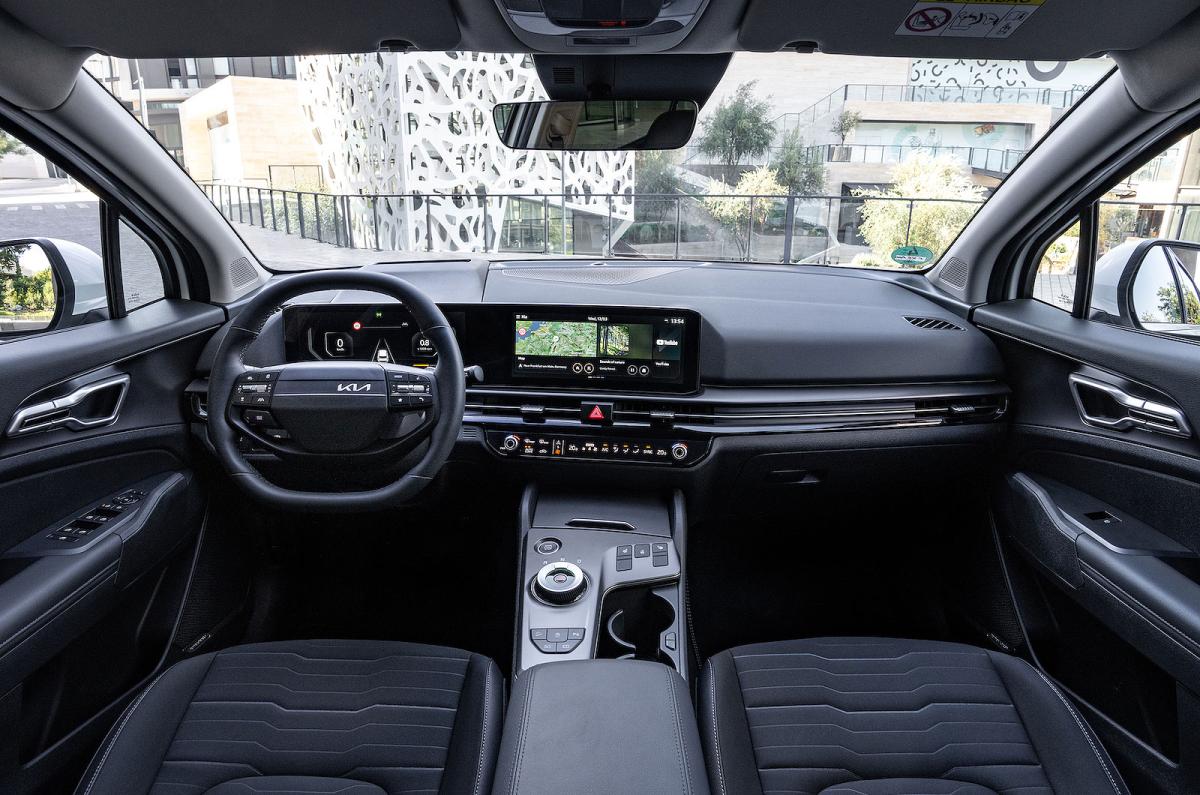
The Kia Sportage is popular for many reasons: it’s spacious, comfortable to drive, smart inside and very well equipped.

The regular hybrid version is also a good option if you’re looking for a car that offers strong performance and impressive real-world fuel economy. In fact, we recorded a 0-60mph time of 7.2sec at our private test track, while an average of 43.8mpg was clocked up during our real-world fuel economy test.

Even though the hybrid isn’t as refined as the PHEV version, it’s still whisper-quiet when running on electric power at low speeds. Plus, it’s quicker and a lot cheaper to buy outright than the PHEV.

“I love that the latest Sportage retains physical controls for its air conditioning system – they're so much easier to use than having to delve into a touchscreen or prod at a touch-sensitive panel, as you'd find on some rivals.” – Stuart Milne, digital editor

2: Kia Sportage 1.6 T-GDi Hybrid

Kia Sportage dashboard

Strengths

  • Lower-spec models are great value
  • Smart interior
  • Generous rear leg room and boot space

Weaknesses

  • Rear head room compromised with panoramic roof
  • No clever rear seat functions

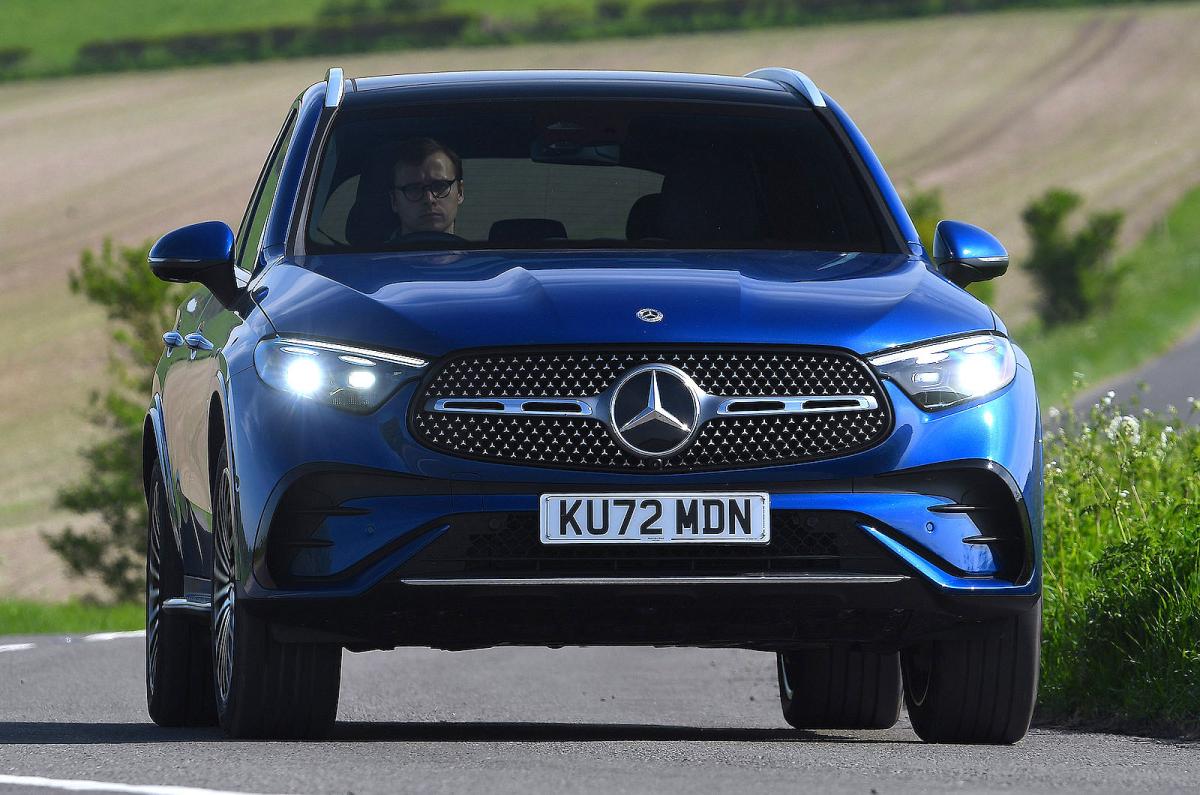
1: Mercedes GLC 300e 4Matic

Mercedes GLC front driving

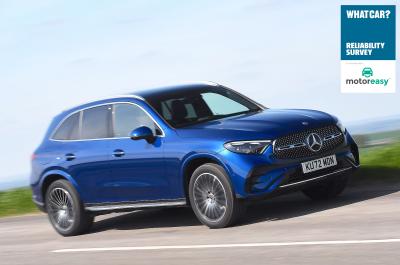
If you're looking for the hybrid SUV with the longest pure-electric range, then the Mercedes GLC 300e should be right at the top of your shortlist. That's because it can travel up to 80 miles without using a drop of fuel. And that's not only further than key rivals like the Range Rover Sport can manage, but could feasibly be enough to cover your weekday commute without using a drop of fuel – providing you can plug it in to keep its battery topped up, of course.

That long electric-only range also makes the GLC efficient to run as a company car, thanks to low C02 emissions which lead to a low benefit-in-kind tax rating.

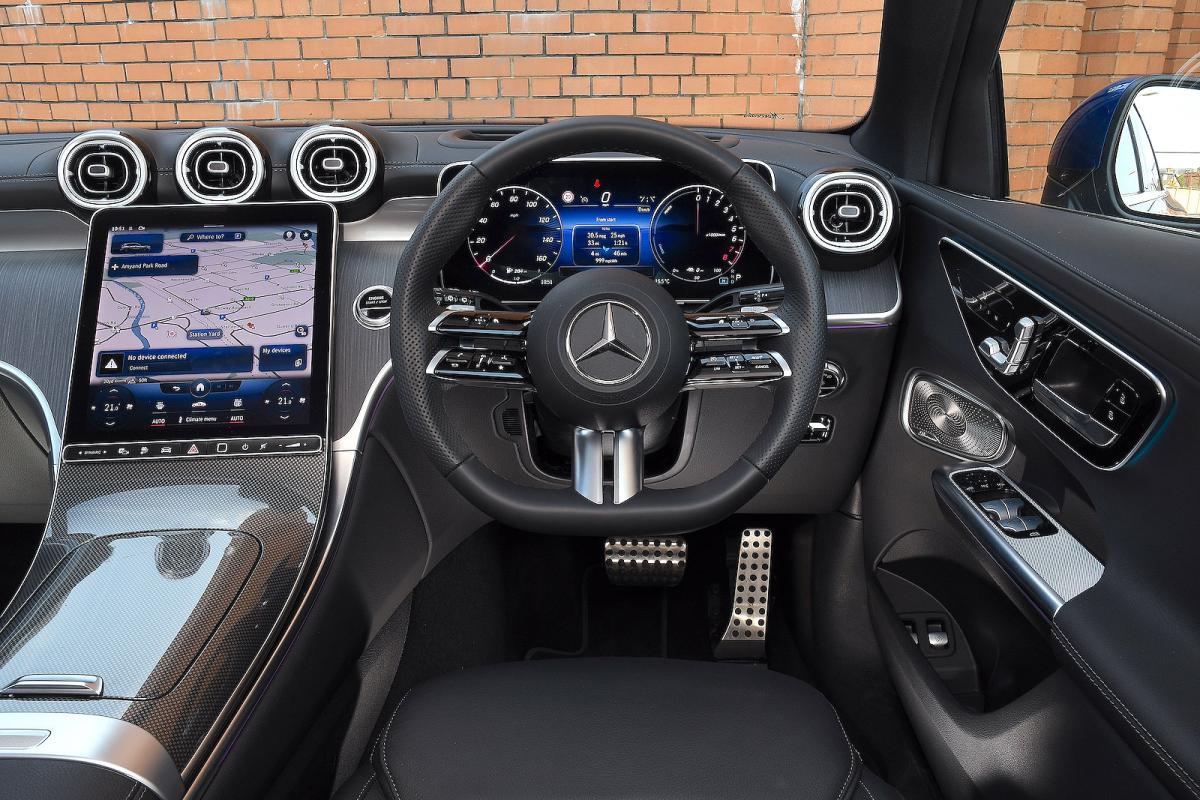
It's not just about the statistics, though, because the GLC impresses in its own right as a premium family SUV. It's comfortable to drive, for example, and practical enough to suit the needs of your family. Plus, its interior has the kind of wow factor that few rivals can match.

“It was easy for me to get comfortable inside the GLC, because it seat is set nice and high. This also helps visibility, because I get a good view when I'm trying to see at junctions.” – Will Nightingale, reviews editor

1: Mercedes GLC 300e 4Matic

Mercedes GLC interior dashboard

Strengths

  • Well equipped
  • Plug-in hybrid has impressive electric range
  • Spacious interior

Weaknesses

  • Slightly firmer ride than rivals
  • Stylish interior doesn't feel the most sturdy
  • Petrol engines need working hard
advertisment

News and advice

Feature

New Kia Stonic vs Seat Arona

Best of

Best-selling cars 2026: EV sales reach new heights in June

News

New Bentley Torcal: name confirmed for brand's first all-electric car

Feature

Most reliable Mercedes models - and the unreliable ones to avoid

Feature

Best medium vans 2026 – tried and tested

Best of

Best used car deals of the week