
Toyota Hilux EV review
The Hilux EV is fast and refined, though its ability as an electric work truck is limited












New car deals
Cars with four wheel drive
Electric
Jump to:
Introduction
Performance & drive
Interior
Passenger & boot space
Buying & owning

Dan Jones
Updated: 5 November 2026
How we test cars
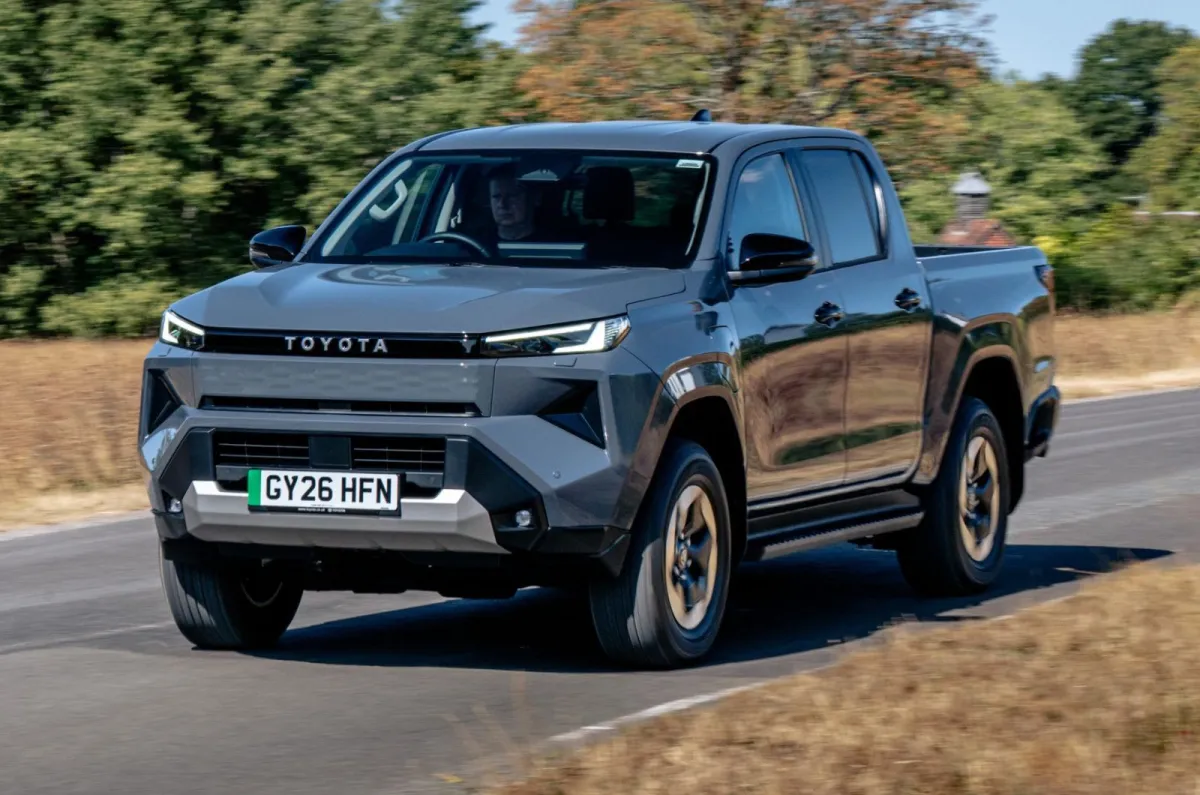
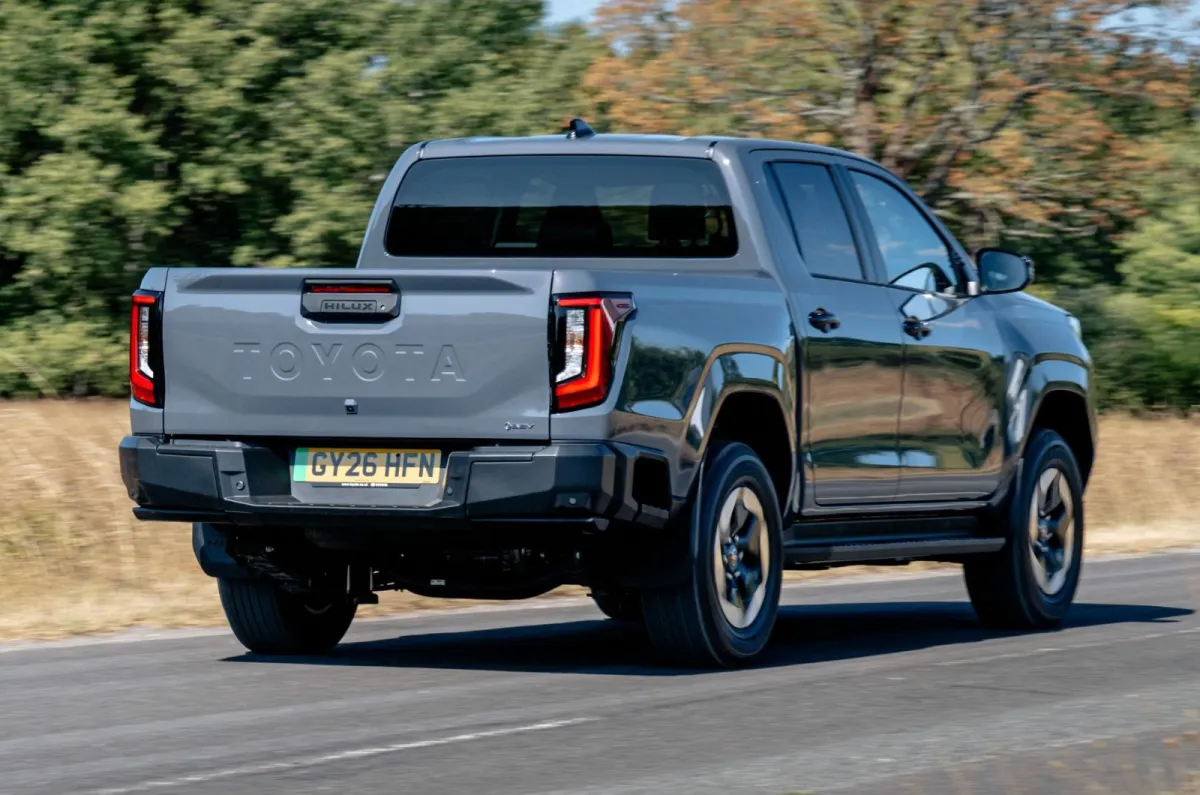
There is no shortage of electric options in almost every car category these days – barring pick-ups. It remains a niche market that has struggled to get off the ground, but if there was one car that might tap into the obvious potential that’s there, you’d put money on it being the Toyota Hilux EV.
It’s a popular model, the Hilux, proven by the fact that Toyota has sold over 27 million examples since the lineage spawned in 1968. When you also consider that the brand has been one of the leaders in the transition to electrification, it seems the Hilux EV has everything it needs to be a success.
New car deals
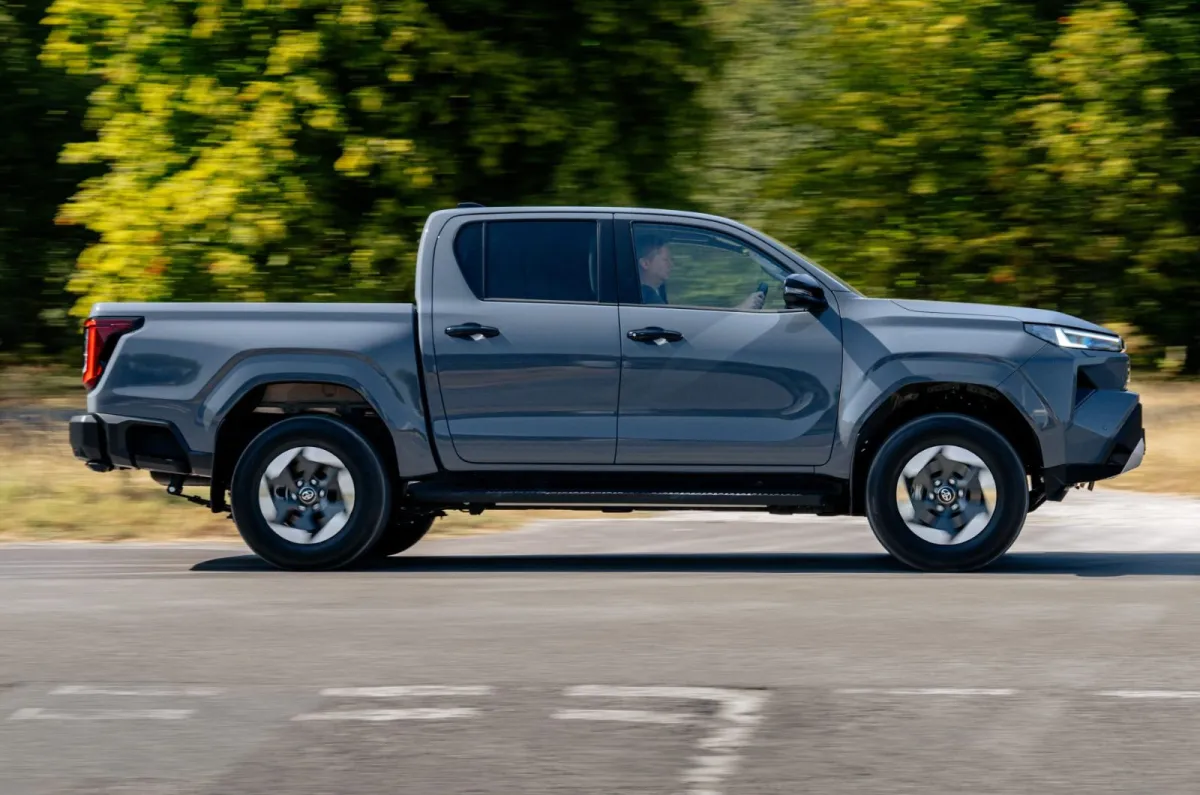
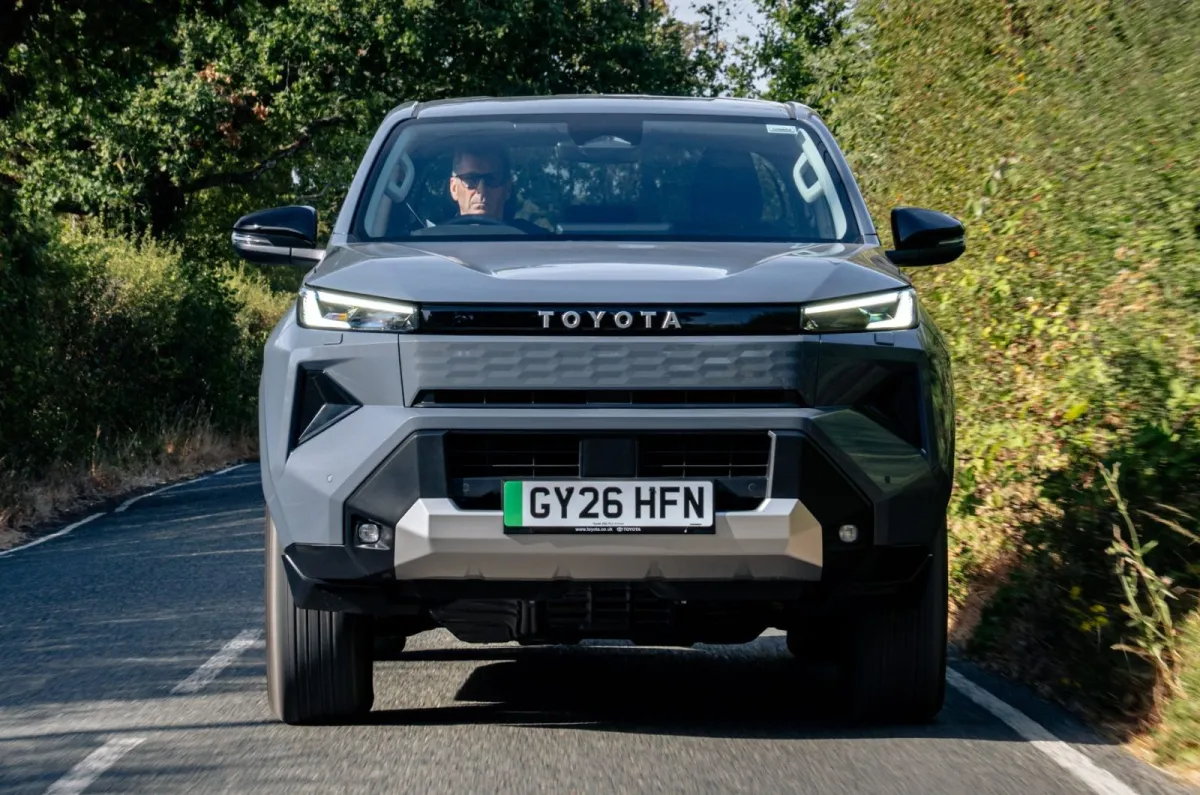
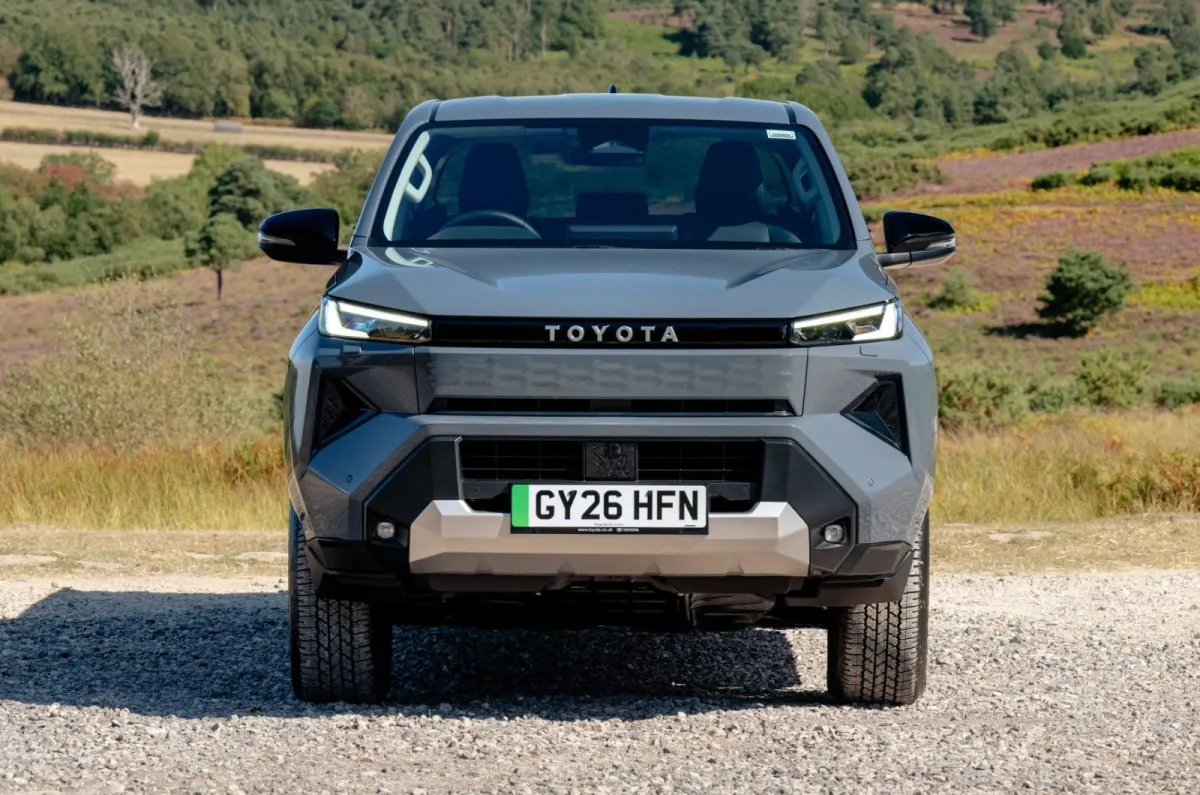
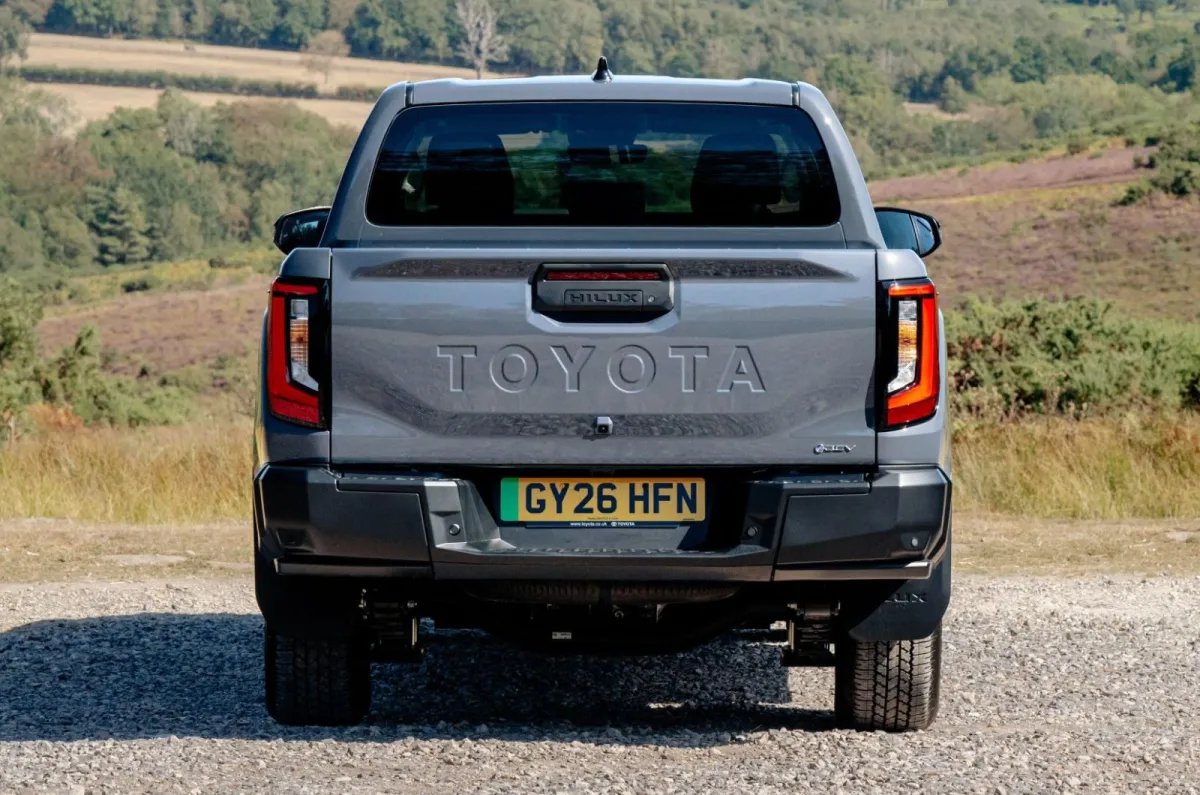
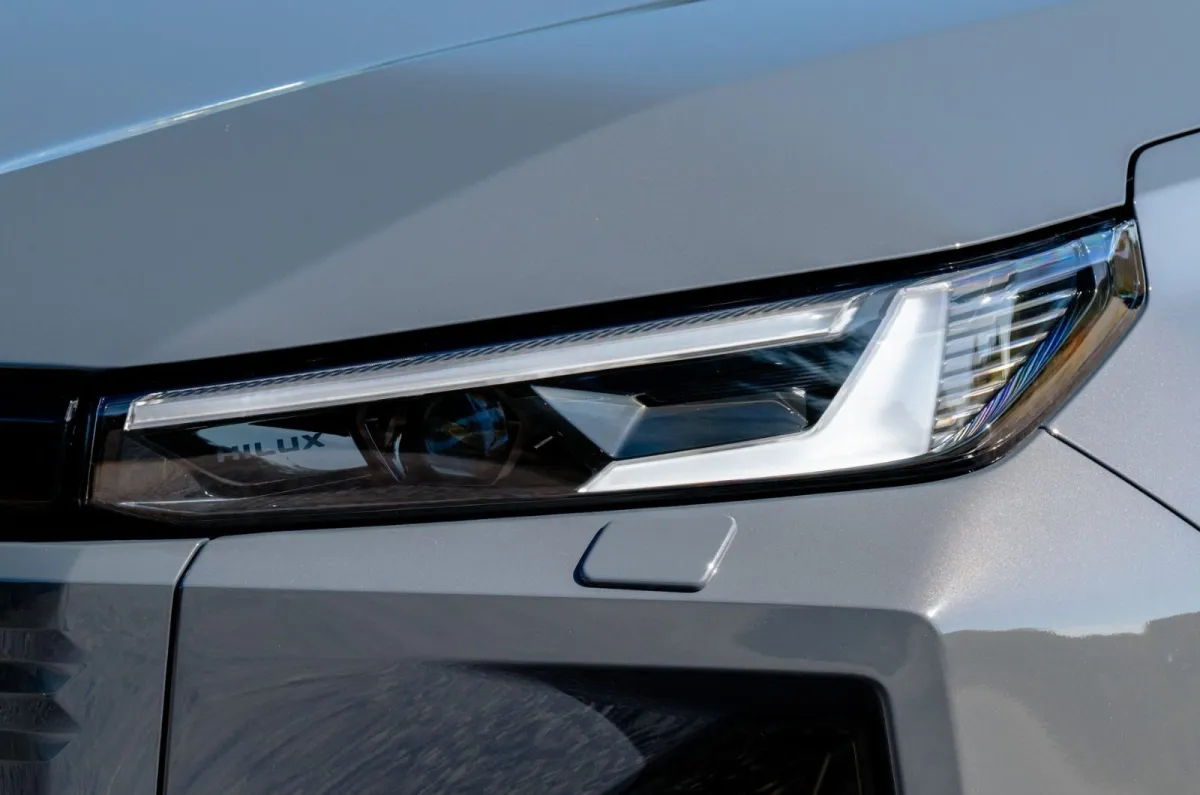
This new electric pick-up joins the Hilux range alongside the launch of the ninth generation; an update that brings with it a much-needed interior and exterior revamp, plus various technical upgrades. Has Toyota hit the ground running with its first electric pick-up truck, though, and can it beat fierce competition from the KGM Musso EV and Isuzu D-Max EV?
advertisement
scroll for more
Read more: Best pick-up trucks 2026
Verdict
The Hilux EV is quicker off the line and more refined to drive than many combustion-powered pick-ups, and its interior is a step above most of its fully-electric rivals, like the Isuzu D-Max. It does fall flat in important areas, however, including its maximum towing and load capacities – both key areas for a pick-up. Then there’s its electric range, which is competitive with its rivals, but ultimately suffers the same fate in that it’s more suitable as a runaround than for repeated days of hard labour on a single charge.
What's new?
- November 2026: we get behind the wheel of the new Toyota Hilux EV for the first time
- June 2026: order books open in the UK, priced from around £58k
- November 2025: the first-ever all-electric Toyota Hilux is announced with a 59.2 kWh battery and 149-mile range
Pros
- More refined than combustion-powered pick-ups
- Larger load bay than most rivals
- Charges faster than other electric pick-ups
Cons
- Short EV range
- Lower payload than many rivals
- Disappointing max tow weight
What's new?
- November 2026: we get behind the wheel of the new Toyota Hilux EV for the first time
- June 2026: order books open in the UK, priced from around £58k
- November 2025: the first-ever all-electric Toyota Hilux is announced with a 59.2 kWh battery and 149-mile range
New car deals
Performance & drive
What it's like to drive, and how quiet it is
Strengths
- Spritely performance off the line
- Decent motorway cruising characteristics
- Charges faster than rivals
Weaknesses
- Short EV range
- Lower towing capacity than rivals
How fast is it and which motor is best?
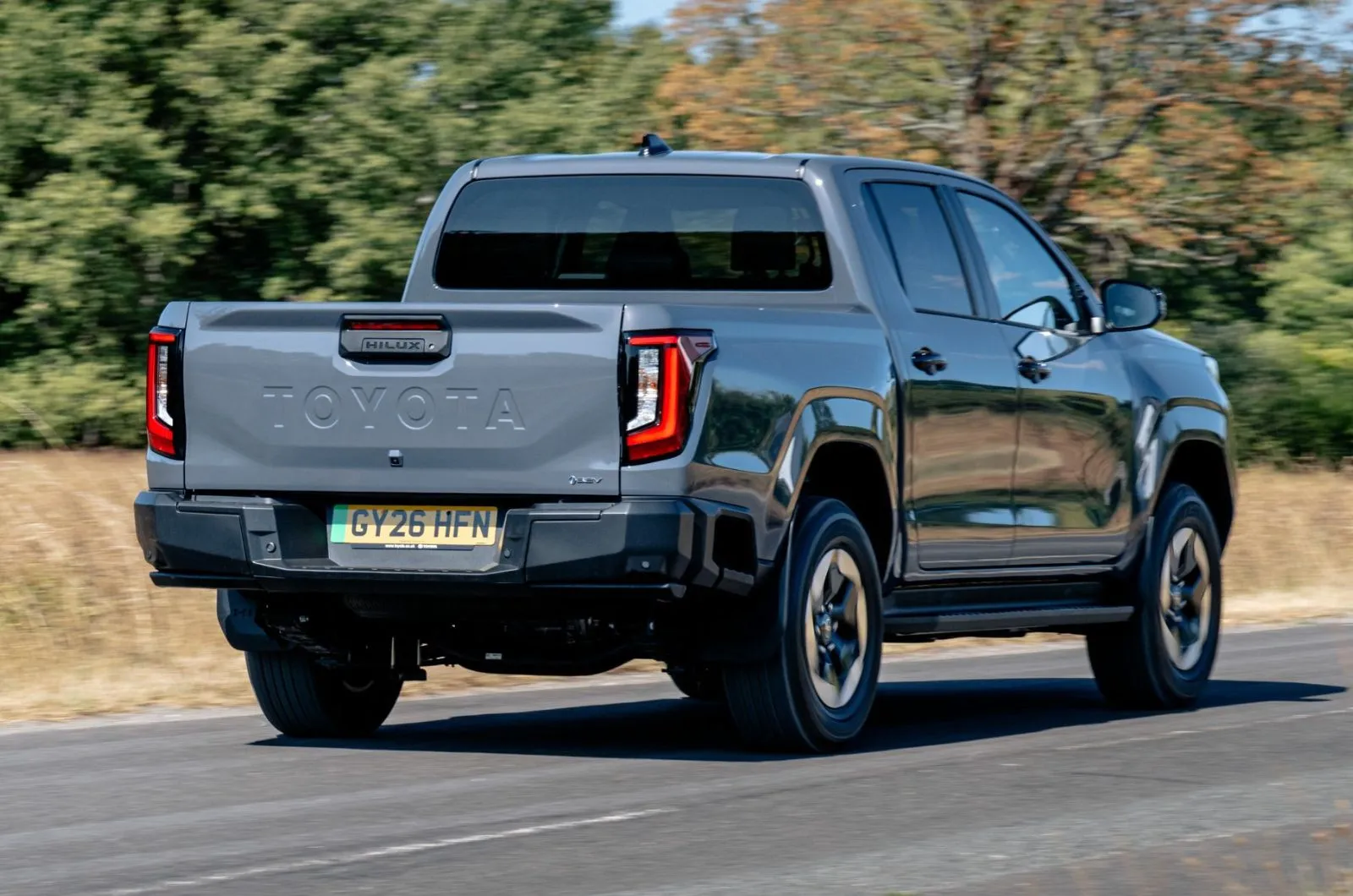
Every Toyota Hilux EV comes with two electric motors; one powering the front wheels and one powering the rear. In total, that gives you 193bhp (with most of the grunt going to the back) and an official 0-62mph sprint of 9.0sec.
advertisement
scroll for more
Model
0-62mph
Max speed
Toyota Hilux EV
9.0sec
87mph
Isuzu D-Max EV
10.1sec
80mph
KGM Musso EV
8.0sec
110mph
That’s about a second slower than the KGM Musso EV but faster than the Isuzu D-Max EV. Since the power delivery is instant, the Hilux EV is even quicker than conventional diesel pick-up trucks such as the D-Max 2.2D and Hilux diesel, both of which take 12sec to cover the same sprint.
With a maximum towing capacity of 1600kg, the Hilux EV pulls less than the Musso EV (2,300kg) and is some way off the D-Max EV’s 3500kg capacity (which, remarkably, matches the diesel Hilux).
Is it agile and is the ride comfortable?
There’s no getting away from the fact that pick-up trucks are heavy, so throwing an electric battery into the mix doesn’t help matters. To counteract that extra weight, the Hilux has a firm suspension setup that isn’t particularly comfortable at slow speeds.
Much like in the D-Max EV, you feel almost every lump and bump as you drive around town, making it feel unsettled. Fortunately, the ride becomes more composed as speeds increase, so it is a relatively comfortable motorway cruiser.
advertisement
scroll for more
The benefit of the firm suspension is that the Hilux EV is surprisingly controlled over undulations, so there’s less body lean through faster corners than combustion rivals, including the D-Max.
Better still, where many pick-ups have vague steering, the new electric power steering in the Hilux EV gives you a better idea of what’s going on with the front wheels. Sure, you still turn the steering wheel far more from lock-to-lock than in an SUV (making it better for off-road driving), but it’s good compared to most pick-ups.
Unfortunately, while the Hilux EV does have some admirable qualities here, the handling overall isn’t great.
Is it quiet and how easy is it to drive smoothly?
Since there’s no engine buzzing away in the background, the Hilux EV is, naturally, more refined than combustion-powered pick-up trucks. We actually think it’s a rather nice departure from the norm.
There isn’t much wind or road noise around town, but there is suspension noise as you negotiate broken roads and imperfections. As speeds increase, wind noise remains fairly well-contained, but road noise increases, largely due to the tyres.
advertisement
scroll for more
Unlike most electric cars, you don’t have multiple modes of regenerative braking with the Hilux EV. Instead, you can choose between one-pedal driving or a blended braking mode, which acts like an automatic regen setting.
With the latter, the amount of regenerative braking will depend on what’s coming ahead of you. If there’s traffic, the Hilux EV will brake as you approach the other cars; if there isn’t, it will coast. The system takes some getting used to, and the severity with which it brakes can feel intrusive at times.
What’s the range and efficiency like, and how quickly can it charge?
Given how heavy the Hilux EV is, its 59.2kWh (usable capacity) battery only delivers an official range of 160 miles – and that’s before you start loading heavy equipment onto its bed. That’s well below the Musso EV, and means the Hilux is suited to short, local journeys as opposed to consecutive days of hard off-road labour.
Model
Battery size (usable)
Official (WLTP) range
Toyota Hilux EV
59.2kWh
Up to 160 miles
Isuzu D-Max EV
64.0kWh
Up to 163 miles
KGM Musso EV
80.6kWh
Up to 236 miles
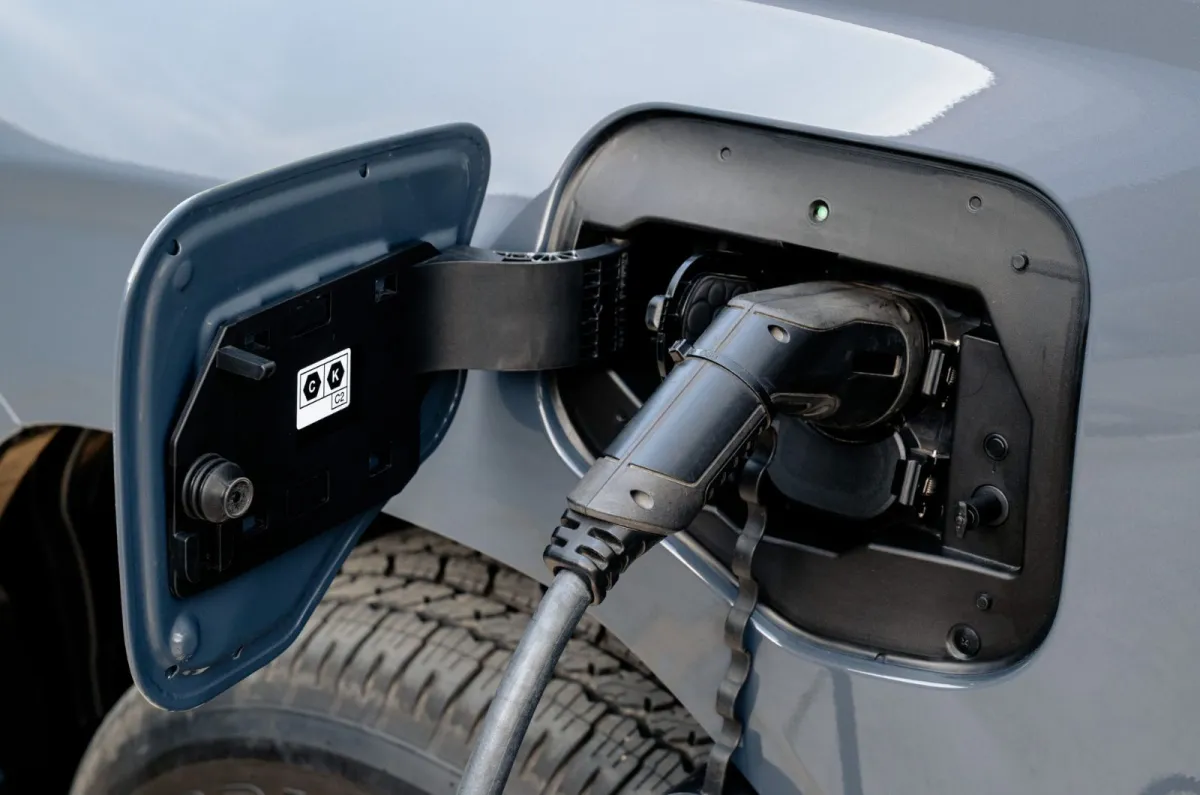
Petrol- and diesel-powered pick-ups will go considerably further between fuel stops, and they’ll be quicker to refuel, considering the Hilux EV’s maximum charge rate of 125kW means a 10-80% top-up will take 30min at a public charger. Plug in at a 7kW home charger, meanwhile, and the Hilux EV will get from 0-100% in around 6hr 30min.
advertisement
scroll for more
Model
Peak charging rate
Min 10-80% charge time
Toyota Hilux
125kW
30min
Isuzu D-Max EV
50kW
60 min
KGM Musso EV
120kW
40 min
All the latest deals, offers and much more from the What Car? team. Don't miss out.
See our full privacy notice for more details.
CAPTCHA
This question is for testing whether or not you are a human visitor and to prevent automated spam submissions.
I find it hard to find a use case for the Hilux EV because of its short range (even without a full load). At least it charges faster than its rivals, making long drives a little easier.
Dan Jones, Senior Reviewer
Tips & Advice
Charging an EV at home
You can charge your EV from a three-pin socket, but a home EV charger is faster and more convenient. Here are the best
Do I need to use public EV chargers?
Charging at home is almost always cheaper, but if you need a quick top-up, we have revealed the best charging networks
Interior
The interior layout, fit and finish
Strengths
- Robust interior with good material quality
- Chunky physical buttons for most features
- Comfortable driving position
Weaknesses
- Infotainment system isn’t intuitive
- No adjustable lumbar support on entry level
What does the interior look like and is it well made?
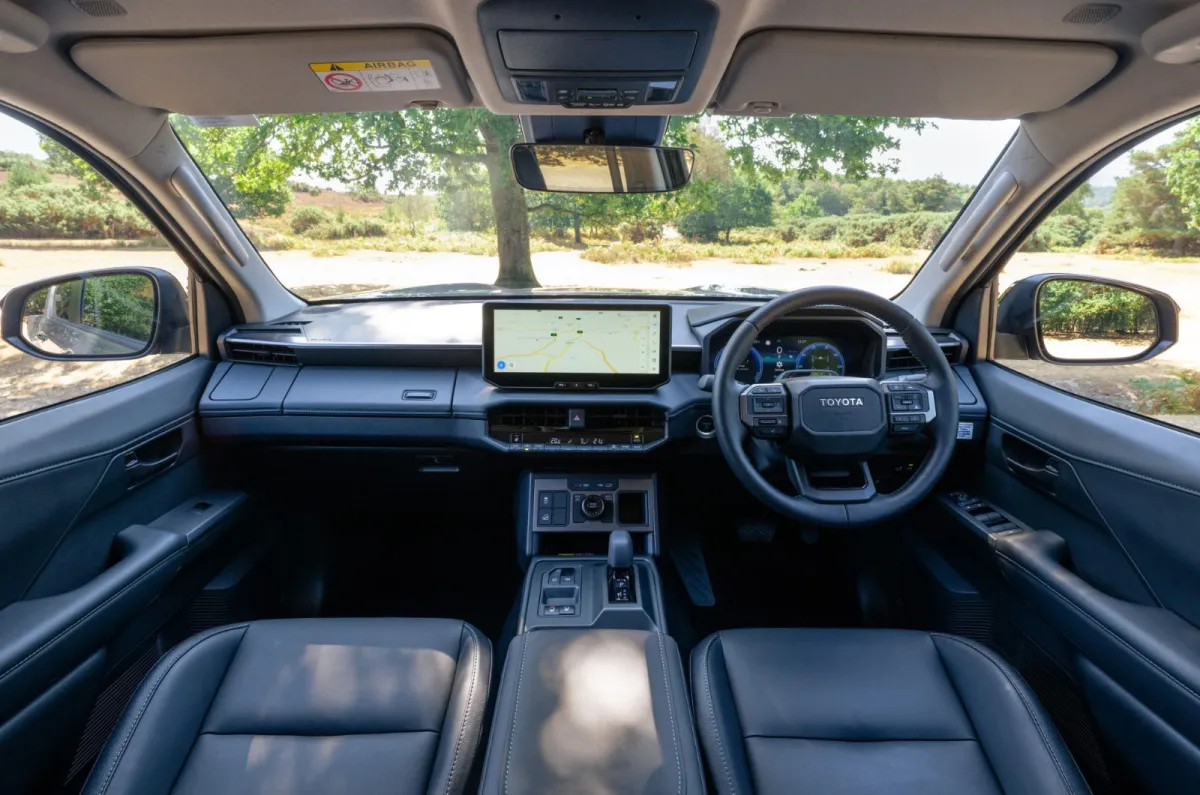
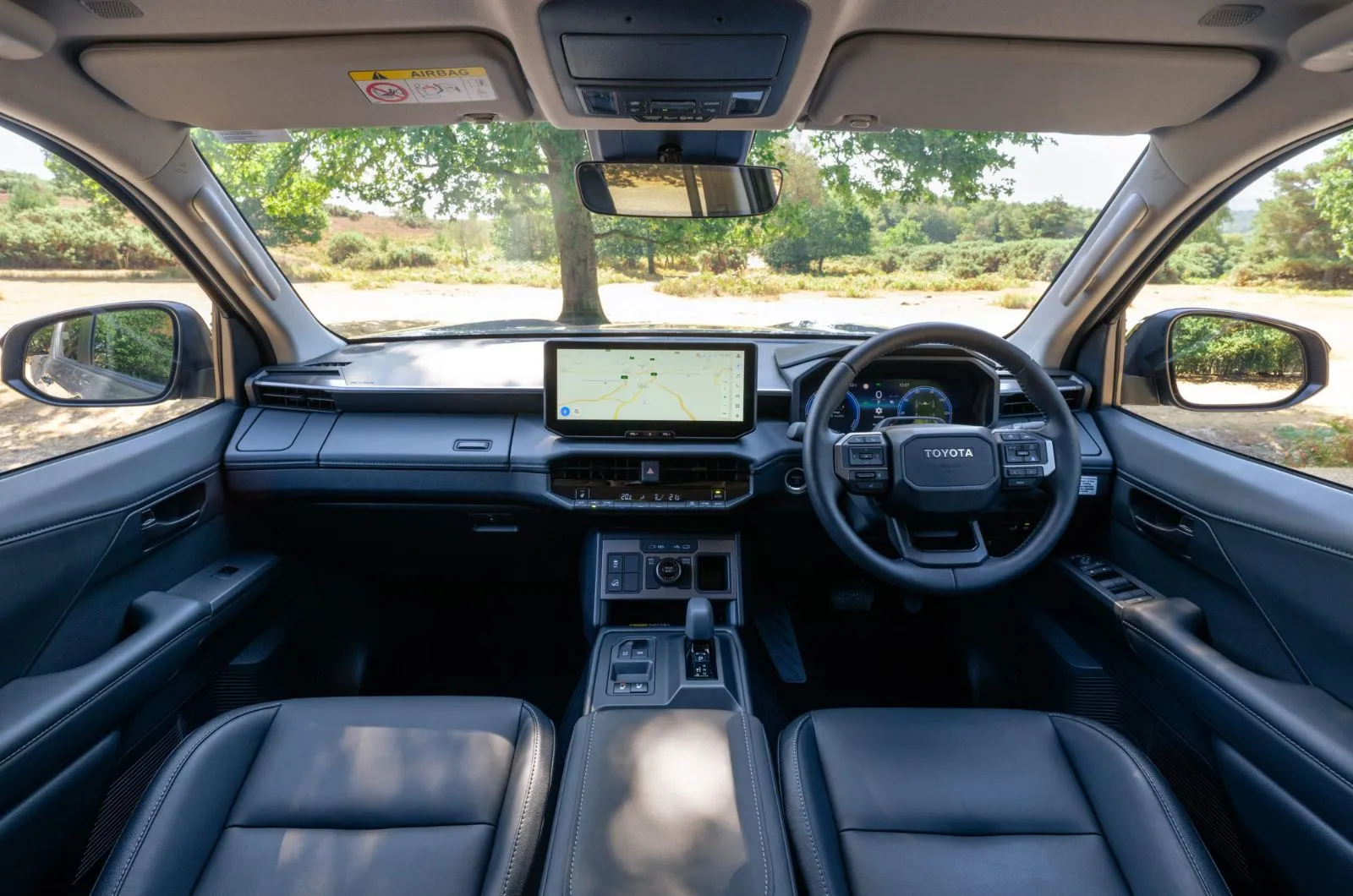
The old 2016-2025 Toyota Hilux’s interior barely changed from previous versions, so it has looked dated for a while now. However, the present ninth-generation received a total revamp in this area, with the Hilux now sharing most of its layout with the Toyota Land Cruiser.
advertisement
scroll for more
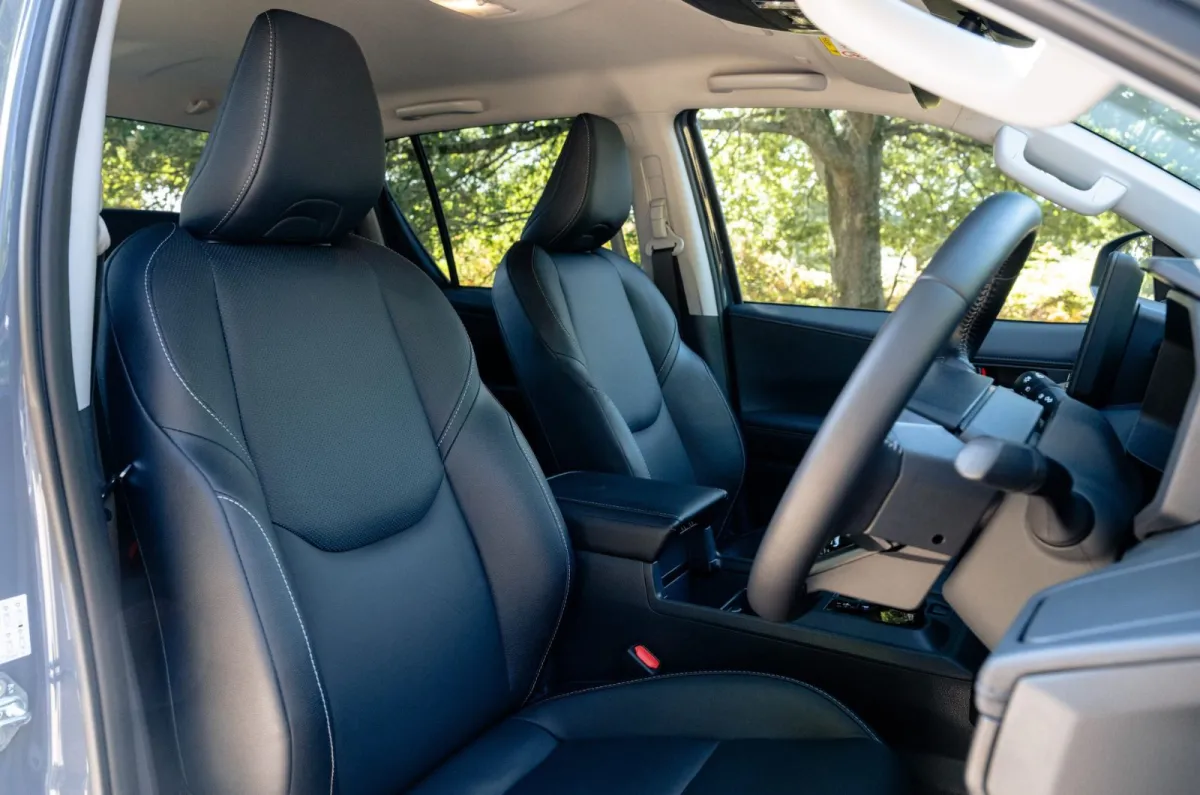
Most of the Hilux EV’s surfaces are built from hard, scratchy materials, which in this case actually serves to make the vehicle look and feel sturdier. After all, if you’re jumping in and out in dirty work boots, having easy-to-clean plastic surfaces isn’t a bad thing.
That’s not to say that you won’t find soft-touch materials in some areas, such as the door and the central armrest – places that you’ll often need to rest your arms comfortably. Those softer details allow the Hilux EV to tread the line between workhorse and everyday truck far better than the Isuzu D-Max EV, which is less plush overall.
The sturdy interior feel extends through to the build quality, so everything seems rugged and extremely well put together. This is exactly what you’d want in a pick-up.
Is the driving position comfortable and is it easy to see out?
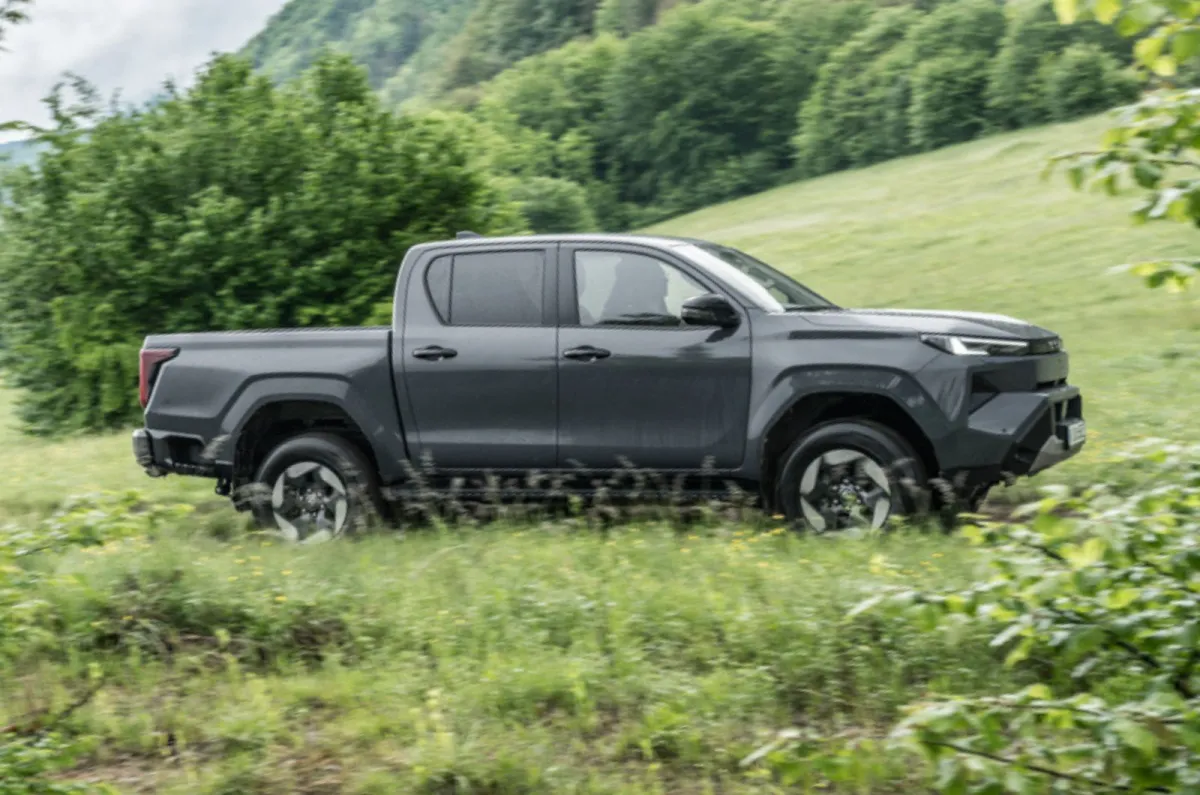
Those after a high driving position will be in their element in the Hilux. It puts you so high above the road that you have to climb into the driver’s seat using the step beneath the door.
advertisement
scroll for more
Once you’re in, it’s easy to get comfortable behind the wheel, with every version getting plenty of steering wheel and driver’s seat adjustment. The entry-level Icon trim gives you manual adjustment, while the Invincible trim adds electric seats and adjustable lumbar support.
The view out of both versions really is commanding, with great visibility out of the front and at junctions thanks to thin windscreen pillars.
Large rear windows give you a decent view of your blind spot, which is helped by the standard-fit blind spot monitoring system. There’s also a large rear window, giving you a good idea what’s behind you, though the view is quite limited here.
Combine that with the Hilux’s massive dimensions, and you’ll be glad that every version comes with front and rear parking sensors and a rear-view camera. The camera even includes guiding lines if you want to attach a trailer.
Are the dashboard and infotainment system easy to use?
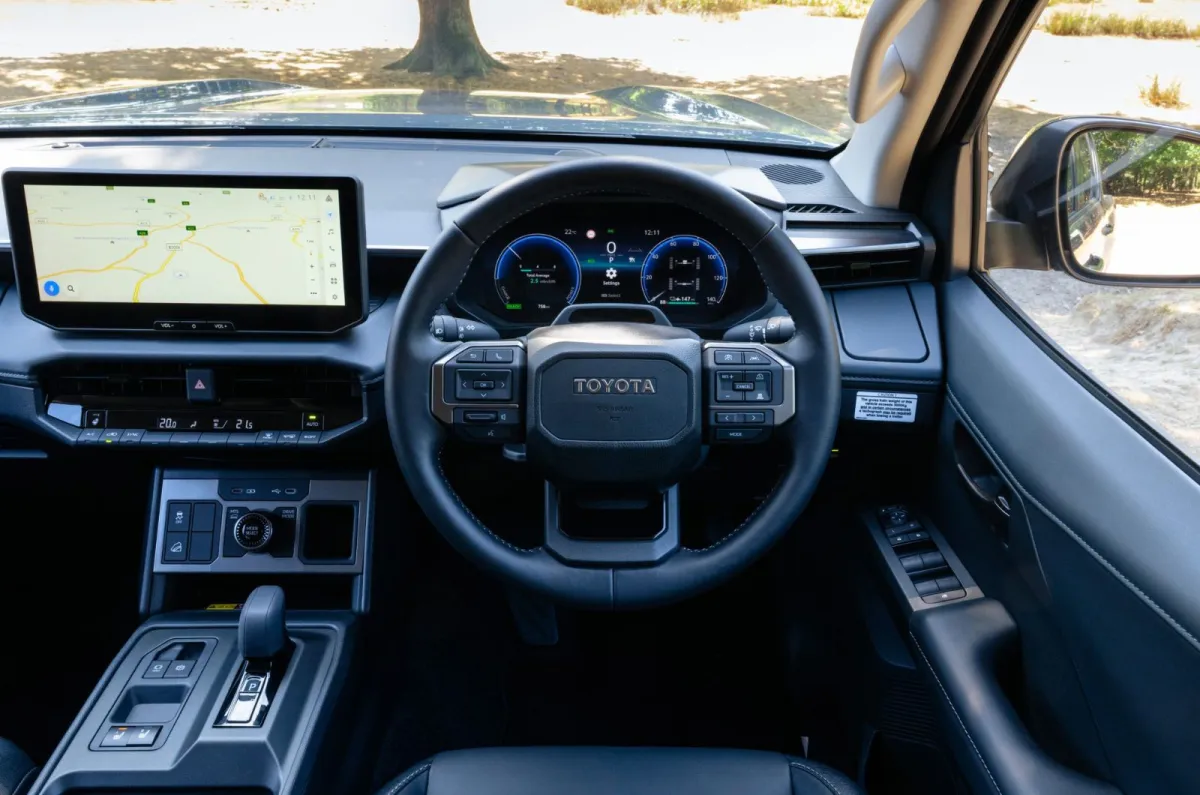
One of the great things about the Hilux EV’s interior is the fact that you have physical controls for most of the functions that you’ll use often on the move, including the air conditioning.
advertisement
scroll for more
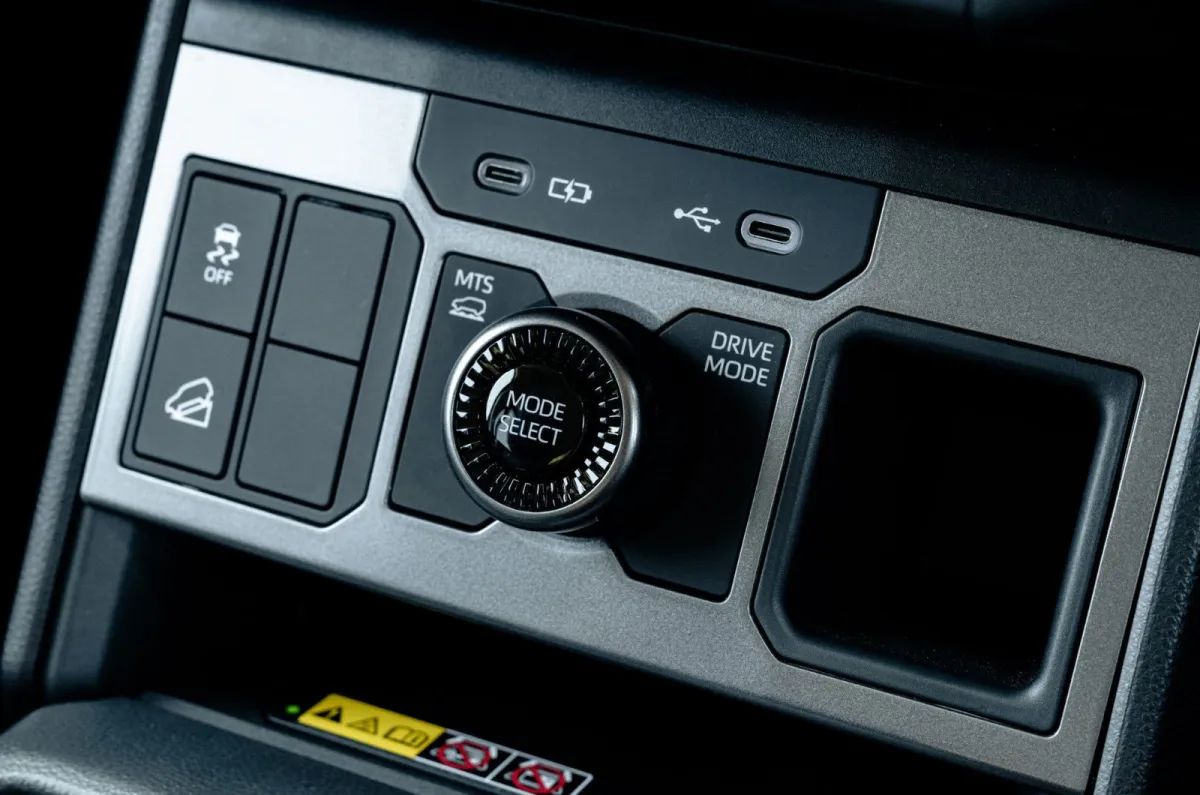
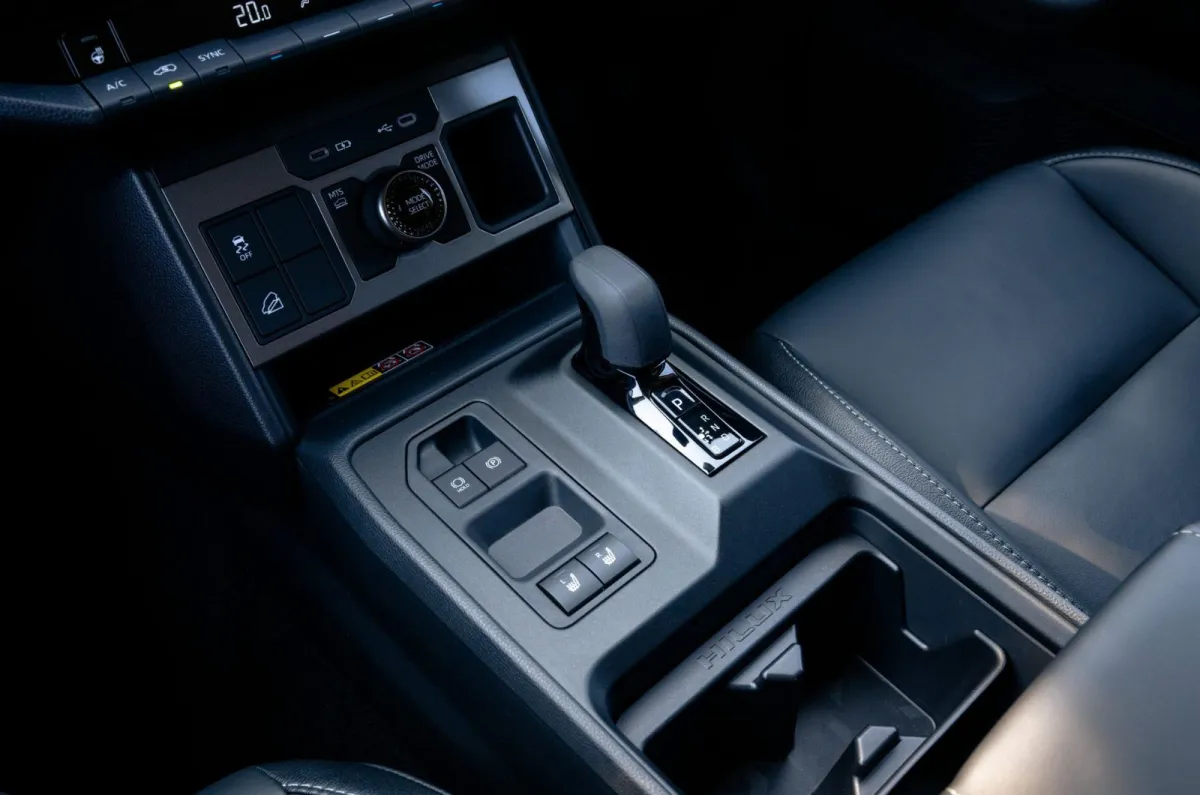
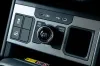
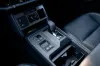
There are chunky buttons on the steering wheel that cover audio and cruise control, and down by the gear selector, there are the buttons and dials to control the 4x4 settings, Multi-Terrain Select system, and drive modes.
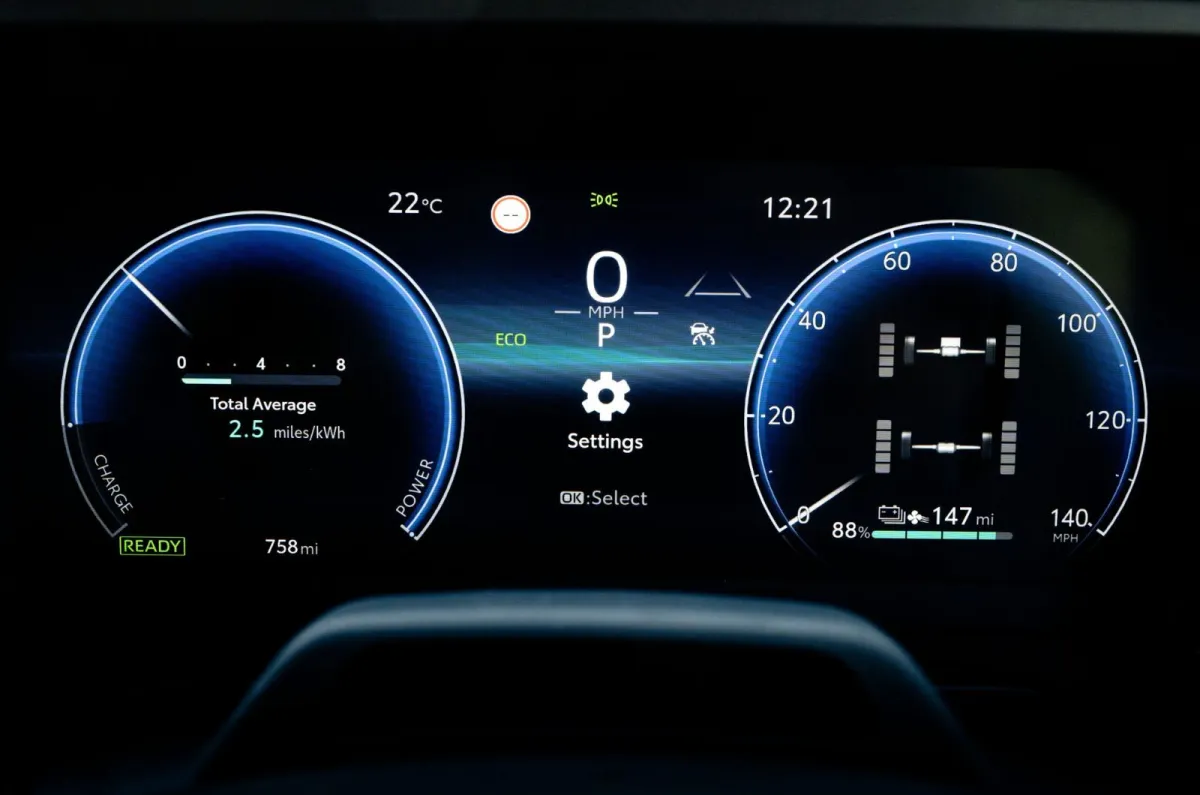
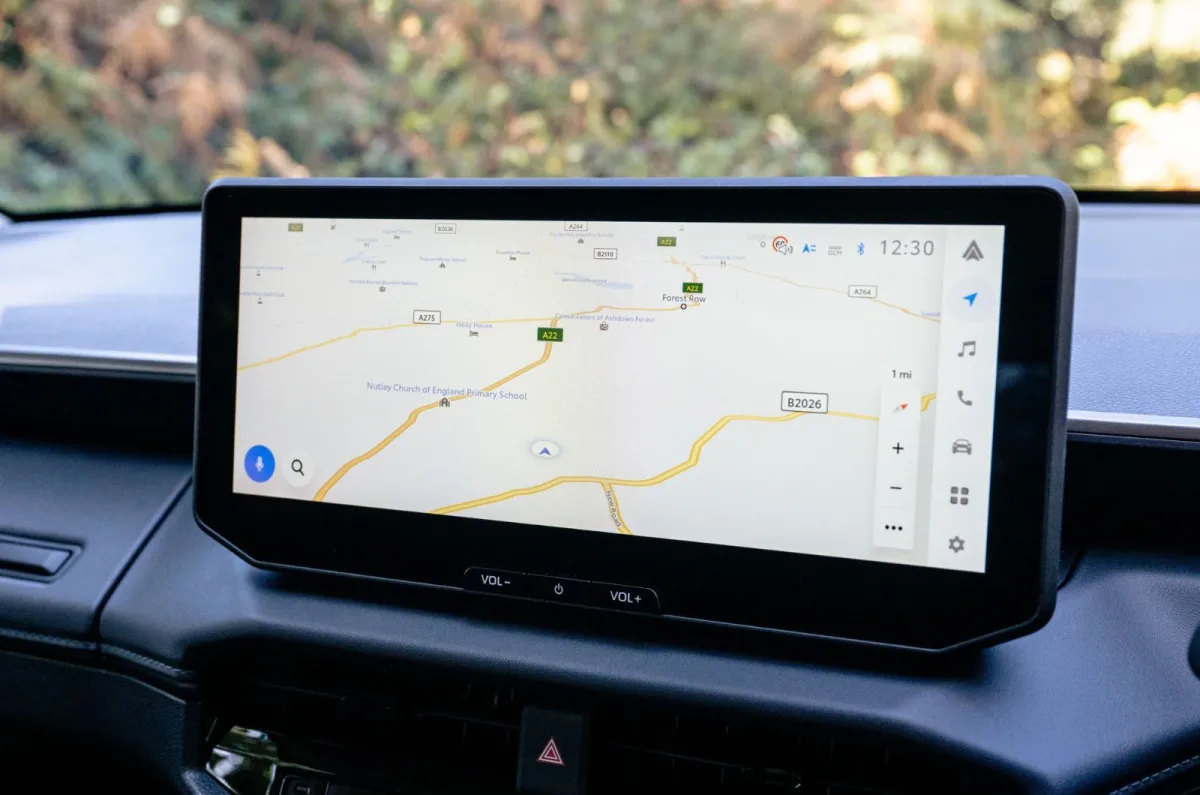
The Hilux is less straightforward in other areas, unfortunately, because you rely heavily on the 12.3in digital instrument display or the 12.3in touchscreen infotainment system. The graphics on both are clear but look dated, and the Toyota software that they use is less than intuitive.
Both screens have various menus to scroll through, and, rather confusingly, features seem to be hidden in the wrong places between them. For example, you’d expect all of the driving assists to be within the touchscreen’s vehicle menu, but they’re actually within the driver display, and use acronyms that you’ve likely never heard of (we certainly hadn’t).
At least you get Android Auto/Apple CarPlay as standard to bring a little more familiarity to the infotainment system.
advertisement
scroll for more
I like that the Hilux EV has so many small storage spaces, and found the covered cubby above the glovebox was handy for quickly grabbing items.
Dan Jones, Senior Reviewer
Tips & Advice
Which smartphone integration should I have?
Apple CarPlay and Android Auto are fantastic – and free – technologies. Here we show you the benefits, drawbacks and best apps
Passenger & boot space
How it copes with people and clutter
Strengths
- Lots of front space
- Handy side-step for easy load bed access
Weaknesses
- Lower max payload than D-Max EV
- No Extended Cab version
How much space does it have for people?
A pair of broad six-footers will have loads of room up front in the Hilux EV, with its tall and wide cab providing excellent head, leg and shoulder room.
advertisement
scroll for more
There are plenty of handy storage cubbies in the front, too. Those include large door bins, a slot for your phone on the centre console, a cubby inside the armrest, a glovebox, a compartment above the glovebox, and cupholders at either end of the dashboard (each with its own lid).
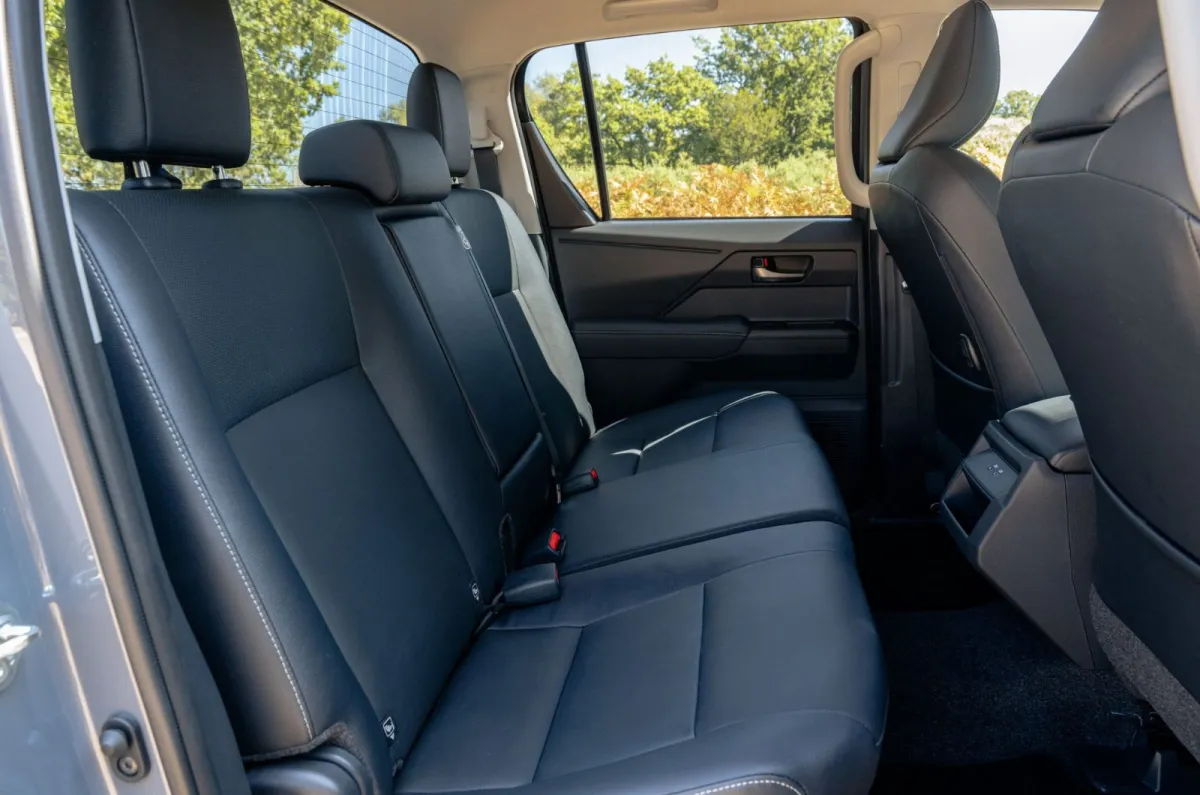
In the rear, six-foot passengers will have more than enough legroom, but they’ll find headroom to be tight. You’ll be able to squeeze three adults across the rear, but it’s far better suited to a pair of adults.
How much room does it have for luggage?
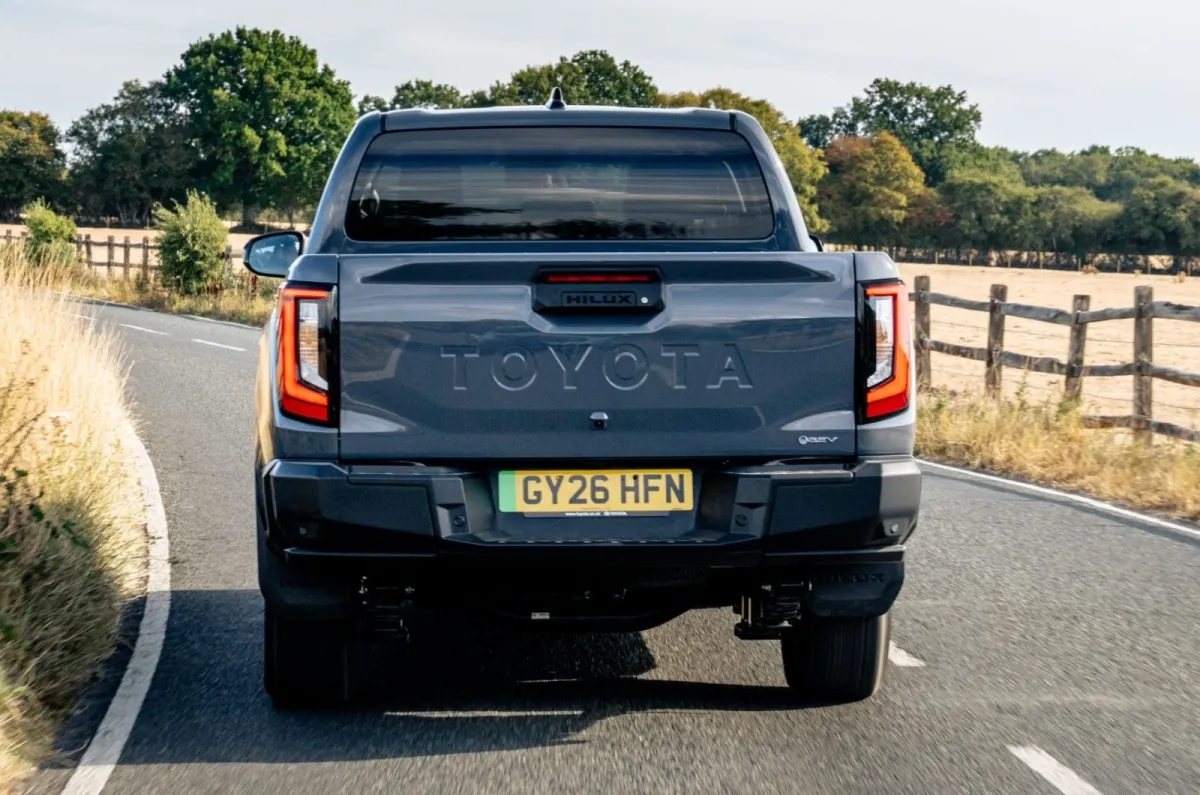
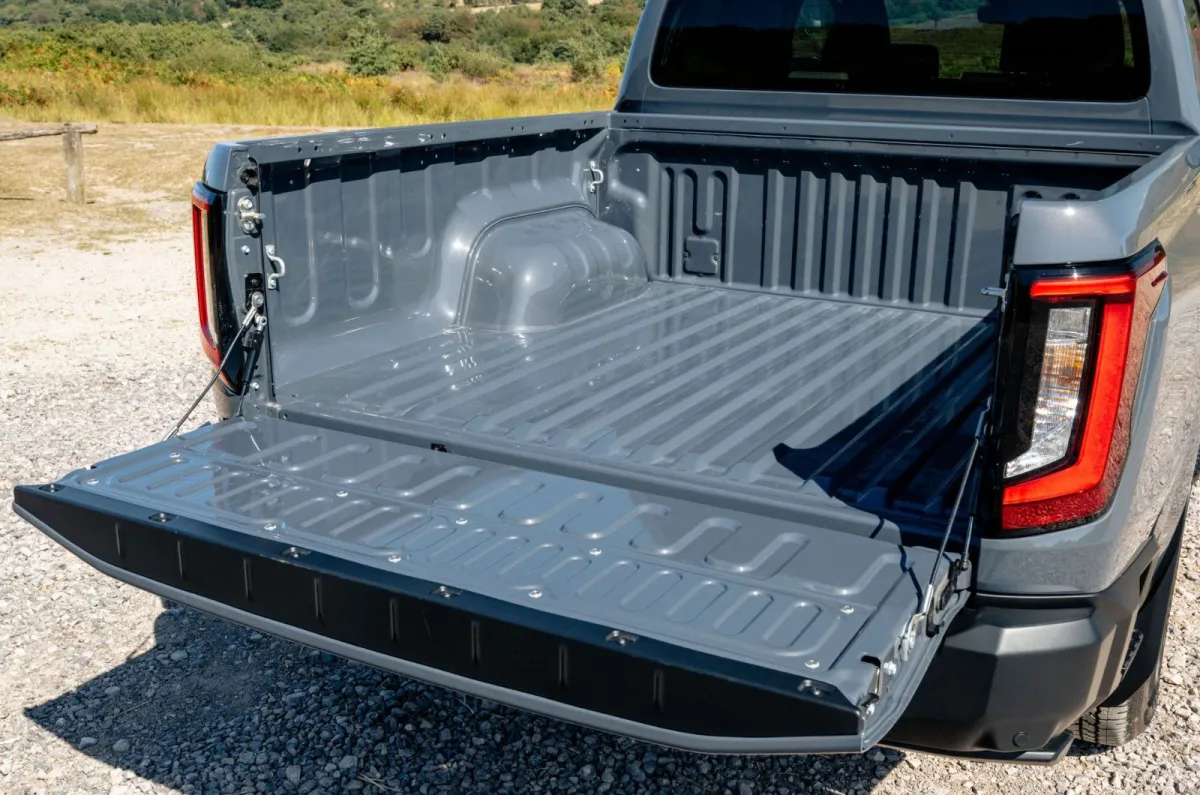
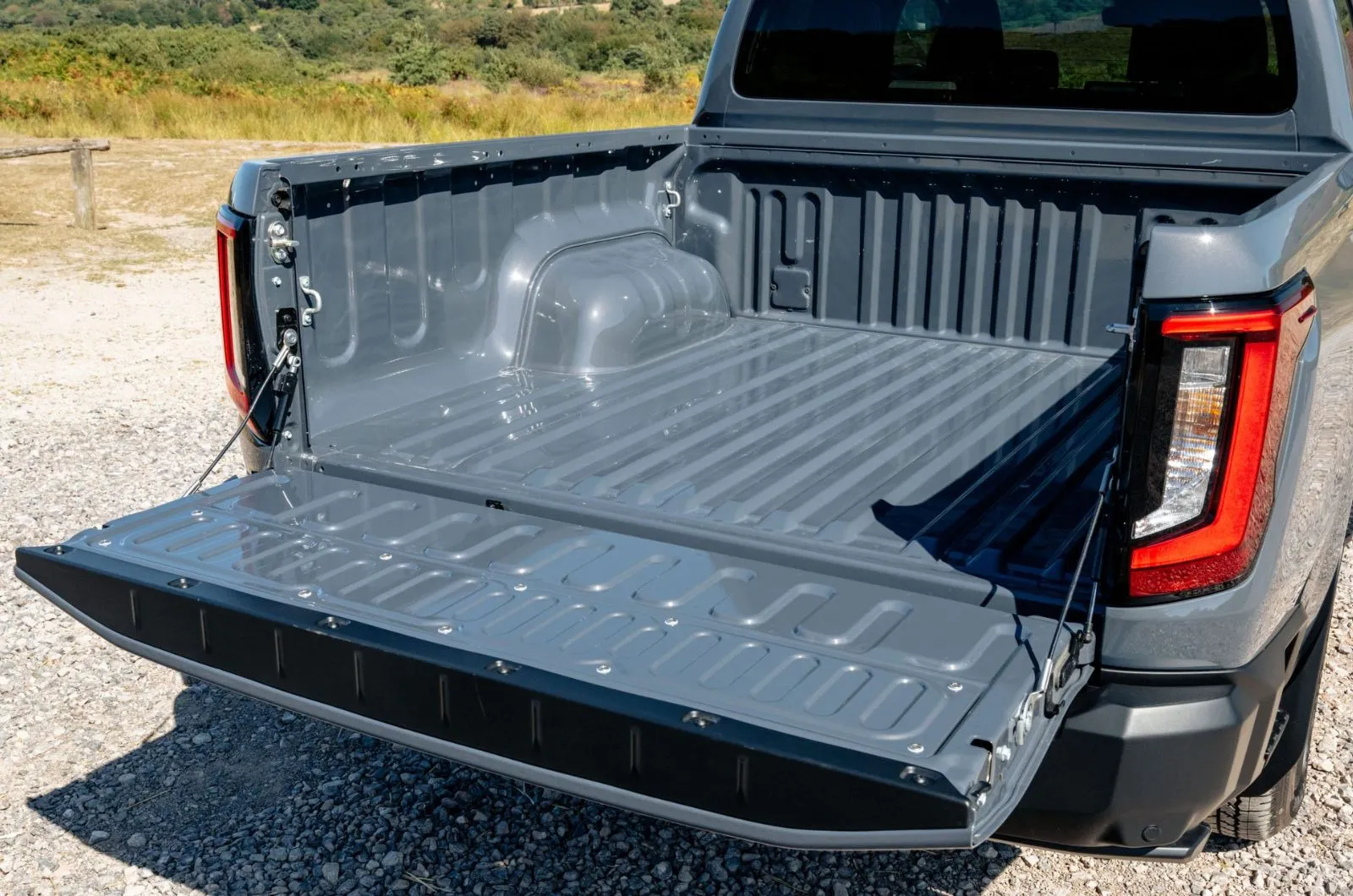
The Hilux EV’s loading deck measures 1555mm long by 1540mm wide, so you’ll be able to fit a standard-sized pallet in. It’s a little bigger than the Isuzu D-Max EV Double-cab’s loading area (1495mm x 1530mm) but shorter than the Extended Cab version of that pick-up (1805mm x 1530mm).
Model
Load bed length (mm)
Load bed width (mm)
Load bed height (mm)
Toyota Hilux EV
1,555
1,540
480
Isuzu D-Max EV (Extended cab)
1,805
1,530
490
Isuzu D-Max EV (Double cab)
1,495
1,530
490
KGM Musso EV
1,345
1,515
510
It also can’t carry as much as that rival, with a peak payload weight of just 715kg. For reference, the KGM Musso EV can manage up to 690kg, but the D-Max is rated up to a whopping 1015kg, which isn’t that far off its combustion variant (1205kg)
advertisement
scroll for more
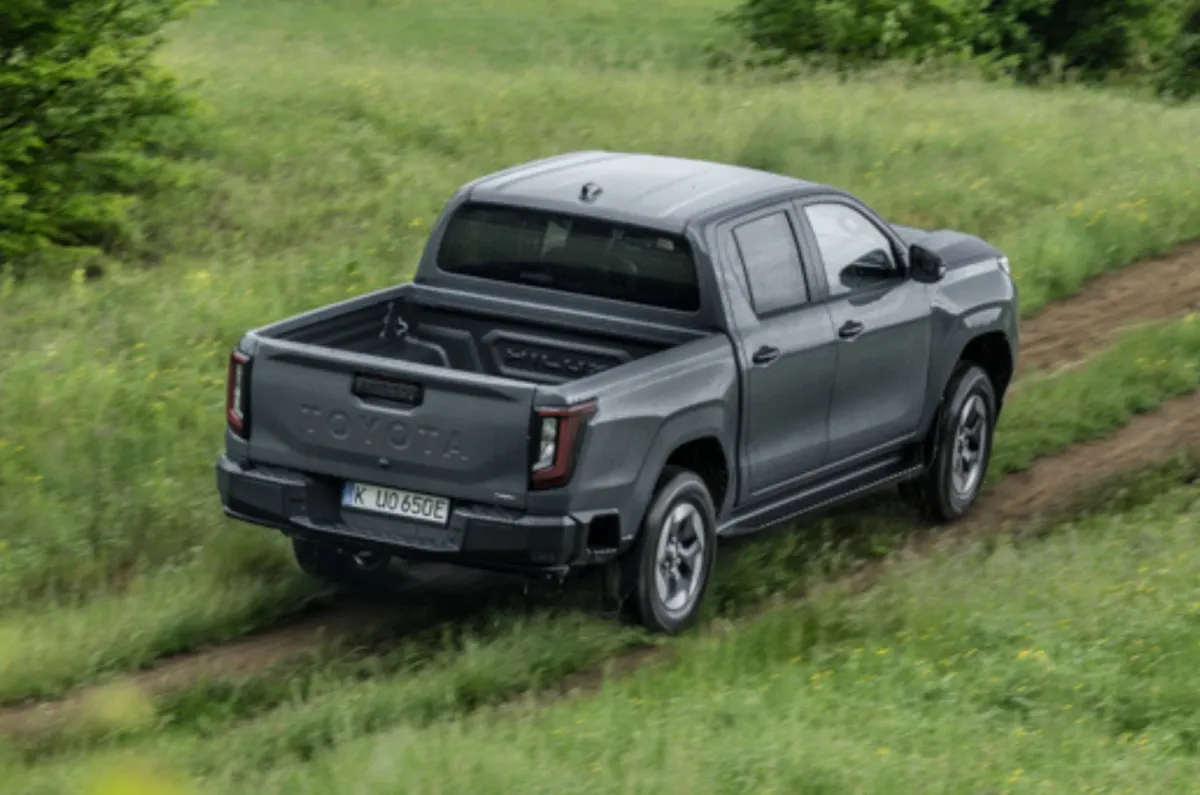
In the Hilux EV, access to the load bed is quite convenient thanks to a handy step on either side, allowing you to climb up and over the bay more easily.
My test car had an optional load bed cover equipped, and I found that really useful for keeping luggage safely locked away. I’d recommend it.
Dan Jones, Senior Reviewer
Buying & owning
Everyday costs, plus how reliable and safe it is
Strengths
- Long warranty
- Generous equipment list from standard
- Lots of safety systems
Weaknesses
- Expensive for private buyers
- Low payload increases tax for some buyers
How much does it cost and what equipment do you get?
There are two trim levels available, and you can specify whether you want them to have five seats or two (the latter being for commercial use).
advertisement
scroll for more
The entry-level Icon trim costs around the same as the top-spec Isuzu D-Max EV (when you include VAT and the Government’s electric car grant), but a fair bit more than the KGM Musso EV.
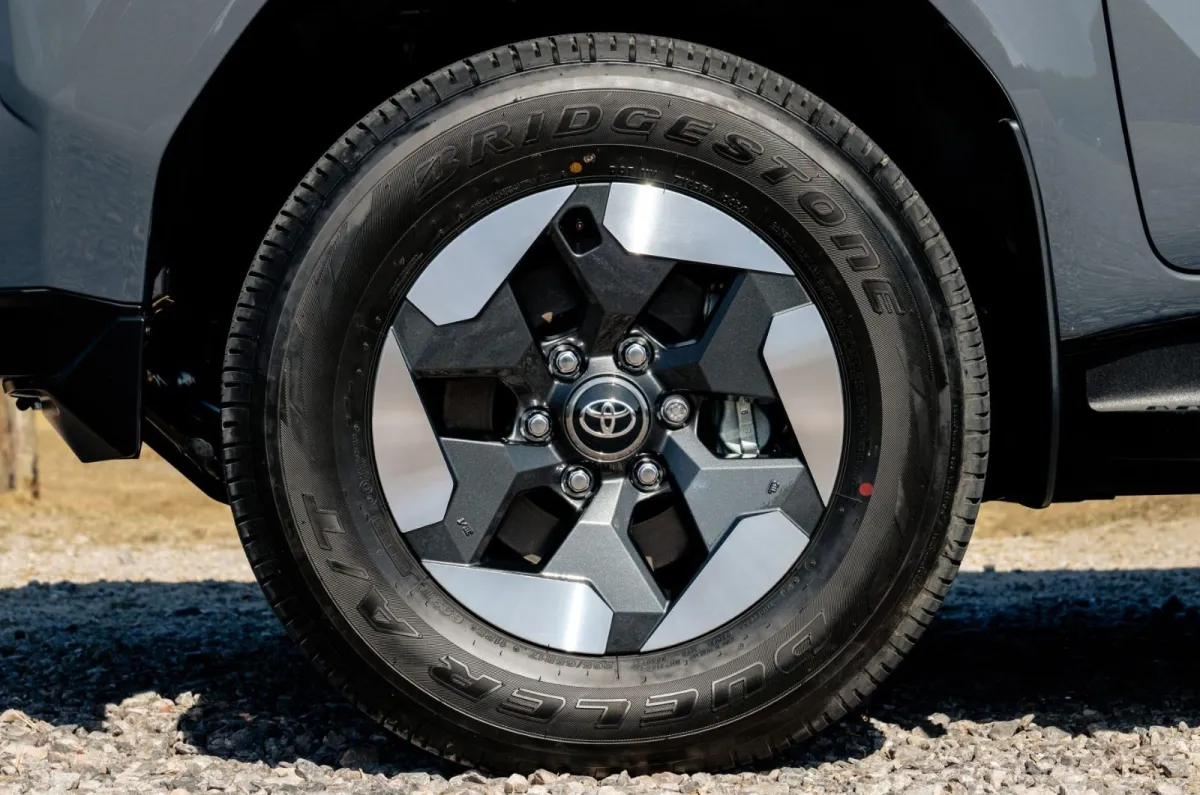
At least it gets plenty of standard equipment, including 17in alloy wheels, electrically folding and heated wing mirrors, LED headlights with automatic high beam, dual-zone automatic air conditioning, heated front seats and a heated steering wheel.
Your other option is the Invincible trim, which adds privacy glass, some exterior styling tweaks, an eight-speaker stereo (up from four) and the bits that we’ve already mentioned. Of course, this version adds even more to the price.
If you’re a commercial buyer, the sub-one-tonne payload means you won’t benefit from the same tax cuts as you will with the D-Max EV. You’ll also want to go for the two-seat option to keep tax costs as low as possible.
Is it reliable, and how long is the warranty?
Toyota placed 17th out of the 30 manufacturers included in the 2026 What Car? Reliability survey, but since we exclude pick-ups in our research, we don’t have specific reliability data for the Hilux.
advertisement
scroll for more
To give you peace of mind, Toyota offers one of the longest standard warranties around at 10 years or 100,000 miles – provided you keep up with the service schedule, that is.
Isuzu offers a shorter five-year warranty but covers you up to 125,000 miles, while KGM offers five years or 100,000 miles.
How safe is it, and is it easy to steal?
Unlike the diesel D-Max, no version of the Hilux has been crash-tested by the safety experts at Euro NCAP.
Even so, it comes with plenty of standard safety equipment, including automatic emergency braking (AEB), blind-spot monitoring, road sign assist, a driver monitoring system, rear-cross traffic alert and lots of airbags.
To help dissuade thieves, every Hilux EV comes with an intruder alarm and immobiliser.
Buy it if…
- You want a pick-up to use as a runaround (on a farm, for example)
- You need it to be quick off the line
- Having a pick-up that charges quickly (relatively speaking) is important to you
Don’t buy it if…
- You need to tow or carry a large payload
advertisement
scroll for more
- You plan to regularly cover long journeys
- You want the cheapest electric pick-up
For all the latest reviews, advice and new car deals, sign up to the What Car? newsletter here
Even with the Government grant included, the Hilux EV is expensive as a private purchase. I’d be tempted to look at large electric SUVs before going ahead.
Dan Jones, Senior Reviewer
Tips & Advice
How much does it cost to charge an EV
A dual-rate tariff can slash your home-charging bills by up to 70% if you charge overnight. There are environmental benefits, too
Organise your motoring life
Whether you need to keep tabs on your insurance renewal, sort breakdown cover, or book a service, My What Car? has you covered
Never miss a motoring date
Remembering to arrange insurance, book a service or buy breakdown cover can be a pain. Fortunately, My What Car? is here to help
Can I buy a car with cash?
Paying cash isn’t always an easy way to a new car – and you may not be able to get the big discounts you might expect
How to lease a car
Car leasing is like long-term rental, and can be an affordable route to a new car. When the deal ends, you hand the car back
Protect your investment
GAP insurance allows you to get the full price for your car if it’s stolen or written off, but only a quarter of Brits buy it
Reduce your car finance bills
Refinancing your car effectively means taking out one loan to pay off another, which could help reduce your monthly payments, or reduce your finance term
What is hire purchase?
Hire purchase allows you to make monthly payments to buy your next car – although these will be higher than with a PCP
What is PCP finance?
Low monthly payments are key to the appeal of Personal Contract Purchase (PCP) agreements. But are there downsides?
Toyota Hilux EV alternatives
Toyota Hilux EV specifications
RRP price range
FAQs
Is Toyota making an electric Hilux?
Yes, and you can buy it now. It comes with a 59.2kWh (usable capacity) battery, can cover up to 160 miles between charges and has all-wheel drive.
How much is the Toyota Hilux EV?
If you’re a private buyer, the Hilux EV is quite expensive, costing around the same as the Isuzu D-Max EV but way more than the KGM Musso EV. Commercial buyers will want to go for the two-seat versions to minimise tax payments.
What is the range of the new Hilux EV?
With a 59.2kWh (usable capacity) battery, the Hilux EV can manage up to 160 miles between charges. That isn’t great, but matches the Isuzu D-Max EV.
What is the max payload of the Toyota Hilux EV?
You can carry up to 715kg in the Hilux EV. That’s less than the Isuzu D-Max EV (which manages over one tonne) but more than the KGM Musso EV.
New car deals
About the writer

Name: Dan Jones
Title: Senior Reviewer
Follow Dan Jones on
Dan joined What Car? in 2021 and is now the road test team's Senior Reviewer. In that role, he produces new car reviews for Whatcar.com and What Car? magazine, alongside occasional contributions for Autocar and Move Electric.
Comparison tests
Can you really live with a cheap electric car?
The Dacia Spring and Leapmotor T03 are the cheapest electric cars you can buy. But which is better and would you want to own either of them?
New BYD Dolphin and Citroën e-C3 vs MG 4
Think electric cars are all too expensive? Well, these three prove otherwise, and we took them on a road trip to find out which is best
European road trip: petrol vs electric
Is it feasible to go on a good old-fashioned European driving holiday in an electric car, or does petrol power still make life much easier? We decided to find out
New BMW i5 vs Mercedes EQE
BMW’s fully electric i5 aims to raise the bar for executive cars. But first it has to see off the Mercedes EQE
See all comparisons
News and advice
All Electric car reviews
Abarth 500
Abarth 600e
Aion UT
Aion V
Alfa Romeo Junior Elettrica
Alpine A290
Alpine A390
Audi A2 e-tron
Audi A6 Avant e-tron
Audi A6 e-tron
Audi Q4 e-tron
Audi Q6 e-tron
Audi Q6 e-tron Sportback
Audi Q8 e-tron
Audi Q8 Sportback e-tron
Audi S6 e-tron
BMW i3
BMW i5
BMW i5 Touring
BMW i7
BMW iX
BMW iX1
BMW iX2
BMW iX3
BMW iX5
BYD Atto 2
BYD Atto 3 Evo
BYD Dolphin
BYD Dolphin Surf
BYD Seal
BYD Sealion 7
Citroën Ami
Citroën ë-Berlingo
Citroën ë-C3
Citroën ë-C3 Aircross
Citroën ë-C3 Van
Citroën ë-C4
Cupra Born
Cupra Raval
Cupra Tavascan
Dacia Spring
DS 3 E-Tense
DS No 4 E-Tense
DS No 8
DS No7
Fiat 500e
Fiat 600e
Fiat Grande Panda Electric
Ford Capri
Ford Explorer
Ford Mustang Mach-E
Ford Puma Gen-E
Geely EX2
Geely EX5
Genesis Electrified G80
Genesis Electrified GV70
Genesis GV60
GWM Ora 03
Honda E
Honda e:Ny1
Honda Super-N
Hyundai Inster
Hyundai Ioniq 5
Hyundai Ioniq 5 N
Hyundai Ioniq 6
Hyundai Ioniq 6 N
Hyundai Ioniq 9
Hyundai Kona Electric
Hyundai Nexo
Isuzu D-Max EV
Iveco eJolly
Jaecoo E5
Jeep Avenger Electric
KGM Musso EV
KGM Torres EVX
Kia EV2
Kia EV3
Kia EV4
Kia EV6
Kia EV9
Kia Niro EV
Kia PV5
Kia Soul EV
Leapmotor B03X
Leapmotor B05
Leapmotor B10
Leapmotor C10
Leapmotor T03
Lexus ES
Lexus RZ
Lexus UX 300e
Lotus Eletre
Lotus Emeya
Maxus Mifa 9
Maxus T90EV
Mazda 6e
Mazda CX-6e
Mazda MX-30 EV
Mercedes C-Class Electric
Mercedes EQA
Mercedes EQB
Mercedes EQE
Mercedes EQE SUV
Mercedes EQS
Mercedes EQS SUV
Mercedes EQV
Mercedes VLE
MG Cyberster
MG IM5
MG IM6
MG S5 EV
MG S6
MG ZS EV
MG4
MG4 Urban
Mini Aceman
Mini Cooper Electric
Mini Countryman Electric
New BMW i4
New Citroën ë-C4 X
New Kia EV6 GT
New Mercedes CLA
New Toyota Urban Cruiser
Nissan Ariya
Nissan Leaf
Omoda E5
Peugeot e-2008
Peugeot e-208
Peugeot e-208 GTi
Peugeot e-3008
Peugeot e-308
Peugeot e-408
Peugeot e-5008
Polestar 2
Polestar 3
Polestar 4
Polestar 4 SUV
Polestar 5
Porsche Cayenne Coupé Electric
Porsche Cayenne Electric
Porsche Macan Electric
Porsche Taycan
Porsche Taycan Cross Turismo
Porsche Taycan Sport Turismo
Range Rover Electric
Renault 4
Renault 5
Renault Megane
Renault Scenic
Rolls-Royce Spectre
Skoda Elroq
Skoda Elroq vRS
Skoda Enyaq
Skoda Enyaq Coupé
Skoda Enyaq vRS
Skoda Epiq
Skywell BE11
Smart #1
Smart #3
Smart #5
Subaru Solterra
Suzuki e-Vitara
Tesla Model 3
Tesla Model S
Tesla Model Y
Toyota bZ4X
Toyota bZ4X Touring
Toyota C-HR+
Toyota Hilux EV
Toyota Mirai
Vauxhall Astra Electric
Vauxhall Combo Life Electric
Vauxhall Corsa Electric
Vauxhall Corsa GSE
Vauxhall Frontera Electric
Vauxhall Grandland Electric
Vauxhall Mokka Electric
Volkswagen ID 3
Volkswagen ID 4
Volkswagen ID 5
Volkswagen ID 7
Volkswagen ID 7 Tourer
Volkswagen ID Buzz
Volvo EC40
Volvo ES90
Volvo EX30
Volvo EX30 Cross Country
Volvo EX40
Volvo EX90
XPeng G6
Xpeng L03
Show more