The best new car lease deals
To many, leasing is one of the most cost-effective ways of getting a new car. By spreading the cost over several years, drivers can get behind the wheel of a model they might not have been able to otherwise afford. However, when it comes to cutting the cost of motoring, it pays to shop around.
You see, while the cost of car lease agreements are primarily based on factors such as the car’s list price, how it’s said to hold onto its value and the contract’s mileage limit, carmakers often run deals that can make leasing more affordable.
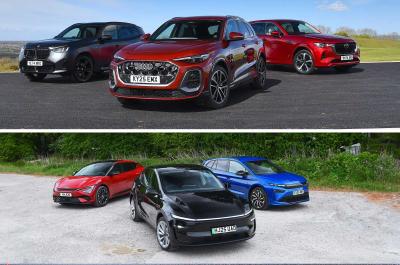
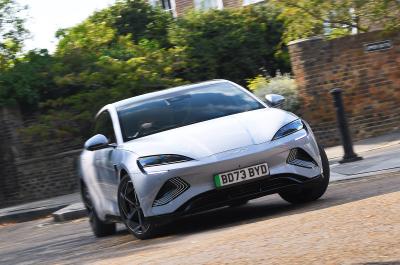
Here, we share 10 of the best lease deals* available on a wide range of new cars, including agile small cars, refined SUVs and a spacious seven-seater.
*Subject to status. T&Cs apply. 18+. Initial rental required. You will not own the vehicle. Excess mileage charges and return conditions apply. See website for more details


Strengths
- Excellent fuel economy
- Tidy handling
- Lots of standard kit
Weaknesses
- Firm ride
- Road noise
- Rivals offer better practicality
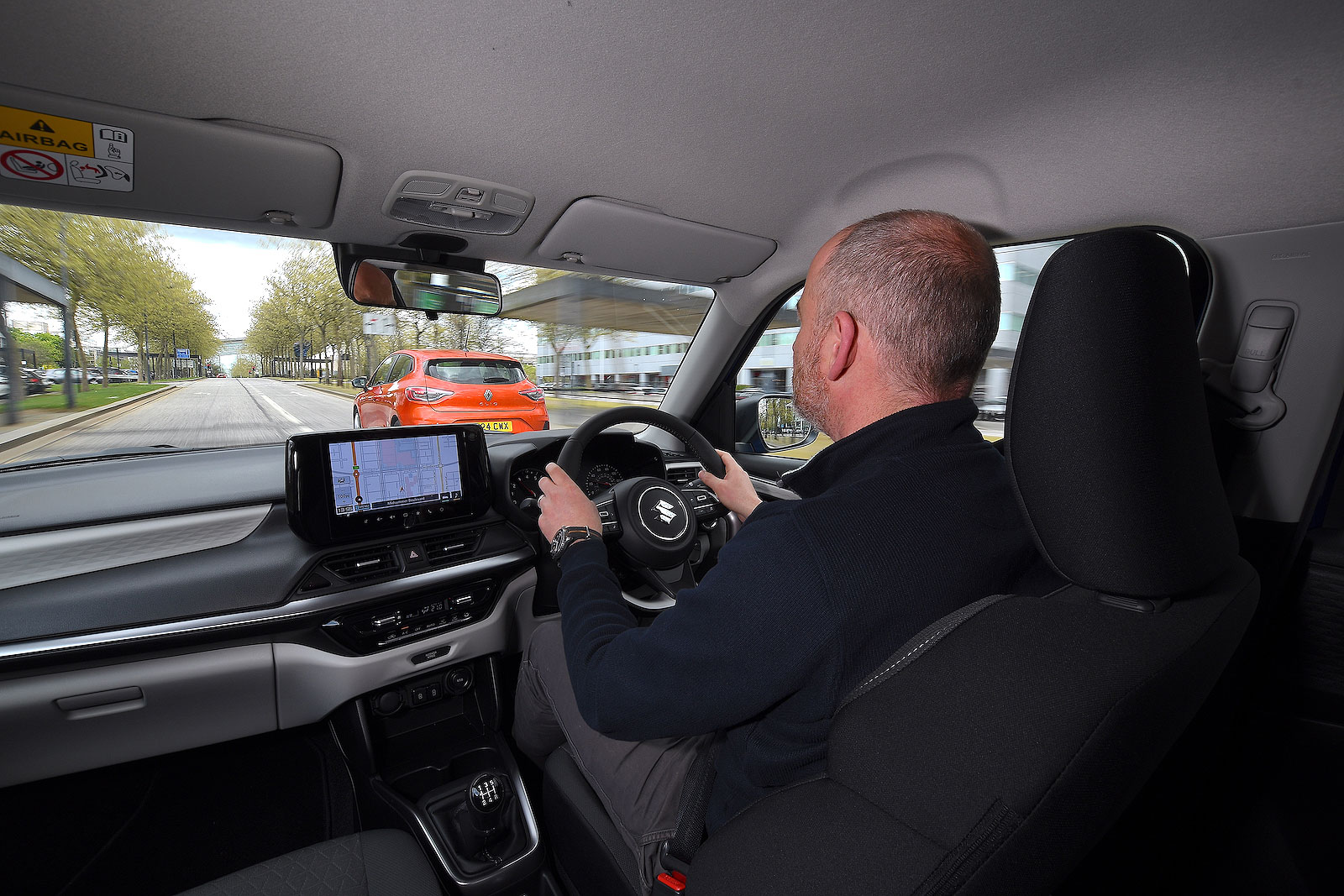
Version 1.2 MHEV Motion | List price £19,999 | Contract length 36 months | Annual mileage 5000 miles | Initial payment £1976 | Monthly payment £165
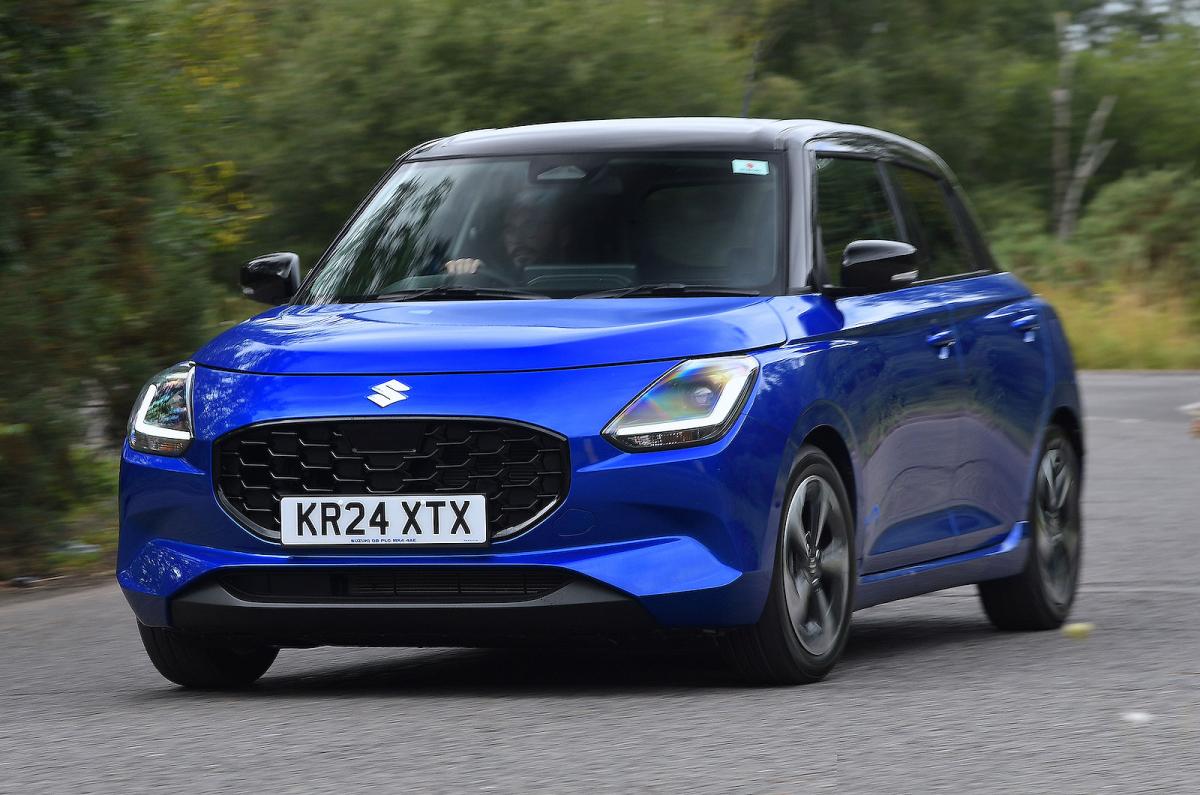
The Suzuki Swift goes to show that small cars can still be both cheap and cheerful. Its light weight means it’s more agile than the Dacia Sandero, making it entertaining on twisty roads. Every Swift has a 1.2-litre petrol engine with mild hybrid assistance for respectable performance. It also helps the Swift officially achieve 64.2mpg; more than the MG3 can manage. Despite its low price, the Swift’s interior looks attractive and offers more rear passenger and boot space than the Sandero’s. In Motion trim, the Swift is also well-equipped, featuring 16in alloy wheels, adaptive cruise control, keyless entry and a reversing camera.
For our top deal, you’ll need to enter a 36-month contract with 12 months initial rental and a relatively tight 5000-mile yearly limit. With slightly more favorable terms – six months initial rental (£1231) and 10,000 miles per year – you’ll need to pay a monthly fee of £205.
Read our in-depth Suzuki Swift review >>


What is What Car? best price?
The What Car? best price shows you the cheapest way to buy your new car, whether it's by choosing an in-stock car through our partner Autotrader or placing a factory order.
RRP from: £17,404
Our pick: 1.0 TSI Match Euro 6 (s/s) 5dr
Strengths
- Spacious, flexible interior
- Impressive for safety
- Good to drive
Weaknesses
- Fiddly climate control panel on higher trims
- Entry-level engine could be more flexible above town speeds
- Top-spec Style and R-Line trims are pricey
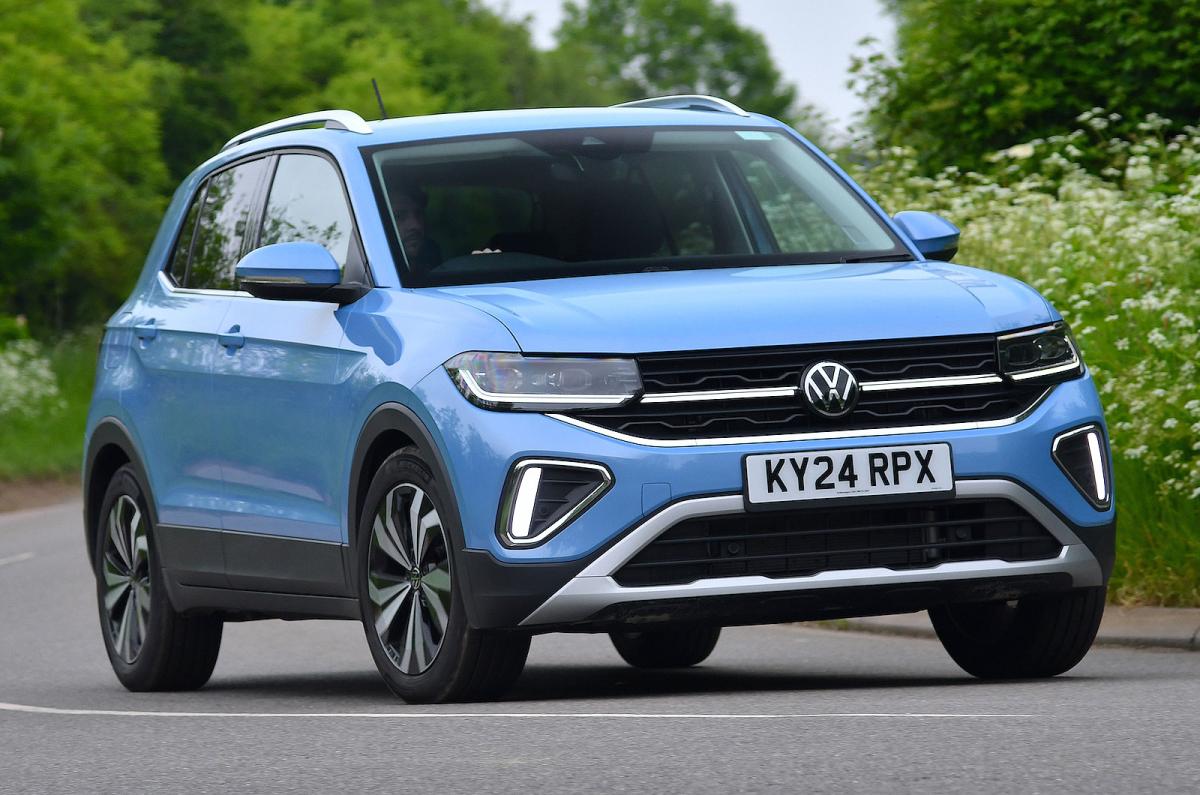
Version 1.0 TSI 95 Match | List price £26,275 | Contract length 24 months | Annual mileage 5000 miles | Initial payment £2000 | Monthly payment £167
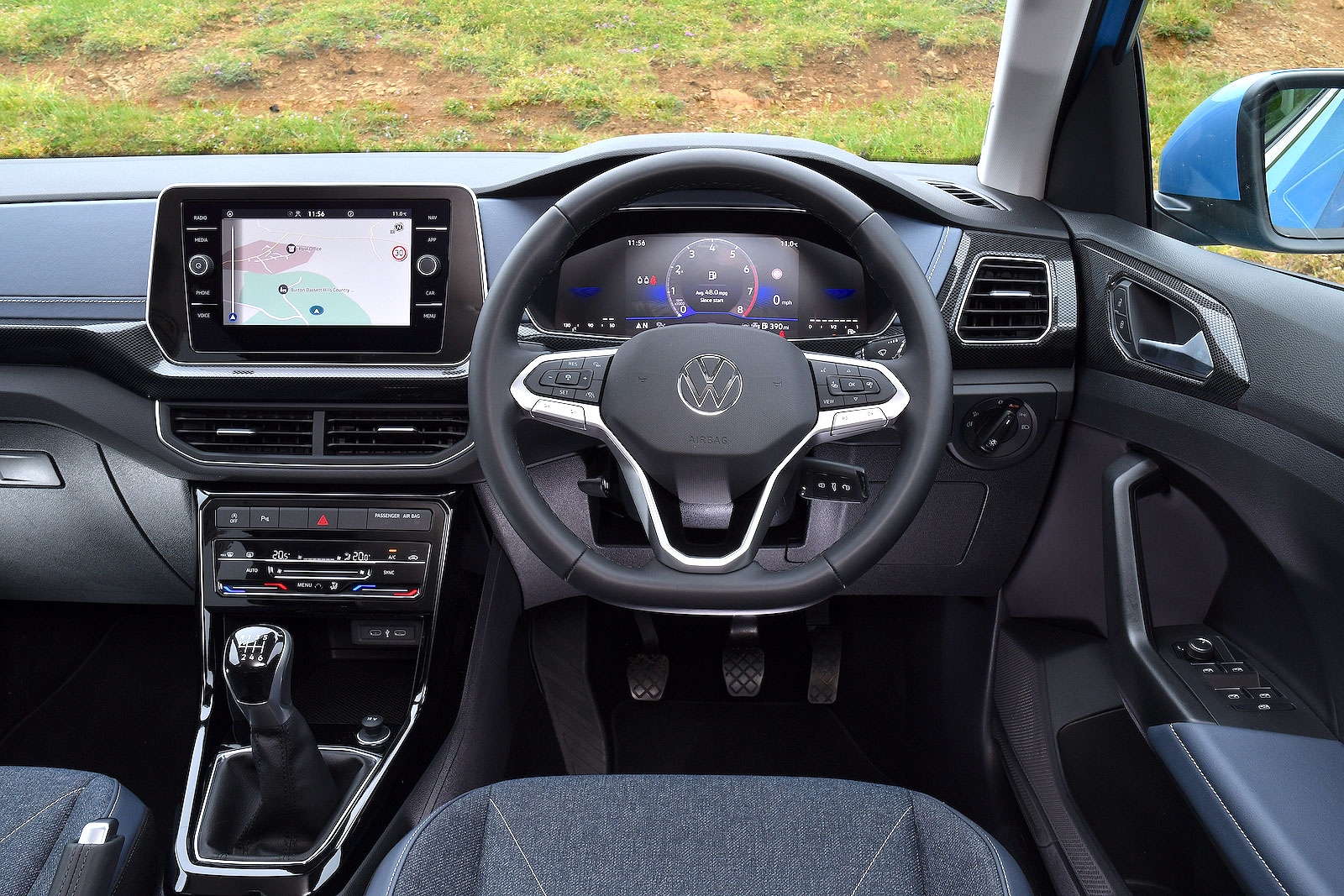
Sit inside the Volkswagen T-Cross and it’s easy to see why it’s one of our favourite small SUVs. Its interior is supremely versatile, with all T-Cross’s featuring sliding rear seats, meaning you can prioritise rear leg room or boot space. Slid back, there’s more room for six-footers than in the Ford Puma, and there’s still a respectable 385-litre boot (down from 455 litres with the bench slid forward). Three engines are available, with the cheapest 1.0 TSI 95 petrol unit reaching 62mph in about 11 seconds. Light yet precise steering and limited body lean make it competent around corners. Avoid the biggest 18in set of wheels and the T-Cross has a smoother ride than the Nissan Juke.
To get the best monthly price, you’ll need a 24-month contract with a yearly restriction of 5000 miles and 12 months initial rental. A more conventional 36-month agreement with a 10,000-mile restriction and six months up front (£1355) would cost £226.
Read our in-depth Volkswagen T-Cross review >>
What is What Car? best price?
The What Car? best price shows you the cheapest way to buy your new car, whether it's by choosing an in-stock car through our partner Autotrader or placing a factory order.
Available now from: £22,225
RRP from: £25,985
About our price indicator
What Car? indicative Personal lease example (subject to status)
1.0 TSI Match SUV 5dr Petrol Manual Euro 6 (s/s) (95 ps)
| Expected annual mileage | 5000 |
| Term months | 24 |
| Deposit months | 12 |
| Monthly payment | £166.61 |
| Initial payment | £1,999.32 |
Step-by-step
Leasing works a bit like a long-term rental. You drive it, but you don’t own it.
- Choose your car, pick your terms and apply for lease credit online
- Pay monthly rental payments for your chosen term length
- Drive it, enjoy it, then give it back at the end
What you get
When you lease with Autotrader you get all of this:
- Full manufacturer’s warranty
- Road tax and roadside assistance included
- No admin fees
- Free returns within 30 days*

- Lower total monthly cost than PCP/HP
- No balloon payments
- Road tax included
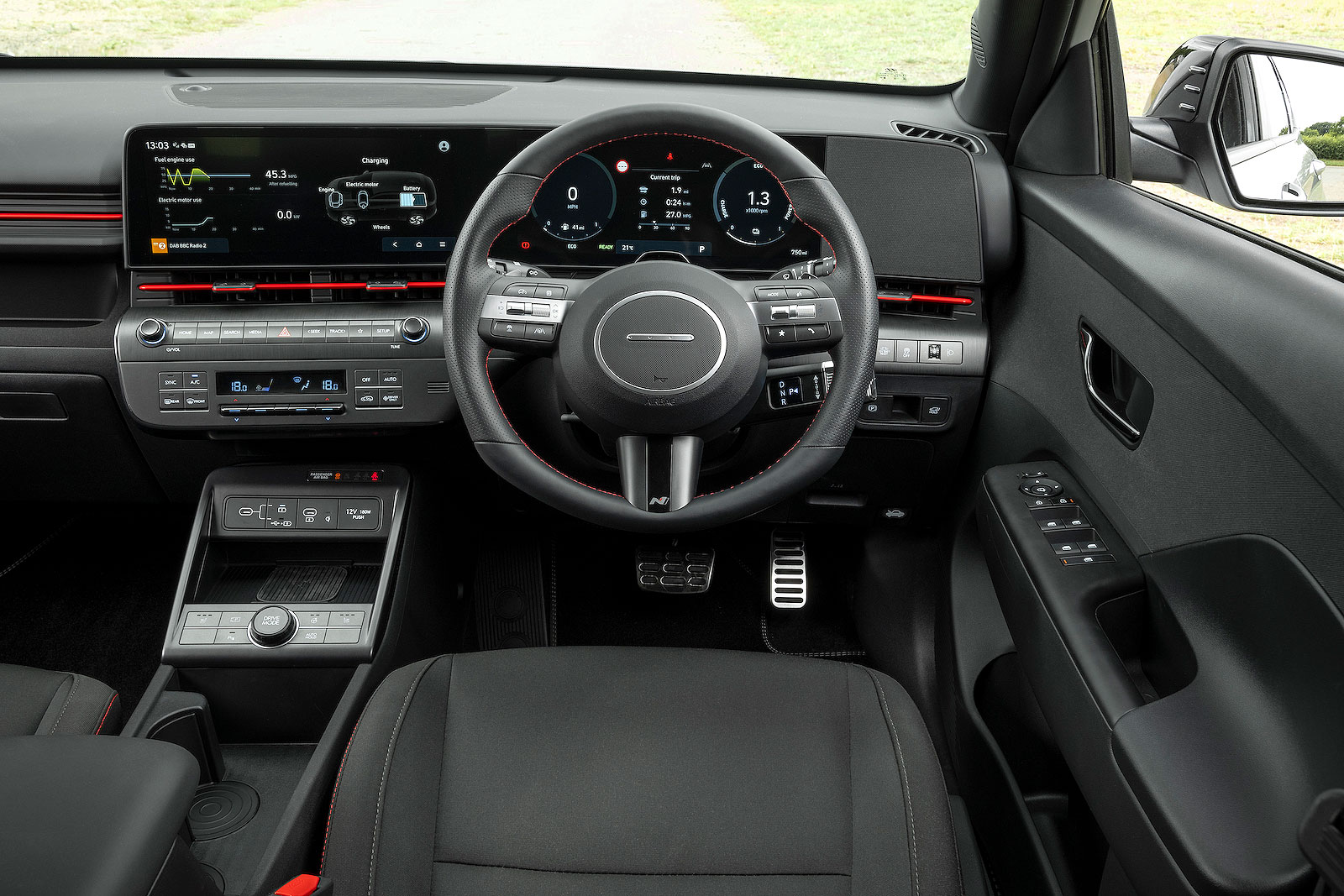
Our pick: 65.4kWh Advance Auto 5dr
Strengths
- Low CO2 emissions (Hybrid)
- Generous standard kit
- Strikes a fine balance between comfort and handling
Weaknesses
- None of the engines offers class-leading performance
- Boot could be bigger
- Depreciates faster than rivals
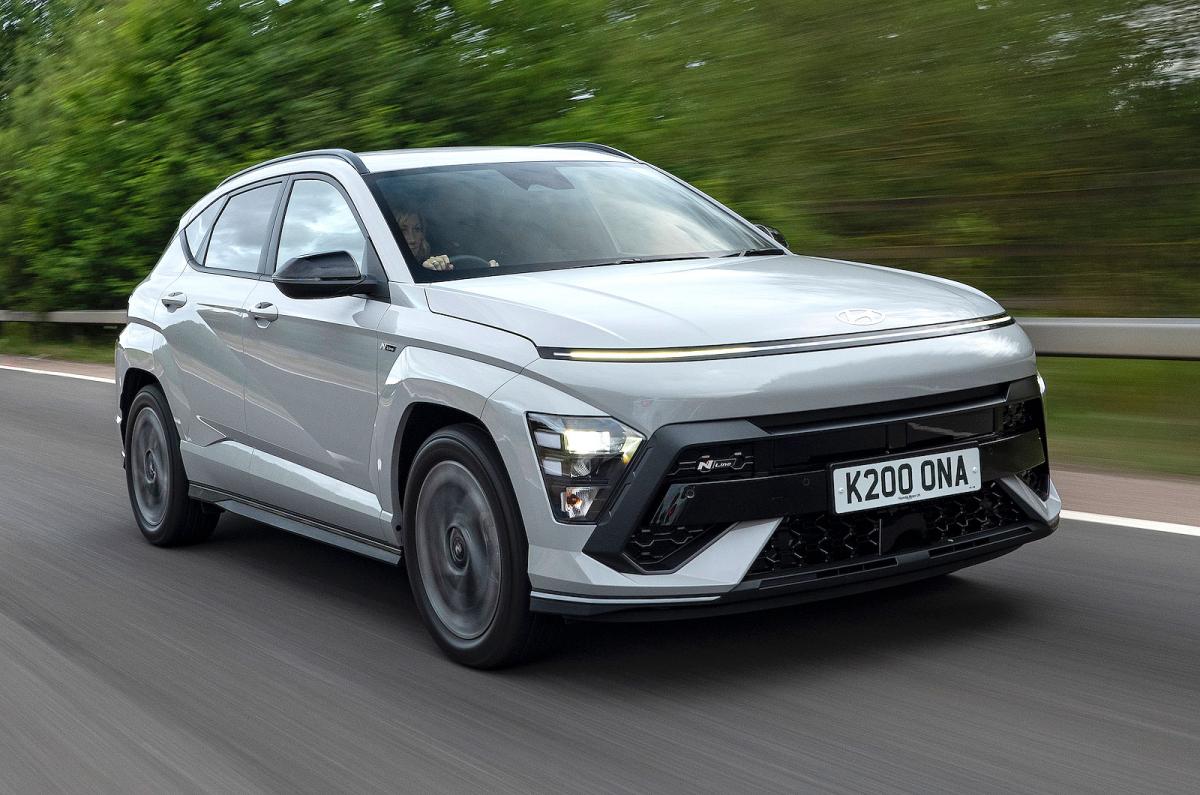
Version 1.6 h-GDi N Line DCT | List price £31,590 | Contract length 24 months | Annual mileage 5000 miles | Initial payment £2283 | Monthly payment £191
The Hyundai Kona is a small SUV without the small interior. There’s plenty of space up front and more rear leg and head room than you get in the Ford Puma. Moreover, in our tests, the Kona’s 466-litre boot could store five carry-on suitcases with some room to spare. Opt for mid-spec N Line trim and the Kona comes equipped with dual-zone climate control, a heated steering wheel and rear privacy glass. In full hybrid guise, the Kona features a 1.6-litre petrol engine and an electric motor to make 127bhp. Its suspension soaks up patchy surfaces well without leaning as much as the Renault Captur around bends.
The best leasing deals available on a Kona are for 24-month contracts with 12 months initial rental and an annual restriction of 5000 miles. By comparison, a longer 36-month contract that allows up to 10,000 miles per year with six months up front (£1549) would cost £258 per month.
Read our in-depth Hyundai Kona review >>
What is What Car? best price?
The What Car? best price shows you the cheapest way to buy your new car, whether it's by choosing an in-stock car through our partner Autotrader or placing a factory order.
Available now from: £24,284
RRP from: £27,290
About our price indicator
What Car? indicative Personal lease example (subject to status)
1.6 h-GDi N Line SUV 5dr Petrol Hybrid DCT Euro 6 (s/s) (138 ps)
| Expected annual mileage | 5000 |
| Term months | 24 |
| Deposit months | 12 |
| Monthly payment | £190.22 |
| Initial payment | £2,282.64 |
Step-by-step
Leasing works a bit like a long-term rental. You drive it, but you don’t own it.
- Choose your car, pick your terms and apply for lease credit online
- Pay monthly rental payments for your chosen term length
- Drive it, enjoy it, then give it back at the end
What you get
When you lease with Autotrader you get all of this:
- Full manufacturer’s warranty
- Road tax and roadside assistance included
- No admin fees
- Free returns within 30 days*
- Lower total monthly cost than PCP/HP
- No balloon payments
- Road tax included
Our pick: 1.5h Icon CVT Euro 6 (s/s) 5dr
Strengths
- Very economical to run
- Well equipped and good to drive
- Warranty lasts for up to 10 years
Weaknesses
- Cramped in the back
- Smaller boot than rivals
- Top-spec trims are considerably costlier
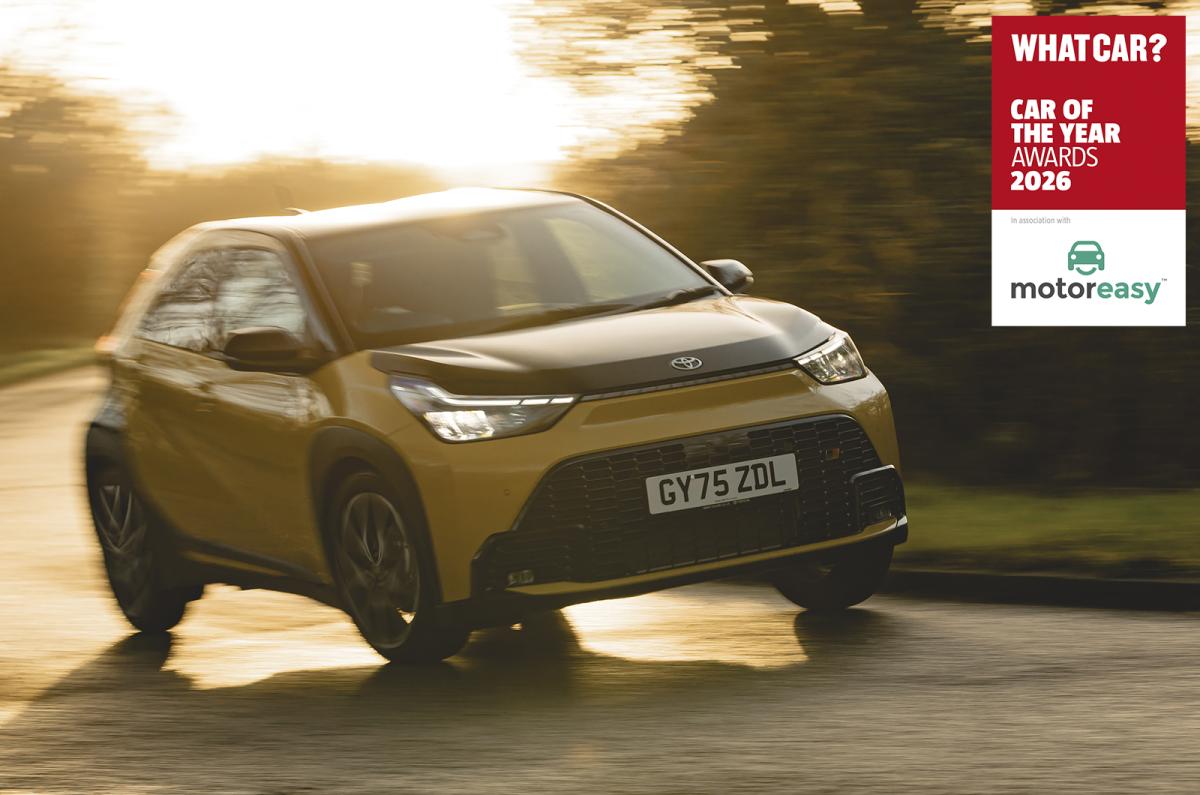
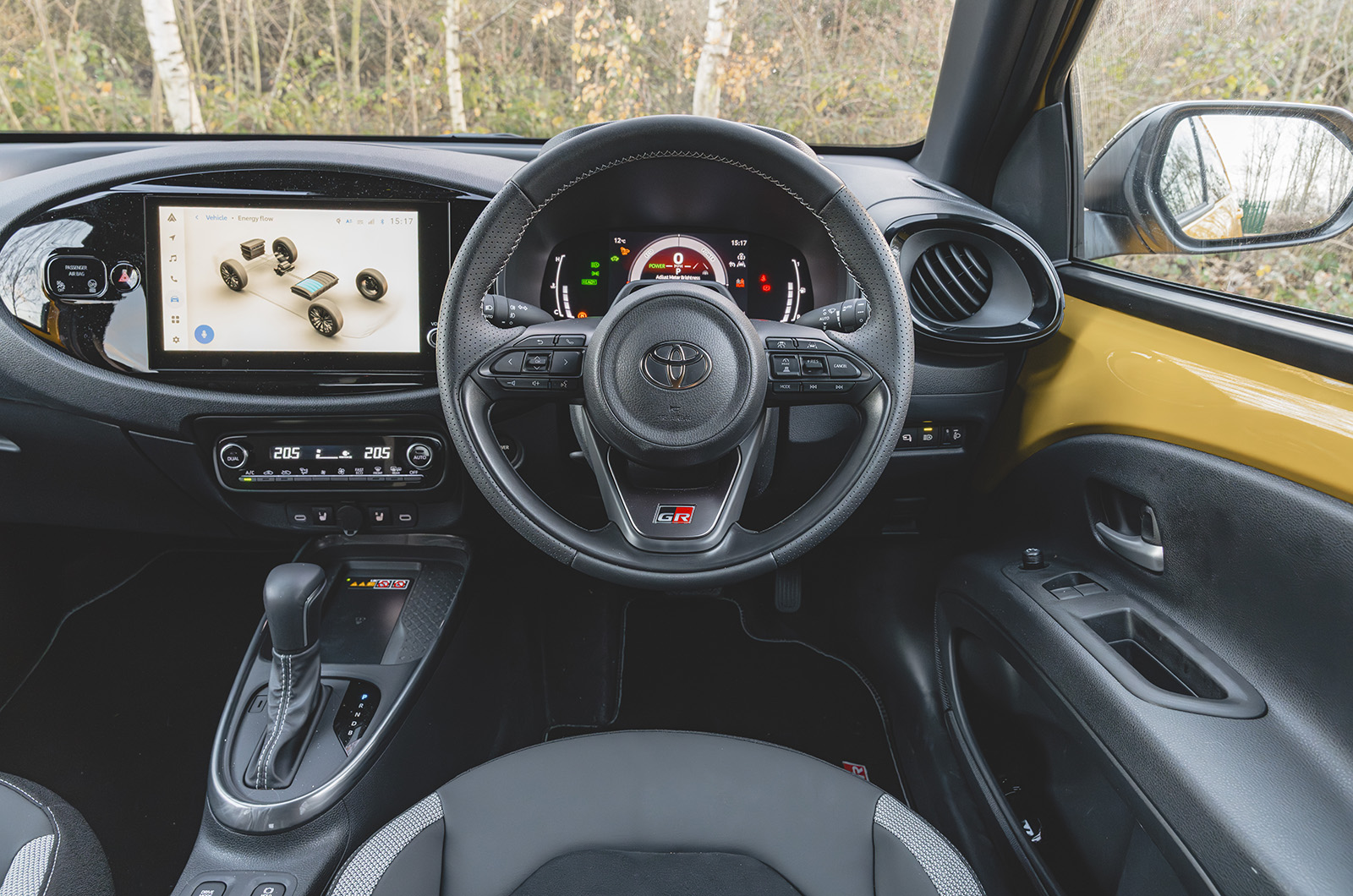
Version 1.5h Icon CVT | List price £21,645 | Contract length 48 months | Annual mileage 5000 miles | Initial payment £2381 | Monthly payment £198
The Toyota Aygo X is not only cheap to lease, it’s also just as inexpensive to run. Featuring a 1.5-litre full hybrid setup, it can officially manage up to 74.3mpg. It’s quicker off the mark than the Hyundai i10 and Renault Clio. In addition to being easy to drive in the city, the Aygo X benefits from a lack of body lean on twisty country roads. The Aygo X’s interior feels sturdy and offers plenty of room for front passengers. And while the Clio has a bigger boot, there’s still enough space for a weekend getaway. What’s more, in entry-level Icon form, this includes 17in alloy wheels, air conditioning and cruise control.
To get an Aygo X for £198 per month, you’ll need a 48-month contract with an annual restriction of 5000 miles and pay 12 months up front. By comparison a 36-month deal with double the mileage and six months in advance (£1465) would cost £244 per month.
Read our in-depth Toyota Aygo X review >>
What is What Car? best price?
The What Car? best price shows you the cheapest way to buy your new car, whether it's by choosing an in-stock car through our partner Autotrader or placing a factory order.
Available now from: £20,235
RRP from: £21,645
About our price indicator
What Car? indicative Personal lease example (subject to status)
1.5h Icon Hatchback 5dr Petrol Hybrid CVT Euro 6 (s/s) (116 ps)
| Expected annual mileage | 5000 |
| Term months | 48 |
| Deposit months | 12 |
| Monthly payment | £198.35 |
| Initial payment | £2,380.20 |
Step-by-step
Leasing works a bit like a long-term rental. You drive it, but you don’t own it.
- Choose your car, pick your terms and apply for lease credit online
- Pay monthly rental payments for your chosen term length
- Drive it, enjoy it, then give it back at the end
What you get
When you lease with Autotrader you get all of this:
- Full manufacturer’s warranty
- Road tax and roadside assistance included
- No admin fees
- Free returns within 30 days*
- Lower total monthly cost than PCP/HP
- No balloon payments
- Road tax included
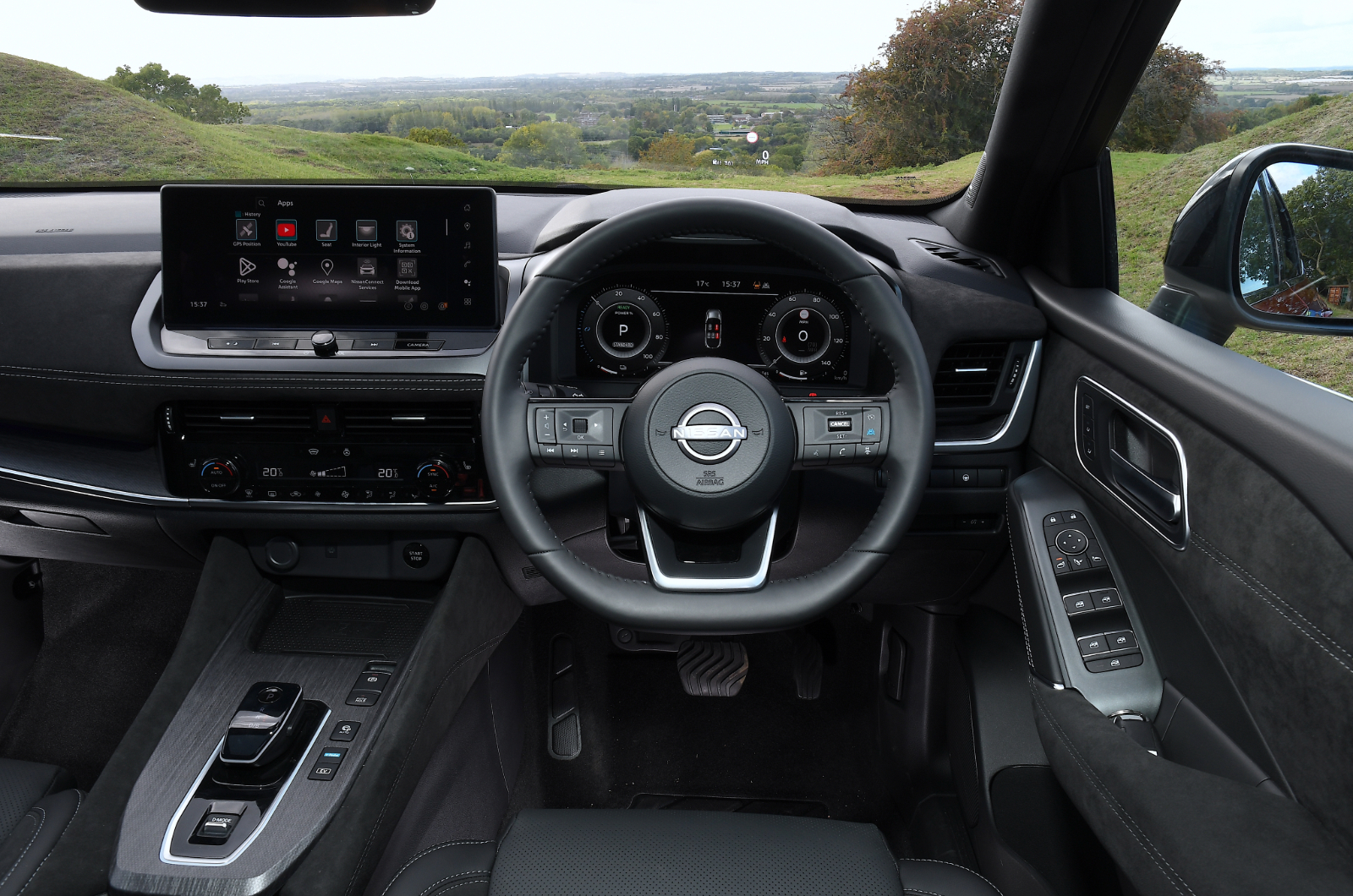
Our pick: 1.3 DIG-T MHEV N-Connecta Euro 6 (s/s) 5dr
Strengths
- Smooth, quiet engines
- Lower trim levels are great value for private buyers
- Smart, easy-to-use interior
Weaknesses
- So-so performance
- Some rivals are more fun to drive
- Lacks the seating flexibility of many rivals
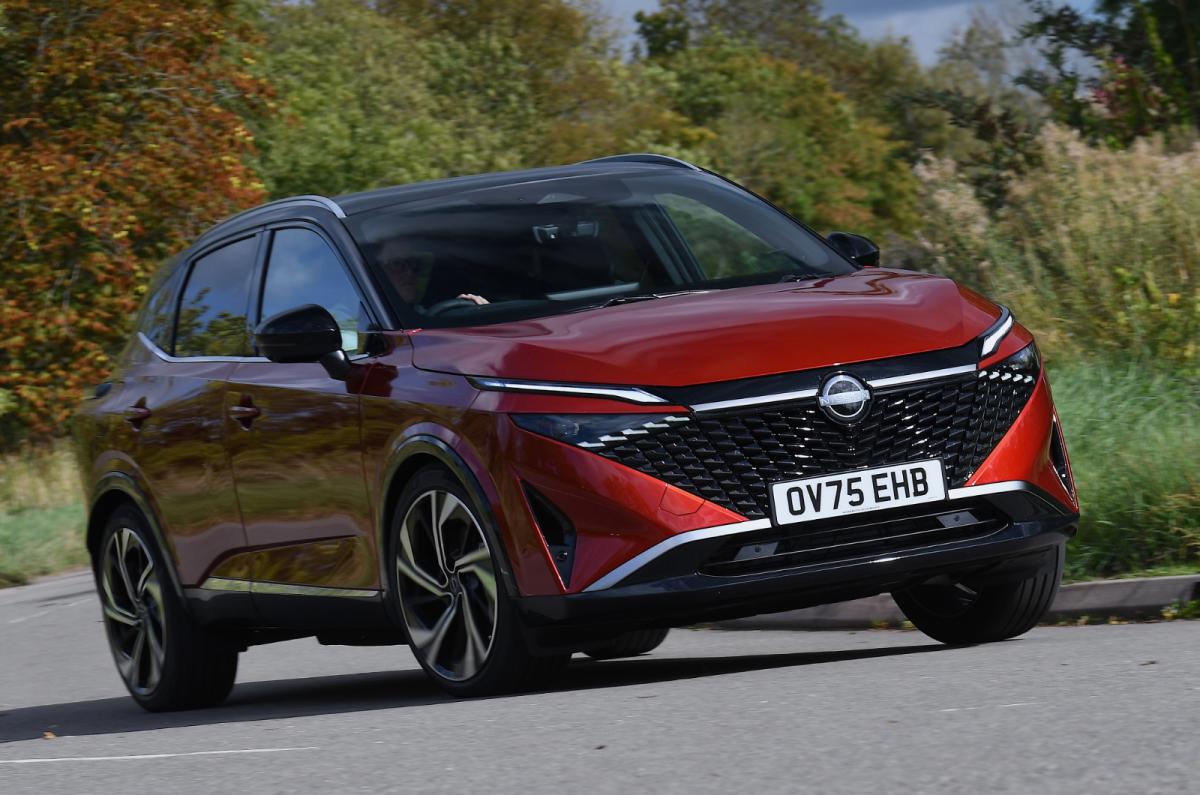
Version 1.3 DIG-T MHEV Acenta Premium | List price £30,635 | Contract length 48 months | Annual mileage 5000 miles | Initial payment £2710 | Monthly payment £226
The Nissan Qashqai is regularly among the UK’s best-selling new cars, and for good reason. For starters, it’s well-equipped, with entry-level Acenta Premium featuring a reversing camera, keyless go and dual-zone climate control. There’s enough space in the back for six-footers, and the 504-litre boot is bigger than what you get in the Seat Ateca. The Qashqai isn’t lacking in engine options, either, with the mid-range 1.3 DIG-T 158 option reaching 62mph in a respectable 10.2sec. The Qashqai isn’t the most engaging SUV to drive but stays composed on twisty country roads. Avoid the larger wheel options and the Qashqai’s ride comfort is a rough match for the Skoda Karoq.
Our best leasing deal is for a 48-month contract with a limit of 5000 miles per year and 12 months initial rental. A shorter 36-month deal with a 10,000-mile restriction and six months initial rental (£1694) would cost £282 per month.
Read our in-depth Nissan Qashqai review >>
What is What Car? best price?
The What Car? best price shows you the cheapest way to buy your new car, whether it's by choosing an in-stock car through our partner Autotrader or placing a factory order.
Available now from: £24,990
RRP from: £30,635
About our price indicator
What Car? indicative Personal lease example (subject to status)
1.5 h e-POWER Acenta Premium SUV 5dr Petrol Hybrid Auto Euro 6 (s/s) (205 ps)
| Expected annual mileage | 5000 |
| Term months | 48 |
| Deposit months | 12 |
| Monthly payment | £250.38 |
| Initial payment | £3,004.56 |
Step-by-step
Leasing works a bit like a long-term rental. You drive it, but you don’t own it.
- Choose your car, pick your terms and apply for lease credit online
- Pay monthly rental payments for your chosen term length
- Drive it, enjoy it, then give it back at the end
What you get
When you lease with Autotrader you get all of this:
- Full manufacturer’s warranty
- Road tax and roadside assistance included
- No admin fees
- Free returns within 30 days*
- Lower total monthly cost than PCP/HP
- No balloon payments
- Road tax included
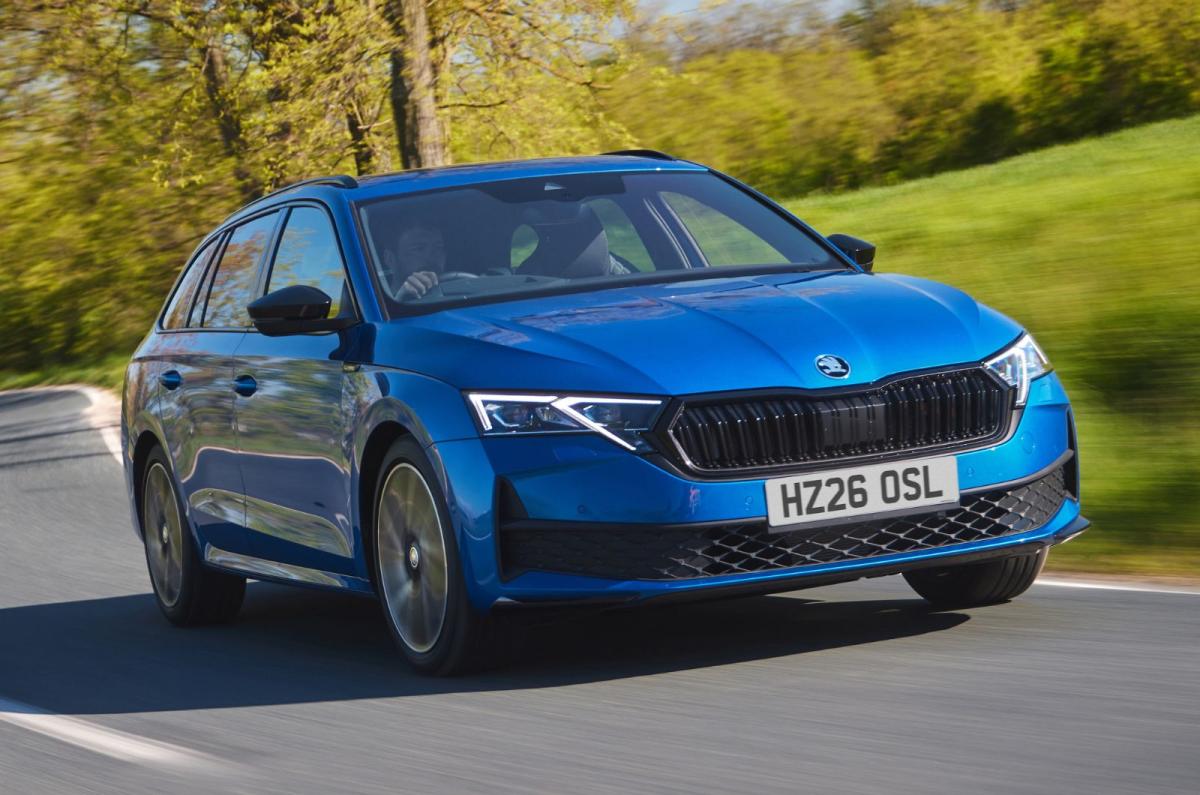
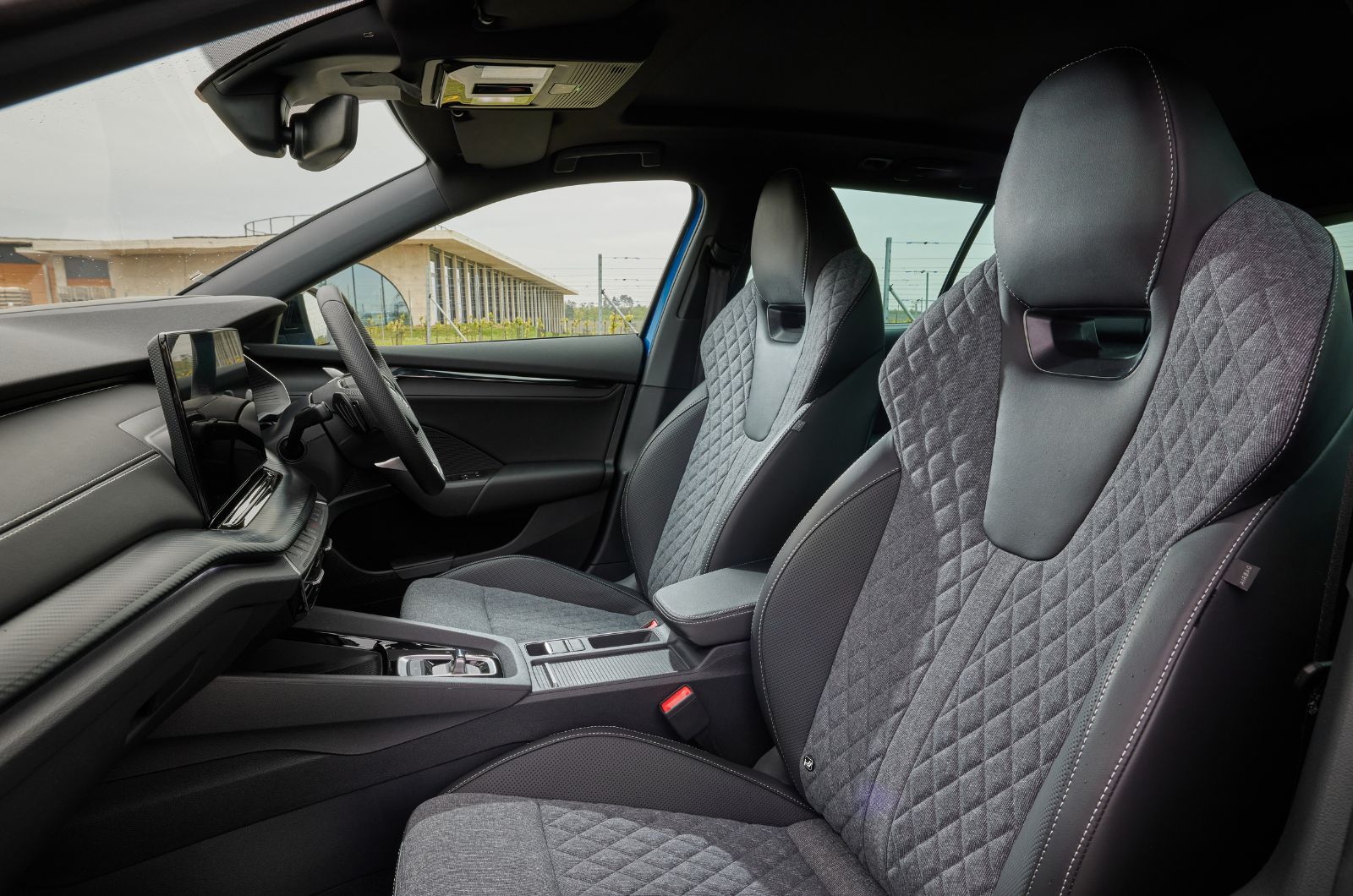
Our pick: 1.5 TSI ACT SE L Euro 6 (s/s) 5dr
Strengths
- Supple ride most of the time
- Plush interior
- Well priced next to rivals
Weaknesses
- Rivals are more fun to drive
- Body control could be better over big undulations
- Heating controls are in the touchscreen
Version 1.5 TSI e-TEC MHEV ACT Sportline | List price £37,265 | Contract length 24 months | Annual mileage 5000 miles | Initial payment £2710 | Monthly payment £226
Put simply, the Skoda Octavia Estate is among the best estate cars you can buy; not least for its massive boot. At 640 litres, it outclasses all of its rivals, including the Toyota Corolla Touring Sports, and managed to stow nine carry-on suitcases in our tests. The Octavia Estate’s interior isn’t short of passenger space, and features a good amount of plush materials. The Octavia is available with a considerable range of engines, with the more powerful 1.5 TSI petrol engine giving it a 0-62mph sprint time of 8.6sec. What’s more, the Octavia Estate has a smoother ride than the Seat Leon Estate while still providing enough confidence to tackle corners quickly.
The best deals on the Octavia Estate are for customers who enter a 24-month contract with an annual restriction of 5000 miles and 12 months upfront. For a more typical 36-month deal with six months initial rental (£1860) and a 10,000-mile limit, you’ll need to pay £310 per month.
Read our in-depth Skoda Octavia Estate review >>
What is What Car? best price?
The What Car? best price shows you the cheapest way to buy your new car, whether it's by choosing an in-stock car through our partner Autotrader or placing a factory order.
Available now from: £29,990
RRP from: £29,485
About our price indicator
What Car? indicative Personal lease example (subject to status)
1.5 TSI e-TEC MHEV ACT SportLine Estate 5dr Petrol Hybrid DSG Euro 6 (s/s) (150 ps)
| Expected annual mileage | 5000 |
| Term months | 24 |
| Deposit months | 12 |
| Monthly payment | £225.81 |
| Initial payment | £2,709.72 |
Step-by-step
Leasing works a bit like a long-term rental. You drive it, but you don’t own it.
- Choose your car, pick your terms and apply for lease credit online
- Pay monthly rental payments for your chosen term length
- Drive it, enjoy it, then give it back at the end
What you get
When you lease with Autotrader you get all of this:
- Full manufacturer’s warranty
- Road tax and roadside assistance included
- No admin fees
- Free returns within 30 days*
- Lower total monthly cost than PCP/HP
- No balloon payments
- Road tax included
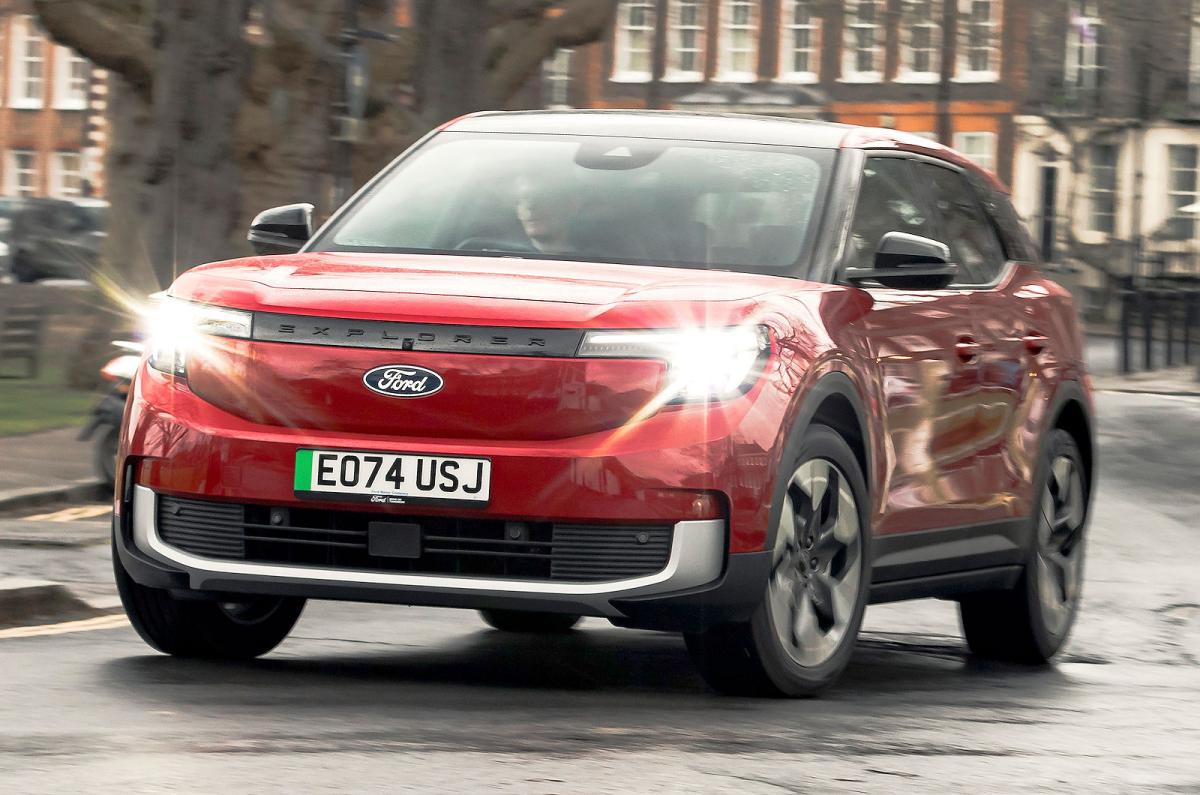
Our pick: Extended Range 79kWh Select Auto 5dr
Strengths
- Composed handling
- Well equipped
- Big-battery versions offer a long range
Weaknesses
- Ride is a bit unsettled
- Below par interior quality
- Small boot
Version Standard Range 52kWh Style | List price £32,685 | Contract length 36 months | Annual mileage 5000 miles | Initial payment £3280 | Monthly payment £274
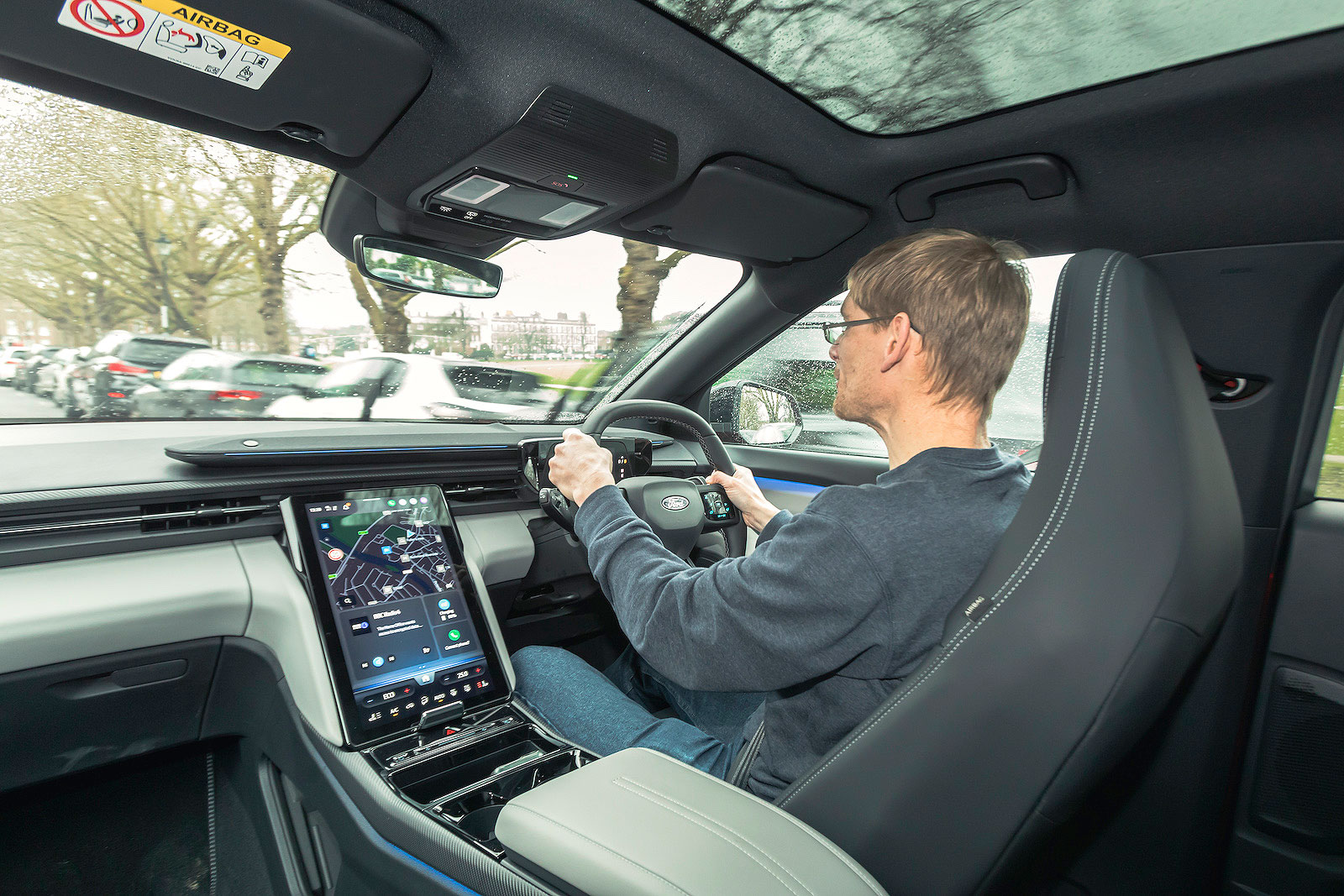
It might have an all-American name, but the Ford Explorer is a decidedly European family electric SUV; being based on the Volkswagen ID 4. In Standard Range form, the Explorer has an official range of 273 miles, which is slightly more than the cheapest Skoda Elroq. The Explorer leans less through corners than the Hyundai Ioniq 5, and has precise steering. What’s more, on the motorway, there’s very little wind and road noise. There’s enough room in the back for two six-footers. In cheapest Style guise, the Explorer is well-equipped, featuring 19in alloy wheels, adaptive cruise control and dual-zone climate control.
The best deals on Ford Explorers are available to those entering a 36-month contract with an annual restriction of 5000 miles and 12 months initial rental. If you want to pay less up front and cover more miles, an agreement with six months initial rental (£2052) and 10,000 miles per year would cost £342 per month.
Read our in-depth Ford Explorer review >>
What is What Car? best price?
The What Car? best price shows you the cheapest way to buy your new car, whether it's by choosing an in-stock car through our partner Autotrader or placing a factory order.
Available now from: £23,495
RRP from: £35,185
About our price indicator
What Car? indicative Personal lease example (subject to status)
Standard Range 58kWh Style SUV 5dr Electric Auto (190 ps)
| Expected annual mileage | 5000 |
| Term months | 60 |
| Deposit months | 12 |
| Monthly payment | £339.82 |
| Initial payment | £4,077.84 |
Step-by-step
Leasing works a bit like a long-term rental. You drive it, but you don’t own it.
- Choose your car, pick your terms and apply for lease credit online
- Pay monthly rental payments for your chosen term length
- Drive it, enjoy it, then give it back at the end
What you get
When you lease with Autotrader you get all of this:
- Full manufacturer’s warranty
- Road tax and roadside assistance included
- No admin fees
- Free returns within 30 days*
- Lower total monthly cost than PCP/HP
- No balloon payments
- Road tax included
Our pick: 82.5kWh Design Auto 4dr
Strengths
- High-quality interior
- Lots of standard equipment
- Mostly comfortable ride
Weaknesses
- Road noise on coarse surfaces
- Rear seats could be more supportive
- Slower charging rate than rivals
Version 82.5kWh Design | List price £45,730 | Contract length 36 months | Annual mileage 5000 miles | Initial payment £3612 | Monthly payment £301
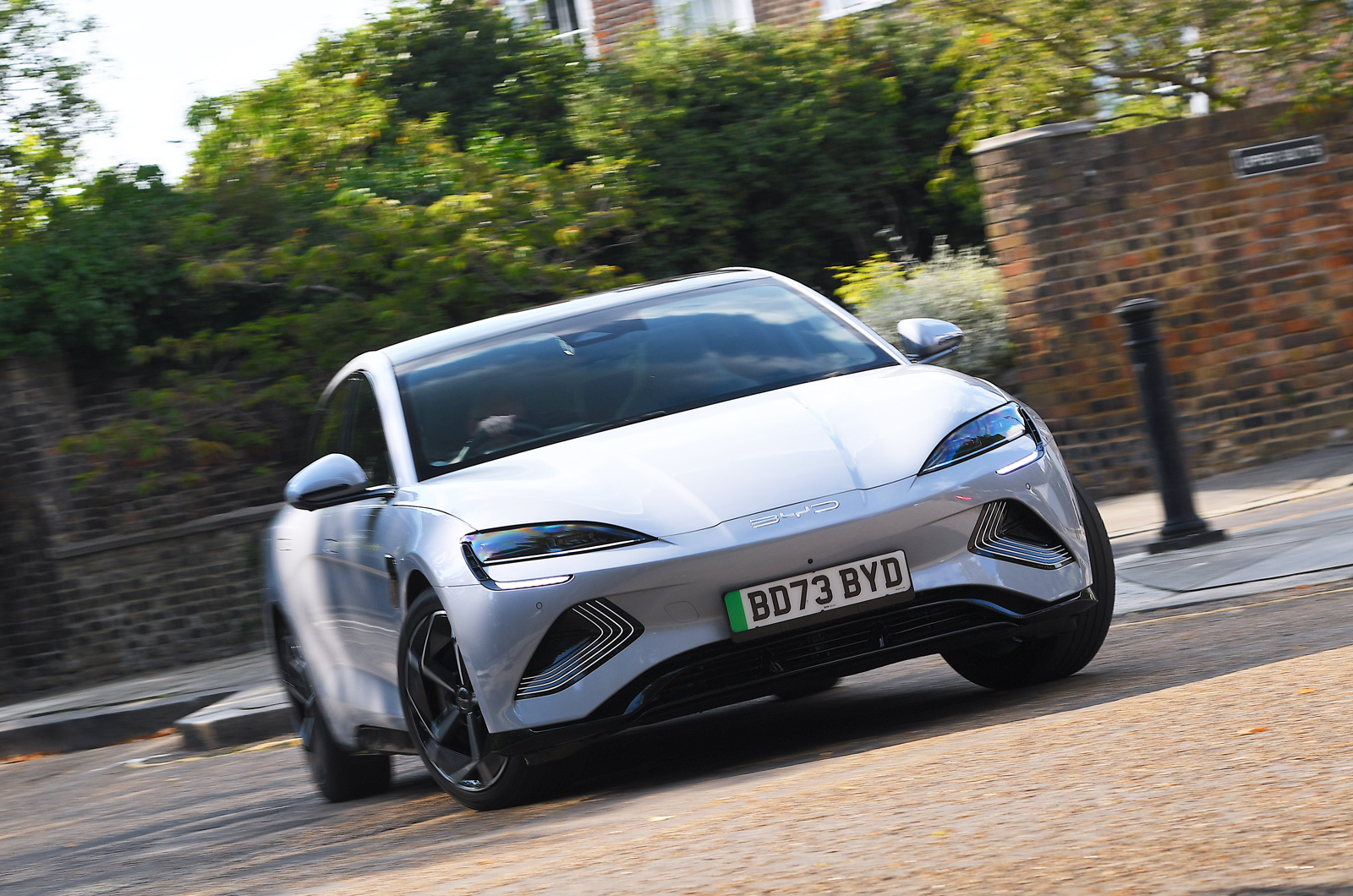
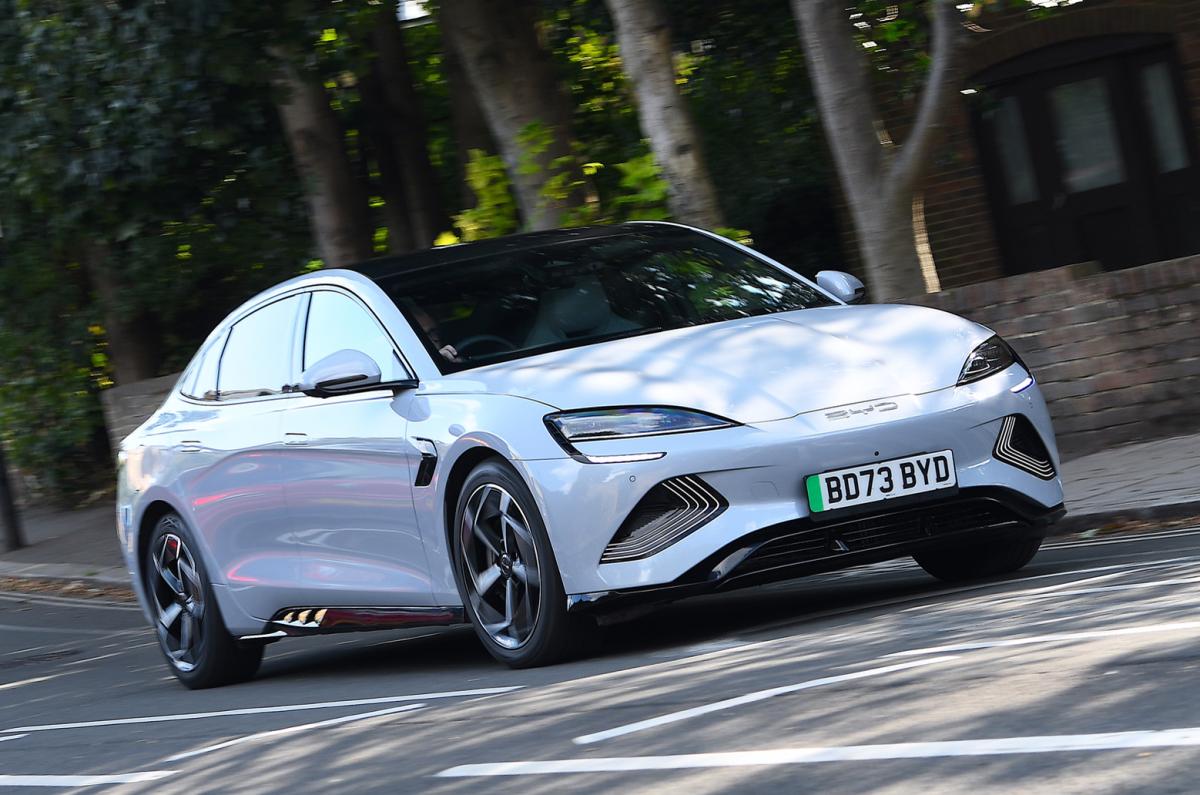
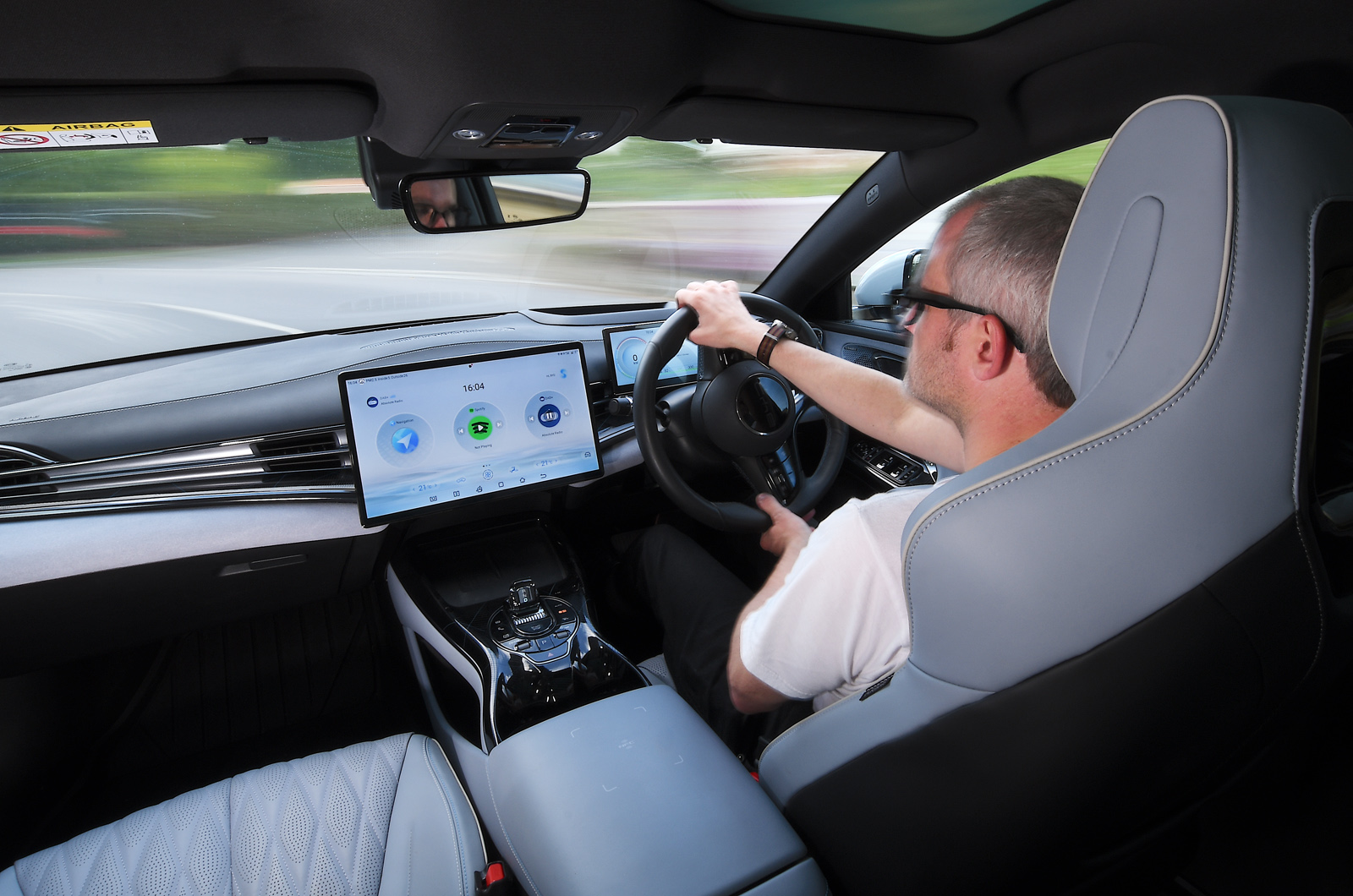
‘Generous’ is a good way to describe the BYD Seal. For starters, you get plenty of standard kit, with entry-level Design trim featuring heated and ventilated front seats, keyless entry and a 12-speaker sound system. What’s more, the Seal’s interior feels plush and offers a good amount of front and rear leg room. In Design guise, the Seal has a 309bhp motor to sprint from 0-60mph in 6.1sec in our tests; quicker than the equivalent Tesla Model 3. Every Seal can officially cover 354 miles, which is more than the cheapest BMW i4. Around town, the Seal soaks up the largest bumps well while still resisting body lean well.
To get a BYD Seal for £301 per month, you’ll need to enter a 36-month contract with a 5000-mile annual limit and 12 months initial rental. Nevertheless, if you regularly cover more miles, a more common 36-month agreement with a 10,000-mile restriction and a smaller six months initial rental would cost you £372 per month.
Read our in-depth BYD Seal review >>
What is What Car? best price?
The What Car? best price shows you the cheapest way to buy your new car, whether it's by choosing an in-stock car through our partner Autotrader or placing a factory order.
Available now from: £36,805
RRP from: £45,730
About our price indicator
What Car? indicative Personal lease example (subject to status)
82.5kWh Excellence Saloon 4dr Electric Auto AWD (530 ps)
| Expected annual mileage | 5000 |
| Term months | 36 |
| Deposit months | 12 |
| Monthly payment | £314.69 |
| Initial payment | £3,776.28 |
Step-by-step
Leasing works a bit like a long-term rental. You drive it, but you don’t own it.
- Choose your car, pick your terms and apply for lease credit online
- Pay monthly rental payments for your chosen term length
- Drive it, enjoy it, then give it back at the end
What you get
When you lease with Autotrader you get all of this:
- Full manufacturer’s warranty
- Road tax and roadside assistance included
- No admin fees
- Free returns within 30 days*
- Lower total monthly cost than PCP/HP
- No balloon payments
- Road tax included
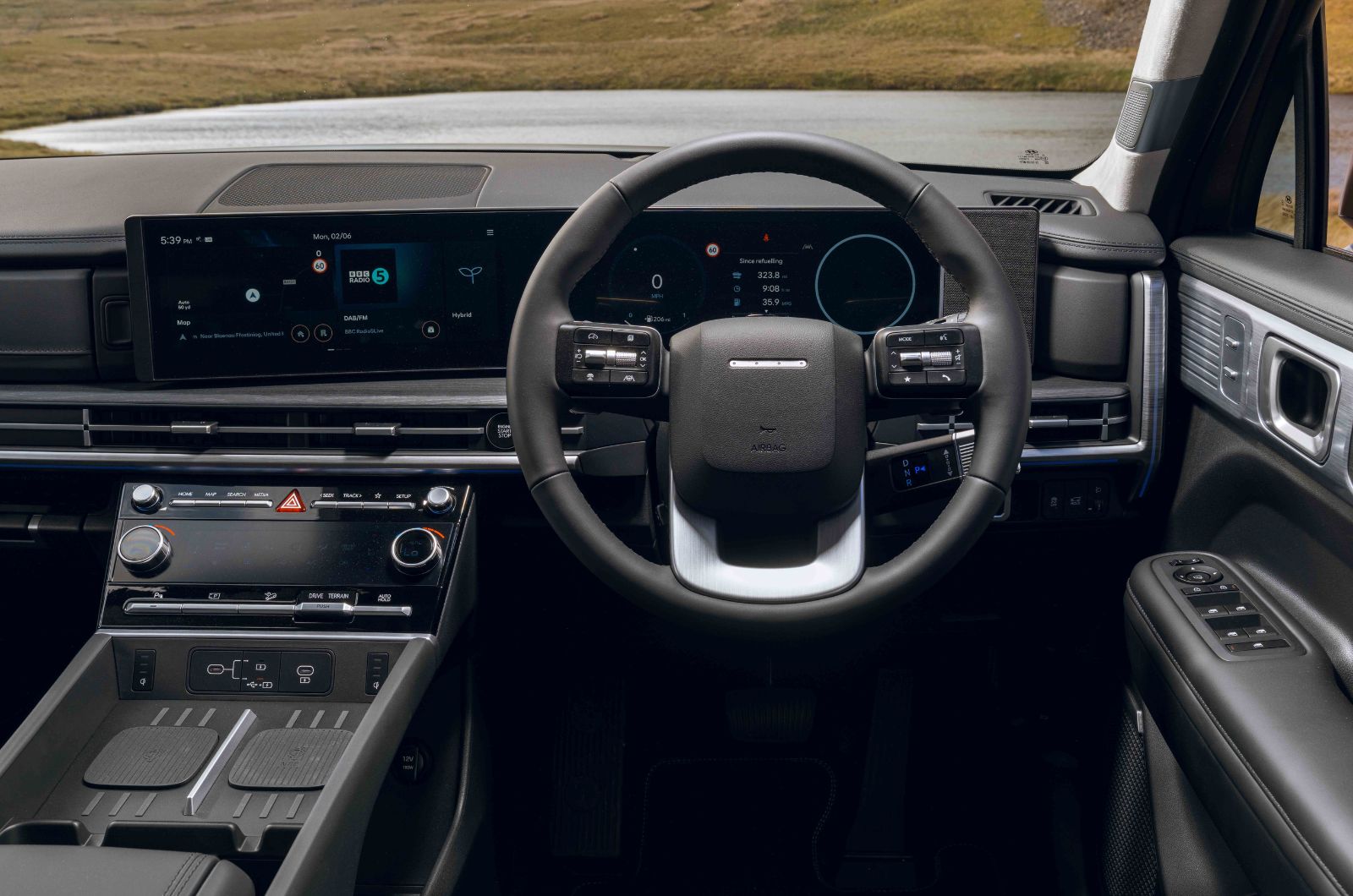
Strengths
- Outstanding seven-seat practicality
- Comfortable and quiet at speed
- Long warranty
Weaknesses
- PHEV’s underwhelming electric-only range
- Not the quickest or most agile seven seater
- Some rivals are even cheaper
Version 1.6 T-GDi 13.8kWh Ultimate | List price £56,450 | Contract length 36 months | Annual mileage 5000 miles | Initial payment £4522 | Monthly payment £377
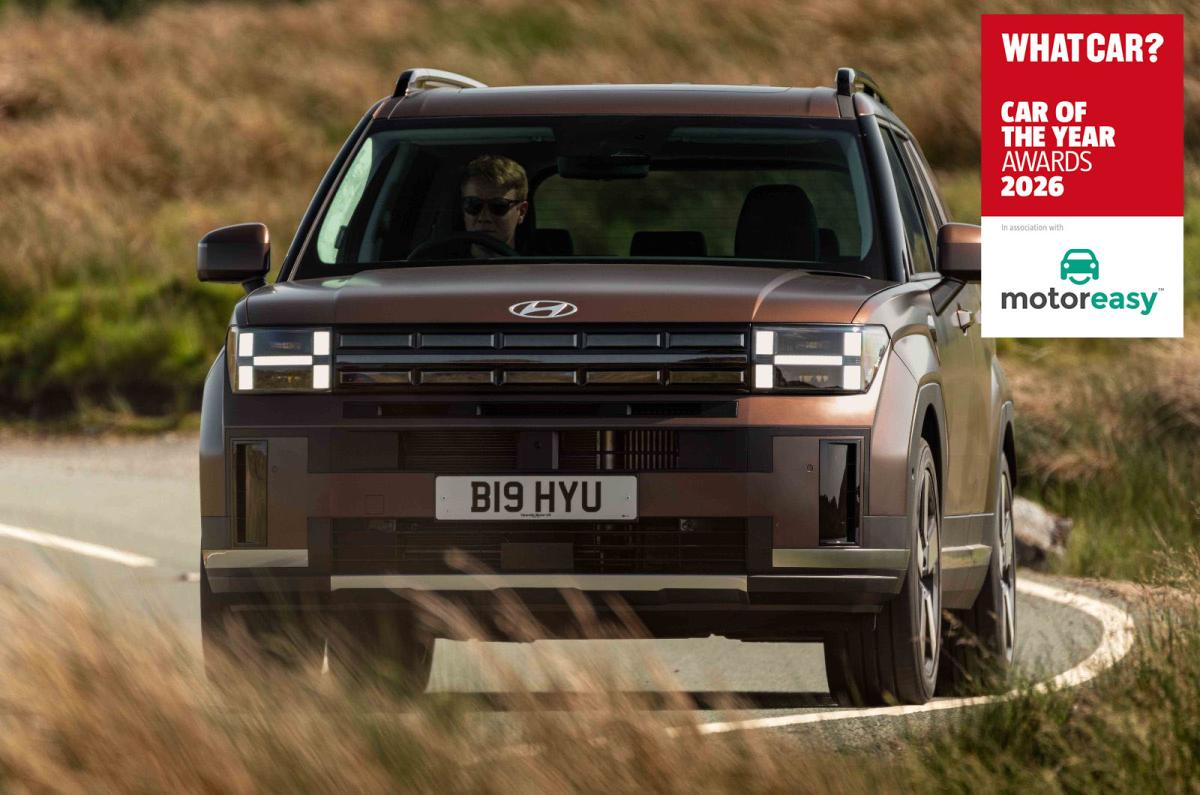
In a world of sleek SUVs, the boxy shape of the Hyundai Santa Fe is a breath of fresh air. There’s a massive amount of interior space, including more room for third-row passengers than the Peugeot 5008. With the third row folded, the Santa Fe’s 628-litre boot is bigger than the Kia Sorento’s. No wonder, then, it won What Car? 7-seat of the Year 2026. The Santa Fe is available as both a full hybrid and plug-in hybrid (PHEV), with the latter offering respectable performance and an official EV range of 33 miles. What’s more, the Santa Fe is surprisingly agile around tight bends and is quiet at motorway speeds.
Our best deal is for a 36-month contract with 12 months up front and an annual mileage limit of 5000 miles. If you’re planning to travel further, an equivalent-length contract with a 10,000-mile limit and six months initial rental (£2798) would cost £466 per month.
Read our in-depth Hyundai Santa Fe review >>
What is What Car? best price?
The What Car? best price shows you the cheapest way to buy your new car, whether it's by choosing an in-stock car through our partner Autotrader or placing a factory order.
Available now from: £41,985
RRP from: £49,140
About our price indicator
What Car? indicative Personal lease example (subject to status)
1.6 T-GDi 13.8kWh Ultimate SUV 5dr Petrol Plug-in Hybrid Auto 4WD Euro 6 (s/s) (7Seat) (288 ps)
| Expected annual mileage | 5000 |
| Term months | 36 |
| Deposit months | 12 |
| Monthly payment | £376.79 |
| Initial payment | £4,521.48 |
Step-by-step
Leasing works a bit like a long-term rental. You drive it, but you don’t own it.
- Choose your car, pick your terms and apply for lease credit online
- Pay monthly rental payments for your chosen term length
- Drive it, enjoy it, then give it back at the end
What you get
When you lease with Autotrader you get all of this:
- Full manufacturer’s warranty
- Road tax and roadside assistance included
- No admin fees
- Free returns within 30 days*
- Lower total monthly cost than PCP/HP
- No balloon payments
- Road tax included
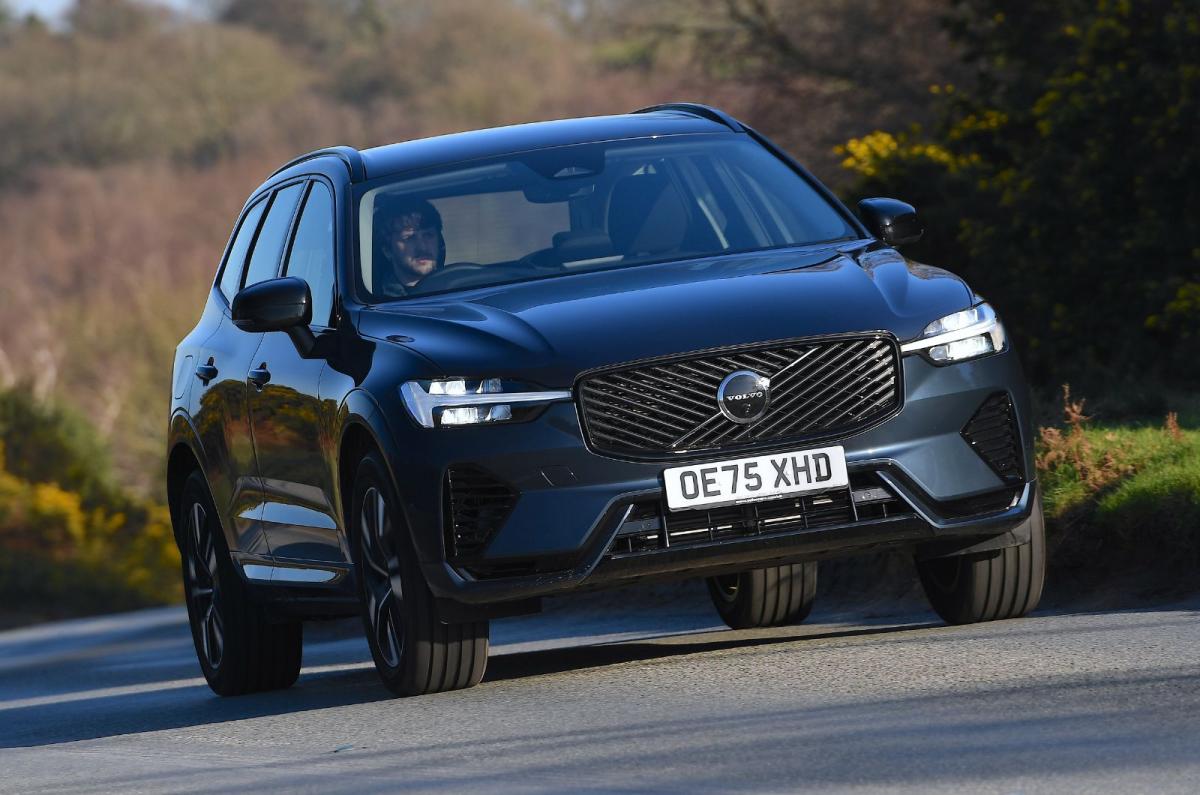
Our pick: 2.0 B5 MHEV Core Auto AWD Euro 6 (s/s) 5dr
Strengths
- Elegant and high-quality interior
- Superb driving position
- Lots of standard kit
Weaknesses
- Occasionally hesitant automatic gearbox
- No sliding or reclining rear seats
- Over-reliance on infotainment touchscreen for controls
Version 2.0 B5 MHEV Plus Black Edition | List price £56,970 | Contract length 36 months | Annual mileage 5000 miles | Initial payment £5198 | Monthly payment £434
The XC60 is the best-selling Volvo of all time, and for good reason. It has a supremely plush interior with lots of space for six-footers. Moreover, the XC60’s boot could fit eight carry-on suitcases in our tests. Cheaper XC60s use a 2.0-litre petrol engine with mild hybrid assistance for strong performance. While the XC60 remains composed around tight bends, it also offers a more supple ride than the Audi Q5. What’s more, it’s quieter on the move than the Honda CR-V. Go for Plus trim and the XC60’s kit list includes four-zone climate control, heated front and rear seats, and a Harman Kardon sound system.
To get the best monthly price on an XC60, you’ll need to enter a 36-month contract with a 5000-mile annual restriction and pay 12 months up front. However, for a more common agreement with six months initial rental (£3172) and a 10,000-mile limit, you’ll have to pay a monthly price of £529.
Read our in-depth Volvo XC60 review >>
For all the latest reviews, advice and new car deals, sign up to the What Car? newsletter here
Read more: Car leasing: Your questions answered >>
What is What Car? best price?
The What Car? best price shows you the cheapest way to buy your new car, whether it's by choosing an in-stock car through our partner Autotrader or placing a factory order.
Available now from: £50,655
RRP from: £49,860
About our price indicator
What Car? indicative Personal lease example (subject to status)
2.0 B5 MHEV Plus Black Edition SUV 5dr Petrol Hybrid Auto AWD Euro 6 (s/s) (250 ps)
| Expected annual mileage | 5000 |
| Term months | 36 |
| Deposit months | 12 |
| Monthly payment | £433.08 |
| Initial payment | £5,196.96 |
Step-by-step
Leasing works a bit like a long-term rental. You drive it, but you don’t own it.
- Choose your car, pick your terms and apply for lease credit online
- Pay monthly rental payments for your chosen term length
- Drive it, enjoy it, then give it back at the end
What you get
When you lease with Autotrader you get all of this:
- Full manufacturer’s warranty
- Road tax and roadside assistance included
- No admin fees
- Free returns within 30 days*
- Lower total monthly cost than PCP/HP
- No balloon payments
- Road tax included