What Car Reliability Survey: Most and least reliable petrol cars
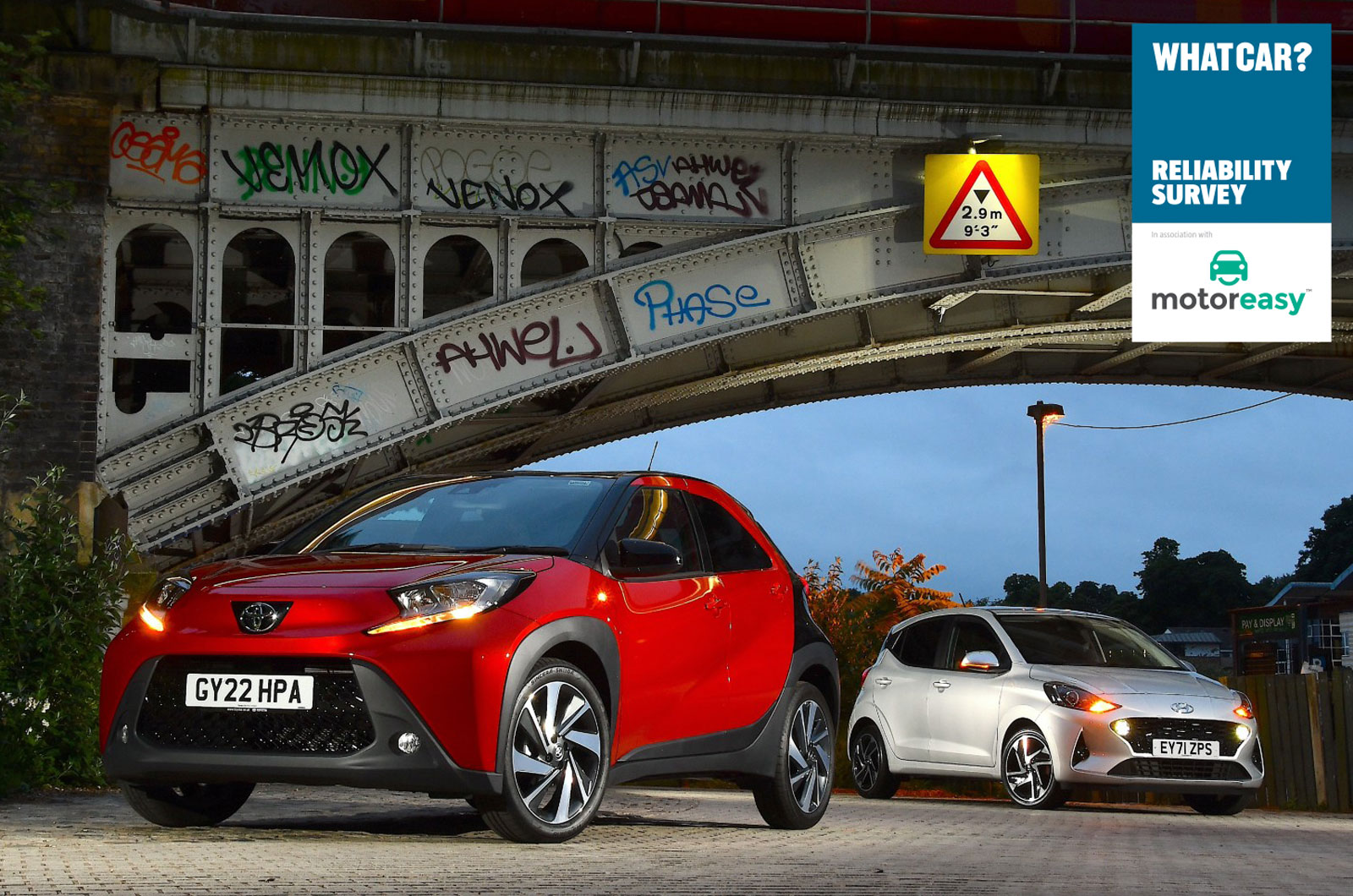
Don't discount petrol-engined cars just yet. Although they will no longer be sold new from 2030, they’re still a great choice for many motorists.
Many of the latest petrol cars are kitted out with clever mild hybrid technology that improves economy, making them almost as frugal on fuel as their diesel counterparts.
A petrol model is also the best choice if you want a dependable vehicle. According to our survey, only 19% of petrol cars suffered a fault in the past 24 months, that’s 2% lower than the fault rate for hybrids, 9% less than pure electric models and 10% lower than the fault rate for diesel models.
Even better news is that petrol-engined models are among the cheapest for repair bills and the quickest to fix. According to owners, 39% of petrol cars were fixed for free in one day or less. In contrast, 37% of hybrids were fixed in a day, 36% of diesel models and 30% of electric cars.
This listing contains all the models up to five years old that are either offered only with petrol power or for which we have enough data to list the petrol versions separately from those with diesel or hybrid engines.


The What Car? Reliability Survey is live, tell us about your car now
Most reliable petrol cars
=1. Hyundai i10 (2020-present)
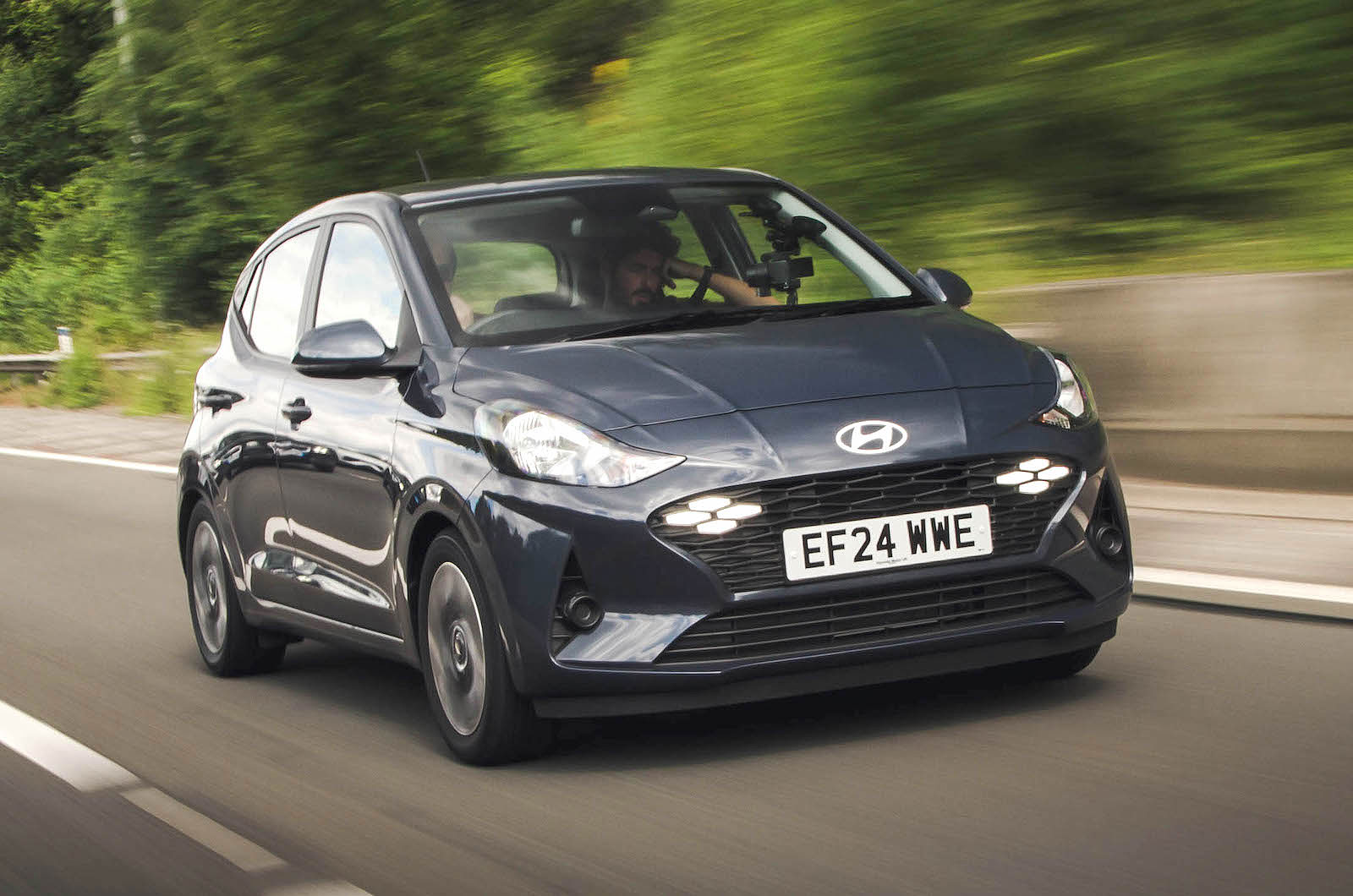
Reliability rating 100%
Most common faults: n/a
Average repair cost: n/a
Typical time off road: n/a
The i10 may be Hyundai's smallest model, but it's a well-rounded small hatchback that's good to drive and great value to buy. Unlike many city-focused cars, the i10 is a five-seater, so it's more versatile than the Fiat 500 Hybrid and Toyota Aygo X, both of which have four seats.
Hyundai has long held a reputation for building robust cars that motor on for many years without many major issues, and the i10 excelled itself in the latest survey, gaining a perfect 100% score for reliability. That means not one of the cars owners told us about suffered any faults at all in the previous 24 months, and as a result, no i10 owners had to contend with the inconvenience and potential expense of a breakdown or an unexpected repair bill.
=1. Toyota GR Yaris (2020-present)
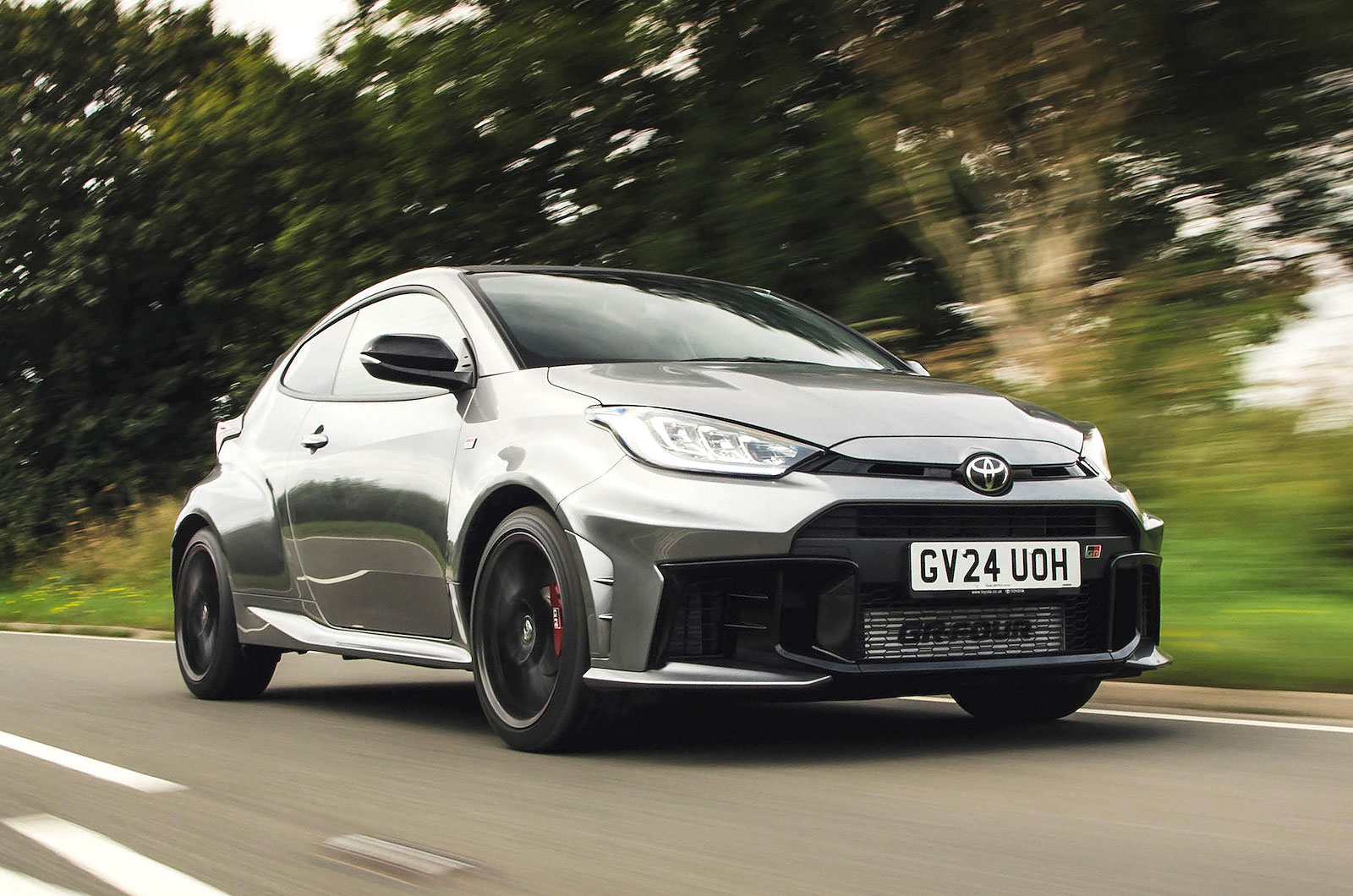
Reliability rating 100%
Most common faults: n/a
Average repair cost: n/a
Typical time off road: n/a
The GR Yaris is one of just four cars that gained a full 100% reliability rating in the latest What Car? Reliability Survey, alongside the Hyundai i10, Hyundai Santa Fe and Kia EV3.
This red-blooded, rally-bred hot hatch doesn't have much in common with its sensible namesake, the Yaris Hybrid small car, but it outperforms it for reliability. In fact, not a single GR owner reported any faults whatsoever.
Not only did the GR Yaris post a 100% rating, but it’s also the only car in a class full of sporty models – including such pricey machinery as the Jaguar F-Type and Porsche 911 – to have achieved this feat in the past seven years of the survey.
3. Toyota Aygo X (2021-2025)
Reliability rating 99.7%
Most common faults: Bodywork 3%
Average repair cost: 100% £0
Typical time off road: 100% one day or less
Although Toyota replaced the Aygo X's 1.0-litre petrol engine with a 1.5 hybrid unit in 2026, this data is for the earlier petrol versions. The Aygo X may be Toyota’s smallest and most affordable model, but it’s also one of the most robust of its current offerings. In fact, this city car hardly puts a foot wrong; a mere 3% of Aygo X owners said they’d had an issue with their car, and the only area to give any grief was the bodywork.
The only area of concern was the bodywork, with no faults serious enough to render any cars unable to be driven. The best news for owners is that all faults were fixed for free and without taking more than a day to put right, so no Aygo X driver was left out of pocket or without their car for too long.
4. Kia Picanto (2024-present)
Reliability rating 98.5%
Most common faults: Engine 5%, non-engine electrics 2%
Average repair cost: 100% £0
Typical time off road: 50% one day or less, 25% one day to a week, 25% more than a week
The Picanto is a rare thing — it's a small city car that runs on petrol power instead of electricity. It has a smart interior and tidy handling, although it's not quite as refined as a Hyundai i10. However, like the i10, it seats five, so it's more practical than many alternatives.
Most of the Picantos we were told about had no issues — only 9% went wrong, and all those that did could still be driven. All remedial work was done for free, and half of the affected cars were back on the road in a day or less. It's a shame that 25% took more than a week to put right, though.
=5. BMW 4 Series Coupé / Convertible (2020-present)
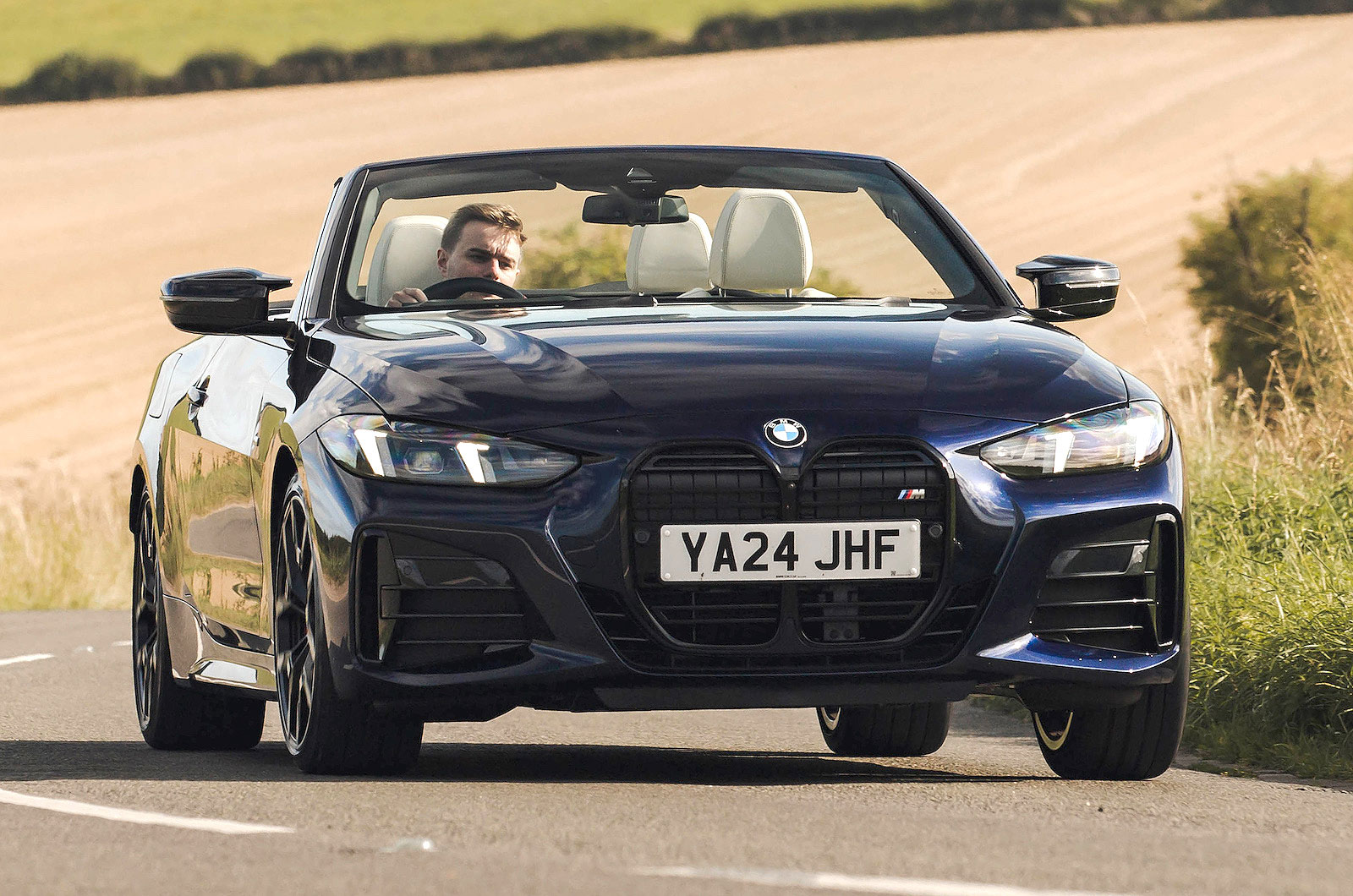
Reliability rating 98.5%
Most common faults: Non-engine electrics 6%, bodywork 2%, steering 2%
Average repair cost: 100% £0
Typical time off road: 40% one day or less, 60% one day to a week
The 4 Series is What Car?'s Coupé of the Year 2026 because it's great to drive, smart inside and more practical than you might expect. While the six-cylinder engine M440i is great fun, the more mild-mannered 420i is our top choice because it strikes the best balance between performance and running costs while still impressing on twisty roads.
Owners of the latest generation model report few flaws, and none have had to contribute towards repairing unexpected faults. Of the 8% of cars that owners said did go wrong, the bodywork and non-engine electrical systems were to blame, but these issues didn’t prevent any cars from being driven. Forty percent of defects were remedied in a day or less and the remaining 60% were sorted out in less than a week, with BMW covering all the costs.
BMW 4 Series Coupé / Convertible review
=5. Volkswagen Polo (2018-present)
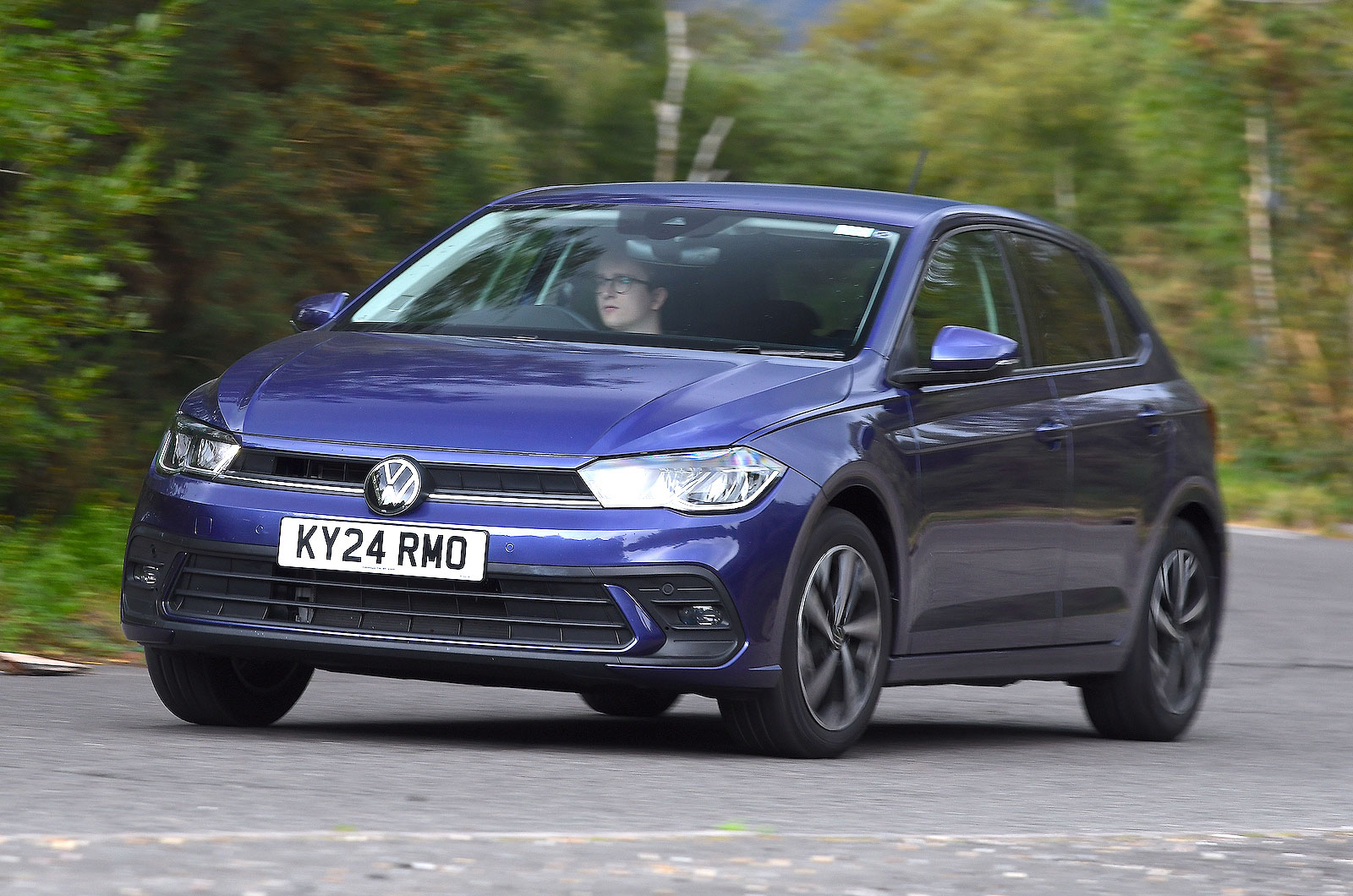
Reliability rating 98.5%
Most common faults: Bodywork 3%, air-con 2%
Average repair cost: 100% £0
Typical time off road: 100% more than a week
The Polo may be overlooked by many people in favour of its Golf big brother, but it is worth considering if you're after a practical small family car. It is a great all-rounder with a smart, roomy interior and a good range of turbocharged petrol engines.
It's proving more dependable than other Volkswagen models, too. In fact, it's the brand's second most reliable model, after the Golf-based T-Roc. Only 5% of the models reported on in our survey had any issues, and the only areas concerned were the bodywork and air-con. While the car maker covered the cost of all repairs, getting work done was slow — all affected cars were out of action for more than a week.
7. Mazda CX-5 petrol (2017-2026)
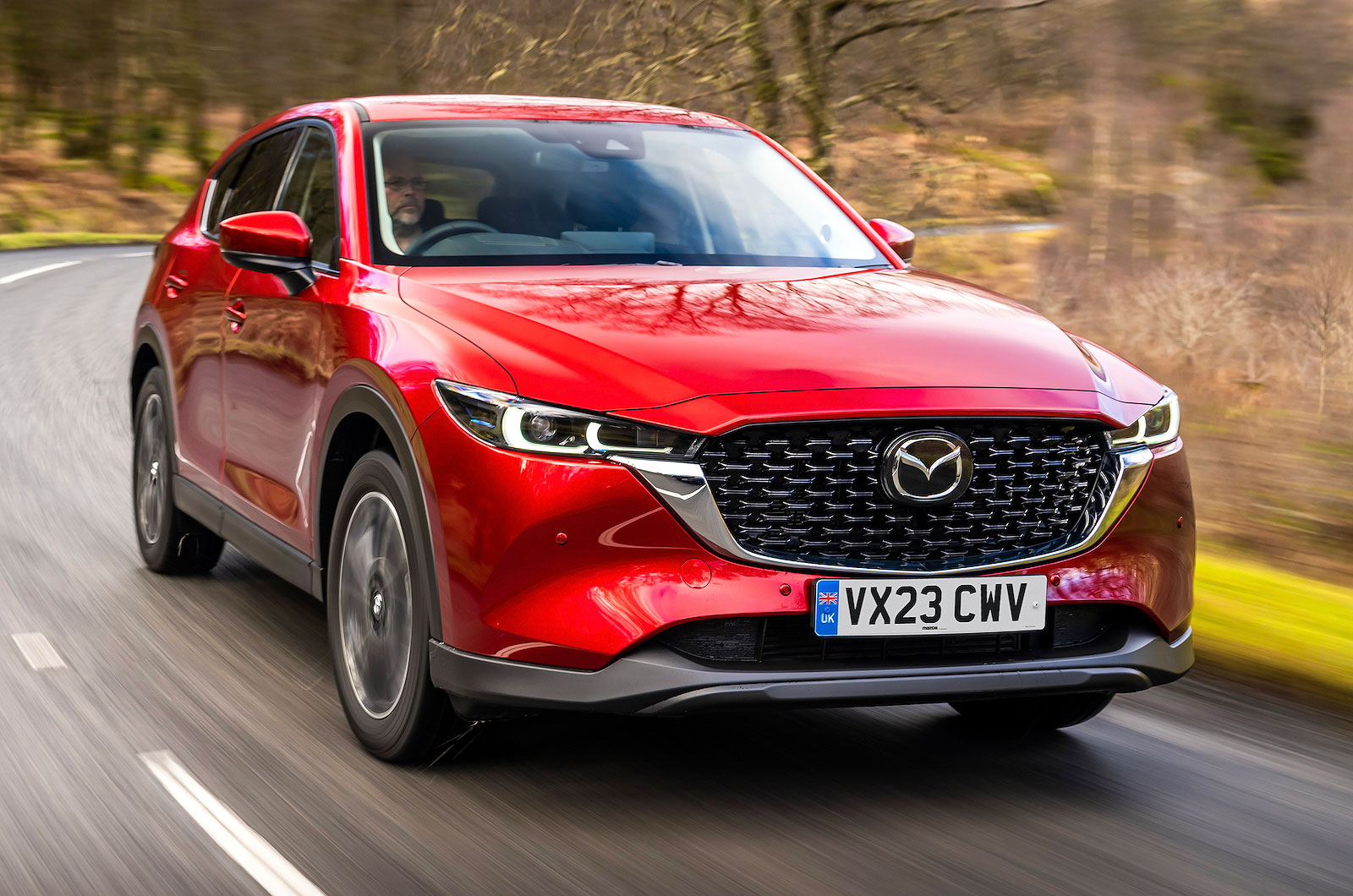
Reliability rating 98.4%
Most common faults: Sat-nav/infotainment 9%, non-engine electrics 3%
Average repair cost: 100% cost £0
Typical time off road: 89% one day or less, 11% one day to a week
Even though the CX-5 is being replaced, it still competes well with fresher faced family SUVs. It has an upmarket interior, enough room for a family of five, and plenty of equipment for the money.
If it's fault-free motoring you're after, a petrol model is likely to be far better than a diesel — only 10% of the petrol examples we were told about went wrong, compared with 30% of diesels. Owners weren't inconvenienced greatly by faults either — all cars were fixed for free by the car maker, and most were in and out of the workshop in a day or less.
=8. Volkswagen T-Cross (2019-present)
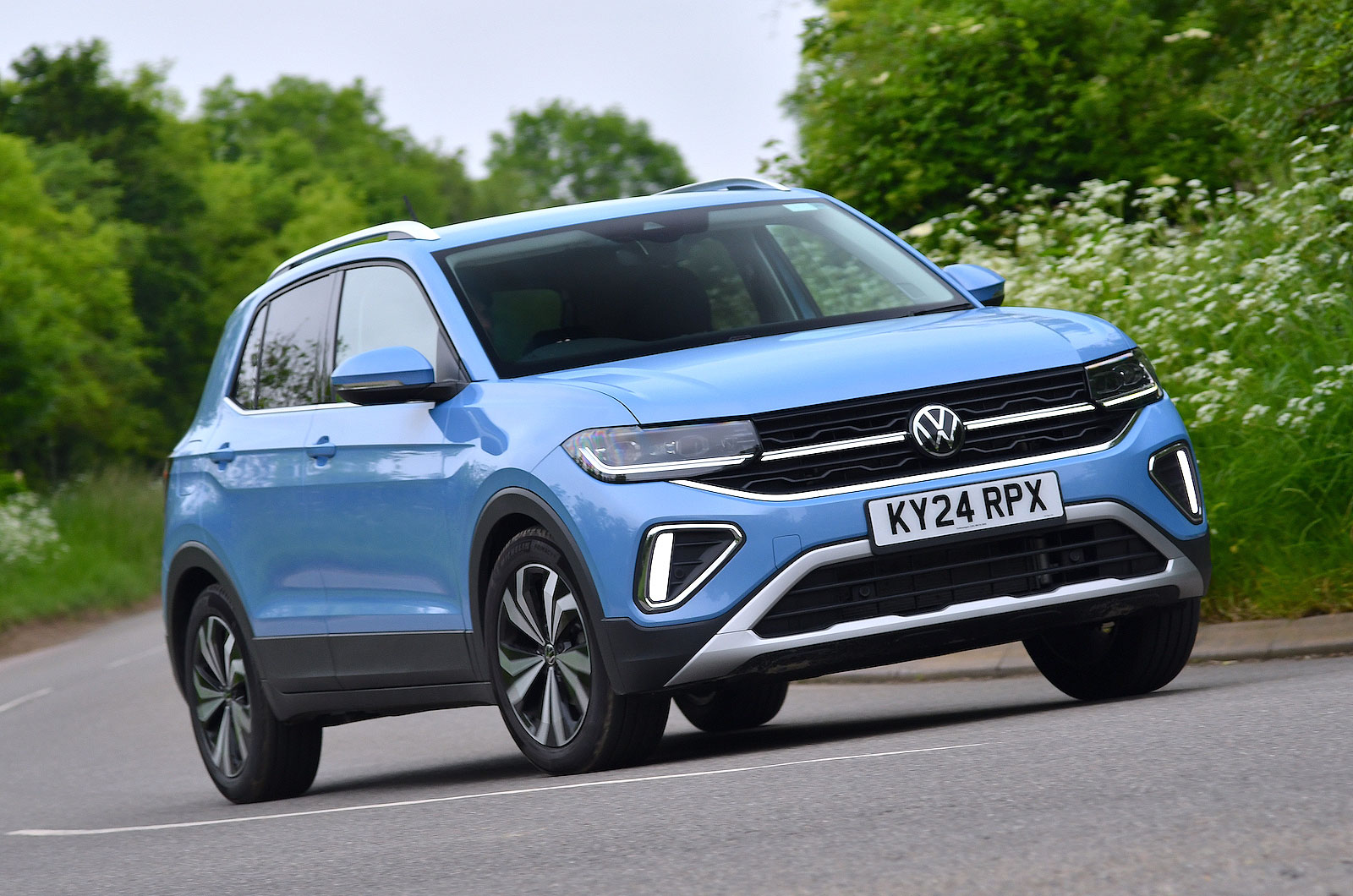
Reliability rating 98.0%
Most common faults: Engine 4%, non-engine electrics 4%, steering 4%
Average repair cost: 100% £0
Typical time off road: 33% one day or less, 67% one day to a week
A roomy and versatile small SUV, the Polo-based T-Cross is good to drive and has decent fuel economy. It's similar to the Volkswagen Taigo, which has a more sloped roofline, but the T-Cross is available with less-powerful engines and more spartan trim levels, so it can be significantly cheaper to buy. It also has some clever tricks, including sliding rear seats that make it more versatile.
While the Taigo rates fairly well for reliability, with a score of 97.1%, it can't match the T-Cross. Only 12% of the T-Cross cars in our survey suffered any glitches, and all were put right for free. Two-thirds of owners were without their cars for more than a week, though.
Volkswagen T-Cross leasing deals
=8. BMW 3 Series petrol (2019-present)
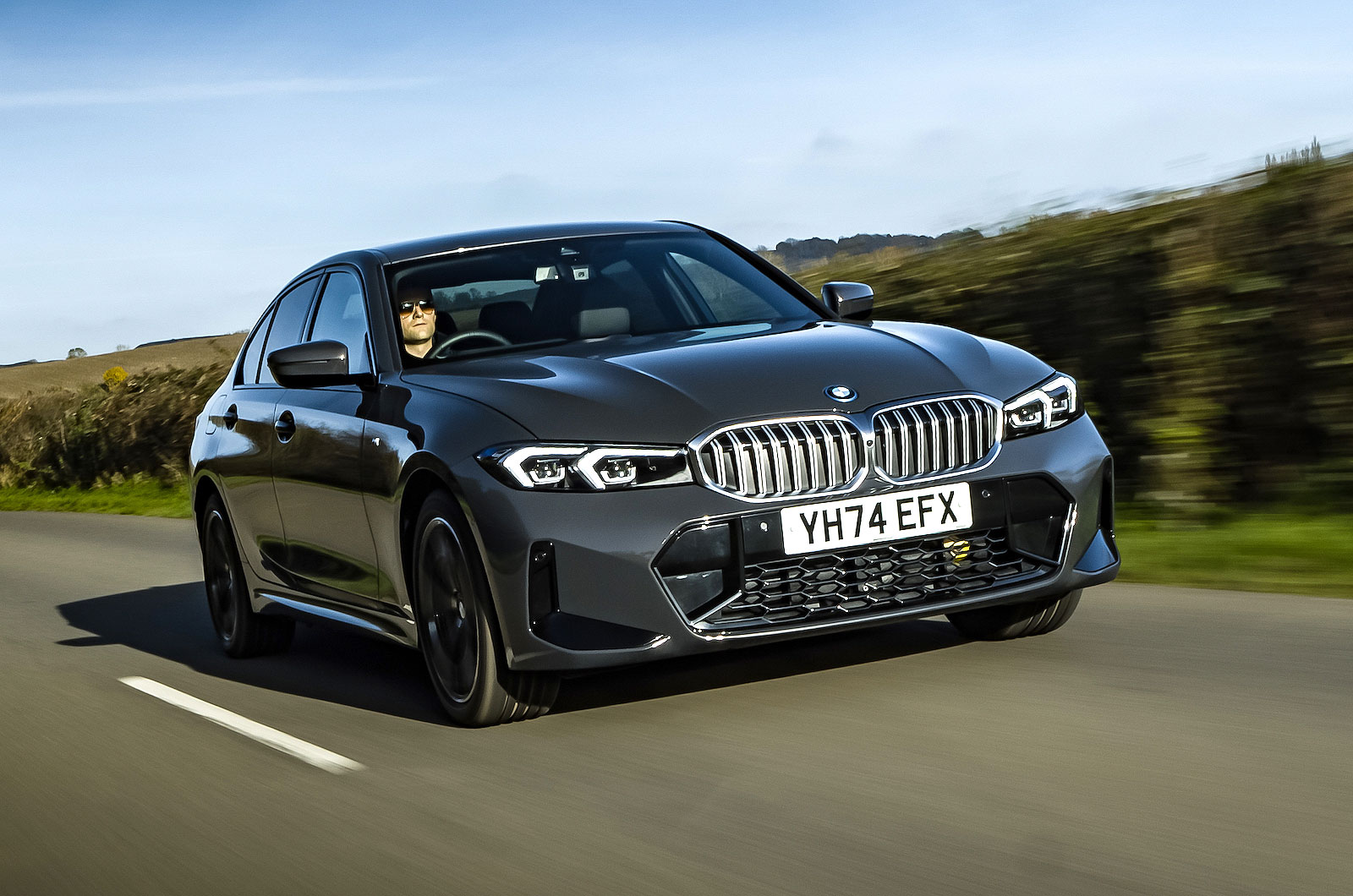
Reliability rating 98.0%
Most common faults: 12-volt battery 1%, engine 1%, engine electrics 1%, interior trim 1%, non-engine electrics 1%, suspension 1%
Average repair cost: 100% cost £0
Typical time off road: 43% one day to a week, 43% more than a week
The 3 Series has long been the top choice for upwardly mobile execs. Its primary appeal is the way it drives, but its engines and infotainment system are first-rate, too. The only thing we’d suggest is that buyers add adaptive suspension to make the ride more comfortable. The entry-level 320i is the best bet if you’re a private buyer.
Pick a petrol 3 Series if you don't want to get to know your local dealership too well — according to our data only 6% of petrol models went wrong, compared with 27% of diesels. Issues were split across a number of areas, but most cars could still be driven. BMW paid for all fixes, but some owners had to do without their cars for more than a week.
10. Toyota GR86 (2022-present)
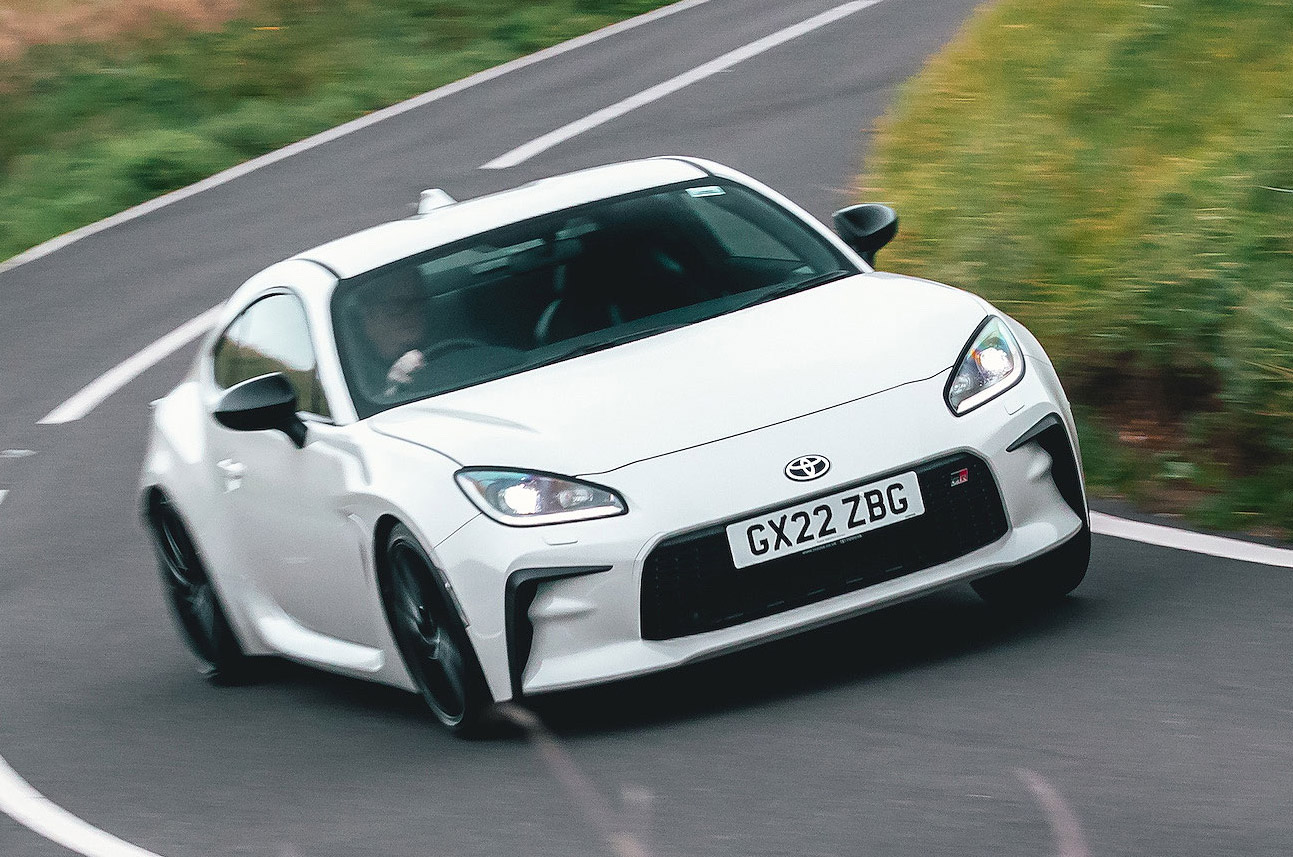
Reliability rating 97.9%
Most common faults: 12-volt battery 4%, non-engine electrics 5%
Average repair cost: 100% cost £0
Typical time off road: 100% more than a week
An old-school sports coupé, the GR86 is a rare thing in these times of electrification. It offers lashings of excitement for a relatively affordable price, but its interior quality and refinement aren't up there with the best alternatives.
It’s good to know that this internal combustion-powered model is unlikely to let you down, though. If it does, you should have the reassurance that repairs won’t cost you anything; owners told us that Toyota paid for all fixes to their cars.
Only 5% of the GR86s in our survey had any glitches, and these all related to the 12-volt battery and non-engine electrics. Although all faulty cars could still be driven, it’s a shame that they were all walled up in the workshop for more than a week.
Most unreliable petrol cars
1. Nissan Juke petrol (2019-present)
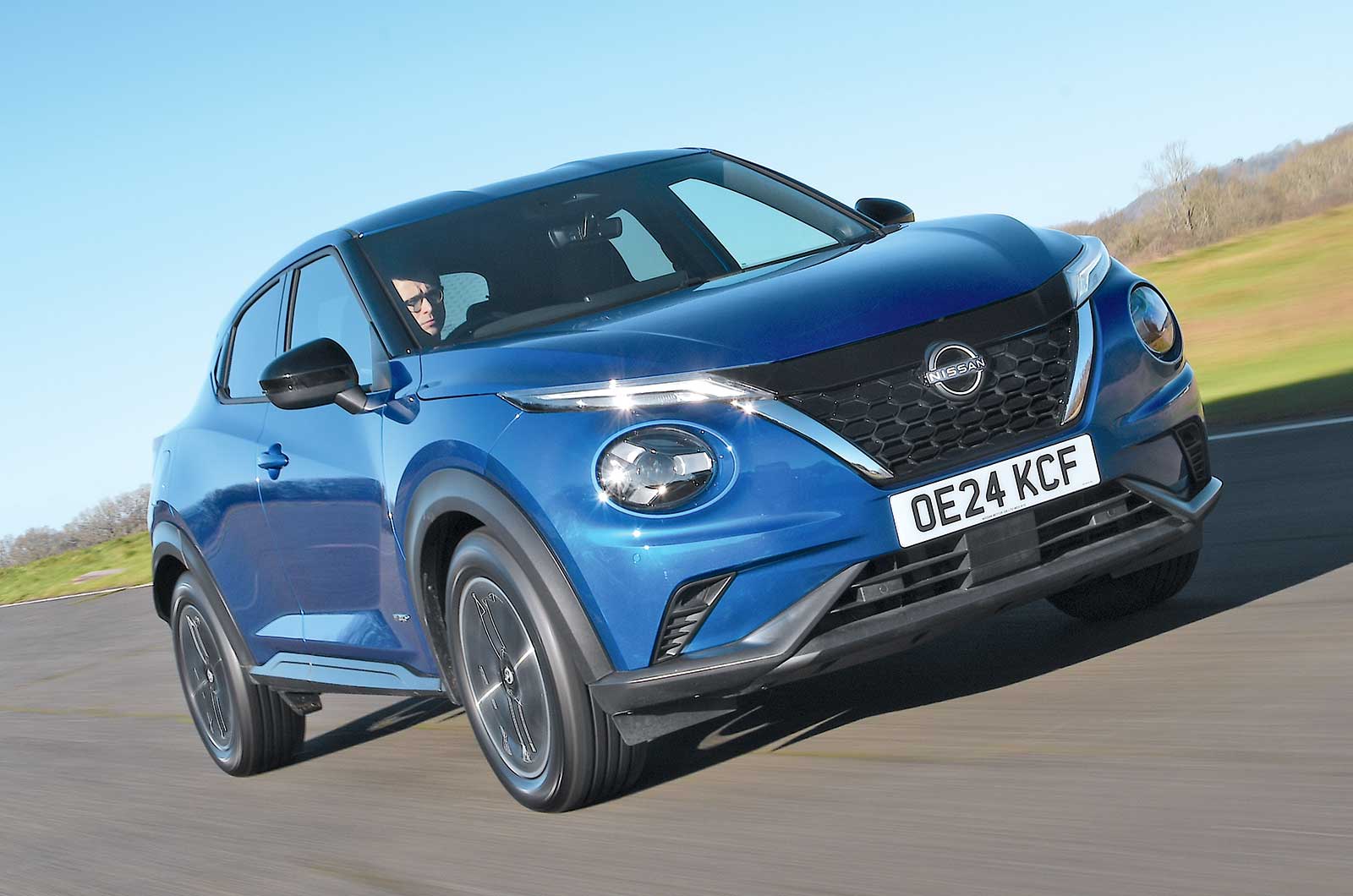
Reliability rating 55.2%
Most common faults: 12-volt battery 12%, engine 12%, non-engine electrics 6%, fuel system 6%, air-con 3%, bodywork 3%, brakes 3%, engine electrics 3%, exhaust 3%, gearbox 3%, steering 3%
Average repair cost: 30% cost £0, 60% more than £1500
Typical time off road: 64% more than a week, 27% one day to a week
The Nissan Juke has a smart interior and comes with plenty of equipment, but it's not the most rounded choice in the small SUV class. If you're taken by the Juke's distinctive looks or the fact it's built in the UK, we'd recommend the entry-level 114 engine with N-Connecta trim.
A combination of slow repairs and some huge repair bills have dragged the petrol Juke to the bottom of the chart for petrol cars and for small SUVs. In fact, its 55.2% reliability rating is the lowest of all the cars included – in any category – in the latest survey.
Although only 24% of petrol Juke owners said their car had gone wrong, 64% of those said their cars were out of action for more than a week, and 60% had to pay more than £1500 per fault for repairs; only 30% of problems were fixed for free. The engine and 12-volt battery were the biggest headaches, followed by non-engine electrical glitches.
2. Skoda Superb petrol (2015-2024)
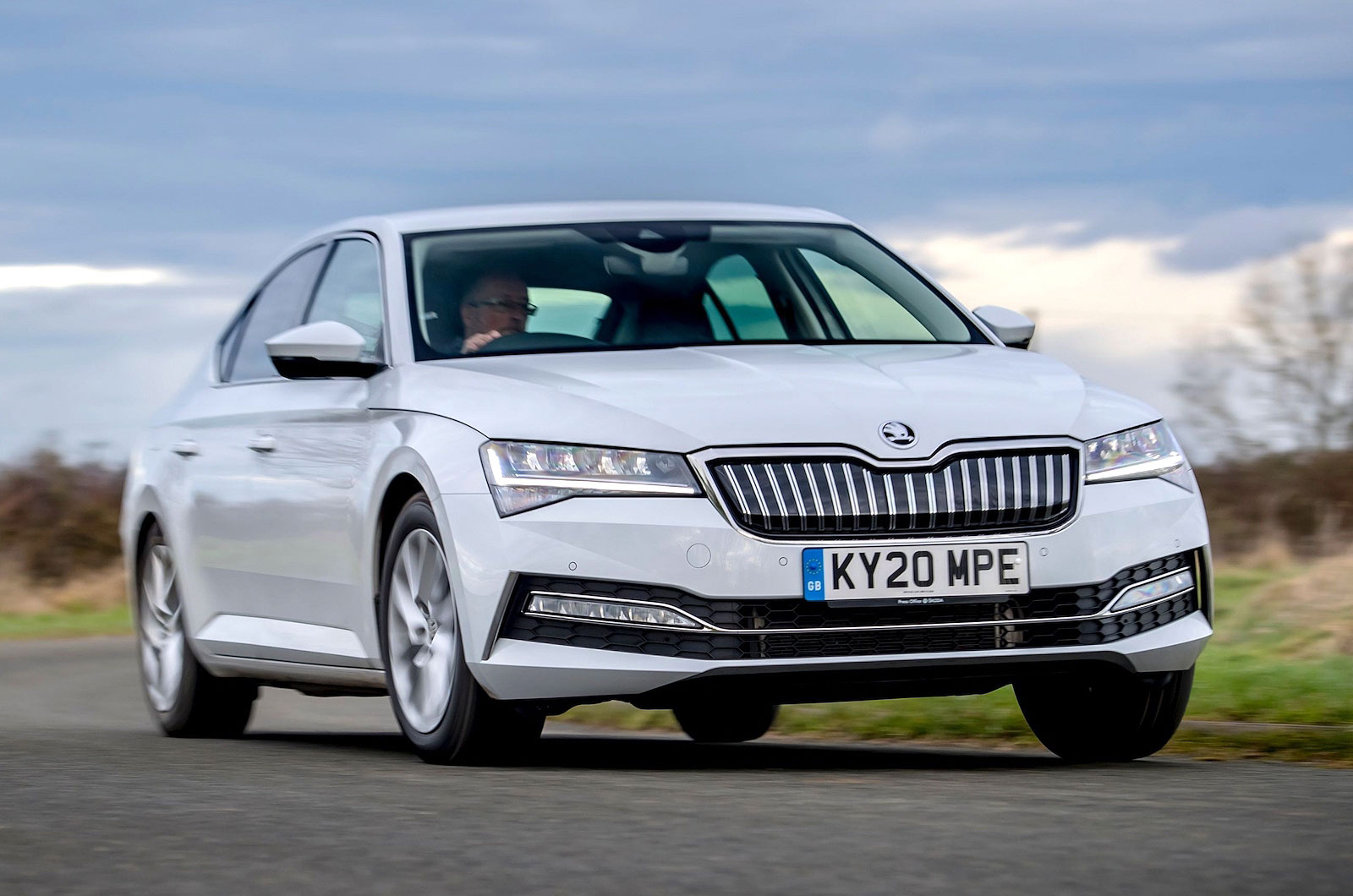
Reliability rating 81.4%
Most common faults: sat-nav/infotainment system 20%, non-engine electrics 11%, bodywork 6%, interior trim 6%, 12-volt battery 3%
Average repair cost: 65% £0, 15% more than £1500
Typical time off road: 40% one day or less, 55% more than a week
The Superb is renowned as an extremely roomy car that has a lavishly appointed interior and lots of standard equipment. The diesel-engined versions were the most popular, and these are proving more robust than their petrol counterparts. Petrol Superbs have a fault rate of 40%, while only 18% of diesel models went wrong.
The most common areas of complaint centred on the electrics. The infotainment system was responsible for 20% of faults, with non-engine electrics causing a further 11%. Further bad news is that Skoda fully covered the cost of only 65% of bills, leaving 15% of petrol Superb owners facing bills of up to £200 and the remaining 20% having to find £501 or more — upwards of £1500 in some cases. Although 40% of cars were fixed in a day or less, 55% were out of action for more than a week.
3. Jaguar F-Type (2014-2024)
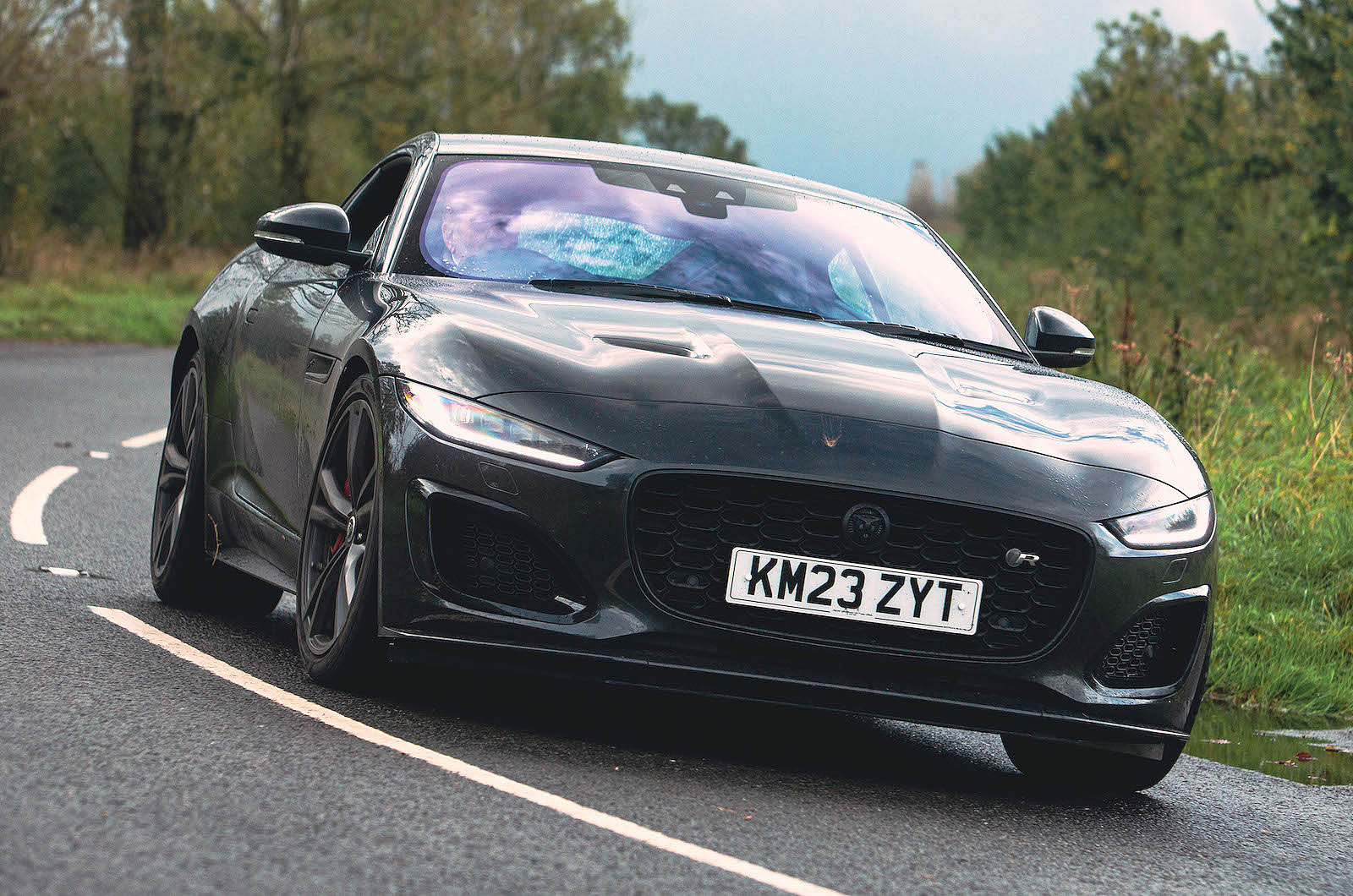
Reliability rating 89.1%
Most common faults: Engine electrics 13%, air-con 7%, bodywork 7%, engine 7%, exhaust 7%, steering 7%
Average repair cost: 86% cost £0, 14% more than £1500
Typical time off road: 29% one day or less, 71% more than a week
The F-Type sports car is a real head-turner of a car, and as a secondhand prospect, it's pretty affordable. Its reliability record has been patchy though, and slow repairs and some high repair bills are the biggest concerns of F-Type owners. They told us that 71% of their faulty cars were off the road for more than a week, and only 29% were fixed in a day or less. While 86% of glitches were paid for by the car maker, the rest cost more than £1500 per fault to put right.
Overall, 27% of F-Types were afflicted by at least one fault, with engine-related electrics causing the most grief. This affected 13% of the defective cars, but owners also reported problems with the air-con, bodywork, exhaust and steering.
4. MG HS (2019-2024)
Reliability rating 87.9%
Most common faults: Sat-nav/infotainment system 19%, non-engine electrics 11%, air-con 8%, engine 8%, bodywork 5%, brakes 5%, gearbox 5%, suspension 3%
Average repair cost: 96% cost £0, 4% £100-£200
Typical time off road: 50% one day or less, 43% one day to a week
The MG HS has generous equipment levels, a plush interior and a polished driving experience for relatively little money. And it’s backed by a competitive seven-year, 80,000-mile warranty. It may not be the most practical family SUV, but it certainly has a lot going for it.
Petrol versions of the HS aren't proving as robust as their plug-in hybrid brethren — according to owners, 41% of petrol MG HS cars went wrong compared with 17% of plug-in hybrid variants. The good news is that all faulty cars could still be driven and half of them were in and out of the garage in a day or less. It's also reassuring to know that MG covered the cost of virtually all remedial work, leaving very few owners with any unexpected bills.
5. Porsche Boxster / Cayman (2016-present)
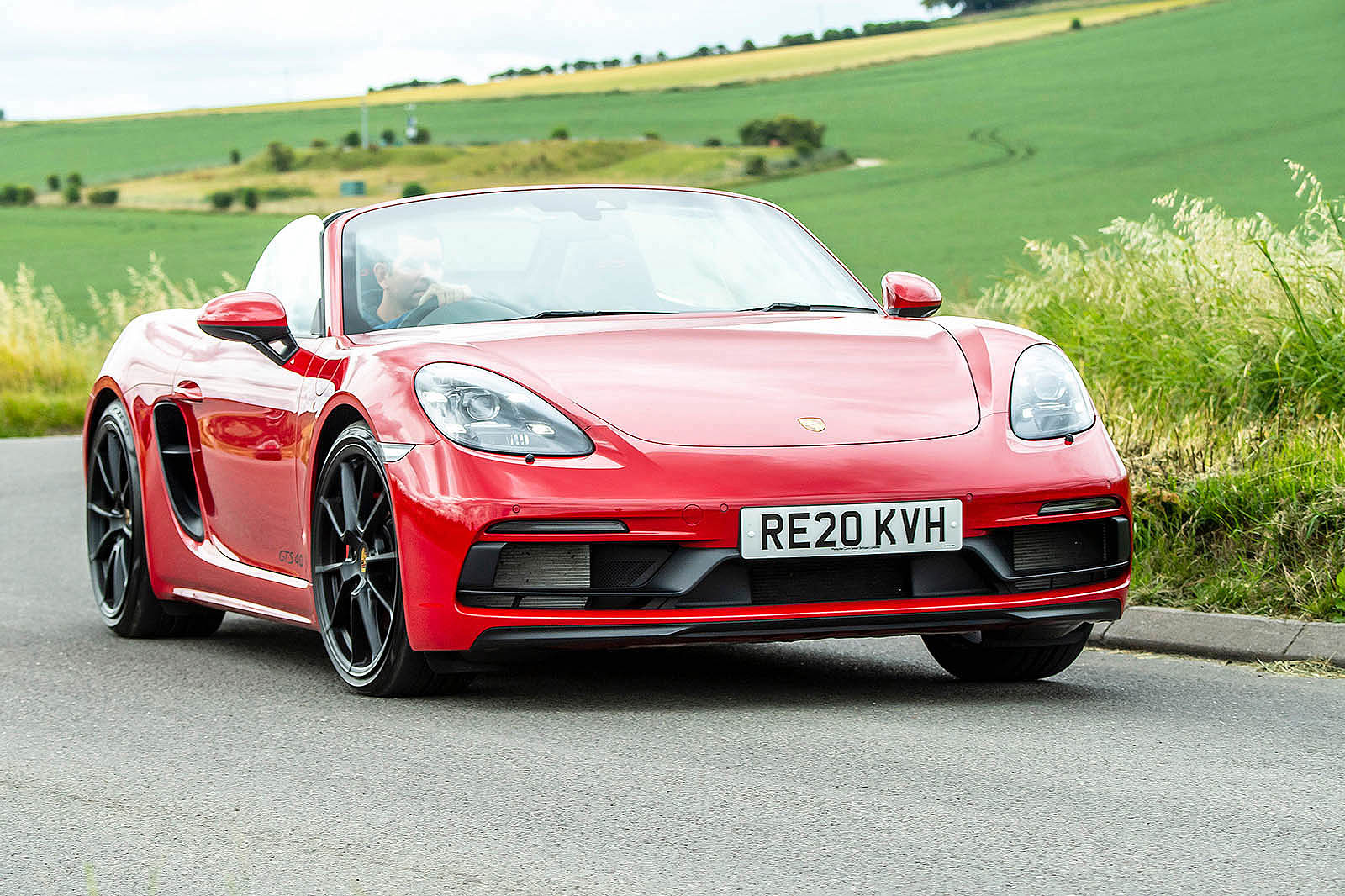
Reliability rating 89.8%
Most common faults: Air-con 11%, battery 6%, brakes 6%, engine 6%, non-engine electrics 6%, sat-nav / infotainment system 6%
Average repair cost: 100% cost £0
Typical time off road: 44% one day to a week, 44% more than a week
If you want a convertible or coupé with performance to match its looks, the Boxster and Cayman may fit the bill. They both have superb handling and the 4.0-litre GTS sounds glorious and leaves most rivals standing. In fact, we'd go as far as saying that this coupé and convertible duo are among the best sports cars you can buy.
With a fault rate of 33%, the Boxster and its coupé sibling, the Cayman, weren't blighted by problems too often. Air-con issues were the most common complaint, and four out of five cars that went wrong could still be driven. However, getting things put right wasn't fast — 44% of cars were laid up for up to a week — and 44% were in the workshop for more than seven days. At least all the cars that did have any glitches were fixed for free by the car maker.
Porsche Boxster / Porsche Cayman review
6. Volvo XC40 (2017-present)
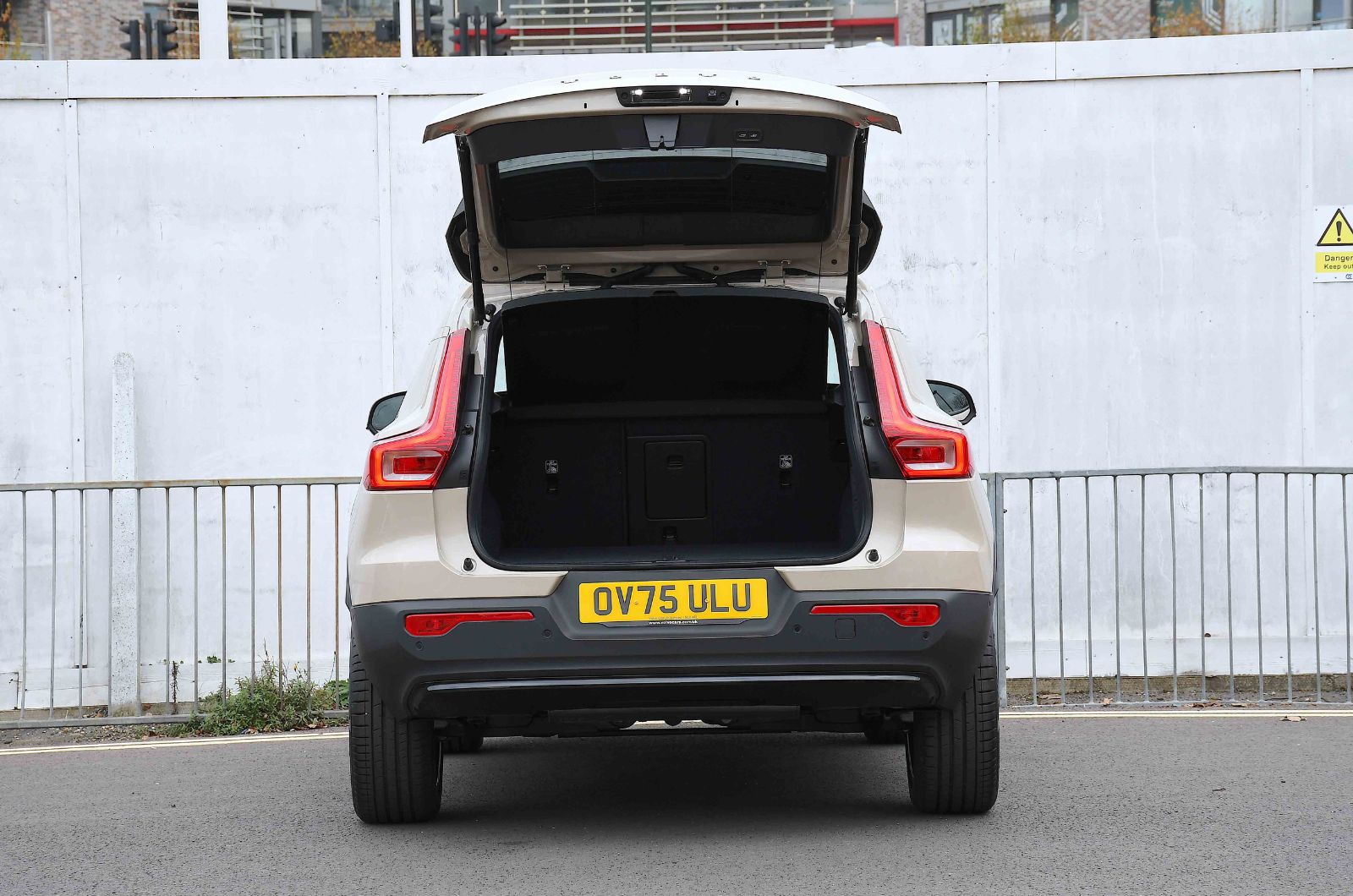
Reliability rating 90.4%
Most common faults: 12-volt battery 7%, engine electrics 6%, sat-nav/infotainment 6%, engine 5%, bodywork 3%, fuel system 3%, non-engine electrics 3%
Average repair cost: 100% cost £0
Typical time off road: 48% more than a week, 33% one day or less
The Volvo XC40 is a premium compact SUV that's well regarded for its comfortable ride, stylish design and high-quality interior. It comes with a choice of two 2.0-litre mild-hybrid petrol engines — the B3, which has 161bhp, and the more powerful B4, with 194bhp. We'd recommend the B3 because it's sprightly enough for most buyers, with a 0-62mph time of 8.6secs, and more affordable to buy.
Traditional internal-combustion-engined petrol XC40 models went wrong nearly twice as often as plug-in hybrid versions of the family-sized Volvo SUV — the fault rate for the former was 25% and the latter 14%. Although the car maker paid for all the problems to be put right, nearly half of the car affected were out of action for more than a week.
7. Cupra Ateca (2020-present)
Reliability rating 90.6%
Most common faults: Sat-nav/infotainment system 25%, air-con 6%, bodywork 6%, engine 6%, non-engine electrics 6%
Average repair cost: 100% cost £0
Typical time off road: 70% one day or less, 30% more than a week
Cupra is the performance sub-brand of Seat, and the Ateca was the first Seat model to be rebadged as a Cupra. Unsurprisingly, it is a rowdier and more performance-focused version of the Seat Ateca. There are also two less powerful variants aimed at more sensible small SUV buyers.
Like many VW Group vehicles, the Cupra Ateca has suffered with a high percentage of infotainment issues. All faulty cars could still be driven, though, and nearly three-quarters were put right in a day or less. Even better, Cupra covered the cost of all the necessary remedial work.
8. Volkswagen Golf (2013-2020)
Reliability rating 90.7%
Most common faults: Fuel system 8%, interior trim 8%, sat-nav / infotaiment system 8%, suspension 8%, engine 4%, engine electrics 4%, exhaust system 4%
Average repair cost: 86% cost £0, 14% more than £1500
Typical time off road: 64% more than a week, 27% one day or less
The Mk7 Golf is an excellent all-rounder, available with a wide range of engine options, a comfortable ride and a practical, well-sorted interior. Petrol options start with the 1.0-litre and go up to the 1.5-litre — both are punchy enough, but the smaller engine has the edge for economy because it's capable of up to 50mpg in real-world driving, compared with 40mpg from the 1.5.
Petrol versions of the Golf had more issues than plug-in hybrid and diesel versions — 42% of petrol Golfs went wrong compared with 33% of those with other fuel types. They were also pretty costly to put right in some cases — 14% of owners reported bills of £1500 or more. Although 27% of issues were sorted out within 24 hours, many of the others took much longer; 64% of cars were in the workshop for more than a week.
2013-2020 Volkswagen Golf review
9. Mazda 3 Saloon (2019-present)
Reliability rating 90.8%
Most common faults: 12-volt battery 15%, bodywork 12%, engine 9%, engine electrics 3%, gearbox 3%, non-engine electrics 3%
Average repair cost: 93% cost £0, 7% £201-£300
Typical time off road: 41% one day or less, 41% one day to a week
You might be surprised at how affordable the Mazda 3 Saloon is compared with premium-badged rivals — prices start just a little over £30,000. Yet this small saloon has a classy interior, lots of standard equipment and a frugal engine. It's not at the top of its class, though, because rear seat space is tight, it's noisier on the move than rivals and its performance is a bit lacklustre at low revs.
The 12-volt battery was the main bugbear for many of the 38% of Mazda 3 Saloon owners who reported a fault — it was responsible for 15% of all issues. The good news is that most cars were fixed for free and only a small proportion of owners had to pay up to £300. Many cars were also fixed within 24 hours, and virtually all were back on the road in less than a week.
10. Ford Puma (2019-present)
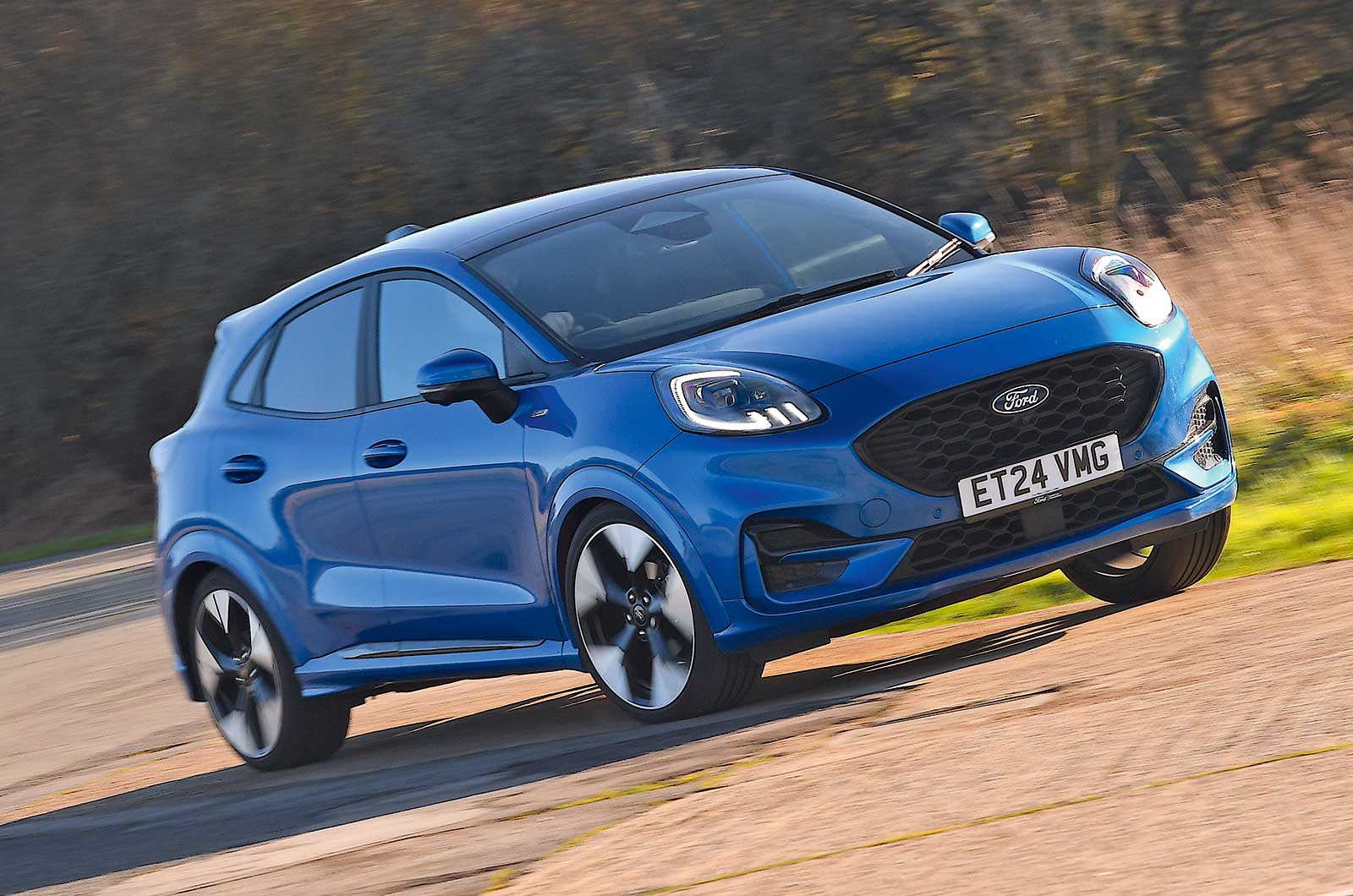
Reliability rating 91.4%
Most common faults: 12-volt battery 8%, steering 5%, bodywork 3%, sat-nav/infotainment system 2%, engine electrics 2%, suspension 2%
Average repair cost: 94% cost £0, 6% £1001 to more than £1500
Typical time off road: 52% more than a week, 29% one day or less
Ford's smallest SUV, the Puma, has nippy acceleration and agile handling that will put a bigger smile on your face than any rival. It’s sensible, too, because it has excellent real-world fuel economy — in our test the Ecoboost 125 (manual) achieved around 48mpg. which is not far off the Renault Captur TCe 90 and Skoda Kamiq 95, which both achieved around 50mpg in the same test.
The Puma may be in the bottom 10, but its score of 91.4% isn't terrible, and neither is its fault rate of 21%. However, it's a shame that a small percentage of owners reported repair bills of at least £1000, and that just over half of the faulty cars were in the workshop for more than a week.
To read the reliability data for other car classes follow these links:
Most and least reliable cars overall
Most reliable car brands
Most reliable small cars
Most reliable family cars
Most reliable executive cars
Most reliable luxury cars
Most reliable small SUVs
Most reliable family SUVs
Most reliable large SUVs
Most reliable seven-seaters
Most reliable electric cars
Most reliable electric SUVs
Most reliable sports cars
Most reliable diesel cars
Most reliable hybrid cars
How we compiled the survey
The latest What Car? Reliability Survey gained 29,967 responses and that enabled us to report on 199 models (up to five years old) from 31 different brands.
To compile the survey, conducted in association with MotorEasy, we ask thousands of car owners to tell us how well their cars had behaved over the previous 24 months.
For every car that has suffered a fault, we ask in what area the issue occurred, plus how much it cost to repair and how long it spent in the workshop. This information is used to create a reliability rating for each model and brand where we have a large enough response rate.
About the report author
Claire Evans has been a motoring journalist for more than 30 years, working on consumer issues for a great deal of that time. After a stint as the advice columnist for Carweek magazine in the 1990s, she also spent six years working on motoring content for Which?. It is here she oversaw the running of the charity's annual used car reliability survey.
Claire launched the What Car? Reliability Survey in 2017, and since then has helped thousands of buyers choose the most reliable new cars and SUVs, as well as the most dependable used cars.
For all the latest reviews, advice and new car deals, sign up to the What Car? newsletter here