New Skoda Kodiaq vs Peugeot 5008
The contenders
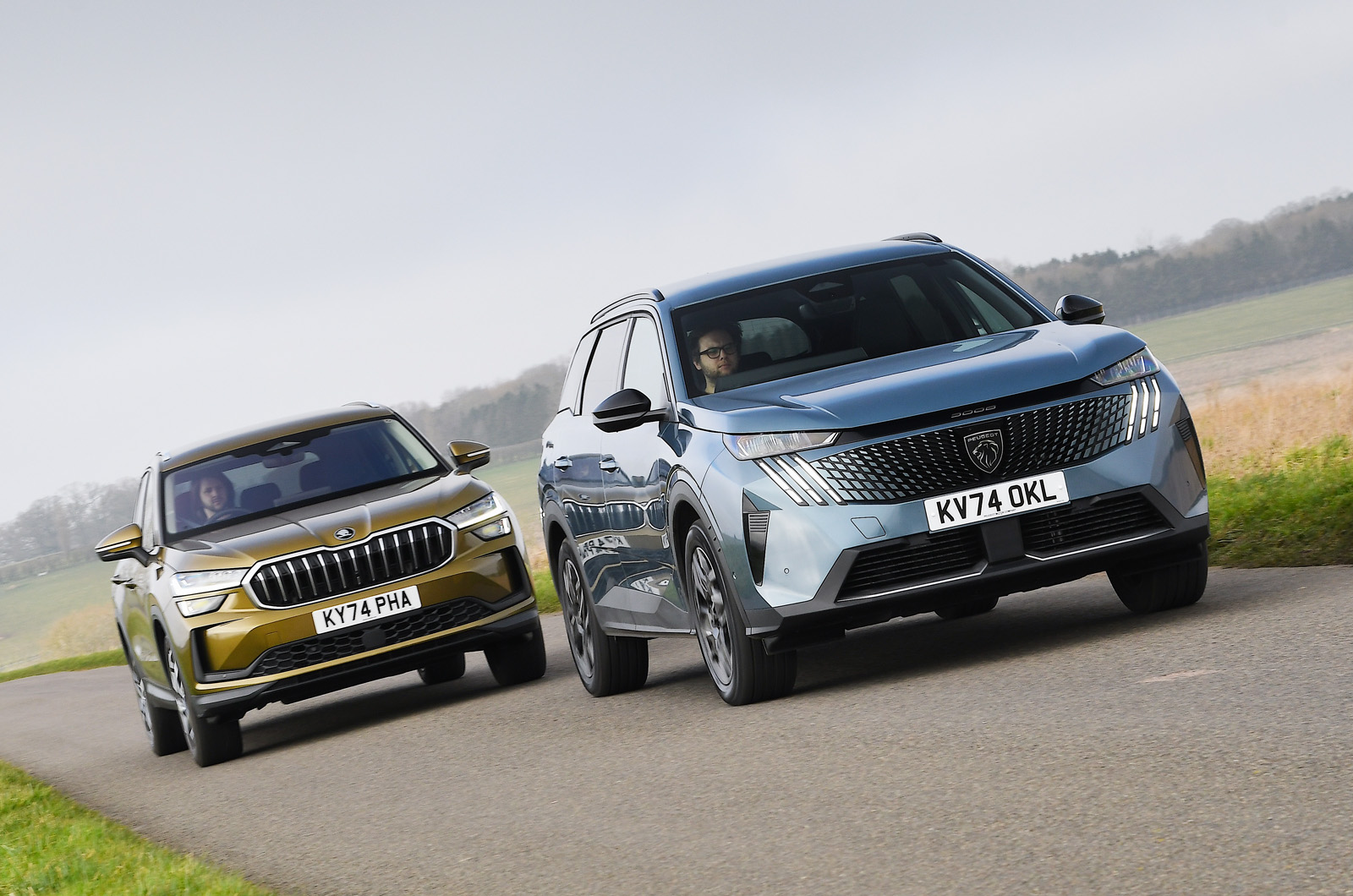
Skoda Kodiaq 1.5 TSI 150 e-TEC SE (7 Seats)
List price £38,720
Target Price £34,767
The entry-level seven-seat version of Skoda’s largest SUV offers a lot of space and practicality for the money. It’ll have its work cut out to beat the 5008, though
Peugeot 5008 Hybrid 136 Allure
List price £38,360
Target Price £36,598
A higher-spec version of Peugeot’s seven-seat SUV has previously beaten the Nissan X-Trail, and it makes even more sense in this cheaper guise
Is there a type of car with a broader job description than a seven-seat SUV? We doubt it. Sports cars have to be fast, luxury cars plush, small cars cheap to run – simple. But a modern-day seven-seater? It needs to be practical, efficient, packed with technology, comfortable and – yes – even stylish. Because, let’s face it, MPVs fell out of fashion not because they weren’t useful, but because they looked about as exciting as a wet weekend in Slough. Buyers wanted something with more presence, and SUVs stepped up to fill the void.


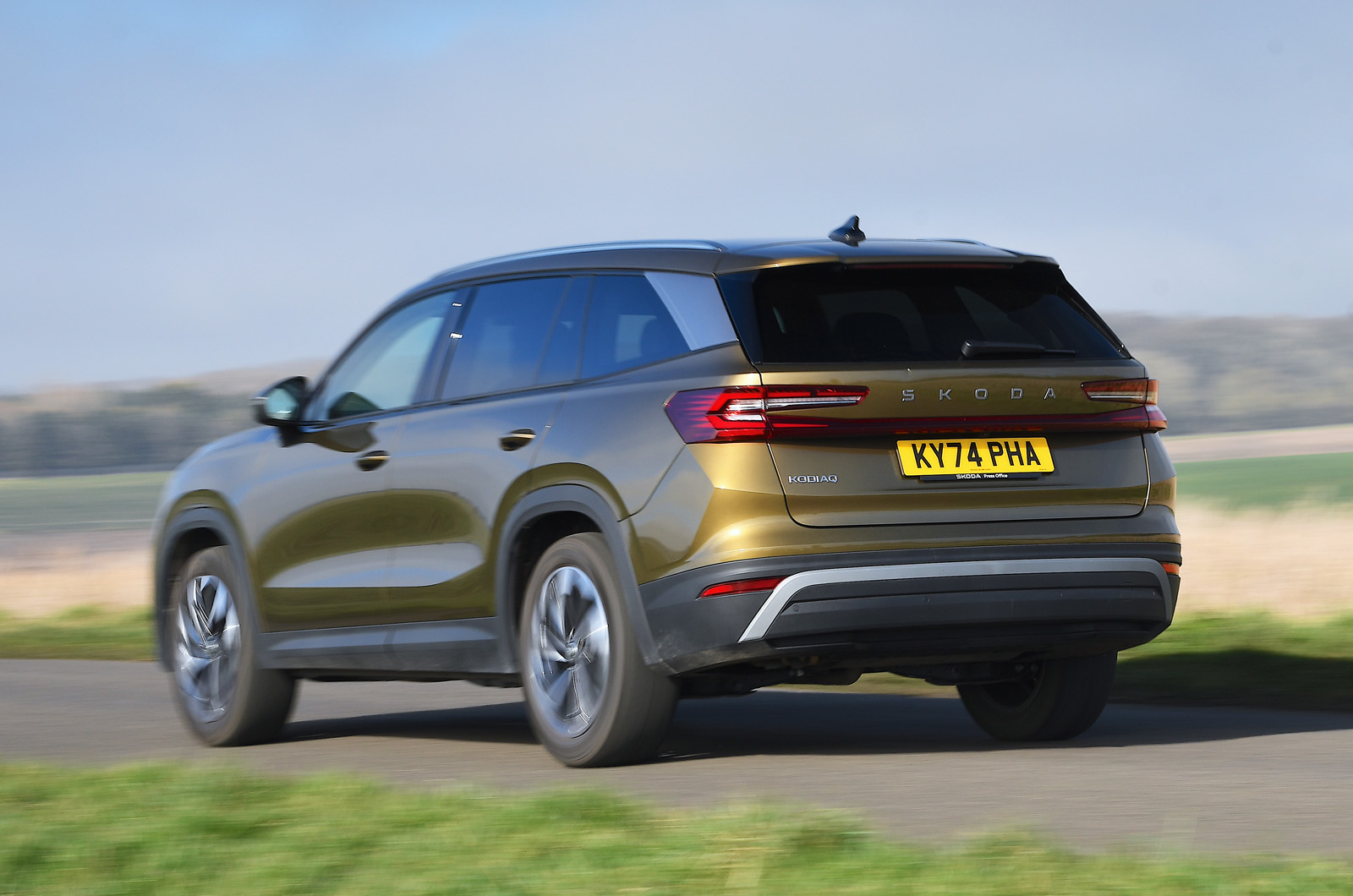
One of the first to nail that balancing act was the original Skoda Kodiaq. Launched nearly a decade ago, it proved that you didn’t need to splash out on a Land Rover Discovery (or something even pricier) to get a handsome, sharp-driving seven-seater with a family-friendly interior.
You’d forgive Skoda for playing it safe with the second-generation Kodiaq, then, but it hasn’t. Sure, the new car carries over some design details from its predecessor (albeit with a fresh front light bar and updated Skoda badge), but under the skin it’s all change. Along with a revamped interior and a heap of new tech, it now sits on fresh underpinnings shared with the Volkswagen Tiguan. That means it’s longer than before – good news for space – and available with a mild hybrid 1.5-litre petrol engine or, for the first time, as a plug-in hybrid (PHEV). We’ve gone for the former, because it makes the most sense for private buyers.
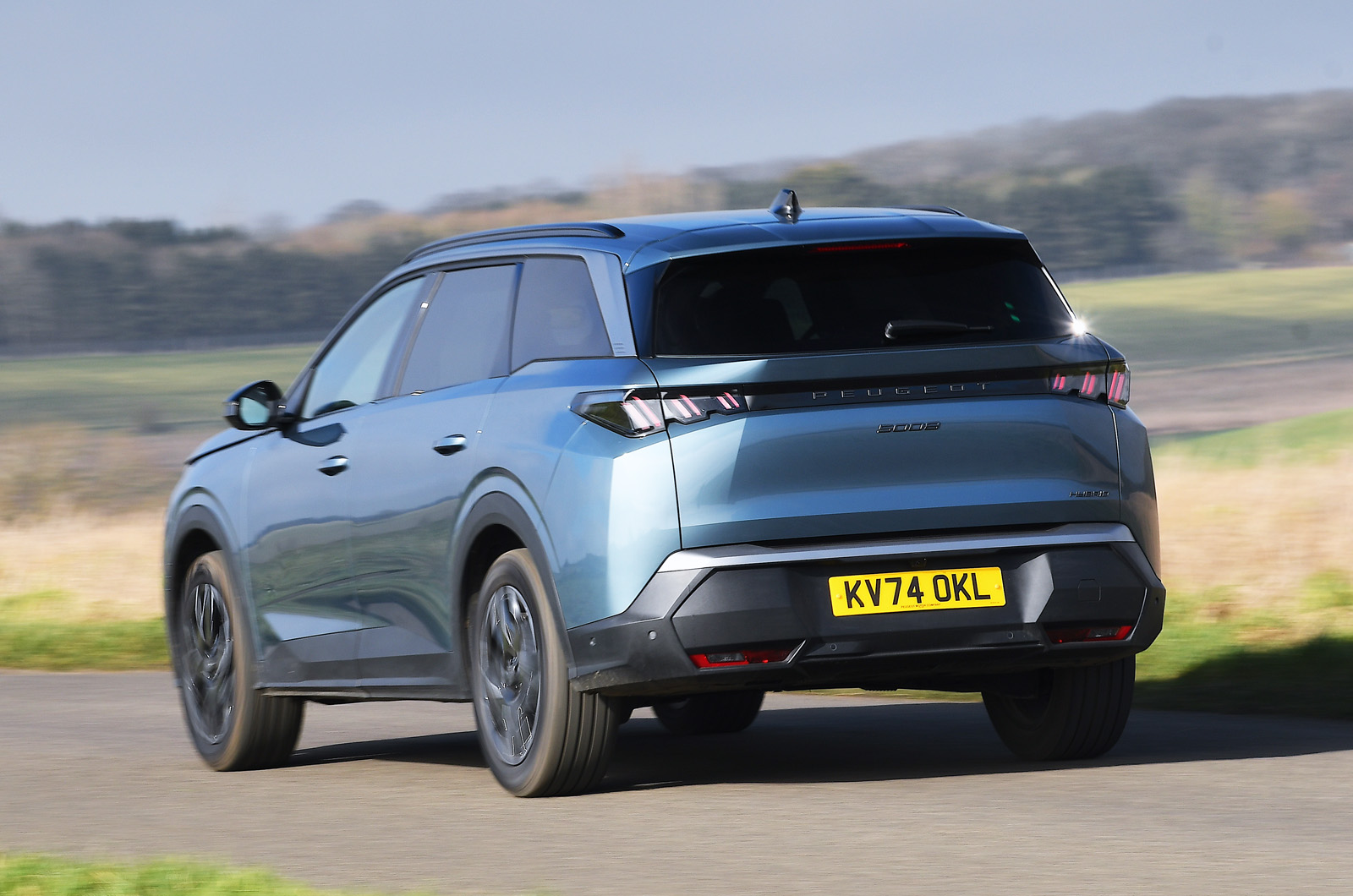
But the Kodiaq won’t have things all its own way, because its old sparring partner, the Peugeot 5008, has also had a major glow-up. Now in its third generation, it’s bigger all round, with a roomier third row. It, too, benefits from mild hybrid electrical assistance, but unlike the Kodiaq, it can run on battery power alone for short bursts, boosting fuel economy and refinement. At least, that’s the idea.
Driving
Performance, ride, handling, refinement
In the 5008, you get a dinky 1.2-litre engine with just three cylinders and 136bhp, whereas the Kodiaq is powered by a brawnier 1.5-litre four-cylinder unit with 148bhp.
You have to work both engines hard to extract meaningful performance from these sizeable SUVs, with the Kodiaq sprinting from 0-60mph in 9.5sec and the 5008 taking 10.1sec. Once both cars are up and running, there’s almost nothing between them, with the 5008 accelerating from 30-70mph in 9.6sec to the Kodiaq’s 9.7sec.
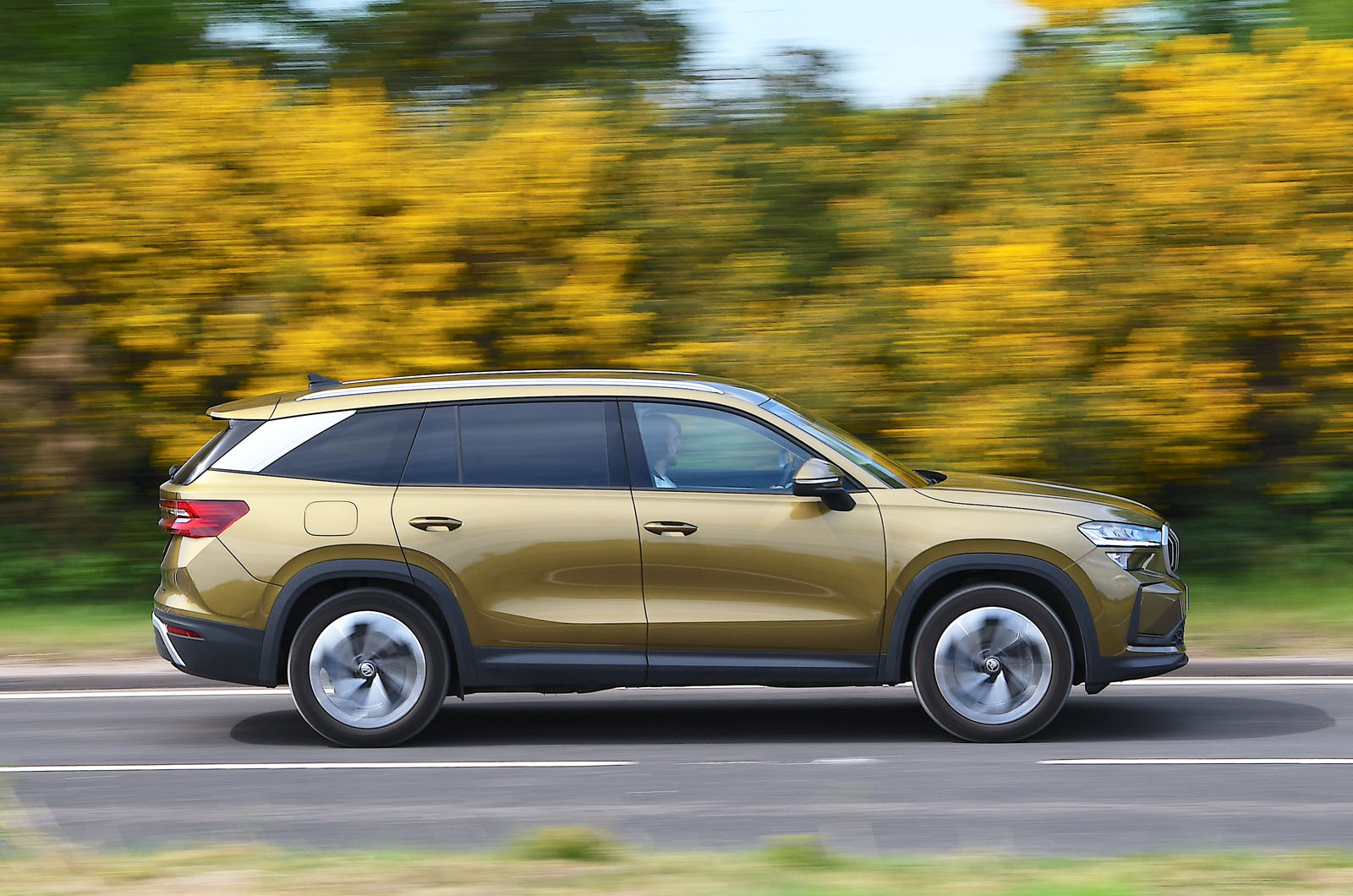
So, honours even? Not quite. Plant your right foot for a quick burst of acceleration from, say, 40mph and the 5008 can be caught napping. Its six-speed automatic gearbox is often painfully slow to react, by which time the Kodiaq has dropped down a couple of gears and cleared off.
Work both engines hard and neither is particularly sweet-sounding, but the Kodiaq’s transmits fewer vibrations through the steering wheel and pedals than the 5008’s thrummy equivalent.
True, the 5008’s ability to shuffle along on electric power alone for short bursts – something only a few other mild hybrids can do – makes it the quieter and more relaxing option in urban traffic. However, you will notice when the petrol engine kicks back in, and the regenerative braking system (which recovers energy under deceleration to put back into the battery) can make the regular brakes feel slightly grabby, hindering your ability to bring the car to a smooth stop.
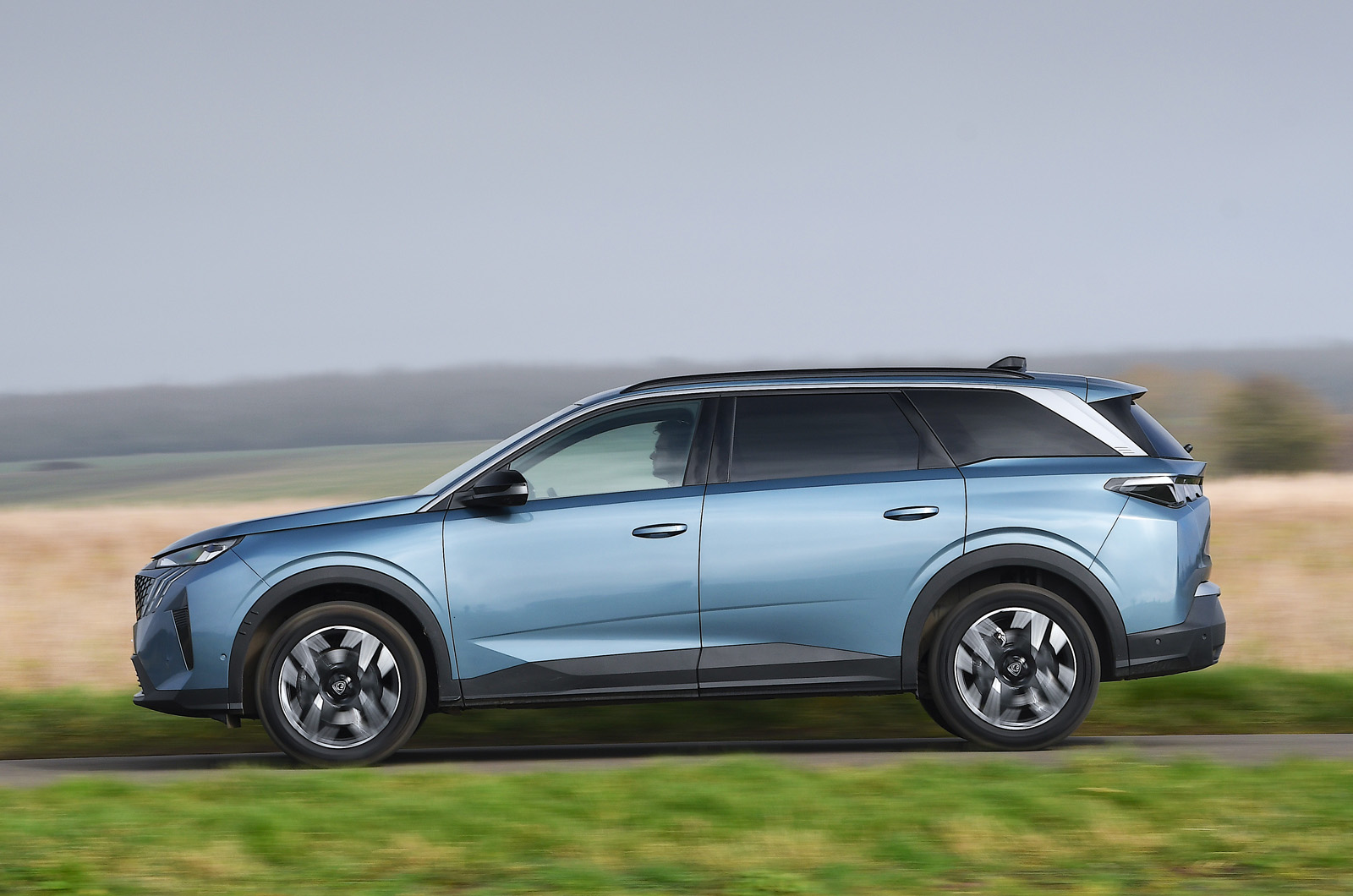
At motorway speeds, there’s little to split our contenders when it comes to cruising refinement. You hear less tyre roar in the 5008 at a steady 70mph (our Kodiaq test car was wearing winter tyres, which might explain the discrepancy) and it generates less suspension noise when you hit an expansion joint, but it does drum up more wind noise from around the windscreen pillars.
So far, we’ve tried the Kodiaq only on optional 19in alloy wheels (18in wheels come as standard with SE trim), but even in this configuration it’s never fractious and does a great job of taking the sting out of town scars and potholes. We’d go so far as to say it feels positively plush, which isn’t the case in the 5008. With a firmer suspension set-up than the Kodiaq, the 5008 feels more abrupt over broken surfaces.
Thread these SUVs through a set of bends and you might be surprised at how keenly they respond. Yes, there’s plenty of body lean, but grip levels are high and they remain secure when pressed. The Kodiaq, though, edges it for driver confidence. Its steering more accurate and provides a clearer sense of connection to the front wheels. The 5008 isn’t helped by its dinky steering wheel, which makes the car feel overly eager to dive into corners, although you do get used to this eventually.
Behind the wheel
Driving position, visibility, build quality
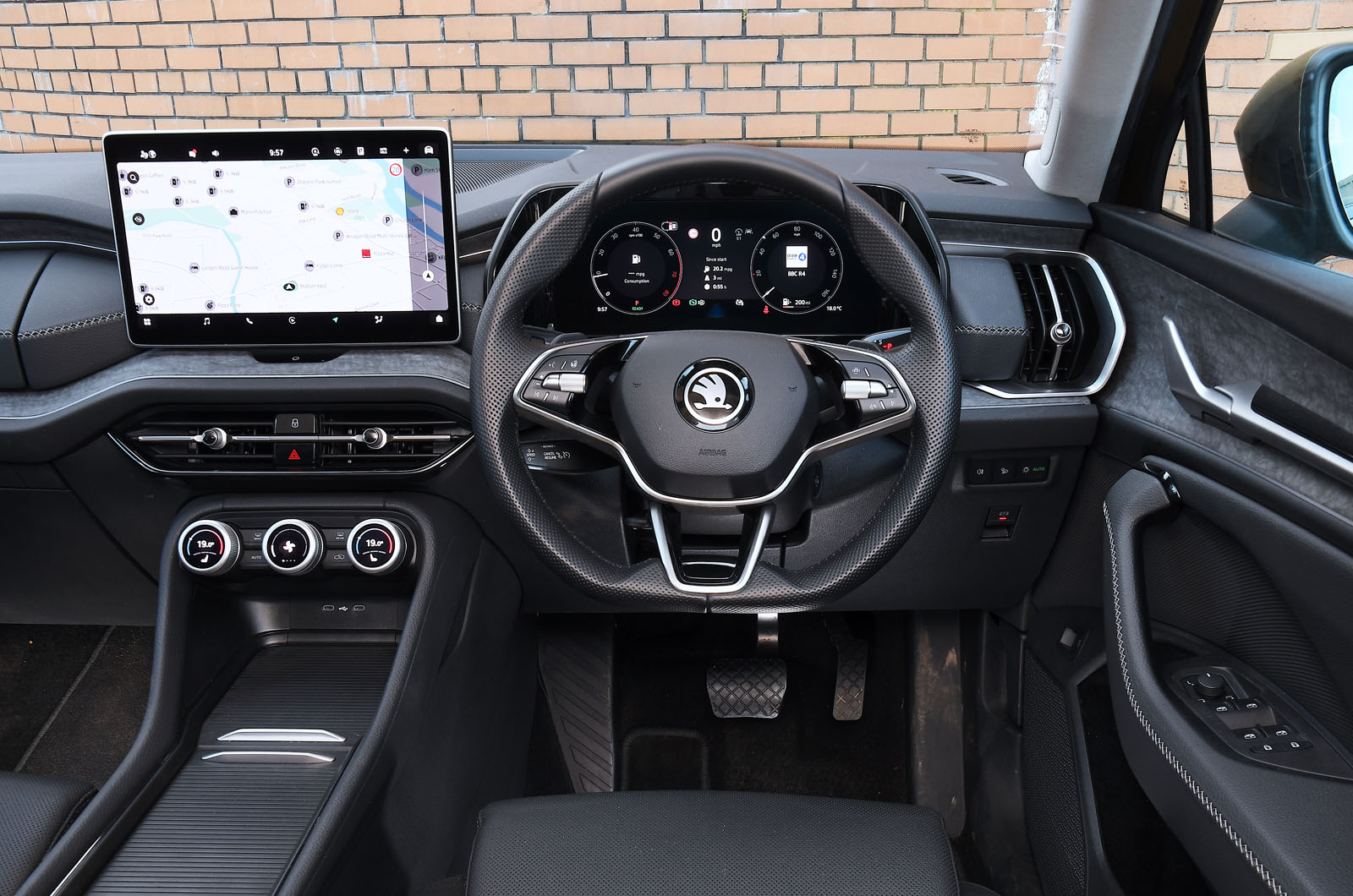
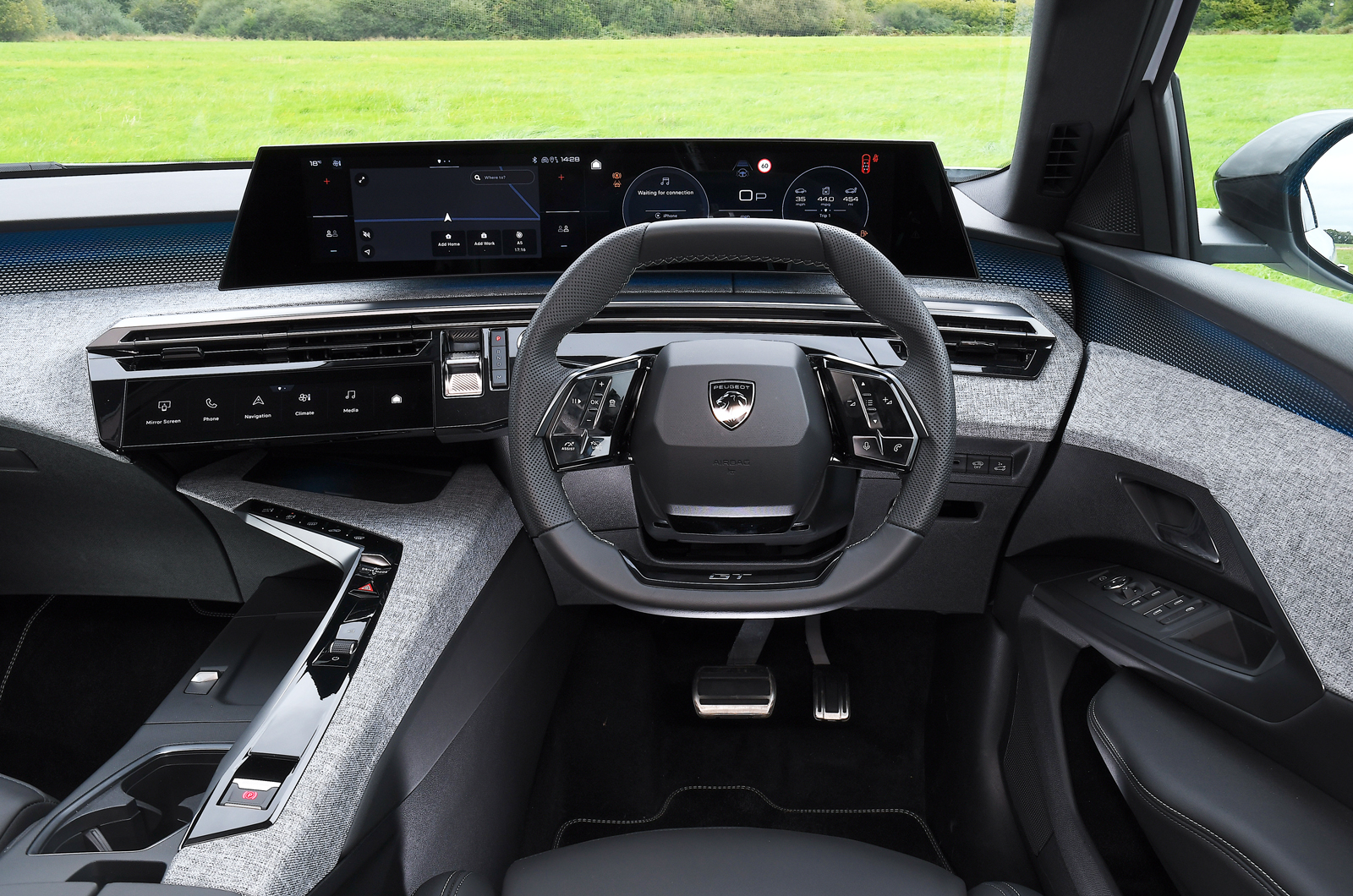
Both of our contenders place you high above the road, but they feel distinctly different from each other from behind the wheel. That’s because the 5008 has an unusual driving position; you view the digital instrument panel over the steering wheel (rather than through it, as you do in the Kodiaq). This ultimately works just as well as the Kodiaq’s more conventional arrangement, though, and both cars have enough seat and steering wheel adjustment to allow drivers of all sizes to get settled behind the wheel.
On the other hand, the Kodiaq is more likely to keep you comfortable on a long drive, because it gets manually adjustable lumbar adjustment as standard. This is missing from the 5008, although you can add electric lumbar adjustment by specifying the £300 AGR Driver’s Seat Pack. The Kodiaq’s heavily bolstered seats also do a better job of holding you in place through tight corners.
Forward visibility is good in both cars, thanks to their raised driving positions and relatively slim windscreen pillars that don’t obstruct your view at junctions. Compared with rivals such as the Kia Sorento and Nissan X-Trail, their over-the-shoulder visibility is also impressive, helped by large rear side windows.
As a bonus, the 5008 and Kodiaq both come with rear parking sensors and a rear-view camera as standard, and while the 5008 lacks front sensors (standard on the Kodiaq), you can add them, along with a 360-degree camera, as part of the 360-degree Vision and Drive Assist Pack (£700). The Kodiaq requires stepping up to SE L trim and adding the £1820 Driving Assistance Plus Package to get a 360-degree camera.
When it comes to interior design, the 5008 makes a bigger statement. Its wide, 21.0in display for the instruments and infotainment dominates the dash, plus there’s an eclectic mixture of materials, including extensive use of fabric on the doors, dashboard and centre console. It’s an eye-catching place in which to sit, with more curves and angles than the Guggenheim Museum Bilbao, and build quality feels reasonably solid.
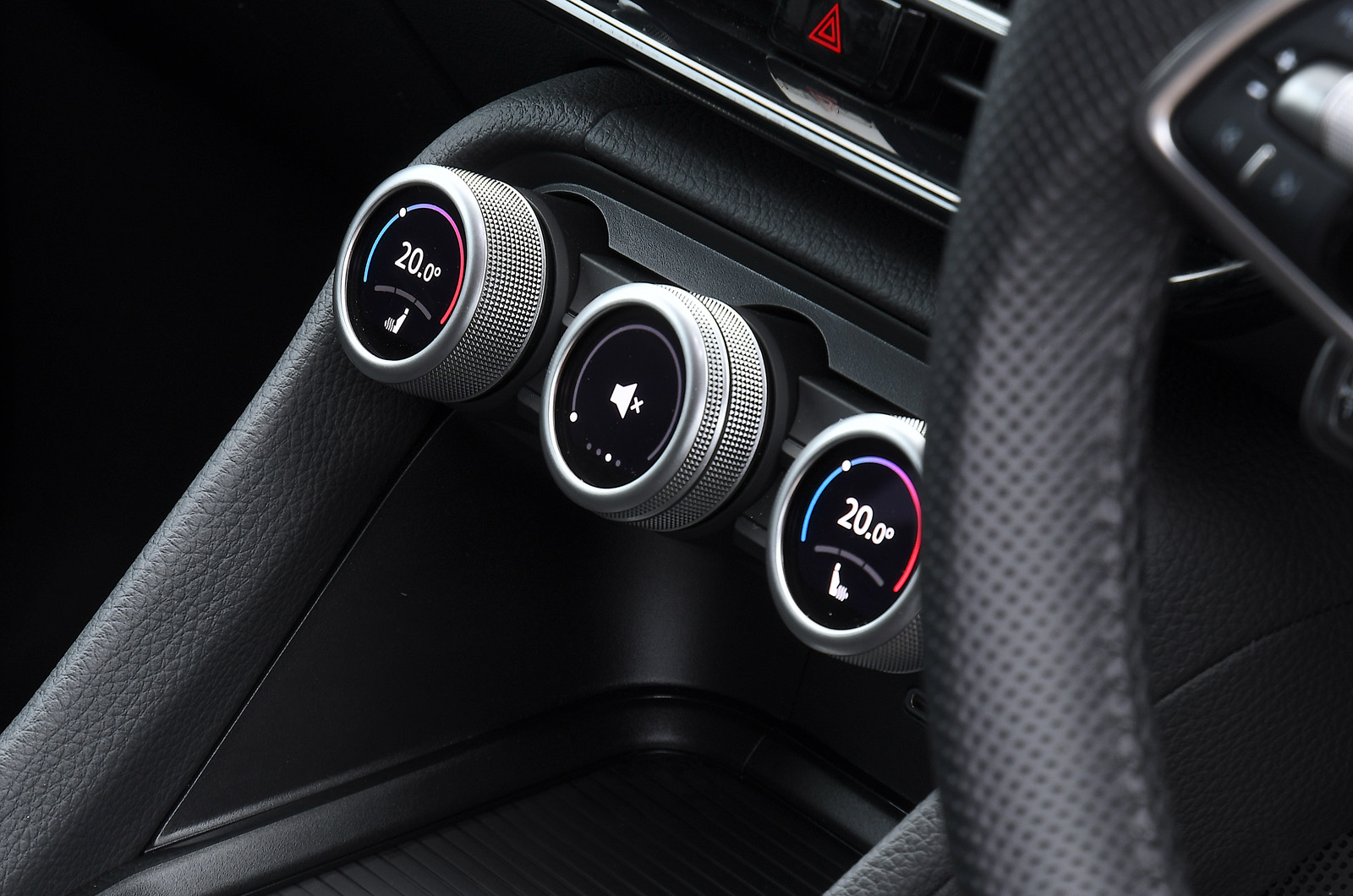
The Kodiaq is once again more conventional, but that in itself has a certain appeal. While it lacks the 5008’s variety of textures and finishes, the materials it does use feel plush and are screwed together with even greater precision.
Then there’s its user-friendly control layout. Unlike in most rivals, the Kodiaq has three large physical knobs on the centre console; these are not only used to adjust the climate control but can also be pressed to cycle through different functions, from stereo volume to driving modes.
Infotainment systems
Skoda Kodiaq
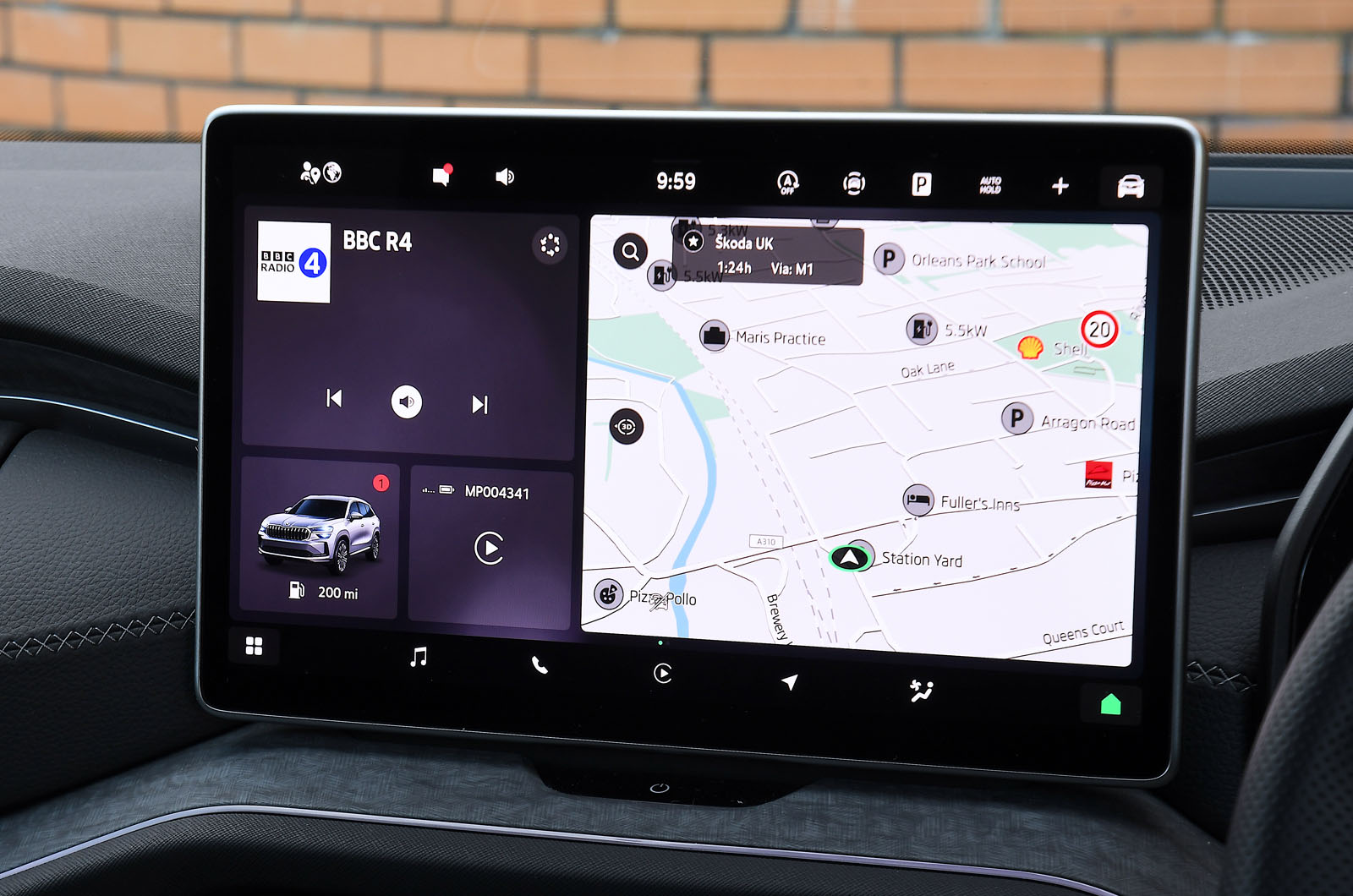
The Kodiaq’s 13.0in touchscreen may not be as striking as the 5008’s, but it’s crisp, responsive and far more intuitive to use. Unlike in the 5008, there’s no separate row of shortcuts, but configurable tabs at the top and bottom of the screen let you jump straight to key functions. As in the 5008, the voice control understands natural speech, so you don’t need to remember specific commands. The Kodiaq’s is a bit more reliable.
Peugeot 5008
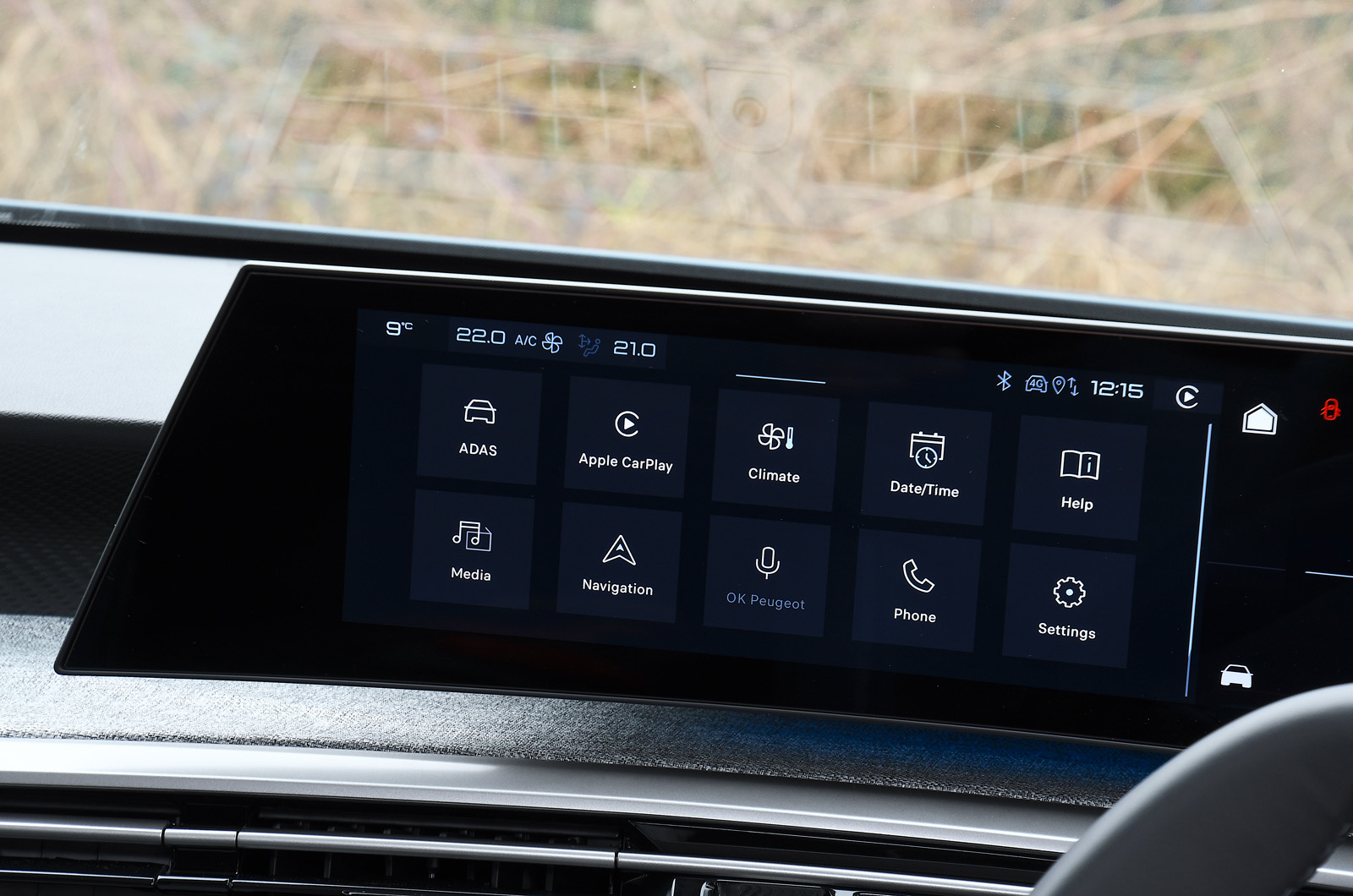
With its wide, curved touchscreen, the 5008’s infotainment system makes a statement. The display is crisp, and while we’d prefer physical buttons, the separate touch panel below is easy to use, with large, clear shortcut icons. However, the system isn’t without flaws. The menus are overly complicated, requiring too many taps, and the screen’s responses were inconsistent in our test car – sometimes reacting instantly, other times hesitating.
Space and practicality
Front space, rear space, seating flexibility, boot
While seven seats are standard in the 5008, the Kodiaq can be had in either five-seat or seven-seat form, with our test car being the latter. As in the 5008, the three middle-row seats can be folded down independently of one another, while the rearmost two can be folded away into the boot floor when they aren’t required.
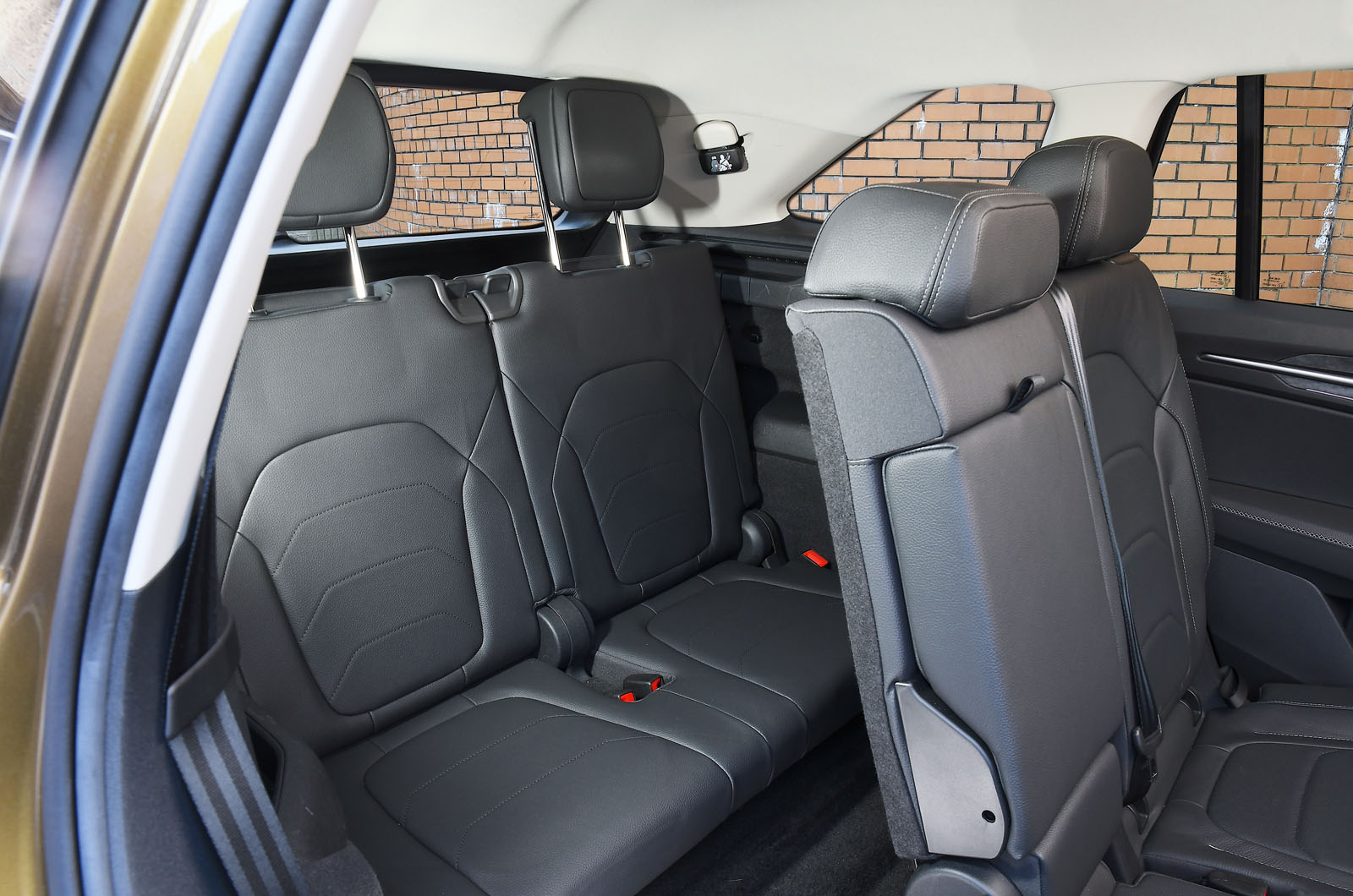
The middle-row seats of both cars can also be slid backwards and forwards in a 60/40 split, allowing you to juggle leg room for people sitting in the second and third rows when necessary. Push the middle row all the way back and while the Kodiaq offers plenty of head and leg room, the 5008 provides even more lounging space. The latter also has the edge for carrying three passengers in the middle row, thanks to a smaller central floor hump that makes it easier for the middle-seat occupant to
get comfortable.
Accessing the third row isn’t the most graceful affair in either car, but once seated, you’ll find them closely matched. The boxier Kodiaq has slightly more head room, and its taller side windows make the third row feel airier. However, the 5008 counters with more leg room, which is arguably more important when space is at a premium. So, both will do the job if you’re regularly carrying around six older children – but if those rearmost seats are set to be occupied by adults on longer trips, the 5008 is the comfier choice.
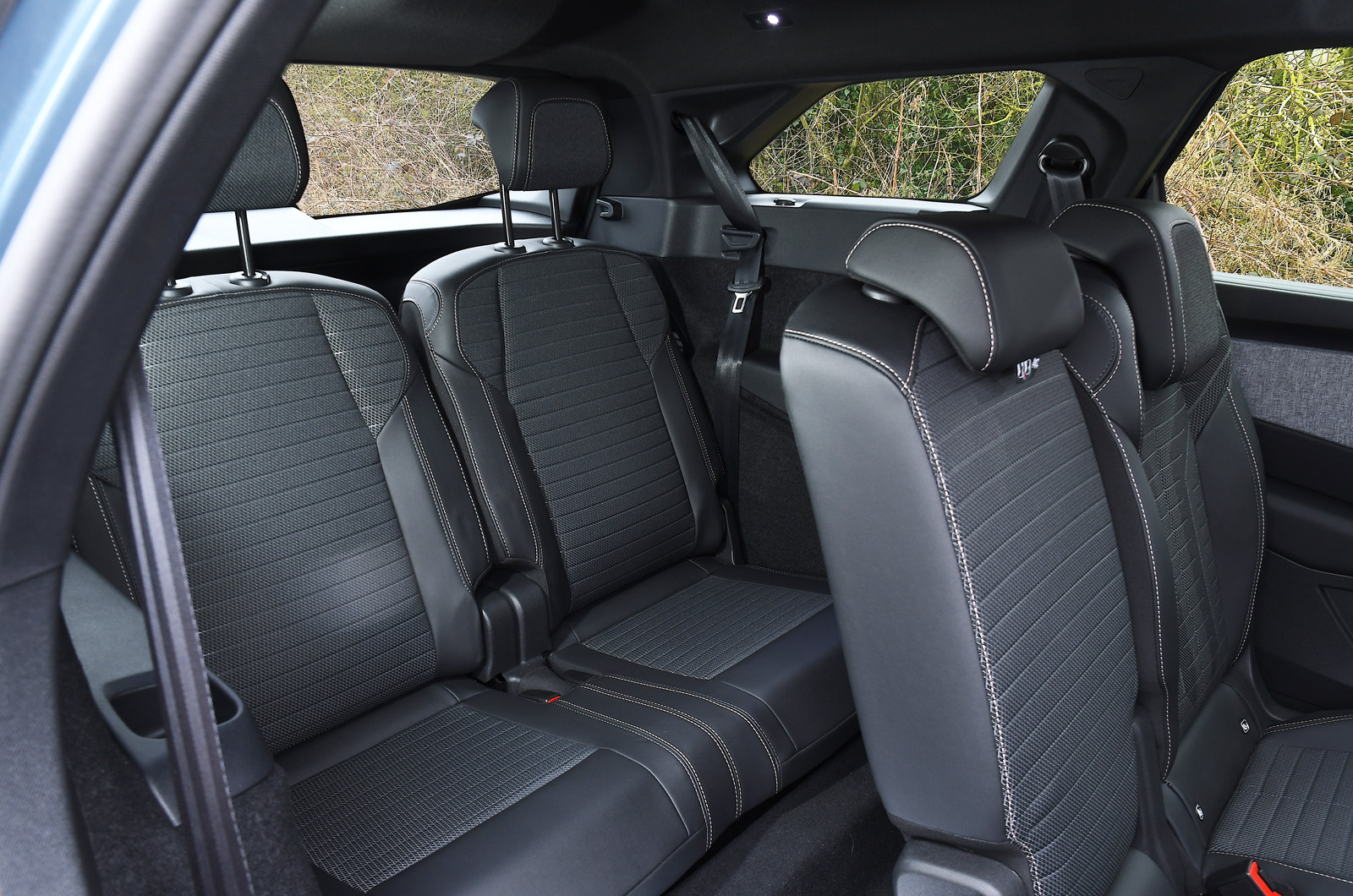
Isofix child seat mounting points are fitted to the outer middle-row seats of both cars, but only the Kodiaq gets one on the front passenger’s seat as well.
The 5008 has more space not only for occupants but also their luggage. In five-seat mode, with the middle-row seats pushed all the way back, the 5008’s wider and taller load area can accommodate 10 carry-on suitcases below the parcel shelf, compared with nine in the Kodiaq. It’s possible to squeeze an extra case into the Kodiaq’s boot if you’re prepared to sacrifice passenger leg room by sliding the second row forwards. With all seven seats occupied, both cars offer just enough boot space for a carry-on suitcase and a couple of soft travel bags.
Boot space
Skoda Kodiaq
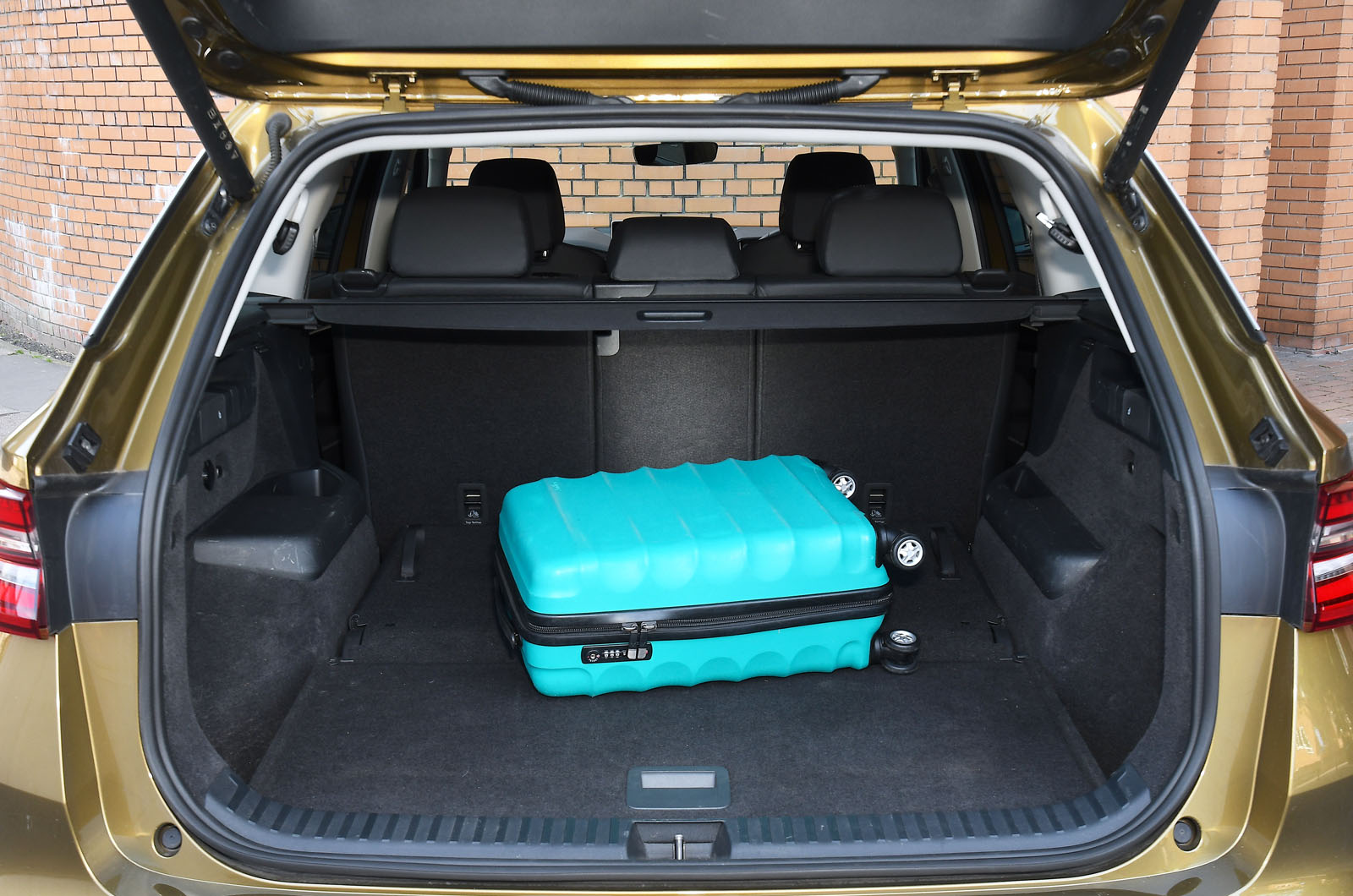
Boot capacity
340-845-2035 litres Suitcases 9*
Peugeot 5008
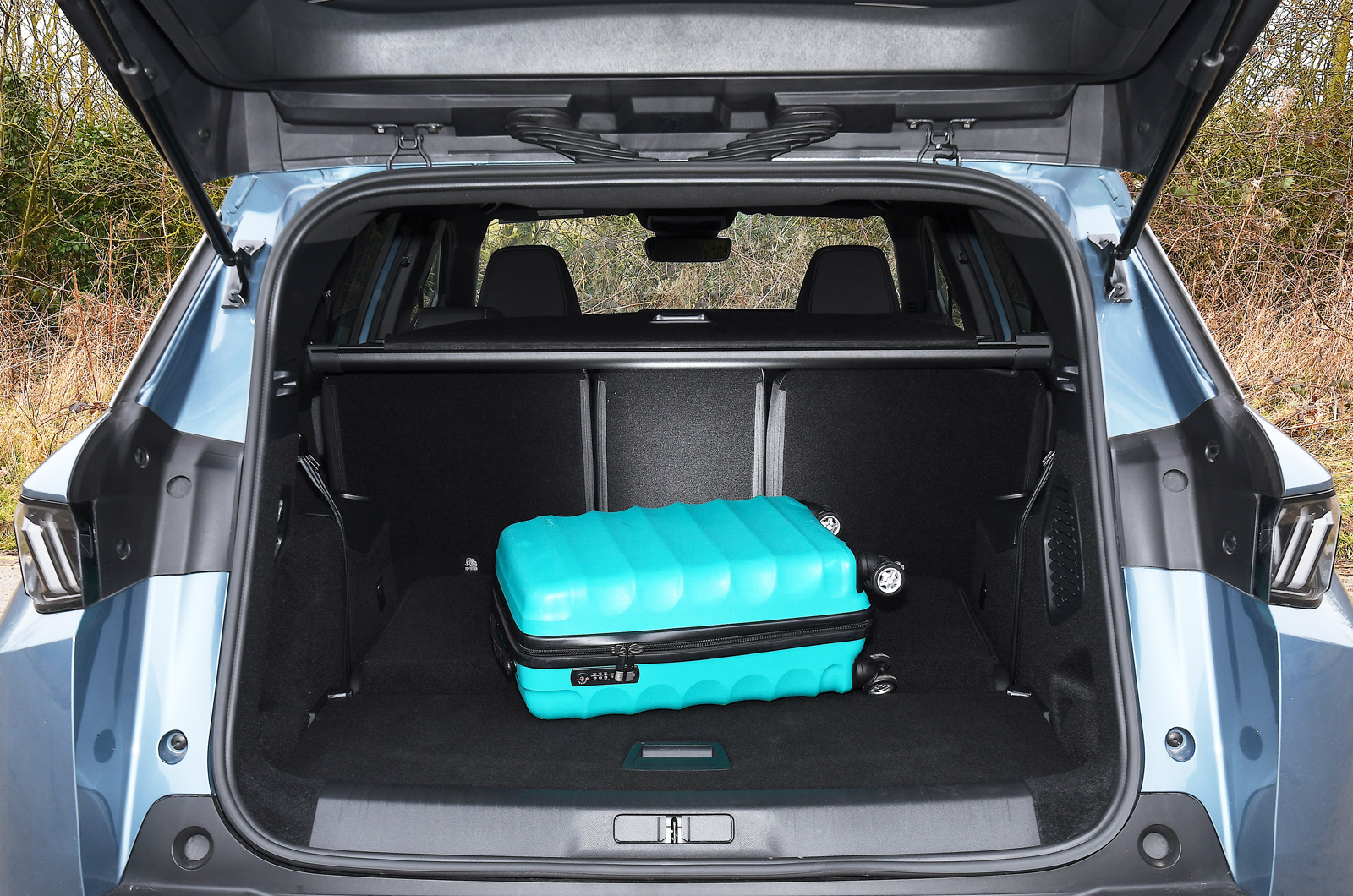
Boot capacity 348-916-2232 litres Suitcases 10*
* With five seats in place and the second row pushed back
Buying and owning
Costs, equipment, reliability, safety and security
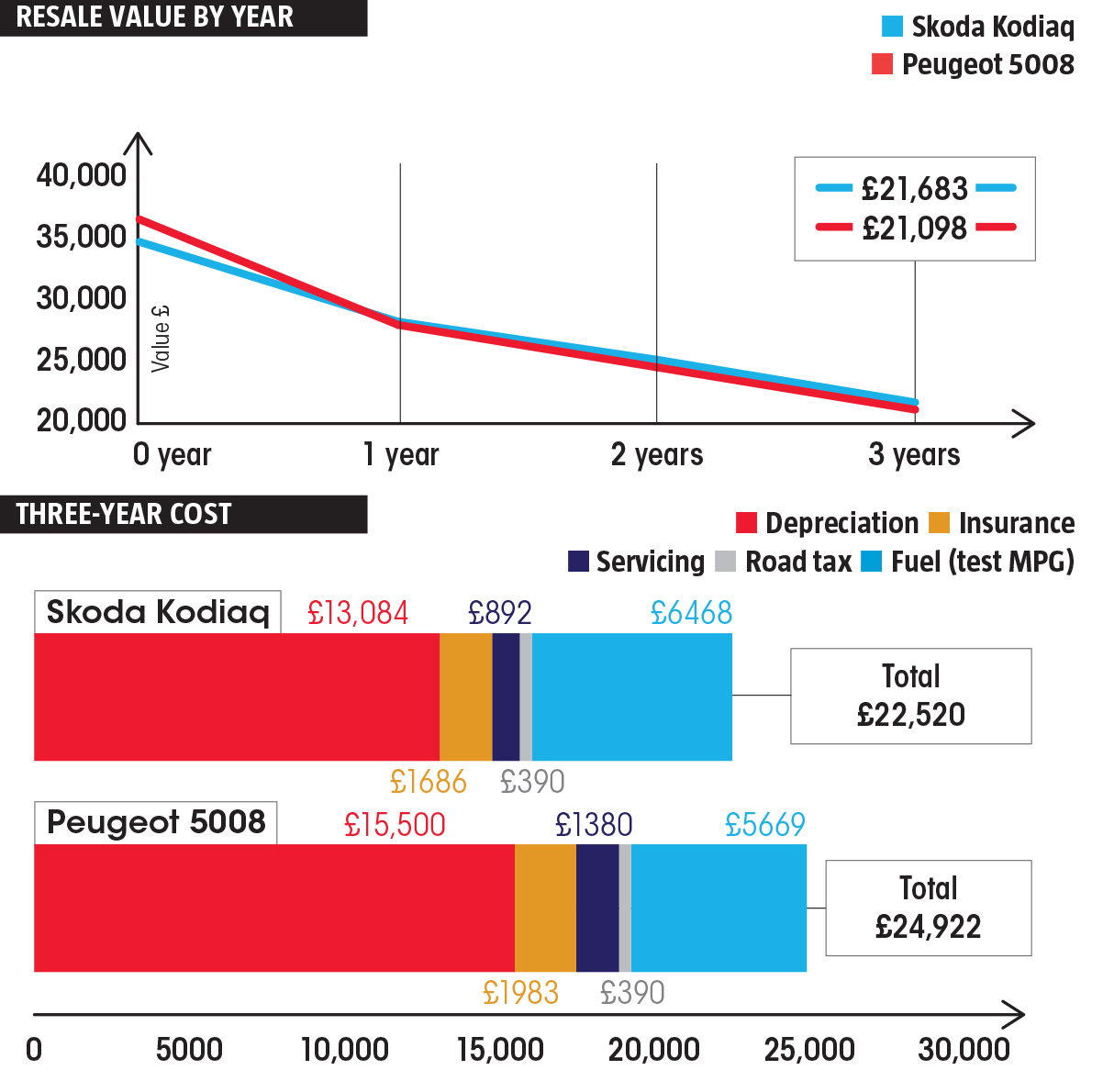
As we said earlier, the 5008 can run on electric power for very short bursts. But does that translate to better fuel efficiency? In a word, yes. On our real-world test route, the 5008 returned an impressive 42.1mpg, compared with 36.9mpg for the Kodiaq. Over 36,000 miles of driving, that difference could save you around £795 in fuel bills.
That’s a significant sum, but fuel economy is only part of the picture. Factor in the Kodiaq’s lower purchase price (helped by substantial discounts), cheaper insurance, lower servicing costs and slower depreciation and it will cost private buyers around £2400 less to own over three years.
The Kodiaq also works out cheaper if you’re buying on PCP finance. On a three-year contract with a £4000 deposit and a 10,000-mile annual limit, you’ll be paying £481 per month, compared with £586 for the 5008.
These entry-level versions of both cars come well equipped, featuring, cruise control, three-zone climate control, keyless start, wireless phone charging and configurable ambient lighting. The 5008 goes further by including keyless entry (part of the £1100 Convenience Package on the Kodiaq). Its optional packs are more reasonably priced than the Kodiaq’s, too.
Both cars are too new to have featured in the most recent What Car? Reliability Survey, but Peugeot ranked 19th out of 31 in the brand table, while Skoda was 13th.
The Kodiaq earned a full five-star rating when it was tested for safety by Euro NCAP last year, but the latest 5008 hasn’t yet been tested. Both come with plenty of standard safety kit, including automatic emergency braking, lane-keeping assistance and a driver attention monitoring system.
Our verdict
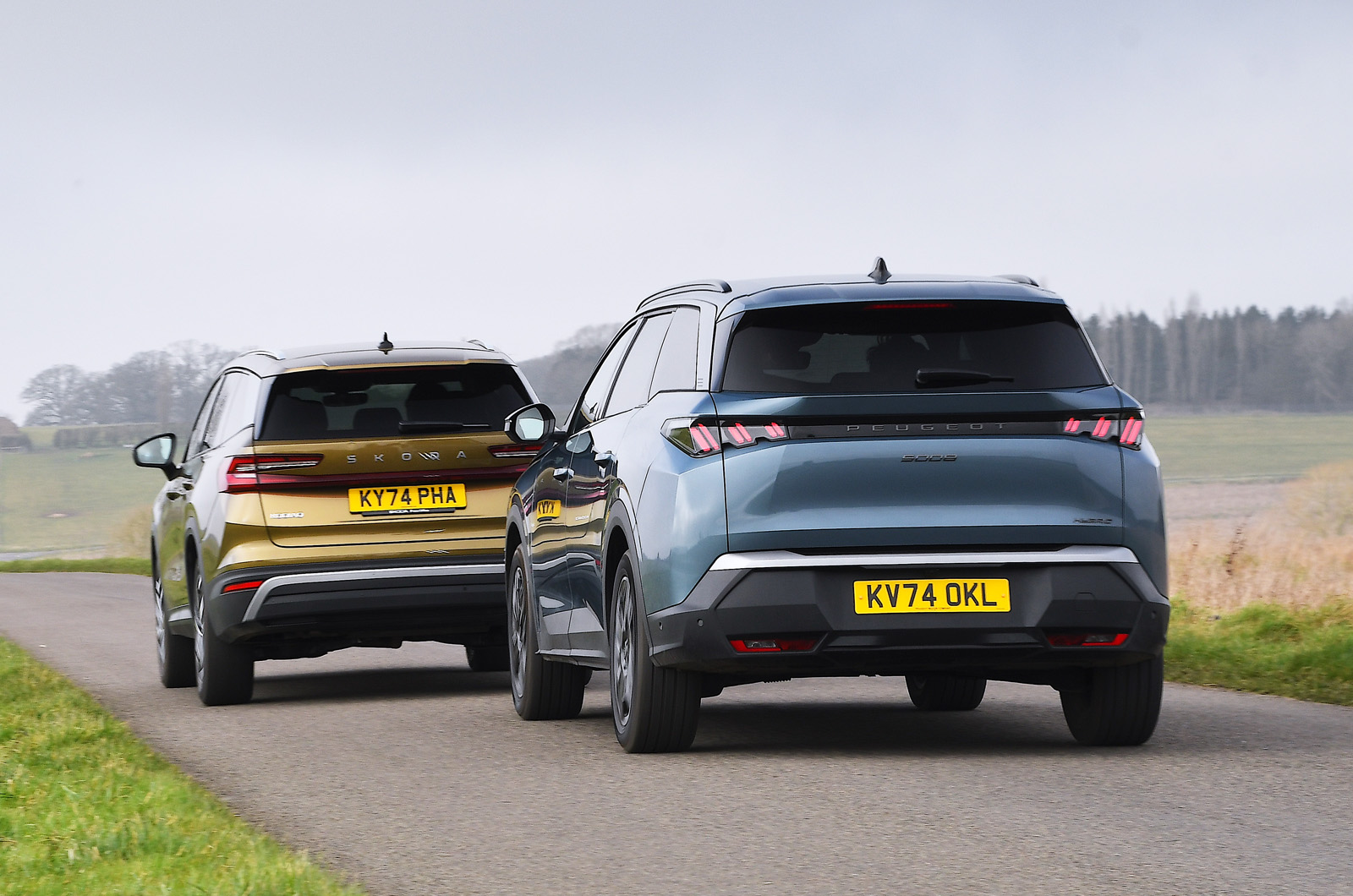
Make no mistake: the latest 5008 is a strong car in the seven-seater category, thanks to its spacious interior, large boot, keen pricing and impressive efficiency. A few years ago, the idea of a large, petrol-engined SUV returning more than 40mpg would have seemed far-fetched, yet Peugeot’s mild hybrid system delivers just that (only its sluggish automatic gearbox lets it down).
So, why hasn’t the 5008 won this test? Well, the Kodiaq also makes a very practical family car. But in addition, it feels punchier in everyday driving, rides more comfortably, has a superior infotainment system and feels more robust inside. Factor in its lower PCP finance costs and the Kodiaq emerges as the slightly better all-rounder.
For all the latest reviews, advice and new car deals, sign up to the What Car? newsletter here
1st – Skoda Kodiaq
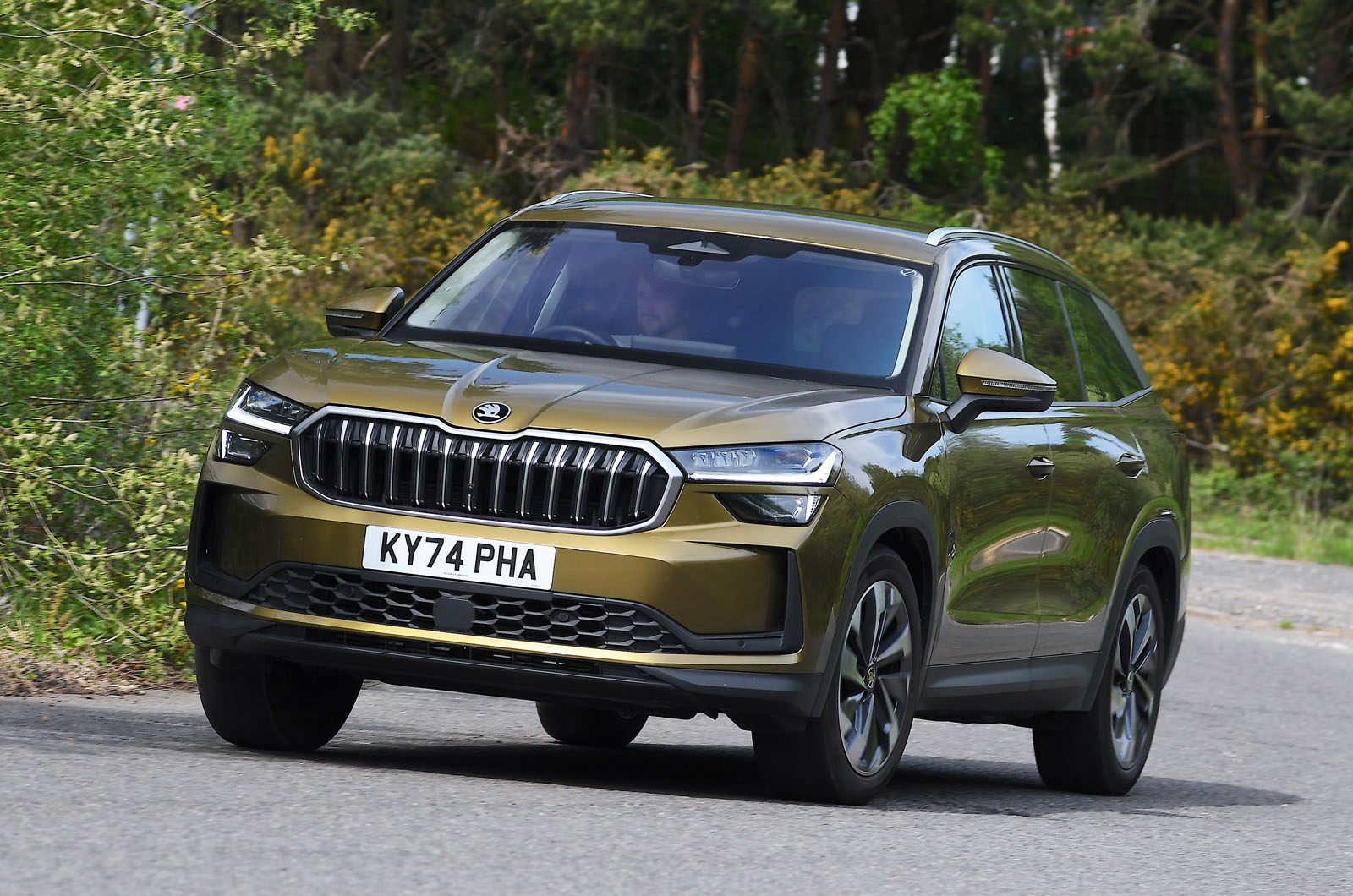
For Stronger performance; more accurate steering; plusher ride; slicker infotainment; more supportive front seats
Against Not particularly efficient; some of the option packs are pricey; suspension is noisy at times
Recommended options None
What Car? rating 4 stars out of 5
Skoda Kodiaq review >>
Skoda Kodiaq deals >>
2nd – Peugeot 5008
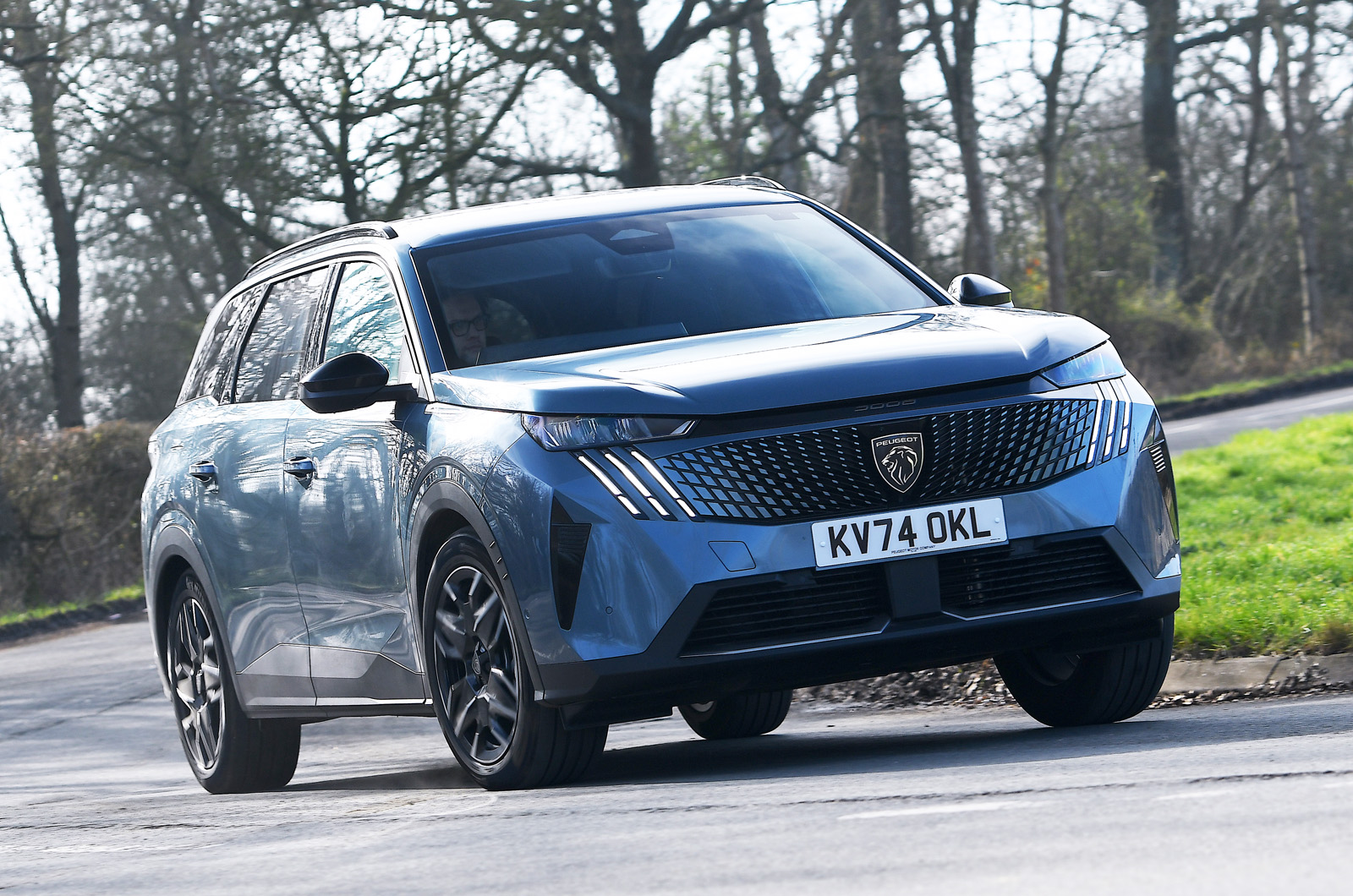
For Lots of passenger space; huge boot; better fuel economy; quieter around town
Against Hesitant gearbox; convoluted and distracting infotainment; relatively expensive to buy on PCP finance
Recommended options 360-degree Vision and Driver Assist Pack (£700), AGR Driver’s Seat Pack and Front Seat Heating (£300)
What Car? rating 4 stars out of 5
Peugeot 5008 review >>
Peugeot 5008 deals >>
Skoda Kodiaq 1.5 TSI 150 e-TEC SE (7 Seats)
Engine 4cyl, 1498cc, turbo, petrol
Peak power 148bhp at 5000rpm
Peak torque 184lb ft at 1500rpm
Gearbox 7-spd automatic, front-wheel drive
0-60mph 9.5sec
30-70mph in kickdown 9.7sec
Top speed 127mph
Braking 30-0mph 9.0m
Braking 70-0mph 47.1m
Noise at 30mph 58.3dB
Noise at 70mph 65.2dB
Kerb weight 1710kg
Tyre size (standard) 235/55 R18
Fuel tank 58 litres
Test economy 36.9mpg
Official economy 46.2mpg
CO2 emissions 139g/km
Peugeot 5008 Hybrid 136 Allure
Engine 3cyl, 1199cc, turbo, petrol
Peak power 134bhp at 5500rpm
Peak torque 170lb ft at 1750rpm
Gearbox 6-spd automatic, front-wheel drive
0-60mph 10.1sec
30-70mph in kickdown 9.6sec
Top speed 123mph
Braking 30-0mph 8.7m
Braking 70-0mph 47.1m
Noise at 30mph 57.7dB
Noise at 70mph 65.5dB
Kerb weight 1705kg
Tyre size (standard) 225/55 R19
Fuel tank 55 litres
Test economy 42.1mpg
Official economy 52.5mpg
CO2 emissions 130g/km
Test weather conditions 10deg C, dry
Cars pictured
Skoda Kodiaq 1.5 TSI 150 e-TEC SE L (7 Seats) with Bronx Gold metallic paint (£650), 19in Halti anthracite polished alloy wheels (£125), heated windscreen (£340), Winter Package (£320) and Light and View Plus
Package (£170)
Peugeot 5008 Hybrid 136 Allure with Ingaro Blue metallic paint