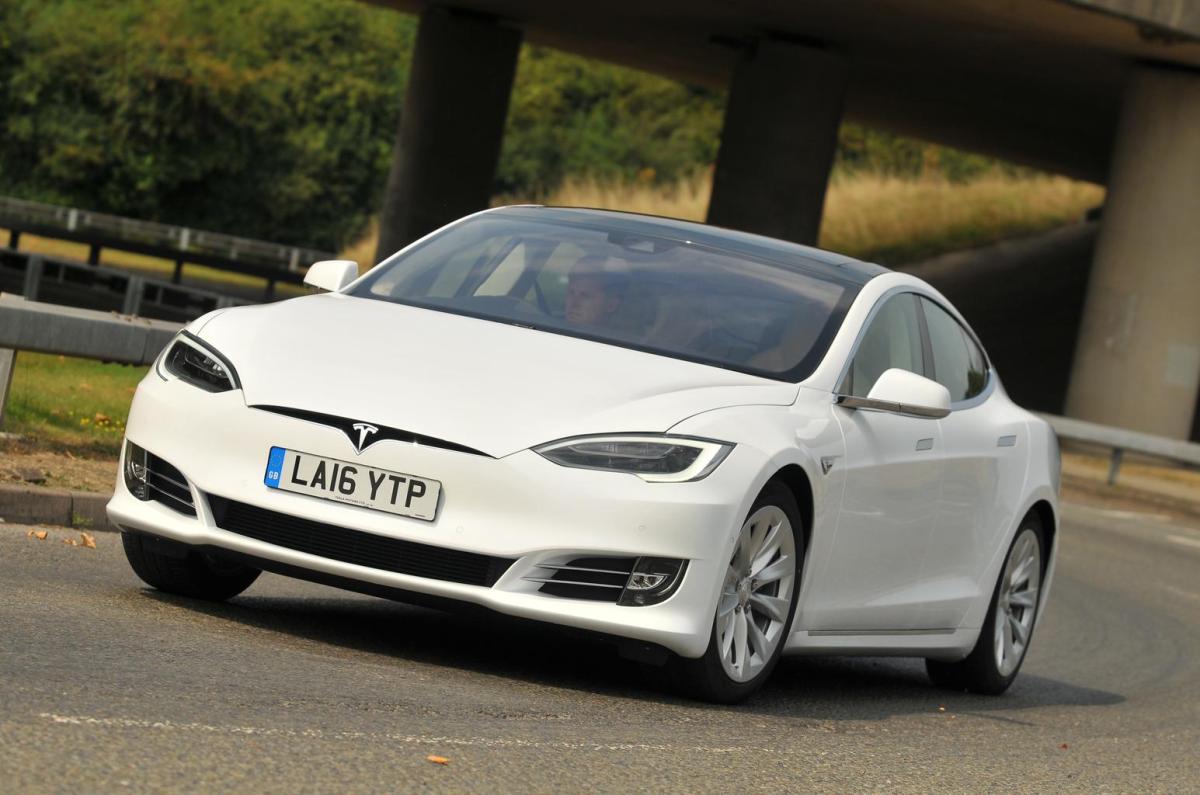
- Used Tesla Model S 2014-2021 front
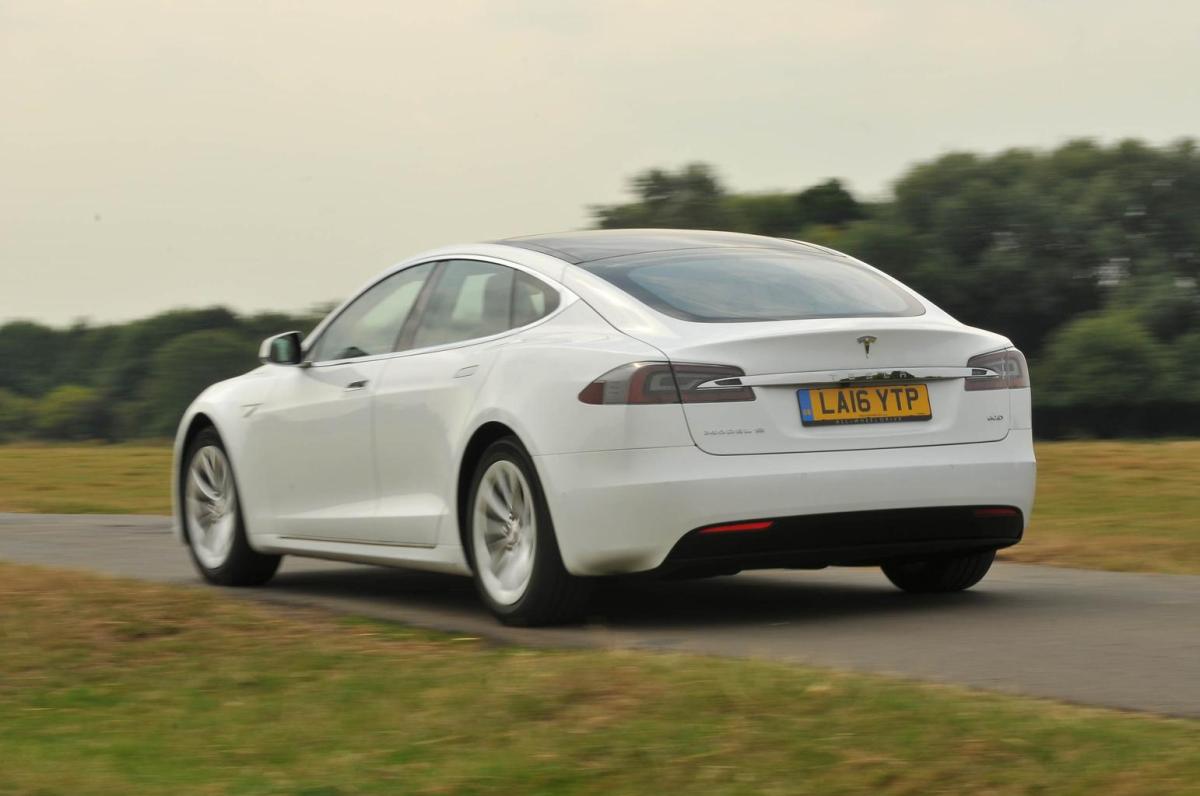
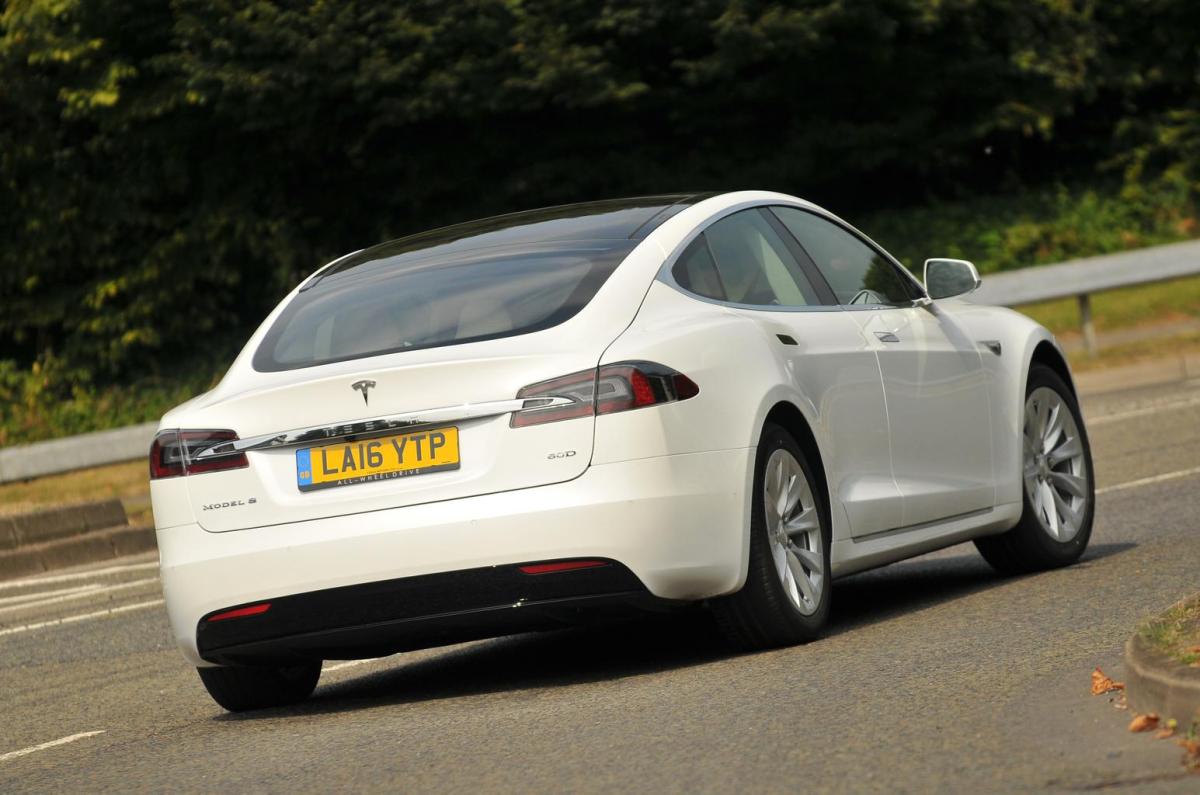
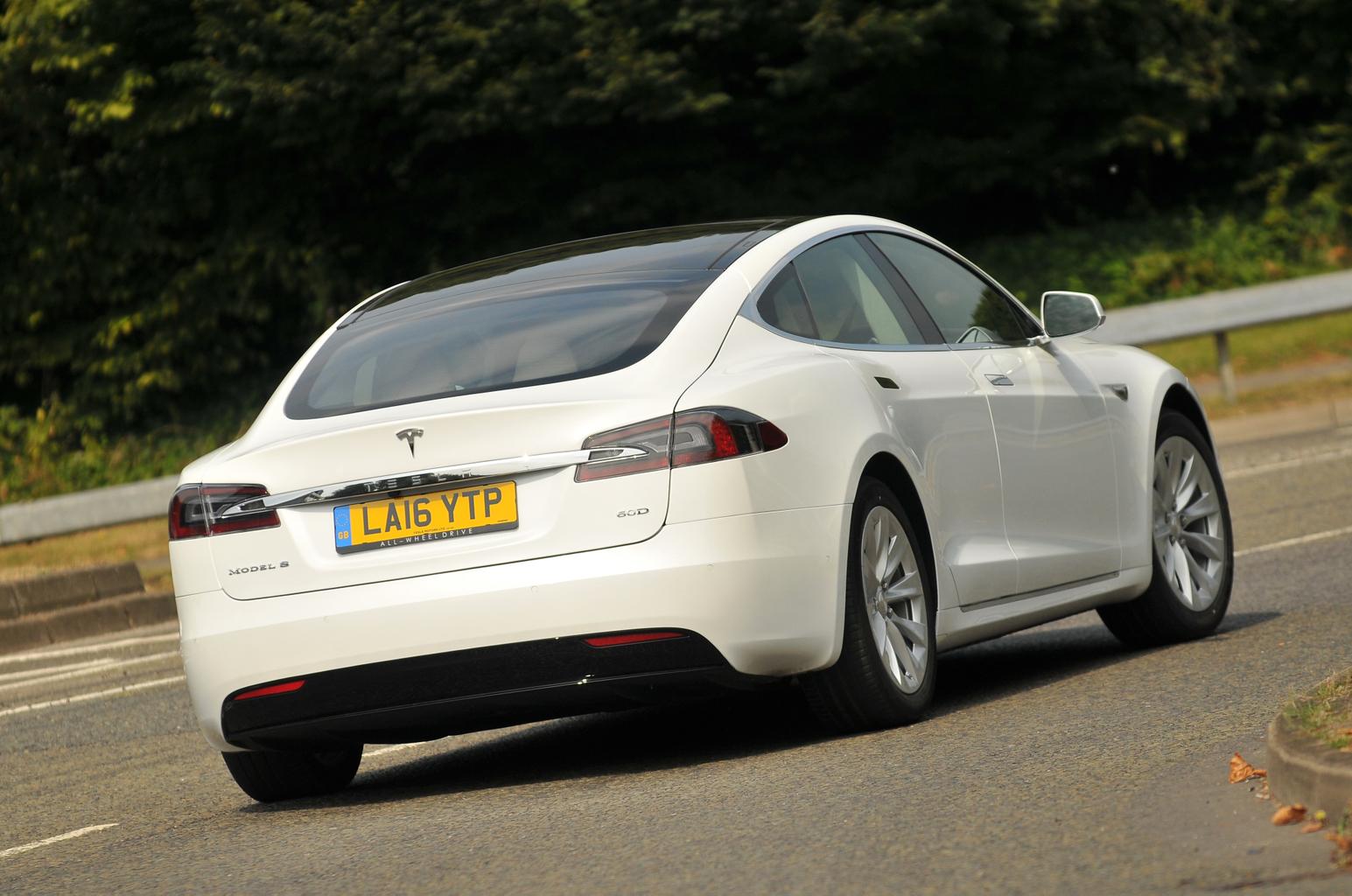
- Used Tesla Model S 2014-2021 rear three quarters
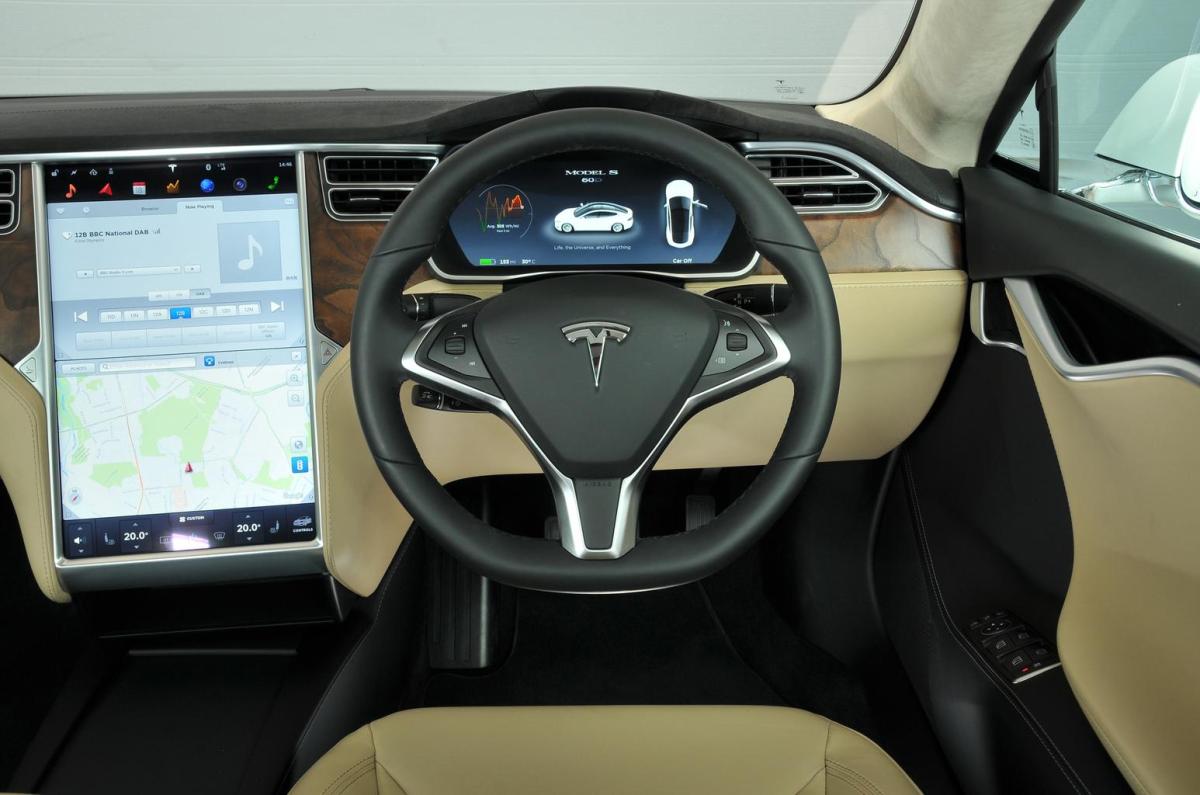
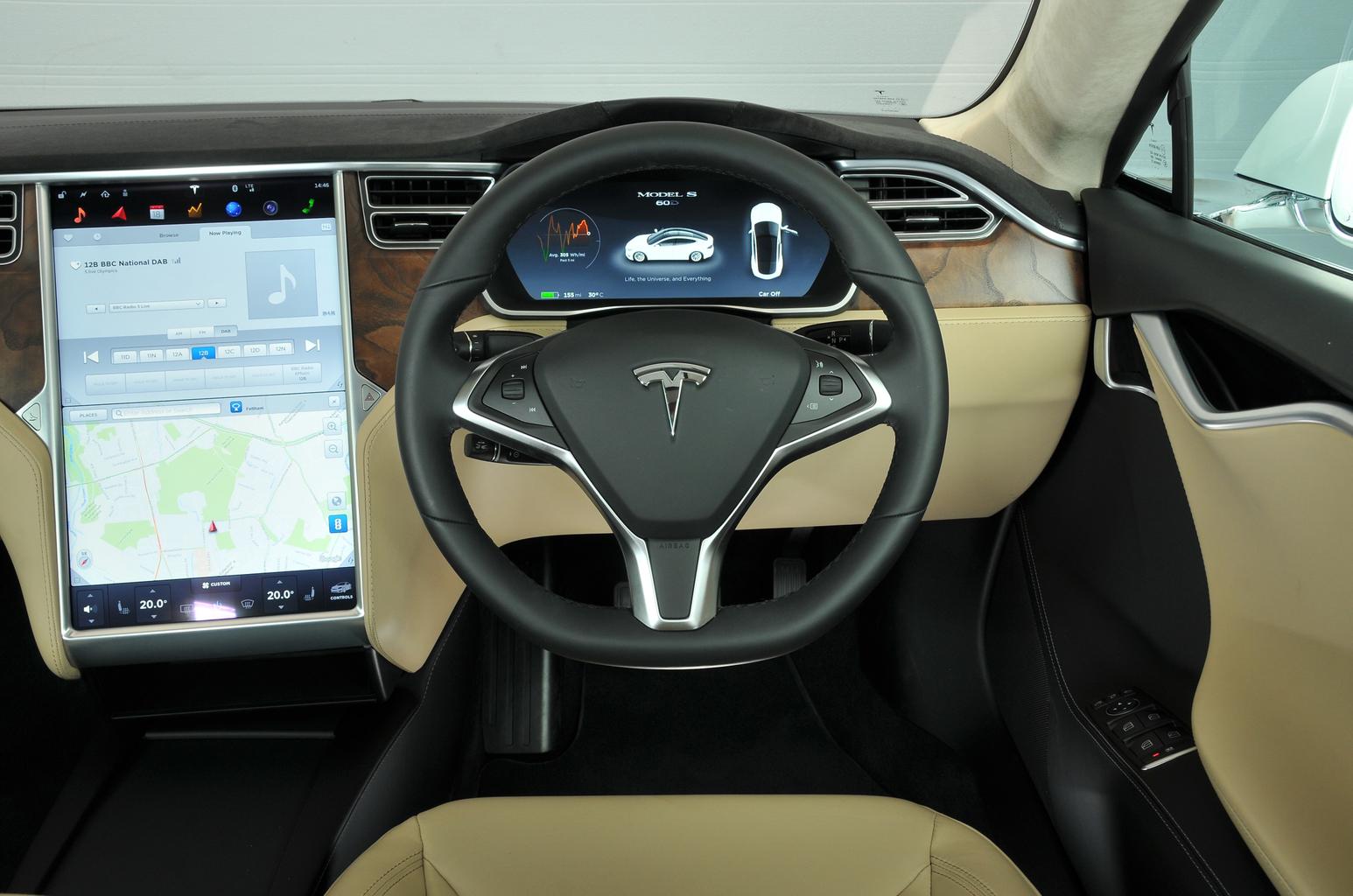
- Used Tesla Model S 2014-2021 dash
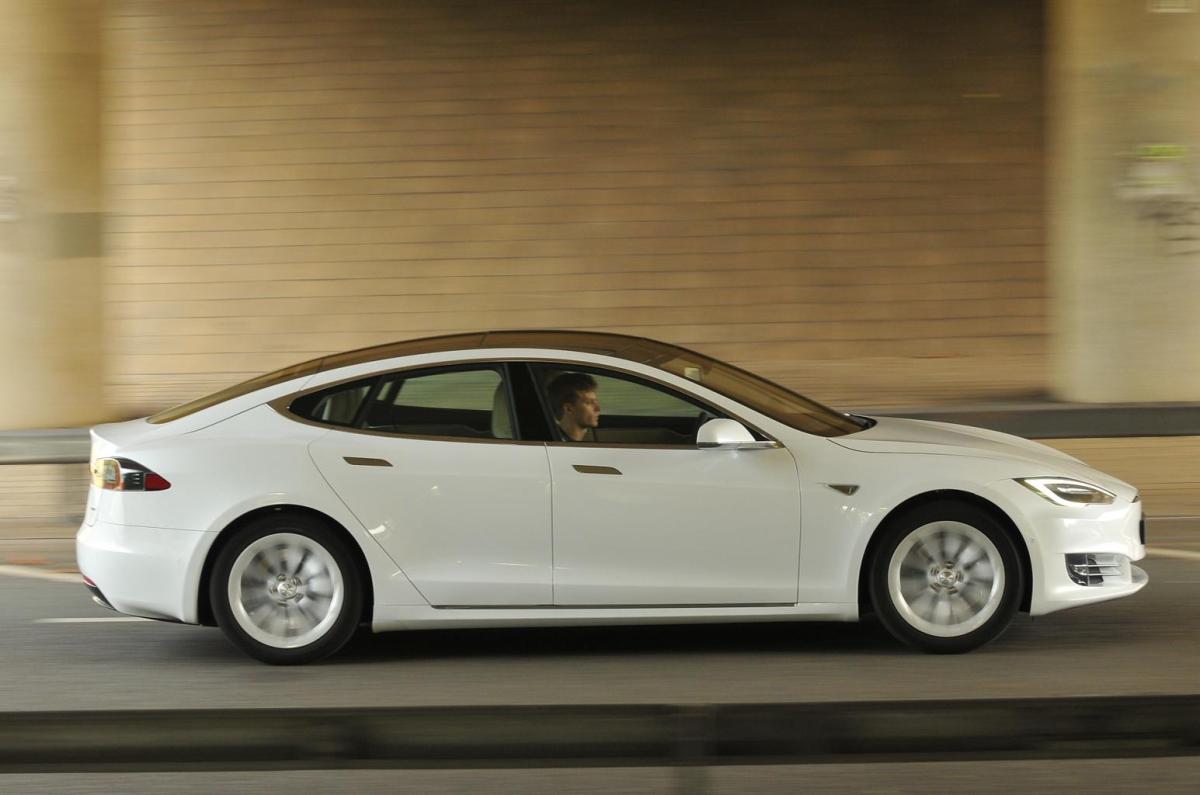
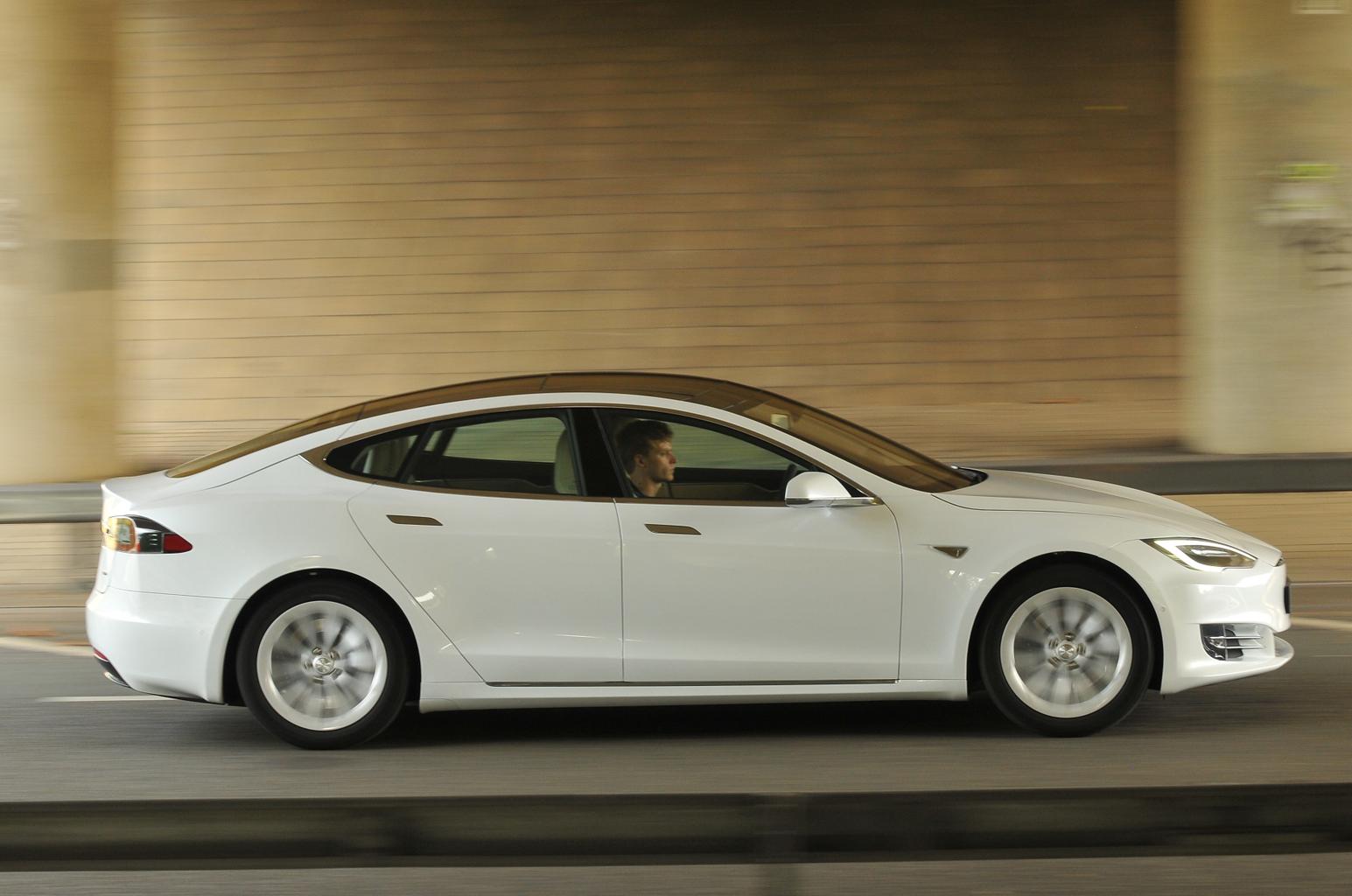
- Used Tesla Model S 2014-2021 side
- Used Tesla Model S 2014-2021 rear
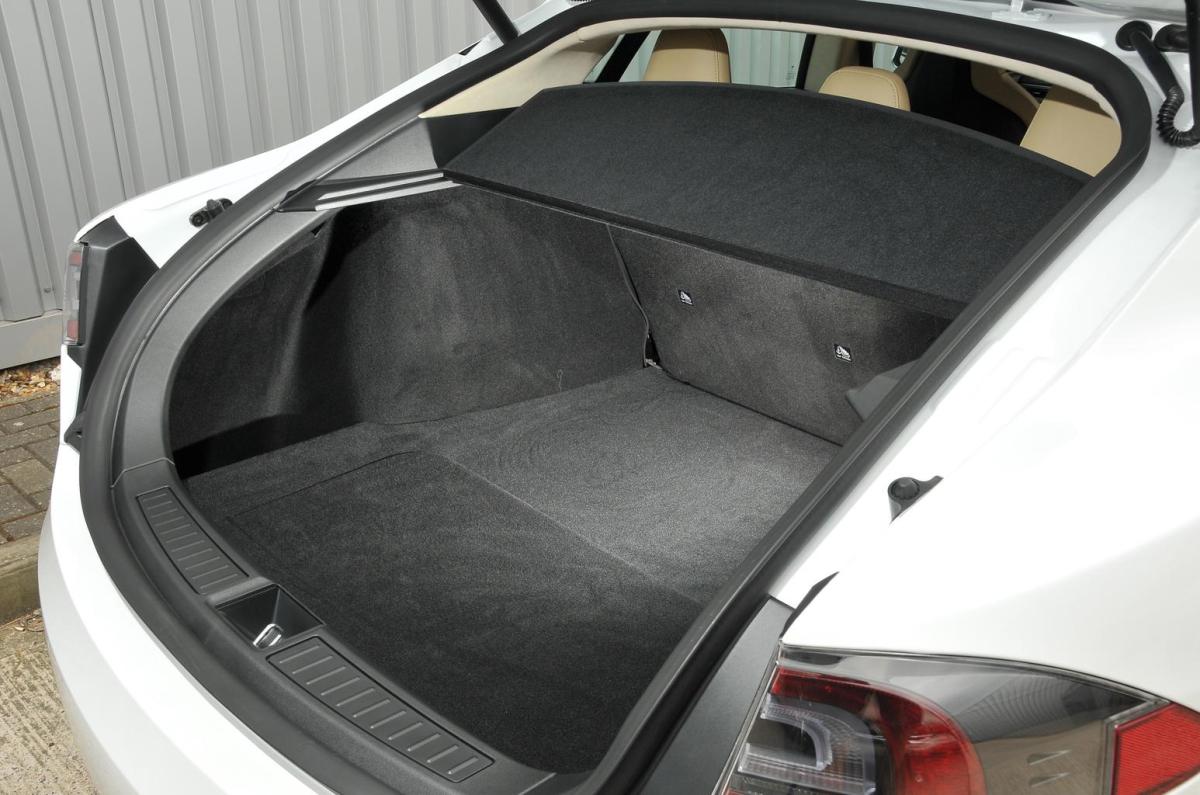
- Used Tesla Model S 2014-2021 boot
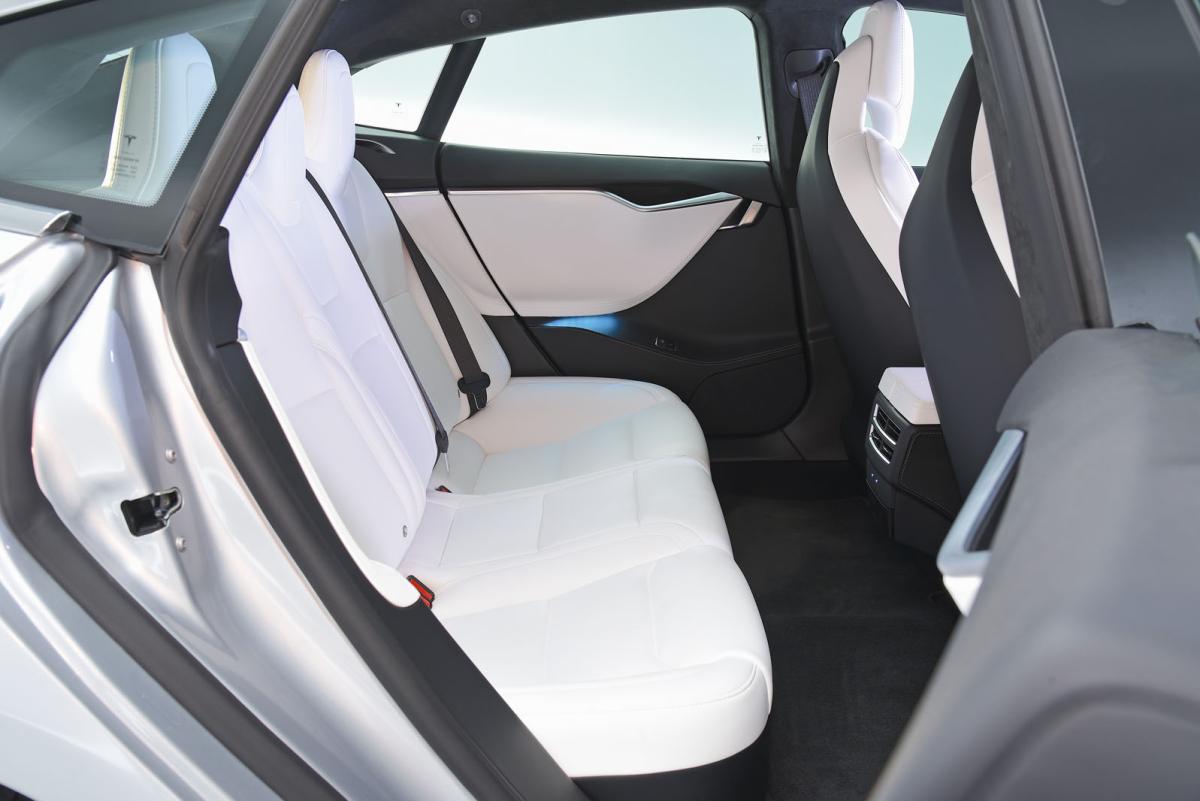
- Used Tesla Model S 2014-2021 rear seats

What's the used Tesla Model S like?
The Tesla Model S has been around since 2012 and on sale in the UK since 2014. It’s the product and brainchild of an idiosyncratic billionaire who happens to be passionate about electric vehicles, space travel, and social media, among other things. I'm sure you know his name.
It was on sale initially until 2021, then after a short hiatus reappeared on the UK market in 2023 in heavily revised form, and available only in left-hand drive.


Pros
- Staggering performance
- Impressive range for an electric car
- Surprisingly practical
Cons
- The poor reliability record of the earlier cars
- Some other electric car rivals are better to drive
- Interior quality is a little mixed in places
Here, we're concentrating on the 2014-2021 car, examples of which can now be picked up for what look like bargain prices, but we've included details of the latest version of the Model S too.
Power options: In truth, it's difficult to keep count of all the various motor, battery capacity and driven wheel options in the Model S (we know of at least 12 so far with this generation). Basically, 60kWh is the smallest battery capacity and lowest performance at 'only' 314bhp. If you want something faster, go for either a Dual Motor (four-wheel drive), Performance or Performance Ludicrous model – particularly the Dual Motor Long, which has a 100kWh battery pack and 762bhp.
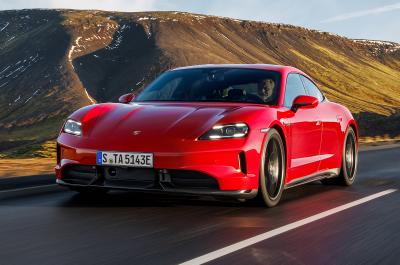
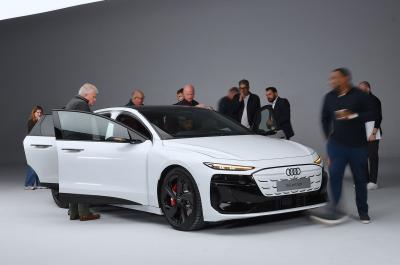
In these later post-2023 models, the top-spec Plaid version can sprint from 0-60mph in less than 2.5 seconds. Even if you don’t go for the fastest version you can expect rapid performance, with the Long Range getting two electric motors and still managing an official 0-62mph sprint of 3.1sec, which is faster than the Audi e-tron GT RS. It's officially capable of travelling around 394 miles on a single charge and – given the efficiency of the Tesla Model 3 and Tesla Model Y – we don’t doubt it’ll get close. The Plaid will officially go 373 miles, almost 100 more than the Taycan Turbo S.
Trims & equipment: Standard equipment includes 19in alloy wheels, heated electrically operated front seats, dual-zone climate control, and a reversing camera. There were plenty of options, ranging from internet connectivity with access to Google Maps to an Enhanced Autopilot function. If you have a large family, it's worth seeking out one of the very early cars with two rear-facing kids’ seats in the boot.
Ride & handling: What's driving like in the real world? In and around town the Tesla Model S is incredibly smooth and quiet, even when compared with most luxury limousines. Indeed, with no combustion engine, there's no noise at all when you’re stationary and it stays eerily silent at 30mph. Once you pick up the speed there’s more road noise on the motorway than you get in the Audi e-tron and Mercedes EQC, but it’s quieter overall than the Jaguar I-Pace.
With a stiff, mostly aluminium body and a huge battery located below the interior’s floor, the Model S handles rather well, and if it’s speed you’re after, as we've mentioned the latest Plaid versions of the car can fly from 0- 60mph in just 2.5sec – quicker than nearly any conventionally powered supercar.
Air suspension is fitted to the Tesla Model S as standard and is superb at keeping you comfortable on motorway trips, as long as you avoid the optional 21in wheels. The news isn’t quite so good on beaten-up town roads, which unsettle the car at times and cause it to thud. However, it stays on the right side of compliant and is significantly more forgiving than the Model 3.
The downside of the Tesla Model S’s relatively soft suspension and its extra weight (it’s around 250kg heavier than the Model 3) is that it isn’t quite as eager to change direction as its smaller sibling. If you view the Model S as more of a luxury electric vehicle, though, it's still pretty composed compared with most rivals, and comes with light and accurate steering.
Interior & practicality: The interior is a tech fest, with a massive, 17.0in colour touchscreen that displays sharp, high-definition graphics and online connected services. The screen is responsive, with decent-sized icons, and nearly everything is on it, including controls for the sat-nav, audio and even the sunroof operation.
At first glance, the interior impresses with its eye-catching design, complete with a large panoramic roof that floods the interior with light. Close up, it isn't quite a match for its German executive car rivals, especially around the centre console area, but it’ll still impress your neighbours.
Freed from the space restrictions of housing a conventional engine and all its associated gubbins, the Model S has masses of room inside, with lounging room for five and no hump in the floor to interfere with rear passenger comfort. There's even a boot in the front if you find the one in the rear isn't massive enough for your needs.
If you're interested in finding a used Tesla Model S, or any of the other electric cars mentioned here, head over to the Used Car Buying pages to find lots of cars listed for sale at a great price.
Page 1 of 5
Tips & Advice
Ownership cost
What used Tesla Model S will I get for my budget?
The starting point for Model S ownership is currently around £14,000, which will buy you a 2014 model with an average mileage for the year and a full service history. Spending between £15,000 and £20,000 will get you slightly better or lower-mileage examples from 2015, 2016 or even 2017, while between £25,000 and £27,000 buys a good example with a smaller battery and rear-wheel drive. Expect to spend £25,000 and upwards on a 2018 or 2019 car, or closer to £30,000 for a 2019 or 2020 car.
Later cars from 2023-onwards and in left-hand-drive form only will cost you upwards of £60,000.
Check the value of a used Tesla Model S with What Car? Valuations
Tips & Advice
Our recommendations
Which used Tesla Model S should I buy?
Motor
If you're after one of the earlier cars, it’s the 75D version that we'd go for, because it still gives staggering performance and an impressive range for an electric car.
Specification
Again, with the earlier cars, aside from the different motors, there aren't any trim levels to speak of. But, there are some option packs to look out for, such as the Sub-Zero pack if you want heated rear seats, or the Tech package that includes parking sensors.
Our favourite Tesla Model S: 75D
Page 4 of 5
Tips & Advice
Alternatives
What alternatives should I consider to a used Tesla Model S?
The Jaguar I-Pace styles itself as an SUV and it is a brilliant electric car with a sumptuous interior and a longer real-world range than some versions of the Model S. That plush interior also has an excellent driving position, while the ride is comfy.
The Audi E-tron is a large SUV that combines those much-loved traditional Audi qualities – such as a top-notch interior – with hitherto unimagined levels of comfort and refinement. The spacious interior is bursting with plush materials and high-tech goodies, too.
If you’d prefer an electric SUV that’s got a bit more, let’s say, pizzazz, have a look at the Tesla Model X. Not only is it immensely practical, packed full of tech and surprisingly sharp to drive, but it’s also capable of embarrassing sports cars in a straight line.
For all the latest reviews, advice and new car deals, sign up to the What Car? newsletter here
If you're interested in finding a used Tesla Model S, or any of the other electric cars mentioned here, head over to the Used Car Buying pages to find lots of cars listed for sale at a great price.
Page 5 of 5
How reliable is the Tesla Model S ?
About the writer