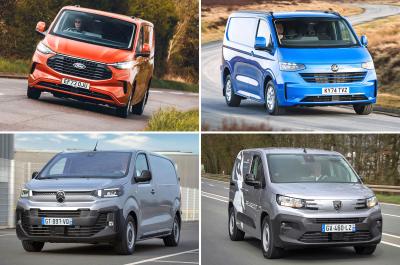
New Hyundai i10 vs Kia Picanto: interiors
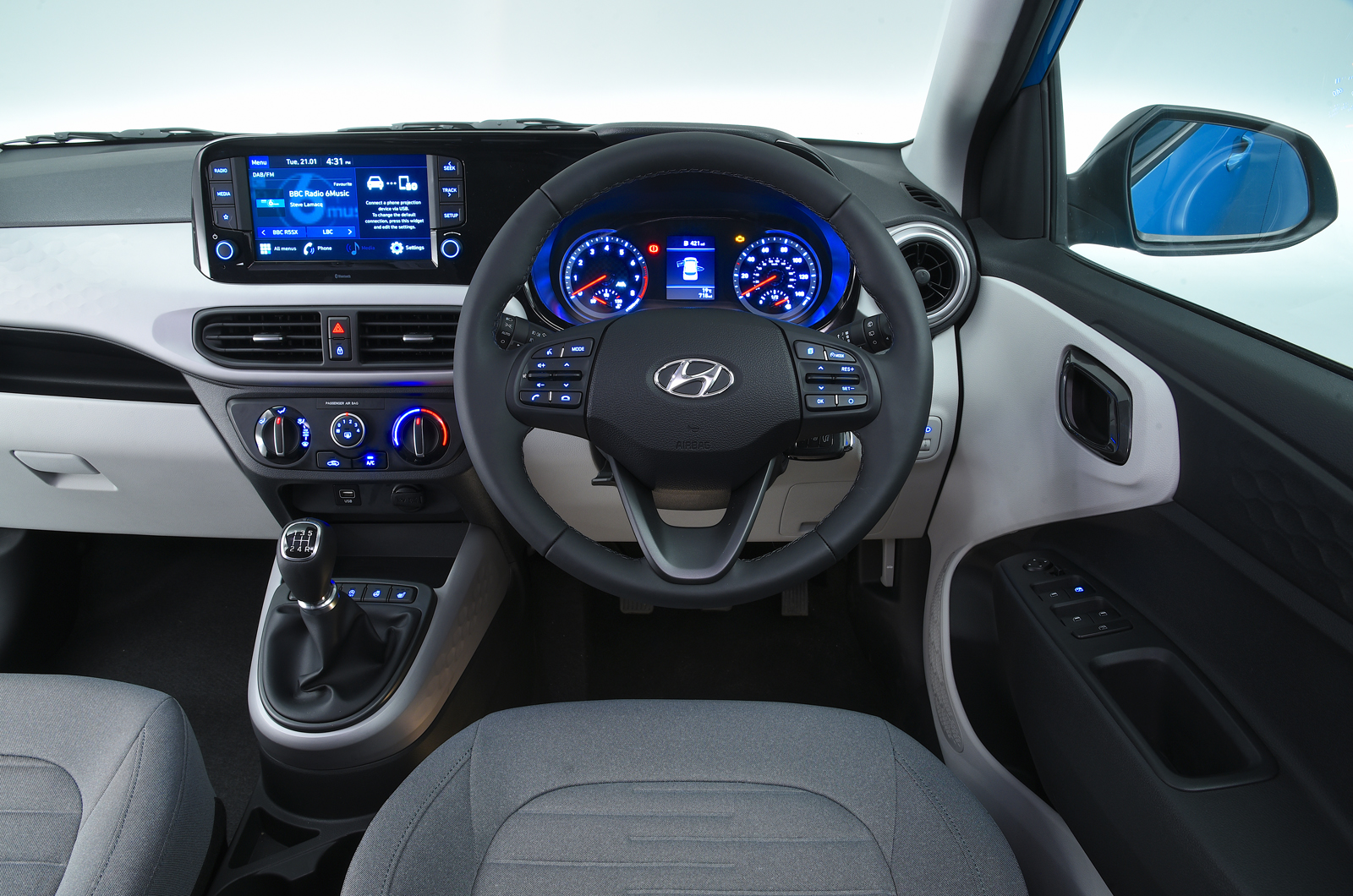
Behind the wheel
Driving position, visibility, build quality
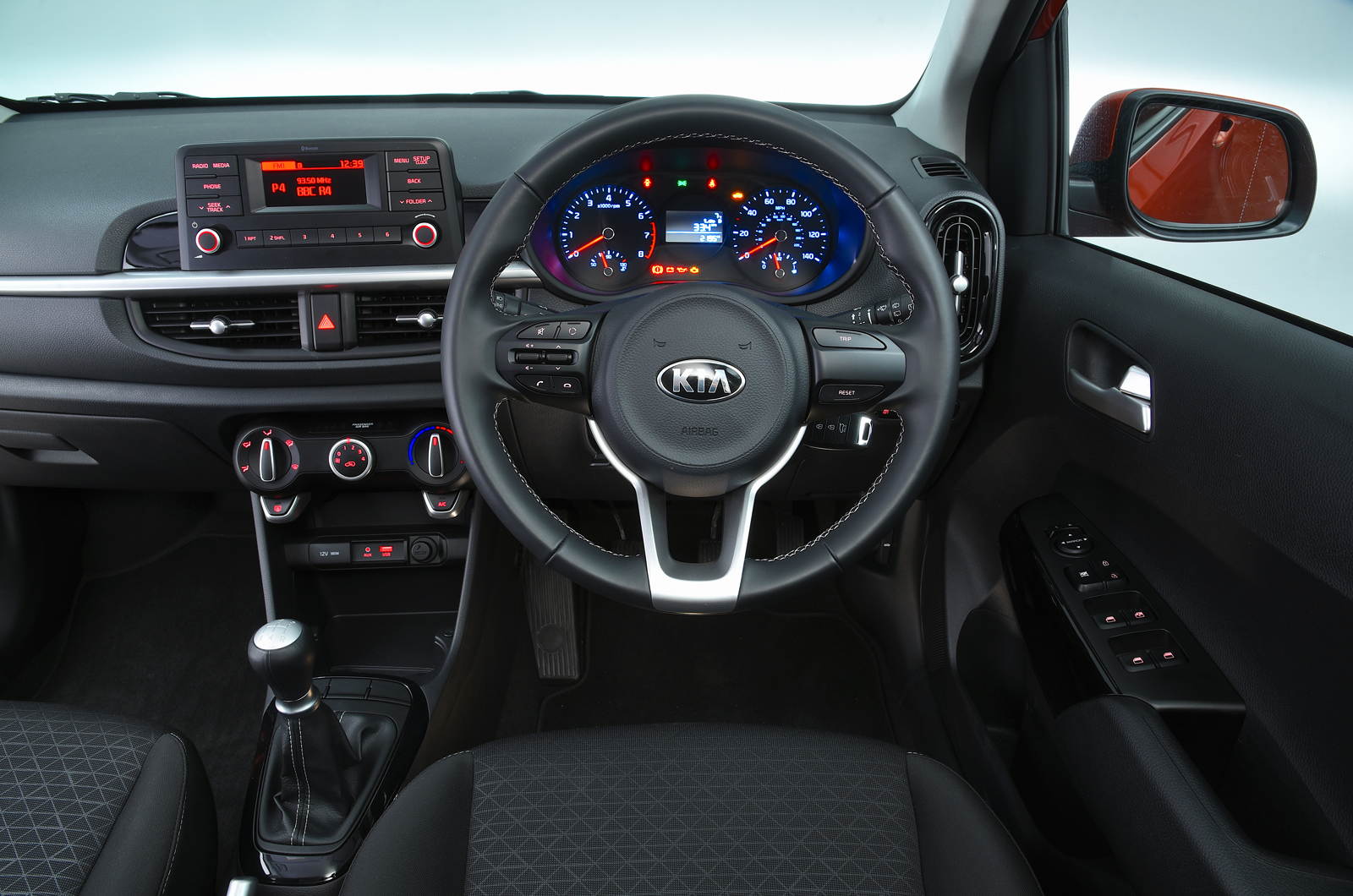
The seating positions are very similar in both, because the commonality beneath their skins means the fundamentals – such as the alignment of the driver’s seat, pedals and steering wheel – are near enough the same. Neither has a reach-adjustable steering wheel (many cars in this price point don’t), but you can move the wheel and driver’s seat up and down in both, and by enough to allow most to get comfortable.
The main difference is in their seats’ design. The i10’s is softer, with a steeper-angled squab that gives better thigh support on longer trips. The Picanto’s is firmer, with better shoulder support, and is superior at keeping you in place around corners. Which is better is a matter of personal preference.
The similarities extend to front visibility, which is top drawer in both, but the i10’s more aggressively swept-up rear window line provides a little more cause for concentration when reversing into parking spaces. Thankfully, each car has a reversing camera, although the Picanto adds rear parking sensors for some audible assistance as well.


The cars also come with daytime running lights (LED on the i10) and front foglights, but by today’s standards, their halogen headlights are a little dim on dark and drizzly nights.
Where our contenders differ most inside is on quality, yet even here, the gap isn’t vast. Both feel well screwed together but, as so often at this end of the market, all the plastics are hard and unforgiving and it’s Hyundai that has made more effort to break up the bleakness. This top-spec Premium i10’s gloss black surfaces, contrasting colours and other details, such as the greater tactility of its leather-clad steering wheel, add a smidge more panache.
<< Previous | Next: Infotainment systems >>
Page 2 of 6