Should you still learn to drive in a manual car?
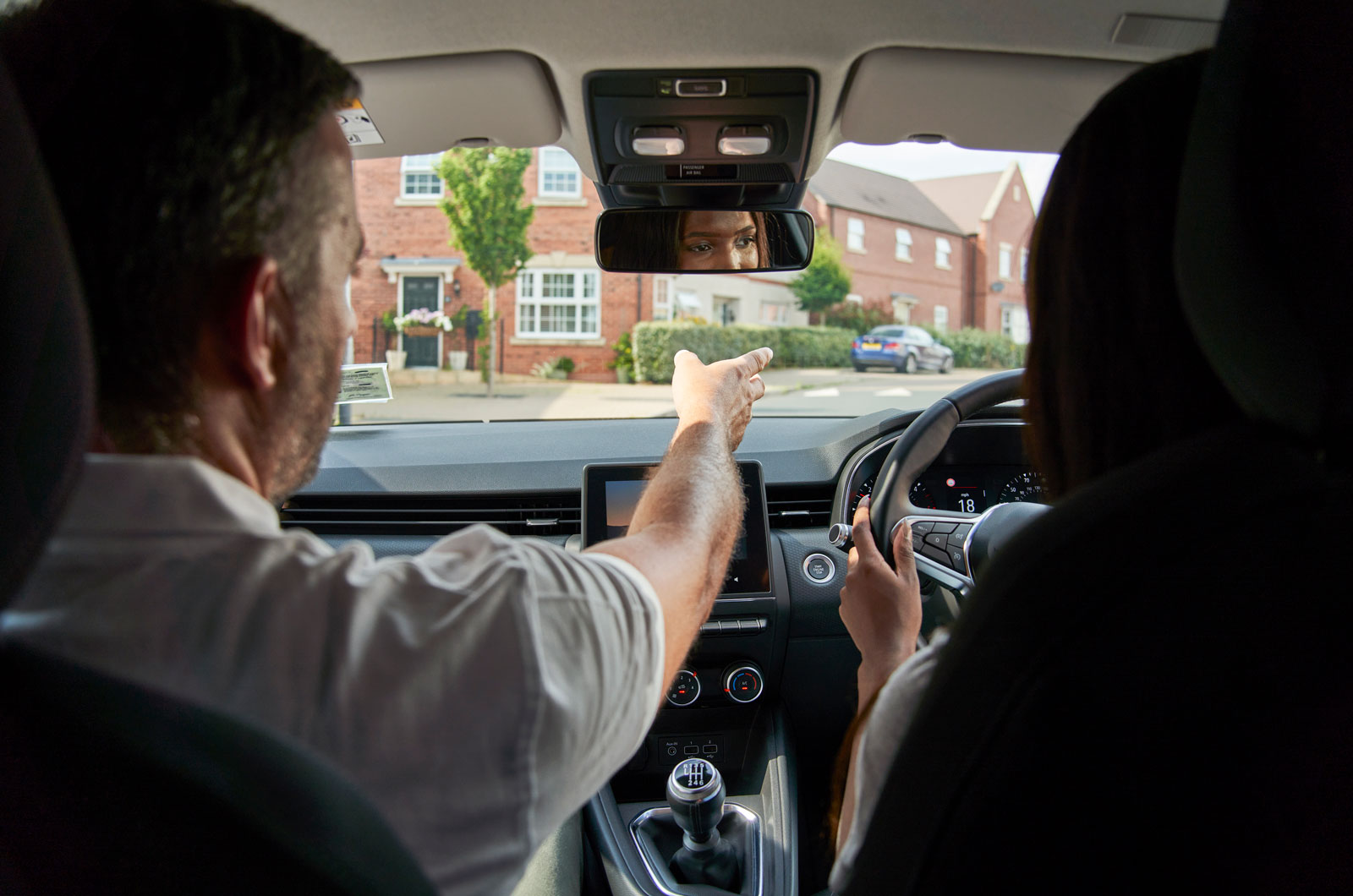
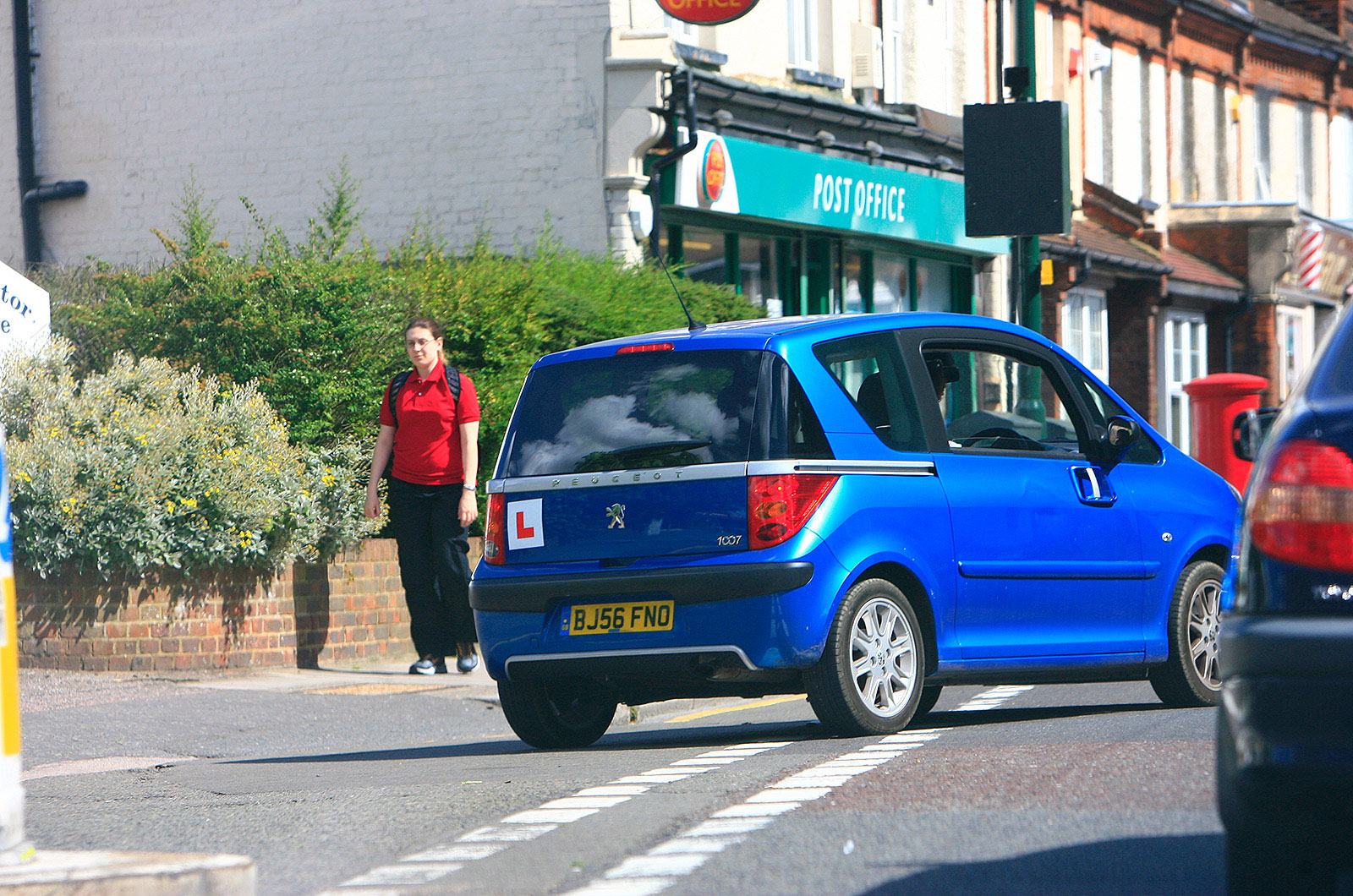
As the backlog from the coronavirus pandemic continues to clear, the number of people taking their driving test last year was one of the highest in the past decade, at more than 1.8 million. And while less than one in four new cars registered last year had a manual gearbox, most learners still opted to take their test with one – but statistics over the past few years show a growing trend of drivers opting to take their test in a car with an automatic gearbox instead.
Twenty-six percent (479,556) of driving tests taken from April 2024 to March 2025 were in automatic cars, compared with 23% (455,276) in 2023-24. That former figure is more than quadruple the figure from 10 years ago, when automatic tests accounted for just 6.9% (105,948) of the total taken.
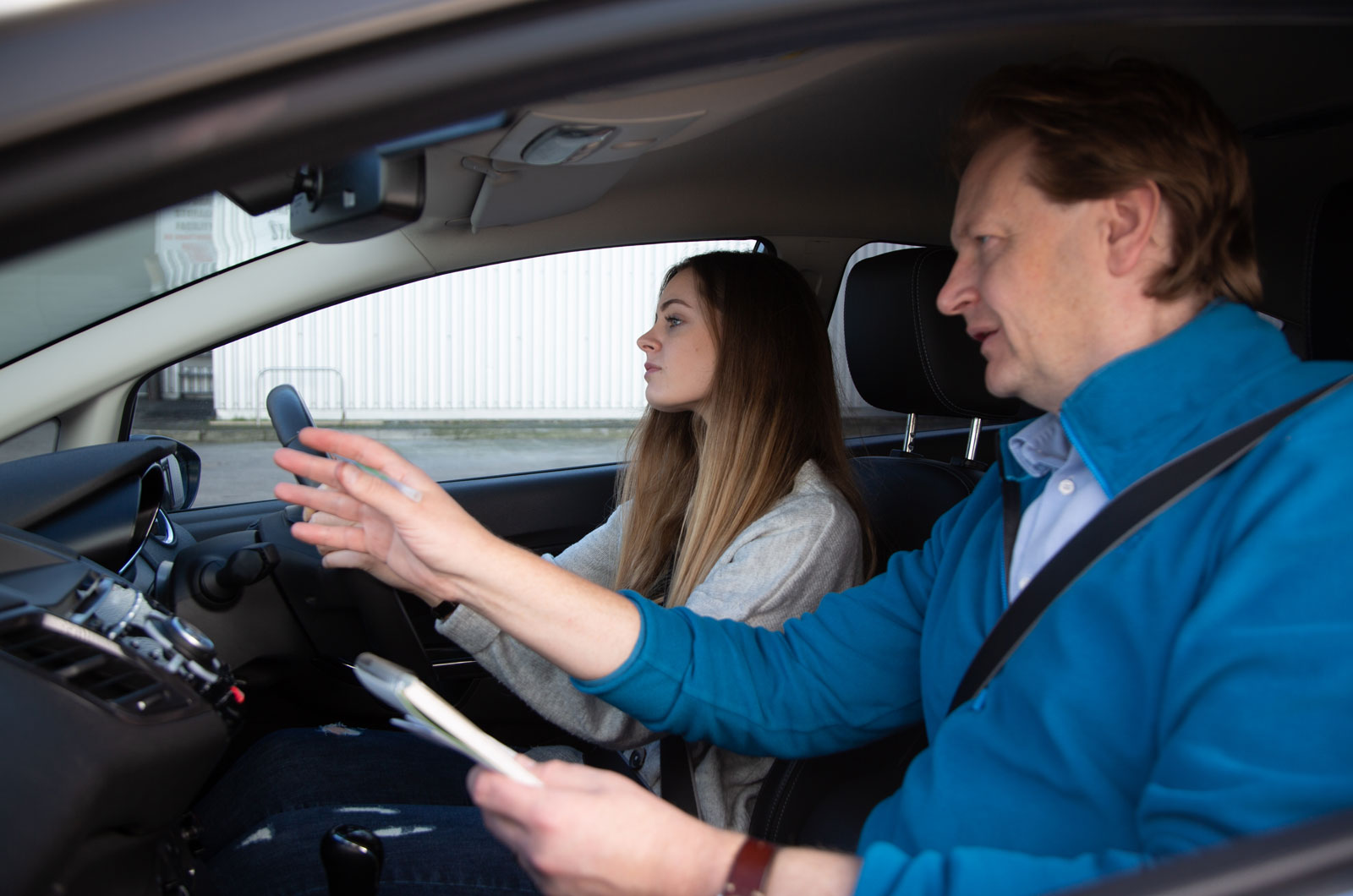
Why are more learners shunning manuals?
Learners might choose to take their test in an automatic car because the vast majority of new cars sold nowadays have automatic gearboxes. The Society of Vehicle Manufacturers and Traders (SMMT) attributes the increasing sales of automatics in part to the uptake of new EVs. Indeed, almost every electric car is automatic because they don’t have any use for a traditional mechanical gearbox or gear selector.


Emma Bush, Managing Director of the AA Driving School explains that, as automatic vehicles begin to dominate new car sales, learner drivers might see little or no point in being able to drive a manual car.
“With more people becoming confident with the idea of their driving future being electric, needing to drive a manual vehicle will feel irrelevant to many,” she explains.
“As we head closer to 2030 and the ban on the sale of new combustion-engined cars, more learners will want to learn in an electric vehicle as that’s all they will plan to drive.”
Indeed, the vast majority of new cars are only available with an automatic gearbox, and the split between auto and manual new car sales has shifted dramatically. In 2020, manuals accounted for 44% of sales and automatics for 56%. However, last year in 2024, just 23% of cars were manuals, compared with 77% automatics.
UK new car registrations
| Year of registration | Auto gearbox cars | Manual gearbox cars |
|---|---|---|
| 2025 (YTD)* | 81.6% | 18.4% |
| 2024 | 77.5% | 22.5% |
| 2023 | 71.3% | 28.7% |
| 2022 | 67.3% | 32.7% |
| 2021 | 62.4% | 37.7% |
Source: SMMT
* As of August 2025
Driving instructors are switching to automatics
Many driving instructors are making the switch from teaching in manual cars to automatics where there’s greater demand. Data from the AA Driving School shows that 36% of people training to be a driving instructor chose to begin their career in an automatic vehicle in 2024. This number rose slightly to 37% in 2025. What’s more, in 2024, 36 instructors within the organisation chose to stop offering lessons in manual cars and made the switch to automatics instead. For reference, as of December 2025, the AA Driving School has 3500 franchisee driving instructors.
Total driving test passes for manual and auto gearbox cars
| Manual tests | Auto tests | Total tests | |
| 2024-2025 | 1,360,261 (73.9%) | 479,556 (26.1%) | 1,839,817 |
| 2023-2024 | 1,489,949 (76.6%) | 455,276 (23.4%) | 1,945,225 |
| 2022-2023 | 1,364,891 (80.8%) | 324,064 (19.2%) | 1,688,955 |
| 2021-2022 | 1,295,601 (84.2%) | 242,713 (15.8%) | 1,538,314 |
| 2020-2021 | 377,143 (86.2%) | 60,209 (13.8%) | 437,352 |
| 2019-2020 | 1,397,060 (87.3%) | 202,506 (12.7%) | 1,599,566 |
| 2018-2019 | 1,479,176 (88.9%) | 185,043 (11.1%) | 1,664,219 |
| 2017-2018 | 1,554,729 (90.5%) | 163,790 (9.5%) | 1,718,519 |
| 2016-2017 | 1,589,339 (91.8%) | 141,264 (8.2%) | 1,730,936 |
| 2015-2016 | 1,422,741 (92.5%) | 114,994 (7.5%) | 1,537,735 |
Source: DVSA
Bush further highlights the influence of electrified vehicles on the rise in popularity of automatic vehicles among learner drivers and driving instructors.
“It makes sense that we are able to offer a choice of these vehicles to our instructors, so they can ensure they are able to meet rising consumer demand,” she says.
“As EVs and hybrids become more popular due to lower day-to-day running costs and as the impending ban on sales of new petrol and diesel cars gets closer, more people are choosing to learn in an automatic.”
The Government will ban the sale of all new petrol and diesel cars by 2030, in accordance with the ZEV Mandate. This law also requires that 33% of all vehicles sold in the UK this year must be fully electric, gradually rising each year until they account for 100% in 2035.
The AA began to offer lessons in EVs in March 2022. Pupils who have learned in an EV may become familiar with the unique aspects of EV driving such as charging and regenerative braking, which gives them confidence choosing one after passing their test.
Is it easier to take your test in an automatic car?
IAM RoadSmart Policy and Standards Director Nicholas Lyes suggests that learners might also opt to learn in an automatic car to take their test more quickly, since they’ll spend less time behind the wheel getting to grips with a manual gearbox, which often takes up a good chunk of early lessons.
“There’s probably an element that people see using a manual gearbox as being a bit more complicated because you’ve got the dynamics of clutch control and things like that,” he says. “For them, this [learning in an automatic] is a simpler way of learning how to drive.”
You might think that passing your test in an automatic car would be easier, since there are no gears to manage or clutch to control. However, this doesn’t seem to be the case according to statistics.
Over the past decade, first-time pass rates for tests taken in automatic cars have lagged behind those for manual vehicles. While the gap has reduced slightly in recent years, it still remains the case that drivers are more successful on their first attempt in a manual car.
In 2014/15, only 39% of those who took the test in an automatic passed the first time, compared with 48% for manual cars. In 2024/25, though, 44% of the tests taken in automatics resulted in a pass, compared with 50% for manuals.
Driving test first-time pass rates
| Overall | Manual | Automatic | |
|---|---|---|---|
| Year | Pass % | Pass % | Pass % |
| 2024-2025 | 48.9 | 50.5 | 43.9 |
| 2023-2024 | 48.1 | 49.4 | 43.0 |
| 2022-2023 | 48.3 | 49.4 | 42.6 |
| 2021-2022 | 49.3 | 50.5 | 42.0 |
| 2020-2021 | 51.0 | 52.1 | 43.1 |
| 2019-2020 | 46.4 | 47.1 | 40.6 |
| 2018-2019 | 46.6 | 47.2 | 40.4 |
| 2017-2018 | 46.7 | 47.2 | 40.2 |
| 2016-2017 | 47.1 | 47.7 | 40.8 |
| 2015-2016 | 47.5 | 47.9 | 41.5 |
Source: DVSA
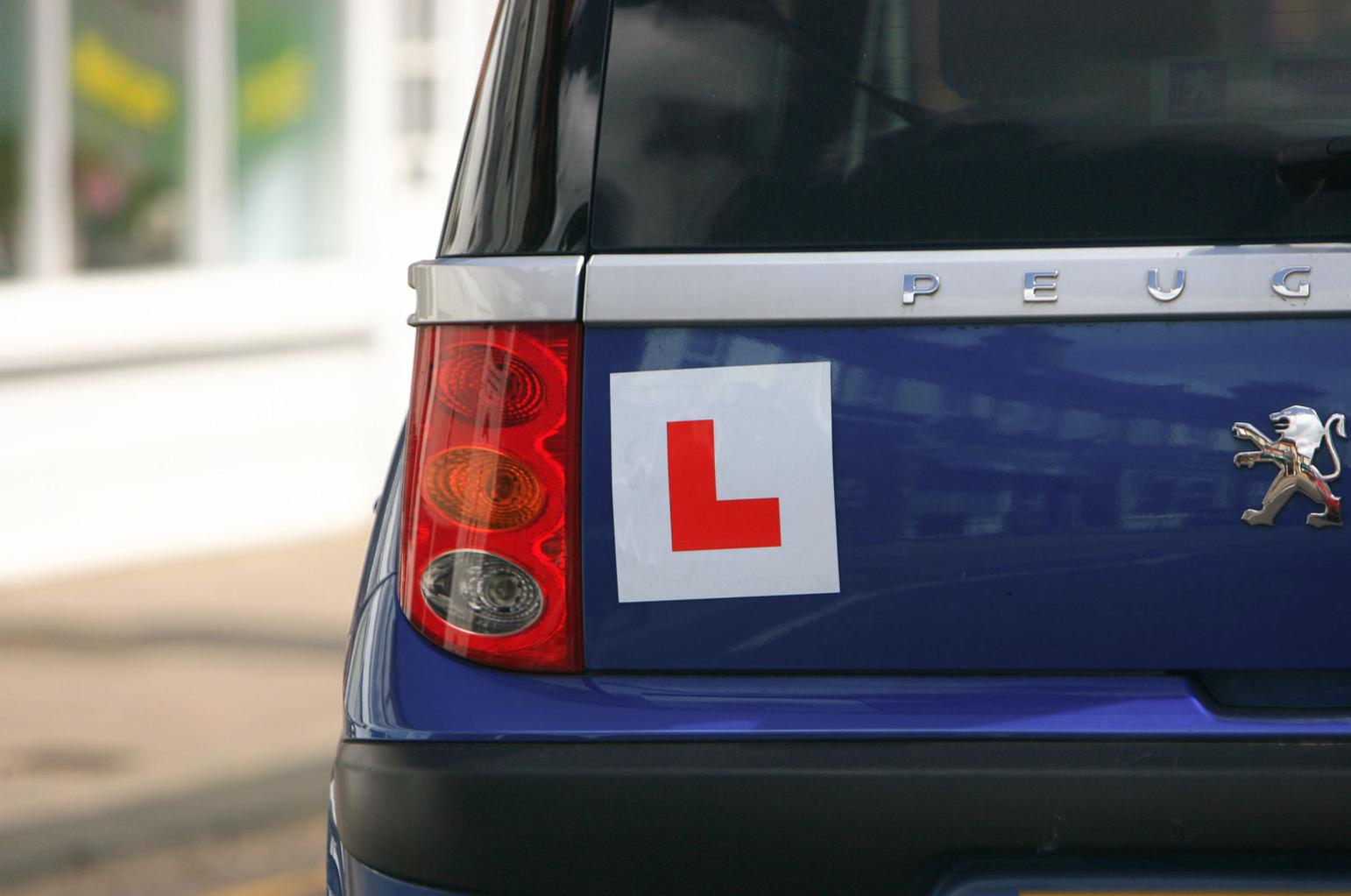
The lower pass rate for autos may be down to the fact that learners in manual cars often spend more time behind the wheel and can therefore practise for longer. Lyes explains that while getting to grips with a gearbox is a significant element on a driving test, there are other elements that both manual and automatic drivers also face.
“When you do your driving test, there’s a whole host of things that you will be passed or failed on, and the ability to use the gearbox is just one of the many things that a driving examiner will be testing,” he says.
Indeed, driving tests require more of the learner than simply understanding a gearbox; for example they must also use their mirrors correctly and have proper steering control – two elements that could cause both manual and automatic drivers to fail their test should they perform badly.
Lyes compared the automatic gearbox with the Advanced Driver Assistance Systems (ADAS) – such as lane-keeping assistance and automatic emergency braking – that can be found in recent cars. While these are intended to make driving easier, it is ultimately up to the driver to maintain good standards at all times.
“We need to be careful that people don’t think technology is going to rescue them from every single scenario, because it isn’t,” he says. “These are driver assistance systems, so they’re designed to help you drive; they’re not designed to keep you 100% safe. They’re designed to reduce the chances of collisions.
“Over the last 10 years, you’ve had more of these types of vehicles coming through, yet at the same time, the fatality rates and the crash rates are not really changing a great deal. That could indicate that even though cars are easier to drive, people are forgetting that safe driving starts and ends with the driver themselves and the skills that the driver has.”
What are the downsides of taking your test in an auto?
With automatic cars tending to cost more than their manual counterparts, you might assume that lessons would be pricier in them. However, we researched a number of driving lesson providers and their prices, and found that costs of lessons in automatic cars were either the same as manuals, or only a couple of pounds more.
That being said, the availability of lessons in an automatic car might vary depending on where you live or want to learn to drive. A report by the BBC found that some learners in rural areas have struggled to find local instructors who offer lessons in an automatic vehicle.
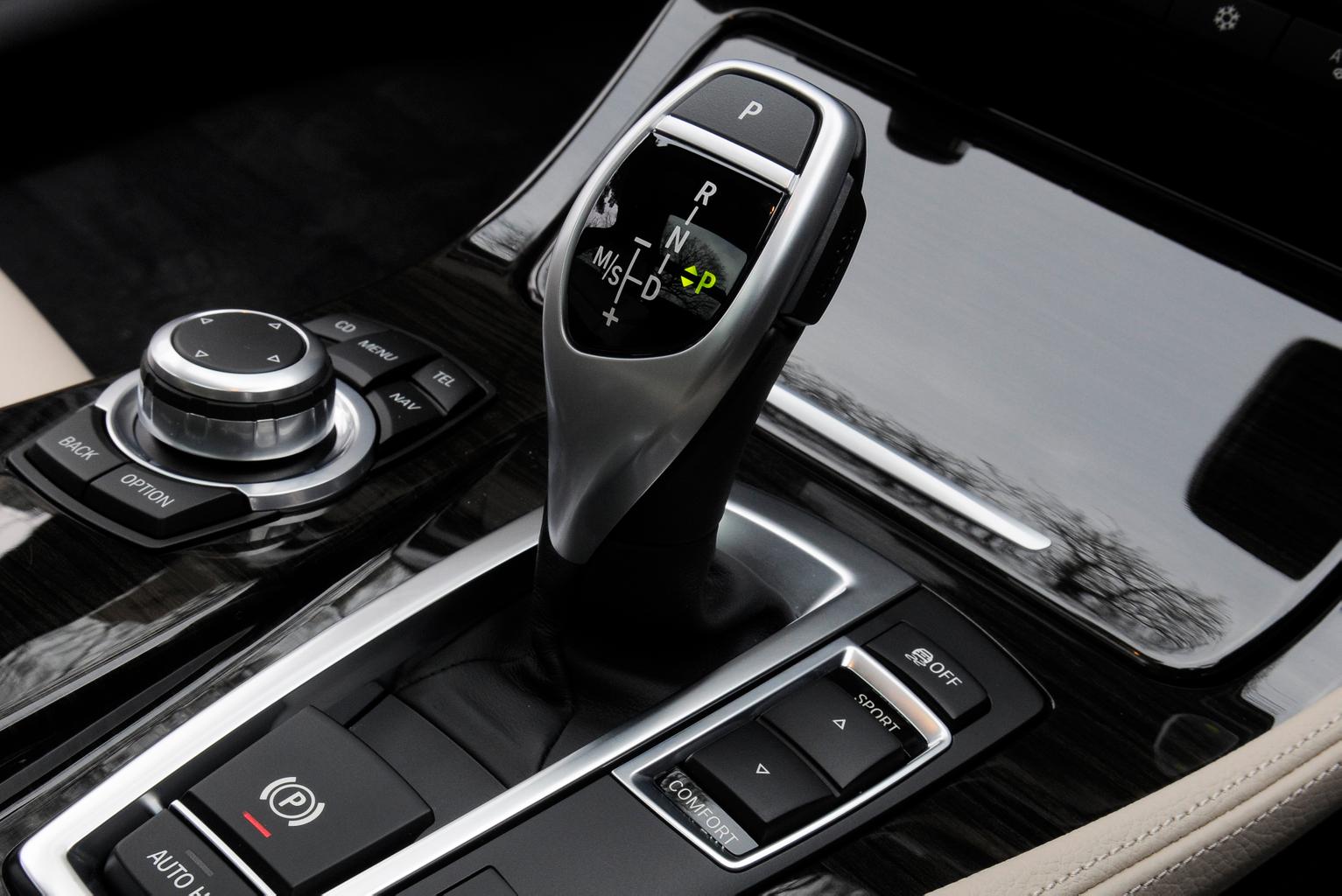
On top of that, you may end up paying more for other things. For example, if you want to hire a car on holiday, you’ll usually end up paying more for one with an automatic gearbox. That’s because hire fleets of popular categories of car – such as small hatchbacks and family cars – tend to be skewed heavily towards manual models. However, the gap has reduced in recent years, and depending on when you book and your location, you might only end up spending a few pounds extra on an auto.
You may also pay more for insurance if you only have a driving licence that covers automatic cars – but it’s important to shop around for the best prices to reduce the excess cost. Not holding a manual driving licence might also be seen as a limitation by some employers, especially in the trade sector, where you may be required to drive vans or HGVs with manual gearboxes.
Most importantly, you’ll typically pay a premium when you buy a secondhand automatic car over a manual. Up until 2020, used manual cars outnumbered those with automatic gearboxes, so there are more manuals to choose from, and they’re likely to be slightly cheaper. We researched the cost of a 2019 Ford Fiesta 1.0 petrol with between 25,000 and 30,000 miles; there were plenty of manuals available for around £8000, while the few automatics in our search results started at £10,000.
Which new cars still come with a manual gearbox?
At the time of writing, just 23 of the 40 mainstream car brands in our data pages offer models with manual gearboxes, though automatic cars are much more common nowadays due to the high prevalence of hybrid and electric power options.
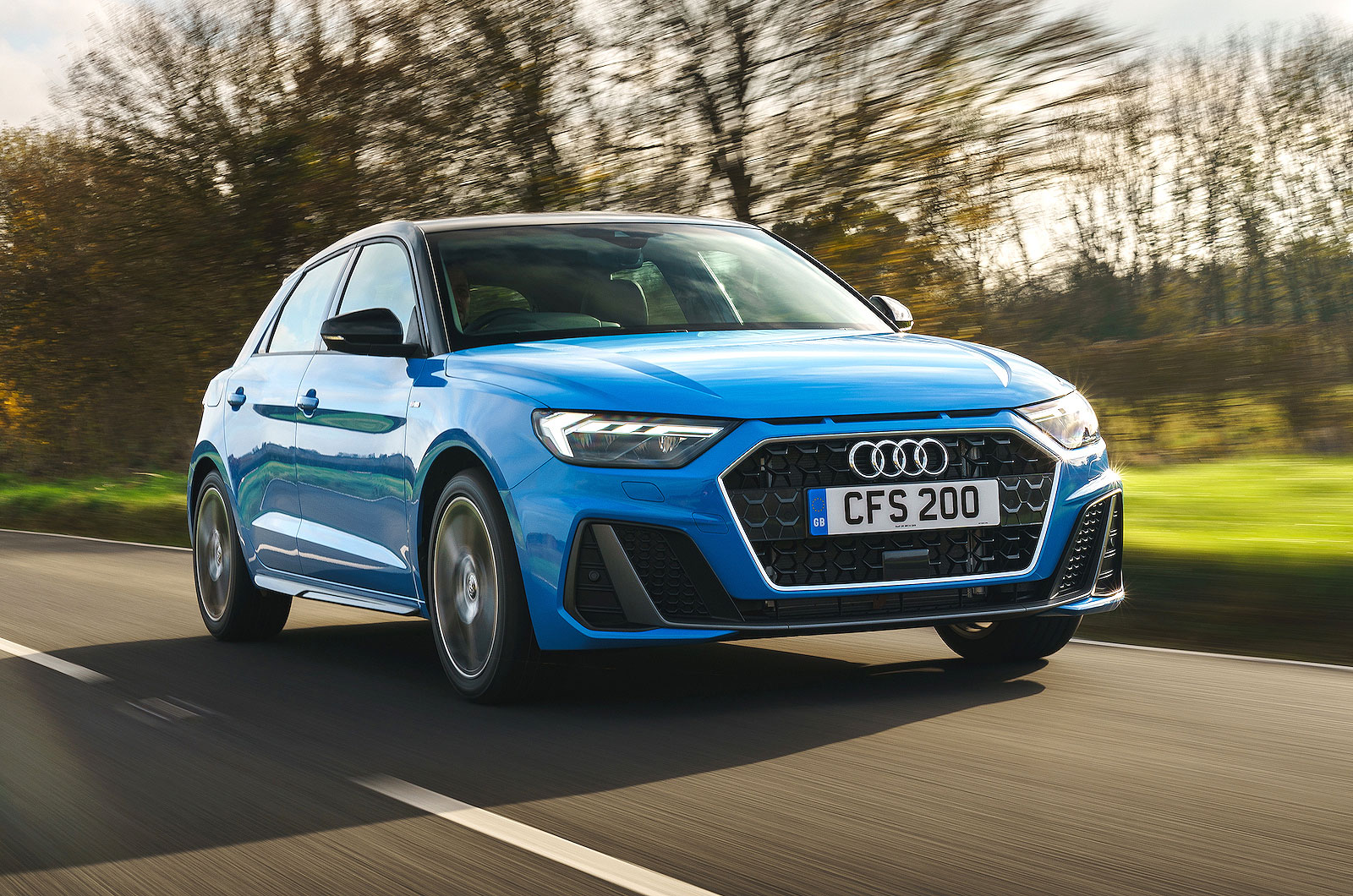
If you want a new car with a manual shift, it’s best to look at small hatchbacks such as the Audi A1, Citroën C3 or Dacia Sandero. SUVs and MPVs with manual gearbox options include the Citroën Berlingo, Ford Puma and Volkswagen T-Roc. If you’re looking for something a bit more fiery, you can get a manual Ford Mustang or Mazda MX-5.
Does the rise of the EV really mean the death of the manual gearbox?
While the number of new cars offered with a manual gearbox will likely continue to fall over the next few years, there are some manufacturers keeping it alive in less conventional ways.
For example, the electric Hyundai Ioniq 5 N performance car introduced a new system that simulates manual gearshifts using steering wheel-mounted paddle shifters alongside an artificial engine noise to allow self-shift fans to feel like they’re in a traditional petrol hot hatch.
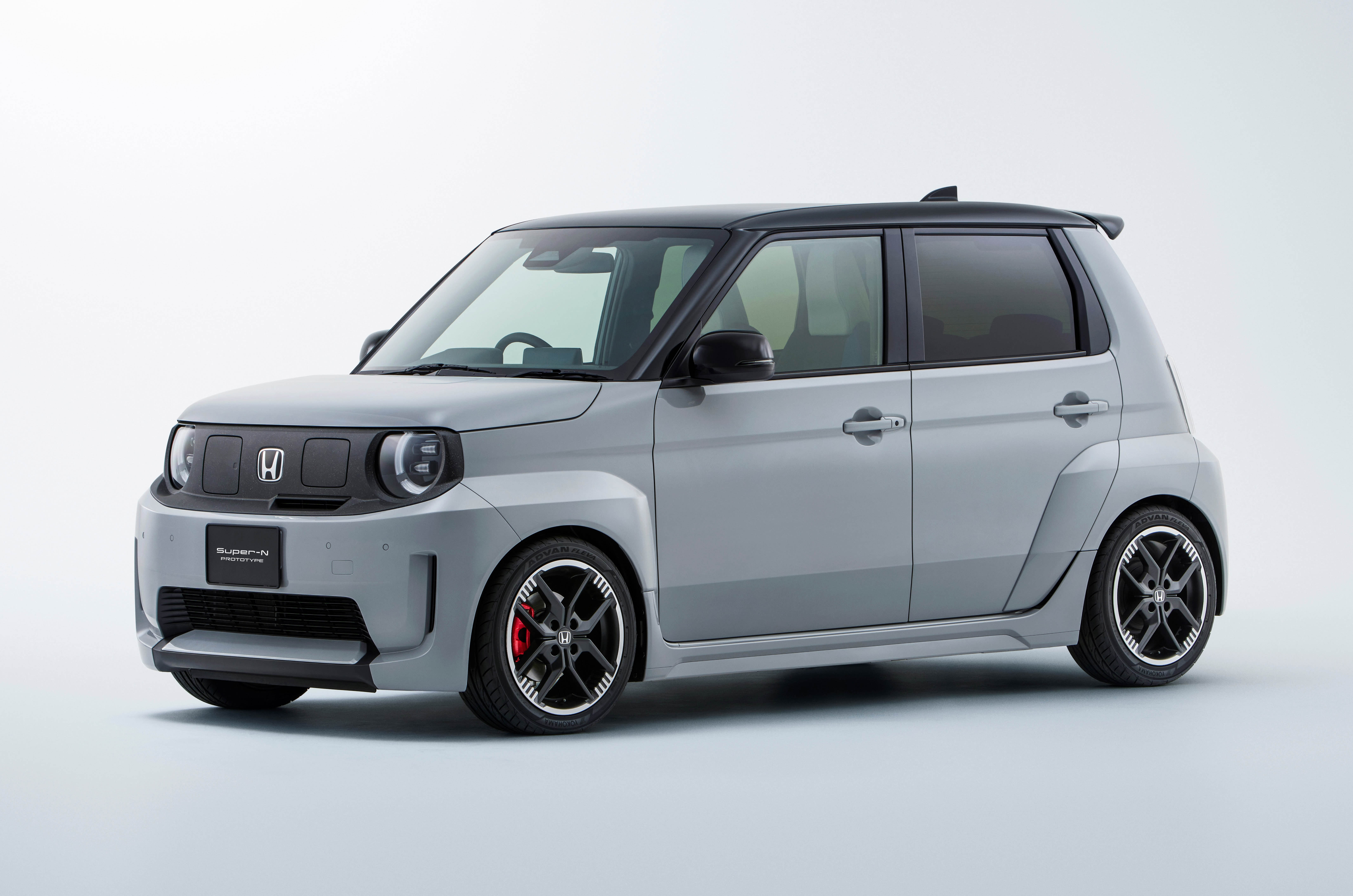
A similar concept will be offered in an upcoming Honda electric city car, the production Honda Super-N. Our colleagues at Autocar tested a prototype and found that the system was impressively realistic, even incorporating a fake fuel cut-off system if you sit at too-high revs for too long.
Eleanor Cooper, What Car? news writer, says: "If you want the freedom of being able to drive cars with both manual and automatic gearboxes, rather than just automatics, you should take the driving test in a manual car. This will also allow you more flexibility in situations outside of everyday driving, such as if you use a van for work, which may come with a manual gearbox. Plus, you’re still more likely to pass the first time if you take your test in a manual car.
"Many young drivers choose to buy an older model as their first car, which means there’s likely to be a wider choice of manual examples to choose from. However, if you choose a new or nearly new car as your first car – in particular an EV or plug-in hybrid – it might not be worth taking the manual test. As legislation demands more cars on the road to be electric as the years go by, learning in an EV will provide valuable experience for the future."
For all the latest reviews, advice and new car deals, sign up to the What Car? newsletter here