The fastest-accelerating cars in the UK, and the slowest
Few statistics give a car manufacturer – or indeed a customer – the sort of bragging rights that a rapid 0-62mph time does. It’s a measure of how quickly a car can reach motorway speeds, and while this might not be of paramount interest to everyone, those who do care will find no shortage of performance cars up for the task in the UK car market.
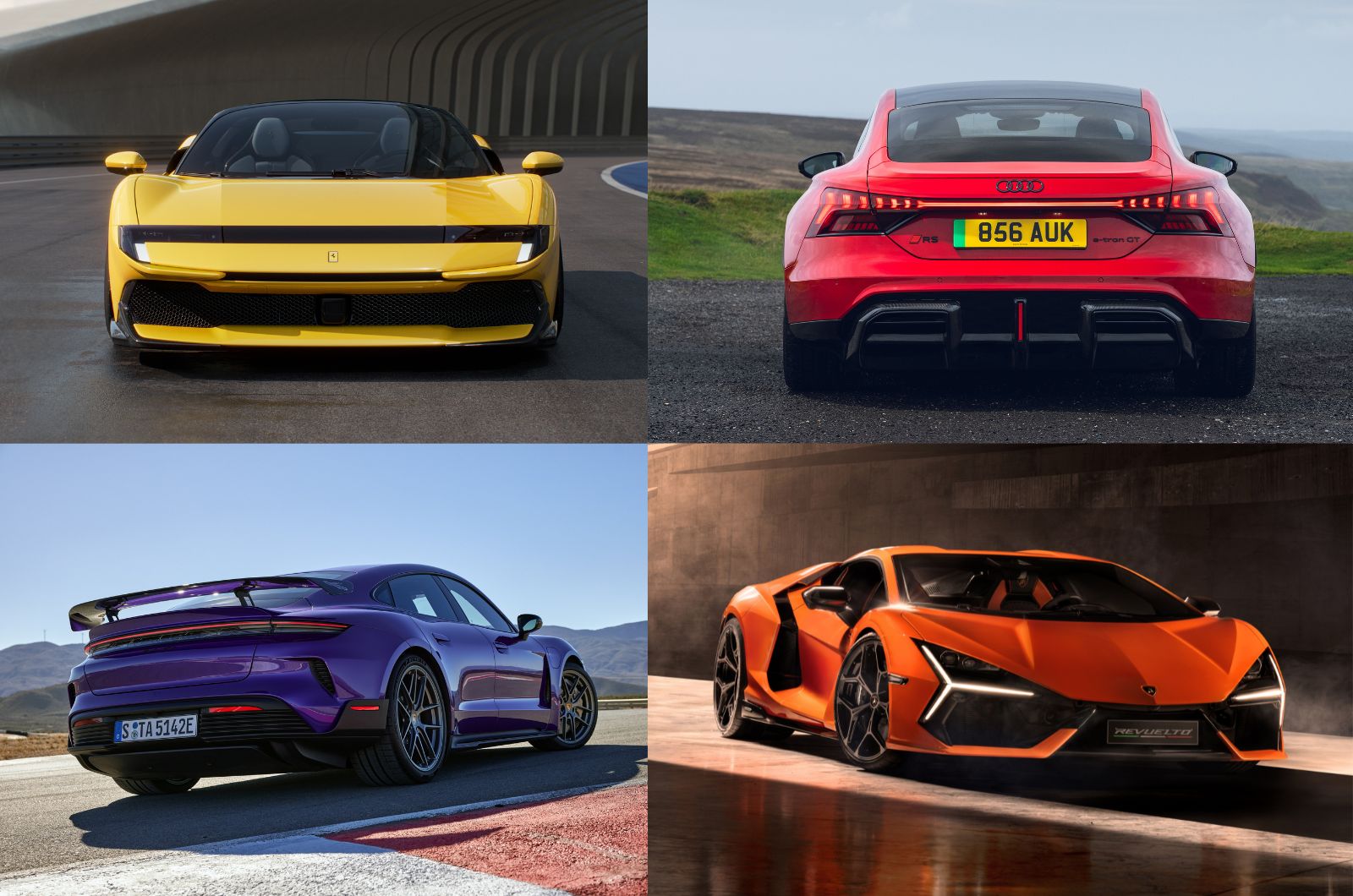
In this list, we’ll be taking you through the fastest accelerating cars on sale right now. Astonishingly, they’ll all crack 62mph in less than three seconds. Perhaps even more astonishingly, these are all cars that you can walk into a showroom and order tomorrow if you wanted to. So while there are some vehicles that are even faster, they’ve been ruled out here on the basis they’re either limited-run special editions, an invitational purchase, or are no longer on sale.
Read on to find out which models make our top 10.
Read more: Best cheap supercars >>


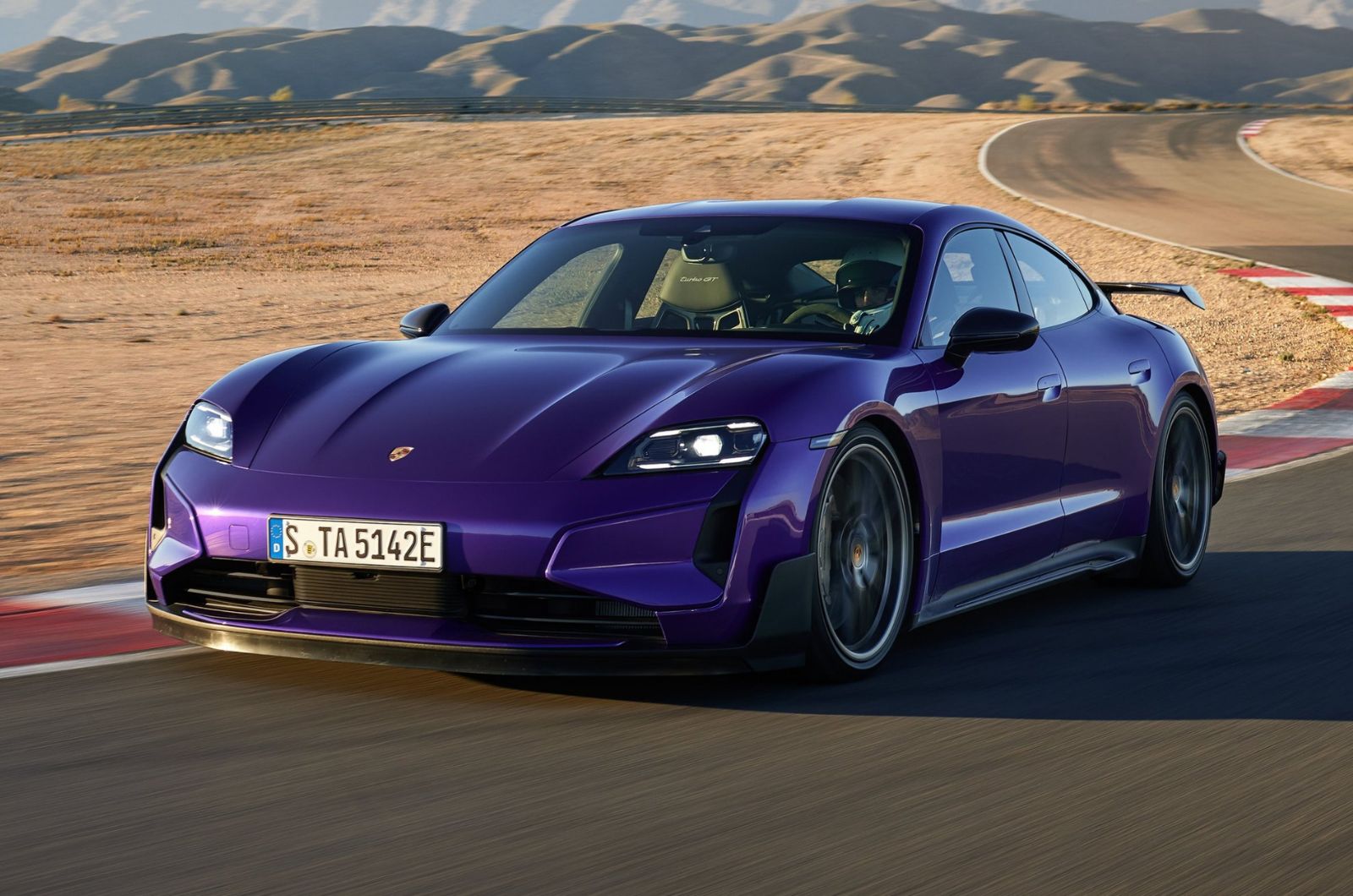
1. Porsche Taycan Turbo GT
Version Turbo GT W/ Weissach Pack | 0-62mph time 2.2sec
We're big fans of the Porsche Taycan, which even in standard form offers performance and pampering comfort in equal measure. As an electric performance car it has very few equals – but in range-topping Turbo GT form, and with the optional Weissach performance pack added, nothing comes close for acceleration.
With a scarcely believable 1020bhp going to all four wheels, the Taycan Turbo GT feels incredibly, pushing you back into your seat with the sort of clout you'd expect from Thor's hammer. You'll be at 62mph just 2.2secs after you set off, making it the fastest-accelerating car you can currently buy.
What's especially impressive about the Taycan, though, is how very usable and comfortable it is when you're not breaking acceleration records. You can fit more into its boot than you can into a regular Volkswagen Golf family car, for example, and while the rival Mercedes EQE has a touch more room for rear passengers, a couple of six-footers will still be comfy in the back of the Taycan.
If there was ever a car for all seasons, we think the Porsche Taycan comes pretty close. For even more practicality and space, though, check out the Taycan Sport Turismo, which trades a little of that speed for a larger boot.
Read our full Porsche Taycan review >>
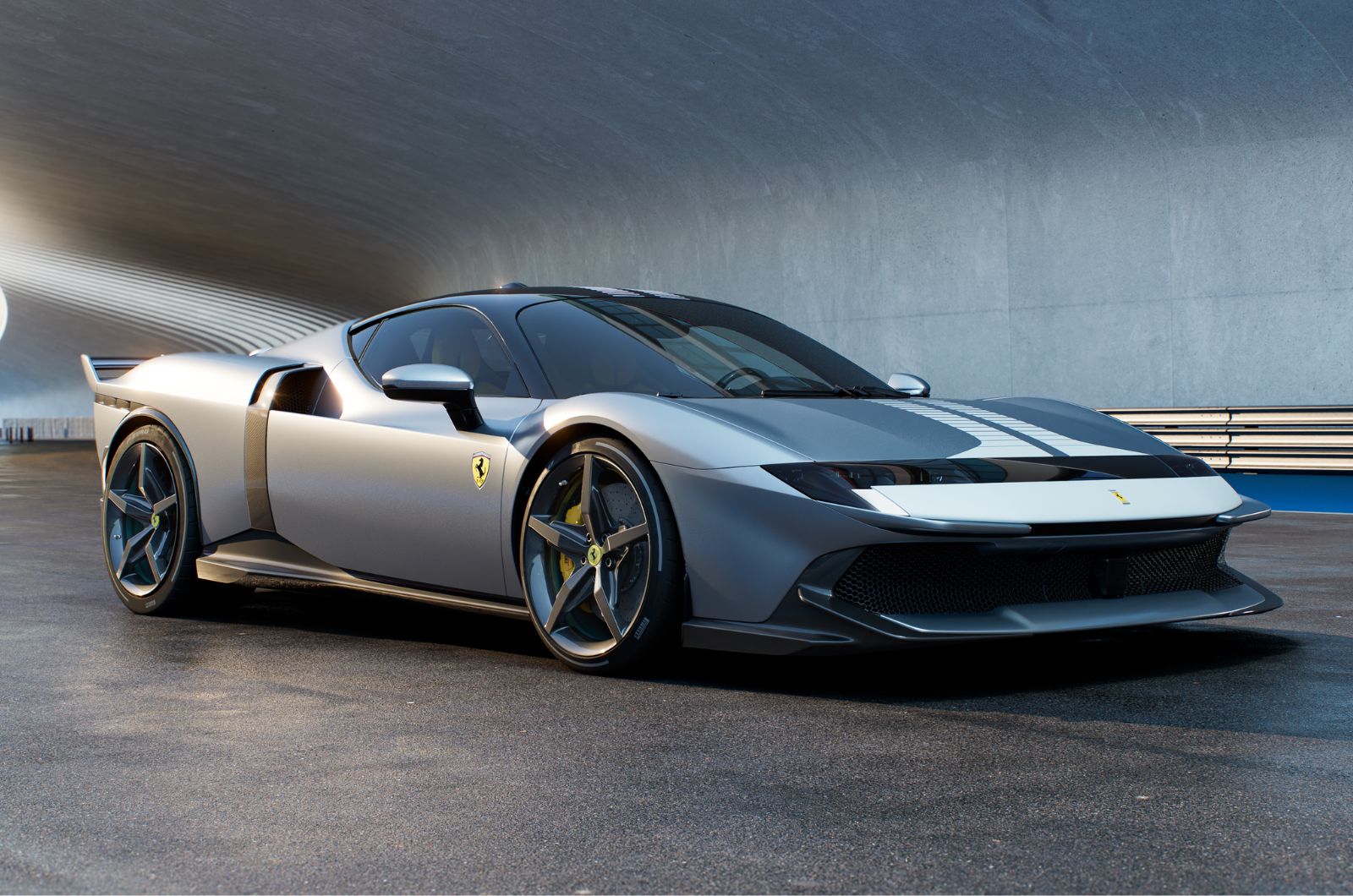
2. Ferrari 849 Testarossa
Version Berlinetta | 0-62mph time 2.25sec
The fastest non-electric car on this list is Ferrari’s next-gen hybrid supercar, and homage to its own 1980s classic (by name, and little else): the 849 Testarossa. It’ll catapult you from 0-62mph in a ridiculous 2.25secs, which is achieved thanks to a twin-turbocharged V8 petrol engine, three electric motors, all-wheel drive and a slick eight-speed automatic gearbox.
Handily, the 849 can also cover around 15 miles on its 7.45kWh (usable capacity) lithium-ion battery alone, according to official figures, so despite the outrageous looks, it can actually be used as a daily driver.
Also included in your near-£400,000 purchase (or £430,000 if you want the convertible) are a combination of physical buttons and haptic controls – mostly on the steering wheel – smartphone compatibility, and swathes of leather in the tactile interior. Ferrari will also offer you a £35,000 Asetto Fiorano package, which brings lightweight tubular seats, a stiffer suspension and 20in carbon fibre wheels, among other things, for an even more focused experience.
Read our other Ferrari reviews >>
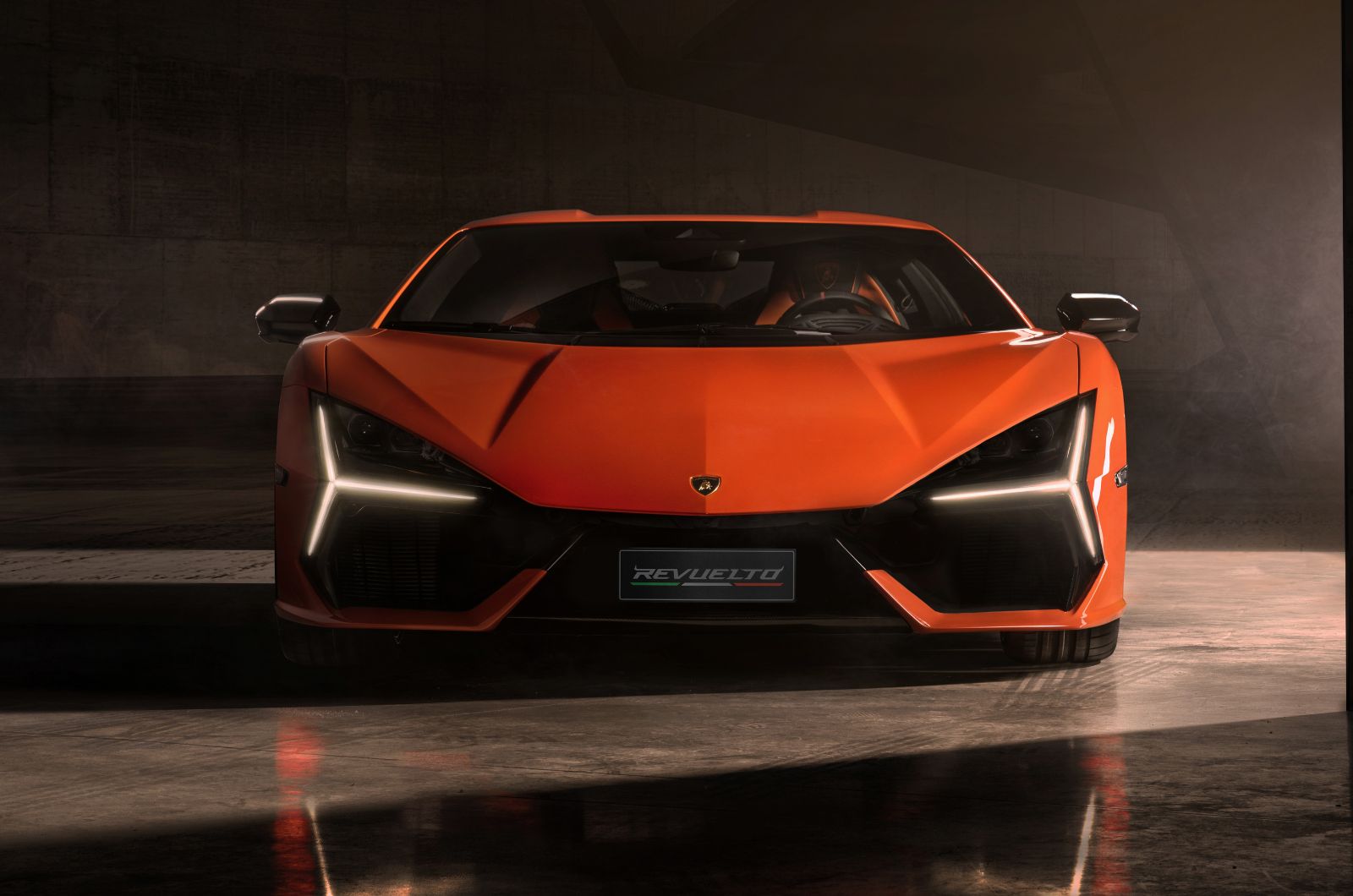
=3. Lamborghini Revuelto
Version Coupe | 0-62mph time 2.5sec
Lamborghini has never truly chased outright records with its cars, preferring to linger close to the top of the charts while placing a bigger impetus on wild styling. Its current flagship, the Revuelto, does flip the script a bit though, because it is one of the fastest accelerating openly purchasable combustion cars on sale at the time of writing (the 849 Testarossa only goes into production in the Summer of 2026), with a 0-62mph time of 2.5secs.
It is also one of the last remaining V12-powered cars – alongside the likes of the Aston Martin Vanquish – plus, it's Lamborghini’s first-ever plug-in hybrid, supplementing a 6.5-litre V12 petrol engine with a trio of electric motors. the result? A total of 1001bhp. And thanks to that electric assistance, the Revuelto can also manage around eight miles of zero emissions driving, again according to official figures.
Inside, Lambo’s familiar jet-fighter-esque interior remains, with a big red switch along the centre console to start the whole pantomime experience up, lots of exotic materials and fancy stitching along the doors. And yet this supercar has a slot for your phone, a usable glovebox space, a pair of cupholders and enough capacity in the boot for a weekend away.
Read our other Lamborghini reviews >>
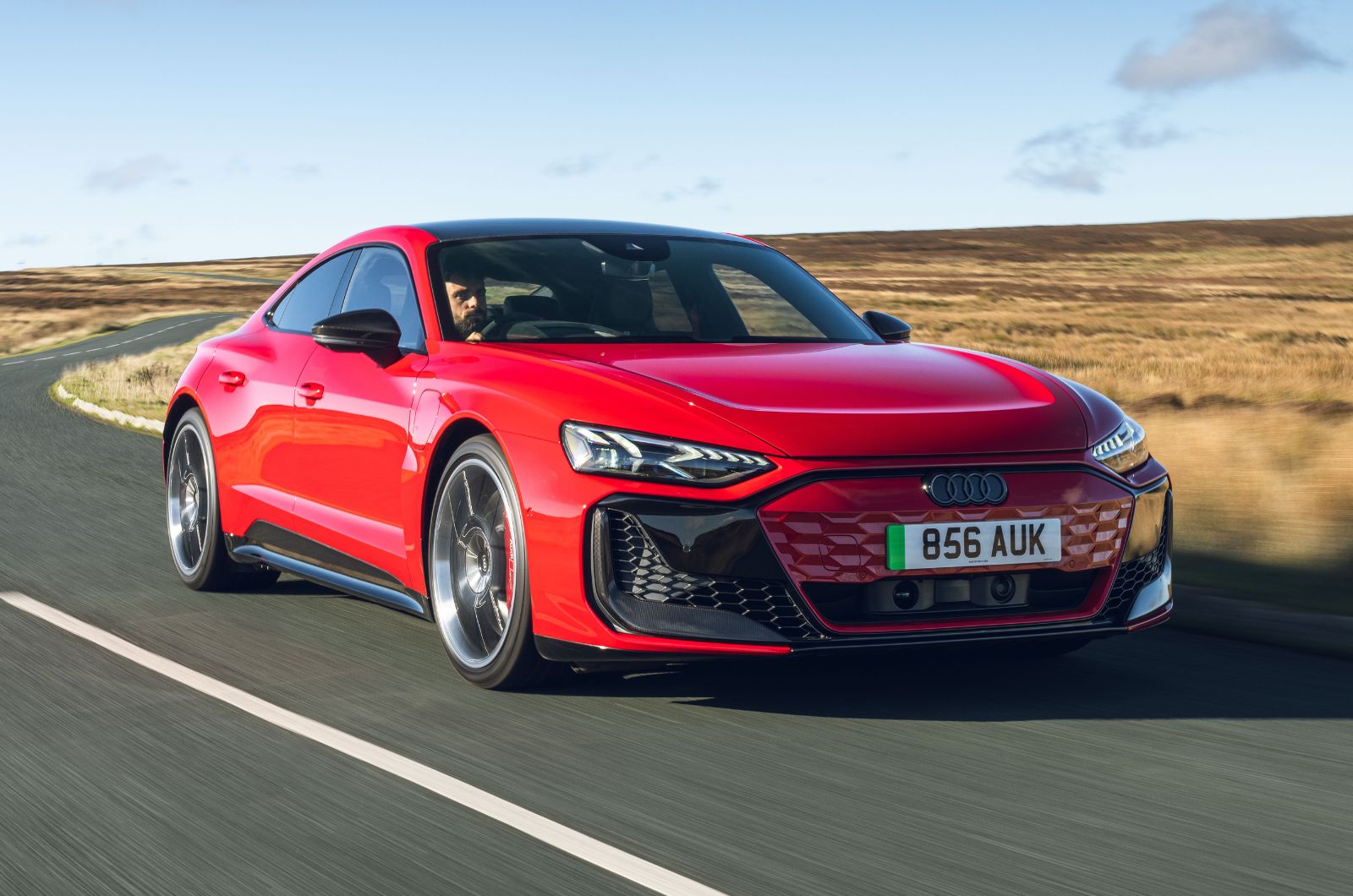
=3. Audi RS E-tron GT Performance
Version RS Performance | 0-62mph time 2.5sec
It should come as little surprise to see the Audi E-tron GT trail its Porsche Taycan rival by mere fractions of a second, here – after all, the two cars are mechanical siblings, sharing many of their components underneath their bodies. In a similar fashion to the Taycan Turbo GT, the RS Performance version of the E-tron GT is the most powerful version on offer, and its motors develop a colossal 738bhp under normal conditions.
We say 'normal conditions' because, if you engage the launch control function, that output is briefly upped to 912bhp, which helps the E-tron GT rocket to 62mph in 2.5secs. And while the RS Performance (364 miles) doesn’t provide quite as much range as the regular E-tron GT (384 miles), the difference isn’t really enough to be felt in real-world conditions.
Elsewhere, the E-tron GT offers direct and accurate steering, yet it's quieter at motorway speeds than the Tesla Model 3, meaning it’s also a relaxing companion for long journeys. You can fit a set of golf clubs in the E-tron GT's boot without any trouble, and there's a front boot with usefully deep storage for a couple of soft bags.
One nitpick is the quality of the interior materials, which barely look and feel any more luxurious than in the Audi A3 family hatchback.
Read our full Audi E-tron GT review >>
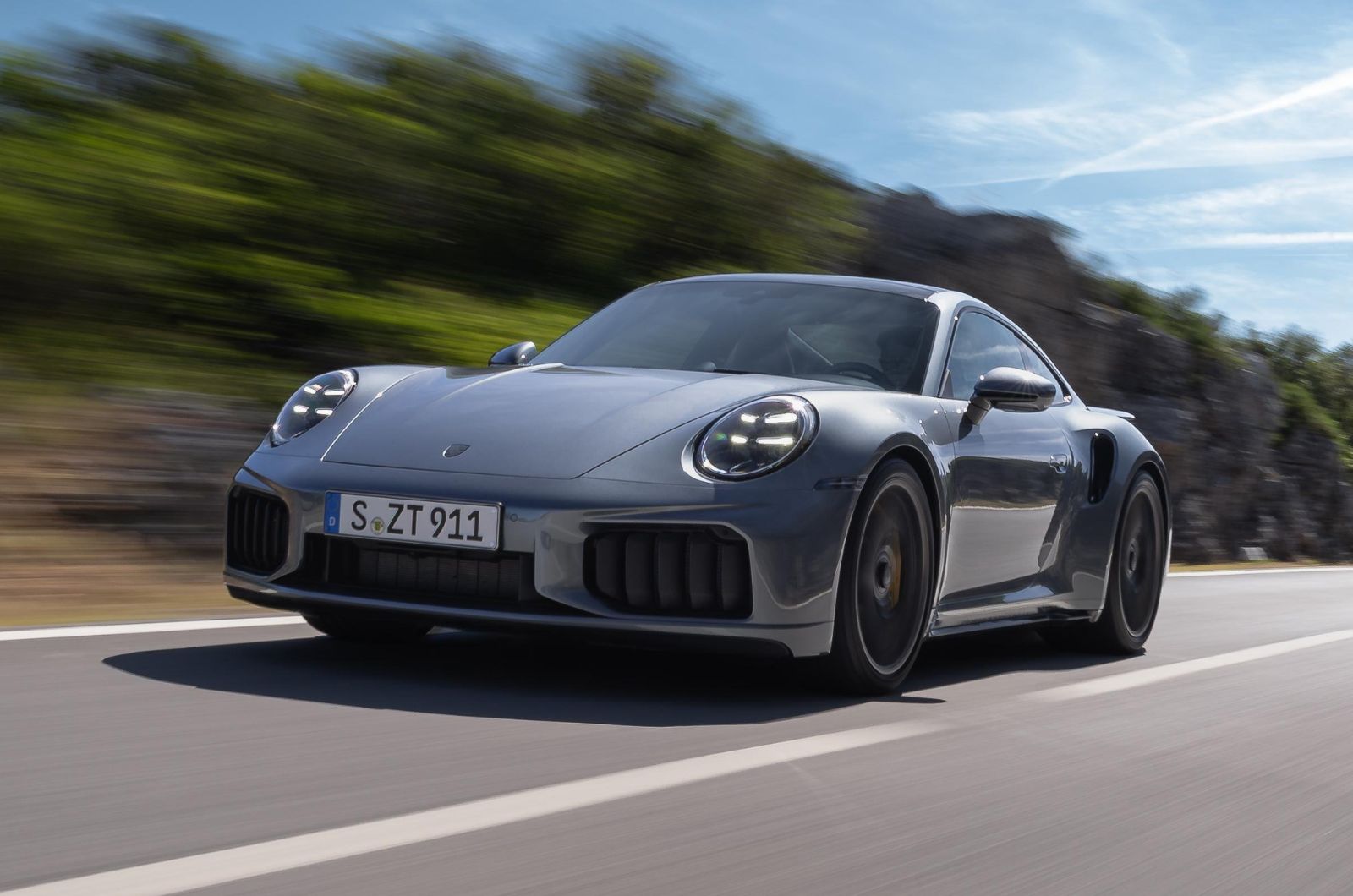
=3. Porsche 911 Turbo S
Version Coupe | 0-62mph time 2.5sec
No version of the Porsche 911 feels slow, but the most powerful model, the 701bhp Turbo S, delivers the kind of acceleration that truly belies an ‘everyday’ supercar. The blistering 0-62mph time comes via a hybrid 3.6-litre six-cylinder engine, which is boosted by a pair of turbochargers for a top speed of 200mph.
The scope for customisation with the Turbo S is near endless too, so you have a multitude of body colours, interior packages and exterior options to choose from. But consider this: the base car already starts at an eye-watering £199,100. It’s also worth mentioning that the engine's hybrid assistance isn’t really meant for efficiency; rather, punchier performance. So expect an average fuel economy of just 23.5mpg.
On a more positive note, the Turbo S’ interior gets a super responsive infotainment system, comfortable seats and superb all-round visibility – just some of the features which have consistently earned it a top rating from us.
Read our full Porsche 911 review >>
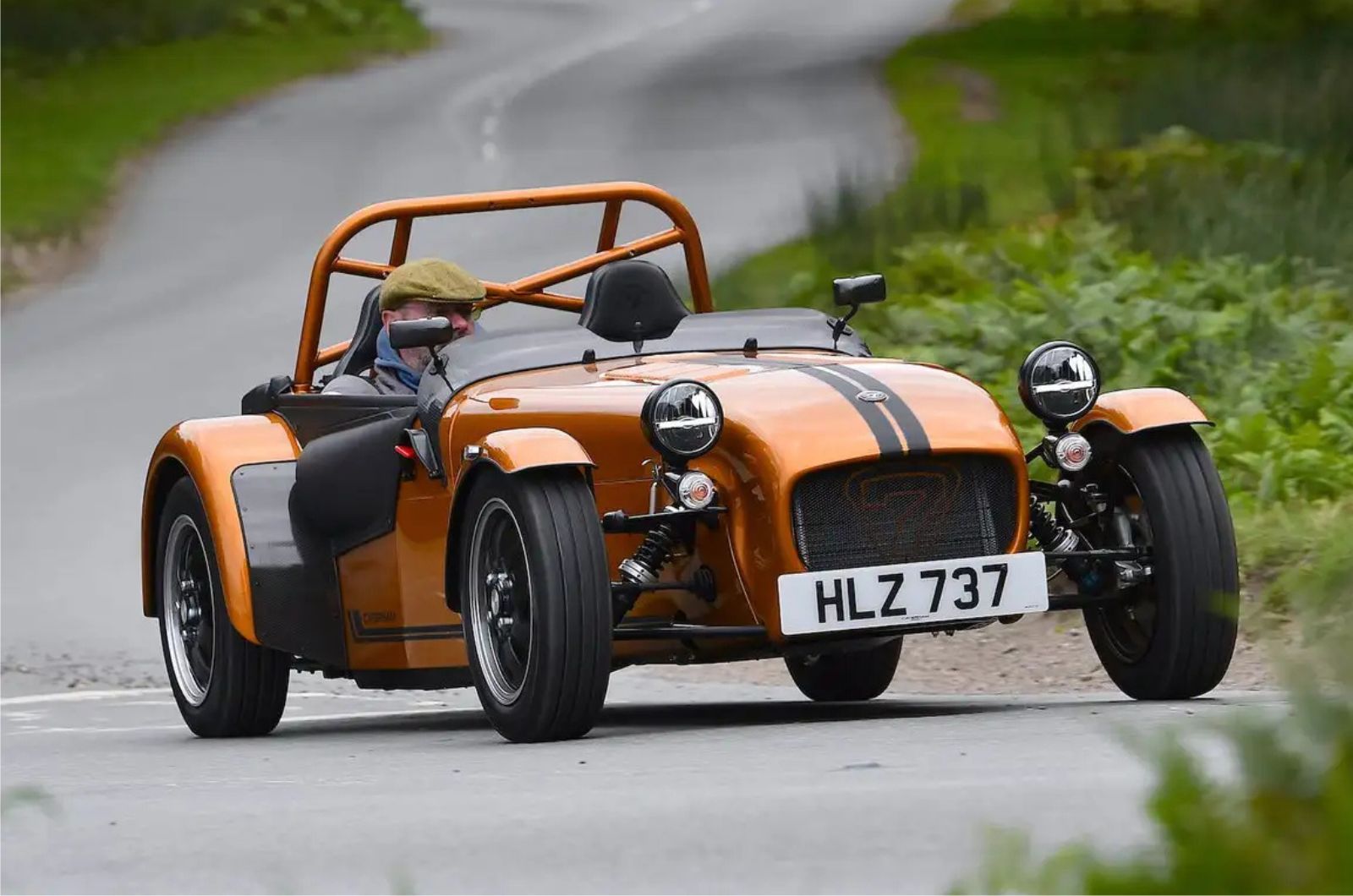
6. Caterham Seven 620
Version 620 | 0-62mph time 2.7sec
Caterham remains one of the last standing manufacturers that offers a basic recipe consisting of two seats, a basic interior without a fixed roof, and an impetus on lightweight construction. As a result, the Seven 620 tips the scales at just 610kg.
Aside from rollerskate-like cornering performance, the other main advantage of this is that the Caterham doesn’t need much power to accelerate quickly. In fact, just 310bhp is developed by its supercharged 2.0-litre petrol engine, and yet it’ll fire off the line quicker than a McLaren Artura. Left unchecked, it'll keep accelerating to 149mph… in a car with a footprint any larger than a small hatchback.
As you might expect, practicality in the Caterham Seven is limited to whatever you can fit on the passenger seat, be that some luggage or a friend. The interior is also narrow, and there's not a lot of space for your hips, or to rest your foot when it's not on the clutch pedal.
Read our full Caterham Seven review >>

7. Maserati Granturismo Folgore
Version Base | 0-62mph time 2.7sec
The all-electric Granturismo Folgore has three electric motors – one at the front, two at the rear – which work in tandem to send 751bhp to all four corners of the car. Activate its raciest mode, Corsa, and time your gearshifts well, and this classy cruiser will surge from 0-62mph in just 2.7secs. That makes it Maserati’s quickest accelerating car ever – and yes, it is even faster than the MC20 supercar.
Also nestled beneath its body is an 83kWh (usable capacity) battery, which returns an official electric range of 280 miles. That figure is soundly beaten by its main rival, the Porsche Taycan Turbo S, which not only musters up more range (391 miles) and accelerates to 62mph faster (2.4secs), but also starts at £15k less.
You do at least get adaptive air suspension, which works well with the supportive seats to offer a good level of comfort. Other key bits include a sharp 12.2in infotainment screen, an 8.8in display for the climate controls and 270 litres of luggage space – though that is around 40 litres less than the petrol versions of the Granturismo.
Read our full Maserati Granturismo review >>
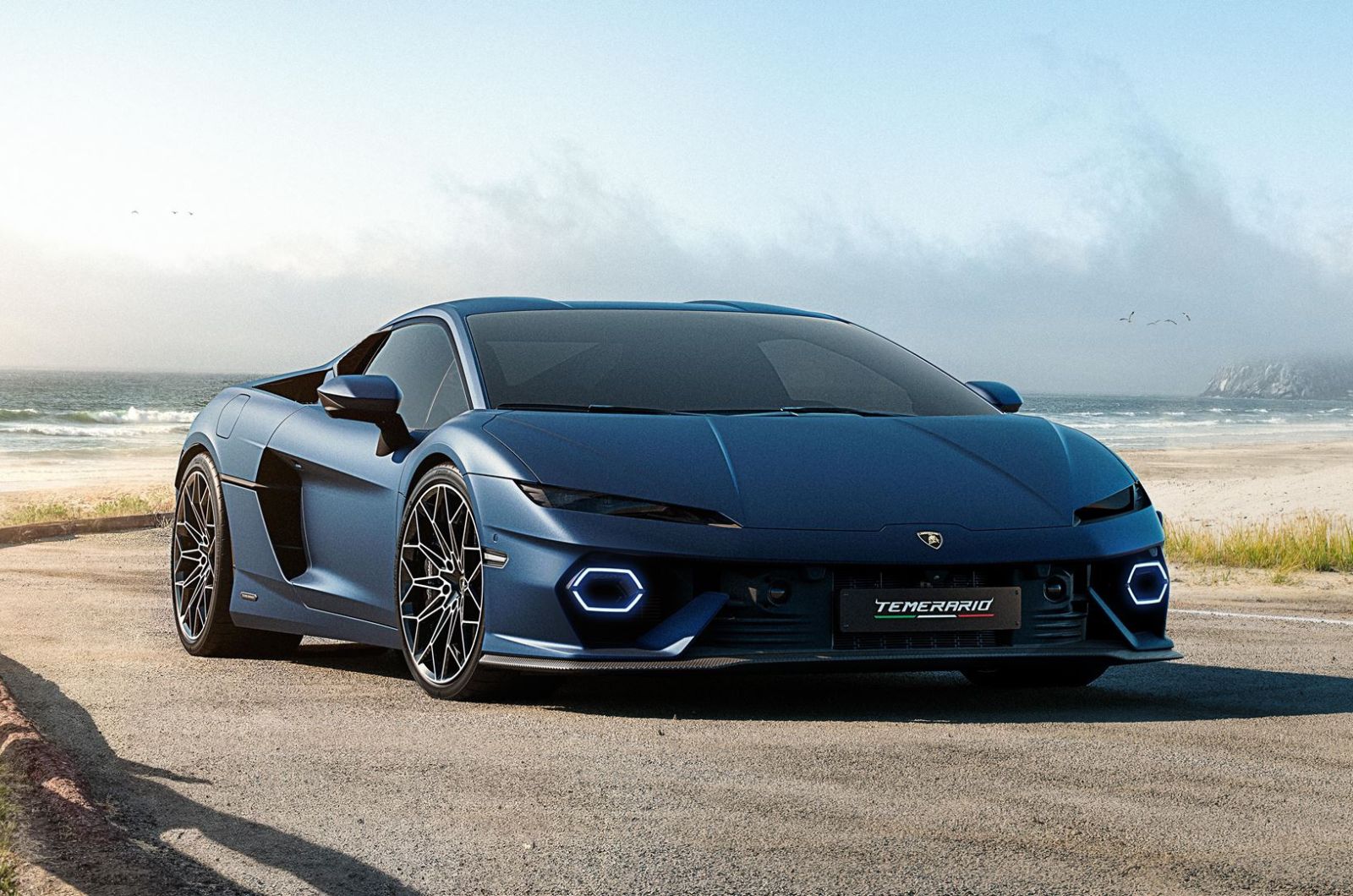
8. Lamborghini Temerario
Version Base | 0-62mph time 2.7sec
The Temerario is, to all intents and purposes, the new baby of the Lamborghini range, replacing the aging Huracan supercar and acting as the cheaper, more wallet-friendly alternative to the Revuelto you'll find further up this list. But there’s nothing entry-level about its pace in the slightest: delivering a hearty 907bhp from its twin-turbocharged V8 petrol engine. Aided by three electric motors, that means it’ll hit 62mph just 2.7secs after you launch it.
The Temerario also moves the game on from the Huracan, not just in terms of raw pace, but also for practicality and usability. It has a longer wheelbase, which improves ergonomics by offering more shoulder and legroom, and a frunk (front trunk) that’s 12 litres larger than the Huracan’s.
What’s more, the Temerario, like the Revuelto, can travel on EV-only power, albeit for a slightly lower six miles officially. Lamborghini may be the maddest manufacturer out there, and the Temerario’s vicious looks and performance prove that, but this may be the most practical car yet from the brand (excluding the Urus SUV).
Read our other Lamborghini reviews >>
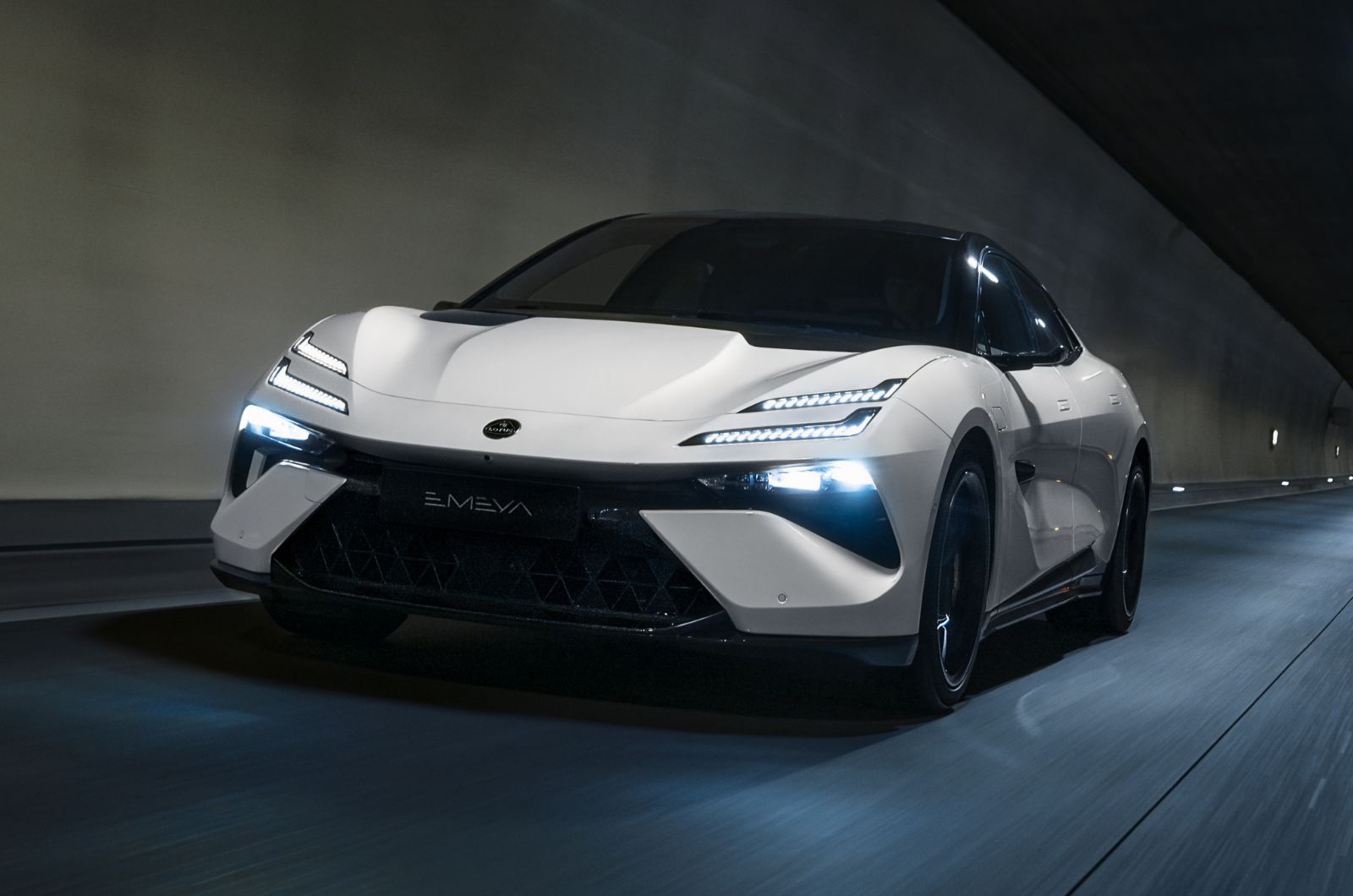
9. Lotus Emeya
Version 900 Sport | 0-62mph time 2.8sec
Sat alongside the all-electric Eletre SUV in Lotus’ refreshed lineup is this: the Emeya executive saloon. This new-age offering has virtually no hallmarks of the British brand's older products, which favoured lightweight, minimalist engineering and simple interiors. Instead, Lotus has issued the Emeya with plenty of opulence and power – 905bhp in the top 900 Sport version, to be exact.
That translates to a 2.8sec sprint to 62mph… in a car which weighs the best part of 2.5 tonnes. That’s freakishly fast, and puts the Emetya on the same level as the fastest Mercedes product you can currently buy, the AMG GT 63 S E Performance (more on that car below).
Current starting prices for the Emeya 900 hover around the £130,000 mark, and for that, you’ll get all manner of niceties such as Nappa and Alcantara leather upholstery, lots of carbon fibre trim, a 15.1in infotainment touchscreen and 15-speaker sound system. 800V technology also makes the Emeya one of the fastest charging electric cars around.
Read our other Lotus reviews >>
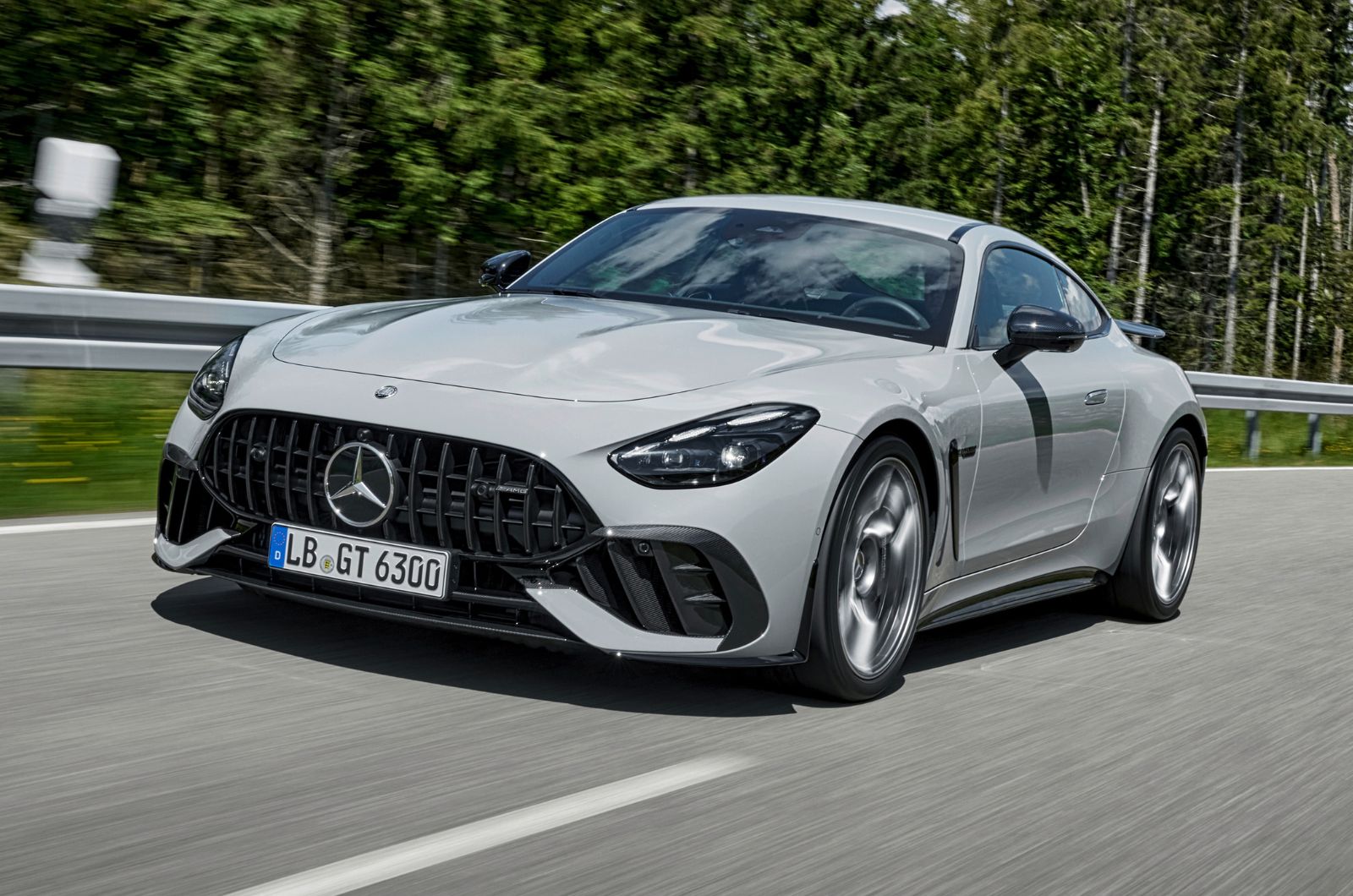
10. Mercedes-AMG GT 63 S
Version E Performance | 0-62mph time 2.8sec
The Mercedes-AMG GT 63 S E Performance is proof that hybrid power can be used for fun as well as frugality. It keeps the 604bhp V8 petrol engine from the lesser AMG 63 Pro model, but adds a 202bhp electric motor – with the result being that it can get you to 62mph faster than a Ferrari 296 GTB.
Despite being a plug-in hybrid, you won't get very far on electric power alone, with the E Performance's official range being just 7 miles miles. And while fuel economy is better than most other versions, at an official 34.5mpg, you'll need to be particularly green-footed to get anywhere close to that.
We like the dramatic looks of the Mercedes-AMG GT inside, because it feels suitably futuristic and its huge infotainment screen is easy to read. The quality of materials is a bit hit and miss, though, and in most respects fails to match the high bar set by the Bentley Continental GT or Porsche 911.
Read our full Mercedes-AMG GT review >>
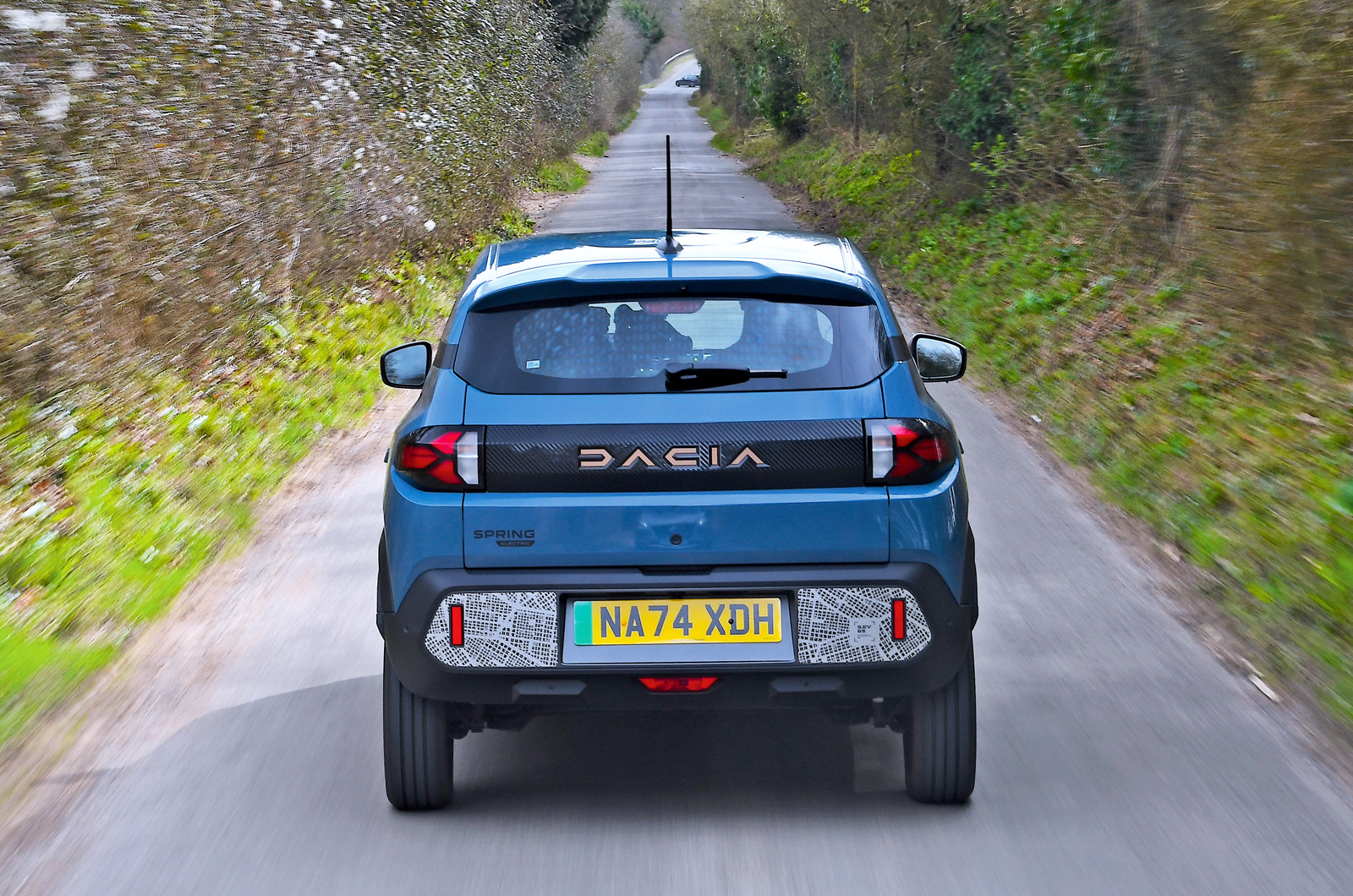
And the slowest-accelerating car you can buy…
...is the Dacia Spring, which crawls its way to 62mph in 19.1secs.
For all the latest reviews, advice and new car deals, sign up to the What Car? newsletter here