DS 7 review
The DS 7 Crossback is a well-equipped, comfortable and practical large SUV, but its pricing and interior quality are questionable


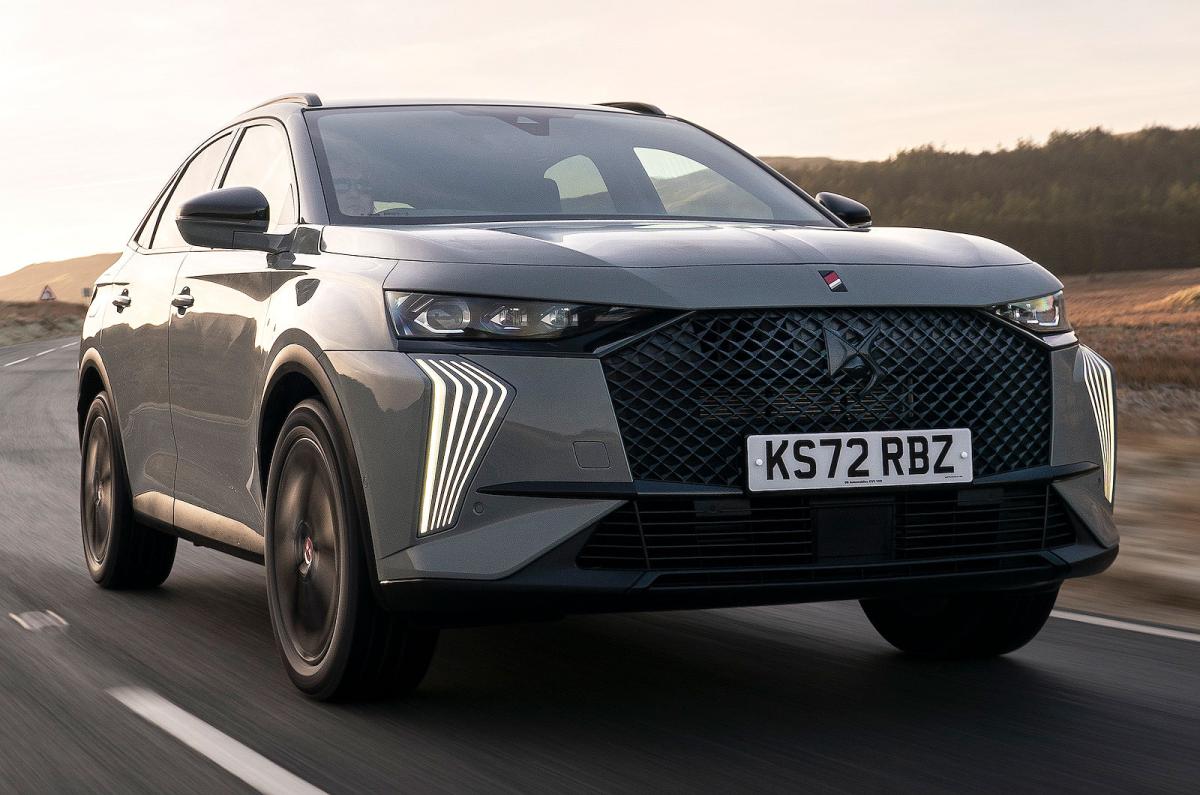
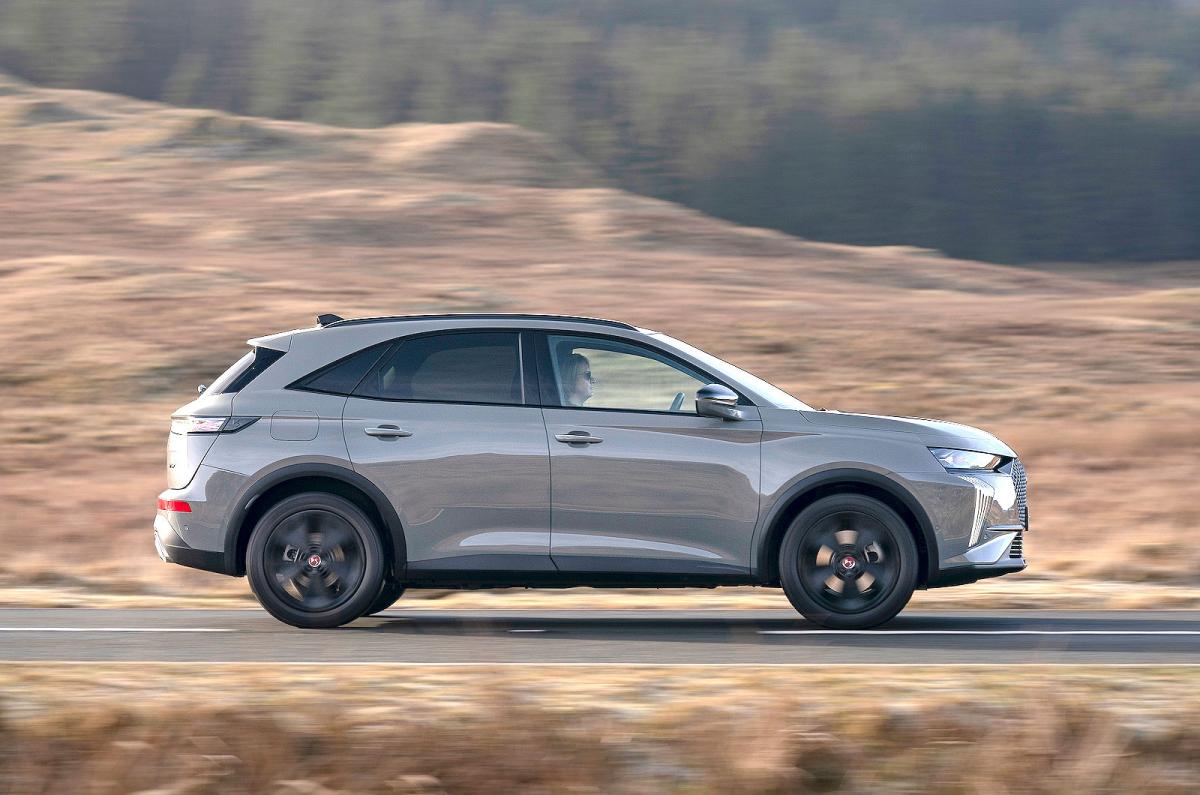
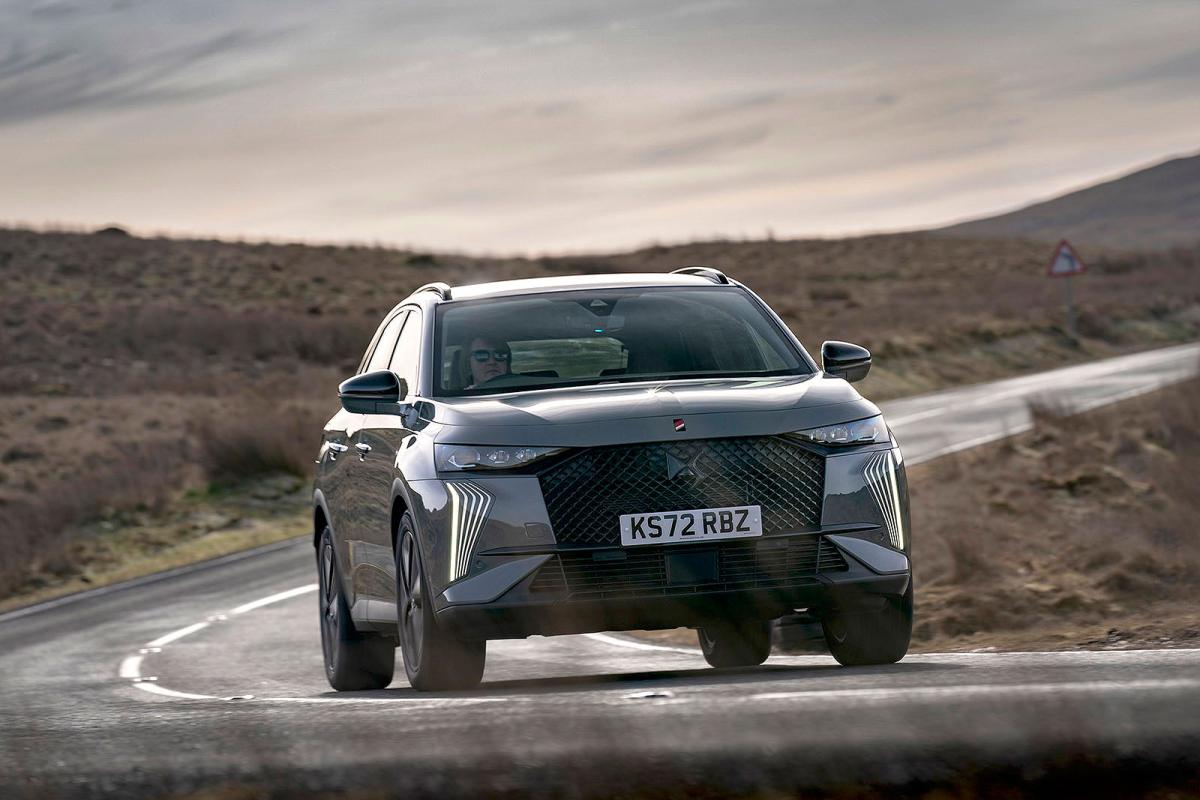
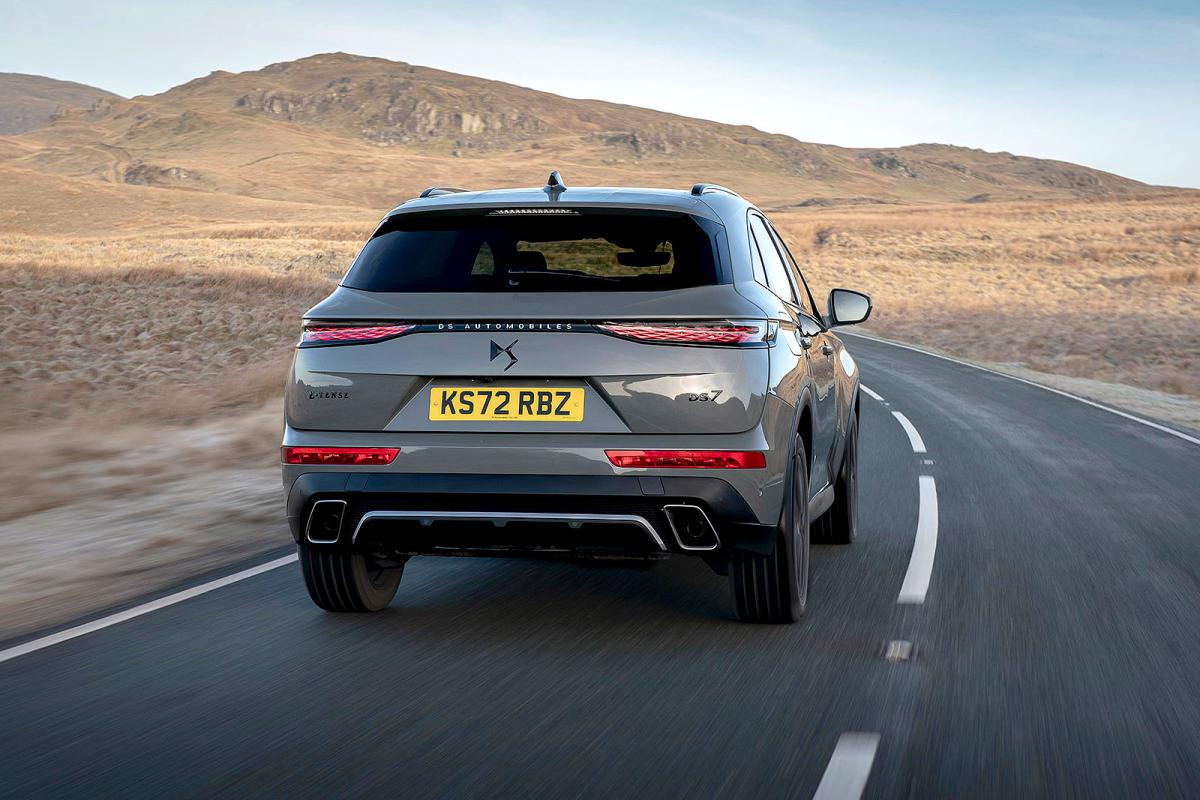
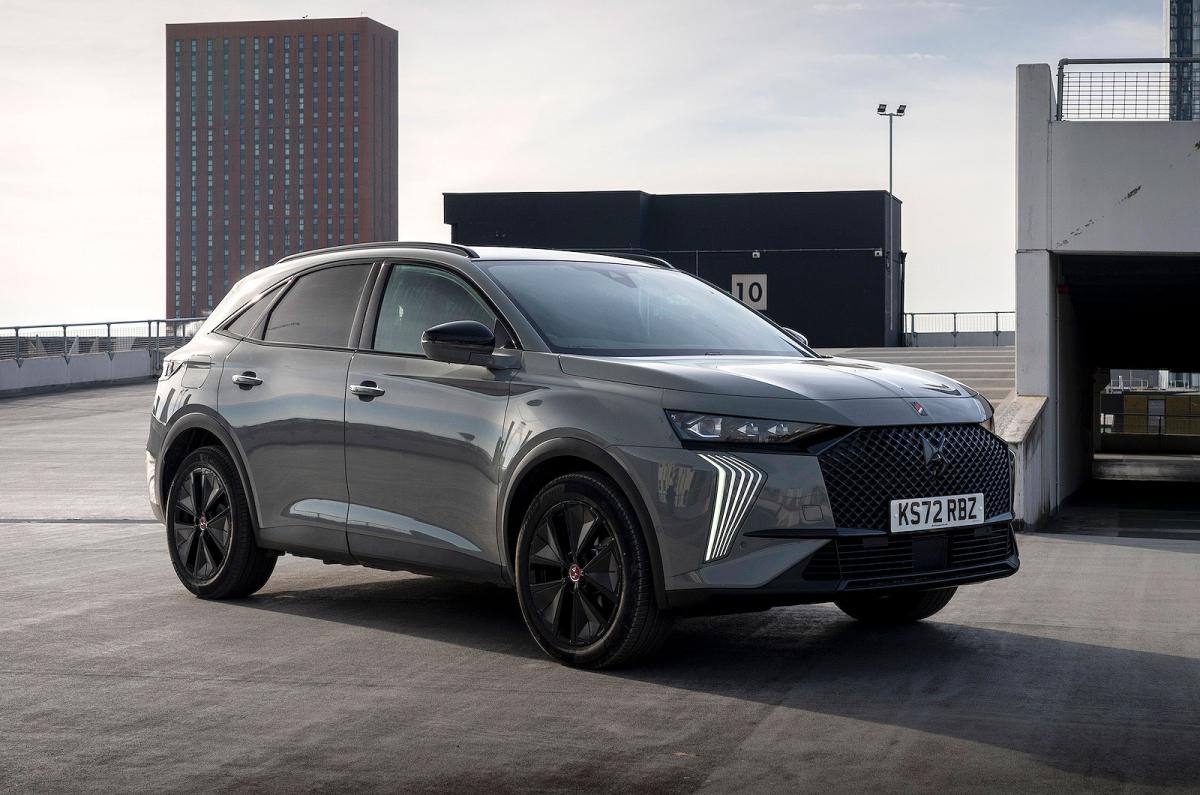
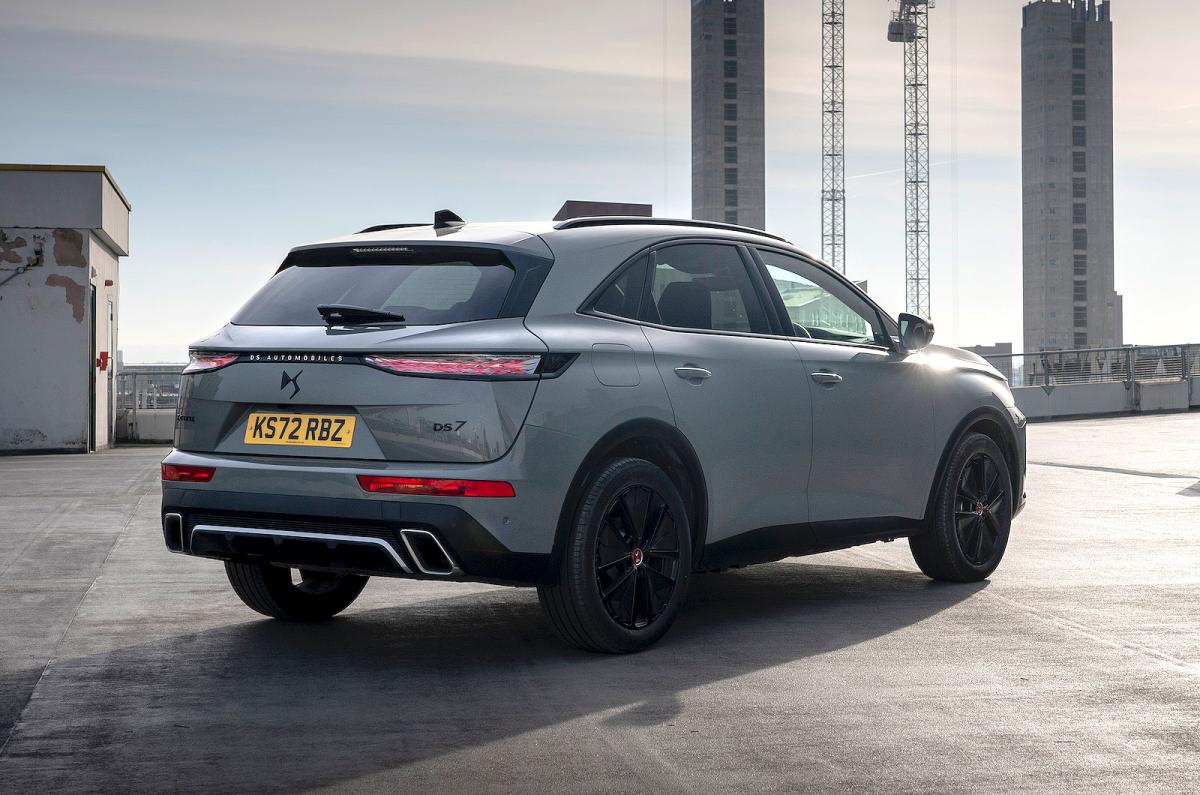
- DS 7 front right driving
- DS 7 right driving
- DS 7 front cornering
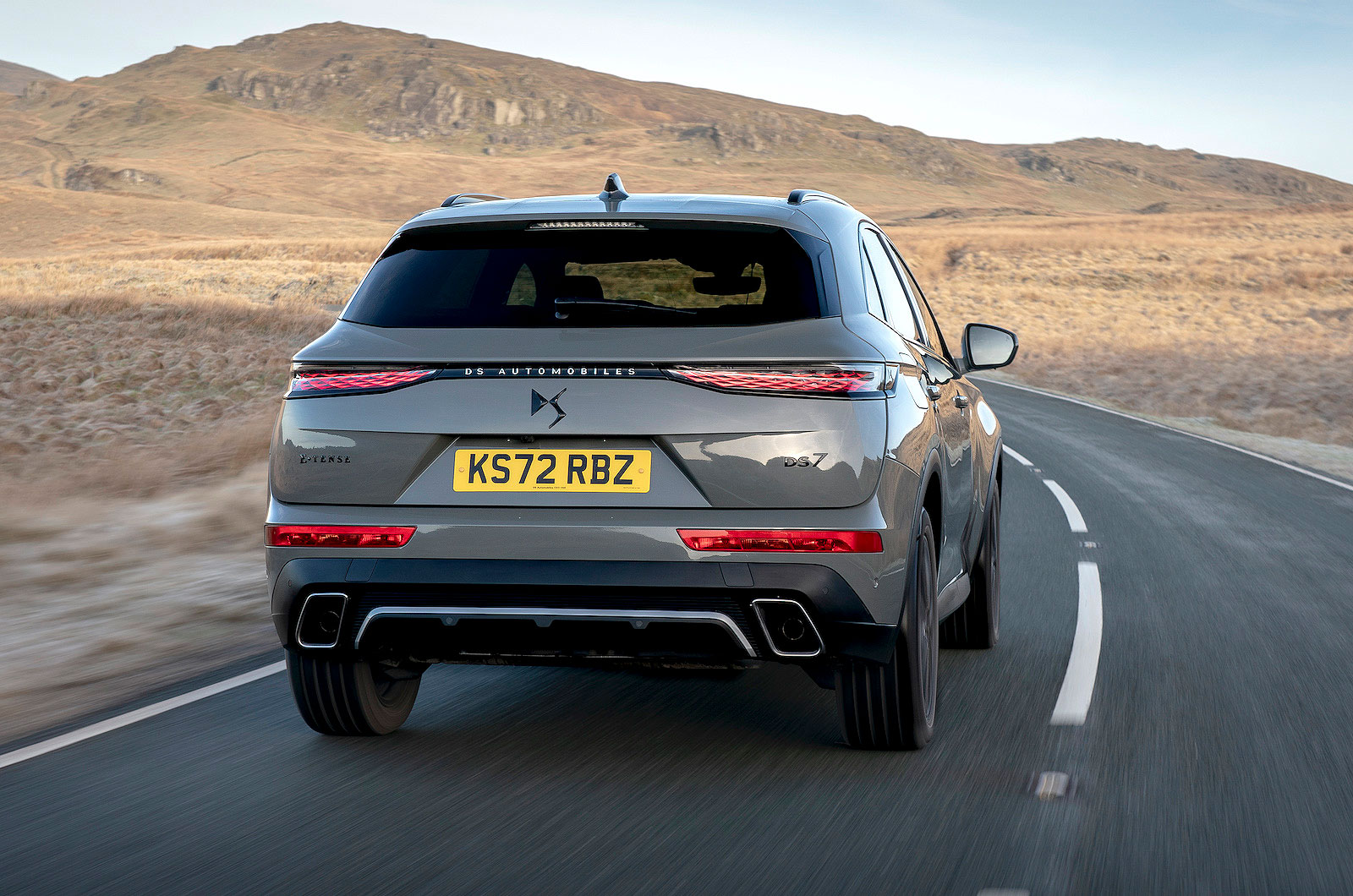
- DS 7 rear cornering
- DS 7 front right static
- DS 7 rear right static
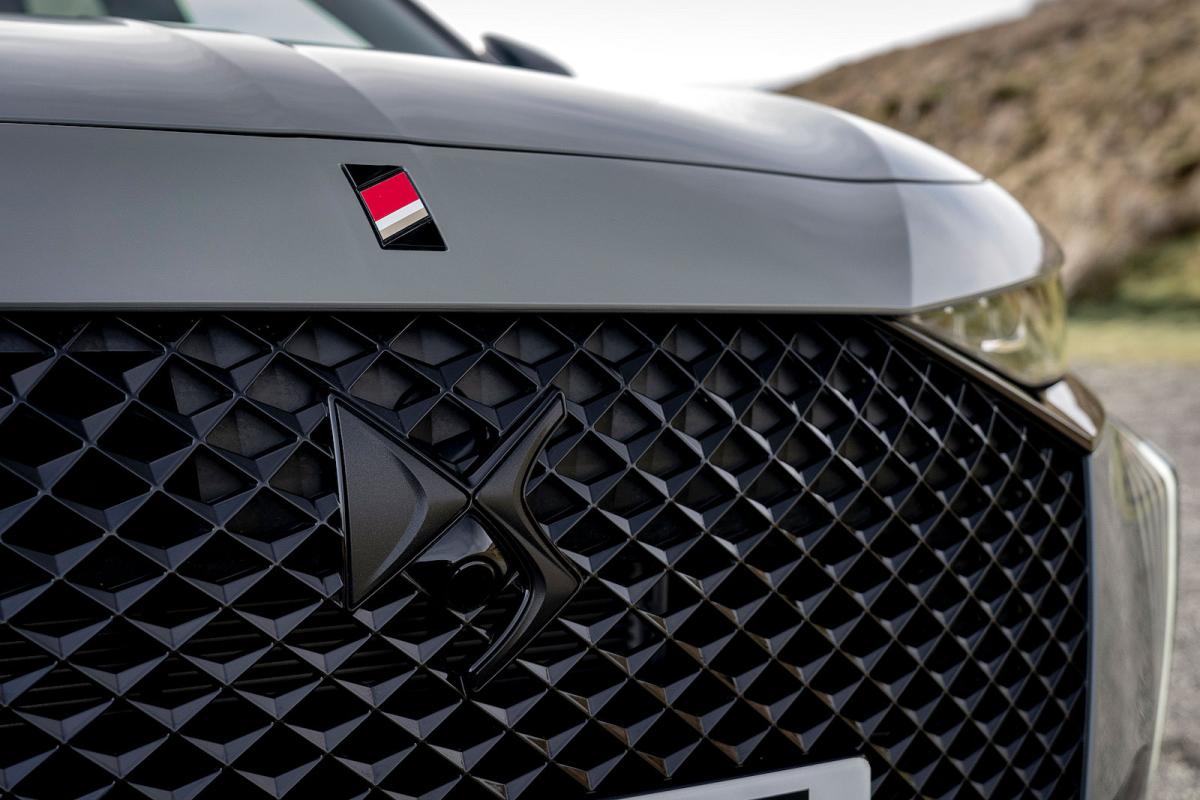
- DS 7 grille detail
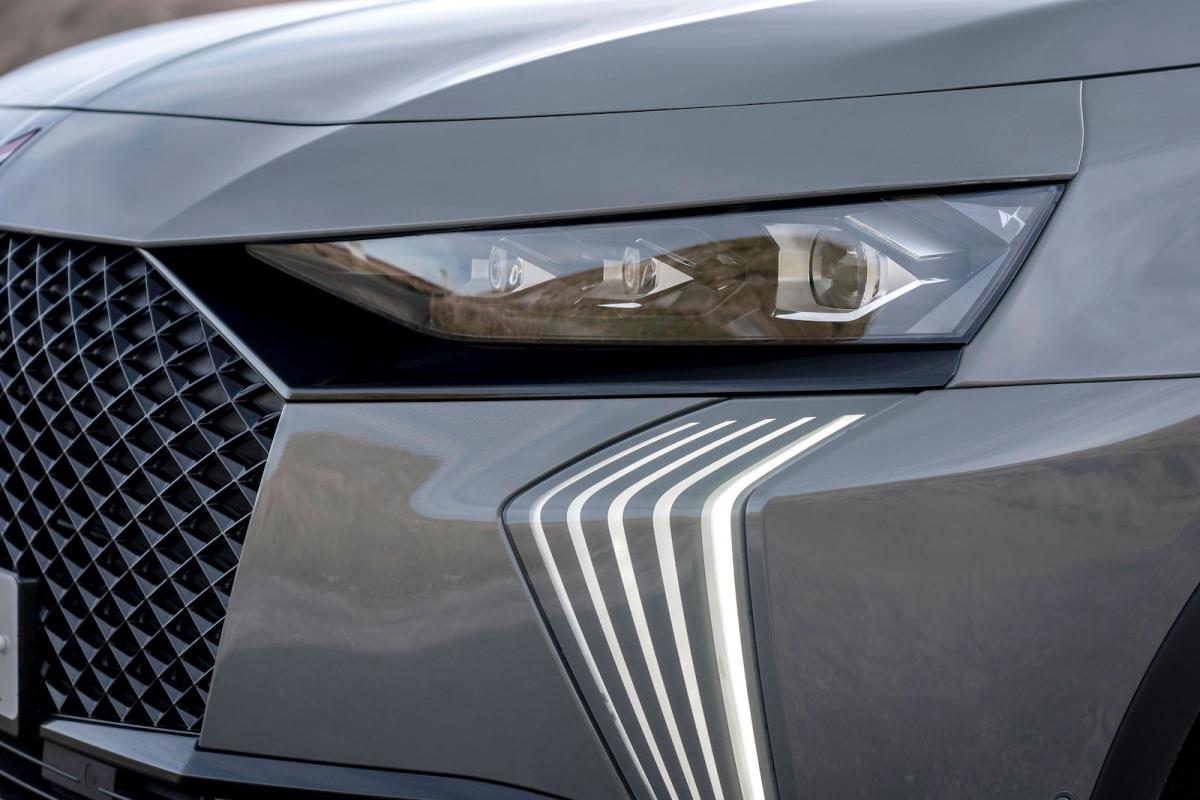
- DS 7 headlights detail
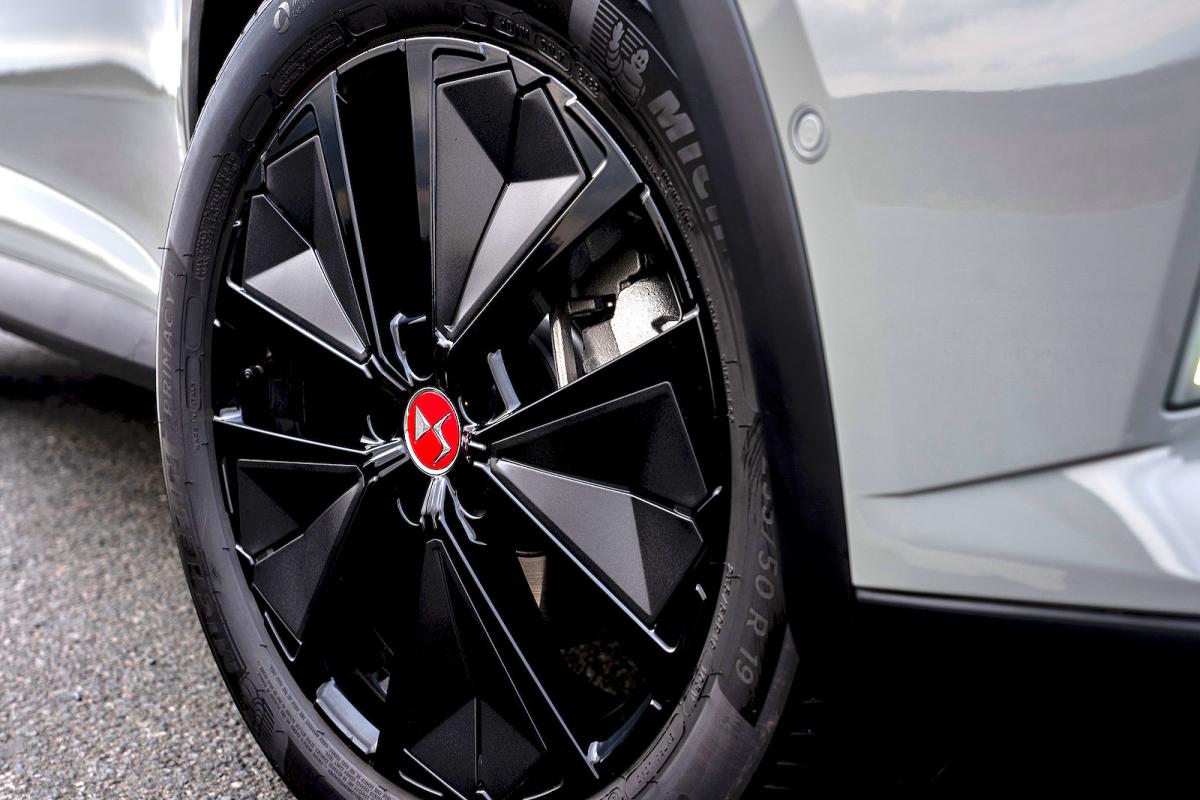
- DS 7 alloy wheel detail
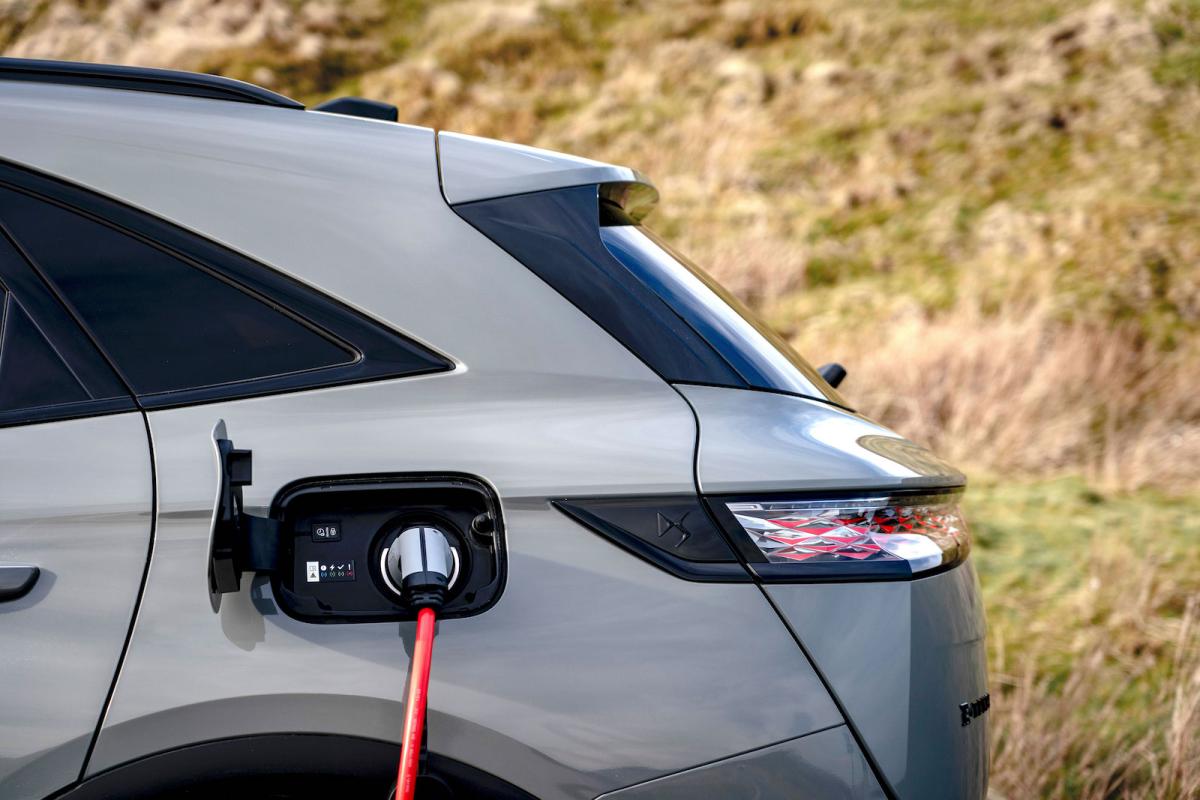
- DS 7 PHEV charging socket
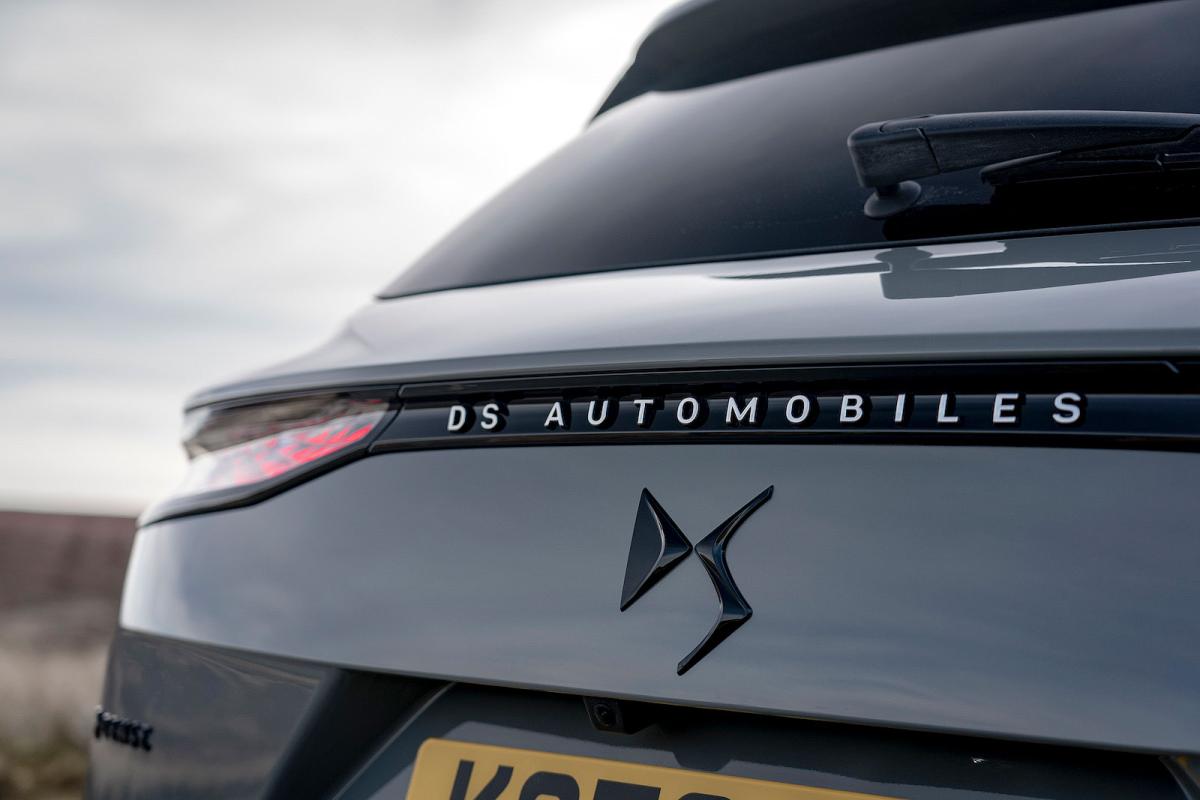
- DS 7 rear detail
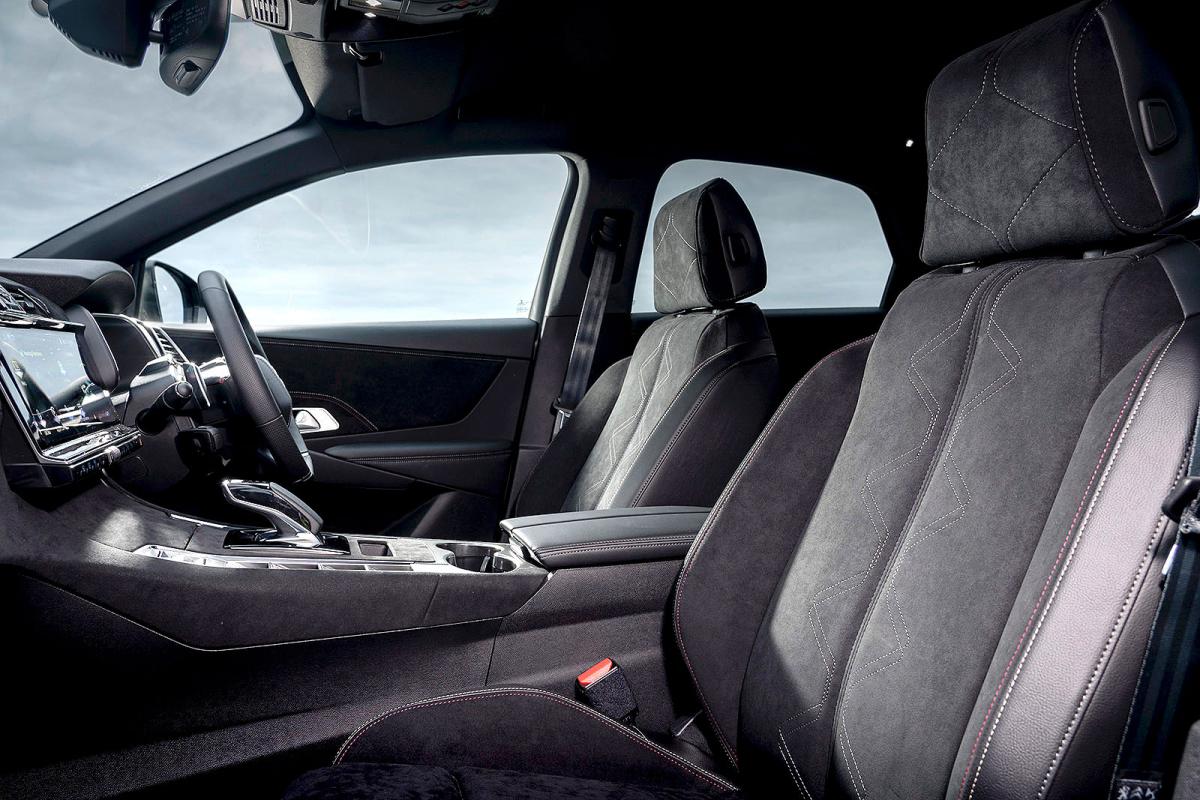
- DS 7 interior front seats
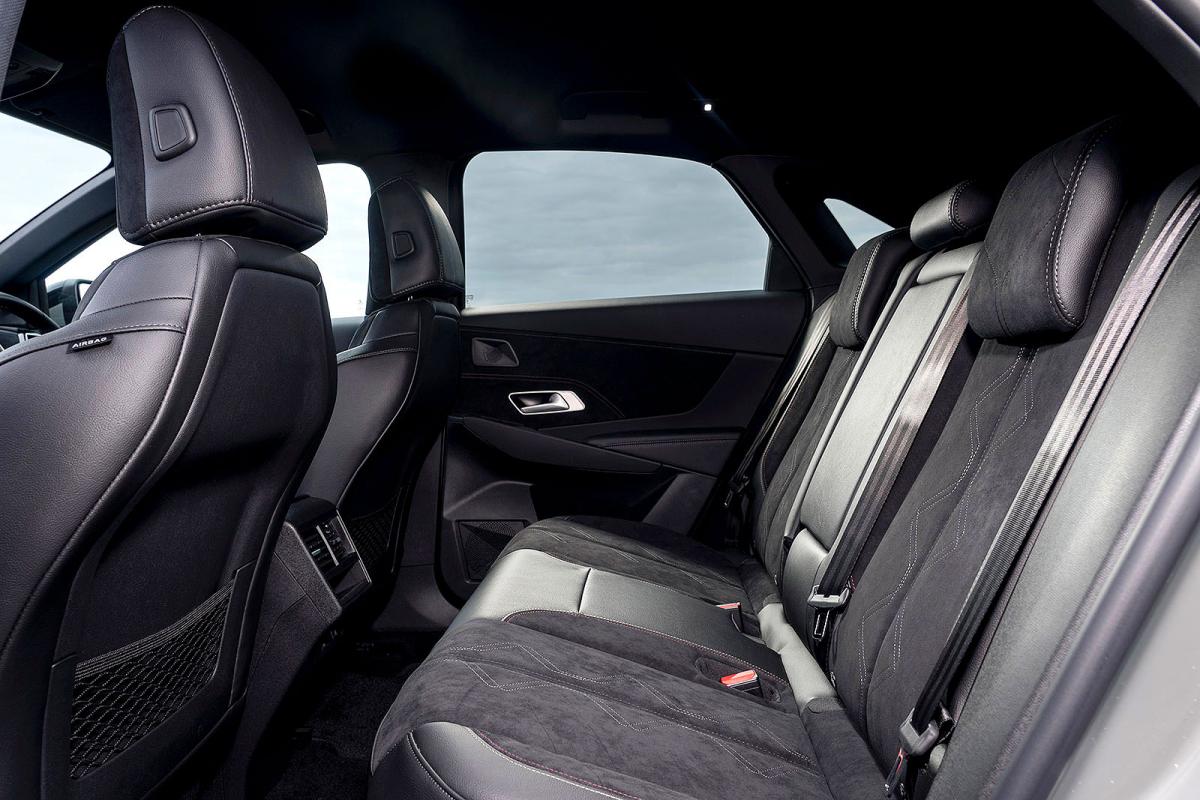
- DS 7 interior back seats
- DS 7 interior infotainment
- DS 7 interior detail
- DS 7 rear cornering
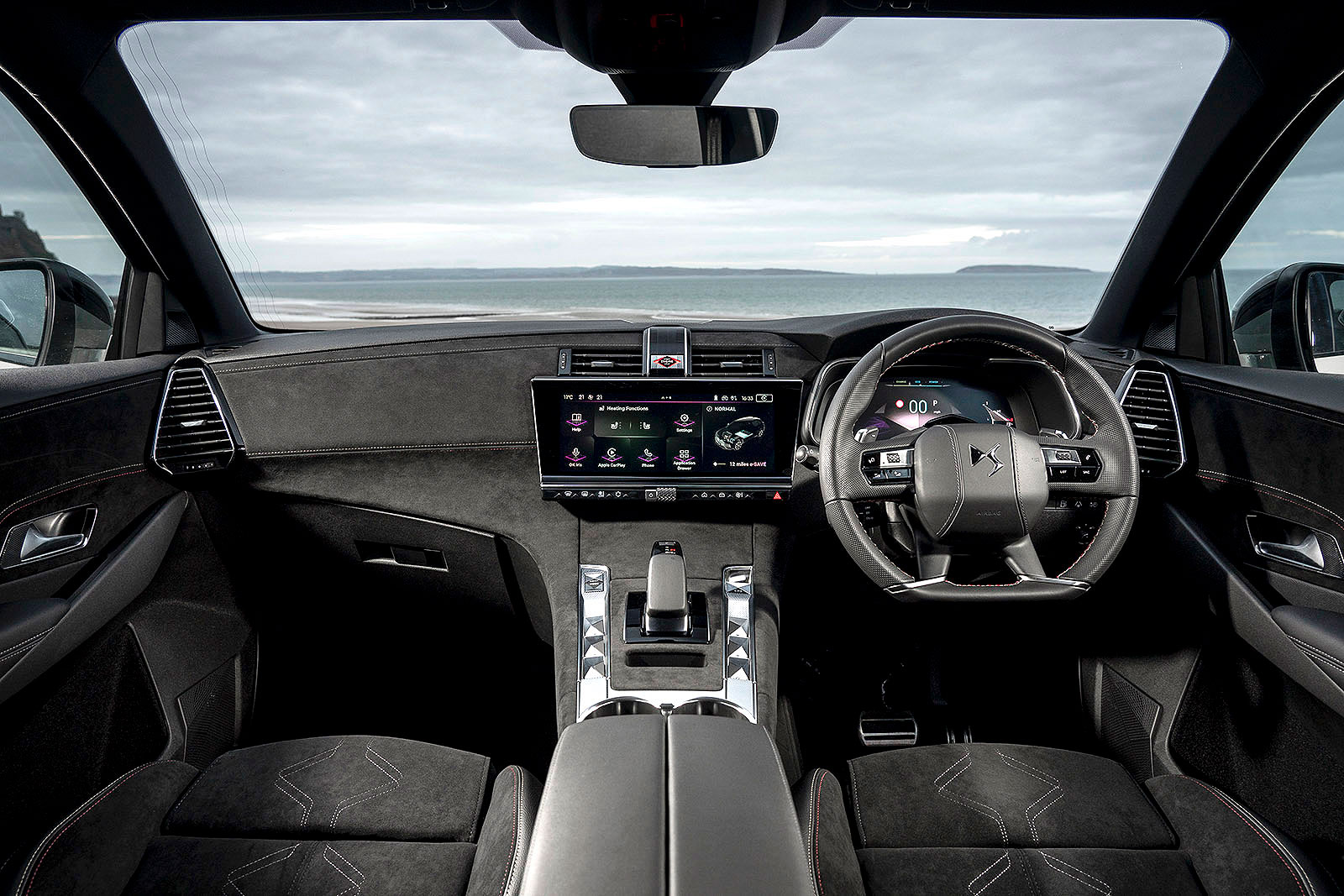
- DS 7 interior dashboard
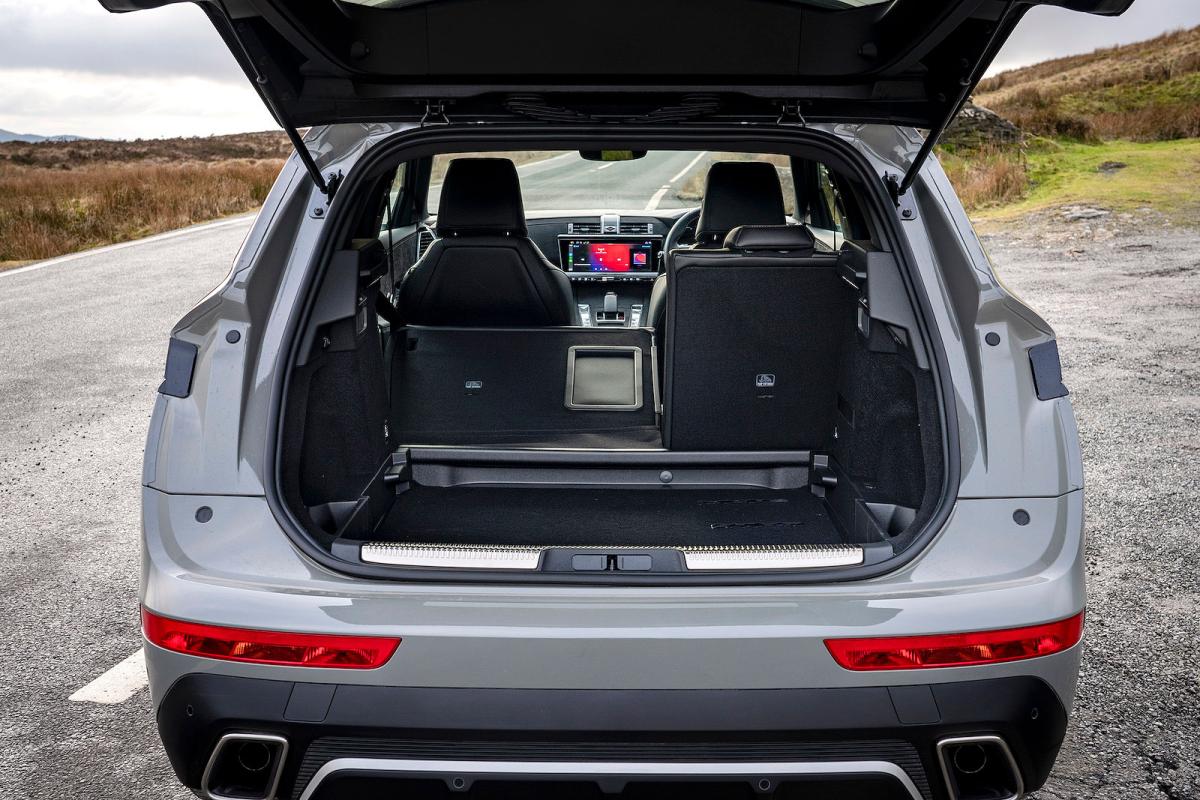
- DS 7 boot open
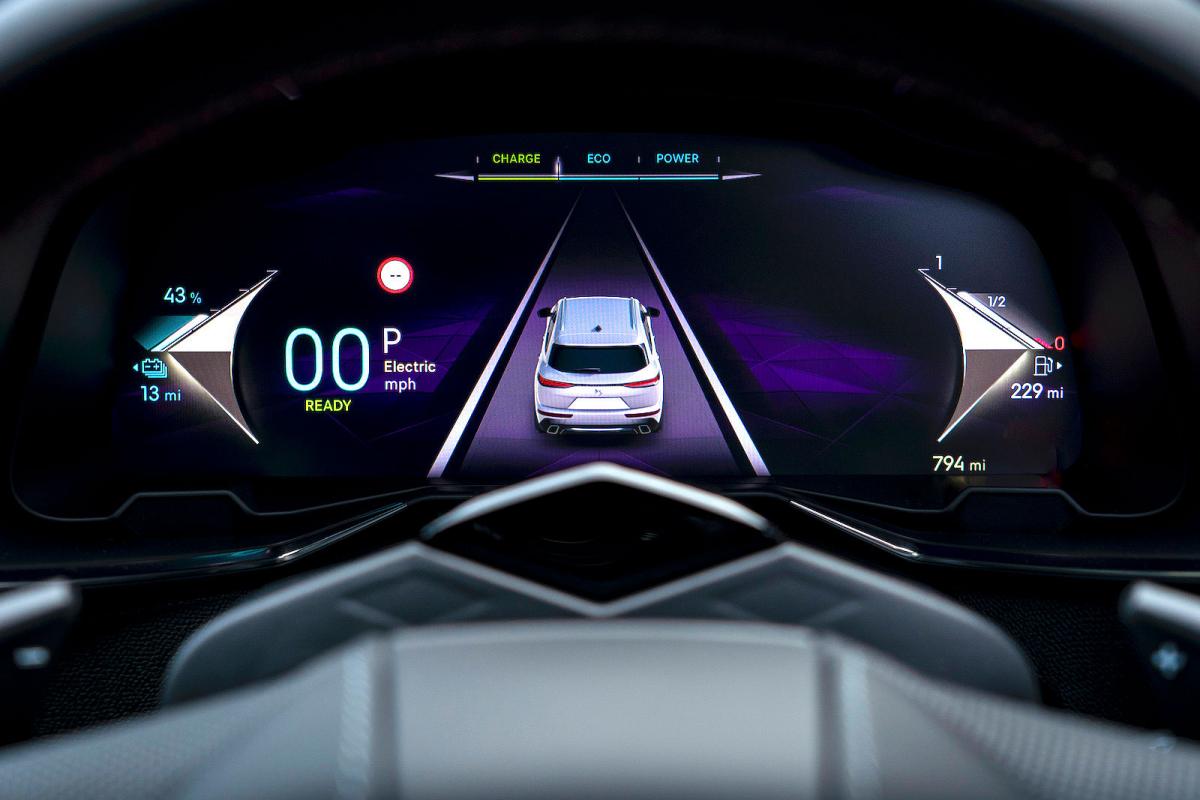
- DS 7 driver display

Introduction
Fashion, design and food spring to mind when we think of France, but what about the DS 7? While it’s never going to be as famous as the Eiffel Tower, the latest version of the family SUV could make a splash with more UK car buyers.
Why? Well, its name has been shortened from DS 7 Crossback to simply DS 7 and its focus has switched towards offering families luxury and technology. That tech includes the option of having your DS 7 with a plug-in hybrid engine to improve efficiency and potentially reduce your company car tax bill.
The thing is, though, the DS 7 has its work cut out if it’s going to succeed because it's in the crosshairs of premium SUVs including the Audi Q3, the BMW X1 and the Volvo XC40. On top of those rivals, it's also in competition with high-achieving mainstream contenders including the Mazda CX-5.
How successful has it been? That’s what we’re going to find out in this review, as we put the DS 7 through its paces in key areas including performance, comfort and practicality. We’ll tell you how we rate it against the best family SUVs and which engine and trim combination makes the most sense.
What’s New?
- September 2023: New model structure: Performance Line+, Rivoli, Opera
- June 2022: Updates include new name (now just DS 7), new nose design with new LED headlight tech, 355bhp E-Tense 4x4 plug-in hybrid joins range
- June 2020: Front-wheel drive E-Tense 225 plug-in hybrid joins range
- November 2019: 296bhp plug-in hybrid E-tense 4x4 appears
- September 2018: 1.2 Puretech 130 arrives
- November 2017: Puretech 180 (178bhp 1.6 petrol) and BlueHDi 130 (128bhp 1.5 diesel) engines join range
- May 2017: DS 7 Crossback on sale with La Premiere (first edition), Bastille, Performance Line, Rivoli, Opéra trims. Puretech 225 (222bhp 1.6-litre turbocharged petrol) and BlueHDi 180 (177bhp 2.0-litre diesel) engines


Pros
- Opulent-looking interior
- Competitive CO2 ratings
- Good level of standard equipment
Cons
- Interior quality poor in places
- Fast depreciation
- Grabby brakes and so-so handling
Performance & drive
What it's like to drive, and how quiet it is
Strengths
- Smooth engines
- Wind noise is well suppressed
Weaknesses
- Hesitant gearbox
- Rivals are better to drive
The DS 7’s range of engines reflects the fact that DS as a brand is aiming to sell only electric cars by 2026. True, there’s no fully electric version but there are three petrol plug-in hybrids (PHEVs). Your other option is a 129bhp 1.5-litre diesel (badged BlueHDi 130).
Sitting at the top of the range is the mightily powerful E-Tense 4x4 360, which pairs a 197bhp petrol engine with two electric motors, giving you four-wheel drive and an impressive total output of 355bhp. Unless you really want maximum performance, the more moderately powered E-Tense 4x4 300 and E-Tense 225 models will be more suitable.
The 225 is our favourite, giving you 222bhp and an official sprint time of 0-62mph in 8.9 seconds. That’s more than acceptable for day-to-day driving and much better than the diesel’s rather pedestrian 10.7 seconds time – although the diesel is a fine motorway cruiser, with better overall power delivery than the PHEVs.
All the DS 7 E-Tense PHEV models default to an electric mode when setting off. It provides smooth acceleration that’s enough for trundling along with low-speed urban traffic. Hybrid mode maximises your electric driving across a journey but progress isn’t as smooth.
That’s largely because of the hesitant automatic gearbox. When you try to move off rapidly, you often have to wait for it to get its act together and the engine to kick in, but if you try to squeeze the accelerator harder to counteract the issue, you can end up lurching forwards.
It’s less noticeable in the more powerful 300 and 360 versions, which have 0-62mph acceleration times of 5.9 seconds and 5.6 seconds respectively. The downside is that neither model manages to blend petrol and electric power convincingly – the Lexus NX 450h+ switches between the two much more seamlessly.
The DS 7 feels most at home on motorways. For a family SUV that’s engaging on a twisty road, you’ll want to look at the far more composed and dynamic Audi Q3 and BMW X1.
Still, the steering feels accurate and the weighting is consistent enough for you to point it where you want to go. That is, until you hit a mid-corner bump, which will upset the car’s composure. Grip levels are perfectly acceptable, and the car hangs on gamely even if you’re a bit ham-fisted.
Sports-car handling isn’t necessarily a priority in an SUV of course – comfort is higher on the agenda. To that end, the two PHEVs with four-wheel drive come with Active Scan suspension, which uses a camera to read the road surface and, when in Comfort mode, adjust the suspension to suit. The system is available as an option with the other engines.
With Active Scan suspension, the ride is more supple than that of the Audi Q3 S Line or BMW X1 M Sport with big alloy wheels, but the tech can’t quite mask the side effects of the top-spec DS 7’s 21in wheels. Potholes are jarring at low speeds and there’s an irritating fidget on motorways – something you won’t experience in the Lexus NX.
Trim levels with smaller wheels help to combat those issues, taking some of the sting out of potholes and settling the motorway ride.
The brakes are responsive and progressive, making it easy enough to slow down smoothly. That said, some PHEVs, including the Lexus NX, are even better. Wind noise is well suppressed on models fitted with the Focal Sound system that brings thicker laminated side windows.
Tips & Advice
Interior
The interior layout, fit and finish
Strengths
- Lots of seat adjustment
- Opulent-looking interior
- Versatile driver display
Weaknesses
- Material quality could be better
- Lack of physical buttons and controls
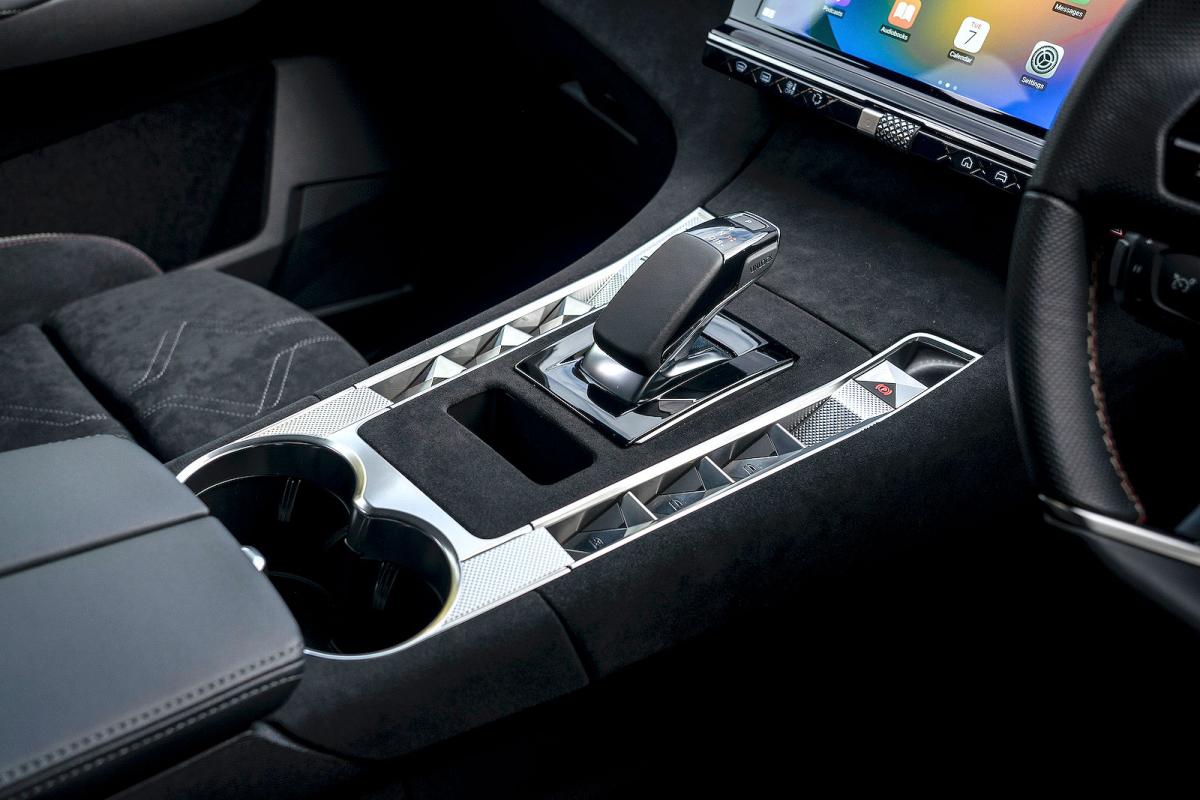
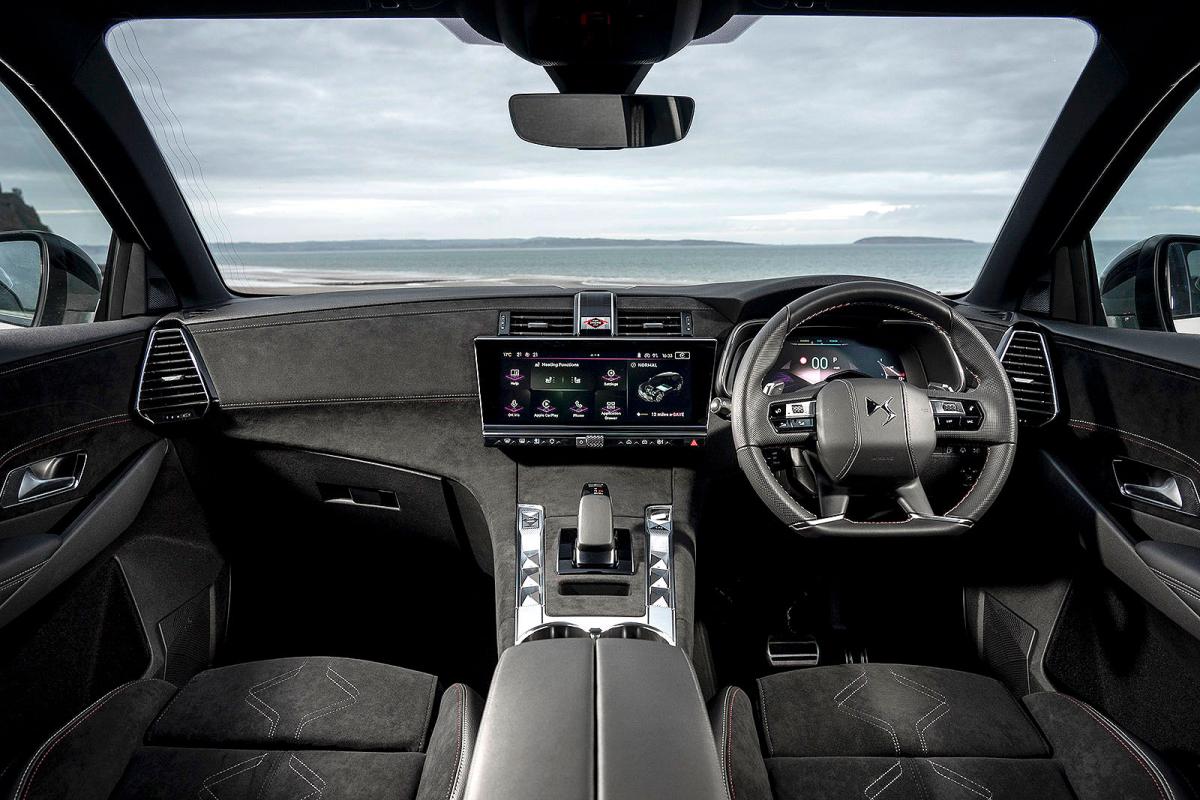
The DS 7's interior is eye-catching, with interestingly shaped switches and snazzy trims. Even entry-level Performance Line+ has swathes of Alcantara covering the dash, something you won’t get in any of the DS 7’s rivals.
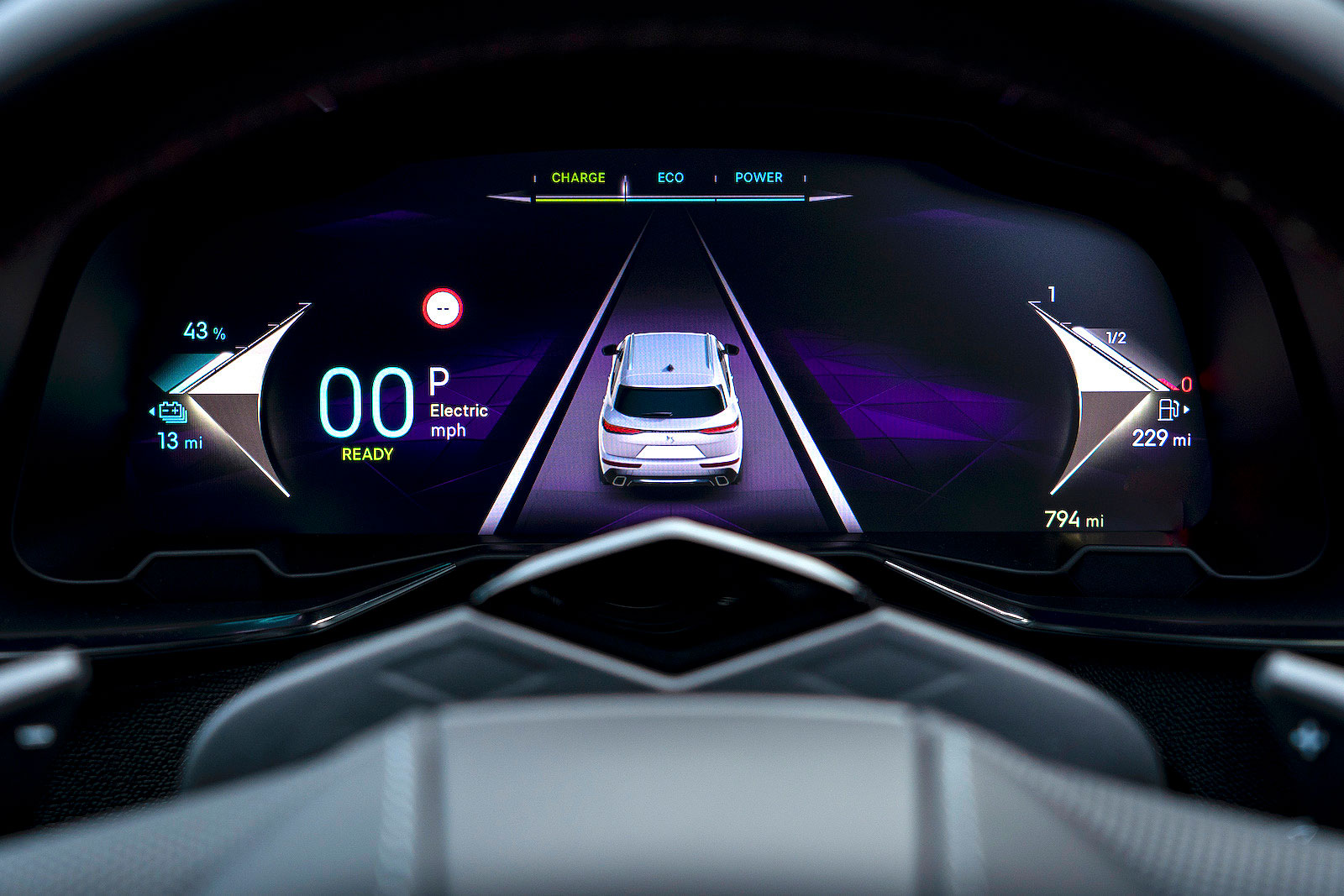
It’s up-to-date technologically too, with a 12.3in digital driver's display that can be customised to show the information most useful to you, including a large sat-nav map.
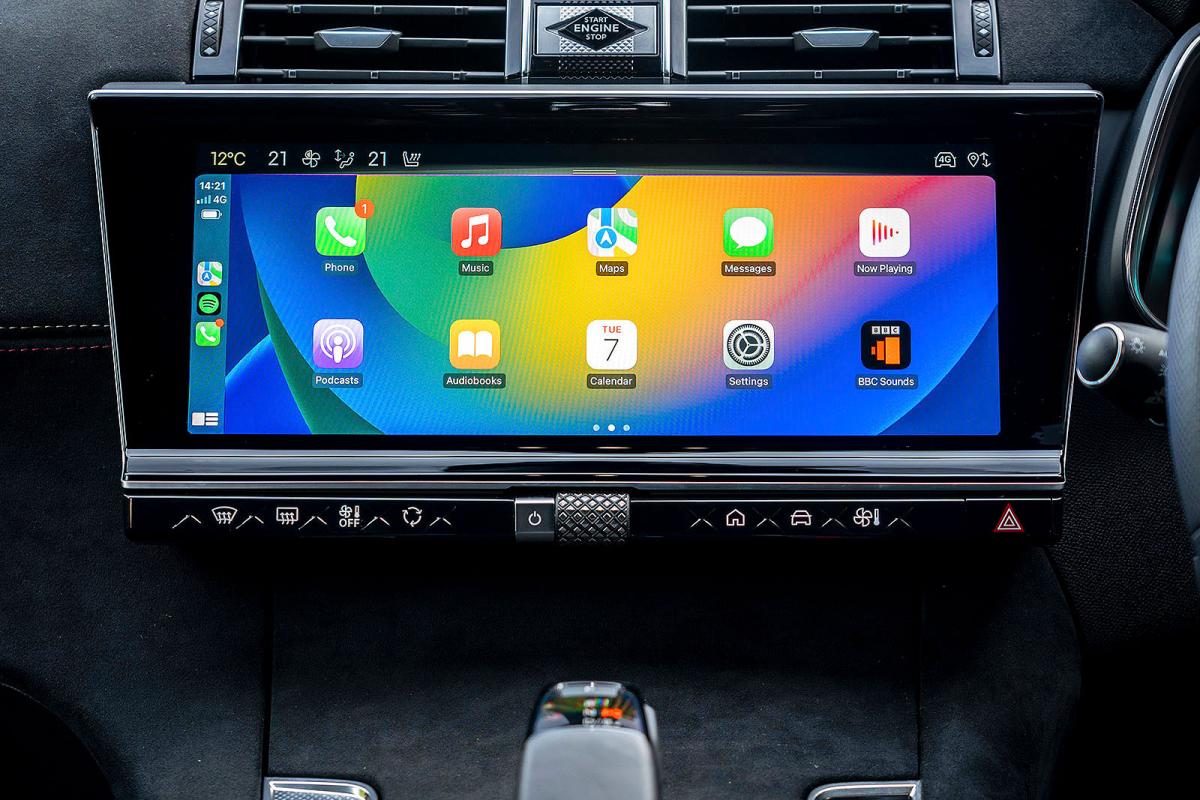
That display adjoins a 12in infotainment touchscreen that can be personalised by choosing "widgets" for the home screen. There are buttons along the bottom edge for switching between menus but they're small and touch-sensitive, making them tricky to hit accurately while driving.
The software is fairly swift when switching between menus but too many functions – including the interior temperature setting – are controlled using the touchscreen, rather than user-friendly buttons. The Lexus NX does at least give you a pair of dials for adjusting the air-con.
In terms of quality the interior is hit and miss. It looks opulent enough at first glance but the lower reaches of the dashboard are dominated by hard scratchy surfaces. Most of the "chrome" on show is actually plastic – not what buyers will be expecting in a family SUV aiming for premium status and priced to compete with the Audi Q3, BMW X1 and Volvo XC40.
On the plus side, DS gives you plenty of electric adjustment for the driver's seat and steering wheel, so getting comfortable shouldn't be hard. The plushest versions even get massaging front seats. You sit quite high up so visibility is good in all directions and you won’t struggle to see out at junctions or when you’re changing lanes on a motorway.
To make sure parking is a doddle, front and rear parking sensors come as standard on every version, as does a reversing camera. For even more assistance, you can upgrade to an optional surround-view camera, which gives you a 360-view of what’s around you.
Passenger & boot space
How it copes with people and clutter
Strengths
- Decent front space
- Lots of front storage
Weaknesses
- Less rear space than rivals
- Rivals have more versatile rear seats
The DS 7 is a sizeable family SUV with loads of room in the front for tall adults. Front-seat storage is generous too: the door bins are a decent size and are carpeted to stop your stuff clattering around.
What’s more, all versions give you a useful cubby in front of the gearlever (with a wireless phone-charger if you go for top Opera trim). The glovebox is tiny but there's a cavernous cubby between the front seats, topped with a comfortable armrest.
Due to the standard-fit panoramic roof, rear head room isn’t all that generous and, while there’s decent leg room, there's not much space for feet under the front seats. Compounding the issue, the floor in the back is quite high, forcing passengers into a slightly unnatural seating position. On the plus side, there’s no central hump in the floor for the middle passenger to straddle.
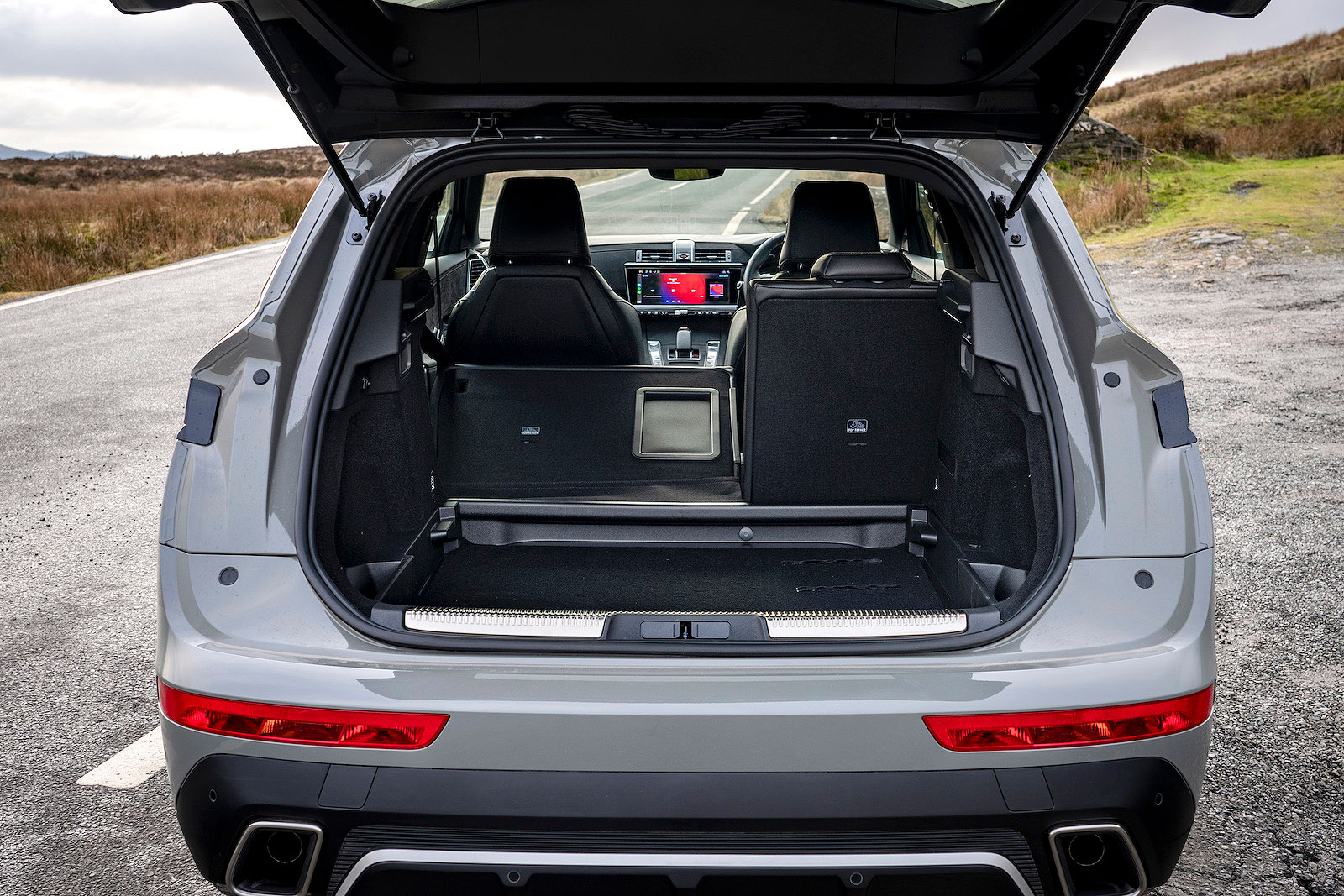
All version of the DS 7 have 555 litres of boot space (the batteries in the E-Tense plug-in hybrids don’t have any effect on loadspace). That doesn't make it the load-lugging champion among its rivals, but it can still match the Nissan Qashqai by taking seven carry-on suitcases.
Unlike with the Audi Q3 and some other family SUVs you can't add sliding rear seats to enable the boot to be extended forwards at the cost of passenger space. The rear seats split 60/40, rather than the more useful 40/20/40 arrangement the BMW X1 comes with as standard, but you can get a reclining rear bench and a variable-height boot floor with higher trims.
Tips & Advice
Buying & owning
Everyday costs, plus how reliable and safe it is
Strengths
- Loads of standard kit
- Plenty of standard safety equipment
Weaknesses
- Fast depreciation
- So-so warranty
The DS 7's starting price is quite reasonable if you consider it against premium family SUVs. Indeed, regardless of whether you go for a diesel or petrol plug-in hybrid engine it will cost you less than the equivalent Audi Q3 and around the same as a BMW X1.
Be warned, though, the DS 7 is predicted to lose its value rather quickly and far faster than either of those rivals. As a result, PCP finance quotes likely won’t be as competitive and it might actually end up costing you more each month. If you're set on the DS 7, make sure you get the best price by checking our new DS deals page.
Ways to buy
At least the PHEV versions look to make sense if you’re a company car driver looking to save on benefit-in-kind (BIK) tax. That’s especially true if you avoid the expensive top-spec E-Tense 4x4 360 and stick with the E-Tense 225 or E-Tense 4x4 300. Their lower list prices and CO2 emissions figures will keep your BIK tax bill down.
Equipment is generous across the range. Even the entry-level Performance Line+ gets 19in alloy wheels, keyless entry and start, an electric tailgate, a heated windscreen, automatic LED headlights, parking aids, electrically adjustable and heated seats, and Alcantara interior trim. It’s all you’ll ever need and the one we’d stick with.
Rivoli (the next step up) continues that trend of better materials but also adds massaging front seats, some cosmetic upgrades and larger 21in wheels if you go for the E-Tense 4x4 360 engine.
Then there’s the fanciest Opera trim. That version gets more aesthetic upgrades and even better leather throughout the interior, plus ventilated front seats and extra driving aids.
DS didn’t feature in the 2023 What Car? Reliability Survey but Citroën (its parent company) came 14th out of 32 car makers ranked. That's above rival brands including Nissan (19th) and Audi (26th), but below BMW (12th) and way down on Lexus and Toyota, in first and second.
For peace of mind, every DS comes with a three-year/60,000-mile warranty, matching Audi’s offering. It also matches the length of BMW’s warranty, but not its unlimited mileage. On top of the normal warranty, PHEV DS 7’s come with an eight-year battery warranty.
The safety experts at Euro NCAP awarded the previous-generation DS 7 its top five-star rating, but that 2017 rating has expired. Every DS 7 comes with plenty of standard safety kit, including automatic emergency braking (AEB), blind-spot monitoring, driver attention alert, lane-keeping assist, speed-limit recognition and plenty of airbags. Top-spec Opera adds lane positioning assist and adaptive cruise control.
For all the latest reviews, advice and new car deals, sign up to the What Car? newsletter here
Tips & Advice
FAQs
DS AUTOMOBILES DS 7 specifications
RRP price range
MPG range across all versions
Available fuel types (which is best for you? )
Number of engines (see all)
Number of trims (see all)
About the writer