What Car? Reliability Survey: Most and least reliable electric SUVs
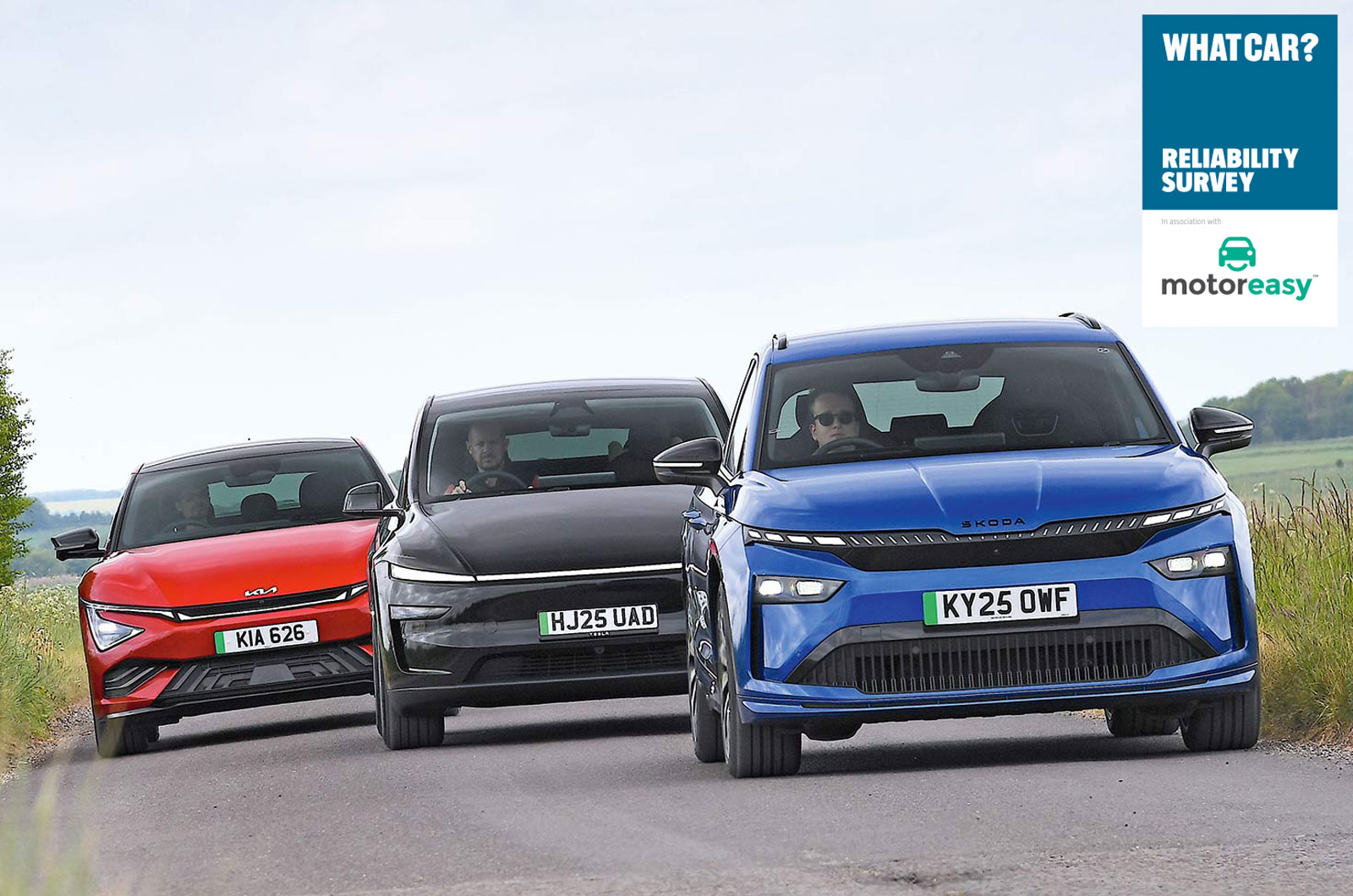
Electric SUVs offer the best of both worlds: the affordability of pure electric motoring and the practicality of an SUV body style. Small wonder, then that the electric SUV class is one of the fastest growing sectors of the new car market.
While some electric SUVs performed exceptionally well in the latest What Car? Reliability Survey, conducted in association with MotorEasy, others suffered a high proportion of problems, bringing the average for the class down to 90.1% — the lowest of all 11 car classes in our survey, and more than five percentage points lower than the average for small hatchbacks.
It contains some of the highest-scoring models for reliability, including the Kia EV3, which was one of only four models to gain a full 100% reliability rating. However, it also contains one of the lowest-scoring models in the entire survey, the Volkswagen ID.4, which only mustered a score of 79.6%.
Here’s how electric SUVs performed according to our latest data. This article examines reliability data for electric SUVs aged up to five years old. Reliability information for older models is in our most reliable used cars feature.


The What Car? Reliability Survey is live, tell us about your car now
Most reliable electric SUVs
1. Kia EV3 (2024-present)
Reliability rating 100%
Most common faults: None
Average repair cost: n/a
Typical time off road: n/a
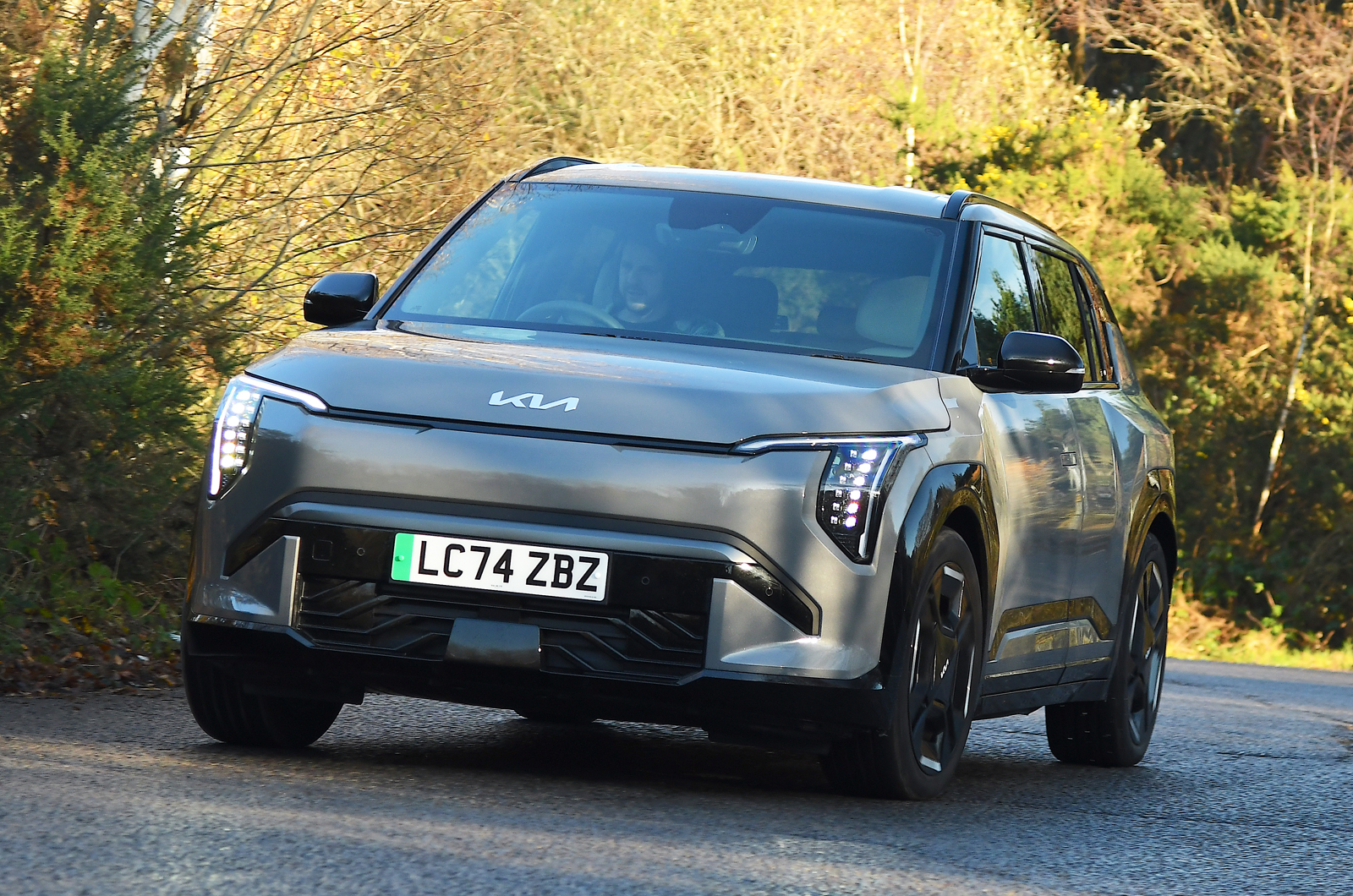
We voted the Kia EV3 our Small Electric SUV of the Year 2026 for its combination of excellent value, high equipment levels and long range. It comes with a choice of two batteries: Standard Range, which has a usable capacity of 55kWh, and Long Range, which has a 78kWh battery. The former can officially manage 270 miles between charges, and the latter can do up to 375 miles, beating the Hyundai Kona Electric (319 miles), Mini Aceman (251 miles), Smart #3 (283 miles) and Volvo EX30 (295 miles).
The EV3 is Kia's first model to attain a perfect 100% reliability rating in our survey. It’s the brand’s most affordable pure electric car, yet it outperforms many larger, more expensive electric SUVs – including the £75,000 BMW iX – when it comes to durability and build quality.
With no participating owners reporting a single fault with their cars, the EV3 also outscores its direct rival, the Hyundai Kona Electric, whose 24% fault rate puts it in ninth place in this class.
Owner’s view: “The EV3 was just what I’ve been looking for in an electric car, and it’s been totally dependable so far.”
Kia EV3 review
2. Renault Scenic (2024-present)
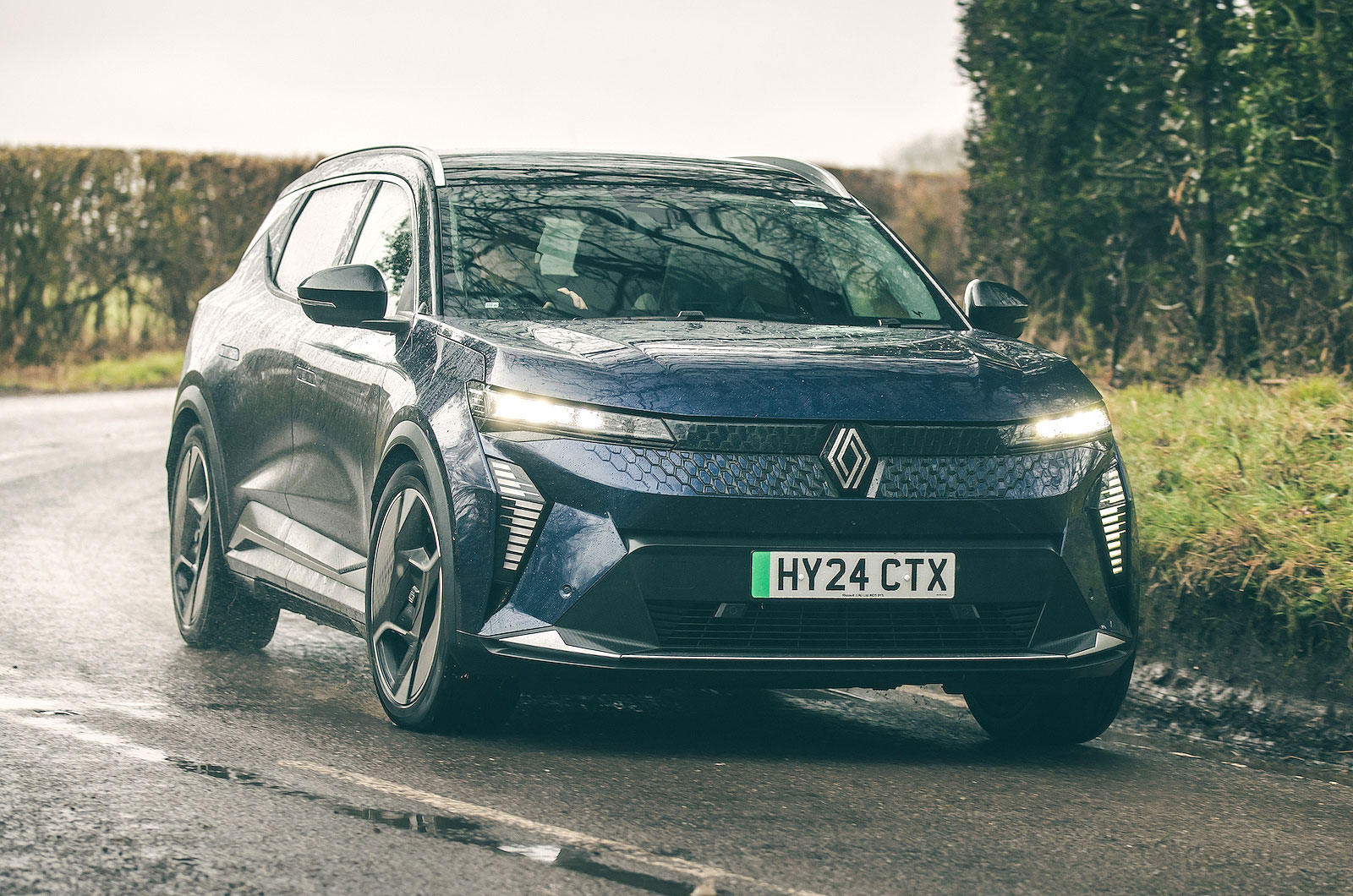
Reliability rating 97.5%
Most common faults: Electric motor 5%, sat-nav/infotainment system 5%
Average repair cost: 100% £0
Typical time off road: 100% one day or less
When the Scenic last appeared in our survey back in 2023, it was a combustion-engined MPV. Since then, the Scenic has morphed into an SUV with electric power. Now known as the Scenic E-Tech, it offers decent space and practicality, along with a well thought out interior. It's good value too, offering a long range between charges - up to 379 miles officially - while undercutting rivals on price.
The Scenic is also pretty reliable, according to owners. They told us that only 11% of their cars let them down, and every issue related to the electric motor or infotainment system. All problems were put right in a day or less, and every necessary repair was paid for by Renault, as you’d expect of a car new enough for every example to still be under warranty.
Renault Scenic review
3. Tesla Model Y (2022-present)
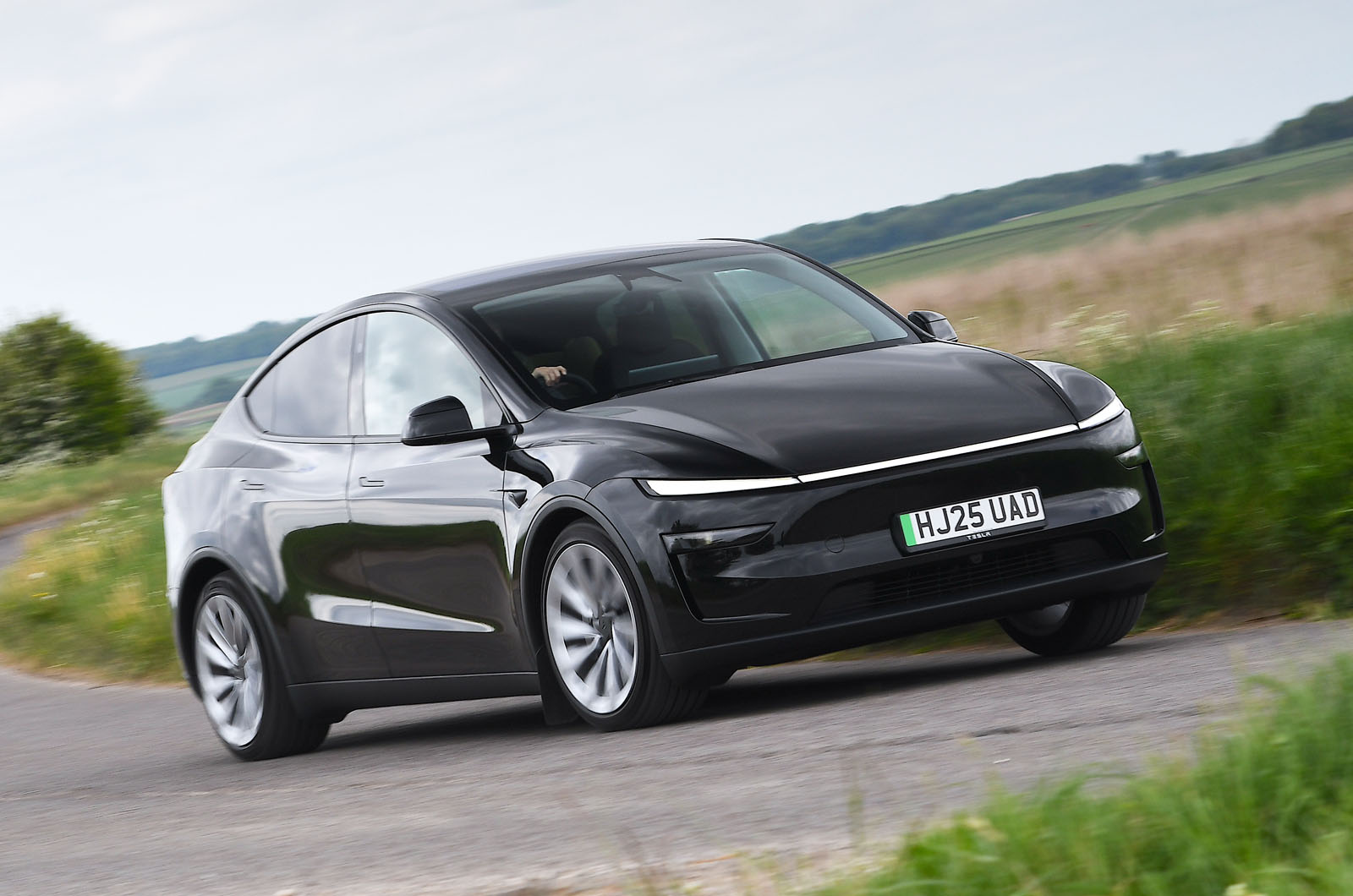
Reliability rating 97.1%
Most common faults: battery pack 2%, brakes 2%, motor electrics 2%, interior trim 2%, suspension 2%
Average repair cost: £0
Typical time off road: 42% one day or less, 58% one day to a week
The Model Y stands out in the electric SUV class because it is both practical and fast. It's based on the same underpinnings as the Model 3 saloon, but it has taller bodywork, spacious rear seats and a huge boot. On top of that, it's seriously swift - even the entry-level RWD (rear-wheel drive) model can officially sprint from 0-60mph in 5.6sec, easily outpacing the cheapest Kia EV6.
The Model Y was last year’s top-rated electric SUV, and although it has dropped a couple of percentage points (2.1%, to be exact) this year, it still retains its place in the top three. Twelve percent of owners said their cars went wrong, with defects affecting the EV battery pack, brakes, electric motor and interior trim.
Getting things put right was fairly swift, with 42% of cars back on the road in a day or less and the remaining 58% repaired in less than a week. It’s reassuring, too, to hear that all fixes were paid for by Tesla.
Tesla Model Y review
4. BMW iX3 (2021-2025)
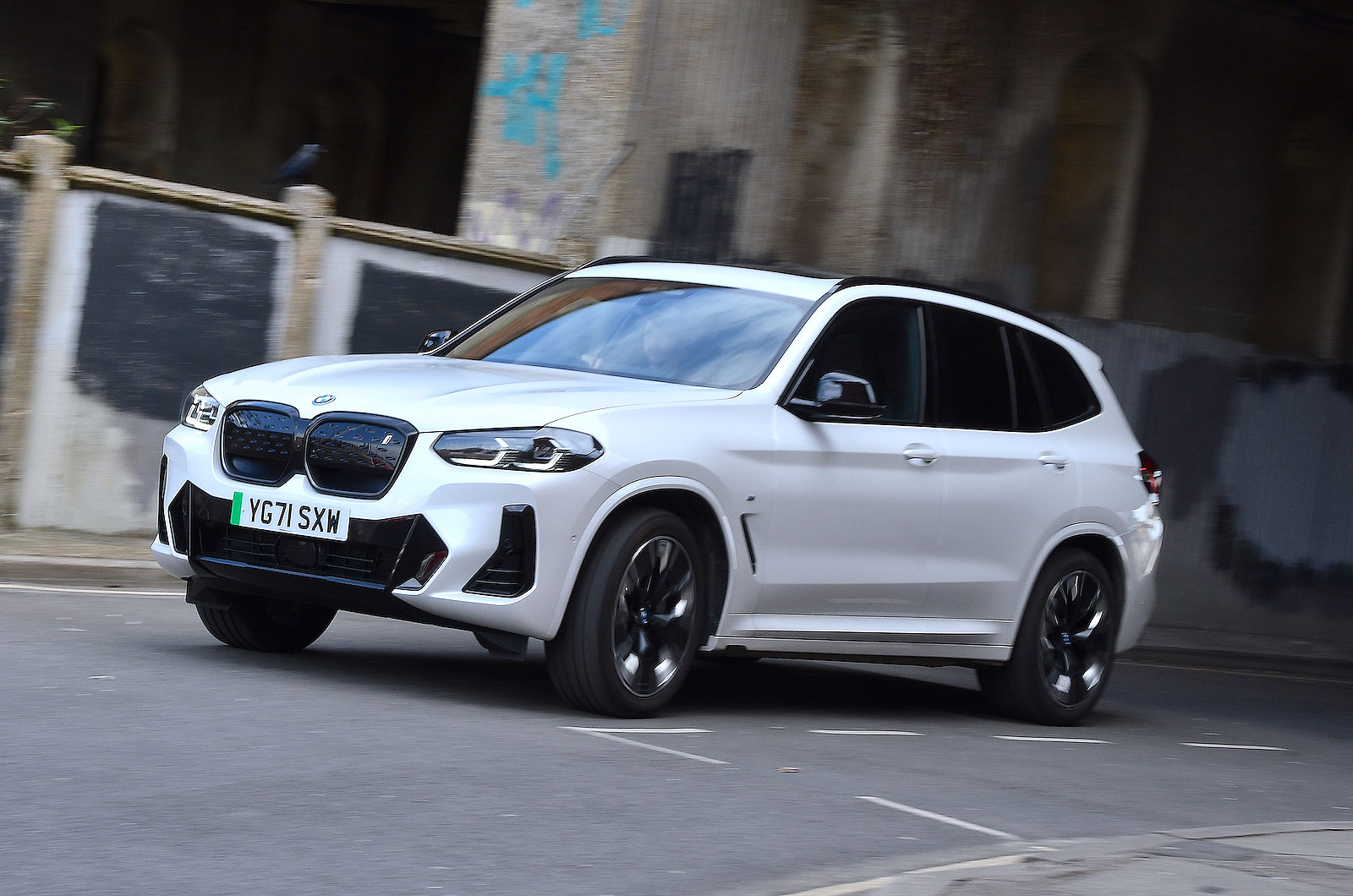
Reliability rating 95.5%
Most common faults: air-con 6%, battery pack 4%, motor electrics 4%, non-motor electrics 4%
Average repair cost: 100% £0
Typical time off road: 83% one day to a week
Essentially, the first generation iX3 is a pure electric version of BMW's X3 family SUV. That means it shares that model's practicality, classy interior and good handling, and it doesn't have the outlandish looks of some pure electric SUVs. However, it's only available with 74.3kWh (usable) capacity battery, giving it an official range of up to 288 miles. While that's similar to the Model Y RWD and Volvo XC40 Recharge Twin, those cars are also available with bigger battery options that offer an longer range.
The iX3 is proving pretty reliable, though. Although 19% of the cars we were told about went wrong, 73% of them could still be driven and 83% were in and out of the garage within 24 hours. To ease the strain on owners further, BMW paid for all remedial work to be done.
Used BMW iX3 review
5. Vauxhall Combo Life Electric (2022-present)
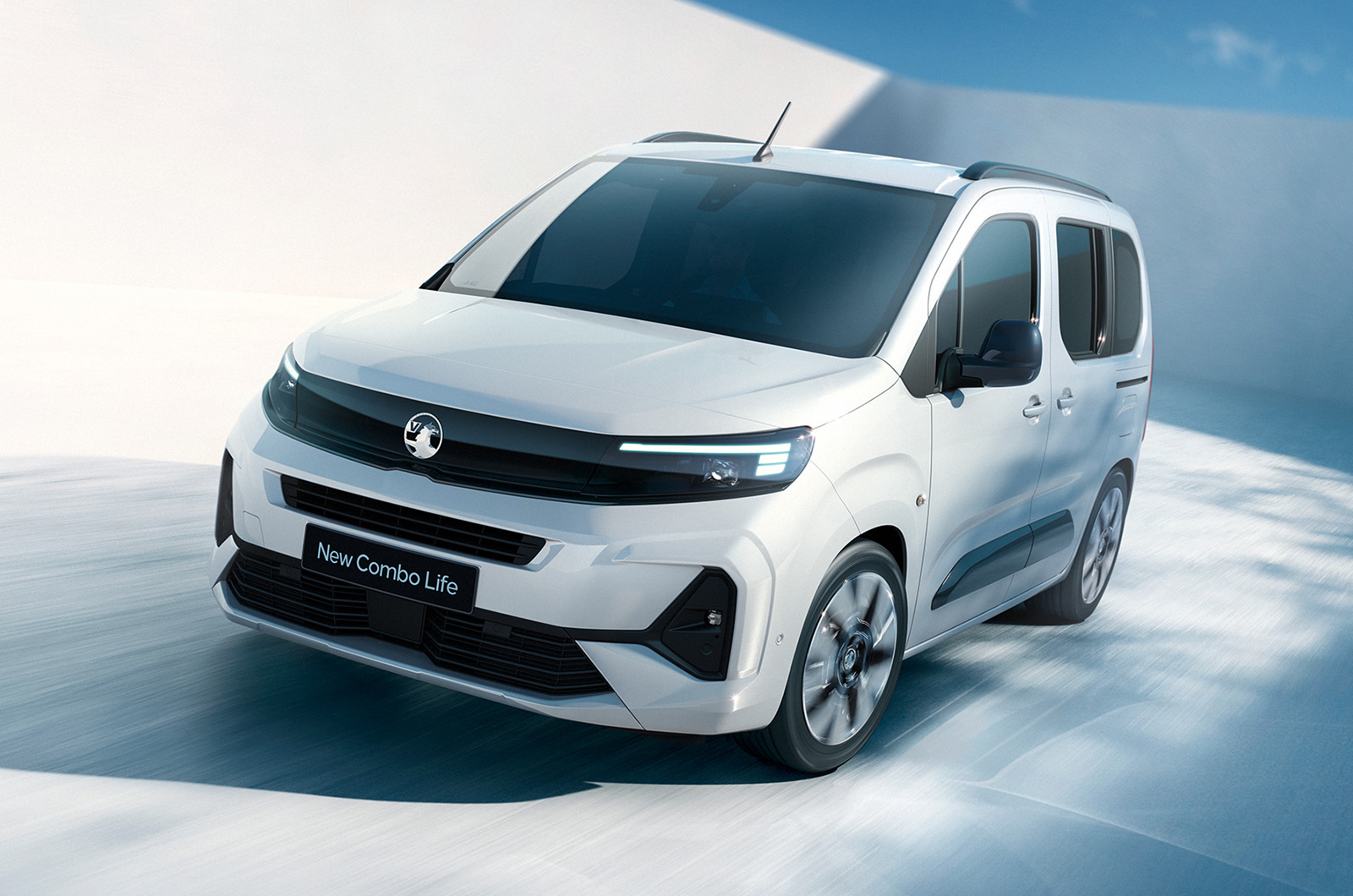
Reliability rating 95.3%
Most common faults: 12-volt battery 7%, sat-nav/infotainment system 7%
Average repair cost: 100% cost £0
Typical time off road: 67% more than a week, 33% one day or less
The Combo Life Electric is an extremely roomy van-based MPV that is very similar to the Citroën e-Berlingo and Peugeot e-Rifter, both of which share the same underpinnings. However, it allows buyers to have the seven-seat option with the short-wheelbase 'M' bodystyle, while the other pair only offer this option on long-wheelbase versions.
The Combo Life is also a dependable choice. Only 13% of the examples reported on had any glitches, and those were only with the battery and infotainment system. Two-thirds of the affected cars could still be driven, and although remedial work was slow Vauxhall covered the all the associated costs.
Vauxhall Combo Life review
6. Volvo EC40 (2021-present)
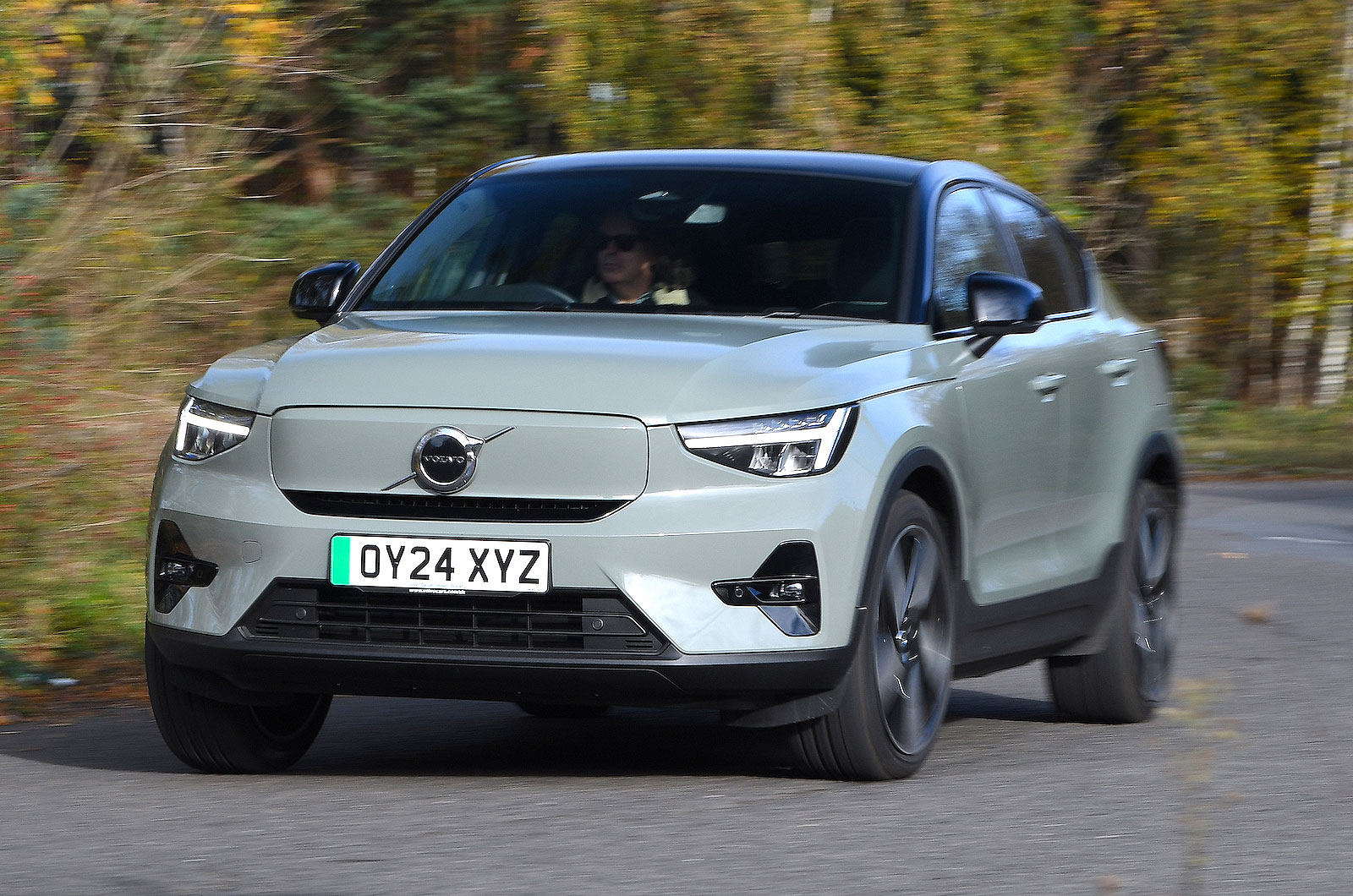
Reliability rating 94.5%
Most common faults: Battery pack 10%, non-motor electrics 10%, bodywork 5%, charging system 5%
Average repair cost: 100% £0
Typical time off road: 33% one day or less, 33% one day to a week, 33% more than a week
The C40 Recharge, now known as the EC40, is a small electric coupe SUV from Volvo. It has a smaller boot and less rear headroom than the EX40 SUV, but that's mitigated by a longer range and rakish coupe looks. It stacks up well compared with its immediate competition, especially on performance, but the regular EX40 offers similar performance and is a more practical proposition.
Problems were pretty common on the EC40, with 30% of owners telling us their car had suffered some sort of issue, and half of the cars that went wrong couldn't be driven. However, Volvo stumped up for all repair work and two-thirds of cars were back on the road in less than a week.
Volvo EC40 review
7. Kia Soul EV (2020-2025)
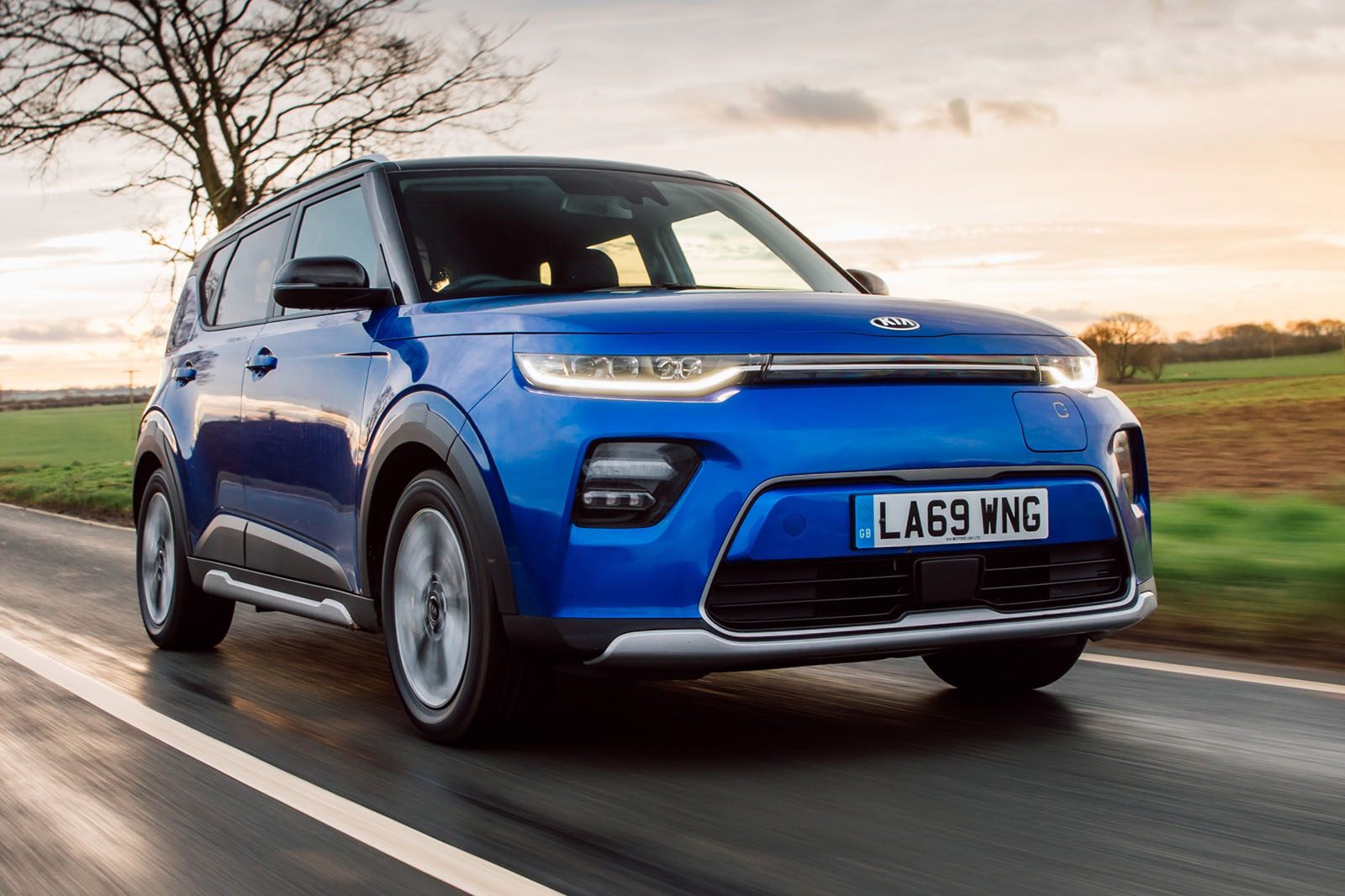
Reliability rating 94.2%
Most common faults: air-con 5%, 12-volt battery 5%, bodywork 5%, charging system 5%, non-motor electrics 5%
Average repair cost: 100% £0
Typical time off road: 43% one day to a week, 43% more than a week
The Kia Soul EV is a fine used electric car, with a decent range between charges and loads of space for rear seat passengers. It comes with two battery options: 39kWh and 64kWh. The former will do around 171 miles between charges and the latter 280 miles, which is one of the longest ranges of any small SUV, aside from its sibling, the Kia e-Niro.
The fault rate for the Soul, according to owners, is fairly high at 24%, but no cars were knocked out of action by their problems. Getting things put right was slow, with very few cars fixed in a day or less, and nearly half in the workshop for more than a week.
Used Kia Soul review
8. Mercedes EQA (2021-present)
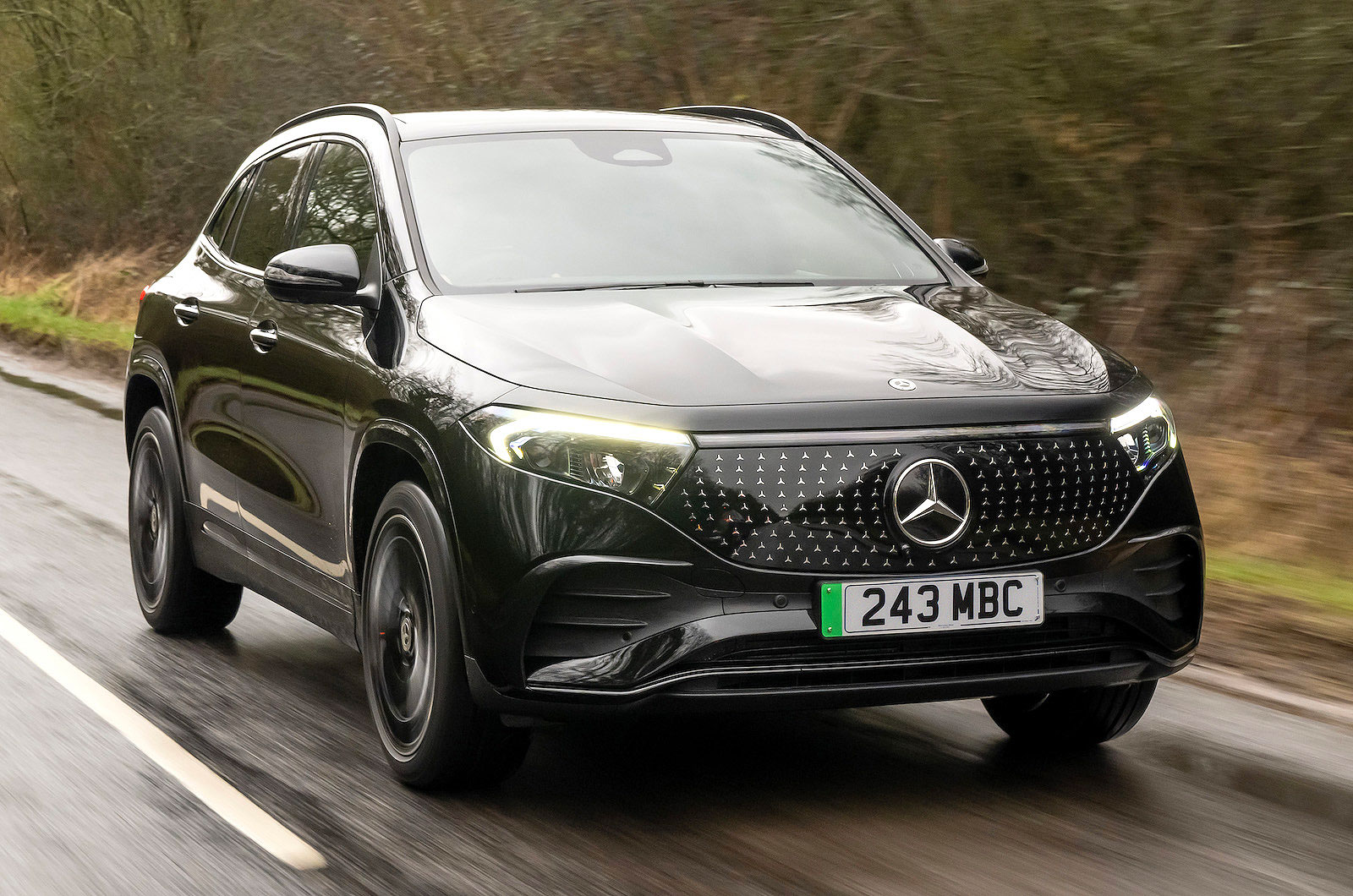
Reliability rating 94.1%
Most common faults: air-con 7%, battery pack 7%, bodywork 3%, brakes 3%, electric motor 3%, sat-nav/infotainment 3%
Average repair cost: 100% £0
Typical time off road: 40% one day or less, 50% more than a week
The EQA is an electric SUV based on the Mercedes GLA, which is available in petrol, diesel and plug-in hybrid forms. The front-wheel-drive 250+ EQA can travel up to 345 miles officially, which is a little further than the Genesis GV60, Kia EV6 and Volvo EX40. However, it is let down by a firm ride and relatively high purchase prices.
It has a pretty good reputation for reliability, though. Although 23% of the EQAs in our survey went wrong, only 10% of them were rendered undriveable by their faults. Mercedes' dealers were quick to fix issues in many instances - 40% of cars were back on the road in a day or less - and the car maker paid for all the required work.
Mercedes EQA review
9. Hyundai Kona Electric (2018-2023)
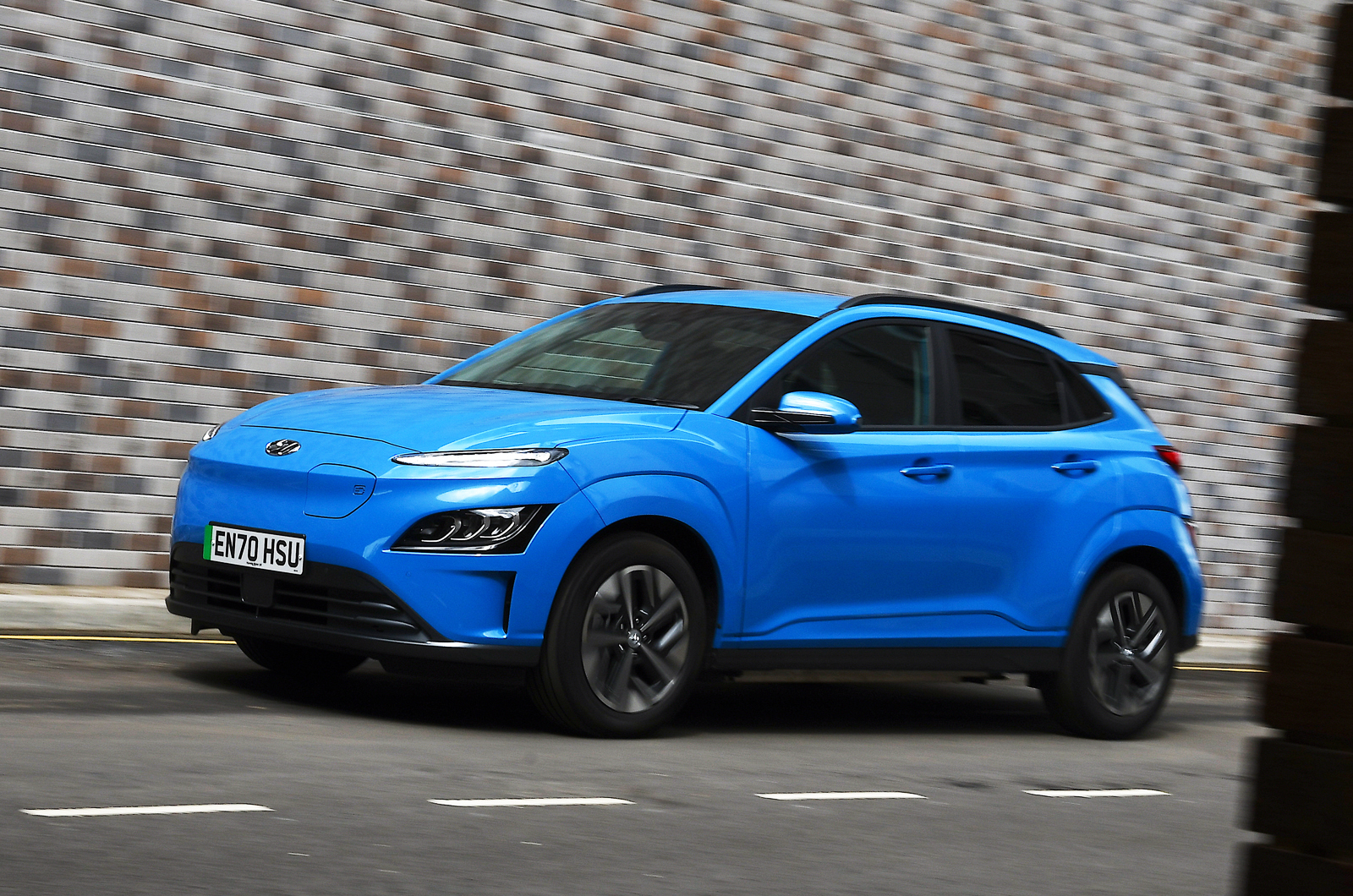
Reliability rating 92.8%
Most common faults: 12-volt battery 17%, non-motor electrics 5%
Average repair cost: 91% £0, 9% £51-£100
Typical time off road: 55% more than a week, 36% one day or less
The second-generation Hyundai Kona Electric is one of the few more affordable EVs to offer an official range of more than 300 miles. It's also a well-rounded electric SUV with plenty of space for passengers and their luggage and a user-friendly dash layout. While the rival Kia e-Niro is the better choice for families because it's more practical and has a more comfortable ride, the Kona Electric is less expensive to buy than the e-Niro.
The Kona Electric is not as bulletproof as its petrol and hybrid siblings, though, with a fault rate of 24%, compared with 18% for petrol models and 8% for the hybrid. Most issues were with the 12-volt battery so it's no surprise that 44% of faulty cars couldn't be driven. It's a shame that more than half of the cars that went wrong took more than a week to put right.
Used Hyundai Kona Electric review
10. Kia E-Niro (2019-2022)
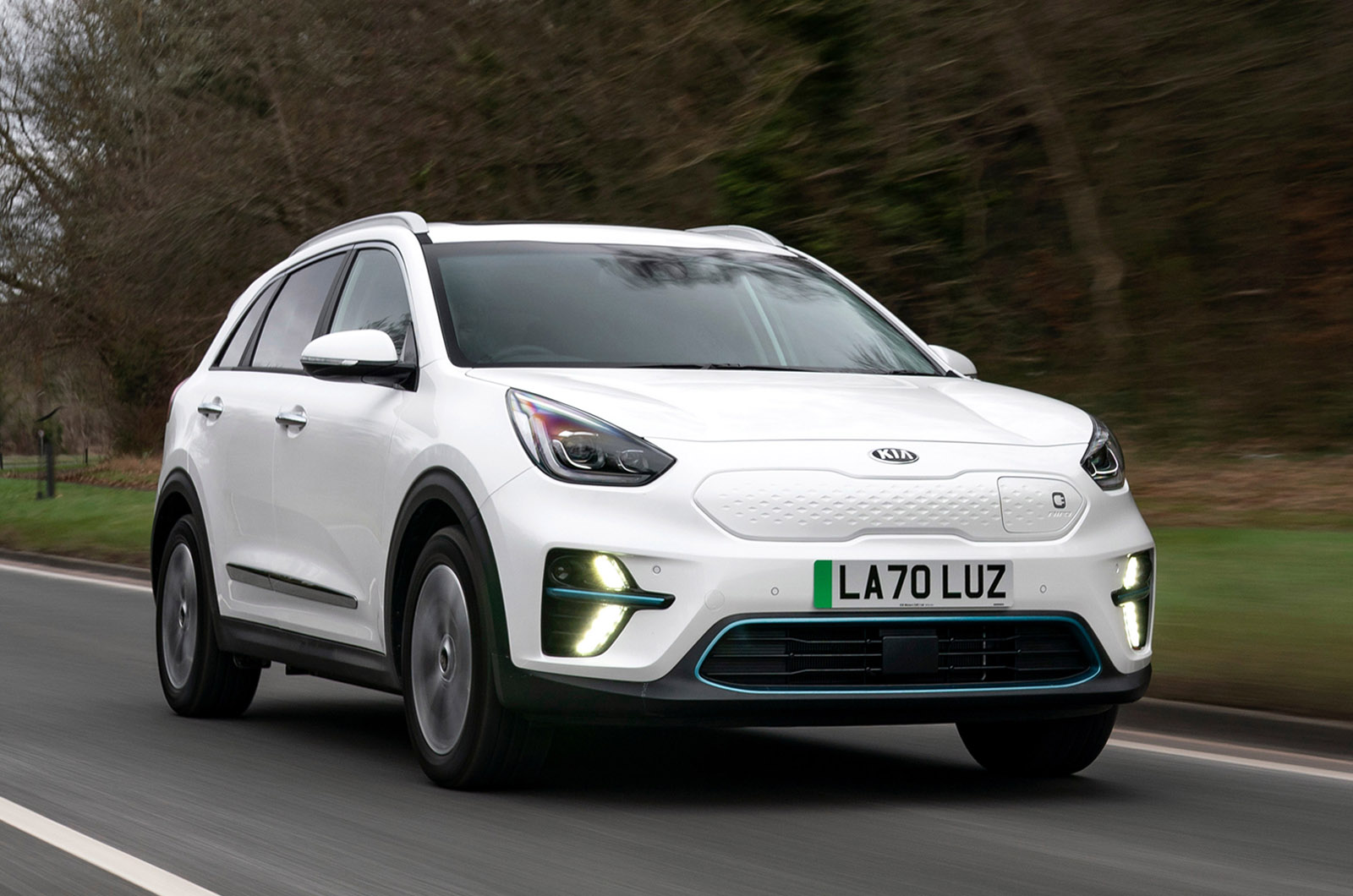
Reliability rating 92.3%
Most common faults: 12-volt battery 11%, non-motor electrics 6%, battery pack 5%
Average repair cost: 88% £0, 12% £51-£200
Typical time off road: 61% one day or less, 26% more than a week
Launched as part of the 2018-2022 Niro line-up, which comprised petrol electric and hybrid variants of the same model, the e-Niro is a spacious EV that's loaded with equipment and has an impressive range between charges. Two battery options are available and our choice is the larger 64kWh version because it achieved 253 miles in our real-world testing.
Like the Kona, it suffered a high percentage of 12-volt battery issues that rendered 52% of the affected cars undriveable. Overall, 25% of the cars reported on went wrong, but nearly a third of issues were resolved in a day or less, and only just over a quarter of cars were out of action for more than a week.
Used Kia E-Niro Electric review
Least reliable electric SUVs
1. Volkswagen ID 4 (2021-present)
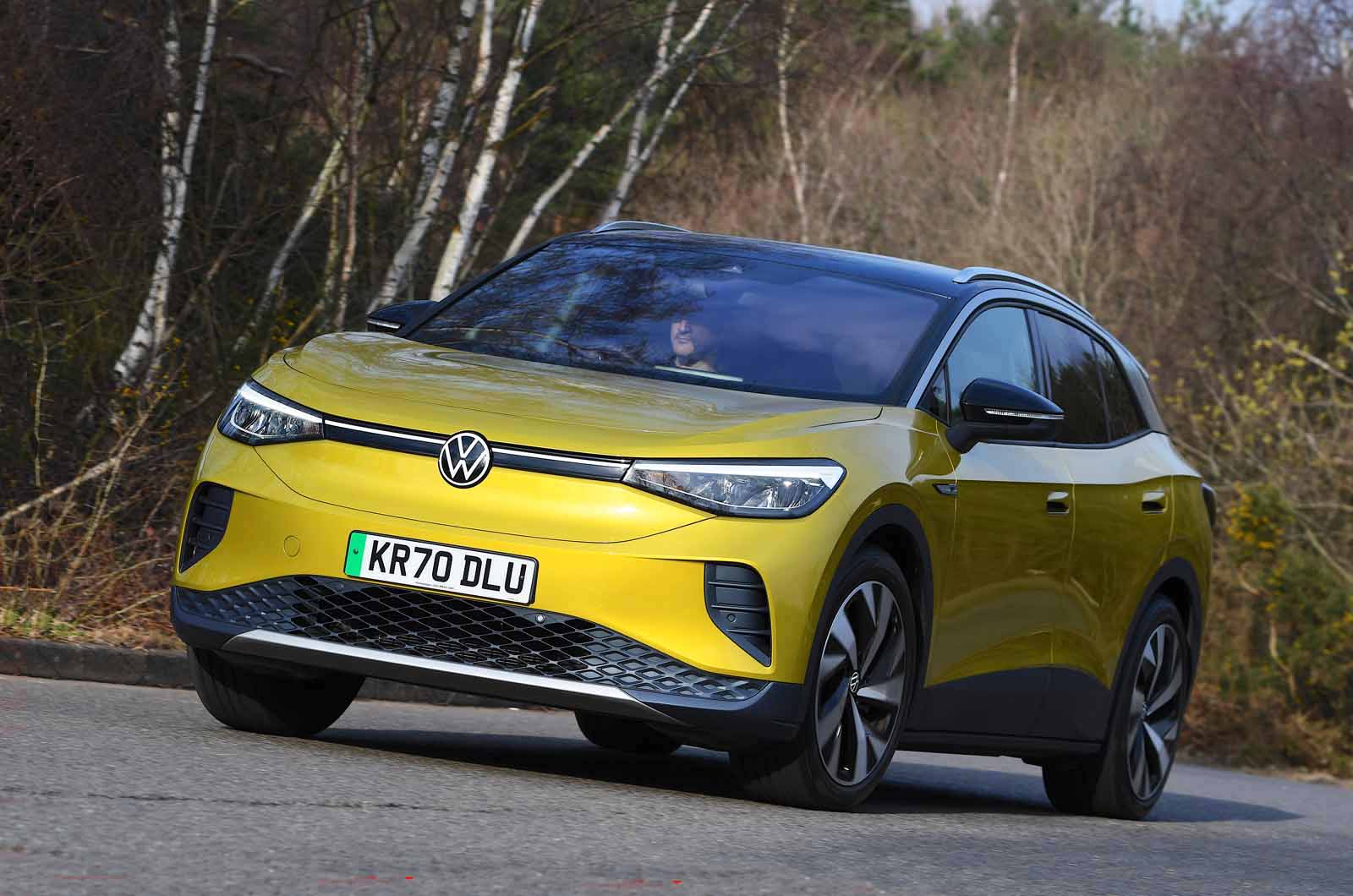
Reliability rating 79.6%
Most common faults: electric motor 18%, battery pack 11%, bodywork 7%, suspension 7%, 12-volt battery 4%, brakes 4%, motor electrics 4%, charging system 4%, non-motor electrics 4%, sat-nav/infotainment system 4%, steering 4%
Average repair cost: 100% £0
Typical time off road: 14% one day or less, 67% more than a week
The Volkswagen ID 4 is one of a set of triplets that also includes the Audi Q4 e-tron and Skoda Enyaq, but the VW trails its siblings by more than 10 percentage points when it comes to reliability. It not only suffers more faults than its VW stablemates, it also takes longer to repair.
Thirty-six percent of ID 4 owners had gripes, compared with 30% of people with Enyaqs and 29% with Q4 e-trons. What’s more, 67% of faulty ID 4s were off the road for more than a week, while only 28% of Enyaqs (and 52% of Q4s) took that long. The EV battery and electric motor were the main issues for ID 4 owners, but VW did pay for all repairs.
Owner’s view: “My car has ground to a halt at crucial moments three times, each followed by at least a week in the garage.”
Volkswagen ID 4 review
2. Nissan Ariya (2022-present)
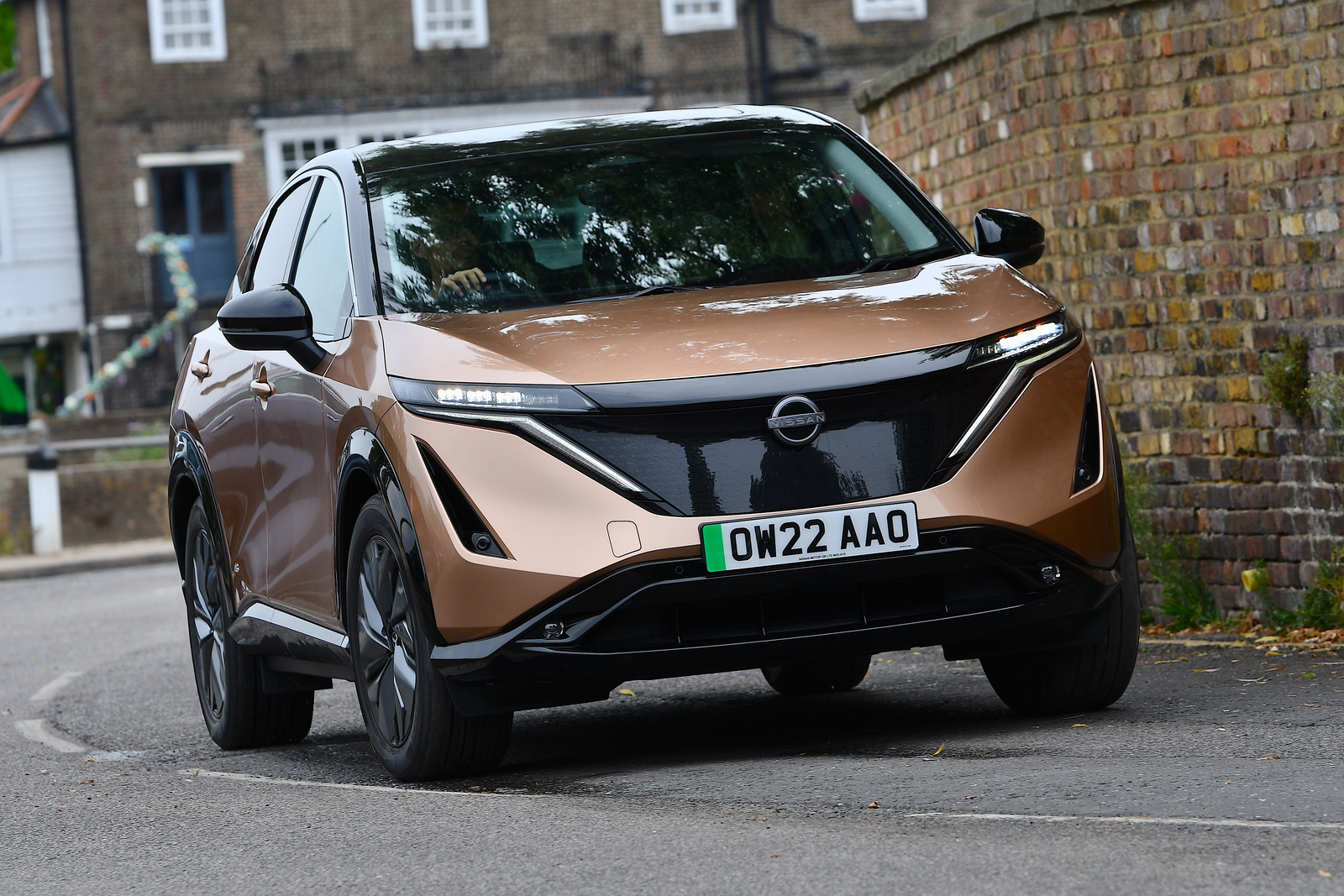
Reliability rating 80.9%
Most common faults: electric motor 17%, bodywork 11%, brakes 11%, non-motor electrics 11%, 12-volt battery 6%, battery pack 6%, motor electrics 6%, interior trim 6%, sat-nav/infotainment system 6%
Average repair cost: 100% £0
Typical time off road: 50% one day or less, 28% more than a week
The Ariya is only Nissan’s second pure electric model, arriving 10 years after the original Leaf. It is a practical and well-equipped electric SUV, with a choice of two batteries. The smaller 63kWh option can officially manage around 250 miles on a full charge, which is similar to the entry-level Skoda Enyaq 50, but we prefer the 87kWh version, which has an official range of around 330 miles.
The Ariya isn't following in the tyre tracks of the Leaf for reliability. Owners told us that 39% of Ariyas went wrong, with 56% of those cars rendered undriveable. Things were put right quickly in most instances, though; half were back on the road in a day or less, and only 28% took more than a week to fix. The electric motor was at fault in 17% of case; bodywork, brake and electrical faults were also reported. Nissan paid for all remedial work.
Nissan Ariya review
3. BMW iX (2021-present)
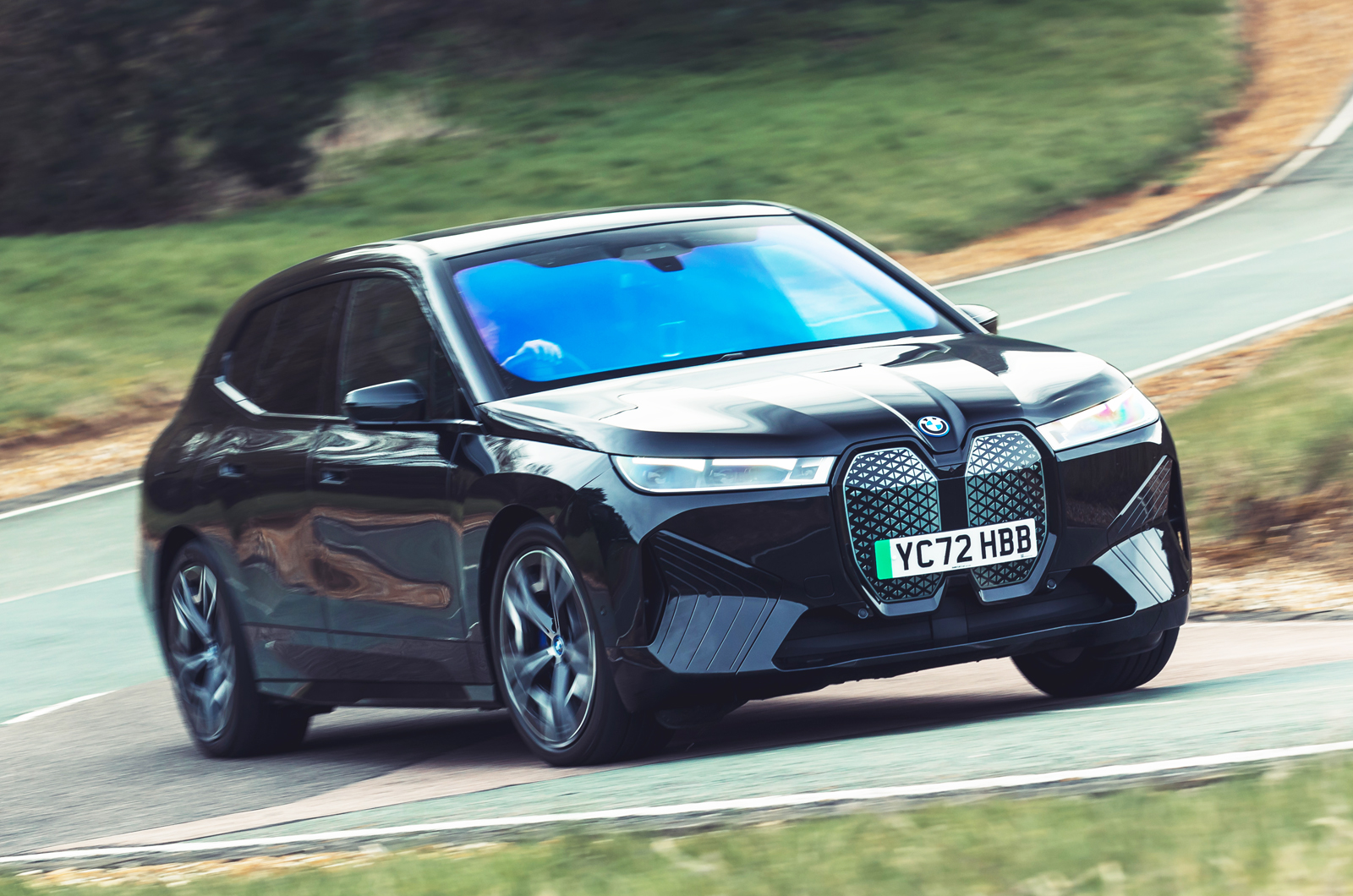
Reliability rating 81.0%
Most common faults: battery pack 10%, electric motor 10%, sat-nav/infotainment system 10%, steering 10%, interior trim 7%, bodywork 3%, brakes 3%, motor electrics 3%, charging system 3%, non-motor electrics 3%, suspension 3%
Average repair cost: 100% £0
Typical time off road: 43% more than a week, 38% one day to a week
The high-tech iX differs from some of BMW’s smaller electric models in that it was designed from the ground up as a dedicated electric vehicle. It's a big, luxurious electric SUV that’s very quick and whisper quiet. The most recent versions of the entry-level xDrive45 have a 94.8kWh (usable capacity) battery, providing an official range of up to 374 miles, which is only a few miles less than the Mercedes EQE SUV 350+.
The iX doesn't top the charts when it comes to reliability, though. Faults made 62% of the examples we were told about undriveable, and some owners report that BMW’s dealers have been slow to address problems. Among owners of faulty iXs, 43% told us that their cars were out of action for more than a week, whereas only 19% said that the faults were put right in a day or less.
BMW iX review
4. MG ZS EV (2019-2025)
Reliability rating 81.8%
Most common faults: 12-volt battery 10%, bodywork 7%, sat-nav/infotainment system 7%, air-con 5%, interior trim 5%, motor electrics 5%
Average repair cost: 85% £0, 6% £1001-£1500
Typical time off road: 72% more than a week, 9% one day to a week
You might expect the MG ZS EV to be sparsely equipped and lacking in performance, but its low price doesn't mean too many compromises. Even though it's one of the most affordable electric SUVs you can buy, it has a roomy interior, big boot and decent level of kit. The main limiting factor is that the range of earlier examples is low at 163 miles. That said, the more recent 68.3kWh Long Range version has an official range of 273 miles.
Reliability is another concern, with 27% of MG ZS EV owners telling us their cars had suffered at least one fault. The 12-volt battery was the most common cause for concern, followed by issues with the bodywork and infotainment system. While it's good that MG covered the cost of most remedial work, it's a shame that 72% of the affected cars were out of action for more than a week.
5. Audi E-tron (2019-2021)
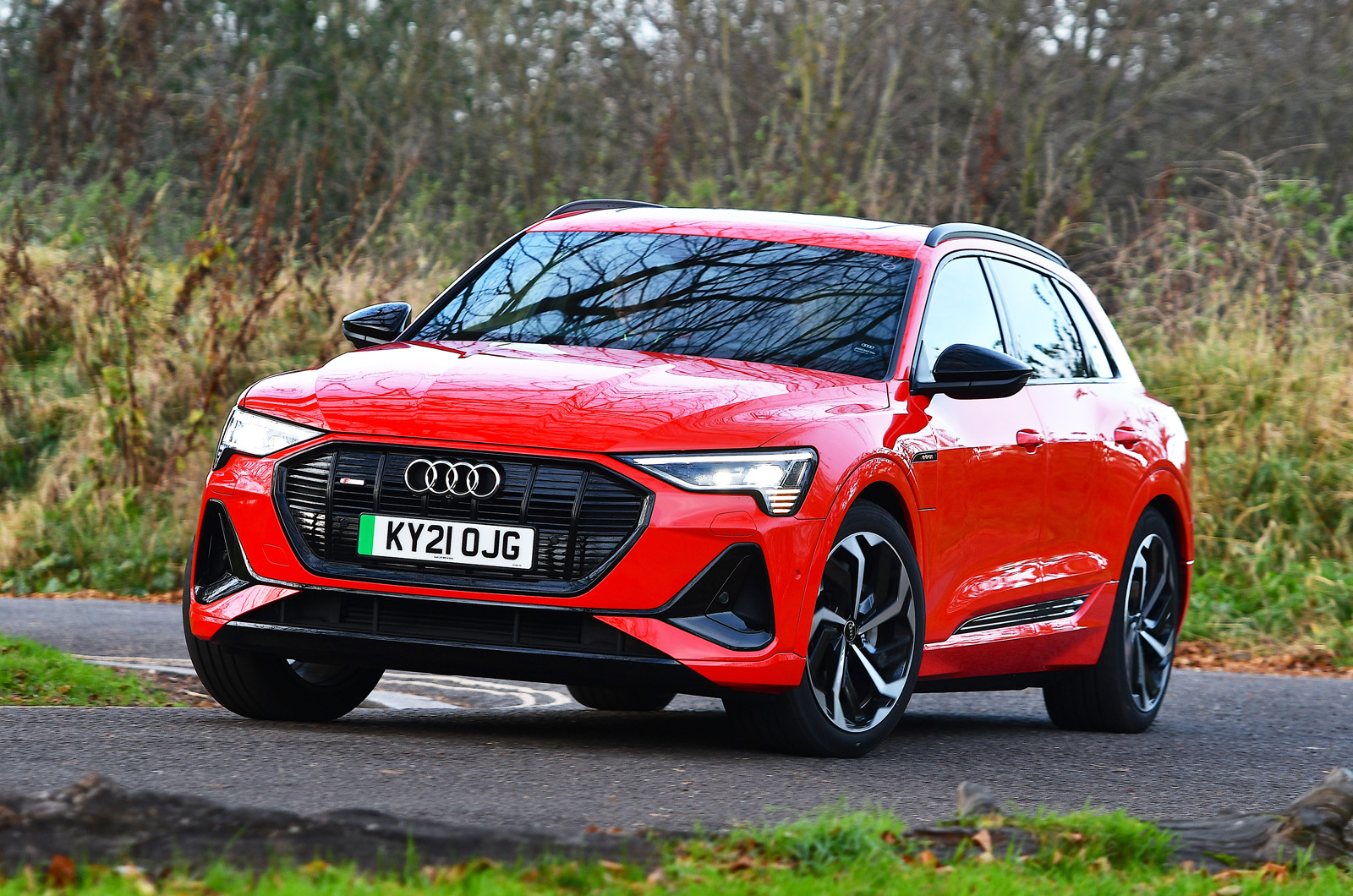
Reliability rating 84.4%
Most common faults: electric motor 19%, air-con 7%, battery pack 7%, non-motor electrics 7%, sat-nav/infotainment system 7%, bodywork 4%, charging system 4%, steering 4%
Average repair cost: 100% £0
Typical time off road: 77% more than a week, 12% one day to a week
Not to be confused with other Audi models with e-tron in their names, the 2019-2021 E-tron is a roomy SUV that's a good value secondhand buy. As Audi's first production electric car, it was a premium product that sat at the top of the brand's line-up. At the time, it was one of the most comfortable large electric cars you could buy. It's extremely practical, but the range between charges is slightly disappointing at around 222 miles officially.
Reliability has been an issue with the E-tron - owners told us that 44% of their cars had a problem, although around two-thirds of those cars could still be driven. It's reassuring to see that Audi paid for all fixes, but not so good that more than three-quarters of faulty cars were in the workshop for more than a week.
Audi E-tron review
6. Jaguar I-Pace (2018-2024)
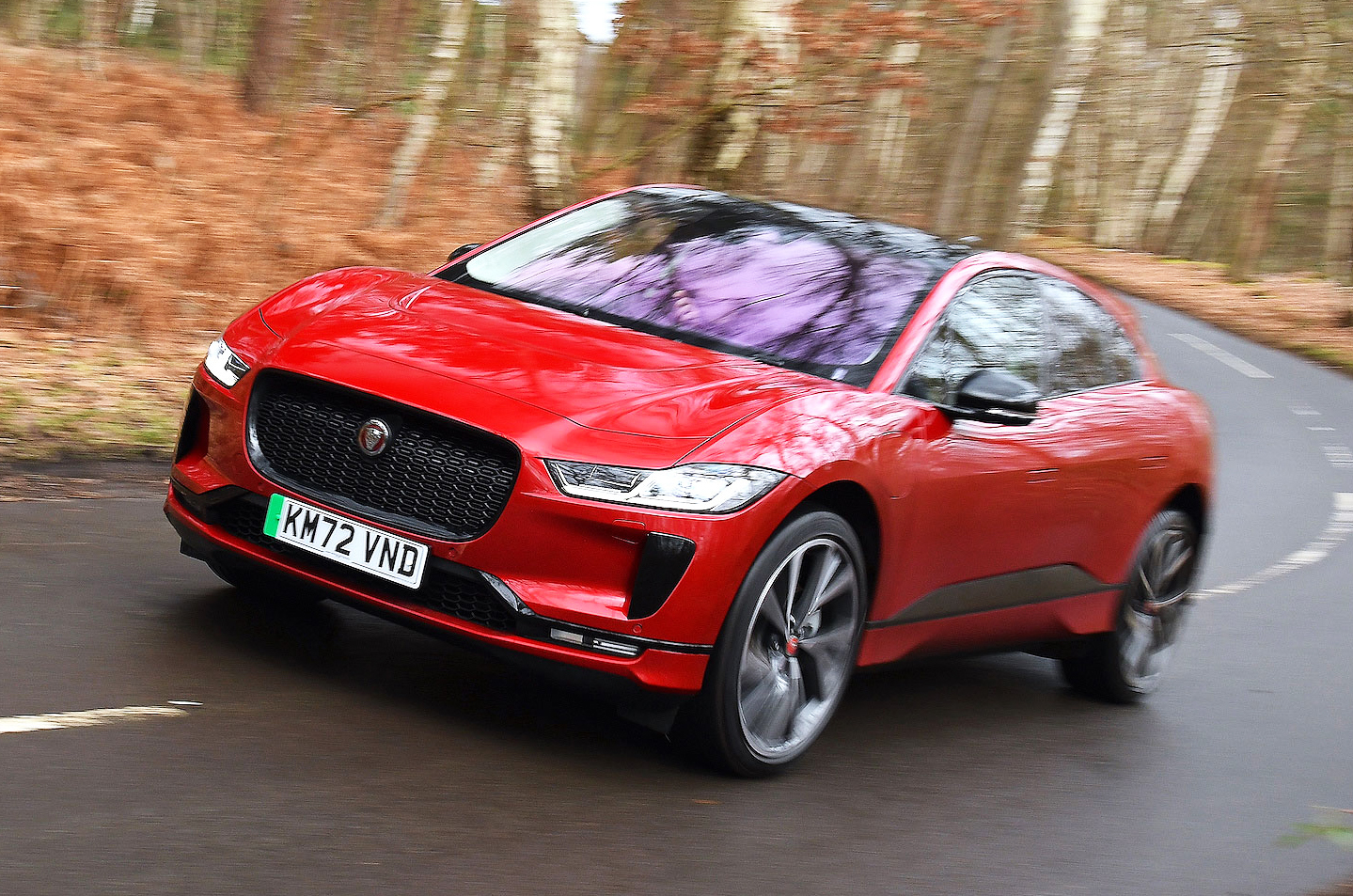
Reliability rating 86.0%
Most common faults: battery pack 16%, 12-volt battery 7%, bodywork 7%, sat-nav/infotainment system 7%, non-motor electrics 4%, air-con 3%
Average repair cost: 94% £0, 2% more than £1500
Typical time off road: 52% more than a week, 26% one day to a week
The I-Pace is another used-only luxury electric SUV that looks like a great value proposition as a secondhand buy. Like the E-tron, it was Jaguar's first pure electric production model, and it was popular due to its entertaining handling and futuristic looks. It's powered a huge battery pack that provides power to all four wheels via two electric motors: one at the front and one at the back, with a total output of 395bhp. It has an official range of 292 miles, and achieved 258 miles in our real-world test.
Reliability isn't its strongest area, though. Forty percent of the cars reported on it our latest survey had a problem, many with the EV battery pack. Jaguar did cover all costs for most owners, but a small proportion had to pay more than £1500 per fault. in better news, nearly half of the cars with problems were back on the road in less than a week.
7. Peugeot e-3008 (2023-present)
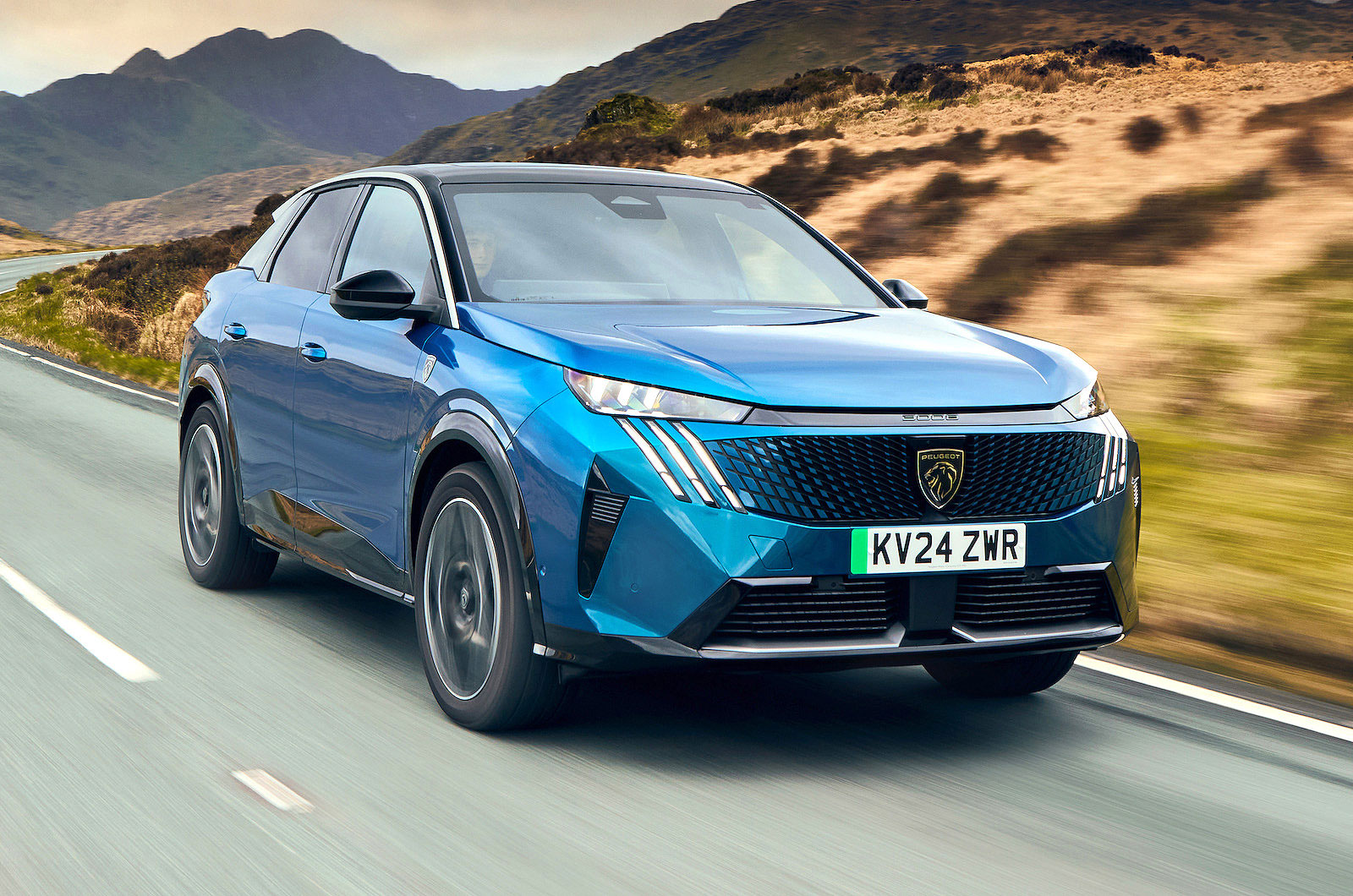
Reliability rating 86.4%
Most common faults: brakes 9%, bodywork 6%, motor electrics 6%, sat-nav/infotainment system 6%, steering 6%, air-con 3%, 12-volt battery 3%, electric motor 3%, gearbox 3%, non-motor electrics 3%, suspension 3%
Average repair cost: 100% £0
Typical time off road: 50% more than a week, 35% one day or less
The latest e-3008 is a 'fastback' SUV with a sloping roofline. it's the third incarnation of the 3008, which started life as an MPV before transforming into an SUV and then into its current form. It has a smart interior, competitive charging speeds of 160kW and a good range of up to 435 miles for the Long Range version. However, some rivals beat it for comfort, space and practicality.
Although 41% of the e-3008s we were told about had a problem, all of the affected cars could still be driven. Issues occurred in a range of areas from the braking sysem to the steering.
Owners were well looked after when things did go wrong, though. Peugeot paid for all remedial work and half of the cars with problems were fixed in less than a week.
Peugeot e-3008 review
8. Mercedes EQC (2019-2024)
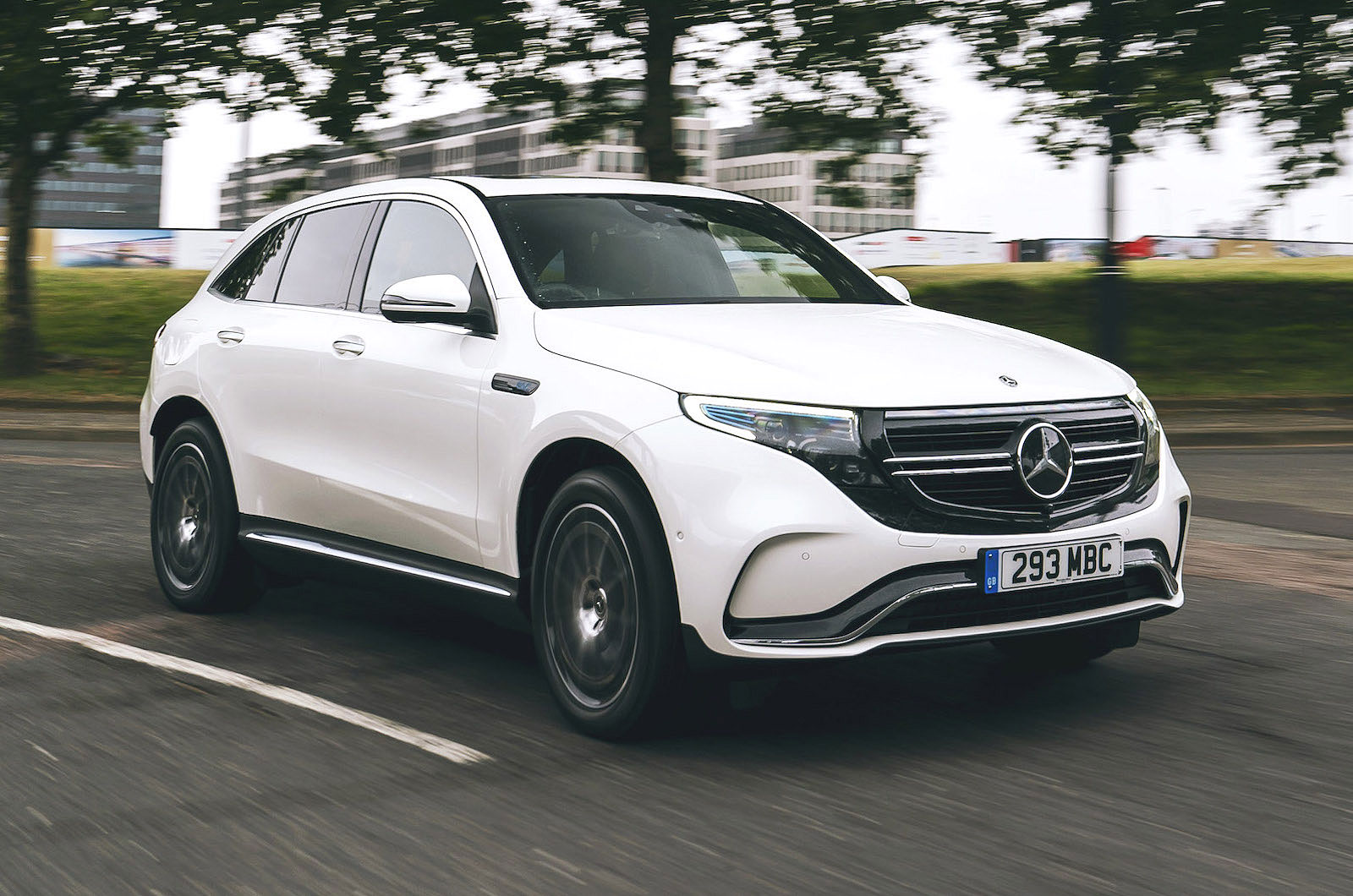
Reliability rating 86.5%
Most common faults: battery pack 18%, electric motor 12%, bodywork 6%, interior trim 6%, non-motor electrics 6%, sat-nav/infotainment system 6%
Average repair cost: 100% £0
Typical time off road: 50% one day to a week, 40% more than a week
The used-only EQC large SUV was Mercedes' first built-from-scratch electric vehicle. It' a refined long-distance cruiser with plenty of power, but its official range of 255 miles isn't as good as the similarly priced and more widely available Jaguar I-Pace, nor does it handle as well as that rival.
The EQC's 24% fault rate is pretty low, and it's great to see that Mercedes covered the cost of all remedial work. It's just a shame that 40% of cars with faults were in the garage for more than seven days.
Mercedes EQC review
9. BMW iX1 (2021-2025)
Reliability rating 86.8%
Most common faults: sat-nav/infotainment system 13%, 12-volt battery 6%, charging system 6%, electric motor 6%, steering 10%, interior trim 7%, bodywork 3%, brakes 3%, motor electrics 3%, charging system 3%, non-motor electrics 3%, suspension 3%
Average repair cost: 100% £0
Typical time off road: 63% more than a week, 25% one day or less
If you think the iX1 has an uncanny resemblance to the conventionally powered BMW X1, you wouldn't be far wrong. They do look almost identical, aside from the EVs closed-off grille and blue trim highlights. That's because the iX1 is a variant of the X1. That's no bad thing, because that means it has great performance and an intuitive infotainment system. However, it's let down by a firm ride and so-so range between charges.
Its fault rate of 19% is pretty low, but two-thirds of faulty cars couldn't be driven, and nearly two-thirds took more than a week to fix, adding to the inconvenience factor for owners. At least BMW paid for all the necessary repairs, though.
BMW iX1 review
10. Genesis GV60 (2022-present)
Reliability rating 87.3%
Most common faults: sat-nav/infotainment system 11%, 12-volt battery 6%, battery pack 6%, bodywork 6%, electric motor 6%, charging system 6%, gearbox 6%, non-motor electrics 6%
Average repair cost: 100% £0
Typical time off road: 77% more than a week, 11% one day to a week
The GV60 has been hailed by our road test team as the best effort yet by Hyundai's luxury brand Genesis. It is closely related to the Hyundai Ioniq 5 and Kia EV6, and it has quick charging speeds, intuitive infotainment system and generous equipment list. It's not as practical as some rivals, though, and its range isn't the longest in its class.
Although 39% of the cars reported on had a problem, two-thirds of them could still be driven. The infotainment and batteries were the main bugbears. It's good to see that all fixes were done for free, but a shame that three-quarters took more than a week to implement.
Reliability of electric SUVs aged up to five years old
| Rank | Make and model | Score |
| 1 | Kia EV3 (2024-present) | 100.0% |
| 2 | Renault Scenic (2024-present) | 97.5% |
| 3 | Tesla Model Y (2021-present) | 97.1% |
| 4 | BMW iX3 (2021-2025) | 95.5% |
| 5 | Vauxhall Combo Life Electric (2022-present) | 95.3% |
| 6 | Volvo EC40 (2021-present) | 94.5% |
| 7 | Kia Soul (2020-2025) | 94.2% |
| 8 | Mercedes EQA (2021-present) | 94.1% |
| 9 | Hyundai Kona Electric (2018-2023) | 92.8% |
| 10 | Kia e-Niro (2019-2022) | 92.3% |
| 11 | Kia Niro EV (2022-present) | 92.2% |
| 12 | Peugeot e-2008 (2019-present) | 92.0% |
| 13 | Vauxhall Mokka Electric (2020-present) | 91.7% |
| 14 | Skoda Enyaq (2021-present) | 91.3% |
| 15 | Volvo EX30 (2023-present) | 90.6% |
| 16 | Audi Q4 e-tron (2021-present) | 90.4% |
| 17 | Kia EV6 (2021-present) | 89.5% |
| 18 | Genesis GV60 (2022-present) | 87.3% |
| 19 | 2021-2025 BMW iX1 | 86.8% |
| 20 | 2019-2024 Mercedes EQC | 86.5% |
| 21 | Peugeot e-3008 (2023-present) | 86.4% |
| 22 | Jaguar I-Pace (2018-2024) | 86.0% |
| 23 | 2019-2022 Audi E-tron | 84.4% |
| 24 | 2019-2025 MG ZS EV | 81.8% |
| 25 | BMW iX (2021-present) | 81.0% |
| 26 | Nissan Ariya (2022-present) | 80.9% |
| 27 | Volkswagen ID 4 (2021-present) | 79.6% |
To read the reliability data for other car classes follow these links:
Most and least reliable cars overall
Most reliable car brands
Most reliable small cars
Most reliable family cars
Most reliable executive cars
Most reliable luxury cars
Most reliable small SUVs
Most reliable family SUVs
Most reliable large SUVs
Most reliavle seven-seaters
Most reliable electric cars
Most reliable sports cars
Most reliable diesel cars
Most reliable petrol cars
Most reliable hybrid cars
How the research was carried out
The latest What Car? Reliability Survey gained 29,967 responses and that enabled us to report on 199 models (up to five years old) from 31 different brands.
To compile the survey, conducted in association with MotorEasy, we ask thousands of car owners to tell us how well their cars had behaved over the previous 24 months.
For every car that has suffered a fault, we ask in what area the issue occurred, plus how much it cost to repair and how long it spent in the workshop. This information is used to create a reliability rating for each model and brand where we have a large enough response rate.
About the report author
Claire Evans has been a motoring journalist for more than 30 years with a focus on consumer issues for much of that time. She was the advice columnist for Carweek magazine in the 1990s, and also spent six years working on motoring content for Which?.
Claire launched the What Car? Reliability Survey in 2017, and since then has helped thousands of buyers choose the most reliable new cars and SUVs, as well as the most dependable used cars.