What Car? Reliability Survey: Most and least reliable executive cars
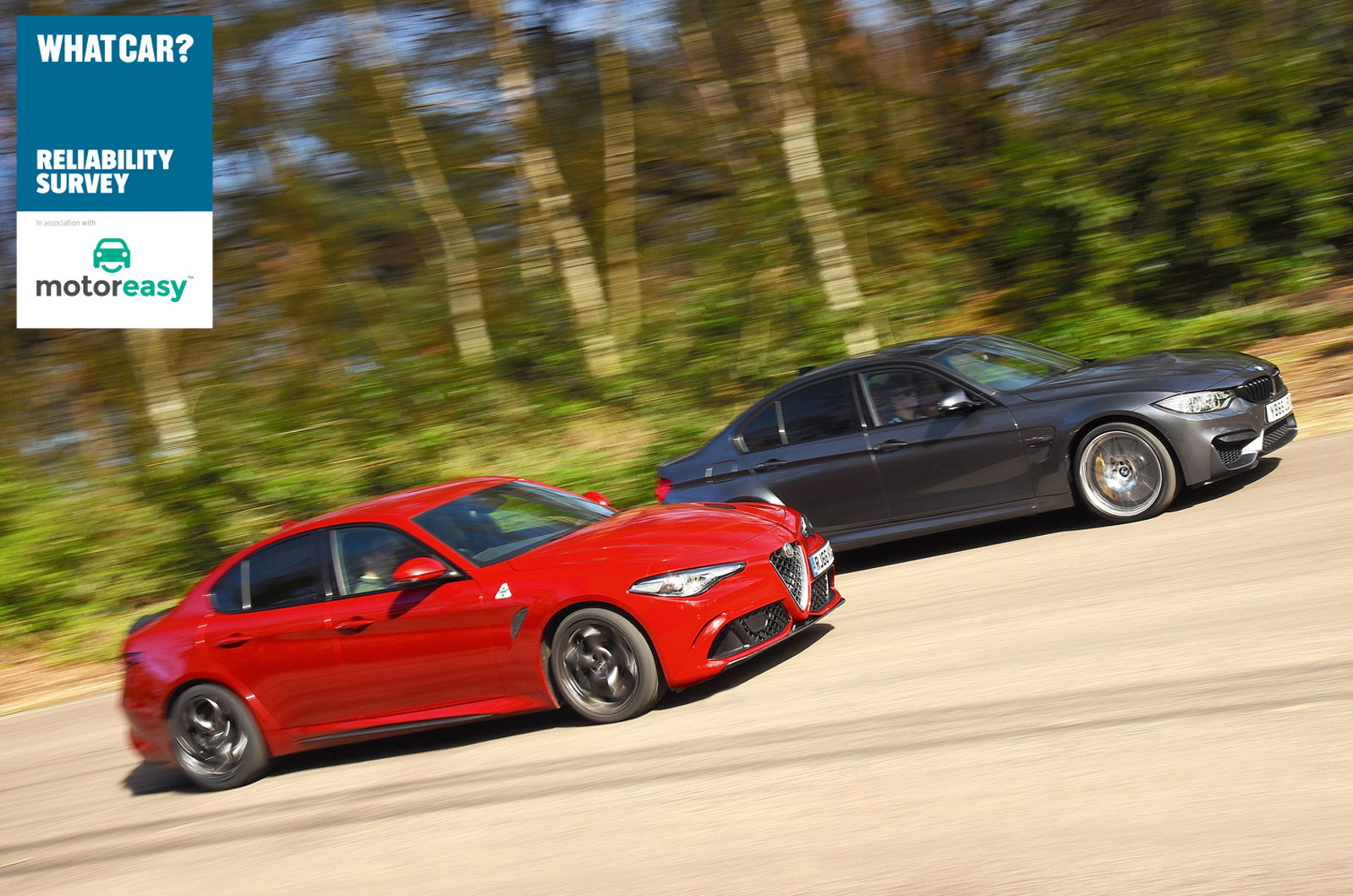
Executive cars are status symbols that tell the world you've reached a certain standard in your working life. They're usually medium or large saloons or estates with premium badges and lots of electrical goodies.
While they're good-looking and generally great to drive, they have a lot of kit that could go wrong, and being stuck at the roadside waiting for a breakdown truck isn't going to do your image any good – so you need to pick your executive express with care.
Data from our Reliability Survey, conducted in association with MotorEasy, shows that some executive cars fall well short of the standard you might expect. Although the average score for the class has risen from 89.4% to 91.3% this year, it sits in seventh place out of our 11 car classes, behind family hatchbacks and SUVs and luxury cars.
Electrical issues, including problems with the air-con and infotainment systems, were the most common complaints of executive car owners, and diesel-engined models often had more faults than their petrol counterparts.


The Alfa Romeo Giulia is the shining star of the executive class, and the Mercedes C-Class, in saloon and estate form, is the most problematic. The car reliability data reported on here covers cars aged up to five years old.
The 2026 What Car? Reliability Survey is live, tell us about your car now
Most reliable executive cars
1. Alfa Romeo Giulia (2016-present)
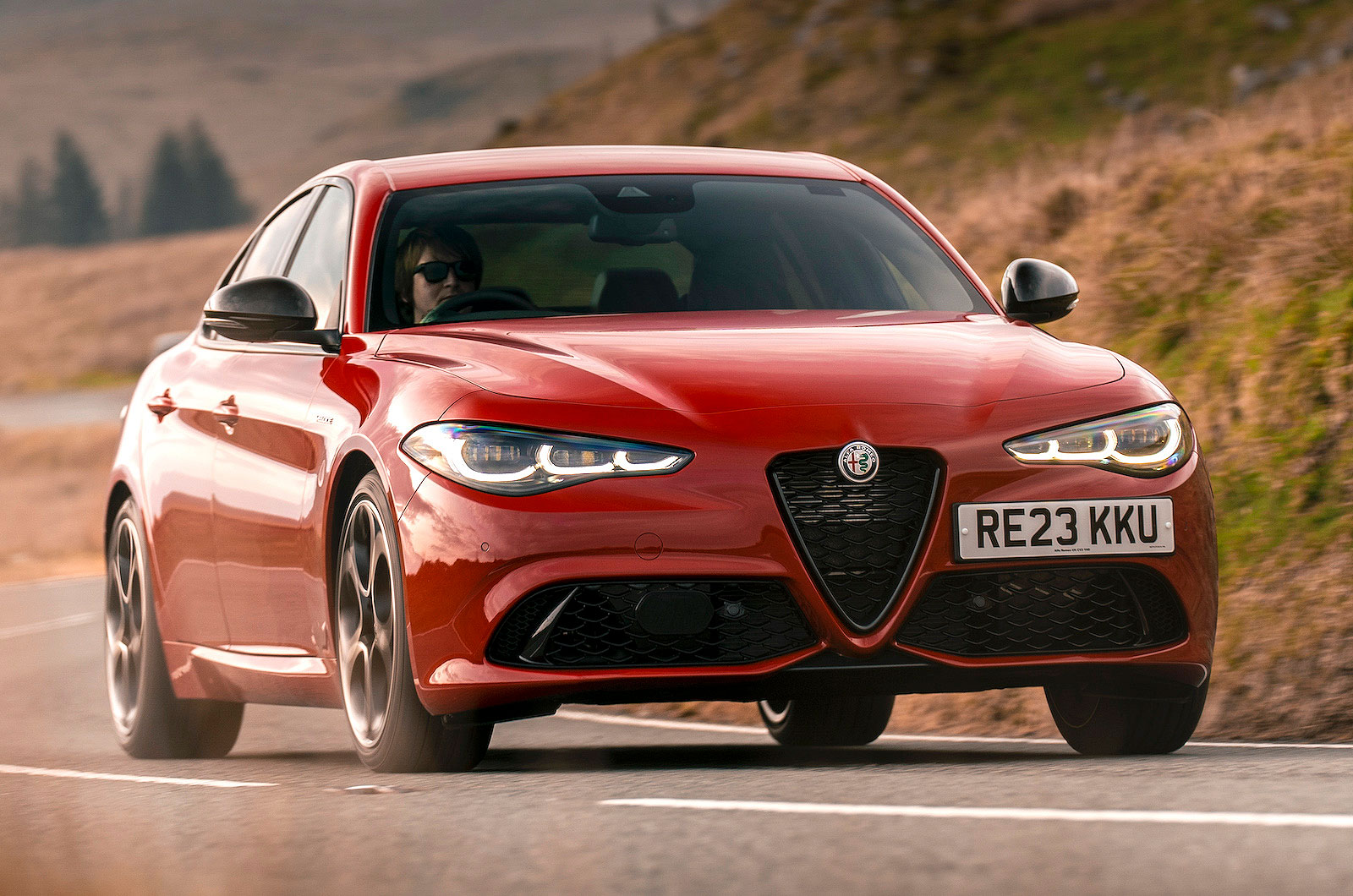
Reliability rating 98.2%
Most common faults: Bodywork 2%, brakes 2%, interior trim 2%, non-engine electrics 2%
Average repair cost: £0
Typical time off road: 50% one day to a week, 25% one day or less, 25% more than a week
The Alfa Giulia is a great-looking car, and the 2.0 petrol unit is a fantastic engine, making it an appealing alternative to its German rivals. It's not the most practical executive saloon, and it's not offered with any hybridisation to lower costs for company car drivers, but it has plenty of appeal for private buyers.
A terrific performance from the Giulia has helped to take Alfa Romeo from second-last place last year to midway up the manufacturer rankings this year. Only 9% of the Giulias that owners told us about suffered any glitches, and all those that did were put right for free.
Problem areas included the bodywork, brakes, interior trim and non-engine electrics, but three-quarters of the affected cars could still be driven. Overall, 25% of faulty Giulias were put right in a day or less, 50% took up to a week and the rest spent more than a week in the workshop.
Owner’s view: “My car feels well made and it’s been reliable so far. It’s the best Alfa Romeo I’ve ever bought.”
=2. BMW 3 Series petrol (2019-present)
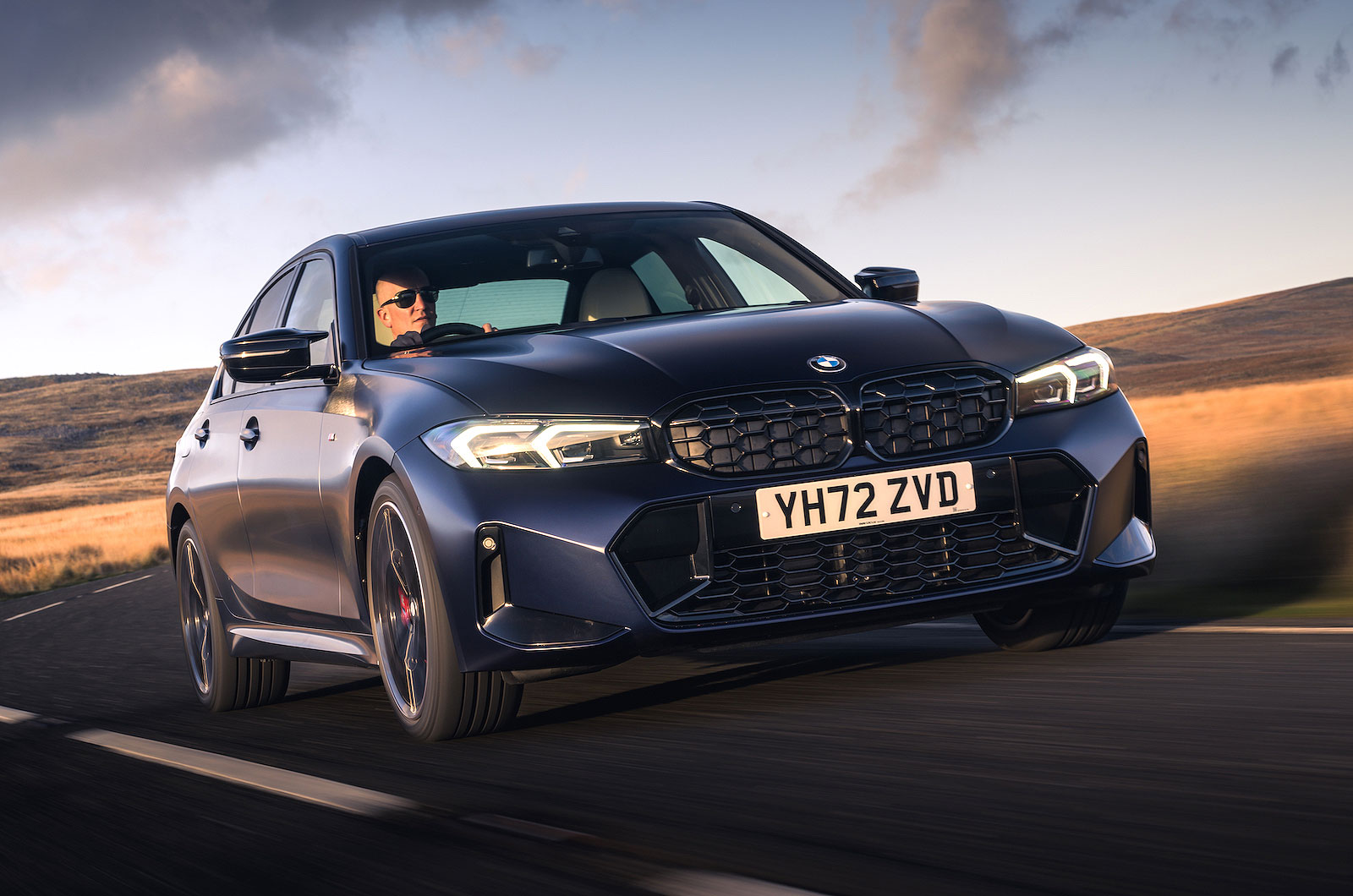
Reliability rating 98.0%
Most common faults: 12-volt battery 1%, engine 1%, engine electrics 1%, interior trim 1%. non-engine electrics 1%, suspension 1%
Average repair cost: £0
Typical time off road: 56% one day to a week, 44% more than a week
The seventh-generation 3 Series carries on the great tradition of its predecessors by offering keen motorists an excellent blend of driving enjoyment and handling prowess. The petrol-powered 320i may be the entry-level model in the line-up, but it can go from 0-62mph in 7.4 secs, making it perky enough for most situations, so it's our top choice for private buyers.
And, if you’re after a reliable 3 Series, we’d recommend sticking with a petrol model because they’re the least likely to go wrong. Only 6% of petrol cars had issues, compared with 26% of plug-in hybrid (PHEVs) and 27% of diesels.
All conventional petrol 3 Series models were also fixed for free, while the car maker covered the costs for only 75% of 330e PHEVs and 80% of diesel models. Only the speed of repairs was worse for petrol models; while 30% of diesels and 31% of 330es were back on the road in a day or less, only 14% of petrol cars were fixed this quickly.
=2. Skoda Superb diesel (2015-2024)
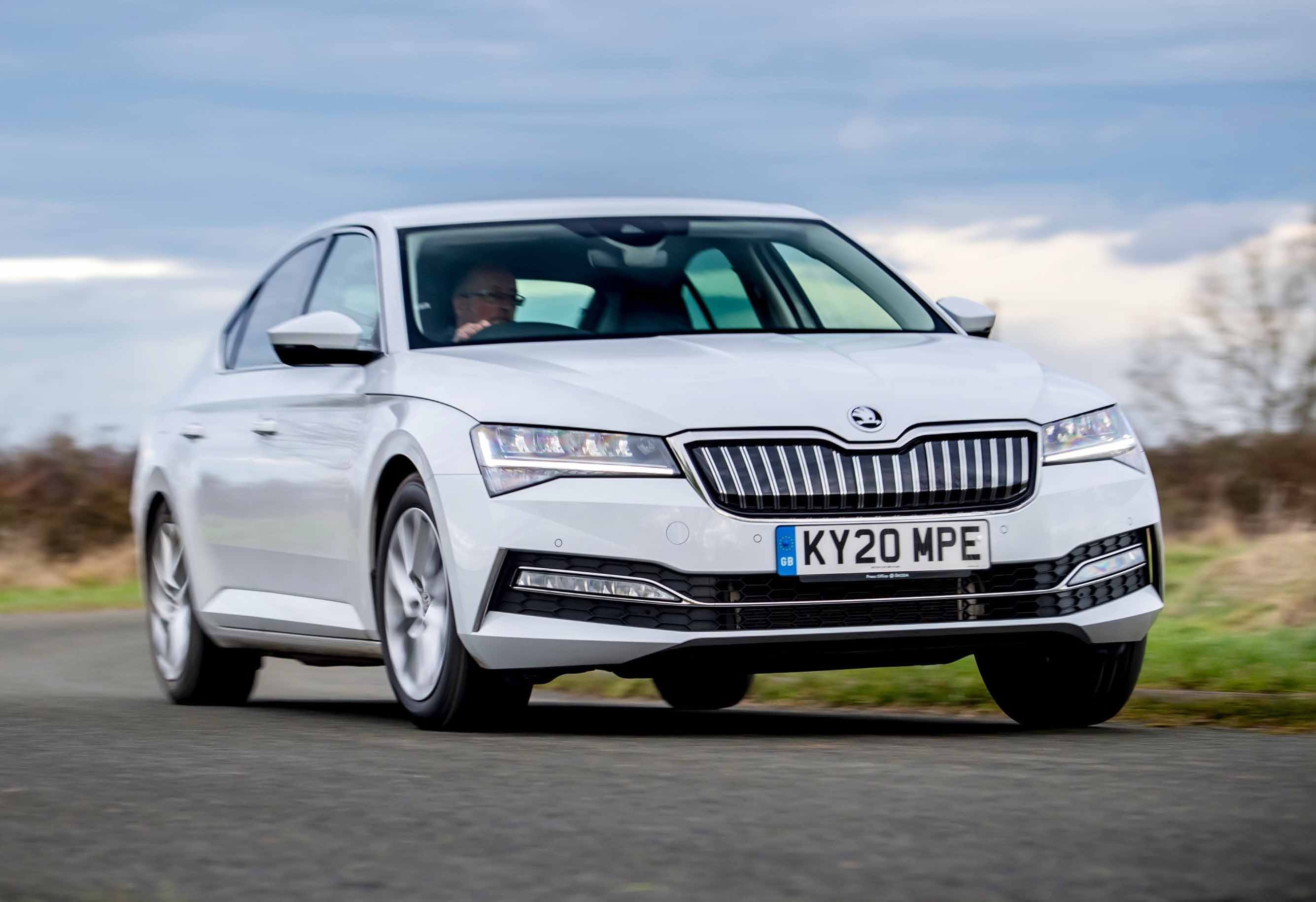
Reliability rating 98.0%
Most common faults: Exhaust 12%, 12-volt battery 6%
Average repair cost: £0
Typical time off road: 67% one day or less, 33% one day to a week
The previous-generation Superb is comfortable, well-equipped and great value as a secondhand buy. It's not the last word in driving enjoyment, but it handles well and is a refined motorway cruiser. Diesel models are frugal, especially the 148bhp 2.0-litre version, which has an official economy figure of 55.4mpg.
In contrast to the BMW 3 Series, it’s the diesel versions of the Superb that have fewer faults, plus they’re both quicker and cheaper to repair. Owners told us that 18% of diesel Superbs went wrong, compared with 40% of petrol models. The exhaust system and 12-volt battery were the main troublemakers, with 67% of affected cars in and out of the workshop in a day or less, beating the 40% figure for petrol-engined models. Skoda also footed the bills to repair all the issues with diesel models, whereas it wasn’t so generous with petrol cars.
4. Mercedes E-Class (2016-2024)
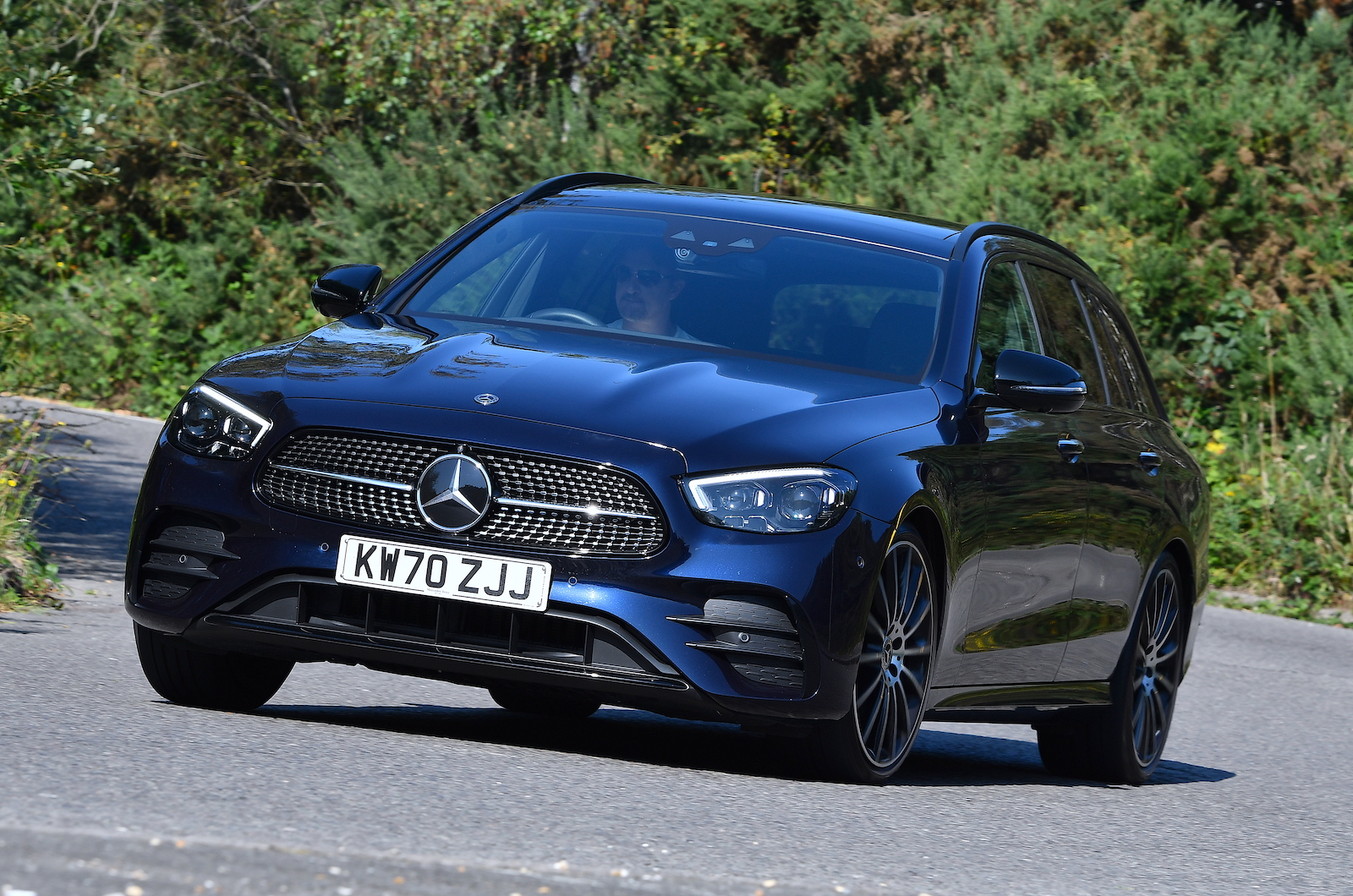
Reliability rating 97.3%
Most common faults: non-engine electrics 8%, brakes 4%
Average repair cost: £0
Typical time off road: 25% one day or less, 50% one day to a week, 25% more than a week
The previous generation of the E-Class was available as an executive saloon and an estate, and both bodystyles are ageing well. It is elegant, classy, well-equipped and good to drive.
It's also proving more robust than many rivals, too. Overall, only 16% of the cars reported on went wrong, and all those affected could still be driven. Mercedes did a good job of looking after customers by picking up the tab for all repair bills, and the only negative is that getting things sorted out could be a slow process. Only a quarter of cars with problems were remedied in 24 hours or less, most took up to a week, and a further quarter were off the road for more than seven days.
5. BMW 5 Series petrol (2017-2023)
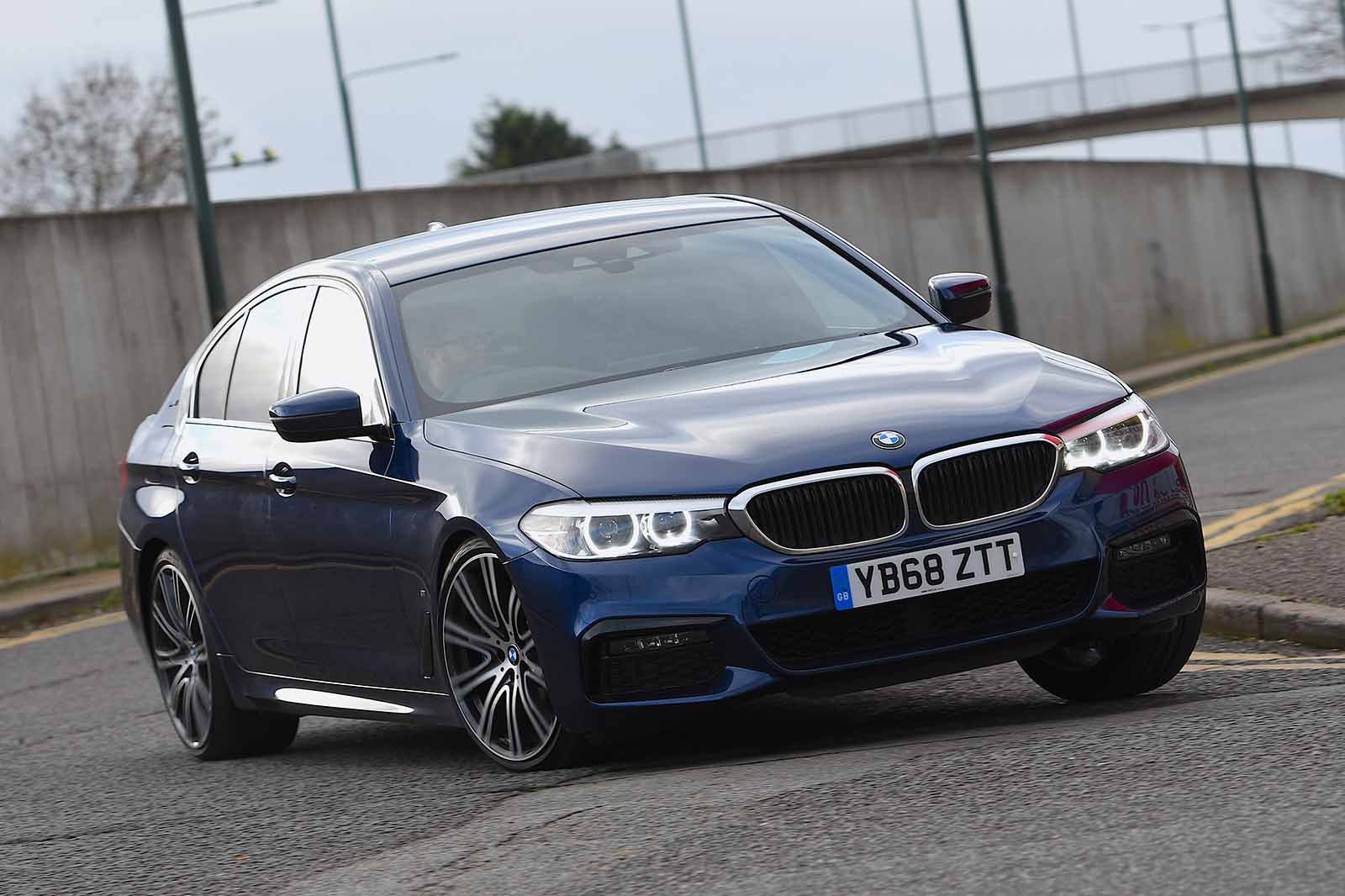
Reliability rating 96.4%
Most common faults: Suspension 7%, non-engine electrics 3%, sat-nav/infotainment system 3%, steering 3%
Average repair cost: 67% £0, 33% £201-£300
Typical time off road: 80% one day to a week, 20% more than a week
The seventh-generation 5 Series is one of the best used luxury cars you can buy. In fact, it was so good when it was launched in 2017 that we crowned it What Car? Car of the Year. It provides a superb combination of driving prowess, comfortand economy, and has possibly the best-sorted interior of any executive model.
The petrol 5 Series is looking a lot more robust than its diesel siblings. Only 14% of petrol 5s had any issues, compared with 33% of diesels. While many of the problem areas were the same between both fuel types, diesel cars also had troubles with engine electrics and their exhaust systems.
Petrol car problems were sorted out swiftly - four out of five cars were put right in less than a week. It's a shame that BMW only covered the cost of two-thirds of bills, though.
6. Hyundai Ioniq 6 (2022-present)
Reliability rating 95.9%
Most common faults: Bodywork 6%, sat-nav/infotainment system 5%
Average repair cost: £0
Typical time off road: 50% one day to a week, 50% more than a week
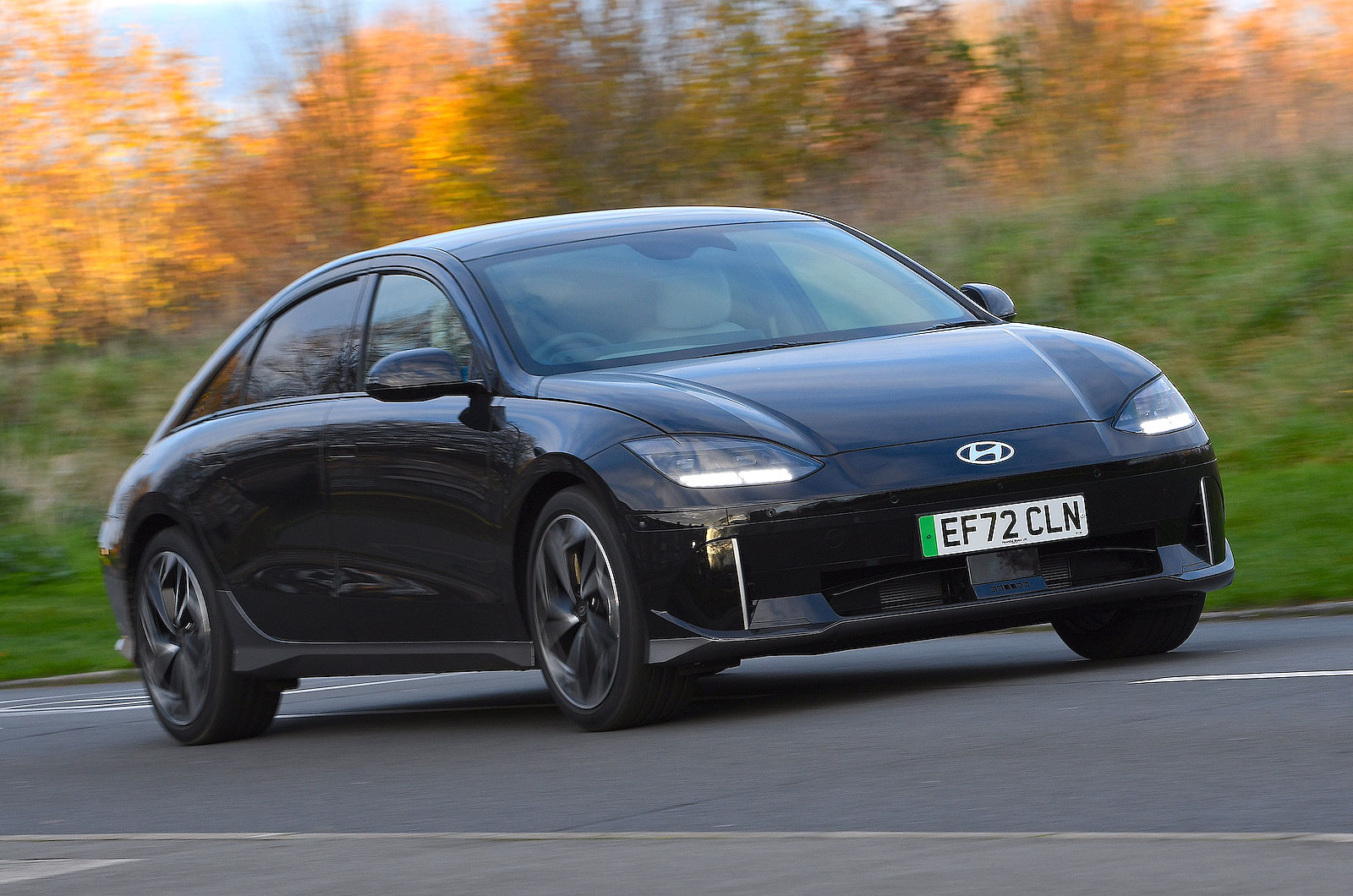
The Ioniq 6 is based on the same underpinnings as the taller Hyundai Ioniq 5 and shares some of that model's styling cues, including the distinctive pixel-look lights. However, the Hyundai designers have done a great job in making it look very different from its more sensible stablemate, turning it into a four-door coupé with a sleek silhouette. It has a hushed ride and the ability to be charged at up to 220kW.
It's also proving reliable so far, too. Only 11% of the car we were told about had any glitches and none of them rendered any cars undriveable. Although repair work wasn't done quickly — half of the cars with problems were in the garage for more than a week — Hyundai paid for all necessary work.
7. Jaguar XE (2015-2024)
Reliability rating 95.7%
Most common faults: Brakes 6%, engine 6%, fuel system 6%, gearbox 6%
Average repair cost: £0
Typical time off road: 50% one day to a week, 50% more than a week
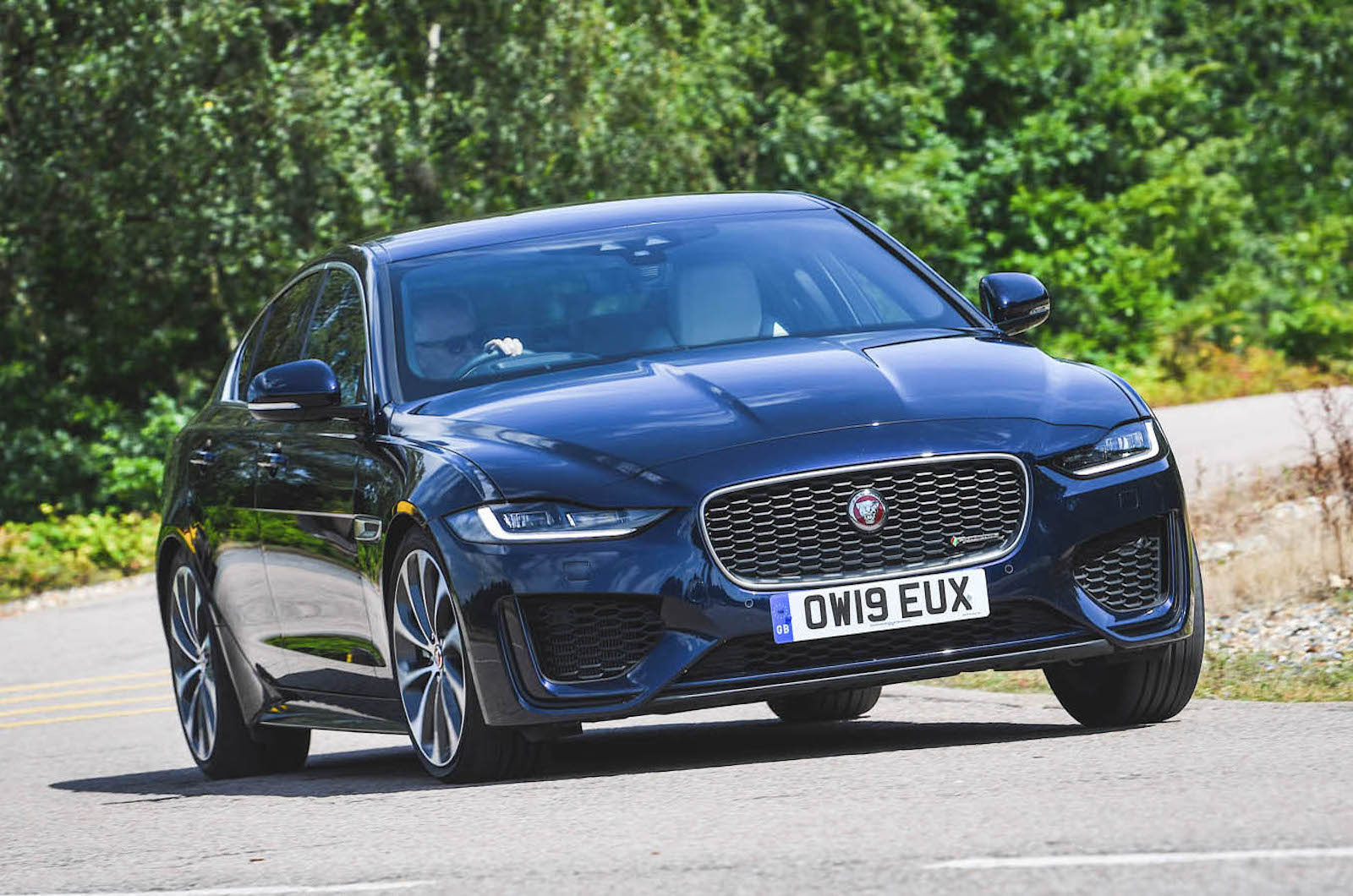
The XE is Jaguar's answer to the Audi A4, BMW 3 Series and Mercedes C-Class. While those three models take up most of the limelight, the XE is also worth a look because it has keen handling, lots of equipment, and secondhand values are lower than its rivals, making it surprisingly affordable to buy.
The XE may be the smallest model in the Jaguar line-up, but it is also the brand's highest scorer in this year's survey, making it an appealing used buy. Although 22% of the examples we were told about went wrong, most problems were minor and all the affected cars could still be driven.
No cars were fixed within a day, though, and half were out action for more than a week. At least the car maker picked up the tab for all the work.
8. Jaguar XF (2015-2024)
Reliability rating 95.4%
Most common faults: Engine 5%, interior trim 5%, non-engine electrics 5%, sat-nav/infotainment system 5%
Average repair cost: 67% £0, 33% £301-£500
Typical time off road: 50% one day to a week, 25% one day or less, 25% more than a week
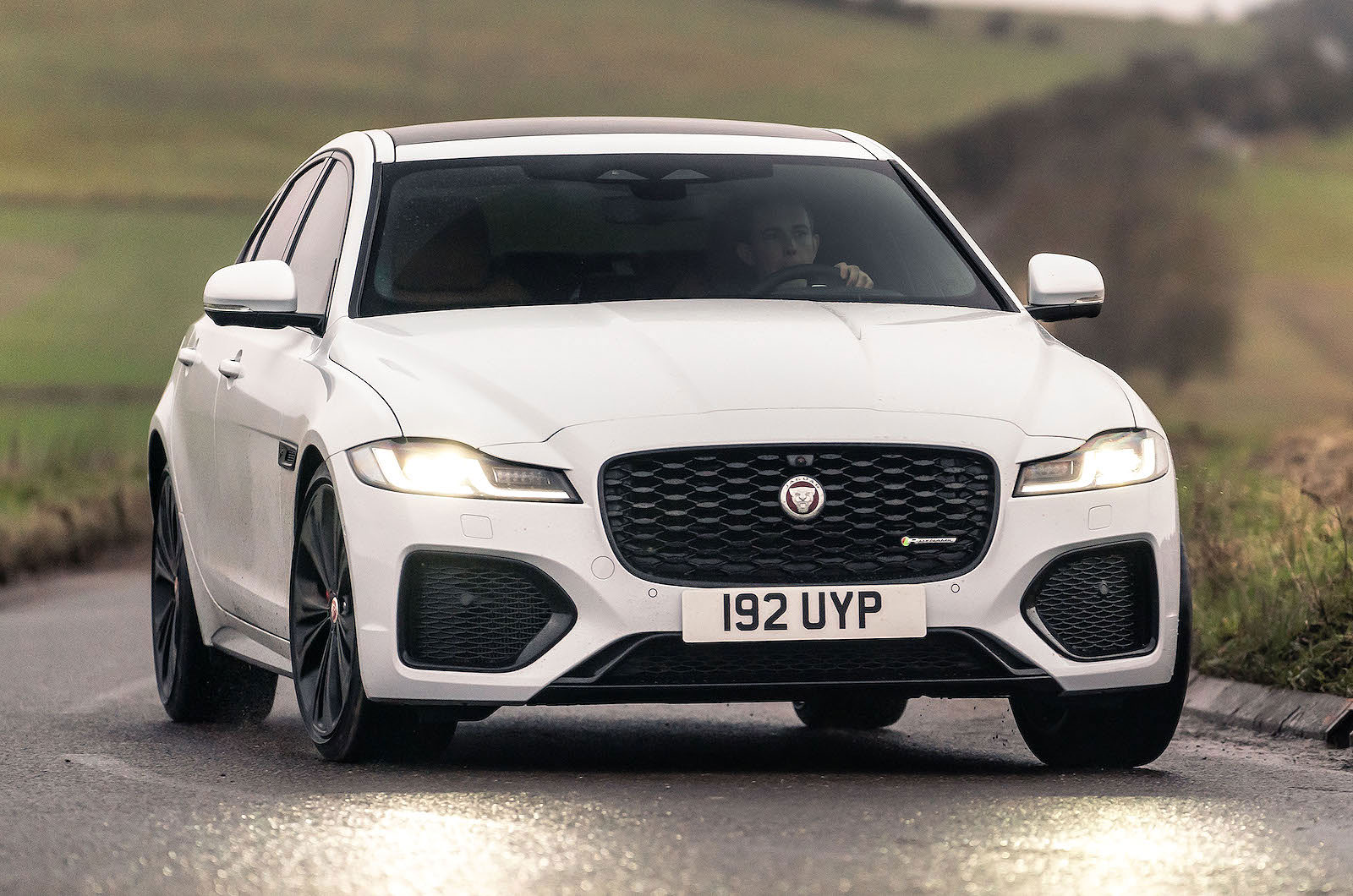
A stylish and sharp-driving luxury car, this second-generation version of the XF offers arrestingly suave looks allied to a slick and rewarding driving experience. It is predominantly made of aluminium, making it lighter and leaner than its predecessor, and it's roomier inside, too.
The XF is the second best car in the Jaguar range for reliability, and only ranks below the XE because the car company didn't cover the cost of all fixes. Only 14% of the cars in our survey had any issues, and all remained driveable. Problem areas ranged from the engine to the infotainment system.
Half of the issues were put right in a day or less, and only a quarter of cars were stuck in the workshop for more than a week. It's a shame that Jaguar only paid for two-thirds of remedial work, though, leaving the other car owners with bills of up to £500 per fault.
9. Volkswagen Passat (2015-2022)
Reliability rating 94.3%
Most common faults: Sat-nav/infotainment system 13%, engine 7%, gearbox 7%
Average repair cost: £0
Typical time off road: 40% one day or less, 20% one day to a week, 40% more than a week
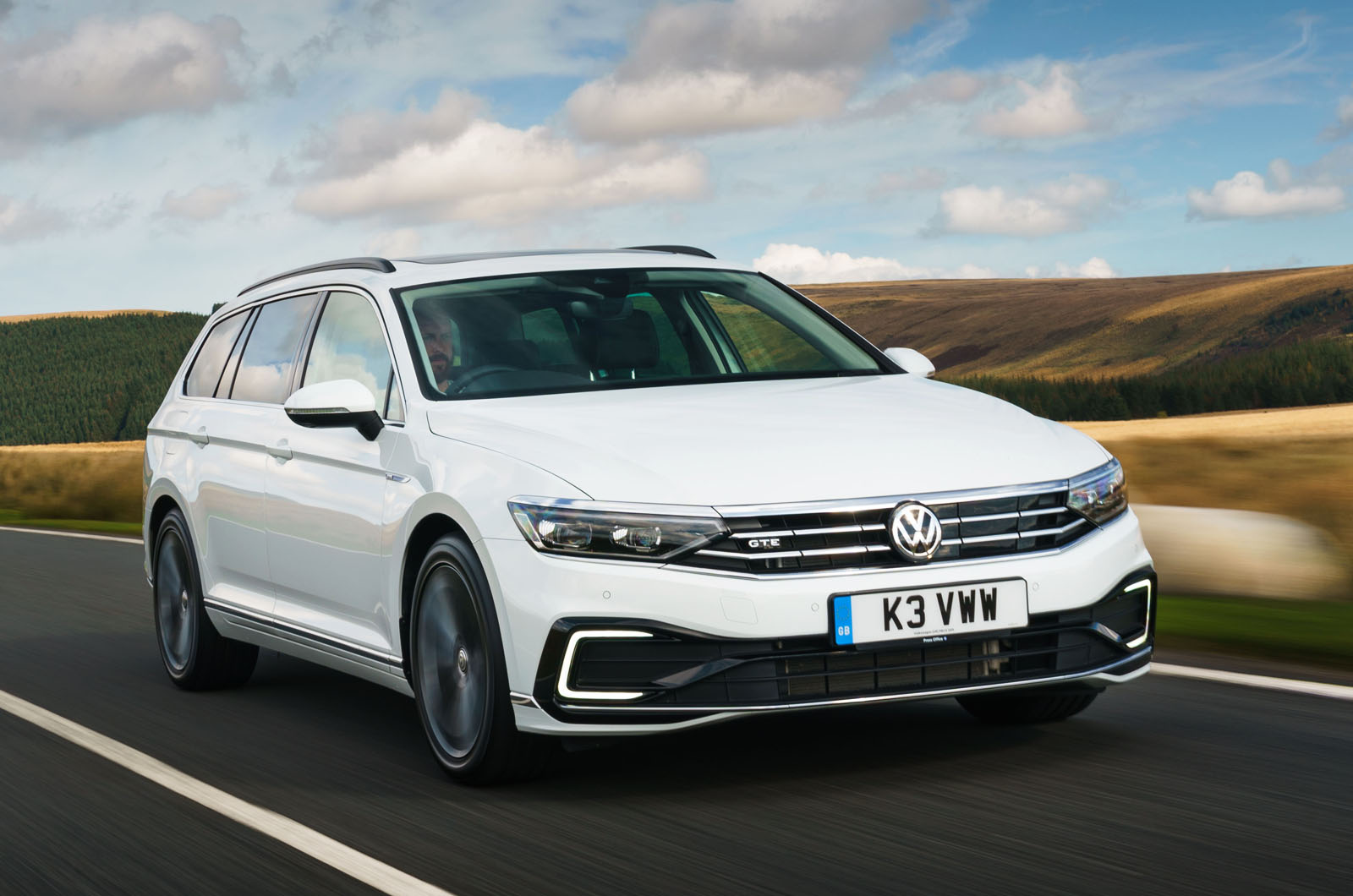
The eighth-generation Passat is a classy car that's quiet on the move and has plenty of room for five adults to travel in comfort. It's aimed more deliberately at the premium end of the market than previous versions, and it's a credible rival to the 2012-2013 BMW 3 Series and 2014-2021 Mercedes-Benz C-Class. It's available as a saloon and an estate, and our data covers both bodystyles.
The Passat has suffered a fairly high proportion of problems , though - 33% of owners told us their cars had gone wrong, the majority of them complaining about issues with the infotainment system.
Speed of fixes is patchy: 40% of cars with problems were put right in a day or less, but 40% took more than seven days to fix. The good news is that all faulty cars could still be driven, and Volkswagen paid for all the work that was needed.
10. BMW 3 Series diesel (2019-2024)
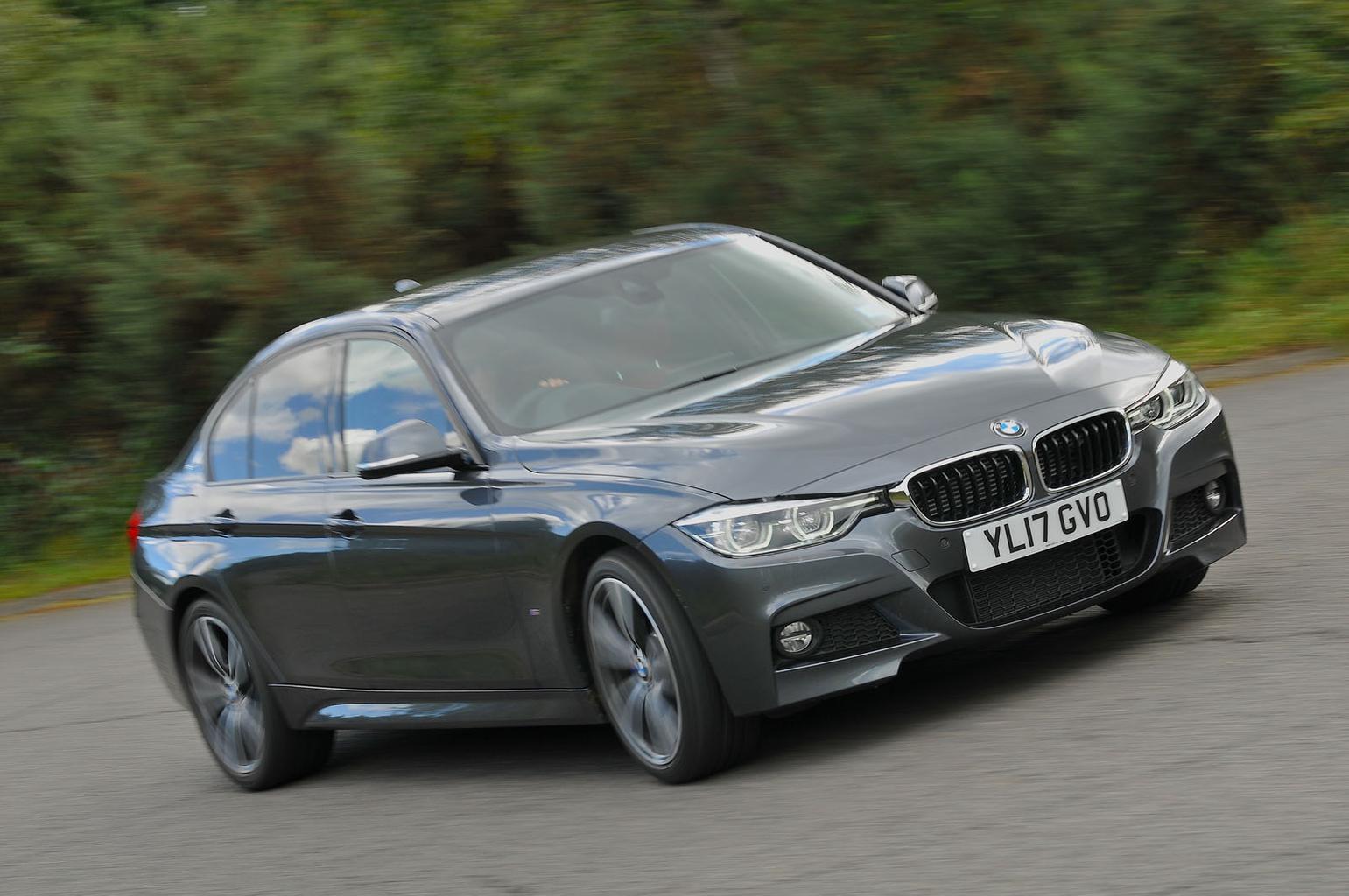
Reliability rating 94.0%
Most common faults: Engine 12%, exhaust 8%, non-engine electrics 8%, interior trim 4%, suspension 4%
Average repair cost: 80% £0, 20% £1-£50
Typical time off road: 40% one day to a week, 30% more than a week
BMW discontinued diesel-powered 3 Series models in mid-2024, shifting towards petrol, hybrid, and electric versions instead. However, the 320d remains a standout, highly efficient choice in the used market, and the more powerful 330d offers strong six-cylinder performance.
Diesel examples of the 3 Series are far more likely to go wrong than their petrol counterparts, though. In fact, 27% of the diesel 3 Series models reported on in our survey had an issue, compared with only 6% of petrols. Worryingly 12% of all faults were with the engine
Although BMW didn't cover the cost of all repair work, the one in five drivers who did have to pay only needed to find £50 or less. Getting things put right wasn't fast, though, with no cars fixed in a day or less and a third of cars in the workshop for more than a week.
Least reliable executive cars
1. Mercedes C-Class (2021-present)
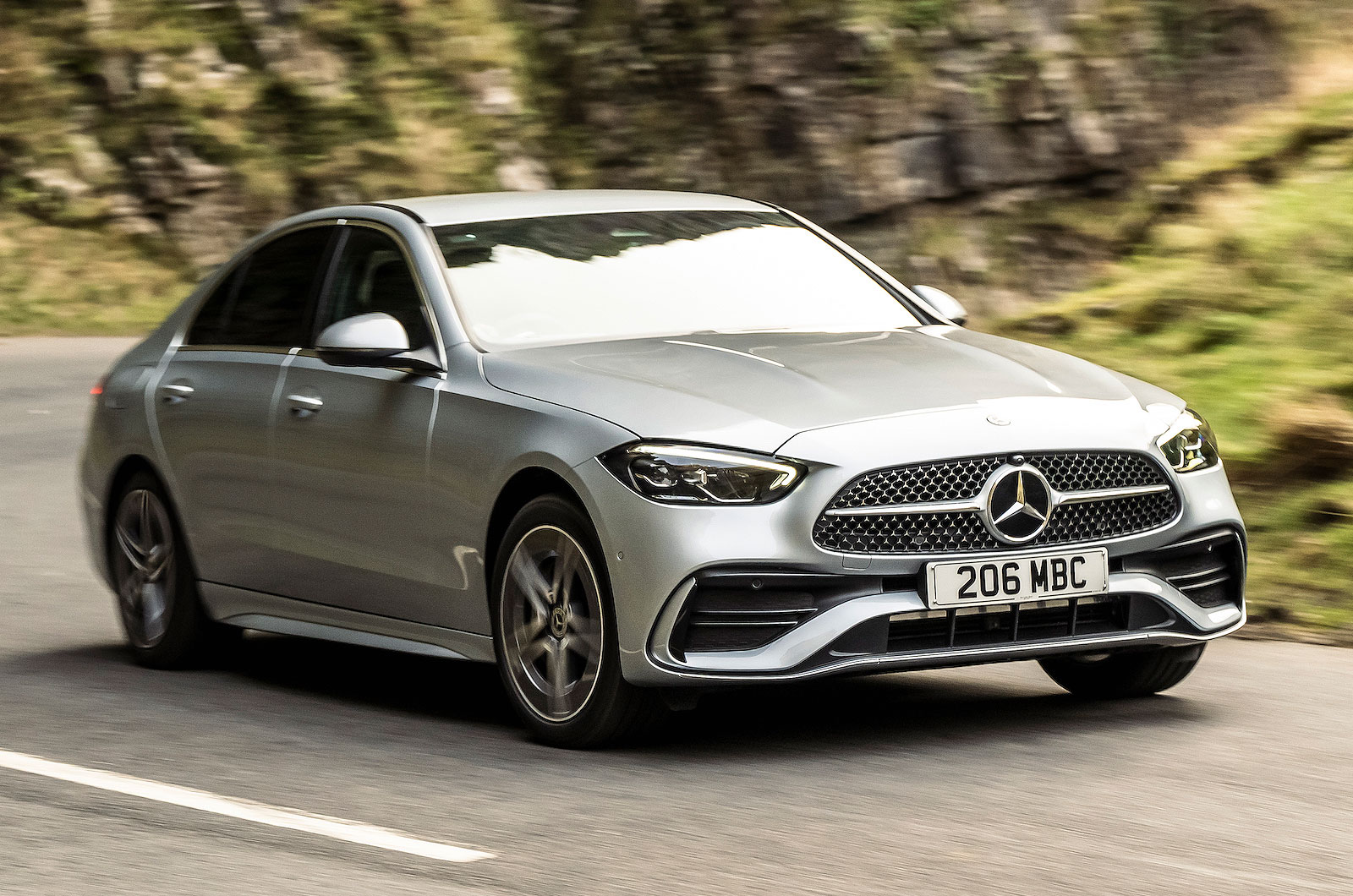
Reliability rating 76.3%
Most common faults: Engine 14%, air-con 10%, fuel system 10%, gearbox 10%, non-engine electrics 10%
Average repair cost: £0
Typical time off road: 43% more than a week, 38% one day to a week
The latest C-Class bears a strong resemblance to the S-Class luxury car, and it borrows some useful kit from its big brother, too. Among other things, it has the same hybrid technology, which makes it impressively frugal, and the same big infotainment screen as the pricier model.
The current C-Class isn’t looking as sturdy as the previous model, though; 43% of cars built from 2021 onwards had a glitch, compared with 23% for the 2014-2021 generation. Failures occurred across a range of areas, including the air-con, engine, fuel system, gearbox and non-engine electrics.
Thirty-nine percent of faults were serious enough to stop cars from being used. Only 19% of cars were put right in a day or less, and 38% were in the workshop for more than a week. At least owners were spared the expense of unexpected bills; all repairs were performed for free.
Owner's view: "My C-Class has had too many faults. Some are still not fixed, because the dealer doesn’t know what’s causing them."
2. Volvo S90 (2016-2023) and V90 (2016-present)
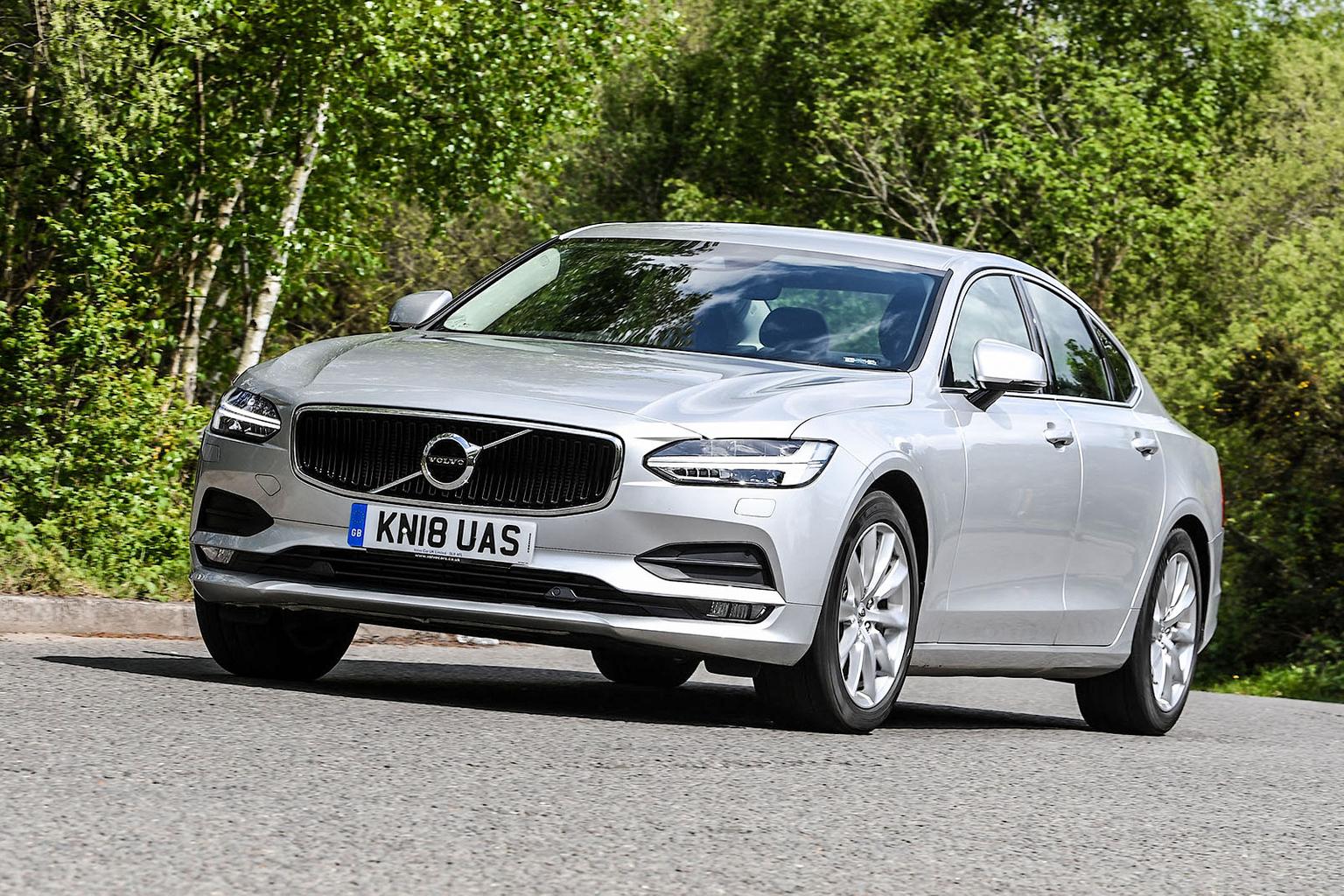
Reliability rating 76.7%
Most common faults: sat-nav/infotainment 24%, non-engine electrics 18%, 12-volt battery 12%, engine 12%,
Average repair cost: 94% £0, 6% £1-£50
Typical time off road: 45% more than a week, 18% one day to a week
It's hard to imagine a world without a Volvo estate car, and thanks to a u-turn done by the company in 2024, we don't have to yet. That's because Volvo discontinued the S90 and V90 that year, but reinstated the V90 after a few months because of a resurgence in demand.
The V90 and used-only S90 are not without their problems, though. Electrical issues appear to be the biggest weakness with infotainment defects accounting for 24% of reported faults, unspecified non-engine electrics making up another 18% and 12-volt batteries responsible for 12% of the model’s failure. Overall, 47% of the cars we were told about went wrong.
Problems put 44% of cars out of action for more than a week and prevented 28% of them from being driven. It’s reassuring, though, that Volvo covered the remedial work in 94% of cases, leaving other owners with bills of less than £50 per fault.
3. Skoda Superb petrol (2015-2024)
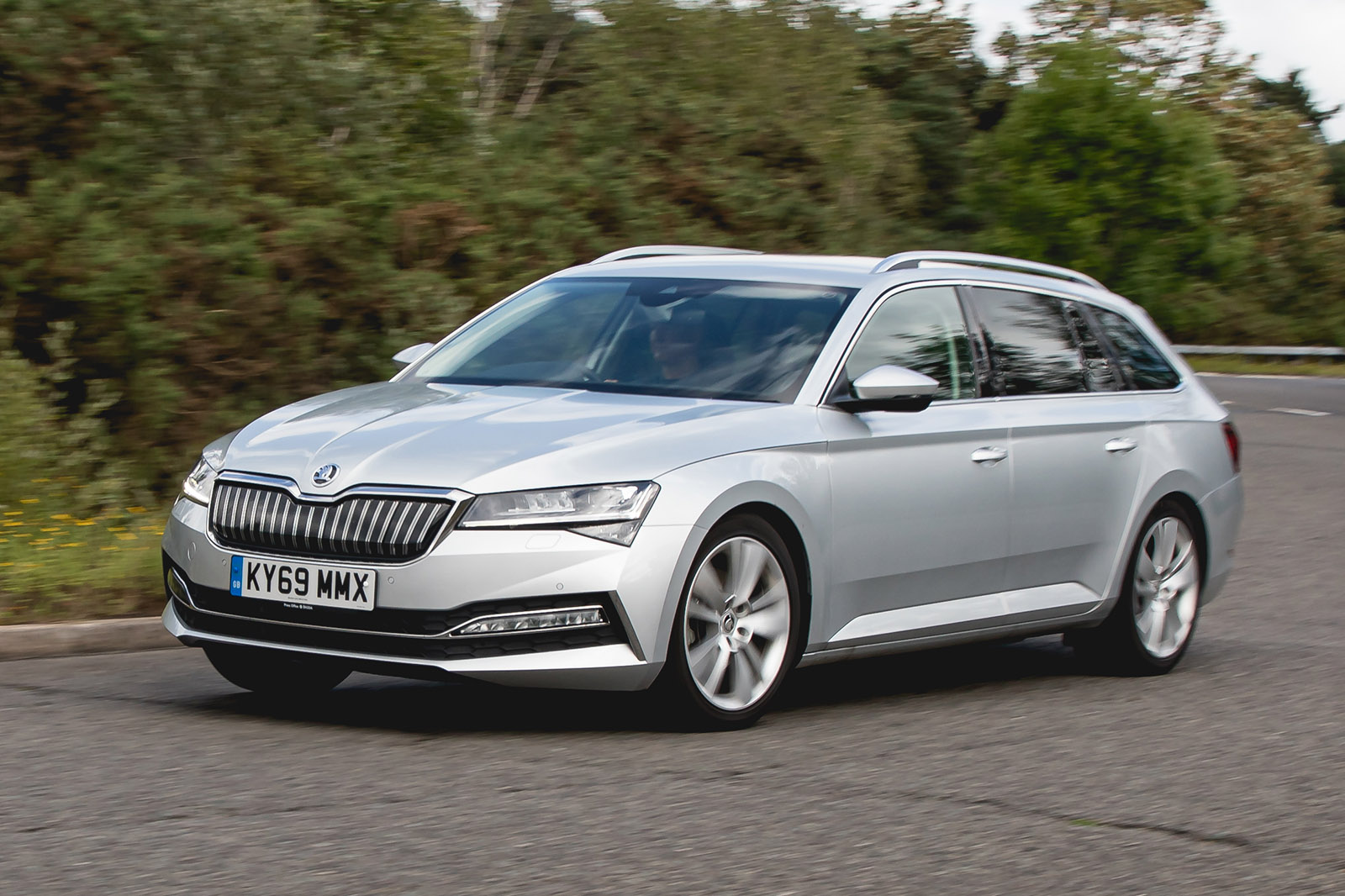
Reliability rating 81.4%
Most common faults: Sat-nav/infotainment 20%, non-engine electrics 11%, bodywork 6%, interior trim 6%
Average repair cost: 65% £0, 15% more than £1500
Typical time off road: 55% more than a week, 40% a day or less
Renowned for its ample interior dimensions, the Superb is a great car for anyone who regularly needs to transport large, bulky items or seriously values the space for passengers. Petrol engines range from the entry-level 123bhp 1.4-litre version through to 217bhp and 276bhp versions of the 2.0-litre engine. The mid-range 148bhp version (replaced with a 1.5-litre petrol with the same power output from 2018 onwards) is the most popular of this fuel type, though.
Owners told us that 40% of their petrol-engined Superbs had at least one fault, most commonly related to the electrics. The infotainment system was responsible for 20% of faults, with non-engine electrics causing a further 11%.
Further bad news is that Skoda fully covered the cost of only 65% of bills, leaving 15% of petrol Superb owners facing bills of up to £200 and the remaining 20% having to find £501 or more, and upwards of £1500 in some cases. Although 40% of cars were fixed in a day or less, 55% were out of action for more than a week.
4. Volvo S60 (2018-2023) / V60 (2018-present)
Reliability rating 85.5%
Most common faults: exhaust system 12%, engine electrics 8%, sat-nav/infotainment 8%, 12-volt battery 4%, bodywork 4%, gearbox 4%, non-engine electrics 4%
Average repair cost: 93% £0, 7% £301-£500
Typical time off road: 57% more than a week, 36% a day or less
The S60 executive saloon and V60 estate added a much-needed dash of extra style and panache to the brand's more staid-looking models, and they stand out even among such highbrow rivals as the Audi A4, the BMW 3 Series and the Mercedes C-Class. As well as those swoopy looks, both models have classy interiors and lashings of safetly equipment.
However, they are both more prone to problems than many rivals. Owners told us that 44% of their S60 and V60 models went wrong, with exhaust issues the most common complaint. There were also reports of electrical issues, including problems with the infotainment system. While it's great that Volvo and its dealers covered the cost of most remedial work, it's less impressive that more than half of the cars that went wrong were out of action for more than a week.
2018-2023 Volvo S60 / Volvo V60 (2018-present) review
5. Skoda Superb PHEV (2020-present)
Reliability rating 86.1%
Most common faults: Sat-nav/infotainment 33%, air-con 7%, bodywork 7%, exhaust system 7%, fuel system 7%, gearbox 7%
Average repair cost: 100% £0
Typical time off road: 46% more than a week, 46% a day or less
Plug-in hybrid technology was introduced to the Superb line-up at the same time as the latest generation model. Earlier versions generally have a 1.4 TSI iV petrol engine paired with a 13 kWh battery, producing 218PS, while those from 2024 onwards have a 1.5 TSI iV engine with a larger 25.7 kWh battery.
A high proportion of problems afflicted PHEV versions of the latest Superb, and a third of all issues were with the infotainment system. Although the vast majority of all cars that had any issues remained driveable, it took Skoda dealers more than seven days to fix nearly half of their ailments. Owners will be appreciative of the fact that all fixes were done for free, though.
6. BMW 330e (2016-2020)
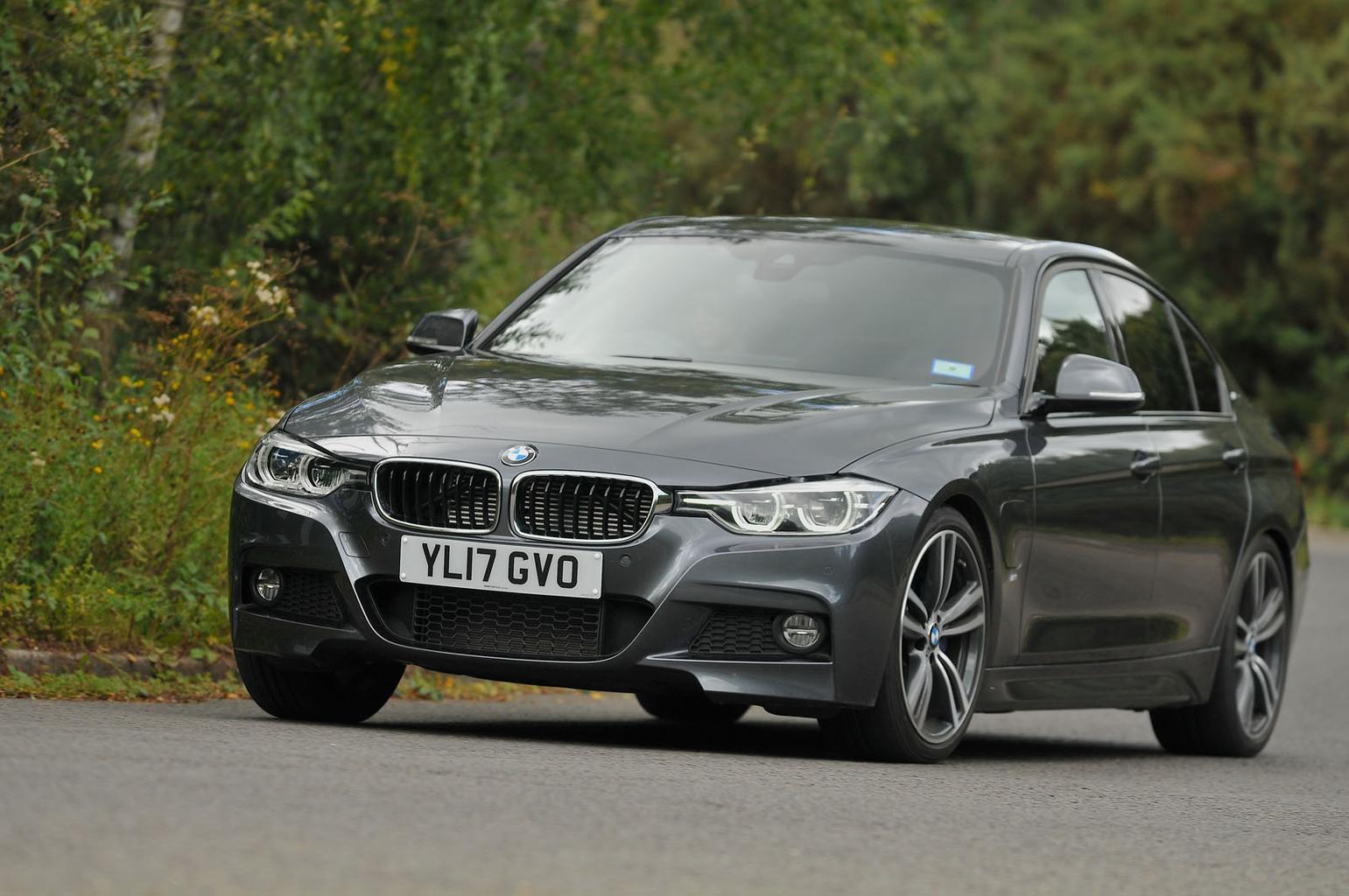
Reliability rating 87.6%
Most common faults: Hybrid battery pack 8%, engine/motor electrics 4%, gearbox 4%, 12-volt battery 2%, bodywork 2%, electric motor 2%, exhaust system 2%, sat-nav/infotainment 2%, suspensoin 2%
Average repair cost: 75% £0, 19% more than £1500
Typical time off road: 43% more than a week, 32% a day or less
The 3 Series has long been one of the best all-round executive cars thanks to its combination of agile handling, impressive pace and a well-appointed, classy interior. The 330e can officially do 30 miles on pure electric power, which should be adequate for most daily commutes, and it achieves close to 40mpg when the batteries have been depleted.
According to owners, 26% of the 330es reported on in our survey had a glitch, and the hybrid battery pack was the main culprit. That's not a concern, but the fact that BMW only paid for three-quarters of the necessary repairs is more of a worry because that left some people with bills exceeding £1500. Getting things put right wasn't always that quick, either - 43% of cars were in the workshop for more than a week.
7. Polestar 2 (2020-present)
Reliability rating 88.2%
Most common faults: Non-engine electrics 16%, sat-nav/infotainment 12%, EV battery pack 10%, 12-volt battery 8%, interior trim 8%, air-con 4%, bodywork 4%
Average repair cost: 100% £0
Typical time off road: 33% a day or less, 36% more than a week
While most used car buyers looking for a fully electric executive car end up with a Tesla Model 3, those who want to stand out from the crowd may prefer the Polestar 2. The entry-level Standard Range Single Motor version can officially do up to 344 miles on a charge, and the Long Range Single Motor 408 miles - the former is better than a comparable Model 3, and the latter slightly less. It also has a classier interior than the Tesla.
The fault rate for the Polestar 2 is pretty high at 41%, with electrical problems being the most common causes of complaint. It's reassuring to see that the car maker covered the cost of putting things right in all instances, but a shame that a third of faulty cars were in the dealership for more than a week.
8. Mercedes C-Class (2014-2021)
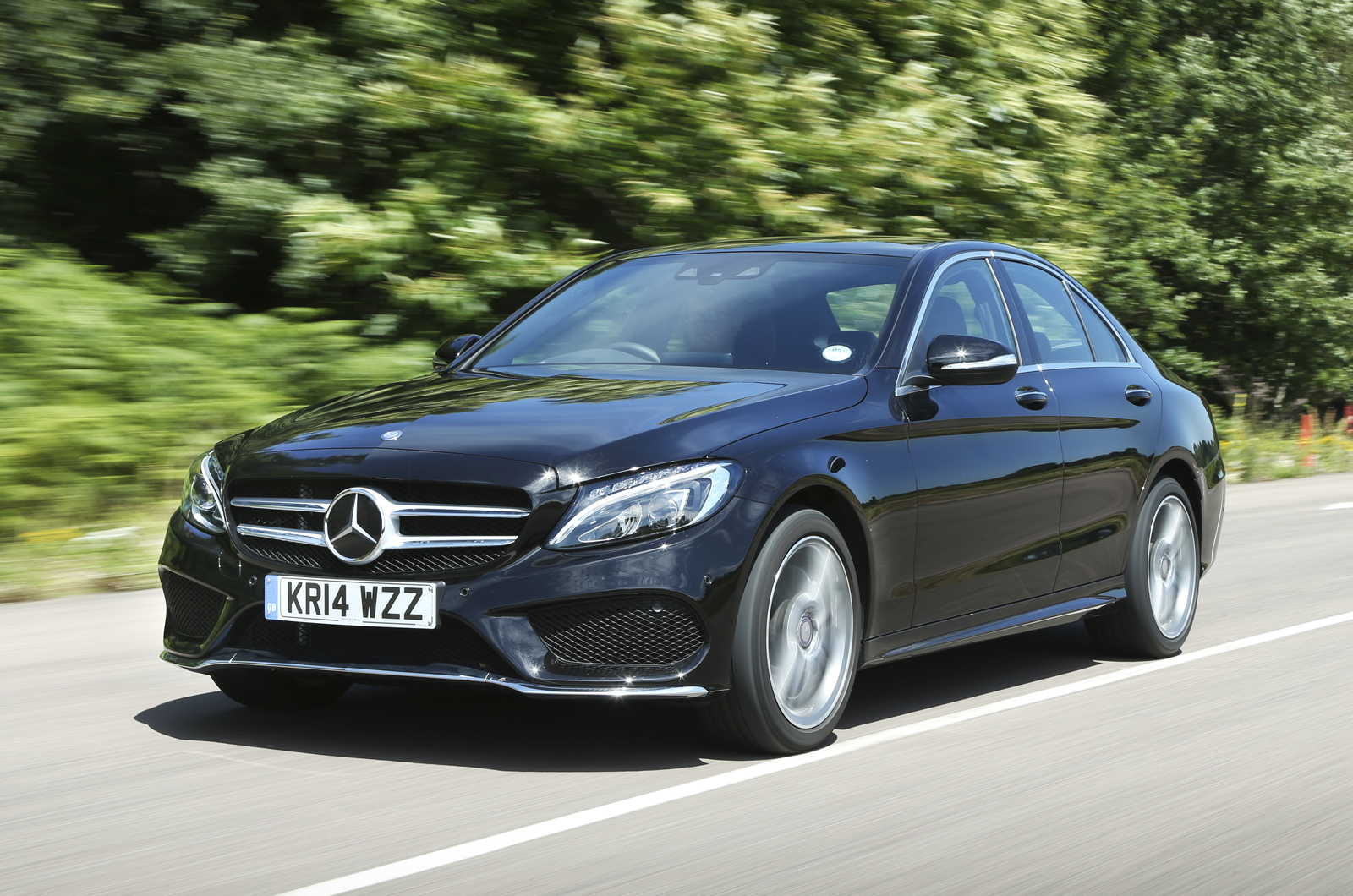
Reliability rating 88.8%
Most common faults: Engine electrics 7%, non-engine electrics 7%, engine 3%, gearbox 3%, interior trim 3%, sat-nav/infotainment 3%, steering 3%, suspension 3%
Average repair cost: 67% £0, 22% more than £1500
Typical time off road: 60% more than a week, 20% a day or less
If you're after a comfortable secondhand small exec for a small outlay, the C-Class could fit the bill. Good used examples with full history can be had for around £12,000, or if you can stretch to £16,000 and you could get an immaculate 2017 C220d Sport, our chosen trim, with average mileage. It's not as involving to drive as its main rival, the BMW 3 Series, but most versions are well equipped.
A range of electrical issues blighted the ownership experience of some C-Class owners - 24% of the cars we were told about went wrong and issues with the engine and non-engine electrics were the biggest headaches. Although four out of five cars that went wrong could still be driven, 60% of them spent more than seven days in the workshop being fixed. To add further disappointment, only two thirds of remedial work was done for free, and some owners had to pay more than £1500 to get their cars put right.
2014-2021 Mercedes C-Class review
9. Audi A4 (2015-2024)
Reliability rating 90.1%
Most common faults: Sat-nav/infotainment 10%, engine electrics 8%, gearbox 5% non-engine electrics 5%, 12-volt battery 3%, bodywork 3%, suspension 3%
Average repair cost: 87% £0, 13% £751-£1000
Typical time off road: 47% more than a week, 27% a day or less
Don't be fooled by the A4's diminutive dimensions, it is a refined exec saloon with an upmarket interior. Although it’s not as exciting to drive as the more agile BMW 3 Series, the A4 is a quiet long-distance cruiser, especially if you stick with an SE or Sport trim version with smaller wheels.
Only 23% of the Audi A4s in our survey went wrong, and the infotainment system and other electrical systems were the main culprits. Audi took care of the bills for most (87%) of owners, but that did leave some with bills of up to £1000. Although faults didn't stop most cars from being driven, nearly half of them kept the affected cars of the road for more than a week.
10. Audi A6 (2018-2025)
Reliability rating 90.2%
Most common faults: Air-con 33%, interior trim 33%, sat-nav/infotainment 33%
Average repair cost: 100% £00
Typical time off road: 40% a day or less, 47% more than a week
Comfortable, quiet and capacious, the A6 executive saloon and estate is an appealing used car buy, with prices starting as low as £16,000 for an early example. Refinement is top-notch, both bodystyles have a decent amount of space for passengers and their luggage, and economy is good, especially if you opt for one of the smaller diesel engines.
Although A6s went wrong more often than the smaller A4, they cost less to put right: 33% of the A6 examples reported on in our survey went wrong, but all were fixed for free by the car maker. Most cars could still be driven, but nearly half were in the workshop for more than a week.
Reliability of executive cars aged up to five years old
| Rank | Make and model | Score |
| 1 | Alfa Romeo Giulia (2016-present) | 98.2% |
| =2 | BMW 3 Series petrol (2019-present) | 98.0% |
| =2 | 2015-2024 Skoda Superb diesel | 98.0% |
| 4 | 2016-2024 Mercedes E-Class | 97.3% |
| 5 | 2017-2023 BMW 5 Series petrol | 96.4% |
| 6 | Hyundai Ioniq 6 (2022-present) | 95.9% |
| 7 | 2015-2024 Jaguar XE | 95.7% |
| 8 | 2015-2024 Jaguar XF | 95.4% |
| 9 | 2015-2022 Volkswagen Passat | 94.3% |
| 10 | 2019-2024 BMW 3 Series diesel | 94.0% |
| 11 | 2017-2023 BMW 5 Series diesel | 92.9% |
| 12 | Peugeot 408 (2022-present) | 91.0% |
| 13 | 2018-2025 Audi A6 | 90.2% |
| 14 | 2015-2024 Audi A4 | 90.1% |
| 15 | 2014-2021 Mercedes C-Class | 88.8% |
| 16 | Polestar 2 (2020-present) | 88.2% |
| 17 | 2016-2020 BMW 3 Series 330e PHEV | 87.6% |
| 18 | Skoda Superb PHEV (2020-present) | 86.1% |
| 19 | 2018-2023 Volvo S60 / Volvo V60 (2018-present) | 85.5% |
| 20 | 2015-2024 Skoda Superb petrol | 81.4% |
| 21 | 2016-2023 Volvo S90 / Volvo V90 (2016-present) | 76.7% |
| 22 | Mercedes C-Class (2021-present) | 76.3% |
To read the reliability data for other car classes follow these links:
Most and least reliable cars overall
Most reliable car brands
Most reliable small cars
Most reliable family cars
Most reliable luxury cars
Most reliable small SUVs
Most reliable family SUVs
Most reliable large SUVs
Most reliable seven-seaters
Most reliable electric cars
Most reliable electric SUVs
Most reliable sports cars
Most reliable diesel cars
Most reliable petrol cars
Most reliable hybrid cars
How the research was carried out
The latest survey, compiled in association with MotorEasy, contains data from 29,967 car owners, and reveals the reliability ratings for 199 models from 31 different brands. Each rating is based on two crucial factors relating to every car that suffered a fault: how much each fault cost the car owner in repair bills, and how long the car was stuck in the workshop getting fixed.
To add extra depth to our ratings, we also asked car owners to tell us which component on their vehicle went wrong, asking them to choose from 14 different areas: air-con, battery, bodywork, brakes, engine or motor, engine or motor electrics, exhaust, fuel system, gearbox/clutch, interior trim, non-engine or motor electrics, sat-nav/infotainment, steering, suspension systems. This year we also added two specific categories for electric cars: charging and drive battery issues, to help us to build a better picture of EV ownership.
About the report author
Claire Evans has been a motoring journalist for more than 30 years with a focus on consumer issues for much of that time. She was the advice columnist for Carweek magazine in the 1990s, and also spent six years working on motoring content for Which?.
Claire launched the What Car? Reliability Survey in 2017, and since then has helped thousands of buyers choose the most reliable new cars and SUVs, as well as the most dependable used cars.