Best performance cars 2026: the thrillers to buy – and avoid
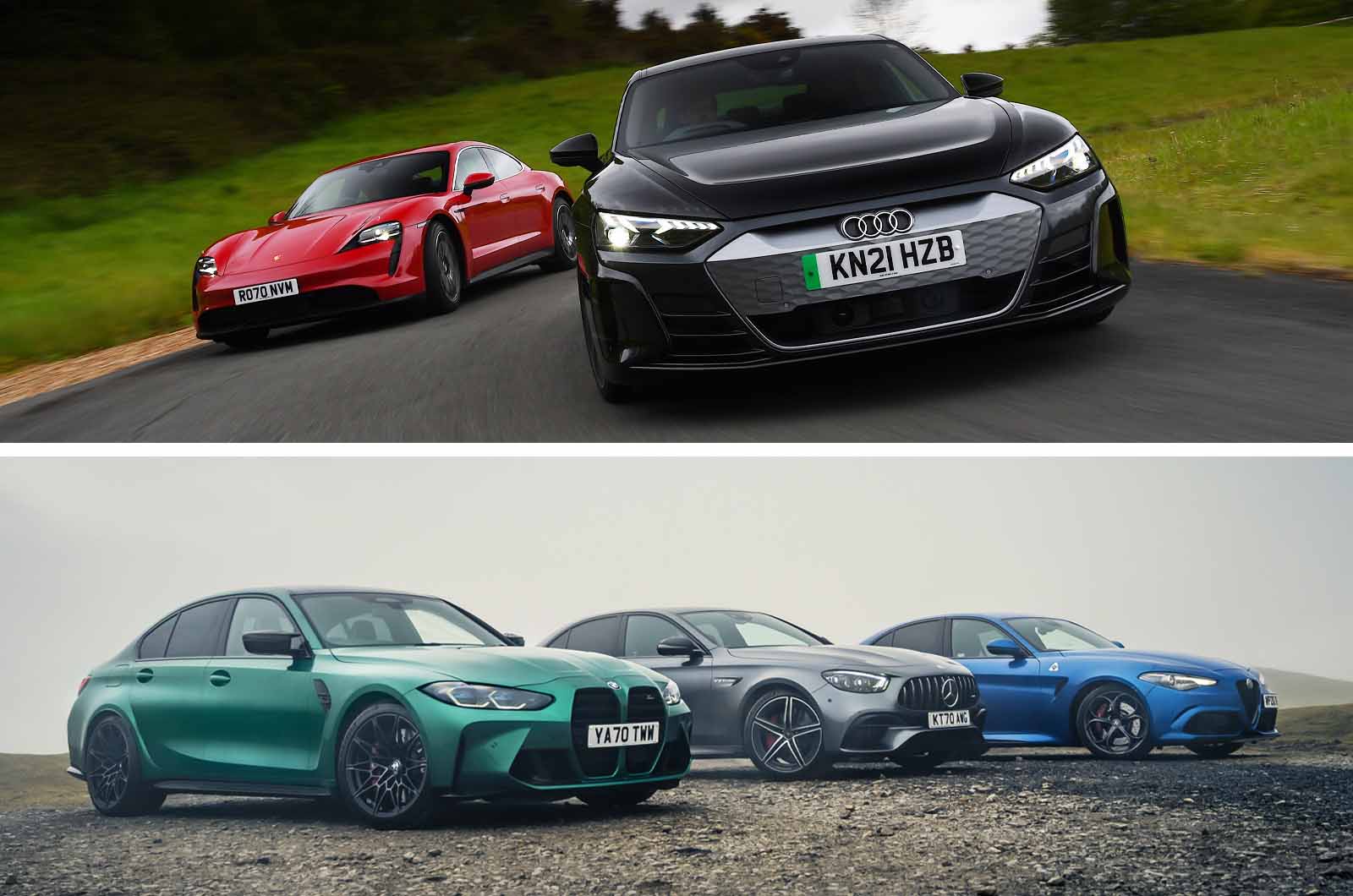
The ideal performance car needs to have a curious blend of talents. For one thing, it should be absolutely thrilling to drive, offering the kind of pace and agility which will have you grinning from ear to ear every time you get behind the wheel. It needs to not just impress on the track, though – it should be equally capable of raising a smile on a winding country road as it would be clipping the apex of some far-flung racing paradise. And crucially, it can't just be good to drive – because performance cars also need to fit into family life.
It's a tall order by any measure, but these days there are more performance cars to choose from than ever before. Increasingly, too, they're not just petrol-powered machines either, with some electric models now counting among our favourites. Speaking of which, our experienced road test team has spent thousands of hours reviewing every performance car you can buy. They've assessed them in every area that matters, from performance to practicality, and refinement to running costs, to create the top 10 order you see here.
In this story, we'll reveal our picks for the best performance cars, taking in traditional performance saloons as well as hot hatches and sports SUVs, plus we'll name the model we think you should avoid. In each case, we'll show you how to take advantage of the best PCP and leasing deals – just follow the links to find out more. And you can read more about how we test and rate cars in our feature.
Best performance cars to buy now – and how to get the best deal
| Make and model | List price from | Rating | PCP deals | Leasing deals |
| BMW M3 Touring | £91,315 | 5 | Best PCP deals | Best leasing deals |
| Mercedes-AMG A45 | £63,345 | 5 | Best PCP deals | NA |
| Hyundai Ioniq 6 N | £65,800 | 5 | Best PCP deals | Best leasing deals |
| Porsche Taycan | £86,565 | 5 | Best PCP deals | NA |
| Audi E-tron GT | £88,605 | 5 | Best PCP deals | Best leasing deals |
The best performance cars for you
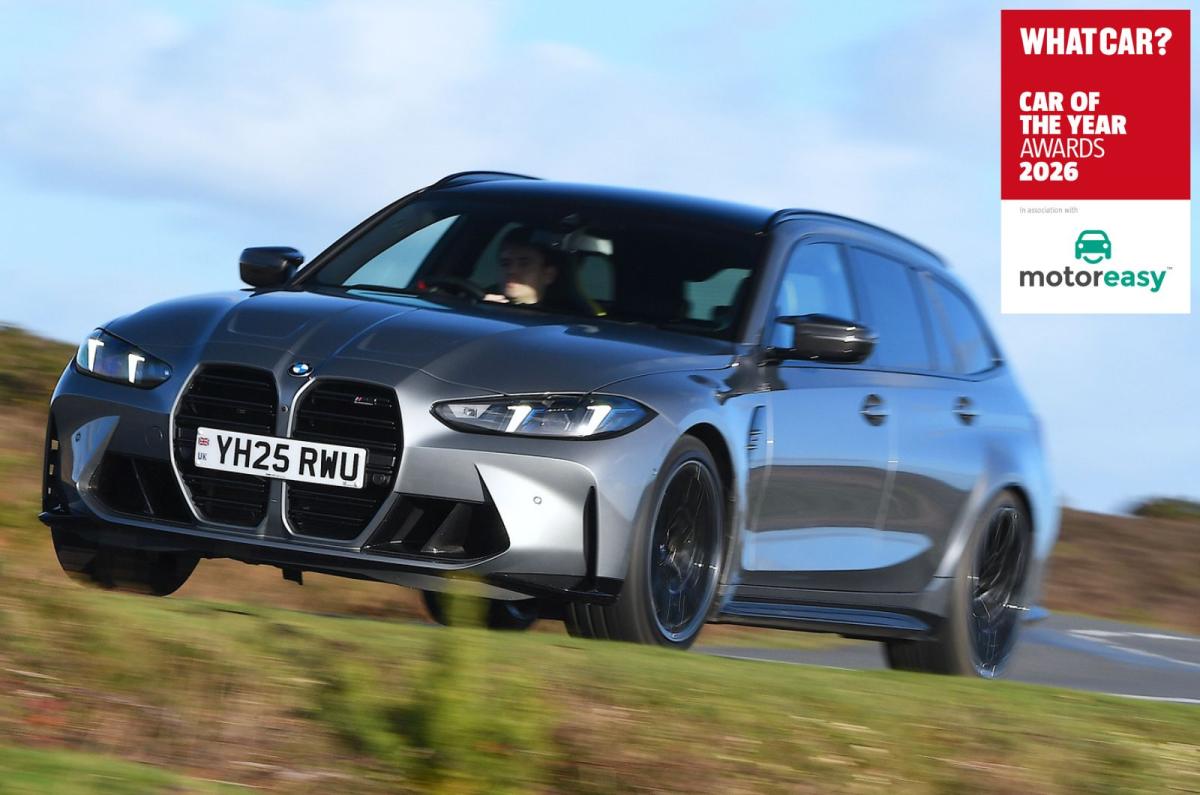
The BMW M3 Touring proves that you really can have your cake and eat it, because not only is it outlandishly fast, but it's also eminently practical, with enough storage space to take seven suitcases with you.
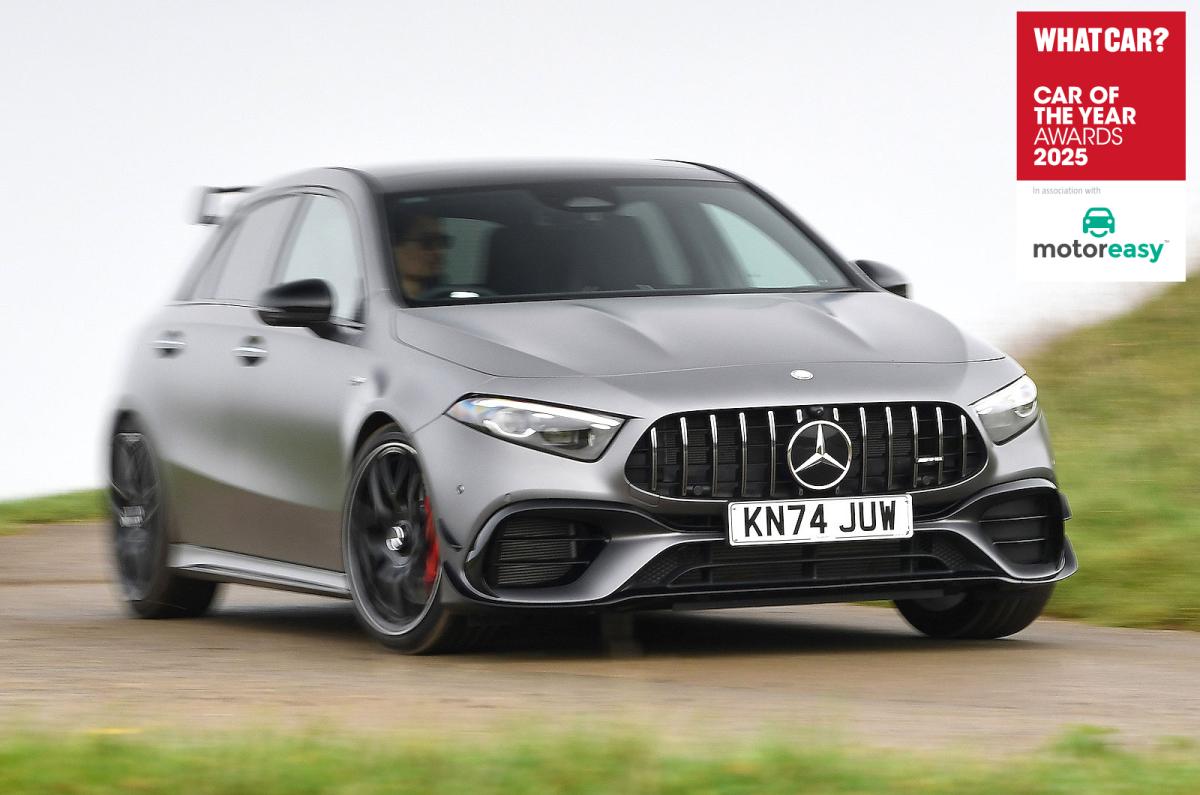
If you'd rather have your performance car in the flavour of a hot hatch, then the Mercedes-AMG A45 is the best in the business. Its evocative petrol engine provides great dollops of power, catapulting you up to motorway speeds faster than some rivals which cost a lot more.
Proving that electric cars deserve their place here too, the Hyundai Ioniq 6 N is brilliantly quick, allowing its full 641bhp to deploy for 10-second bursts at a time.
The 2025 What Car? Reliability Survey is live, tell us about your car now


Strengths
- Staggering pace and grip
- Surprisingly comfortable ride
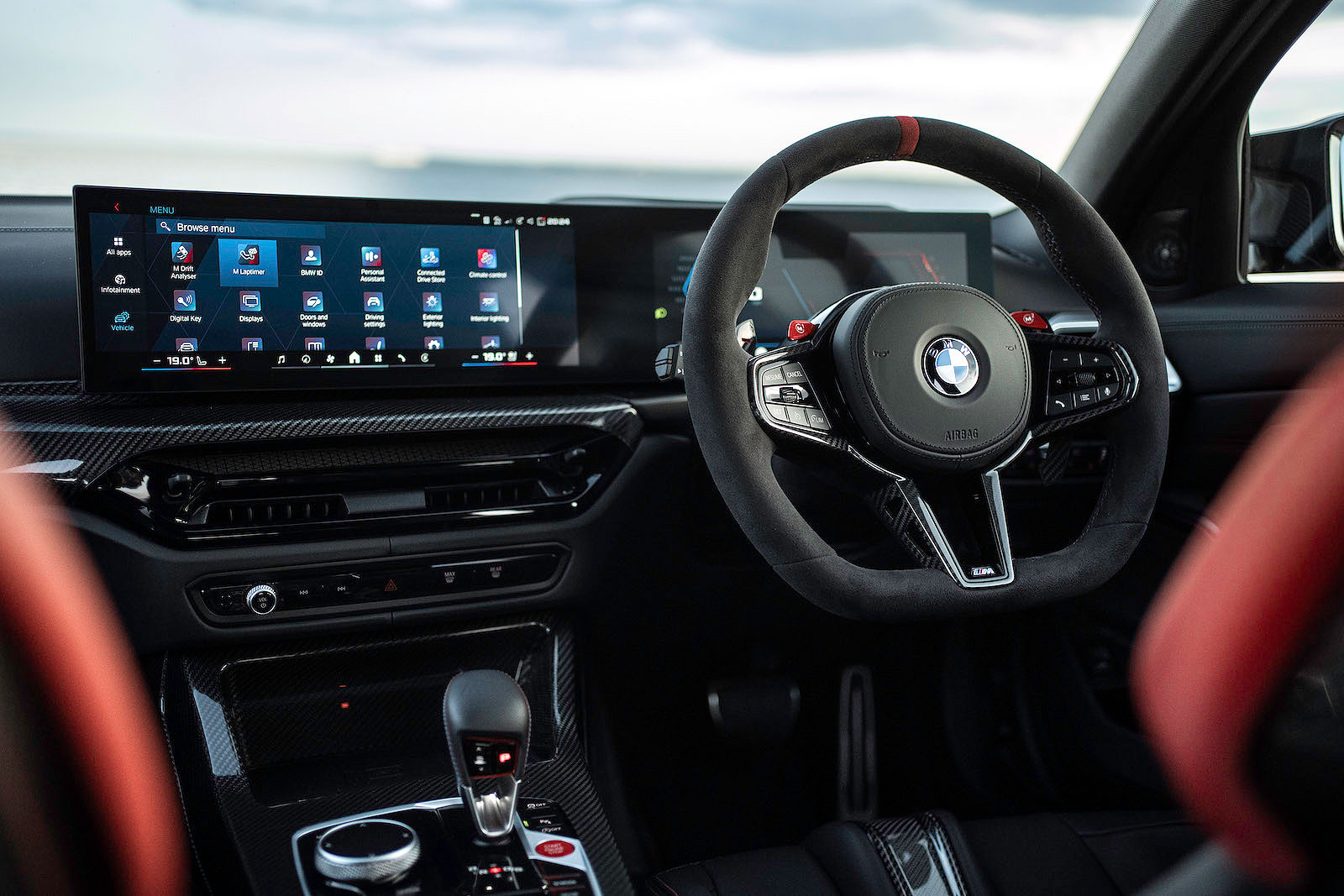
- High-quality interior
Weaknesses
- M3 Competition doesn’t sound that special
- Pricey to buy
- As expensive to run as you'd expect
If ever there was a performance car that really can be a vehicle for all occasions, it’s the BMW M3 Touring. Part laser-focused thrill ride, part versatile family car.
Yes, it’s a little heavier than the saloon, but its 523bhp 3.0-litre turbocharged engine makes that academic. Few will notice that it’s 0.1sec slower than its sibling, because 0-62mpg takes just 3.6sec – making it faster than the closely related Alpina B3 Touring.
The extra 85kg it carries doesn't blunt its handling either, because it provides an agility the Audi RS4 Avant and Mercedes-AMG C 63 Estate can’t match. The four-wheel drive system builds huge confidence, ensuring sure-footedness regardless of whether you’re on the school run or traversing the Stelvio Pass.
And the M3 Touring is equally adept at either, because it’s brilliantly practical. Its 500-litre boot is capable of carrying any number of projects right to the school gates, and should you fancy tackling an Alpine pass, then the versatility of a 40/20/40 folding rear seat makes it easy to carry your skis alongside a pair of back-seat passengers.
“Like most drivers, I'll adjust a car as much as I can to suit my needs – and in the M3 Touring, the driver has lots of scope for tailoring its behaviour to suit their mood or the road conditions. And given its tremendous abilities, you have to wonder why BMW didn't make this car years ago.” – Will Nightingale, Reviews Editor
Read our in-depth BMW M3 Touring review


What is What Car? best price?
The What Car? best price shows you the cheapest way to buy your new car, whether it's by choosing an in-stock car through our partner Autotrader or placing a factory order.
Available now from: £75,999
RRP from: £91,485
About our price indicator
What Car? indicative Personal lease example (subject to status)
3.0 BiTurbo Competition Saloon 4dr Petrol Steptronic M xDrive Euro 6 (s/s) (530 ps)
| Expected annual mileage | 5000 |
| Term months | 60 |
| Deposit months | 12 |
| Monthly payment | £1,190.12 |
| Initial payment | £14,281.44 |
Step-by-step
Leasing works a bit like a long-term rental. You drive it, but you don’t own it.
- Choose your car, pick your terms and apply for lease credit online
- Pay monthly rental payments for your chosen term length
- Drive it, enjoy it, then give it back at the end
What you get
When you lease with Autotrader you get all of this:
- Full manufacturer’s warranty
- Road tax and roadside assistance included
- No admin fees
- Free returns within 30 days*

- Lower total monthly cost than PCP/HP
- No balloon payments
- Road tax included
Our pick: 2.0 A45 AMG S Plus 8G-DCT 4MATIC+ Euro 6 (s/s) 5dr
Strengths
- Savage acceleration
- Agile, rewarding handling
- Quick-shifting automatic gearbox
Weaknesses
- Very expensive
- Audi RS3 is more comfortable
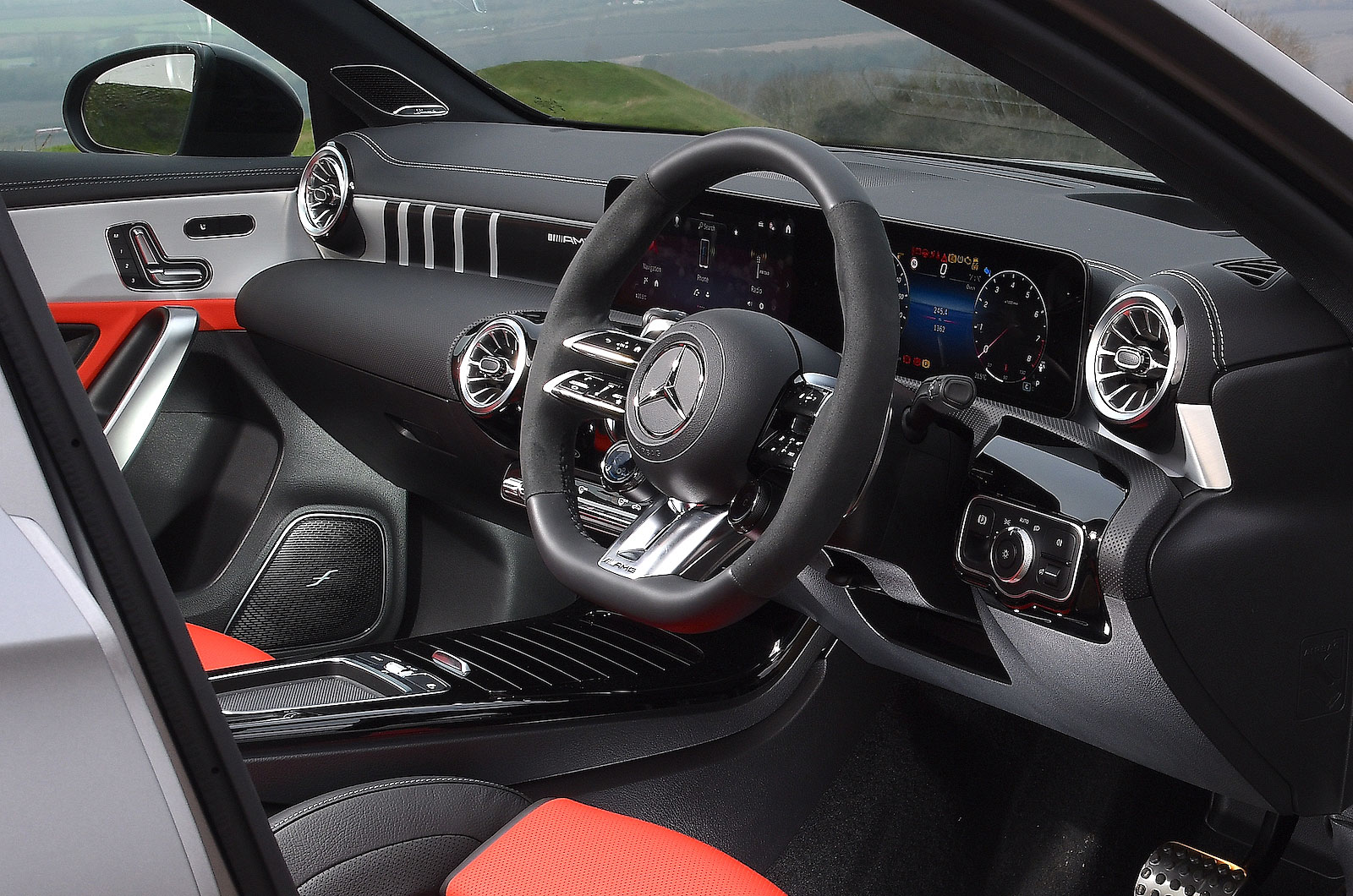
- Interior build quality could be better
There's hot and there's hot, and on the spice scale of hot hatchbacks, the Mercedes-AMG A45 is a carolina reaper.
Its turbocharged 2.0-litre four-cylinder petrol engine provides indecent levels of space, developing 416bhp in total and allowing for a scorching 0-62mph sprint time of 3.9 seconds. And while the eight-speed automatic gearbox does a perfectly fine job of managing all that power, you can still take control using the wheel-mounted paddles if you want to.
You'll find that a Honda Civic Type R has even meatier steering feel than the A45, but the Mercedes' always feels well planted through corners, and it's easy to point the nose exactly where you want it, which isn't something you can say about all hot hatches.
What's especially impressive about the A45 is that, being based on the regular Mercedes A-Class, it's every bit as usable as that car. It features the same show-stopping interior, with its impressive infotainment system and high-end materials. And there's room for six carry-on suitcases in the boot, which is two more than we managed to fit in the back of the Audi RS3.
Yes, the A45 is one of the most expensive hot hatchbacks you can buy, but in the context of the wider performance car class it's actually one of the cheaper options. And it shouldn't be ruinous to run, returning 28.5mpg in our real-w0rld testing. In terms of warranty, you get three years of cover with no mileage limit.
“I think it’s a shame the bright yellow paint option is no longer available for the A45, but there are some interesting alternatives, including Mountain Grey with a matte finish.” – Dan Jones, Senior Reviewer
Read our in-depth Mercedes-AMG A45 review
What is What Car? best price?
The What Car? best price shows you the cheapest way to buy your new car, whether it's by choosing an in-stock car through our partner Autotrader or placing a factory order.
Available now from: £30,430
RRP from: £31,870
Our pick: 84kWh N Auto AWD 4dr
Strengths
- Explosive straight-line pace
- Sharp, fun handling
- Fast charging
Weaknesses
- So-so range between charges
- Some features only suited to track use
- Tight rear head room
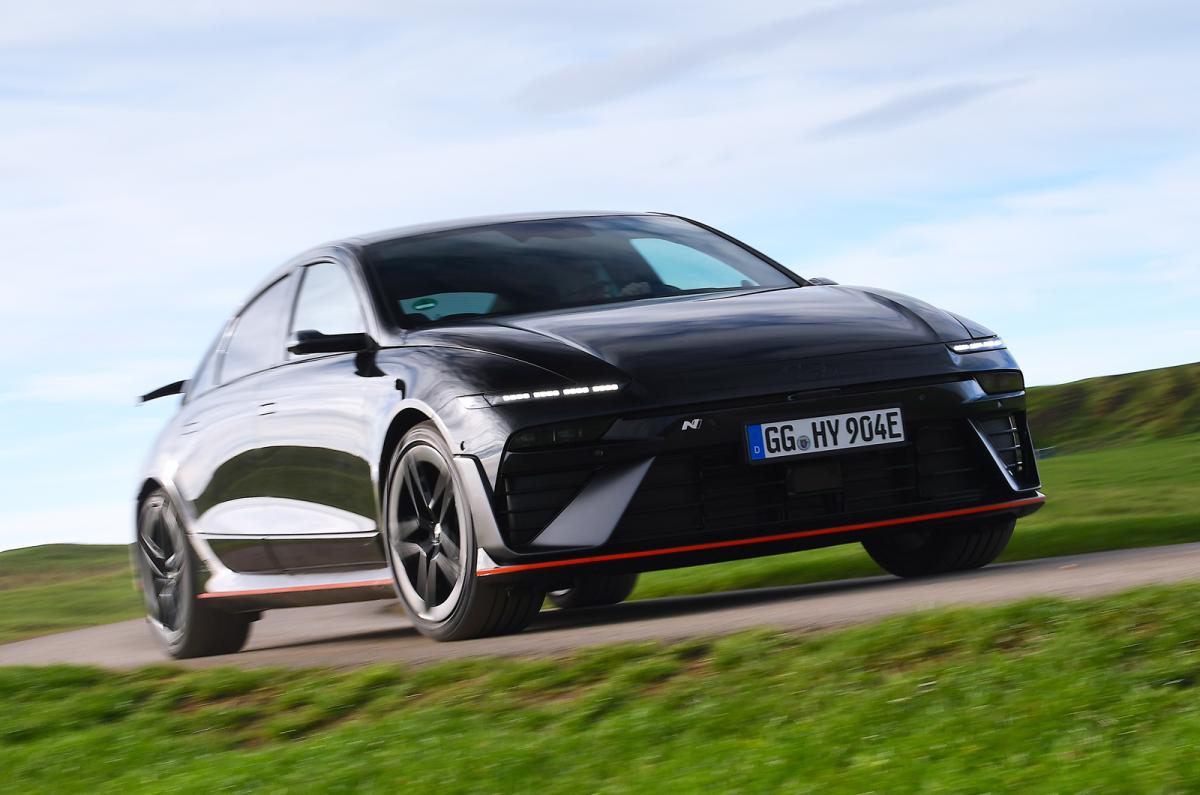
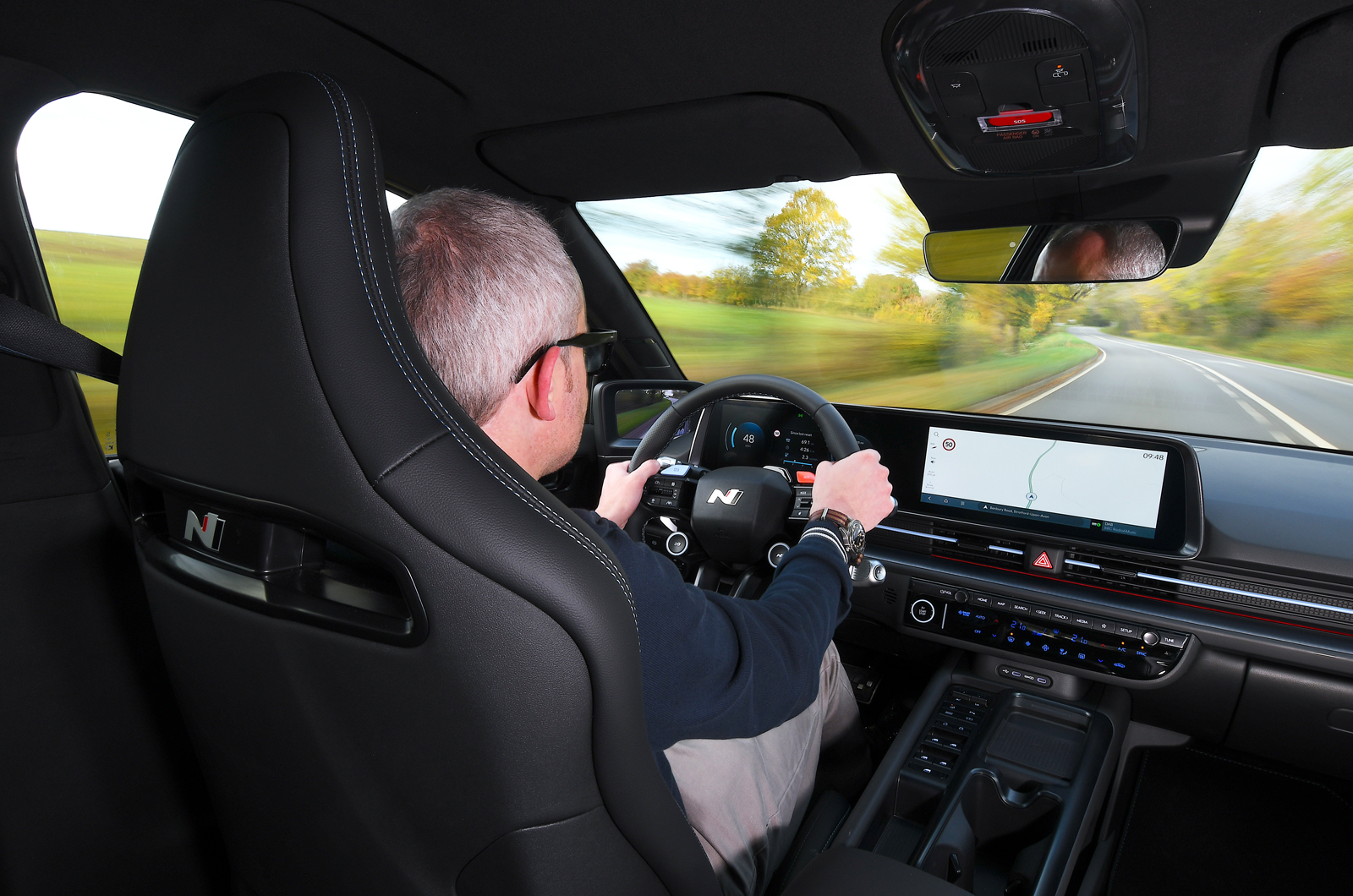
Britain's best electric performance car is the Hyundai Ioniq 6 N, and while you might not have heard of it before, this sleek and sporty EV has a famous sibling – the Ioniq 5 N, which is one of our favourite electric cars. Indeed, the 6 N borrows plenty of technology from that car, including its virtual gearbox which makes it feel as though you're driving a manual car.
In terms of raw power, the Ioniq 6 N serves up 601bhp, but that figure can be increased up to 641bhp for 10-second bursts – perfect if you find yourself in perfect overtaking position. As you might expect, the point-to-point pace of the Ioniq 6 N is truly impressive, but what also impressed us is that despite its weight, this electric car feels remarkably agile. Indeed, it feels even more eager to turn into bends than the far more expensive Audi E-tron GT or Porsche Taycan.
Those rivals have the edge when it comes to ride comfort, though, but that's not to say that the Ioniq 6 N is uncomfortable, it just doesn't have the same sophisticated air suspension as those cars. Like the Ioniq 5 N, you get a lot for your money here, with a long list of standard equipment which includes luxuries such as dual-zone climate control and heated and ventilated front seats.
As is the norm for electric cars, there are two warranties to consider. You get five years of unlimited-mileage cover for the car, with the drive battery covered for eight years or 100,000 miles.
“Our all-black test car looked pretty evil, but personally I’d specify any Hyundai N car in the Performance Blue paint the N sub-brand tends to be associated with.” – Steve Huntingford, Editor
Read our in-depth Hyundai Ioniq 6 N review
What is What Car? best price?
The What Car? best price shows you the cheapest way to buy your new car, whether it's by choosing an in-stock car through our partner Autotrader or placing a factory order.
Available now from: £61,985
RRP from: £65,800
About our price indicator
What Car? indicative Personal lease example (subject to status)
84kWh N Saloon 4dr Electric Auto AWD (650 ps)
| Expected annual mileage | 5000 |
| Term months | 48 |
| Deposit months | 12 |
| Monthly payment | £753.30 |
| Initial payment | £9,039.60 |
Step-by-step
Leasing works a bit like a long-term rental. You drive it, but you don’t own it.
- Choose your car, pick your terms and apply for lease credit online
- Pay monthly rental payments for your chosen term length
- Drive it, enjoy it, then give it back at the end
What you get
When you lease with Autotrader you get all of this:
- Full manufacturer’s warranty
- Road tax and roadside assistance included
- No admin fees
- Free returns within 30 days*
- Lower total monthly cost than PCP/HP
- No balloon payments
- Road tax included
Strengths
- Staggering performance and engaging handling
- Great potential battery range
- Wonderful interior quality
Weaknesses
- It's very expensive...
- ...and you’ll probably want to add some options
- Reliability has been a concern
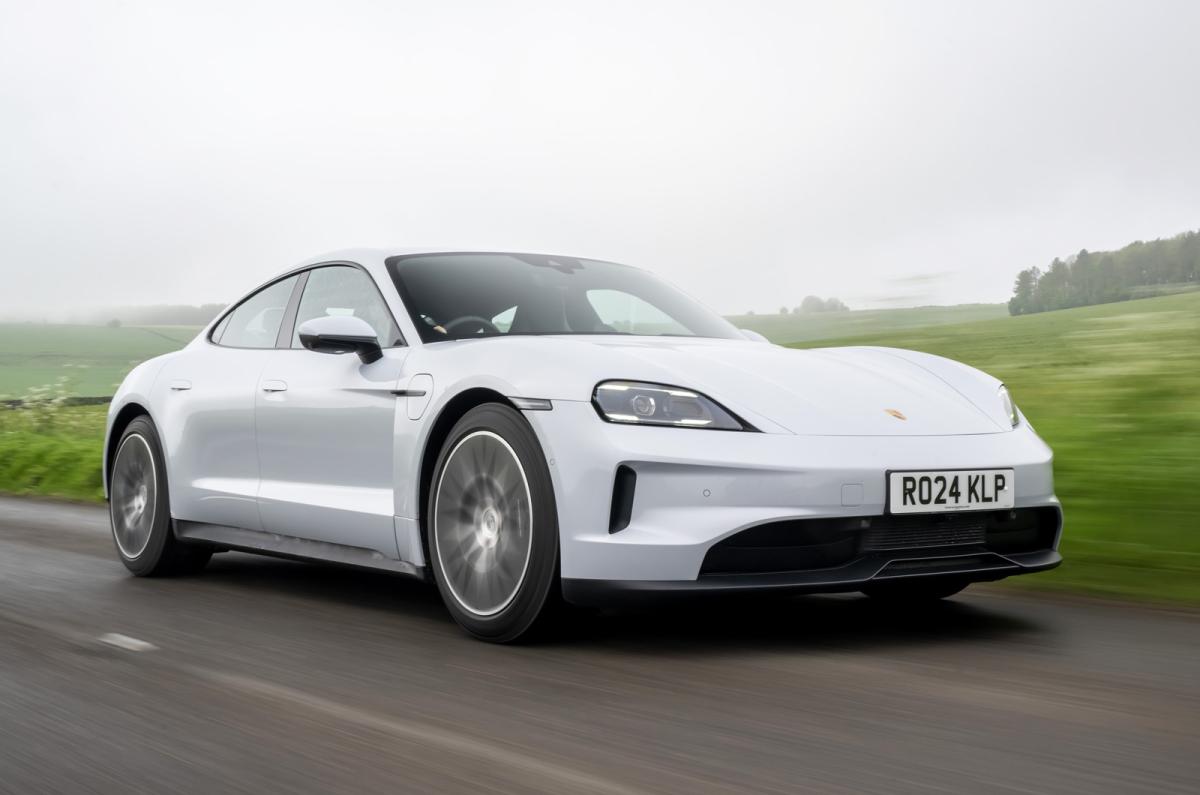
If you want the best blend of electric power and driving excitement, then look no further than the Porsche Taycan.
Turbo and Turbo S trim levels deliver on power and performance, forsaking range for a 0-62mph time of as low as 2.7sec. However, our preferred 4S trim strikes a much better balance between performance and range – it can cover the same sprint in a still-rapid 3.7sec, yet can officially travel 367 miles between charges. Upgrade to the larger optional 105kWh battery, and that figure increases to a staggering 421 miles.
The Taycan is a practical choice, too, with decent room in its rear seats – for two people, at least. Unlike some performance car rivals, there's no middle seat, so you can't squeeze five people in at a push. Meanwhile, the boot is large enough for a baby buggy or a set of golf clubs.
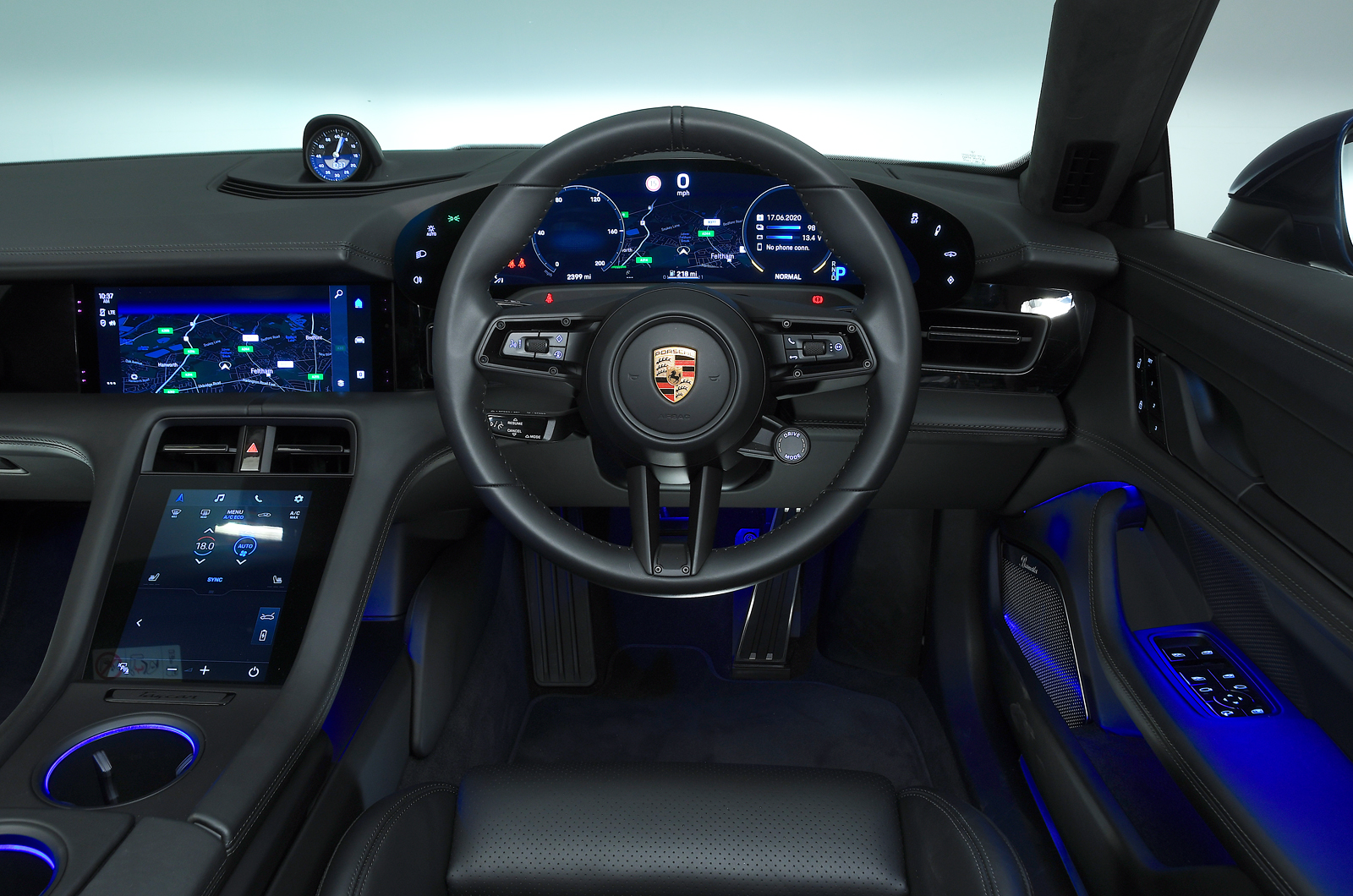
Inside, the Taycan's curved 16.8in digital instrument cluster does a good job of putting all the information you might want right in front of you, plus it's fully customisable, meaning you can prioritise the information you want, such as remaining range or directions from the sat-nav.
“The Taycan's high-quality interior can seat four adults in comfort, with a relatively practical boot for their luggage. I like that you get some underfloor storage for your charging cables, too.” – Lawrence Cheung, New Cars Editor
Read our in-depth Porsche Taycan review
What is What Car? best price?
The What Car? best price shows you the cheapest way to buy your new car, whether it's by choosing an in-stock car through our partner Autotrader or placing a factory order.
Available now from: £82,990
RRP from: £88,265
About our price indicator
What Car? indicative Personal lease example (subject to status)
Performance Plus 105kWh Saloon 4dr Electric Auto RWD (11kW Charger) (435 ps)
| Expected annual mileage | 5000 |
| Term months | 60 |
| Deposit months | 12 |
| Monthly payment | £1,106.41 |
| Initial payment | £13,276.92 |
Step-by-step
Leasing works a bit like a long-term rental. You drive it, but you don’t own it.
- Choose your car, pick your terms and apply for lease credit online
- Pay monthly rental payments for your chosen term length
- Drive it, enjoy it, then give it back at the end
What you get
When you lease with Autotrader you get all of this:
- Full manufacturer’s warranty
- Road tax and roadside assistance included
- No admin fees
- Free returns within 30 days*
- Lower total monthly cost than PCP/HP
- No balloon payments
- Road tax included
Our pick: 105kWh Auto quattro 4dr
Strengths
- Comfortable ride and great handling
- A good range and ultra-rapid charging
- Space for four adults
Weaknesses
- Expensive to buy
- Interior doesn’t feel as special as a Taycan’s
- Rear access could be better
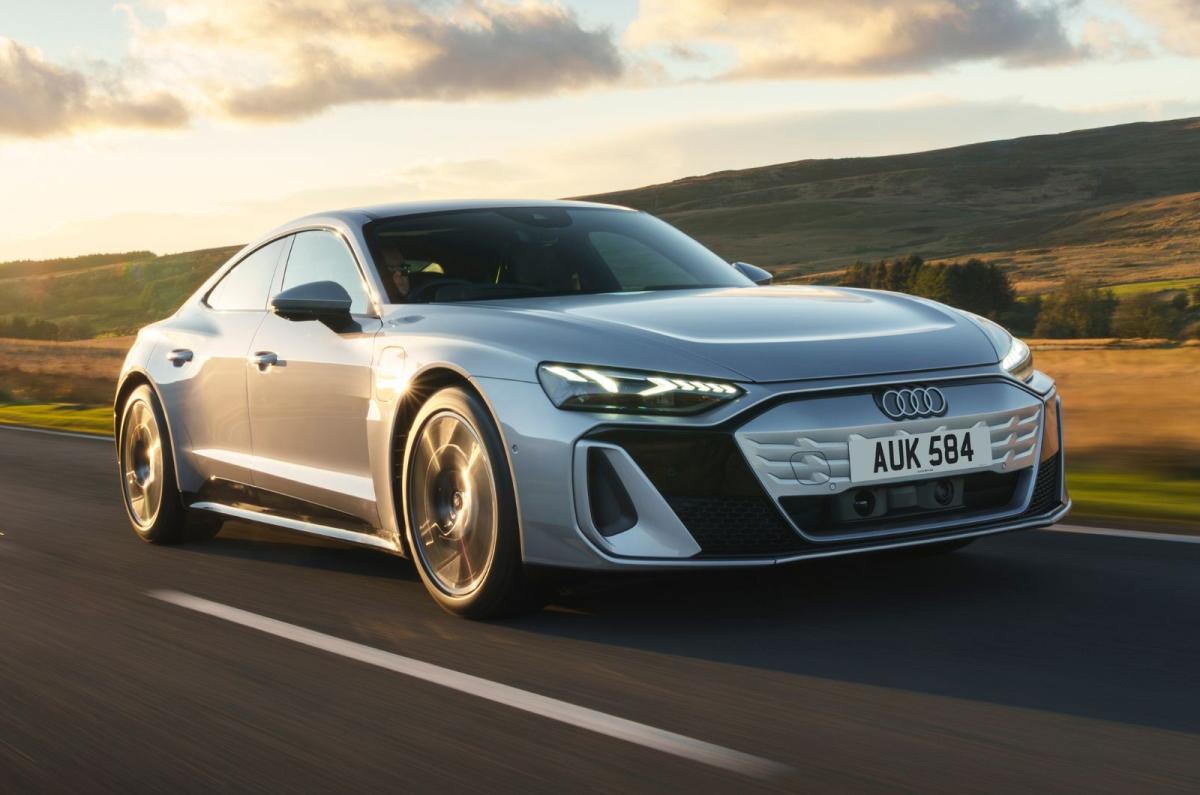
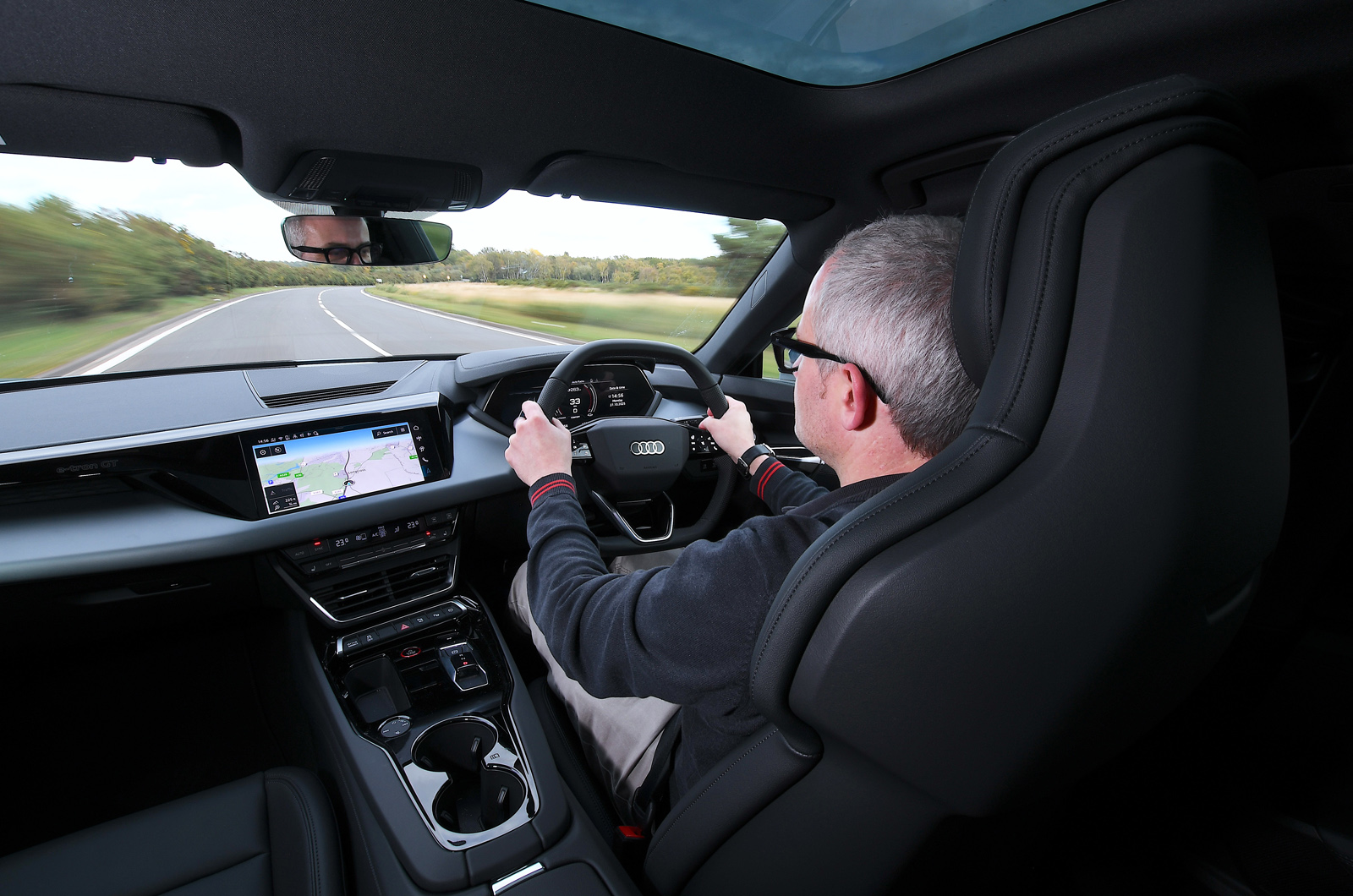
The Audi E-tron GT is a 583bhp four-door coupé that can sprint from 0-60mph in 3.4sec. It’s not as sharp to drive as the closely related Porsche Taycan, but strikes a good balance between all-out speed and ride comfort.
It's the entry-level S model which we recommend. It has two electric motors and four-wheel drive, and feels exceedingly fast in a straight line. Of course, if you really want to show off, then the RS E-tron GT offers 671 bhp and can reach 62mph in just 2.8 seconds.
As you'd expect of such a pricey car, the E-tron GT is well equipped inside and features a crystal-clear infotainment and driver display, albeit with the exception of some fiddly touch-sensitive buttons.
The saloon boot is a little tight to squeeze luggage into, but it’s deep enough to swallow a few cases. And despite the E-tron GT’s sleek silhouette, there is enough room in the back for two six-footers to travel in comfort.
“You might think that an electric car built around performance wouldn't be able to go very far, but when we tested the E-tron GT's real-world range, we determined it to be around 230 miles, and that's enough for most drivers.” – Darren Moss, Deputy Editor
Read our in-depth Audi E-tron GT review
What is What Car? best price?
The What Car? best price shows you the cheapest way to buy your new car, whether it's by choosing an in-stock car through our partner Autotrader or placing a factory order.
Available now from: £75,450
RRP from: £88,605
About our price indicator
What Car? indicative Personal lease example (subject to status)
105kWh Saloon 4dr Electric Auto quattro (503 ps)
| Expected annual mileage | 5000 |
| Term months | 60 |
| Deposit months | 12 |
| Monthly payment | £1,024.91 |
| Initial payment | £12,298.92 |
Step-by-step
Leasing works a bit like a long-term rental. You drive it, but you don’t own it.
- Choose your car, pick your terms and apply for lease credit online
- Pay monthly rental payments for your chosen term length
- Drive it, enjoy it, then give it back at the end
What you get
When you lease with Autotrader you get all of this:
- Full manufacturer’s warranty
- Road tax and roadside assistance included
- No admin fees
- Free returns within 30 days*
- Lower total monthly cost than PCP/HP
- No balloon payments
- Road tax included
Our pick: 4.0T V8 S TiptronicS 4WD Euro 6 (s/s) 5dr
Strengths
- Powerful engines
- Fantastic handling for a big SUV
- Classy interior
Weaknesses
- Expensive to run
- Stingy kit list
- Air suspension costs extra on some versions
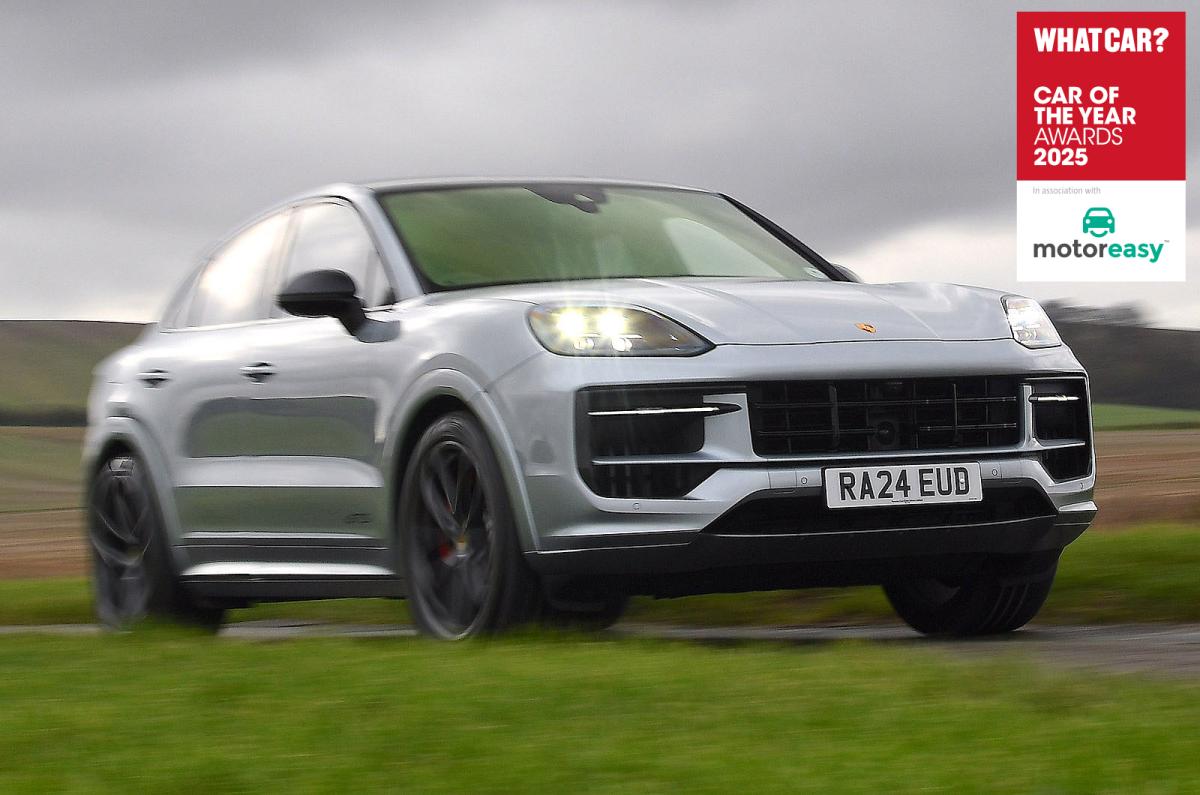
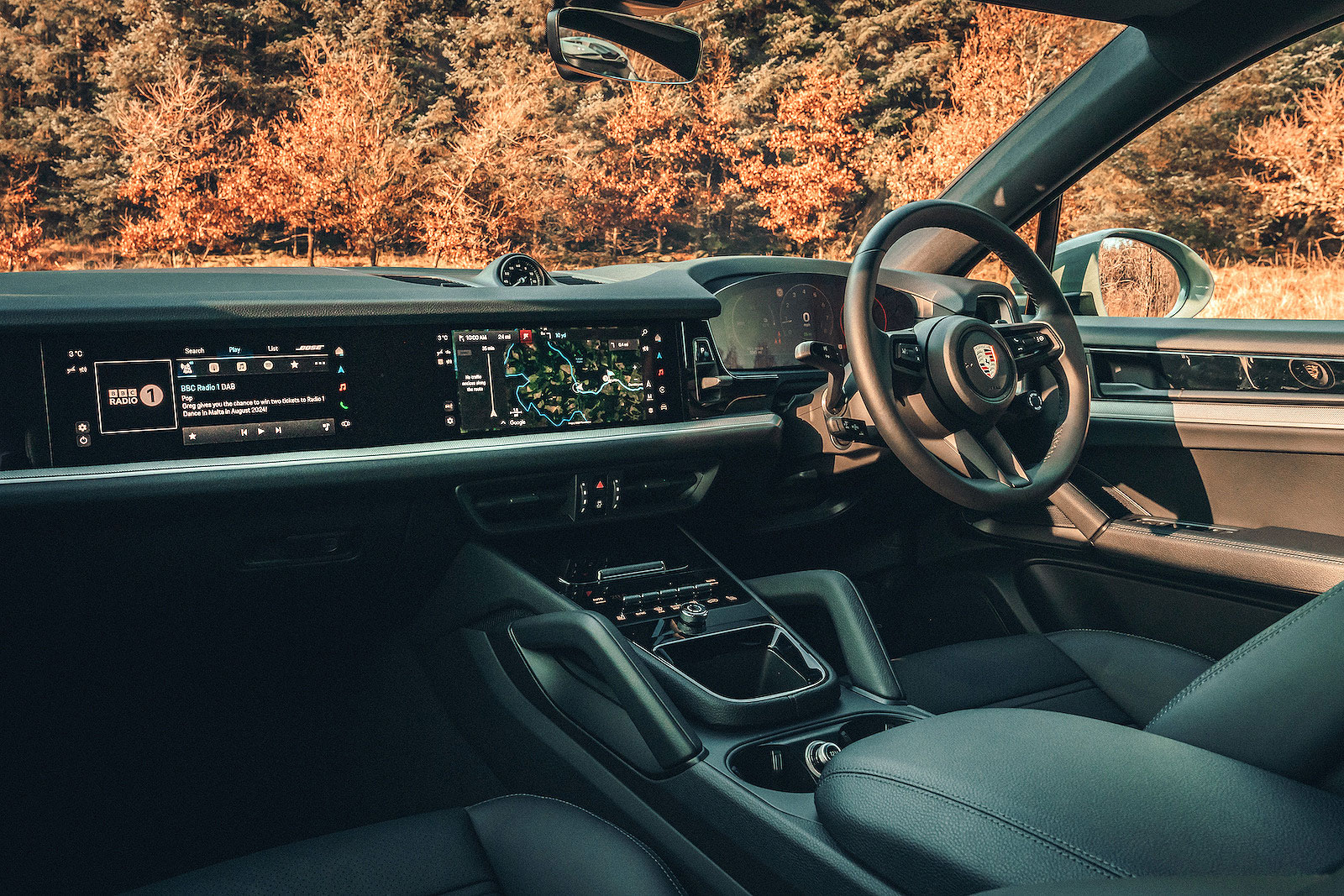
There's no getting away from the fact that putting any version of the Porsche Cayenne Coupé on your driveway is going to be an expensive proposition, but at least you don't need to splash out on the range-topping versions to experience it at its brilliant best. Instead, it's the second-rung S version which we think most buyers will love, thanks to its storming 4.0-litre V8 petrol engine. With 482bhp available, it feels ferociously fast, and can get you up to 62mph in a quick 4.7 seconds. And you'll enjoy getting there, because the sound of the V8 engine when it's doing its best work is, quite simply, sublime.
Elsewhere, the Cayenne Coupé impressed us with its ride quality, at least on the models fitted with air suspension that we've tried so far. A Range Rover Sport is even more supple, but the Cayenne never crashes or jars when it hits lumps and bumps in the road. Plus, the body control at higher speeds is exceptional.
Despite its plunging roofline, there's still enough room for a couple of six-footers to sit comfortably in the back of the Cayenne Coupé, and there's plenty of room in the boot for a couple of suitcases.
You get a three-year, unlimited-mileage warranty with every Cayenne Coupé, which is pretty par for the course among sports SUVs.
“When the rear seats of the Porsche Cayenne Coupé are folded down, they lie at a slight angle instead of completely flat, but I reckon you'd still find it easy enough to slide in flatpack furniture.” – Steve Huntingford, Editor
Read our in-depth Porsche Cayenne Coupé review
What is What Car? best price?
The What Car? best price shows you the cheapest way to buy your new car, whether it's by choosing an in-stock car through our partner Autotrader or placing a factory order.
Available now from: £94,890
RRP from: £86,805
About our price indicator
What Car? indicative Personal lease example (subject to status)
3.0 V6 E-Hybrid 25.9kWh Coupe 5dr Petrol Plug-in Hybrid TiptronicS 4WD Euro 6 (s/s) (470 ps)
| Expected annual mileage | 5000 |
| Term months | 60 |
| Deposit months | 12 |
| Monthly payment | £1,023.96 |
| Initial payment | £12,287.52 |
Step-by-step
Leasing works a bit like a long-term rental. You drive it, but you don’t own it.
- Choose your car, pick your terms and apply for lease credit online
- Pay monthly rental payments for your chosen term length
- Drive it, enjoy it, then give it back at the end
What you get
When you lease with Autotrader you get all of this:
- Full manufacturer’s warranty
- Road tax and roadside assistance included
- No admin fees
- Free returns within 30 days*
- Lower total monthly cost than PCP/HP
- No balloon payments
- Road tax included
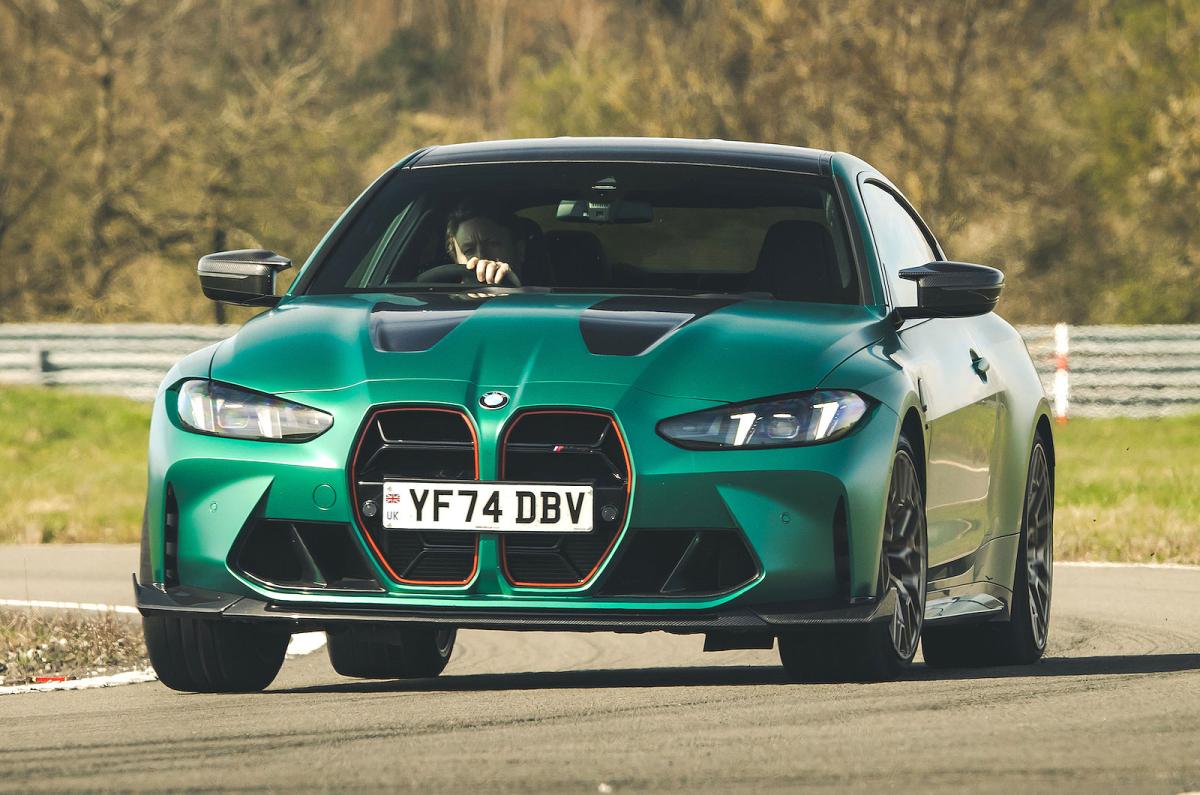
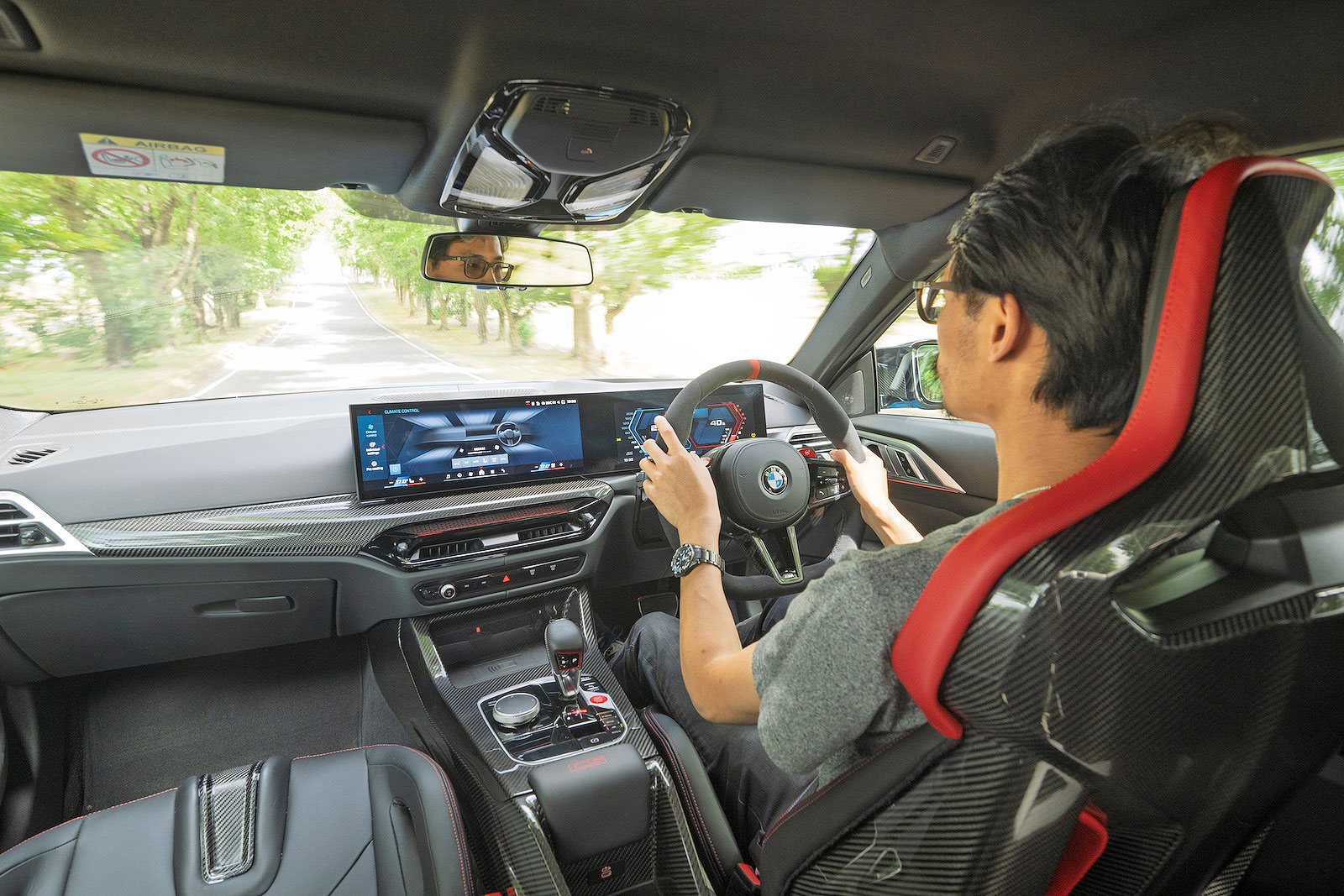
Our pick: 3.0 BiTurbo Competition Steptronic M xDrive Euro 6 (s/s) 2dr
Strengths
- Staggering straight-line performance
- Incredibly capable
- Classy interior
Weaknesses
- Loud, but could sound more evocative
- Needs to be driven hard to come alive
- Expensive to buy
Key to the BMW M4's appeal is its twin-turbocharged 3.0-litre six-cylinder petrol engine, which pumps out 523bhp and sends that power to all four wheels. That means it's effortless for you to keep moving quickly. Indeed, you can hit 62mph in just 3.5 seconds, which is faster than the rival Alfa Romeo Giulia Quadrifoglio can manage.
We especially like the M4's adaptability. With everything in its most comfortable setting, the M4 feels just as cosseting and as calming as any other BMW 4 Series. But twist every dial into its angriest mode, and plant your right foot, and the M4 transforms into a snarling beast. It forces you back into your seat every time you flick up a gear, and has the kind of confidence-inspiring handling which keeps you pressing on. We just wish it sounded a little better while you were doing so – the soundtrack from the engine is fine enough, but it lacks the audible drama of the Ford Mustang.
There's plenty of space for passengers in the front of the M4 to stretch out, and while getting into the rear seats requires a bit of contortion, once you're settled you'll find a decent amount of space. And if that ends up becoming an issue, then there's always the four-door BMW M3 to consider instead.
"Official figures suggest you should expect to see just 28mpg from the BMW M4. And if you have any intent of taking full advantage of its power, you'll see considerably less than that.” – Jack Mortimer, Content Editor
Read our in-depth BMW M4 review
What is What Car? best price?
The What Car? best price shows you the cheapest way to buy your new car, whether it's by choosing an in-stock car through our partner Autotrader or placing a factory order.
Available now from: £73,784
RRP from: £93,305
About our price indicator
What Car? indicative Personal lease example (subject to status)
3.0 BiTurbo Competition Coupe 2dr Petrol Steptronic M xDrive Euro 6 (s/s) (530 ps)
| Expected annual mileage | 5000 |
| Term months | 60 |
| Deposit months | 12 |
| Monthly payment | £1,243.86 |
| Initial payment | £14,926.32 |
Step-by-step
Leasing works a bit like a long-term rental. You drive it, but you don’t own it.
- Choose your car, pick your terms and apply for lease credit online
- Pay monthly rental payments for your chosen term length
- Drive it, enjoy it, then give it back at the end
What you get
When you lease with Autotrader you get all of this:
- Full manufacturer’s warranty
- Road tax and roadside assistance included
- No admin fees
- Free returns within 30 days*
- Lower total monthly cost than PCP/HP
- No balloon payments
- Road tax included
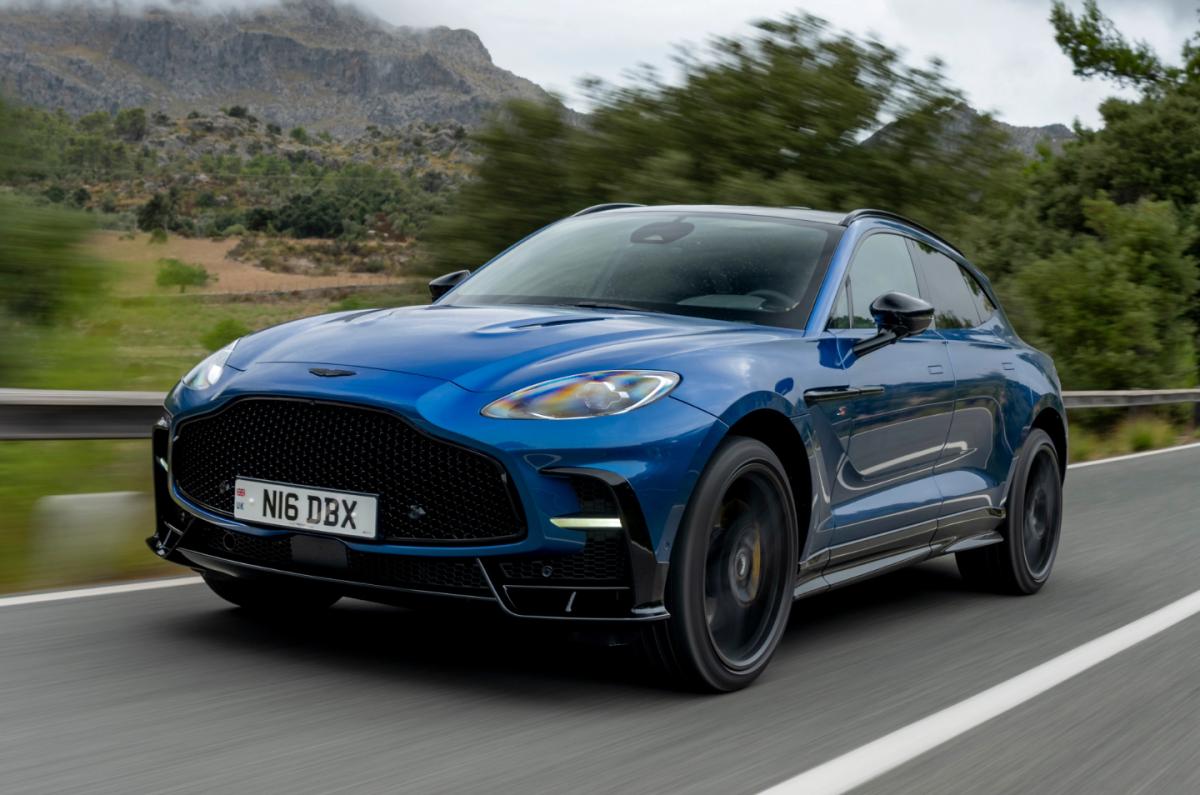
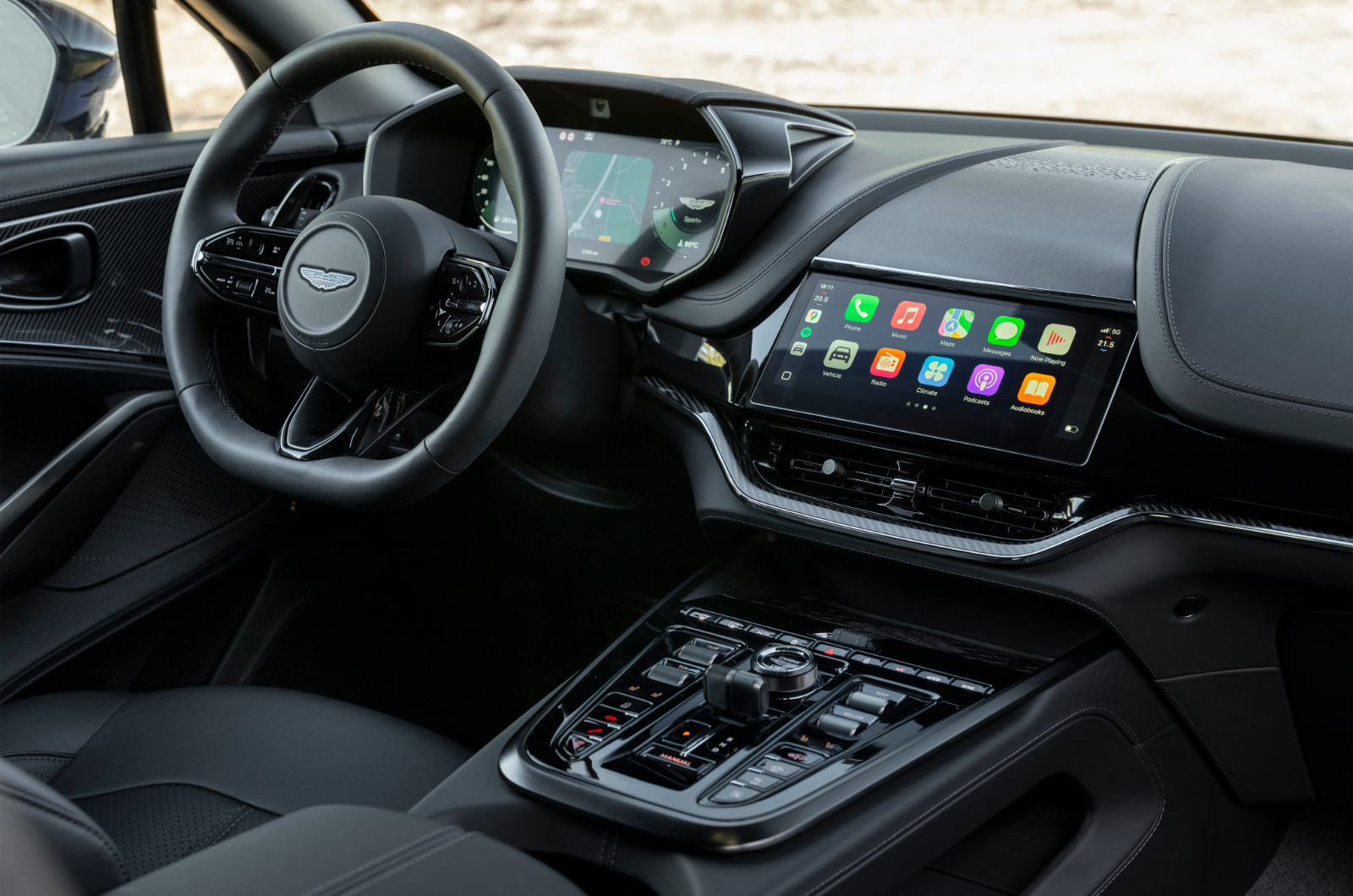
Our pick: 4.0 V8 707 Auto 4WD Euro 6 (s/s) 5dr
Strengths
- Amazing acceleration and engine noise
- Great to drive yet mostly comfortable
- Roomy inside, with a big boot
Weaknesses
- As expensive to buy as you’d expect
- Very thirsty
- Not as solidly built as a Bentayga
In many ways, the Aston Martin DBX is a sports SUV that's all about pure excess. After all, what happens when you put a 4.0-litre V8 petrol engine which, even in its most basic form, produces 697bhp, into an SUV can only be described as excessive. Or intoxicating, which is how you'll feel when that engine is doing its best to get you up to 62mph, which takes just 3.3 seconds. Or, to put it another way, faster than a Porsche Cayenne, Ferrari Purosangue or Lamborghini Urus.
Of course, a great performance car is about more than just point-to-point pace, and the DBX feels both agile through corners and impressively comfortable on the motorway. In short, when you don't need it to be a rip-snorting SUV, it doesn't have to be.
Inside, the DBX treats you to the kind of high-set driving position which SUV buyers will love, and surrounds you with the kind of materials and technology you'd expect to see at this price point – and that's especially true since the car's mid-life facelift, which replaced the previous Mercedes-sourced infotainment system with a more modern one.
Like many of the other cars on this list, putting a DBX on your driveway is an expensive prospect, and you'll need to make sure you can afford to keep one running too – even according to official figures, just 19.9mpg is possible.
“Given how fast and heavy the DBX is, I think the fact that it has fade-resistant carbon-ceramic brakes is very welcome.” – Dan Jones, Senior Reviewer
Read our in-depth Aston Martin DBX review
What is What Car? best price?
The What Car? best price shows you the cheapest way to buy your new car, whether it's by choosing an in-stock car through our partner Autotrader or placing a factory order.
RRP from: £210,745
Strengths
- Bonkers acceleration
- Sounds fantastic
- Remarkably comfortable on adaptive suspension
Weaknesses
- Expensive to buy
- The Mercedes AMG A45 has sharper steering
- Adaptive suspension is only available on the top trim
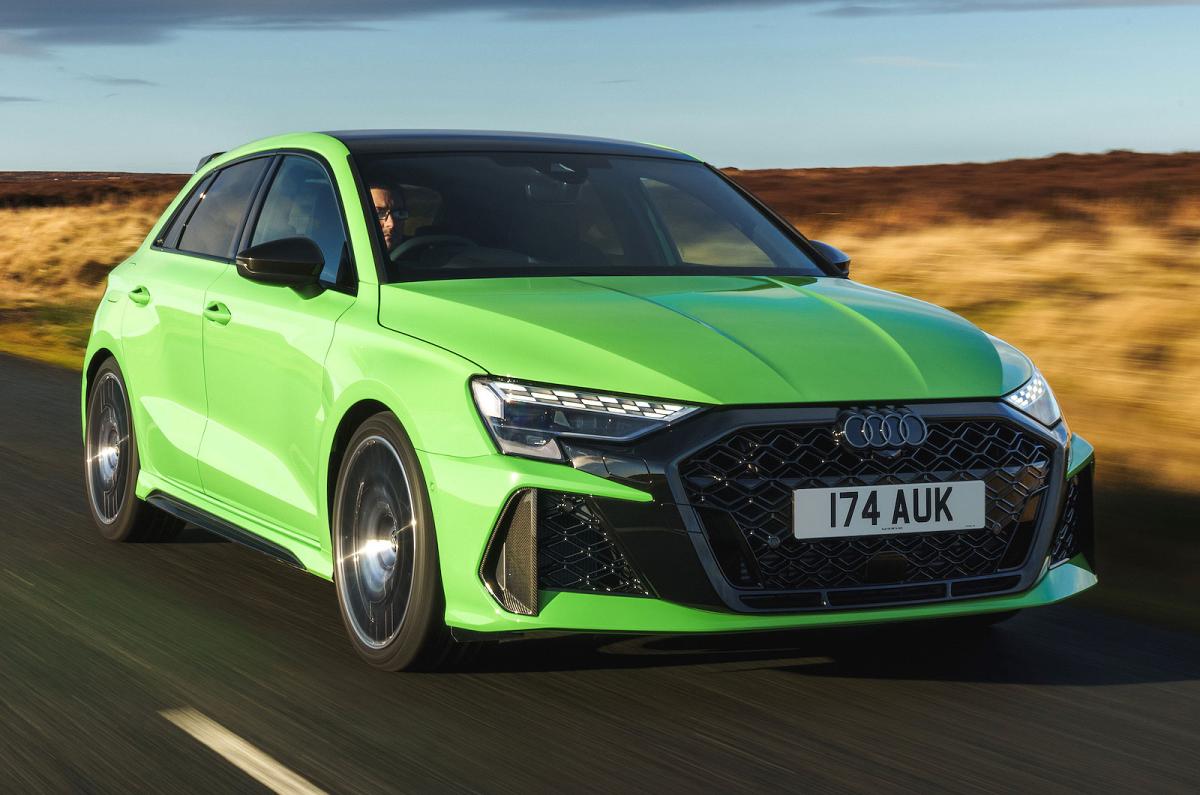
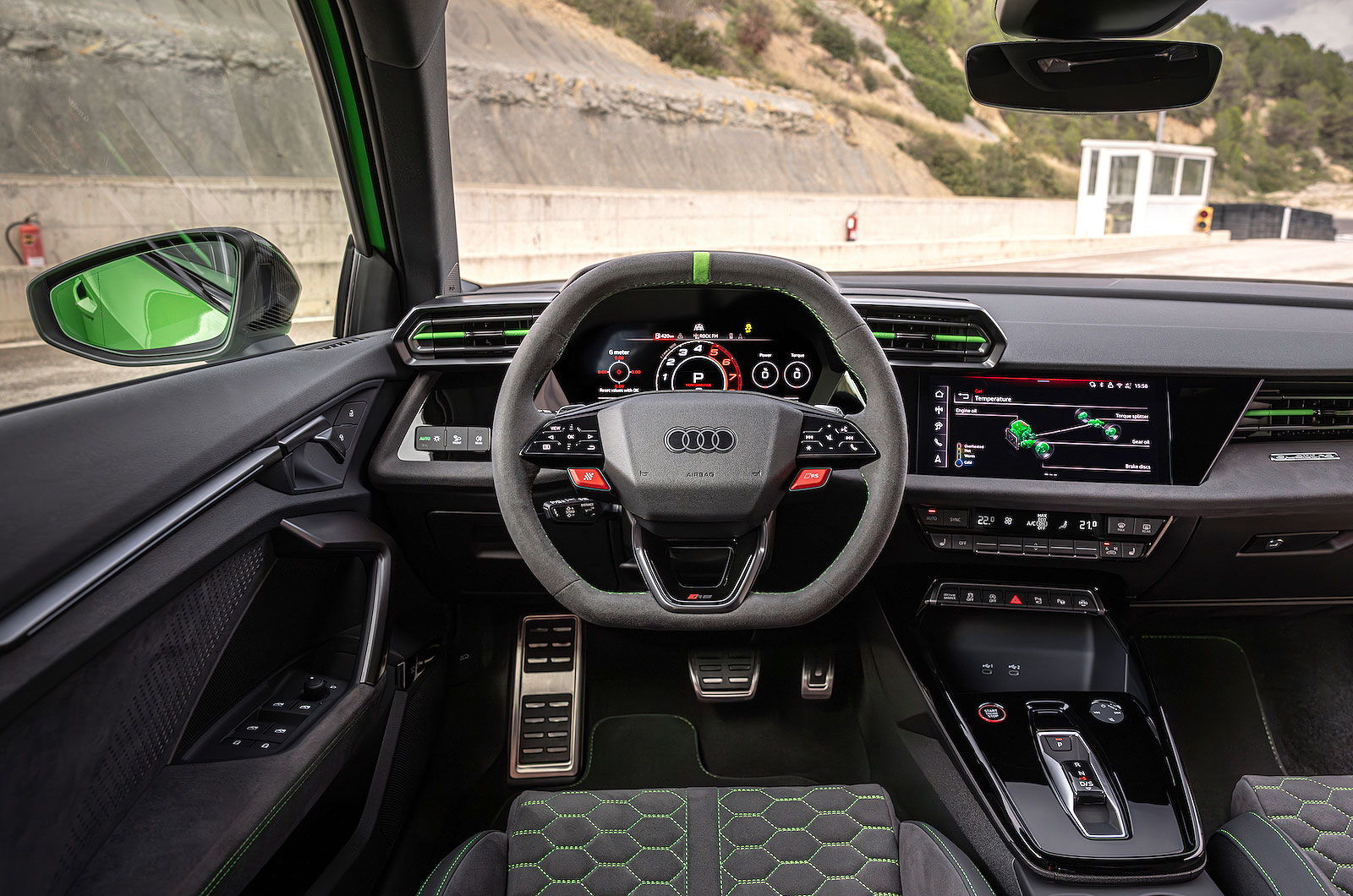
Like the best products, the Audi RS3 has a unique selling point to help it stand out from the automotive crowd. In this case, it's quite a good one, too – a 2.5-litre, five-cylinder petrol engine. And if the significance of that isn't readily apparent to you, consider this: it's bonkers fast, wonderfully enjoyable and emits the kind of soundtrack which will have you taking the long route home every time.
When you want it to be, the RS3 can attack lap times with the very best hot hatches, with sharp steering, and an innovative torque splitter which allows drive to be sent to each rear wheel completely independently. Yet when all you want to do is get home, the RS3 can be comfortable and relaxing, just like the regular Audi A3.
In most respects, the RS3 is every bit as practical as the regular A3, with one exception. That's because its four-wheel drive system raises the boot floor, making the load bay very shallow, and meaning we could fit just four carry-0n suitcases into it, compared with five in the Mercedes-AMG A45. That said, if you do need to carry more, then 40/20/40 split-folding rear seats come as standard.
"The interior of the latest RS3 has just enough touches to make it feel bespoke compared with a regular Audi A3. It’s just a shame the quality doesn’t quite match the car’s high price." – Lawrence Cheung, New Cars Editor
Read our in-depth Audi RS3 Sportback review
What is What Car? best price?
The What Car? best price shows you the cheapest way to buy your new car, whether it's by choosing an in-stock car through our partner Autotrader or placing a factory order.
Available now from: £64,685
RRP from: £61,975
About our price indicator
What Car? indicative Personal lease example (subject to status)
2.5 TFSI Sportback 5dr Petrol S Tronic quattro Euro 6 (s/s) (400 ps)
| Expected annual mileage | 5000 |
| Term months | 60 |
| Deposit months | 12 |
| Monthly payment | £602.55 |
| Initial payment | £7,230.60 |
Step-by-step
Leasing works a bit like a long-term rental. You drive it, but you don’t own it.
- Choose your car, pick your terms and apply for lease credit online
- Pay monthly rental payments for your chosen term length
- Drive it, enjoy it, then give it back at the end
What you get
When you lease with Autotrader you get all of this:
- Full manufacturer’s warranty
- Road tax and roadside assistance included
- No admin fees
- Free returns within 30 days*
- Lower total monthly cost than PCP/HP
- No balloon payments
- Road tax included
Our pick: 2.9 V6 Bi-Turbo Quadrifoglio Auto Euro 6 (s/s) 4dr
Strengths
- Wonderful engine
- Agile, involving handling
- Pliant ride
Weaknesses
- Interior quality disappoints in places
- Inconsistent brake feel
- Race mode switches of stability control
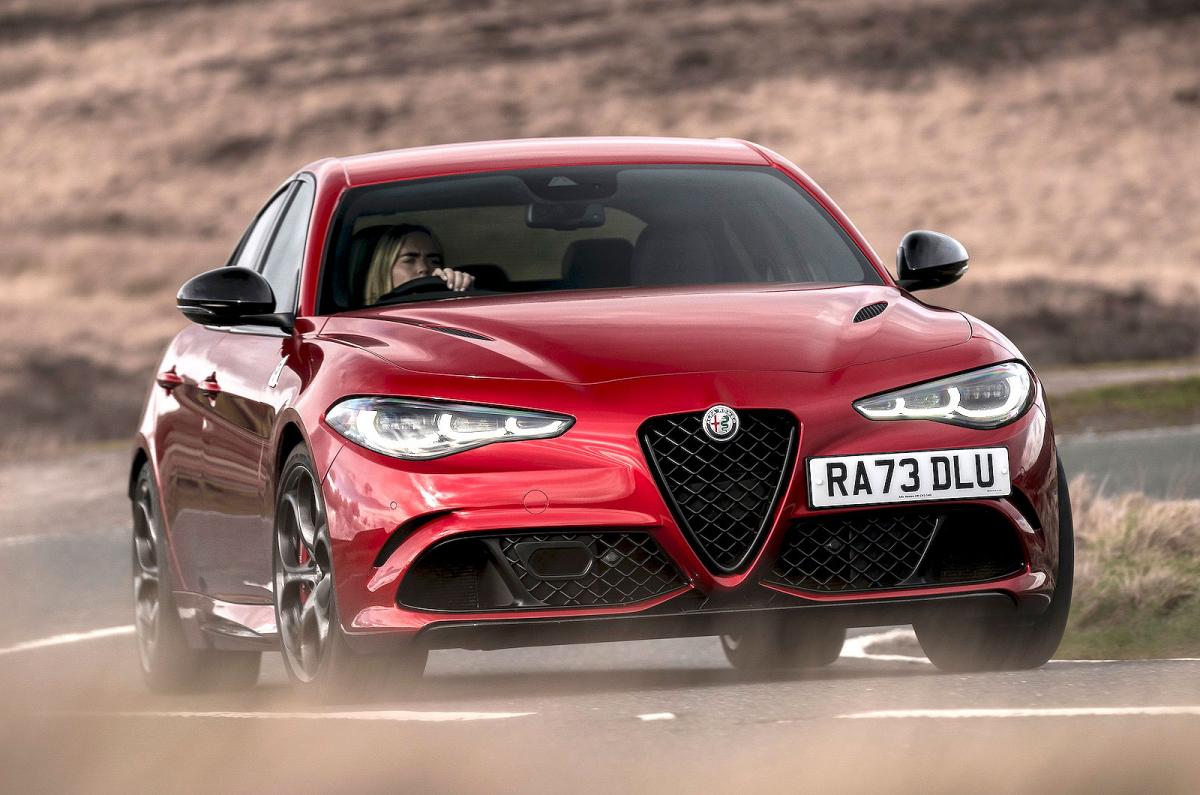
This two-time winner of our Performance Car of the Year Award is one of the best sports saloons to drive on a winding B-road, due to its engaging handling and free-revving 2.9-litre V6 petrol engine. It has plenty of performance – we managed to hit 60mph in just 3.7 seconds at our private test track – and can out-sprint the Porsche Taycan 4S to motorway speeds.
Put the Giulia Quadrifoglio into its Race mode, and it provides an excellent soundtrack too, with the exhaust barking and crackling loudly as the gearbox helps you to press on.
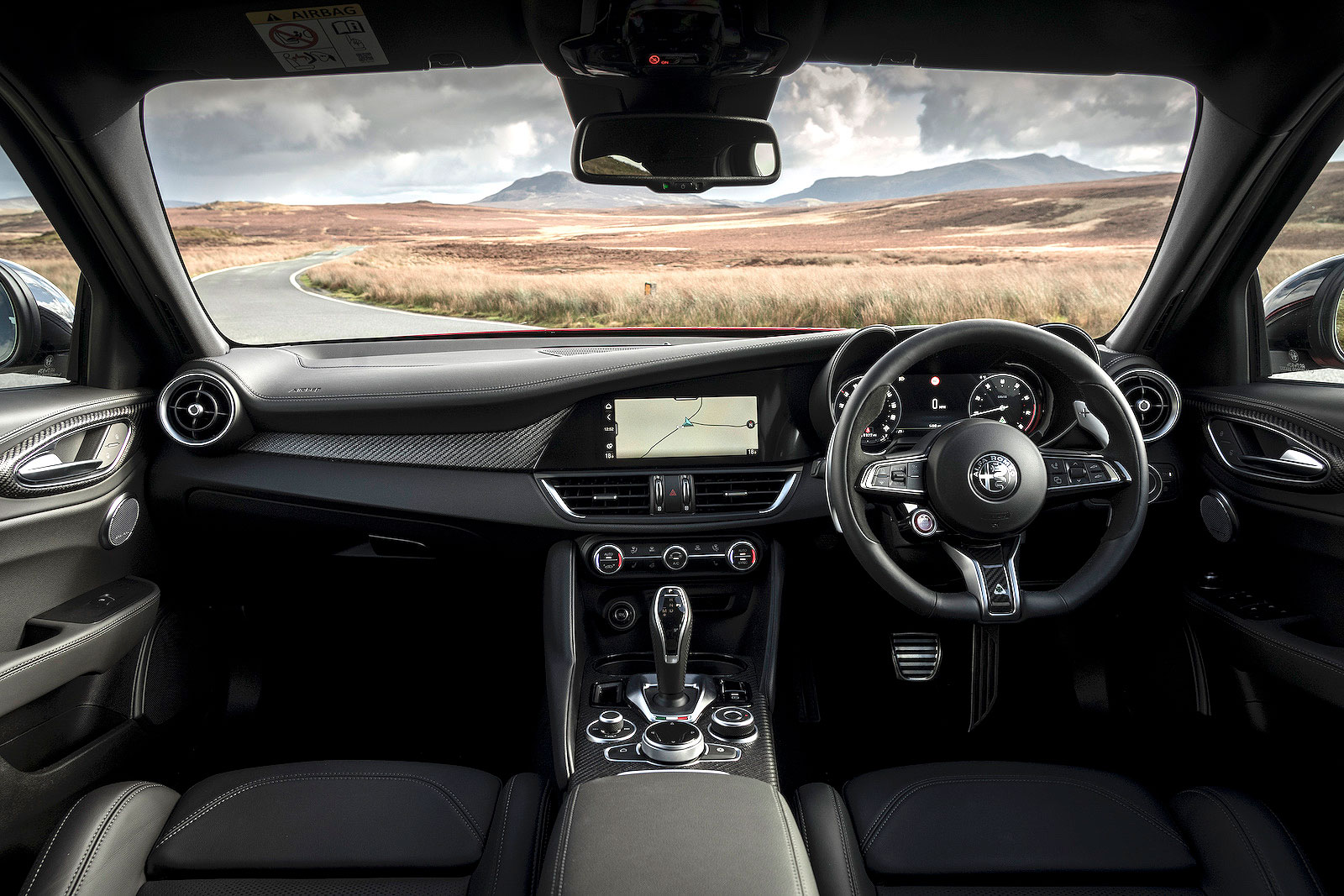
On the inside, however, there are areas where it falls short of its rivals – both the BMW M3 Touring feels more premium inside. Plus, space in the back is lessened by the car’s low roofline.
“While the Giulia Quadrifoglio undoubtedly has a licence to thrill, it is let down in other areas. I found its infotainment system difficult to get along with, hindered by being slow to respond and with graphics which don't match the car's price.” – Lawrence Cheung, New Cars Editor
Read our in-depth Alfa Romeo Giulia Quadrifoglio review
For all the latest reviews, advice and new car deals, sign up to the What Car? newsletter here
What is What Car? best price?
The What Car? best price shows you the cheapest way to buy your new car, whether it's by choosing an in-stock car through our partner Autotrader or placing a factory order.
Available now from: £40,995
RRP from: £43,800
And the performance car to avoid...
How to choose the best performance car
Performance cars do what they say on the tin: deliver thrilling performance. That’s a given, but you might also be looking for a performance car that’s easy to live with every day, and has enough space to ferry your family and all its belongings around in comfort.
Nowadays, there are so many options on the market, and some perform better than others in certain areas. That’s why it’s so important to know what to look out for when you’re buying a new one.
What sort of fuel would suit you?
Traditionally, performance cars were petrol-powered machines, but now they come in all different forms, with electric models now among some of the best options on the market. But deciding which one is best for you will depend heavily on your daily driving habits.
If the biggest draw of a performance car for you is being immersed in the driving experience, then you might prefer a traditional combustion engine. Not only will you be accompanied by the roar of a high-powered V8 as you’re winding down a country road, but these cars also often come with the option of a more engaging manual gearbox – and there’s little more satisfying than shifting through the gears as you pick up speed.
That being said, electric performance cars are known for delivering instant acceleration – so much so that you could replicate the feeling of riding a launch coaster if you so desired. Indeed, these models are some of the fastest-accelerating cars on the market, so if pure adrenaline is what you’re chasing, it’s worth trying out electric power.
EVs will also be a better option if you prefer a smoother, quieter drive. All electric cars come with automatic gearboxes, so you don’t have to worry about switching gears manually, and the lack of roaring petrol engine means you’ll be travelling in near silence – which, depending on your preferences, could add or take away from the driving experience.
However, given their huge pace, electric performance cars usually come fitted with a heavy battery, which can sometimes make for less agile handling, especially when you’re navigating tight corners. This isn’t the case for every sporty EV, but it’s true that they’re not always as sharp as their petrol counterparts.
How much do you want to spend?
Given their huge power and luxury positioning, you might already be at peace with the fact that buying a new performance car isn’t going to be easy on your wallet. However, nobody wants a car that’s going to be ruinous to run, so it’s worth taking into account what you can do to keep your running costs as low as possible.
If you have the ability to charge up at home or at work, then an electric car can be really cost-effective. Not only can you charge overnight, when rates are much cheaper, but you’ll also pay a lot less in annual VED road tax, which is based on your car’s carbon dioxide (CO2) emissions.
In the past, having a lot of power usually meant you would need to compromise on how far your electric car will go – but times have changed, and some of the best ones now officially offer more than 400 miles of range, which should be more than enough for most drivers.
However, if you don’t have the option to charge up at home or at work for cheap, then you might be better off looking at a combustion-engined vehicle. Public chargers can be expensive, and it can be quite time-consuming to top your big battery up to a decent level. While some cars have official maximum charging rates upwards of 150kW, it’s rare you’ll find UK public chargers that can facilitate speeds faster than that.
On the other hand, petrol engines allow for instantaneous refills which can be much handier if you don’t have access to cheap home charging, but due to their higher CO2 emissions, they might be costlier to tax.
Insuring any performance car will likely cost you a fair bit per year, purely based on the amount of power you have at your fingertips and the fact that they can be costly to repair. It doesn’t help that insurance continues to get more expensive as time goes on – so it’s worth considering if all that power is worth the added cost. Of course, there are other factors that determine how expensive – or cheap – your car insurance will be, so it’s important to research and shop around for quotes, as you would with any other car.
How much space do you need?
Performance cars can vary greatly in practicality, with some models offering boots big enough to rival estate cars, while others can barely fit three passengers in the back without their elbows knocking together.
If you regularly fill your car with five occupants, it’s best to look for one without a steep sloping roofline, which compromises headroom, but which has plenty of space for three in the rear. Coupé-style performance cars are best avoided in this case; they’re often cramped in the back, and some of them only come in a 2+2 seating configuration.
While they look sleek, those pesky sloping rooflines can also have a detrimental effect on boot space, with some models only having room for a weekly shop or singular baby buggy. However, there are some performance cars out there that offer estate car levels of roominess, which is great if you need extra space for some golf clubs, several carry-on suitcases or a furry friend.
If you don’t regularly carry around lots of luggage, or if you have another car that acts as the workhouse for your household, you might find that a performance car in any form will be enough for your needs.
It’s worth remembering that you might have to sacrifice a bit of boot capacity if you opt for an electric performance car, since the battery often takes up some of that space.
Where do you tend to drive?
It goes without saying that you won’t be able to use your performance car to its full potential if you’re always driving at low speeds in the city, or sitting in stop-start traffic on the motorway during rush hour. After all, these models are costly purchases, so you want to make sure you’re getting your money’s worth.
Performance cars can really be worth it if you live close to open, quiet roads, where you have enough space to maintain those high speeds. They’re especially worth it if you have access to a test track where you can unleash the car’s full potential.
Should I buy a performance car?
Buy one if:
- You want exhilarating thrills and an engaging driving experience
- You want something more practical than a sports car
- You’re looking for a car with both petrol and electric options
Don’t buy one if:
- You don’t want to spend a lot of money buying a new car
- You need lots of luggage and passenger space (you might be better off with an estate car or SUV)
- You drive a lot in the city and won’t be able to use the car to its full potential
How we choose the best performance cars
While we put every performance car on the market through its paces on the test track, we’ll spend as much time measuring the boot, interior space and taking down the fuel economy. That’s because performance cars are often used daily – something our testing reflects.
We do all of this through the lens of a performance car buyer, of course. And to determine the key areas that matter most to sports-car buyers, we use data from more than 20,000 people who completed our annual reader survey. These are:
Performance – an important factor for 95% of performance car buyers
Power, acceleration and speed are of utmost importance in a performance car. As such, we conduct 0-60mph testing on our closed course to see if a car lags behind, matches or even betters its official time. We also test how quickly a car can go from 50-70mph, so you can see how capable it’ll be at overtaking and getting up to motorway speeds.
To make sure it’s got the stopping power to match its straight-line performance, we also perform emergency brake tests from 30mph and 70mph to measure how far it takes the car to come to a complete stop.
Handling – an important factor for 76% of performance car buyers
Our handling tests are conducted on track and on the road, where our experienced road testers analyse the driving dynamics. The steering must be well weighted, precise and confidence inspiring. The suspension must be able to deal with undulating roads and control body movements well through sweeping and tight bends.
Interior quality – an important factor for 73% of performance car buyers
Performance cars are often expensive items, which is why our experts spend time going over every inch of a car’s interior, analysing where a car maker has spent money and where it might’ve cheapened out. This way we can tell you which performance cars have the most premium-feeling interiors and which ones are style over substance.
Our tests don’t end there. Regardless of the type of car, we put every model through an unrivalled test regime to deliver our definitive verdict. This is outlined in our how we test cars feature.