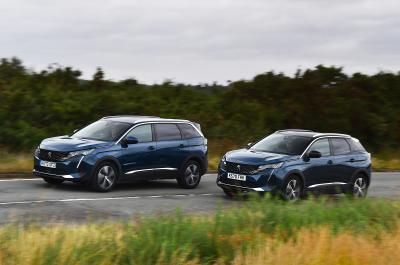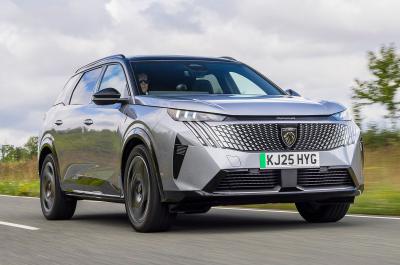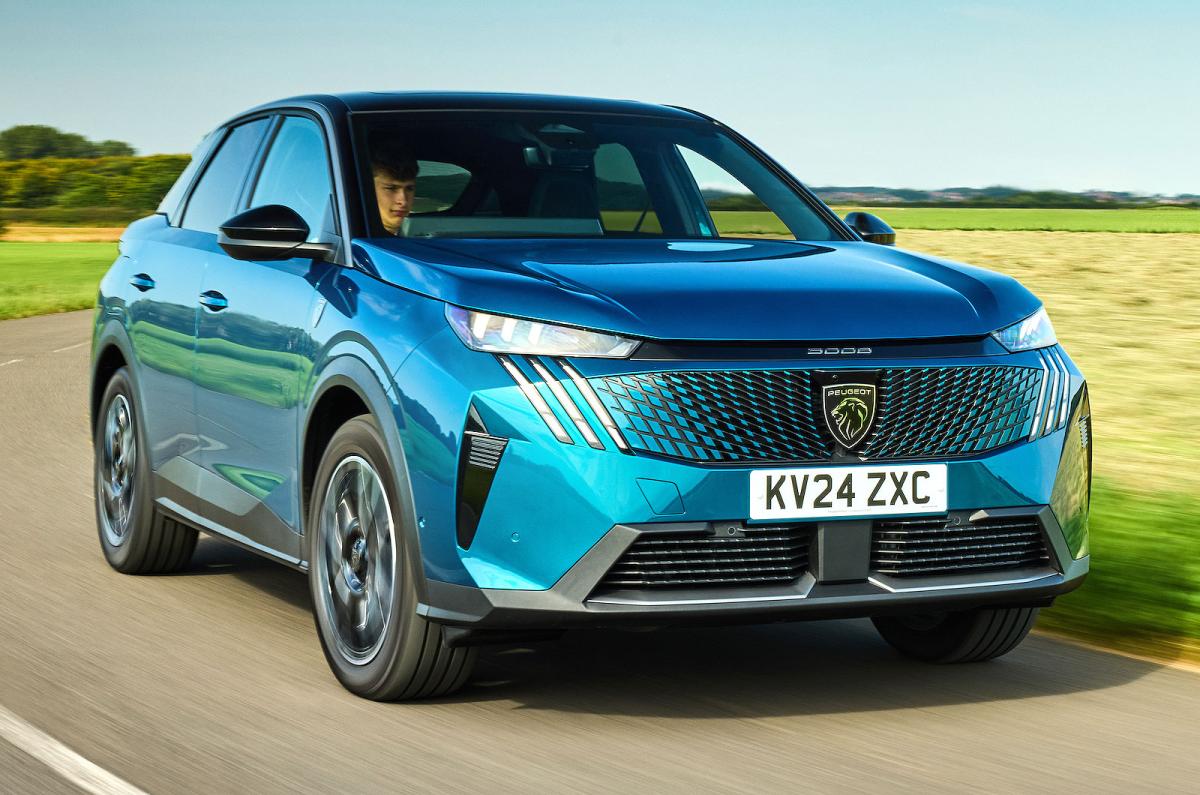
- Peugeot 3008 front right driving
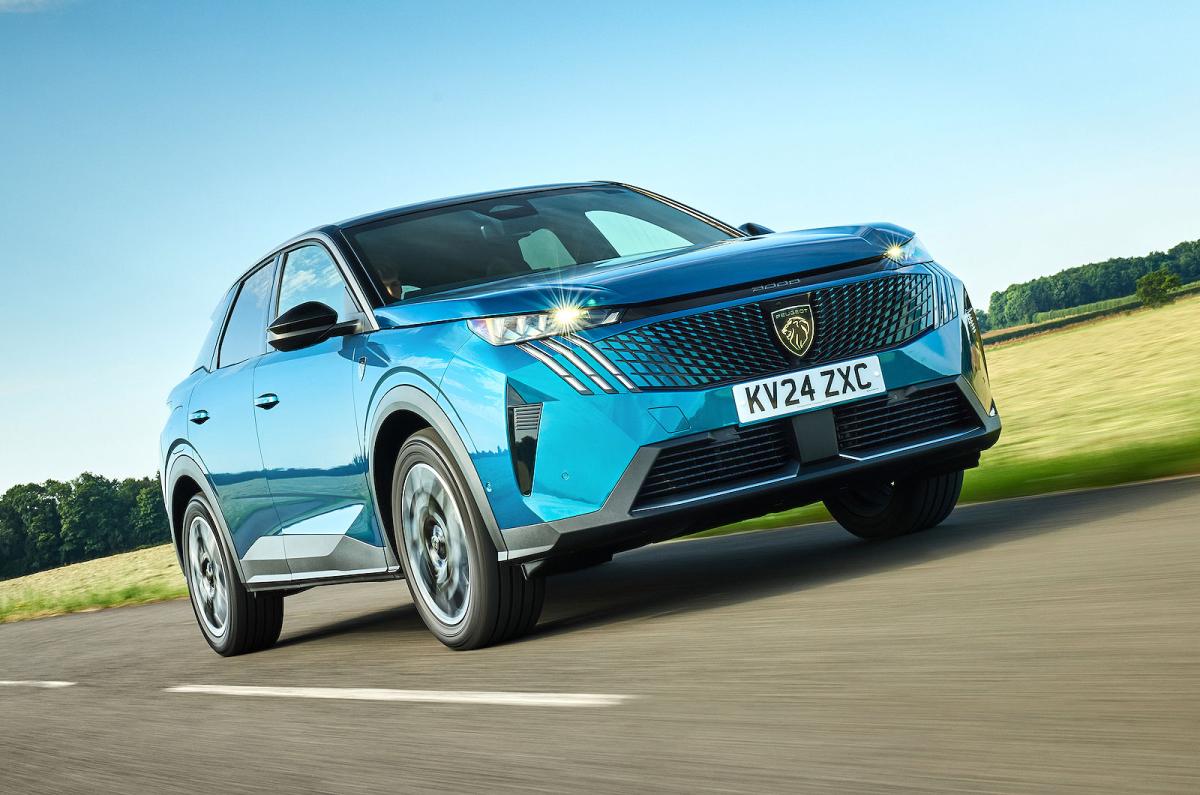
- Peugeot 3008 front right driving
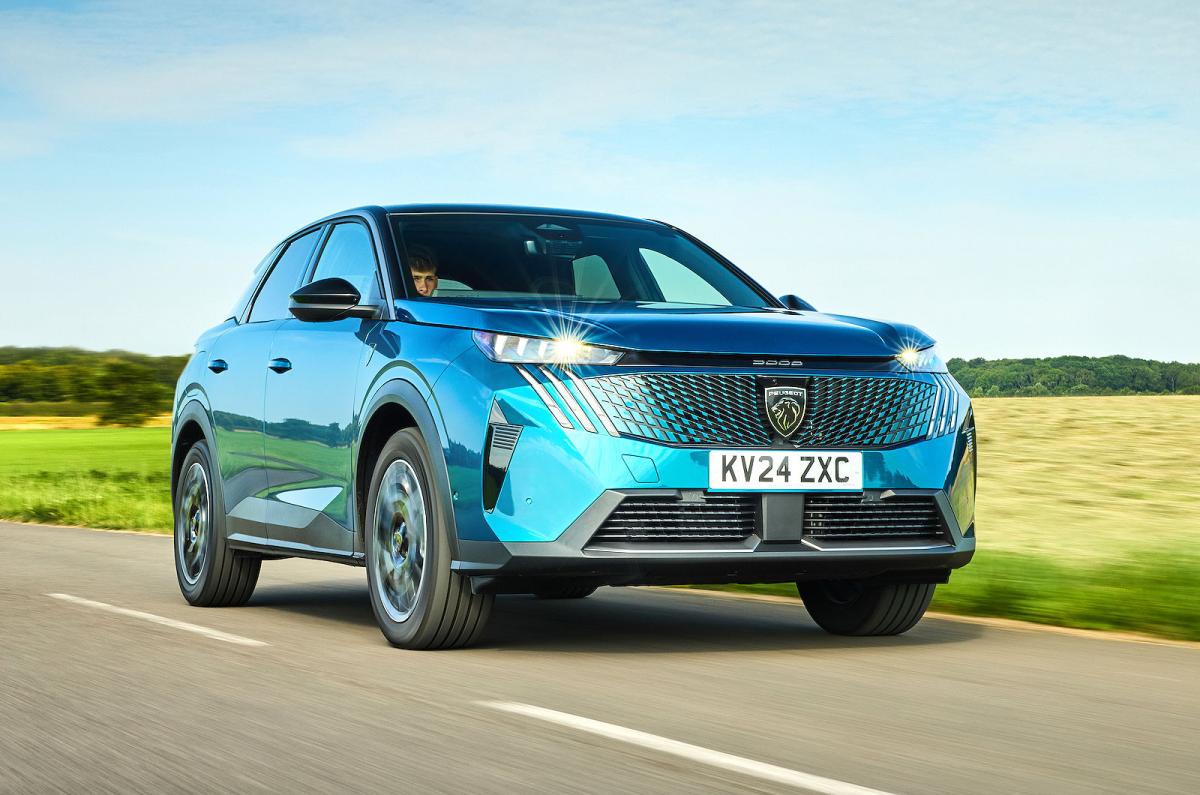
- Peugeot 3008 front right driving
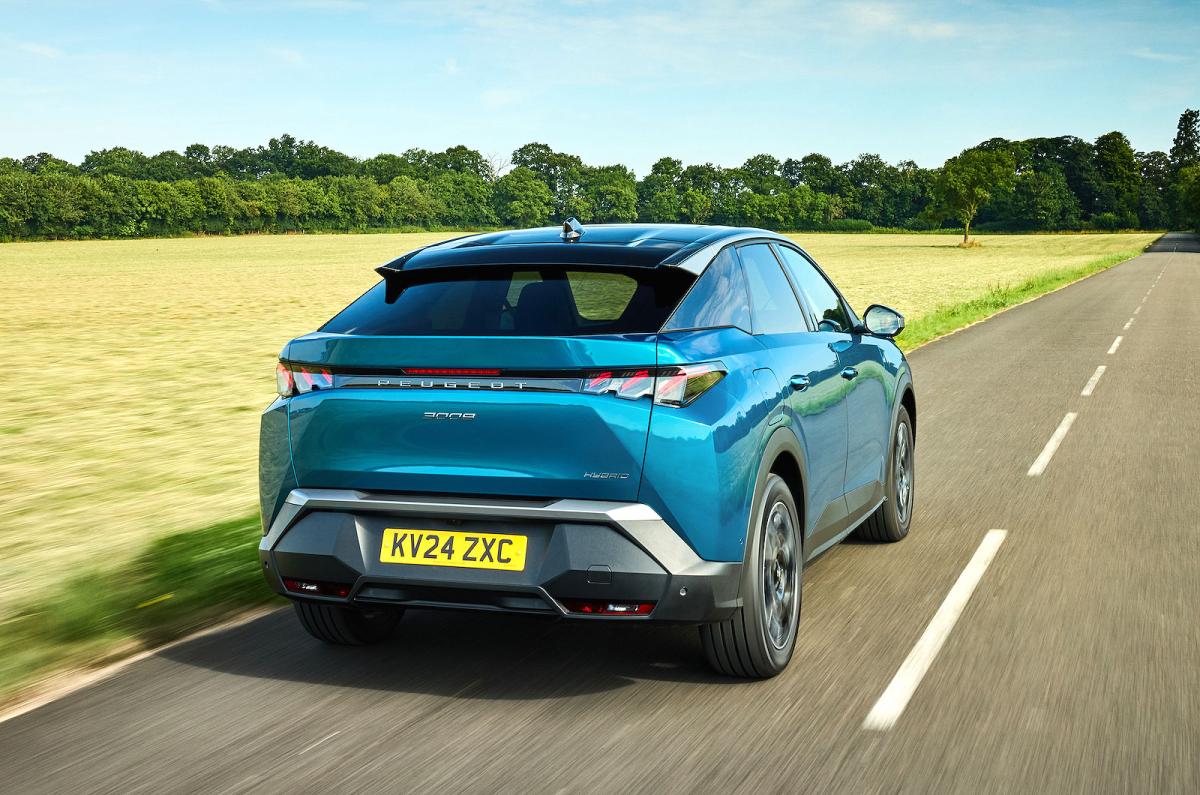
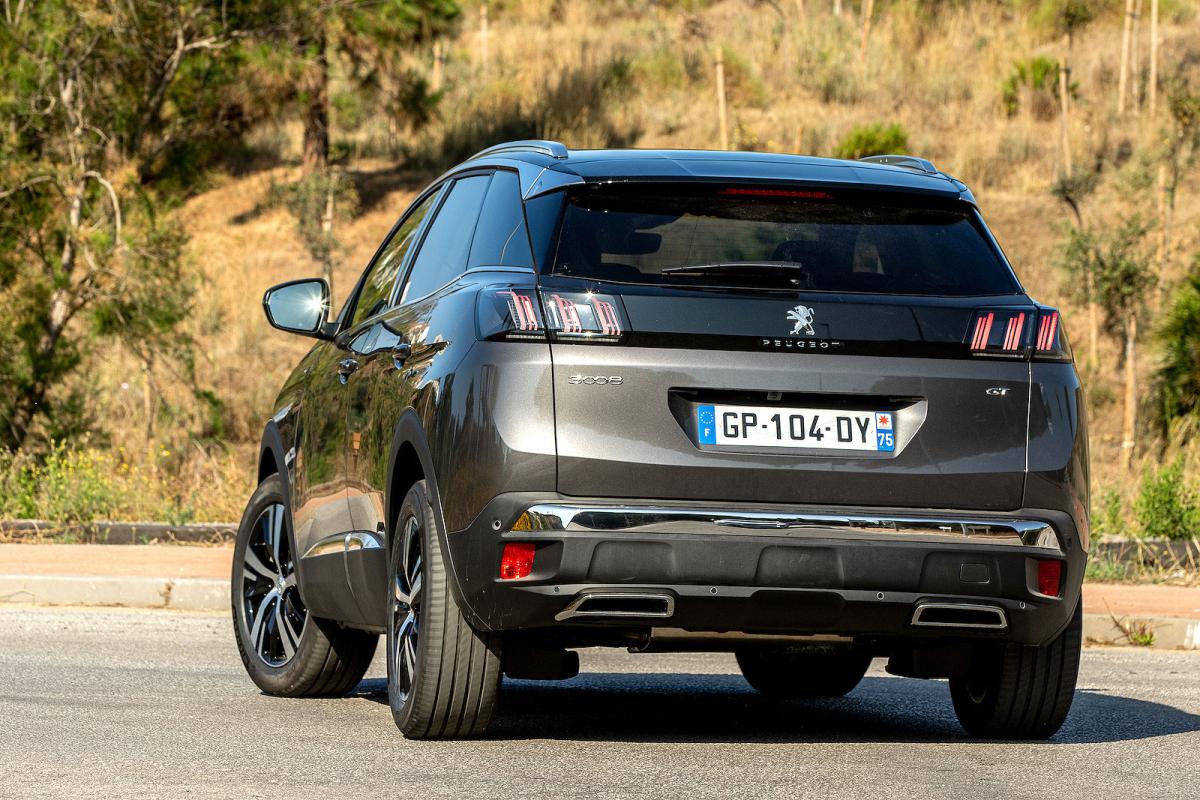
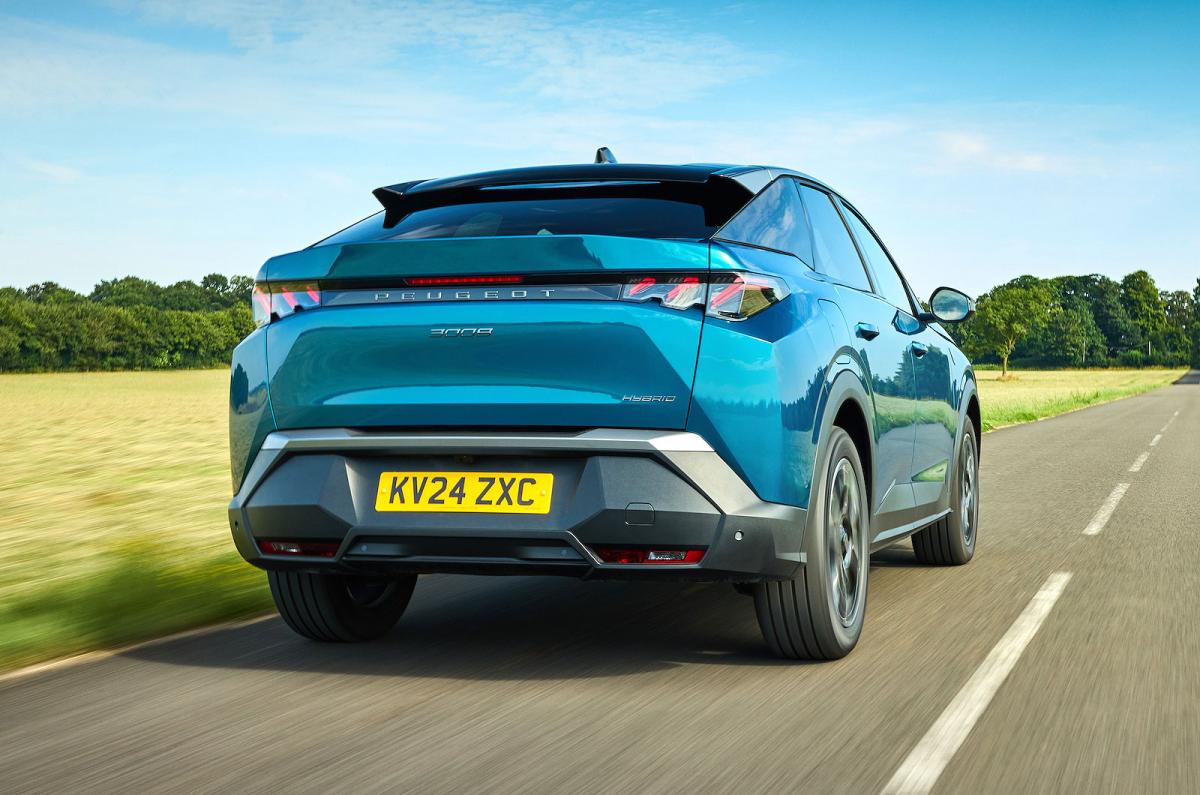
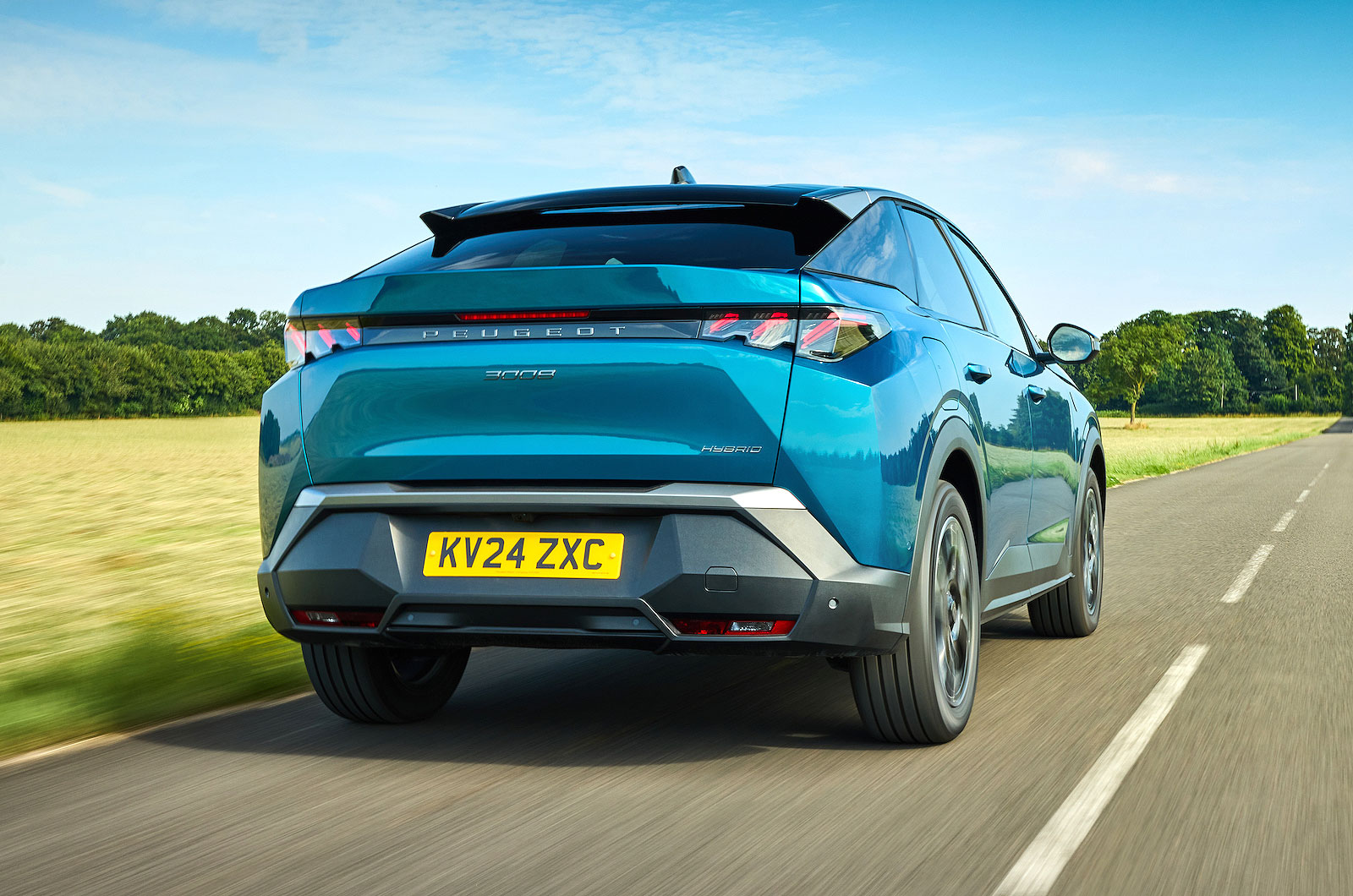
- Peugeot 3008 rear right driving
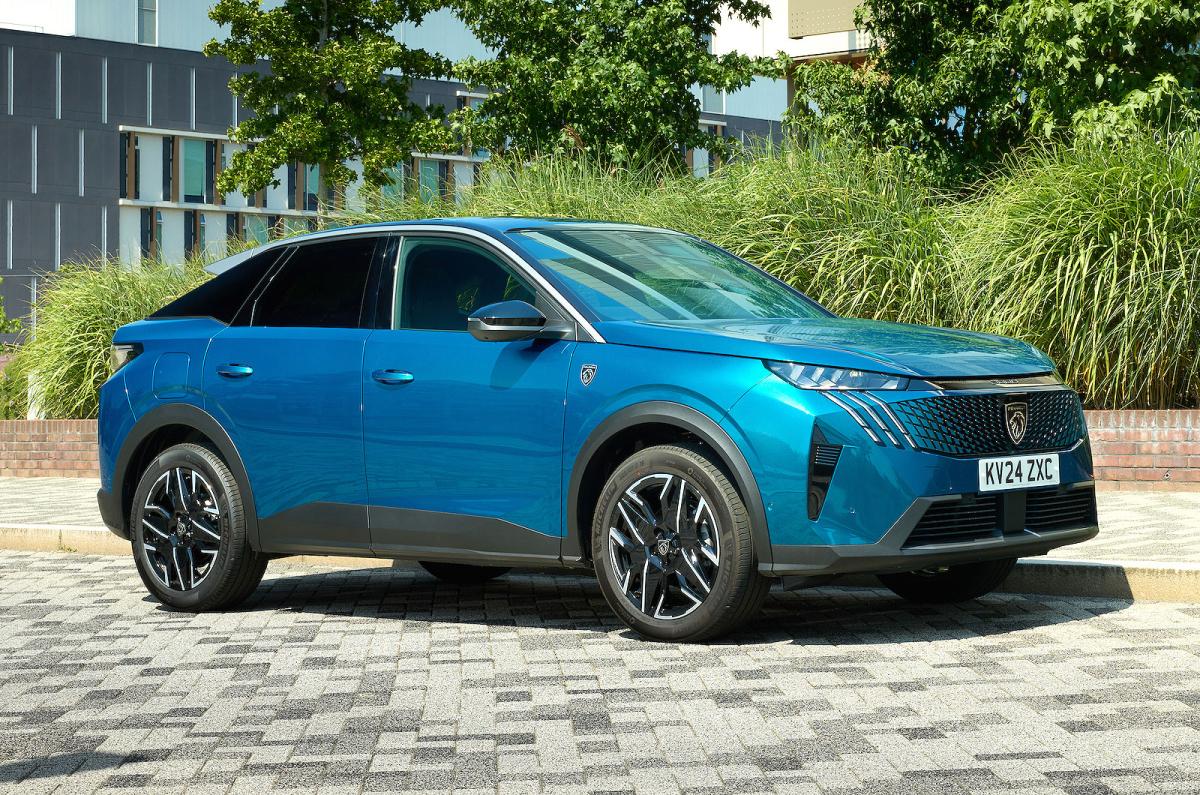
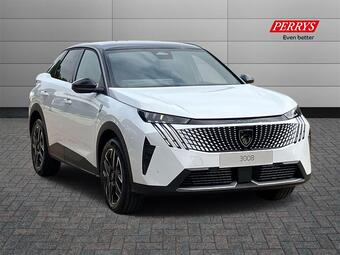
- Peugeot 3008 front right static
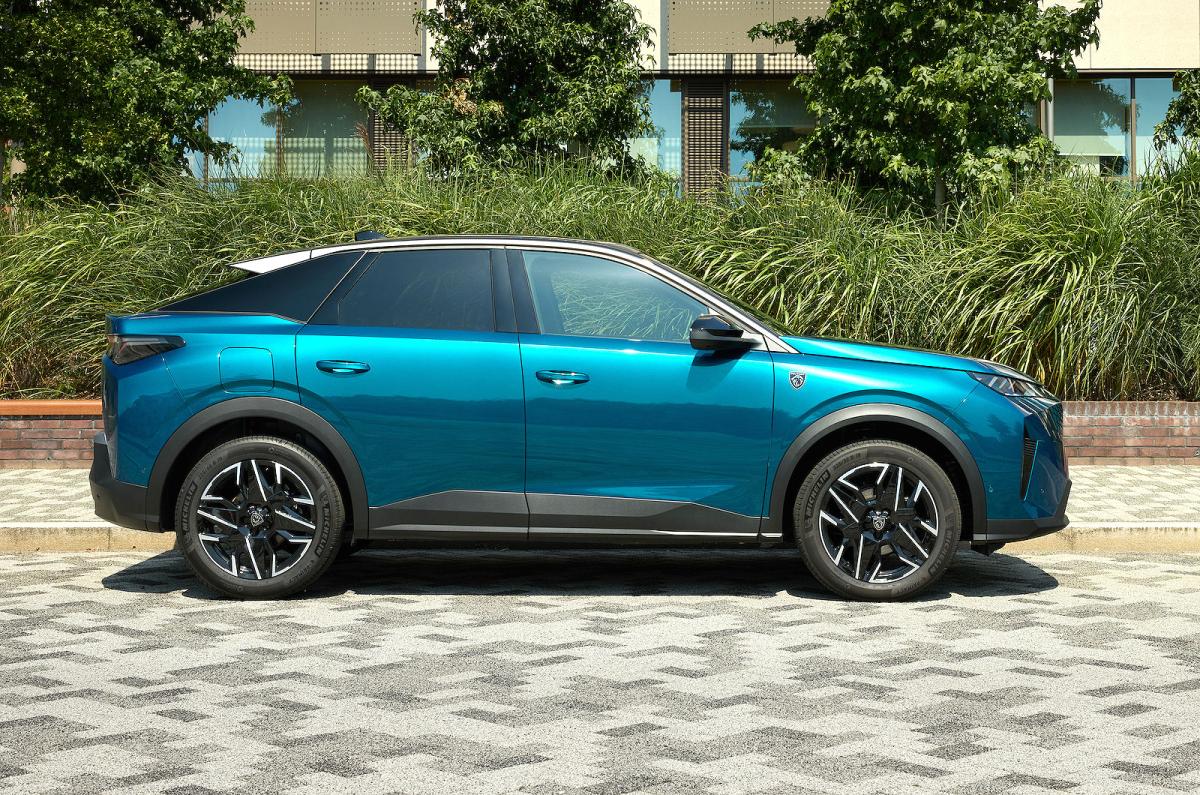
- Peugeot 3008 right static
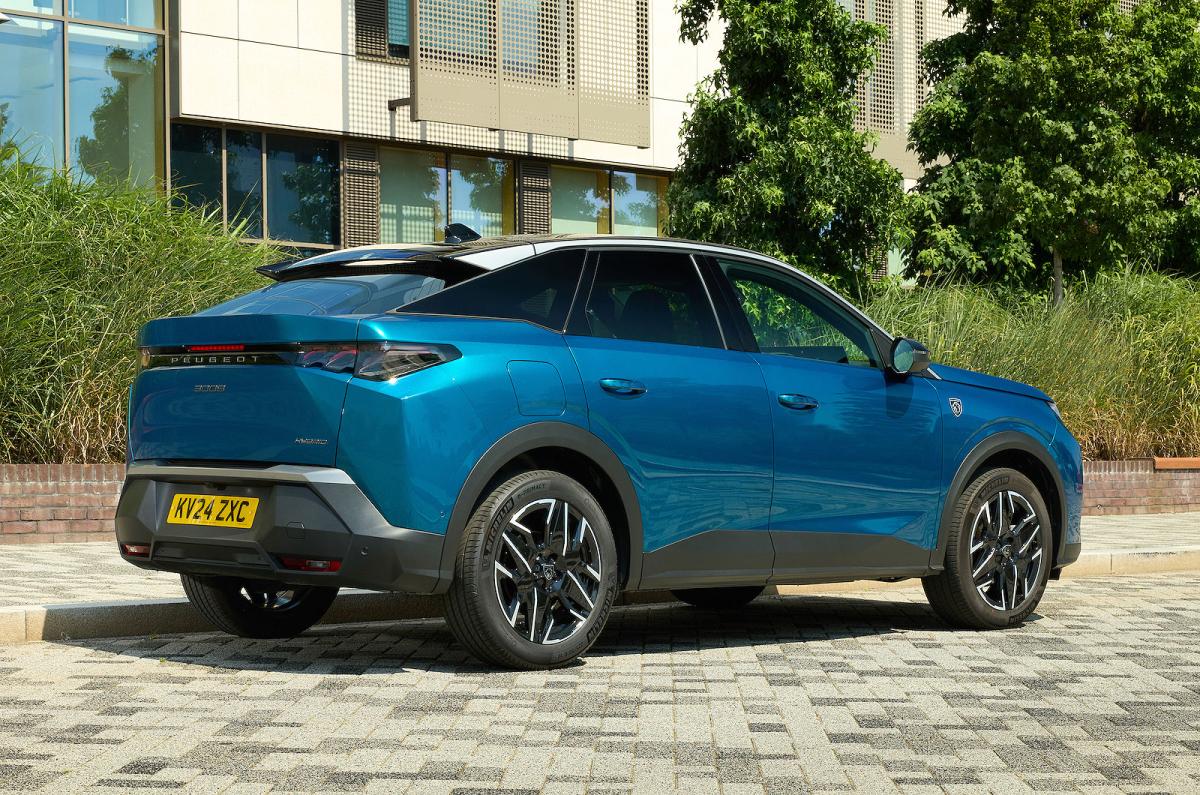
- Peugeot 3008 rear right static
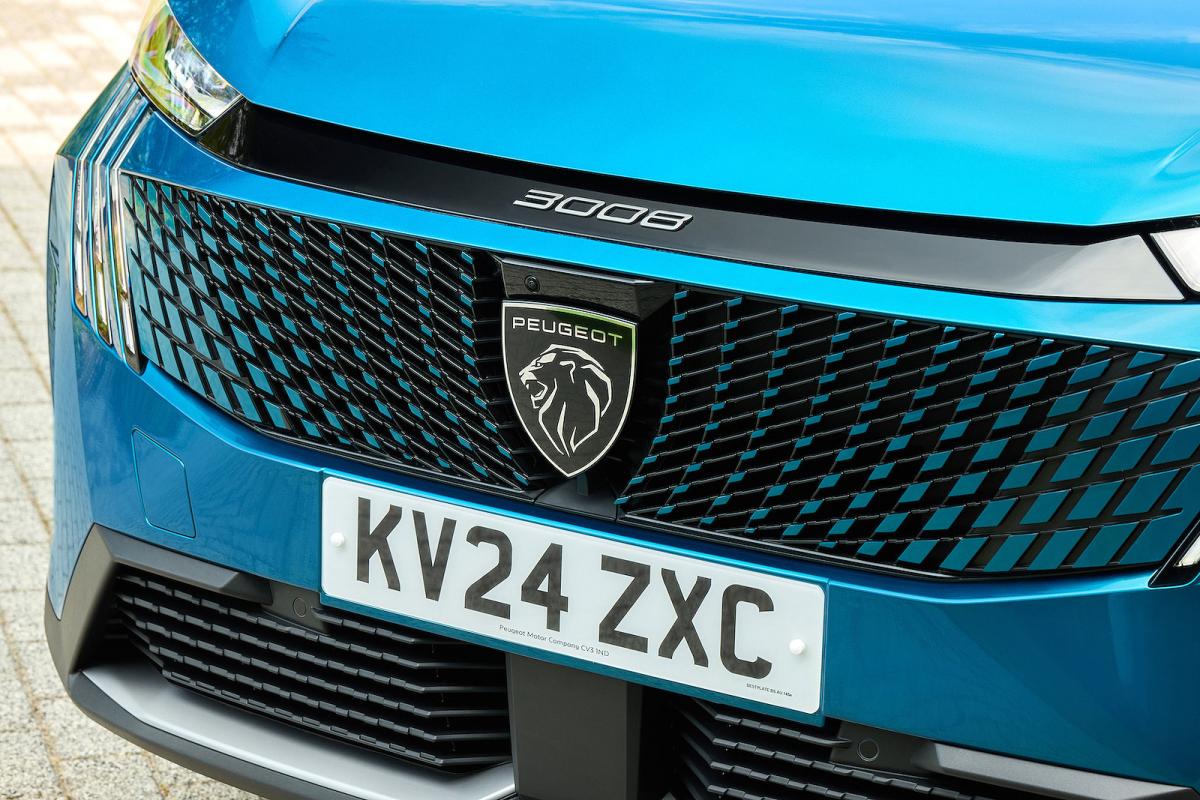
- Peugeot 3008 grille
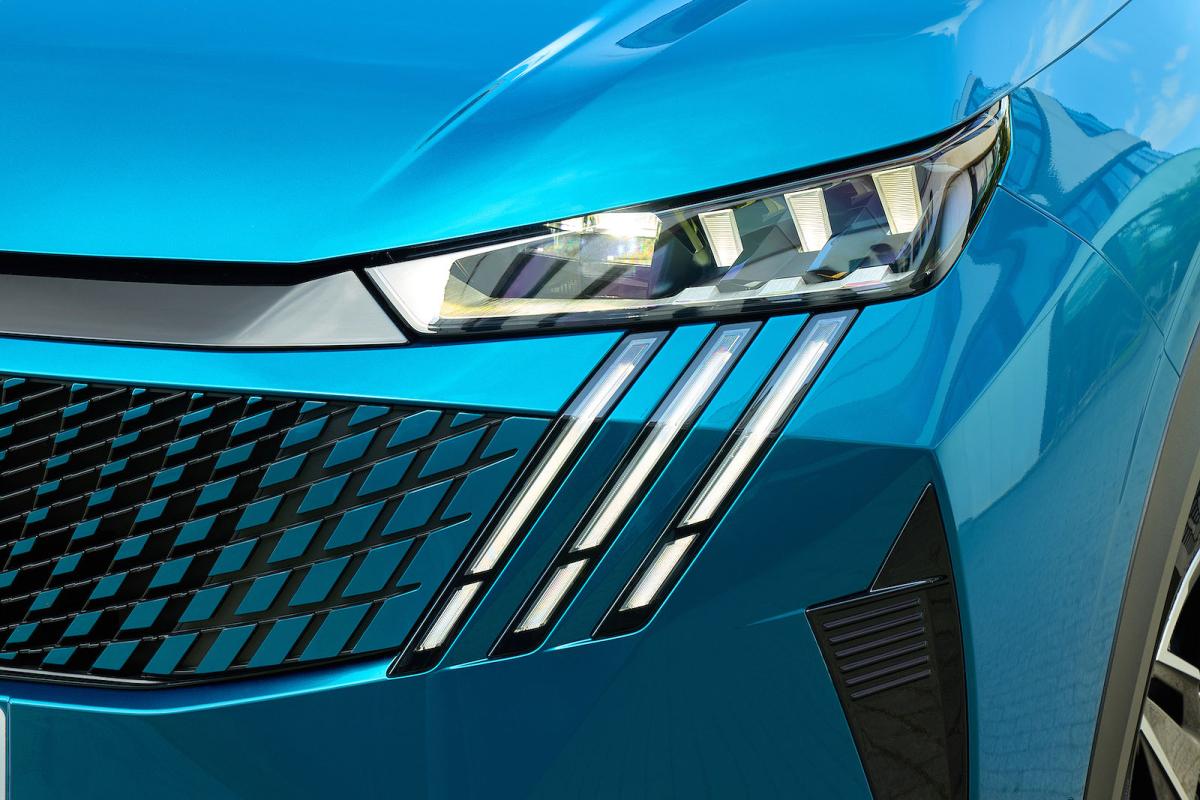
- Peugeot 3008 headlights
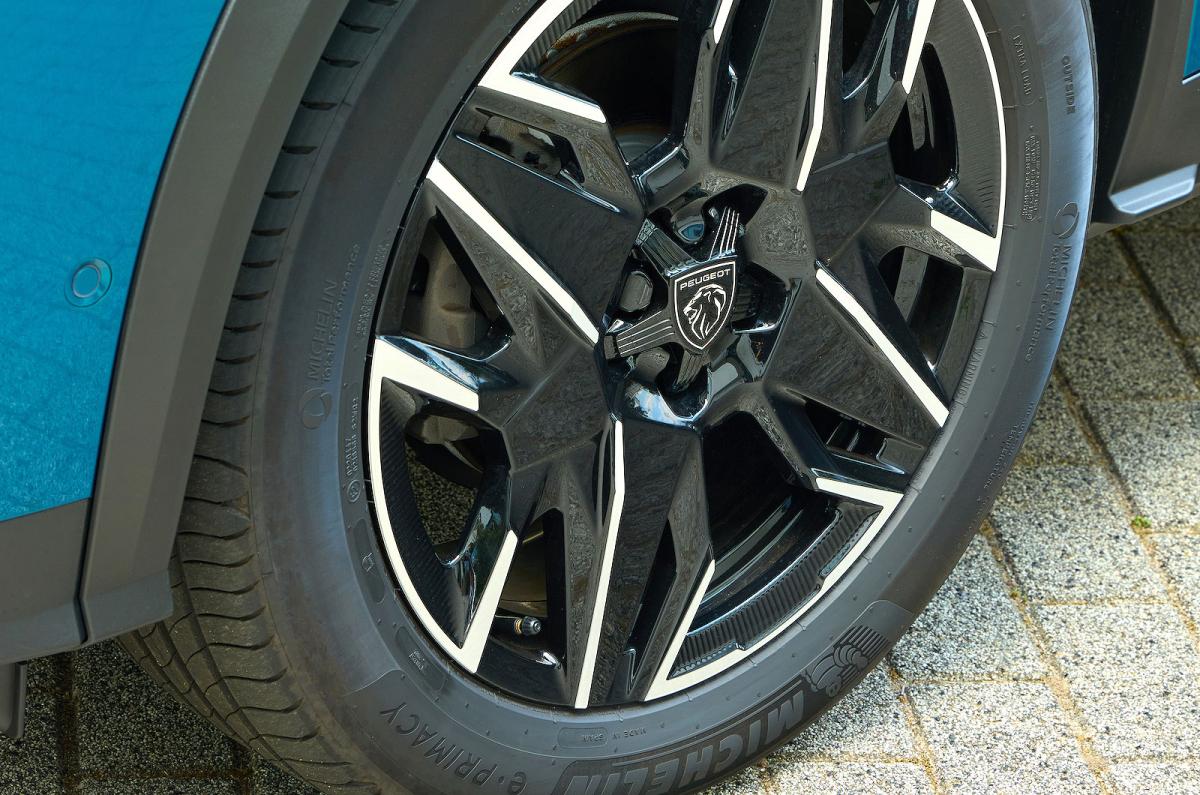
- Peugeot 3008 alloy wheel
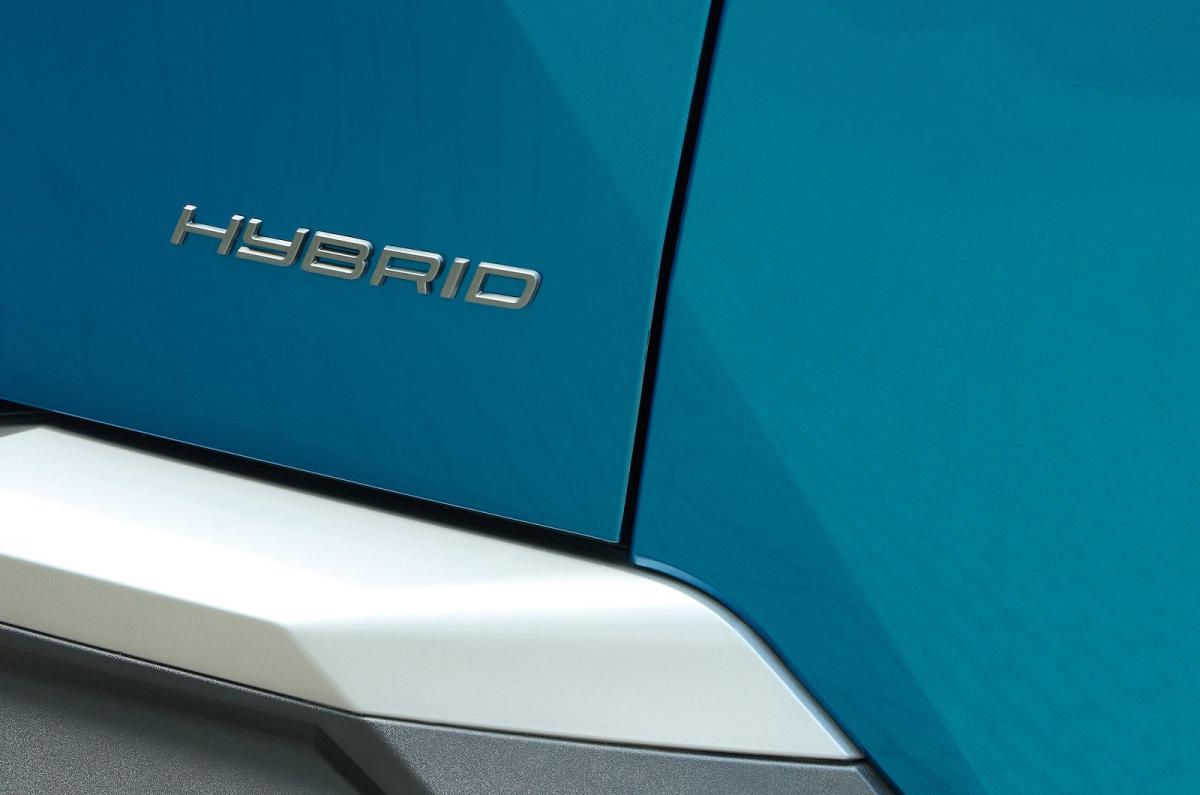
- Peugeot 3008 rear badge
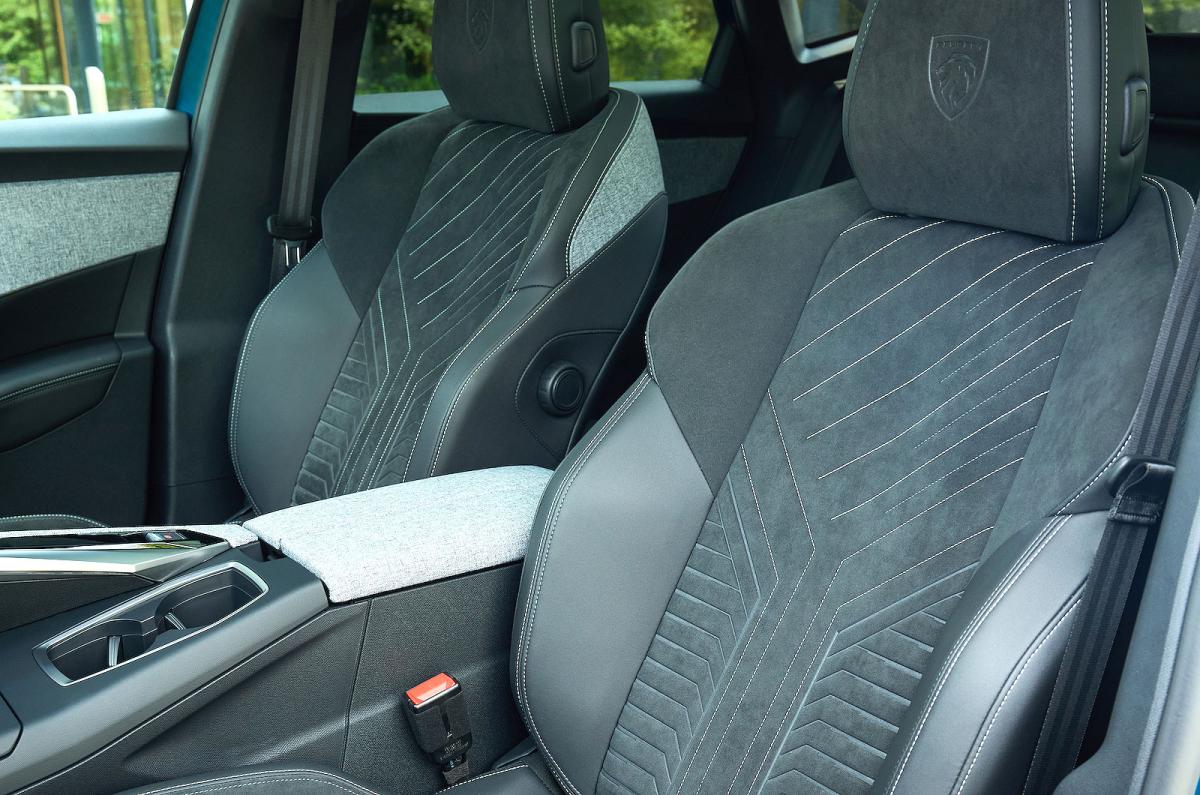
- Peugeot 3008 front seats
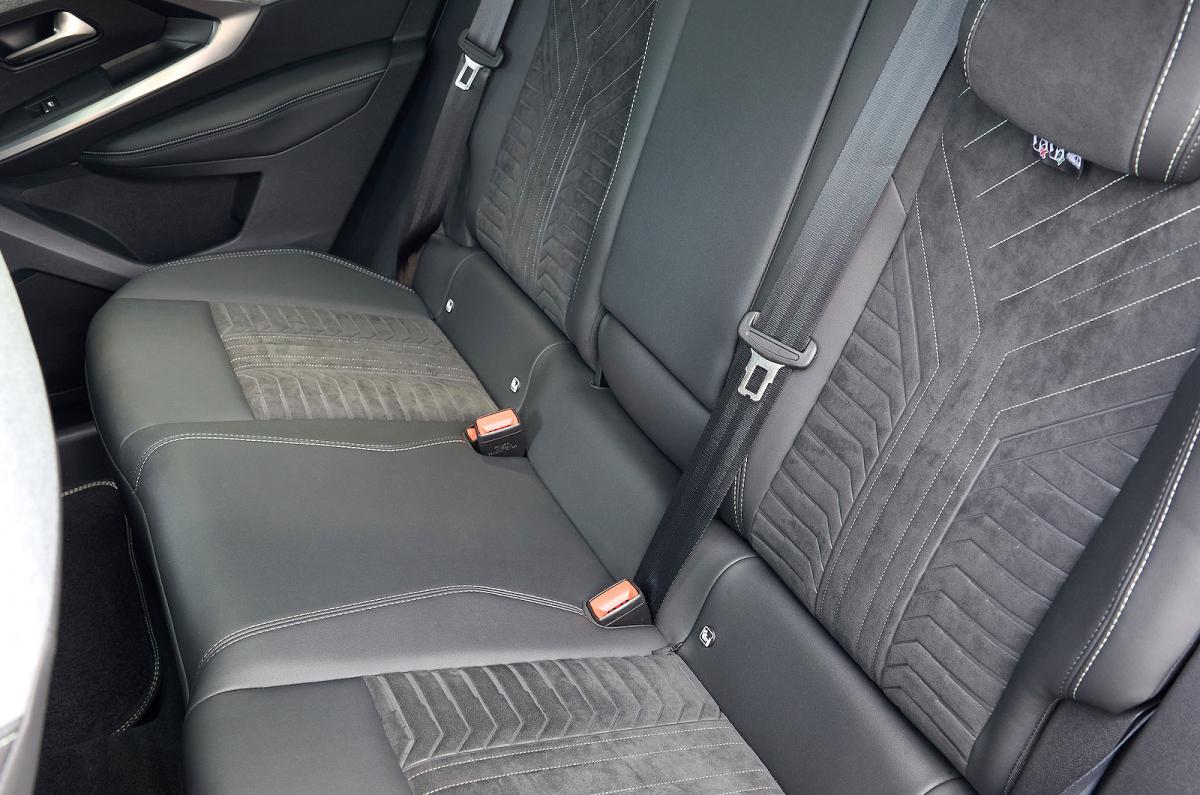
- Peugeot 3008 back seats
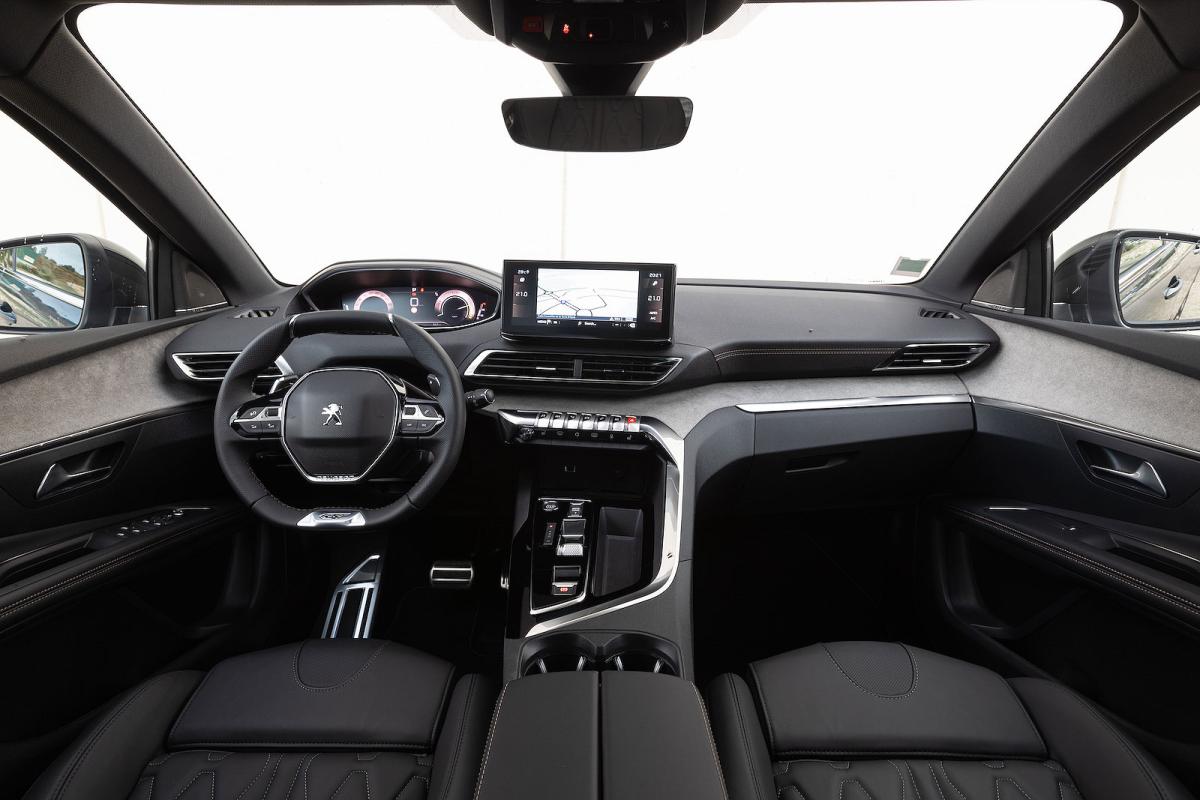
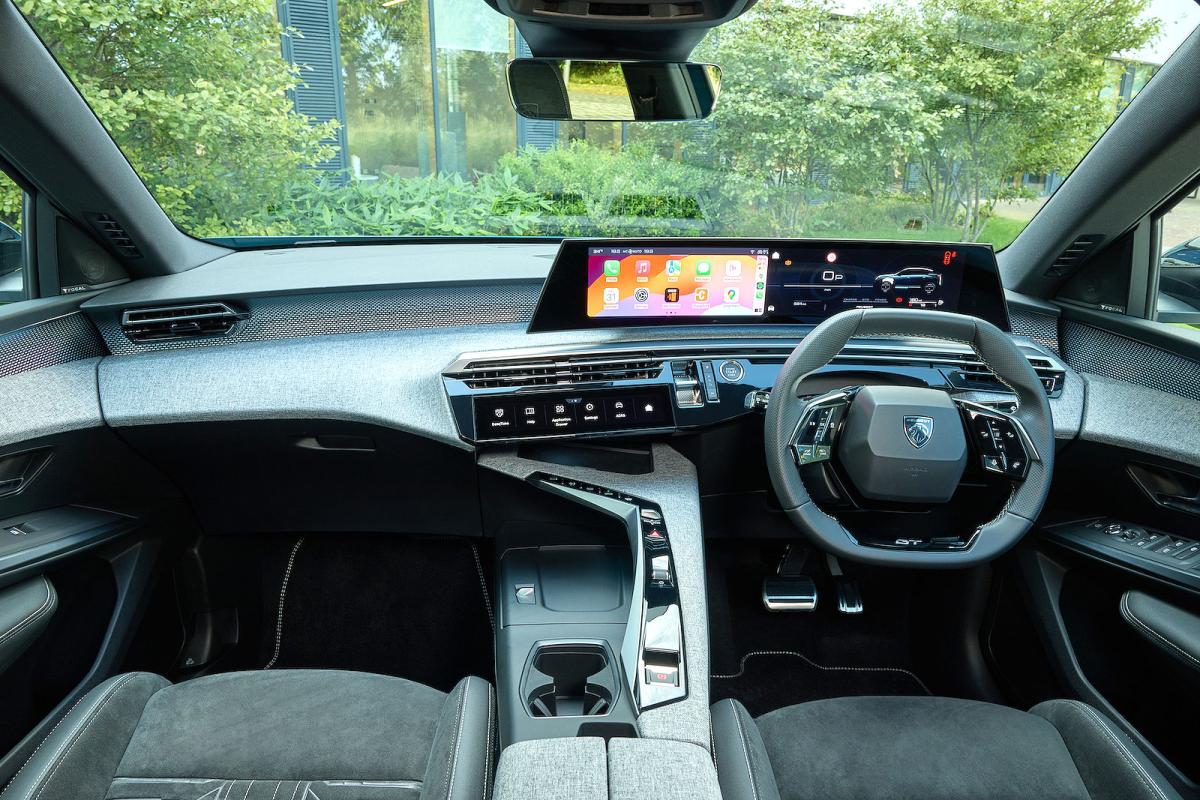
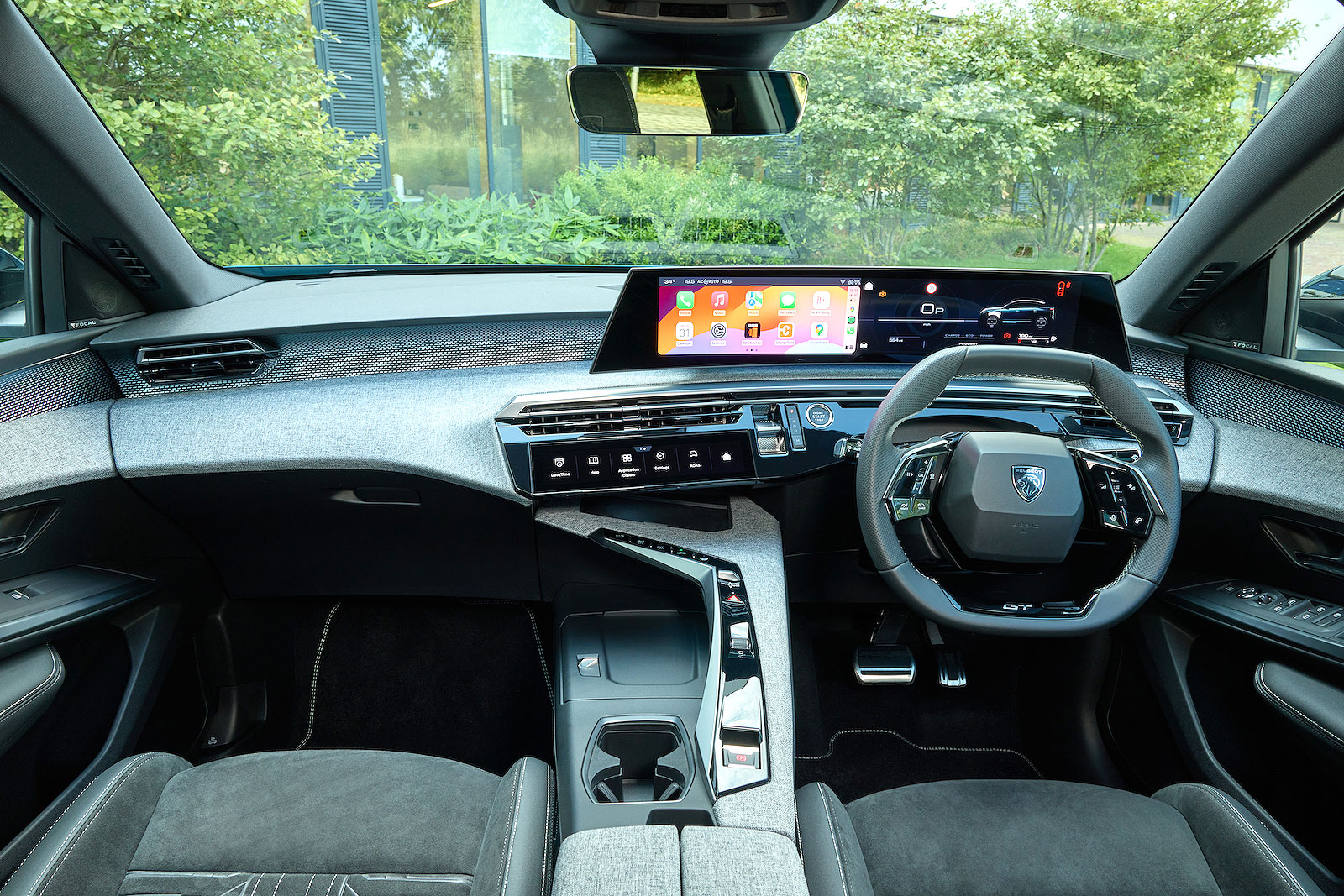
- Peugeot 3008 interior dashboard
- Peugeot 3008 interior front seats
- Peugeot 3008 rear cornering
- Peugeot 3008 rear right driving
- Peugeot 3008 dashboard
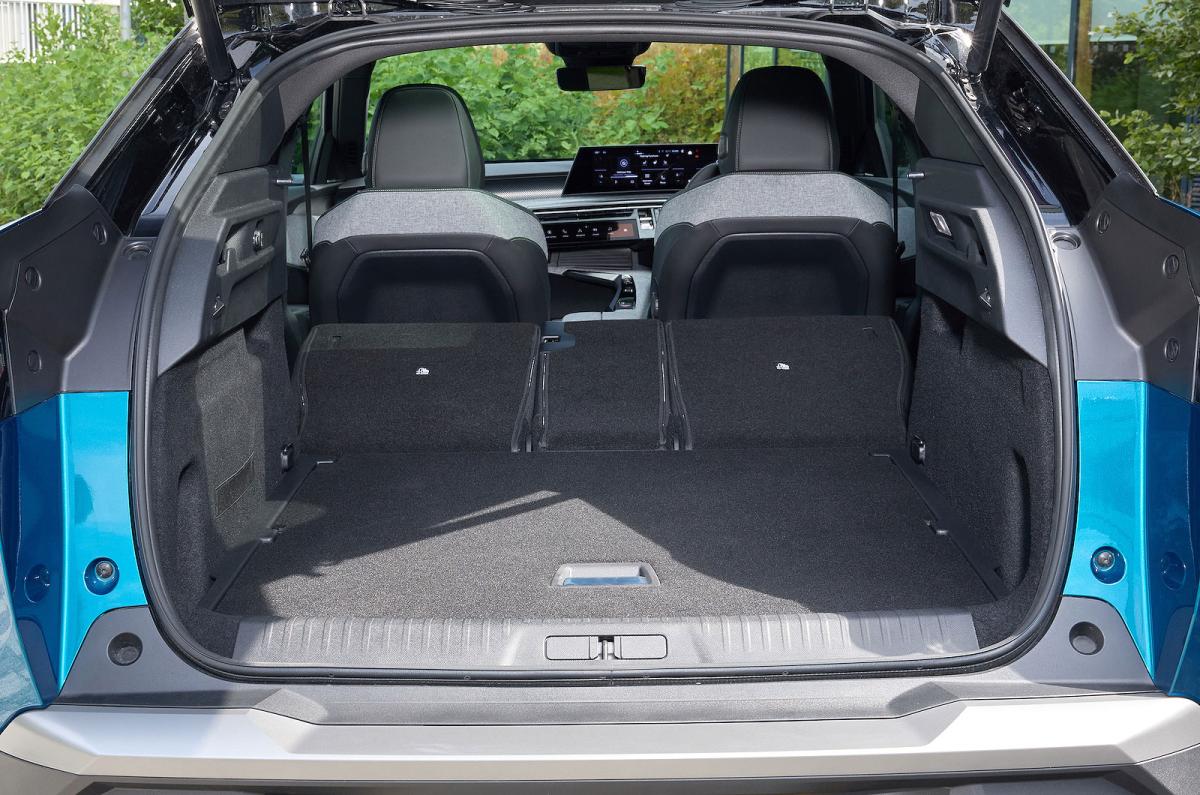
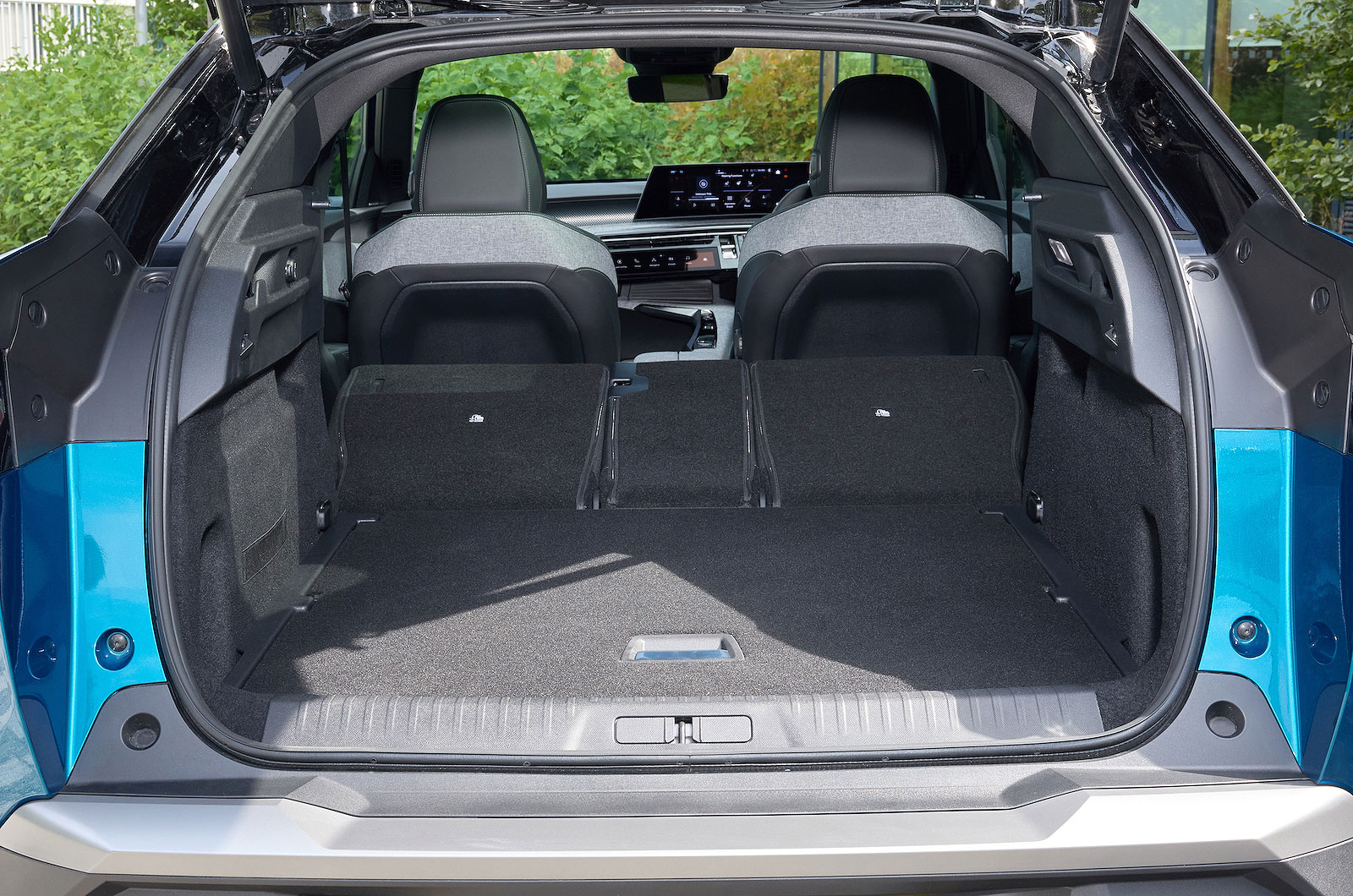
- Peugeot 3008 boot
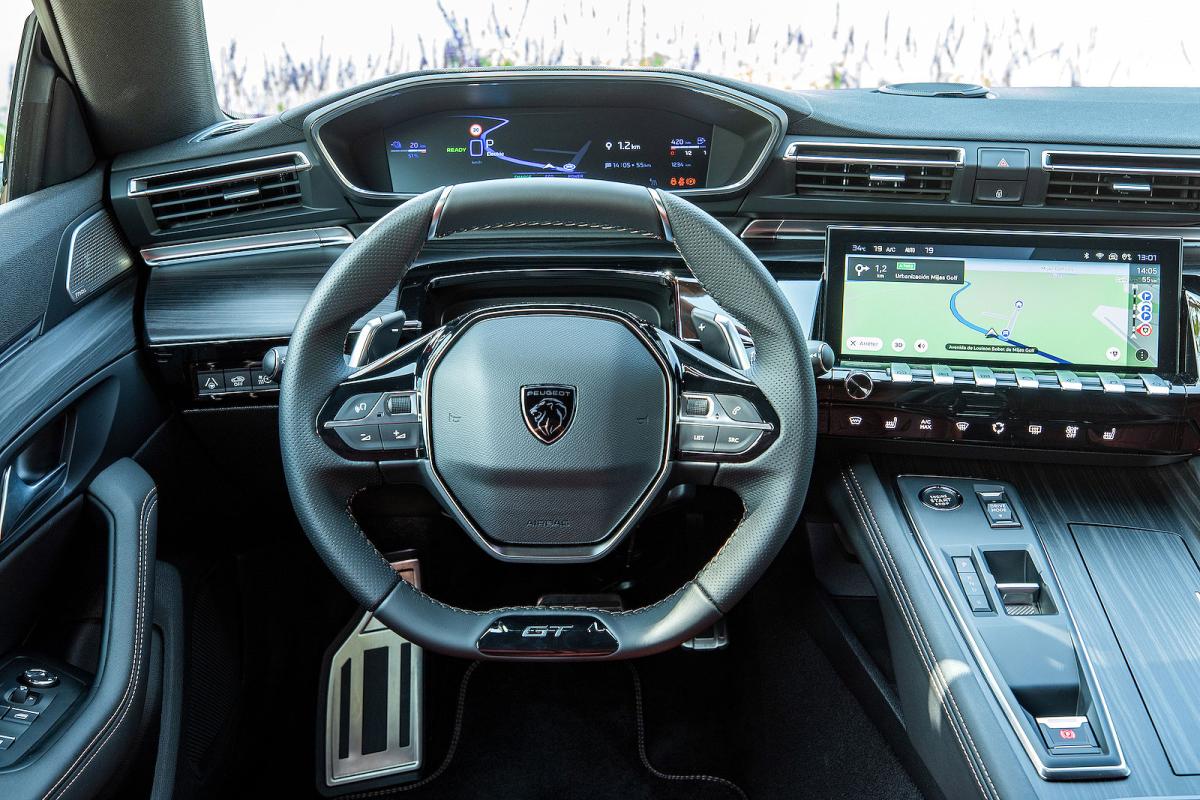
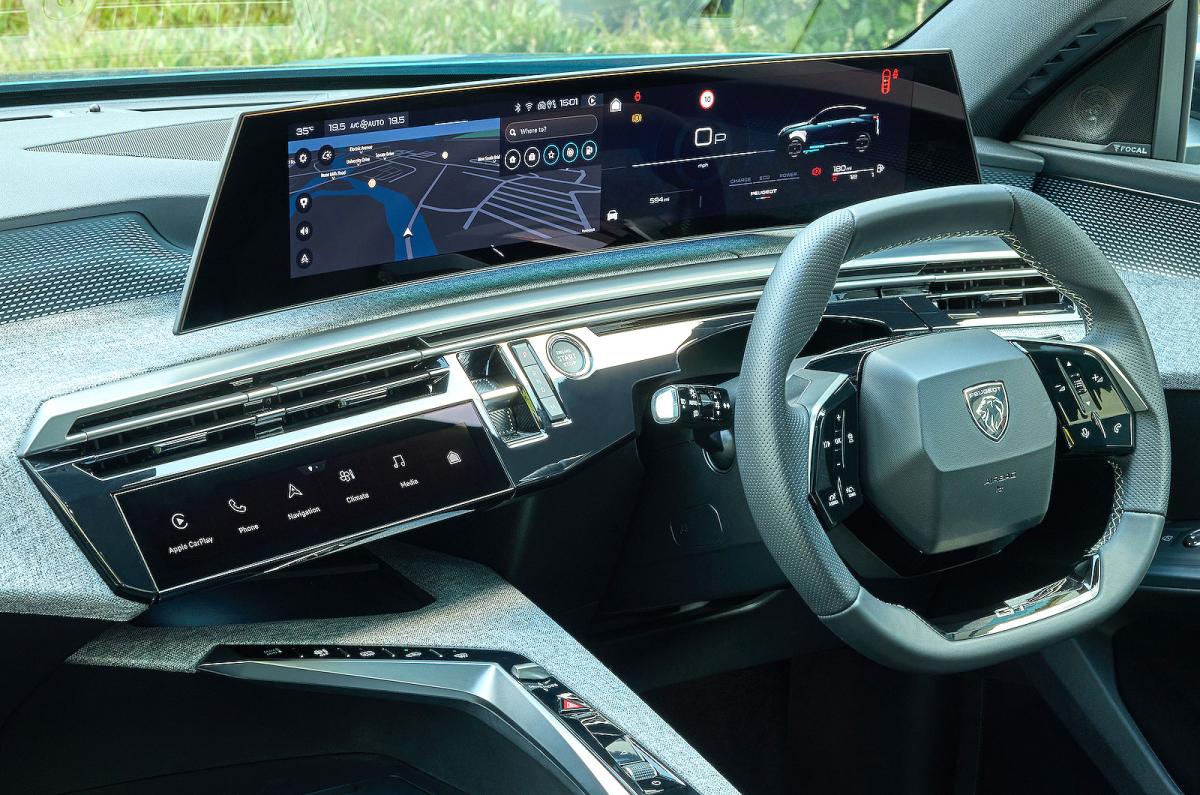
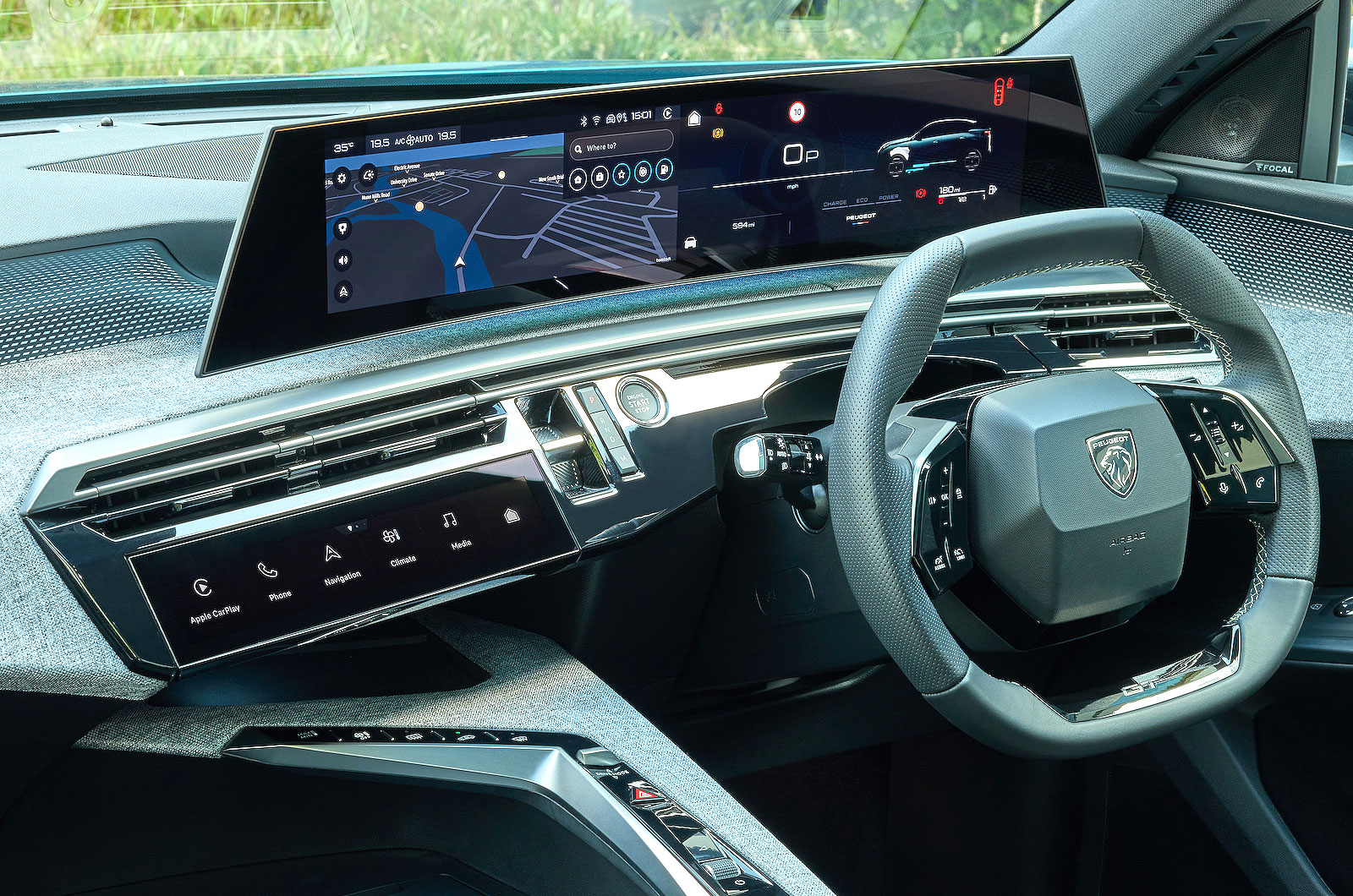
- Peugeot 3008 screens and steering wheel


What is What Car? best price?
The What Car? best price shows you the cheapest way to buy your new car, whether it's by choosing an in-stock car through our partner Autotrader or placing a factory order.
Available now from: £28,645
RRP from: £34,945
About our price indicator
What Car? indicative Personal lease example (subject to status)
1.2 Allure Premium SUV 5dr Petrol Hybrid e-DSC Euro 6 (s/s) (145 ps)
| Expected annual mileage | 5000 |
| Term months | 36 |
| Deposit months | 12 |
| Monthly payment | £236.08 |
| Initial payment | £2,832.96 |
Step-by-step
Leasing works a bit like a long-term rental. You drive it, but you don’t own it.
- Choose your car, pick your terms and apply for lease credit online
- Pay monthly rental payments for your chosen term length
- Drive it, enjoy it, then give it back at the end
What you get
When you lease with Autotrader you get all of this:
- Full manufacturer’s warranty
- Road tax and roadside assistance included
- No admin fees
- Free returns within 30 days*

- Lower total monthly cost than PCP/HP
- No balloon payments
- Road tax included
Introduction
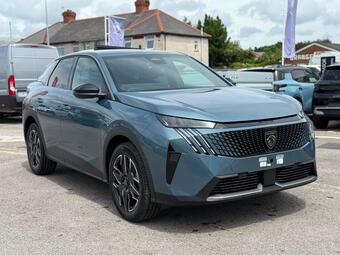
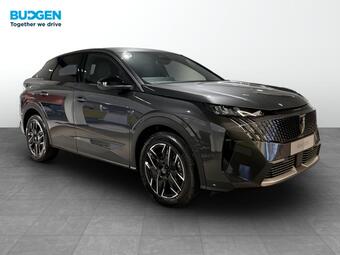
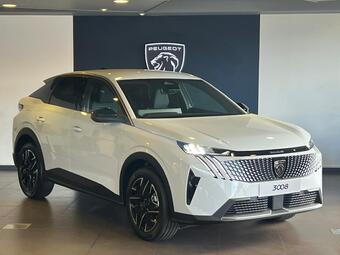
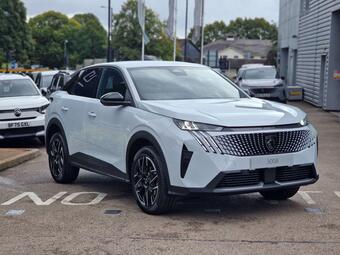
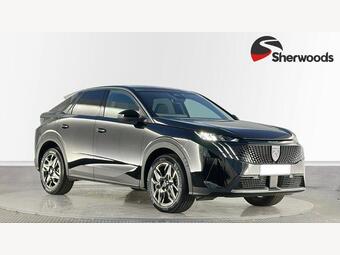
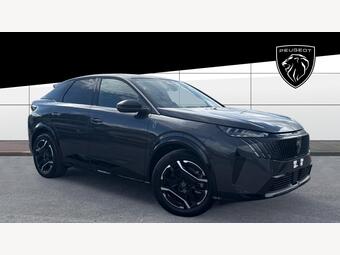
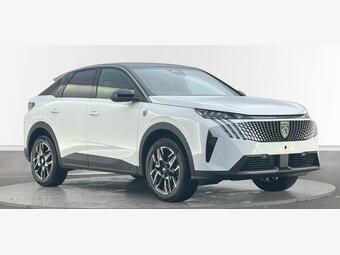
It seems the consensus is in, and the striking looks of the Peugeot 3008 are a hit. And that's to be expected, because the French firm’s family SUV taps right into the current trend for bold styling.
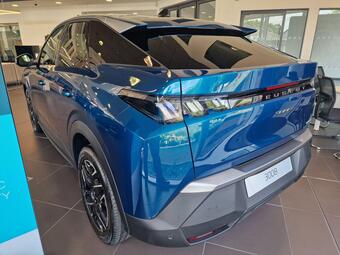
The 3008 gained design cues from other models in the Peugeot range in a mid-life facelift, which added ‘sabre-toothed’ LED daytime running lights, a frameless front grille and smoked LED tail-lights. That helps lift it above the previous version style-wise.
What is What Car? best price?
The What Car? best price shows you the cheapest way to buy your new car, whether it's by choosing an in-stock car through our partner Autotrader or placing a factory order.
Available now from: £28,645
RRP from: £34,945
About our price indicator
What Car? indicative Personal lease example (subject to status)
1.2 Allure Premium SUV 5dr Petrol Hybrid e-DSC Euro 6 (s/s) (145 ps)
| Expected annual mileage | 5000 |
| Term months | 36 |
| Deposit months | 12 |
| Monthly payment | £236.08 |
| Initial payment | £2,832.96 |
Step-by-step
Leasing works a bit like a long-term rental. You drive it, but you don’t own it.
- Choose your car, pick your terms and apply for lease credit online
- Pay monthly rental payments for your chosen term length
- Drive it, enjoy it, then give it back at the end
What you get
When you lease with Autotrader you get all of this:
- Full manufacturer’s warranty
- Road tax and roadside assistance included
- No admin fees
- Free returns within 30 days*
- Lower total monthly cost than PCP/HP
- No balloon payments
- Road tax included
Thankfully, the updates did nothing to diminish the car's swish interior. Indeed, it continues to echo the bigger Peugeot 5008 with an avant-garde dashboard that's akin to something you might see in a motor show concept car. Those eye-catching looks are backed up by plush materials and, in some versions, ambient interior lighting.
We're not here to judge the 3008 on its looks, though – we're here to look beyond the visual stimuli to find out whether it's practical, cheap to run and good enough to drive to thrive in an extremely competitive class. That's no mean feat, when rival family SUVs include the Nissan Qashqai, the Seat Ateca and the Skoda Karoq.
Thankfully, Peugeot has you covered with a range of engines, from a frugal 1.5-litre diesel or 1.2-litre petrol hybrid, through to three plug-in hybrid (PHEV) versions – the fastest of which has four-wheel drive.
The 3008's equipment levels have historically been pretty good, but there have been some revisions made to the line-up to simplify things and bring the model into line with the rest of the Peugeot range. They include ditching the manual gearbox in favour of an eight-speed automatic across the range.
Fortunately, if after reading the next few pages of this review you decide it's the car for you, we can help you pick your trim carefully. We'll also tell you how the Peugeot 3008 compares with rivals for performance, practicality, running costs and more.
When you've chosen the best model for you, you can track down the lowest prices by searching our free What Car? New Car Deals pages. They feature lots of the best new family SUV deals.


Pros
- Upmarket interior
- Quiet cruising manners
- Big boot
Cons
- Fiddly infotainment system
- Limited head room in the back
- Weak brake pedal response
Trims available
Performance & drive
What it's like to drive, and how quiet it is
Strengths
- Quiet cruiser
- Comfortable ride at higher speeds
Weaknesses
- Rivals are sharper to drive
- Soft, spongy brake pedal
How fast is it and which engine is best?
The Peugeot 3008 has two engine options, badged Hybrid 145 and Plug-In Hybrid 225. The former uses a 1.2-litre petrol engine (assisted by mild hybrid (MHEV) tech), and it’s strong enough in every scenario this side of lapping racetracks.
|
Power |
0-62mph |
Top speed |
|
|
Hybrid 145 |
143bhp |
10.2sec |
125mph |
|
Plug-In Hybrid 225 |
225bhp |
7.8sec |
137mph |
We’re yet to drive the Plug-In Hybrid 225, but it certainly looks more sprightly on paper. It pairs a 1.6-litre petrol engine with an electric motor and 18kWh battery, the result being more power and 53 miles of electric-only range. For tax reasons, it makes sense for company car drivers, but we believe the cheaper, quick-enough Hybrid 145 is the better choice for private buyers.
Is it agile and is the ride comfortable?
The 3008 handles with all the grip and composure most drivers could ever want or need. However, it’s far from pin sharp or fun to drive – enthusiasts will much prefer the lighter, dartier Cupra Formentor.
The ride is on the firmer side (like the Formentor, actually), so it can get a little choppy around town – more so than the softer Kia Sportage and Volvo XC40. However, build up some speed and it smoothens out considerably, meaning it’s rather relaxing over long motorway stints.
Is it quiet and how easy is it to drive smoothly?
The 3008 is indeed quiet, even at motorway speeds. There’s a little bit of wind noise but barely any road noise or drone from the engine. It’s great at a constant cruise, especially because that means you won’t have to touch the brake pedal.
Speaking of which, the 3008’s pedal is spongy, with barely anything happening up top. You need to really put your foot in it to come to a swift stop. A firmer, more linear pedal would be ideal.
"I did a 100-mile motorway journey in the 3008 and I was impressed. It’s quiet and comfortable, and despite its modest power output, the engine can actually hold its own." – Oliver Young, Reviewer
Interior
The interior layout, fit and finish
Strengths
- Smart design
- High-quality feel
- Touchscreen has crisp graphics...
Weaknesses
- ... but the system isn't very responsive
- Lack of physical controls
What does the interior look like and is it well made?
The Peugeot 3008 has quite a futuristic-looking interior, certainly next to the more conservatively styled Kia Sportage. The air vents and screens almost look as if they’re floating above the lower part of the dashboard. You might like the classy mix of grey, silver and black, too.
As for quality, the 3008 feels a step up from many family SUVs. The choice of materials includes lots of soft-touch plastics livened up with trim finishers and fabric on the dashboard and doors. This side of a Volvo XC40, not much beats it.
Is the driving position comfortable and is it easy to see out?
Like many Peugeots, the 3008 positions the driver’s display above the steering wheel. It can feel a little odd at first, and in a few Peugeot products, you can find the steering wheel has to almost go as low as your lap in order for all the instruments to be visible. However, the 3008 is fortunately not one of the “few” – it’ll accommodate a wider range of driving positions.
There are also supportive, high-up front seats, and you get a clear view over the bonnet. Rear visibility isn’t so great due to the wide rear pillars but all trim levels come with rear parking sensors and a reversing camera to help out with low-speed manoeuvres.
Are the dashboard and infotainment system easy to use?
All versions of the 3008 merge the digital driver's display with an infotainment touchscreen to form a single curved 21.0in panel across the top of the dashboard. The touchscreen is in easy reach when you're driving and you don't have to glance very far across to see the sat-nav map on display.
The graphics are crisp and clear but some of the infotainment menus are convoluted, with too many submenus to sift through, and the screen’s responses could be sharper.
Unlike the Toyota C-HR, the 3008 lacks physical controls for the air-conditioning system, so you have to further rely on the touchscreen. Most of the time, the temperature controls are positioned on either side of the home screen and act as a shortcut, but they unhelpfully disappear when displaying the Android Auto or Apple CarPlay screen (both of which you can connect wirelessly), and you have to sift through more menus back out to the home screen.
Below the centre air vents is a separate touch panel – Peugeot's i-Toggle feature – where you can customise a row of shortcuts for your most commonly used functions. The icons are large and easy to hit on the move, although physical buttons would still be better.
"I’m used to driving Peugeots with the gear selector mounted low down on the centre console, so it takes a while to get used to looking across and reaching out behind the steering wheel to use it." – Claire Evans, Consumer Editor
Passenger & boot space
How it copes with people and clutter
Strengths
- Big boot
- Adjustable boot floor as standard
- Versatile rear seats
Weaknesses
- Rear head room isn’t great
How much space does it have for people?
In the Peugeot 3008’s back seats, there’s more leg room and larger footwells than in a Toyota C-HR, just not a Kia Sportage. Any middle-seat passenger will find that the centre console between the front seats encroaches on their leg space, unfortunately.
Rear head room isn’t as generous for a 6ft-tall adult than it is in most rivals, even including the Cupra Formentor (which also has a sloping roofline).
How much room does it have for luggage?
The 3008's boot space is more generous than its rivals’, with its 588-litre capacity significantly beating the C-HR, Formentor and XC40. The Sportage, meanwhile, near-enough matches it.
There’s also a height-adjustable boot floor, while 40/20/40 split-folding rear seatbacks makes the 3008 more versatile than the 60/40 split you get in a Formentor, C-HR and XC40.
"I’m over six-feet tall and, though I could fit in the back fine enough, it wasn’t as airy as I would’ve liked." – Darren Moss, Deputy Digital Editor
Buying & owning
Everyday costs, plus how reliable and safe it is
Strengths
- Competitive price
- Generous standard equipment
Weaknesses
- Peugeot reliability record isn't great
- Some useful safety kit is optional
- Four-star safety rating
How much does it cost and what equipment do you get?
For private cash buyers, the Peugeot 3008 is more reasonably priced than it is competitively priced. You see, it costs a similar amount next to a Cupra Formentor and Volvo XC40, but the Kia Sportage and Toyota C-HR are available for less money.
There are four trims to choose from: Allure, Allure Premium, GT and (you guessed it) GT Premium. Stick with Allure and you’ll get 19in alloy wheels, dual-zone climate control, and fabric and leather-effect front seats. Heated front seats are available as an optional extra.
Ways to buy
Mind you, if you upgrade to Allure Premium, you’ll get heated front seats and a heated steering wheel as standard. This trim also has adaptive cruise control. We think it’s worth the reasonable price premium.
GT and GT Premium push the price up a little too high for our liking, but in case you’re interested, the former adds a powered tailgate and the latter Alcantara seats and 20in alloy wheels.
Is it reliable, and how long is the warranty?
The 3008 was absent from our 2025 What Car? Reliability Survey, but Peugeot as a brand ranked 11th out of 30 car makers featured – above Cupra but below Toyota.
If anything were to go wrong, every Peugeot is covered by a three-year, 60,000-miles warranty, which is similar to the cover from Volkswagen, but short of Kia’s seven-year offering and Toyota’s service-activated 10-year/100,000-mile cover. The PHEV’s battery pack is covered for up to eight years or 100,000 miles.
How safe is it, and is it easy to steal?
The 3008 was given four stars for safety after testing by Euro NCAP. That's one less star than most modern cars get, although the related Vauxhall Grandland scored four out of five, too.
It comes with automatic emergency braking (AEB), lane-keeping assistance and traffic-sign recognition as standard. Useful features such as blind-spot monitoring and rear cross-traffic alert are optional with the Drive Assist Pack.
To deter thieves, the 3008 has an alarm, anti-lift detection (to thwart towing attempts), an electronic code immobiliser, deadlocking, as well as a keyless entry system with proximity locking.
"I do enjoy a sound system upgrade, so it’s a shame the optional Focal 16-speaker system is part of a pack on GT trim only." – Dan Jones, Reviewer
Buy it if…
- You want a sharp, distinctively styled SUV, inside and out
- You want the choice of mild-hybrid and plug-in-hybrid engines
- You want a quiet, comfy motorway cruiser
Don’t buy it if…
- You want sporty, engaging handling
- You need lots of rear head room
- You’re yet to check out the Kia Sportage
For all the latest reviews, advice and new car deals, sign up to the What Car? newsletter here
FAQs
Peugeot 3008 specifications
RRP price range
MPG range across all versions
Available fuel types (which is best for you? )
Available colours
Number of engines (see all)
Number of trims (see all)
Company car tax at 20% (min/max)
Company car tax at 40% (min/max)
What is What Car? best price?
The What Car? best price shows you the cheapest way to buy your new car, whether it's by choosing an in-stock car through our partner Autotrader or placing a factory order.
Available now from: £28,645
RRP from: £34,945
About our price indicator
What Car? indicative Personal lease example (subject to status)
1.2 Allure Premium SUV 5dr Petrol Hybrid e-DSC Euro 6 (s/s) (145 ps)
| Expected annual mileage | 5000 |
| Term months | 36 |
| Deposit months | 12 |
| Monthly payment | £236.08 |
| Initial payment | £2,832.96 |
Step-by-step
Leasing works a bit like a long-term rental. You drive it, but you don’t own it.
- Choose your car, pick your terms and apply for lease credit online
- Pay monthly rental payments for your chosen term length
- Drive it, enjoy it, then give it back at the end
What you get
When you lease with Autotrader you get all of this:
- Full manufacturer’s warranty
- Road tax and roadside assistance included
- No admin fees
- Free returns within 30 days*
- Lower total monthly cost than PCP/HP
- No balloon payments
- Road tax included
Cars available now
About the writer