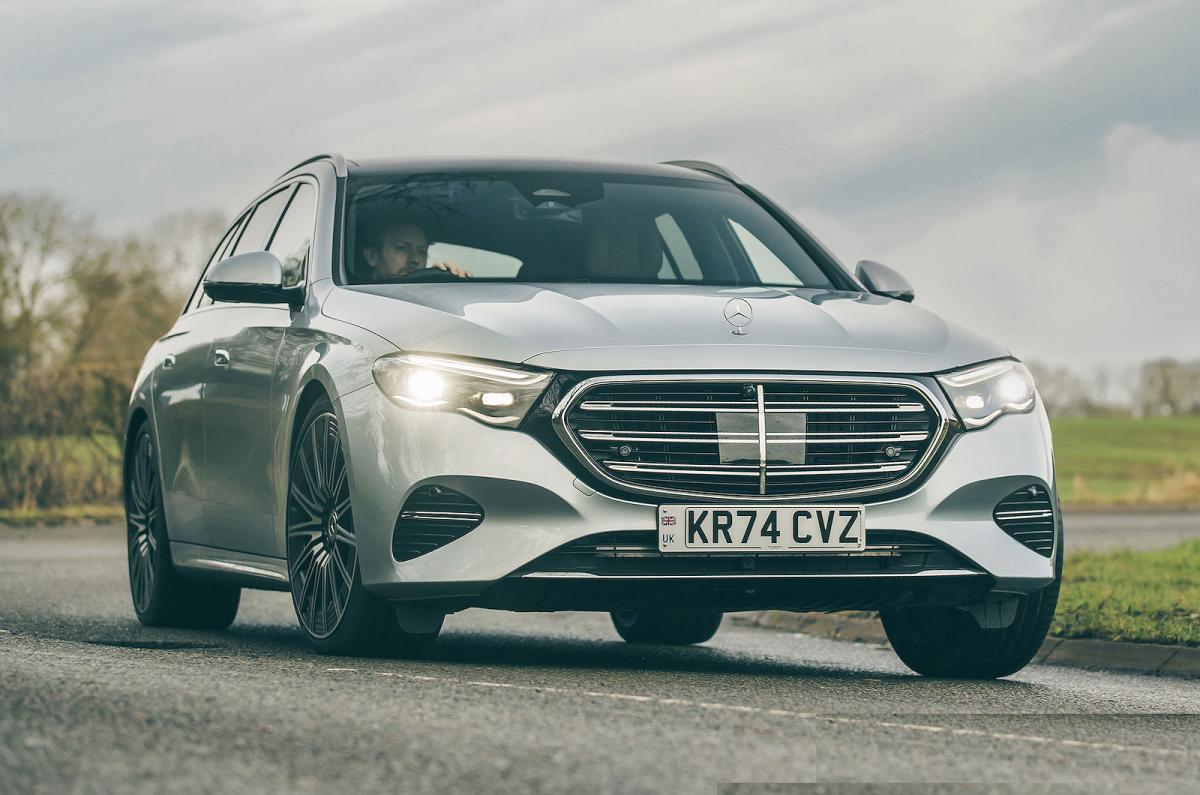
- Mercedes E-Class Estate front cornering
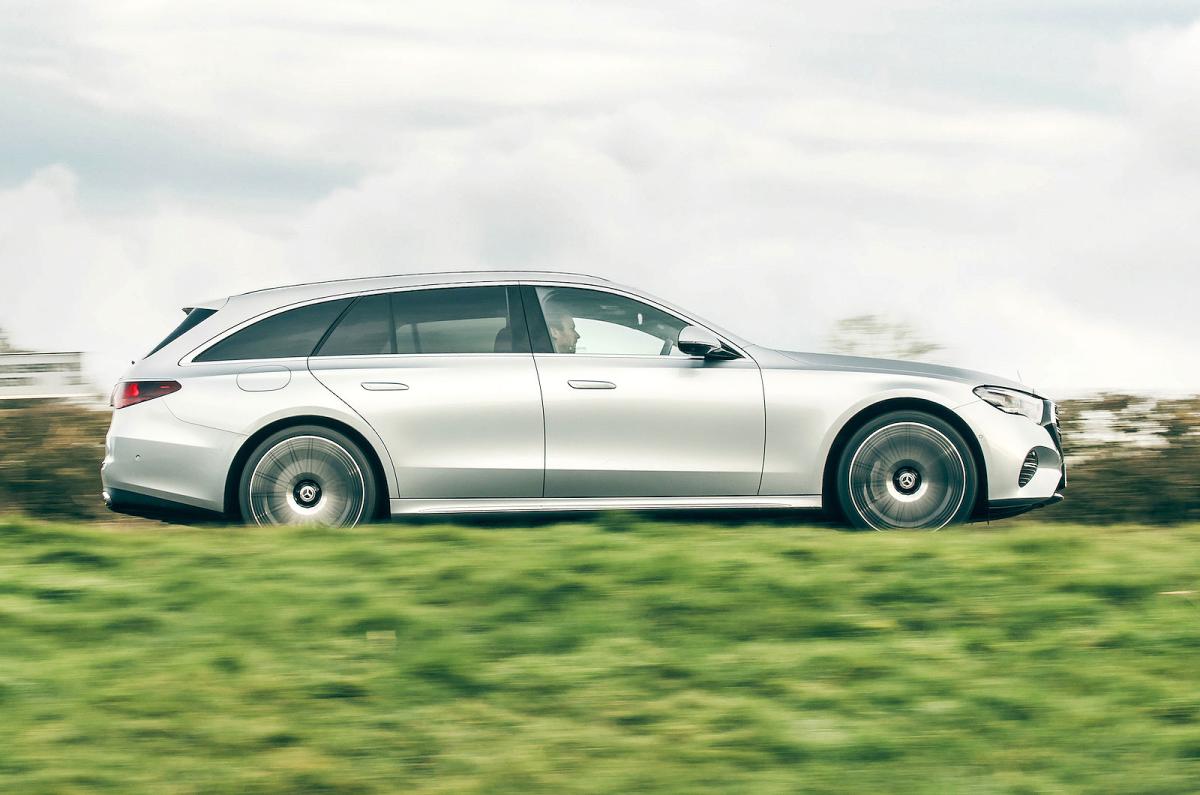
- Mercedes E-Class Estate right driving
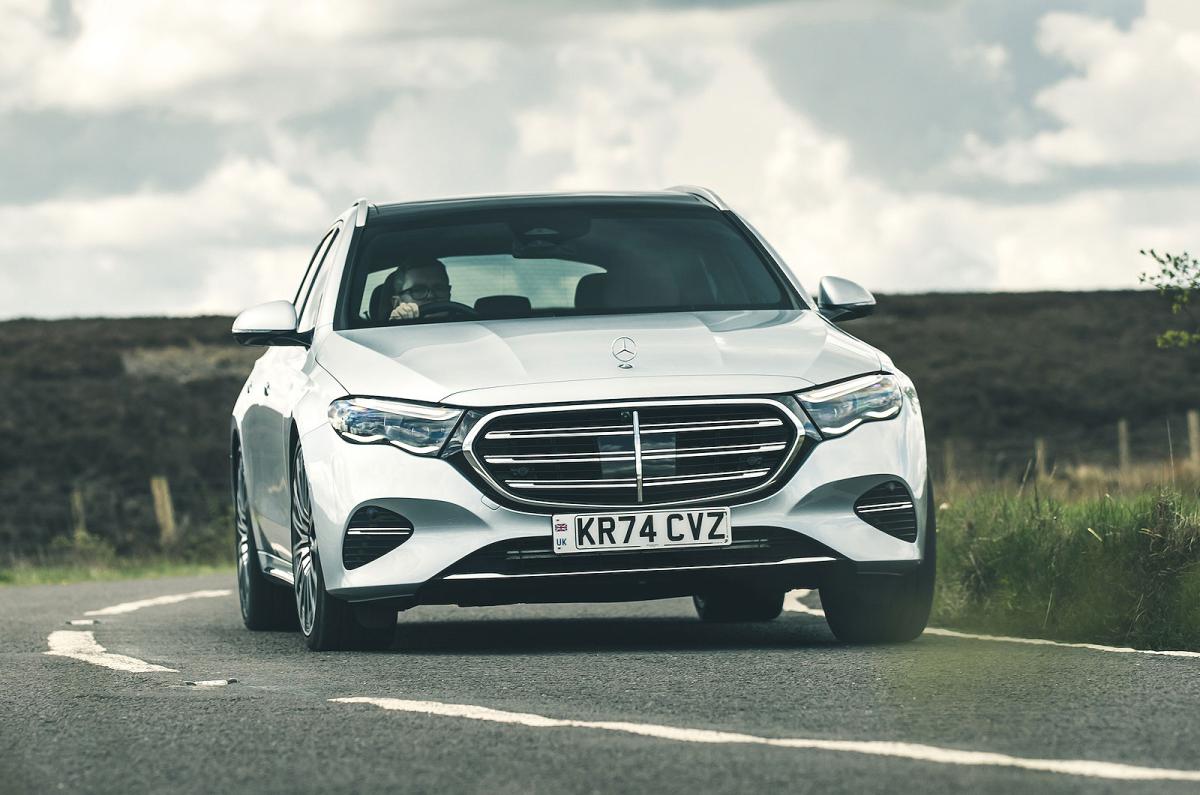
- Mercedes E-Class Estate front cornering
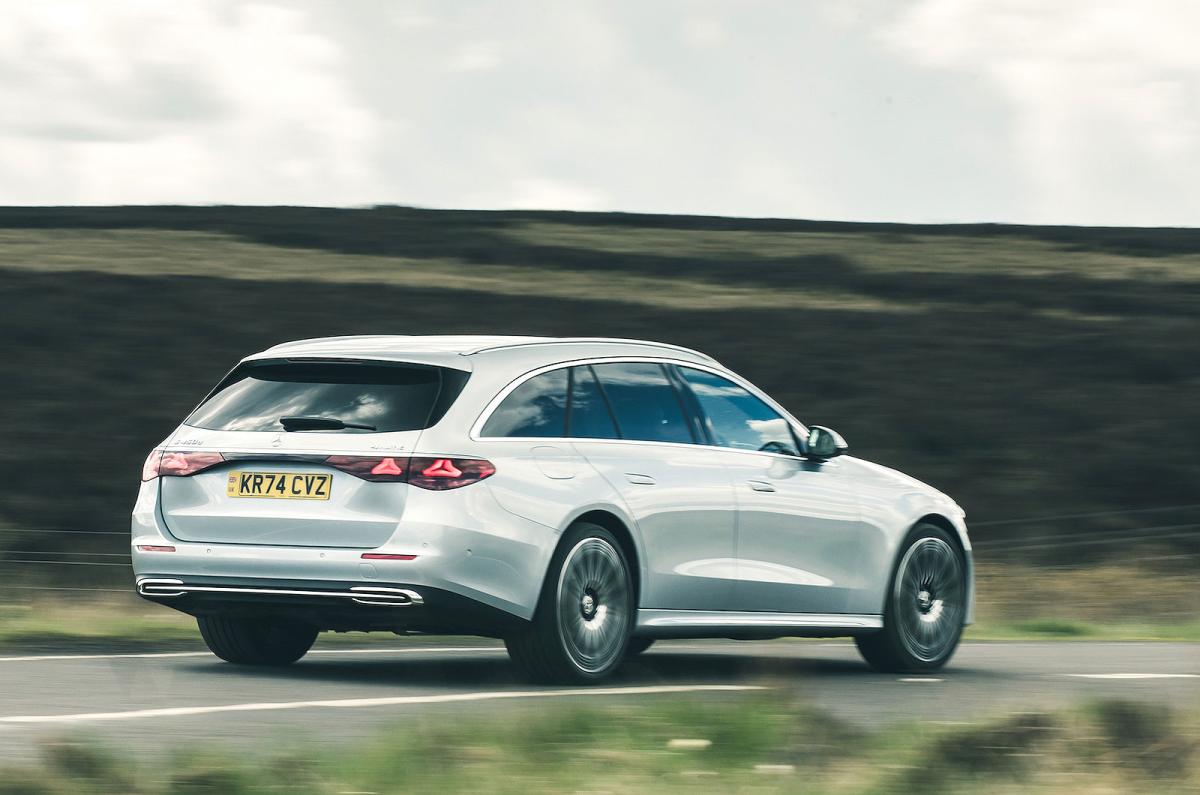
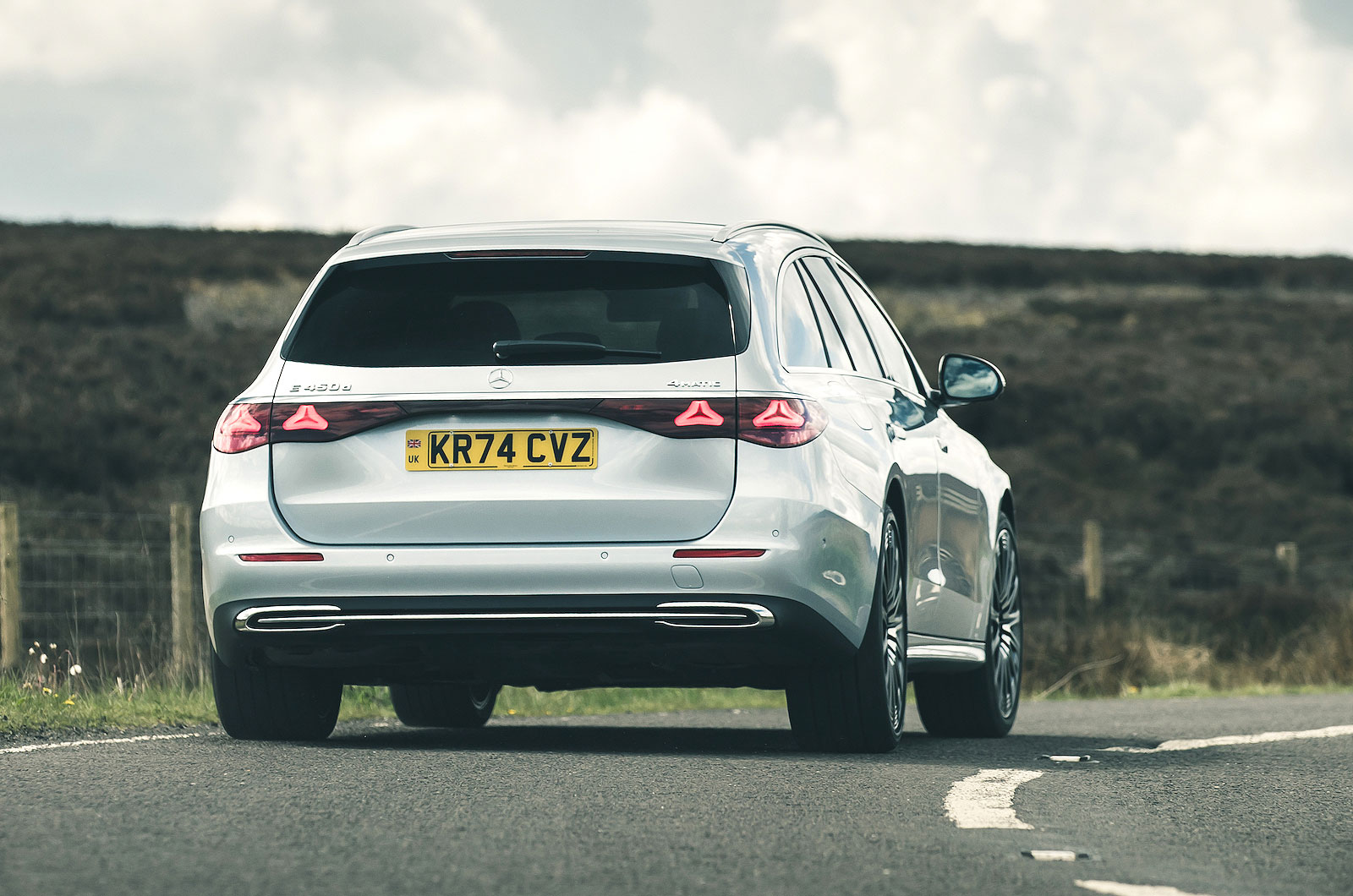
- Mercedes E-Class Estate rear right driving
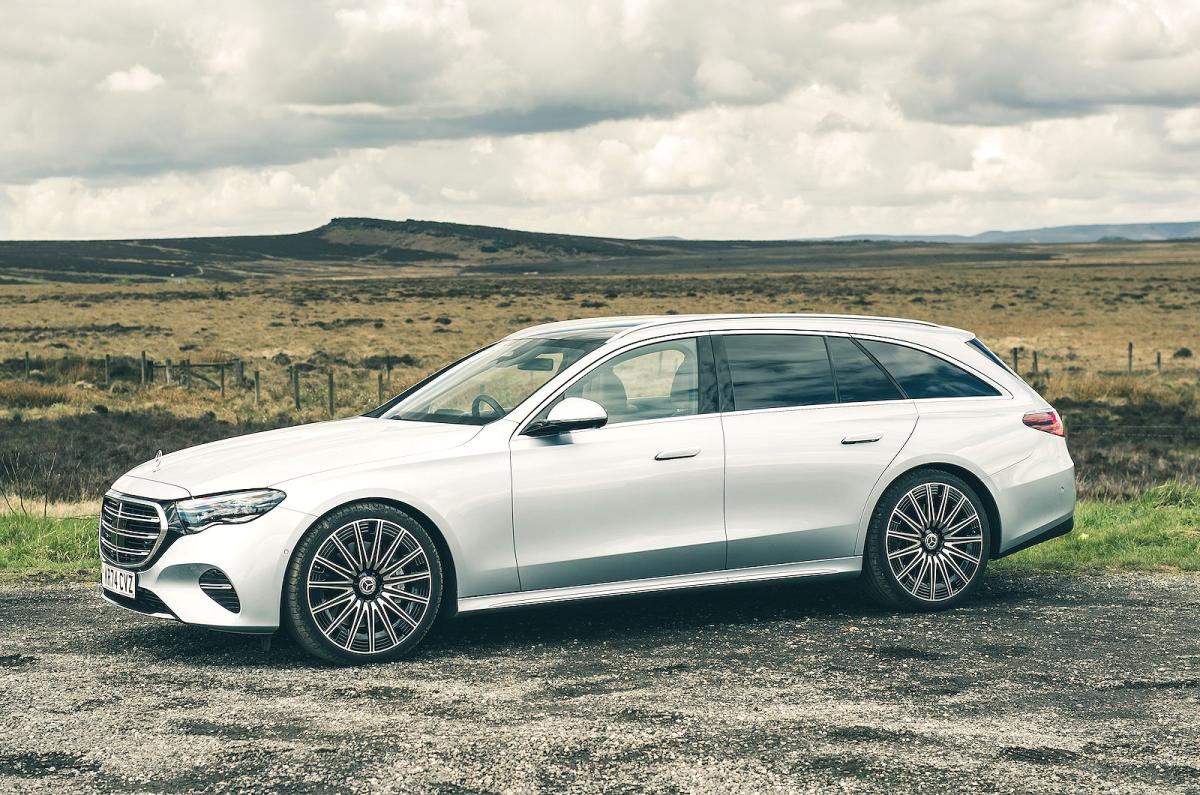
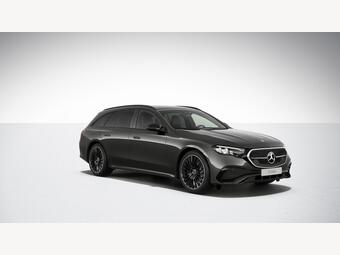
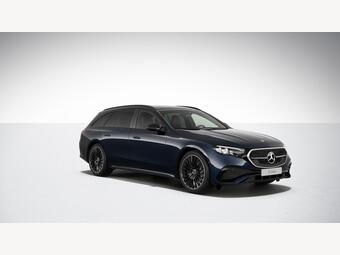
- Mercedes E-Class Estate front left static
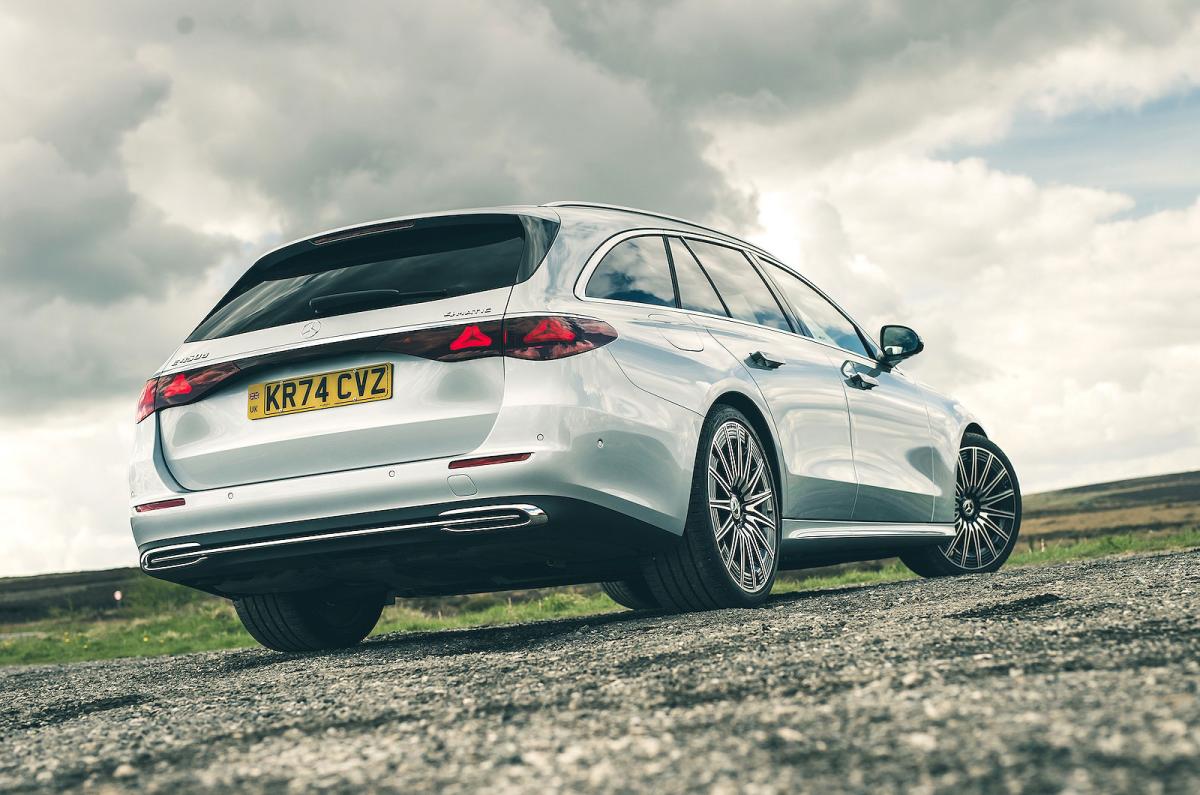
- Mercedes E-Class Estate rear right static
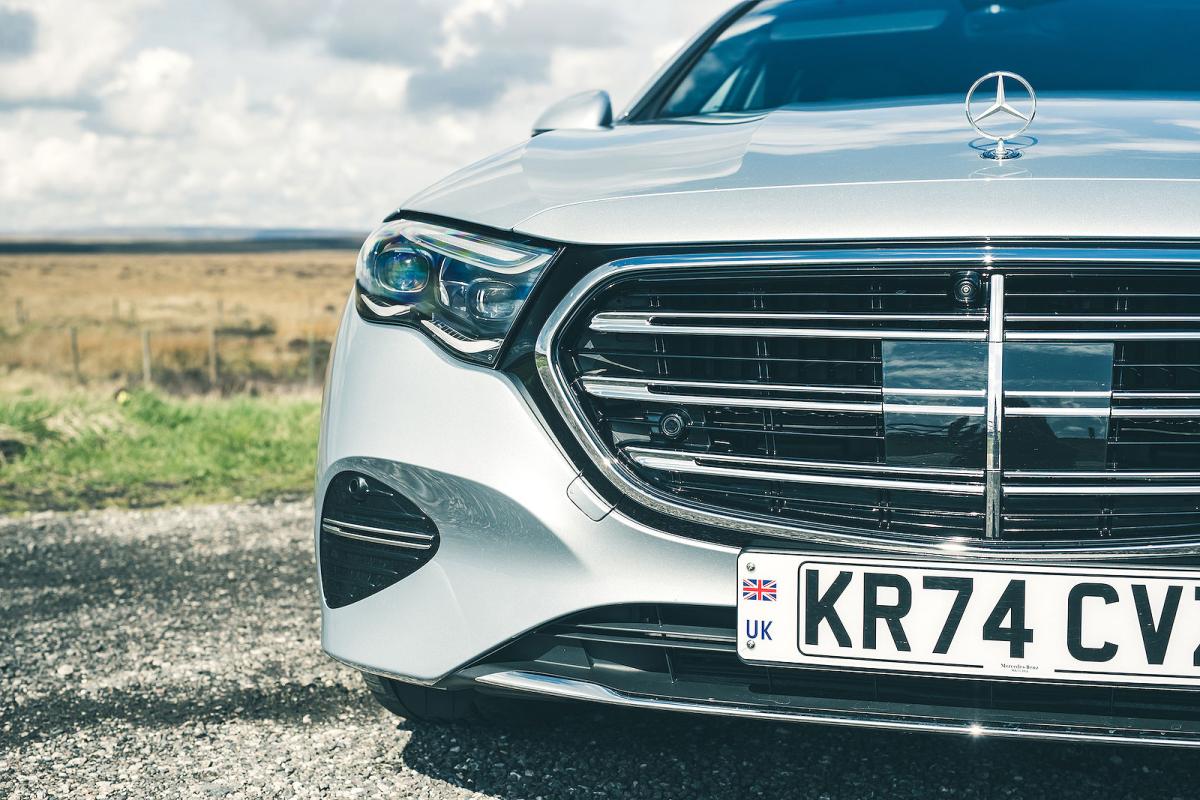
- Mercedes E-Class Estate grille
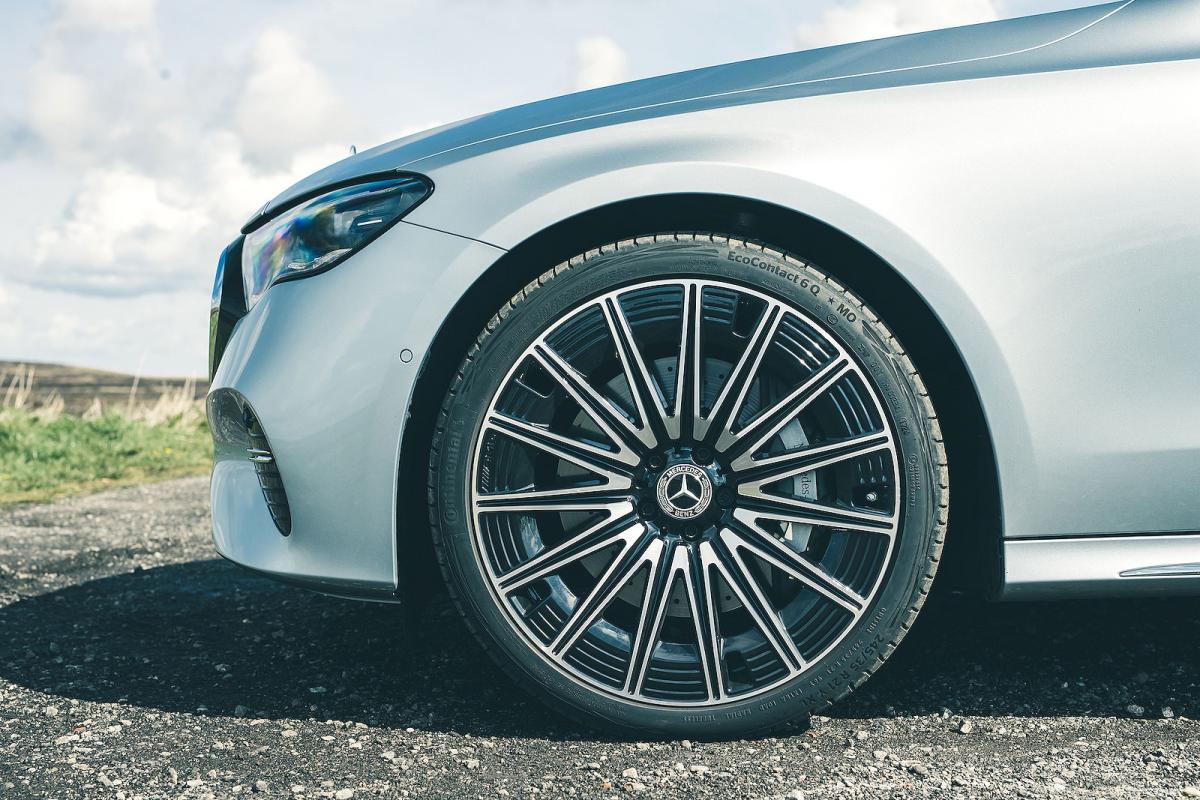
- Mercedes E-Class Estate alloy wheel
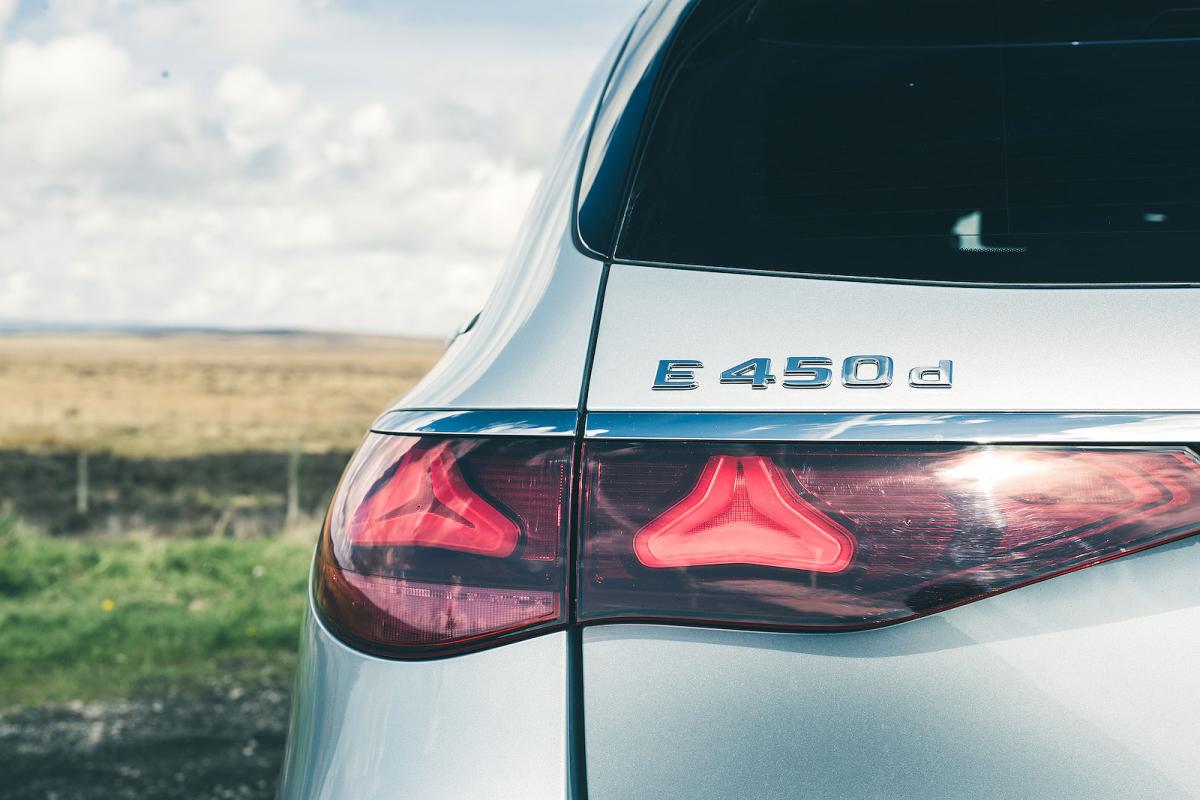
- Mercedes E-Class Estate rear lights
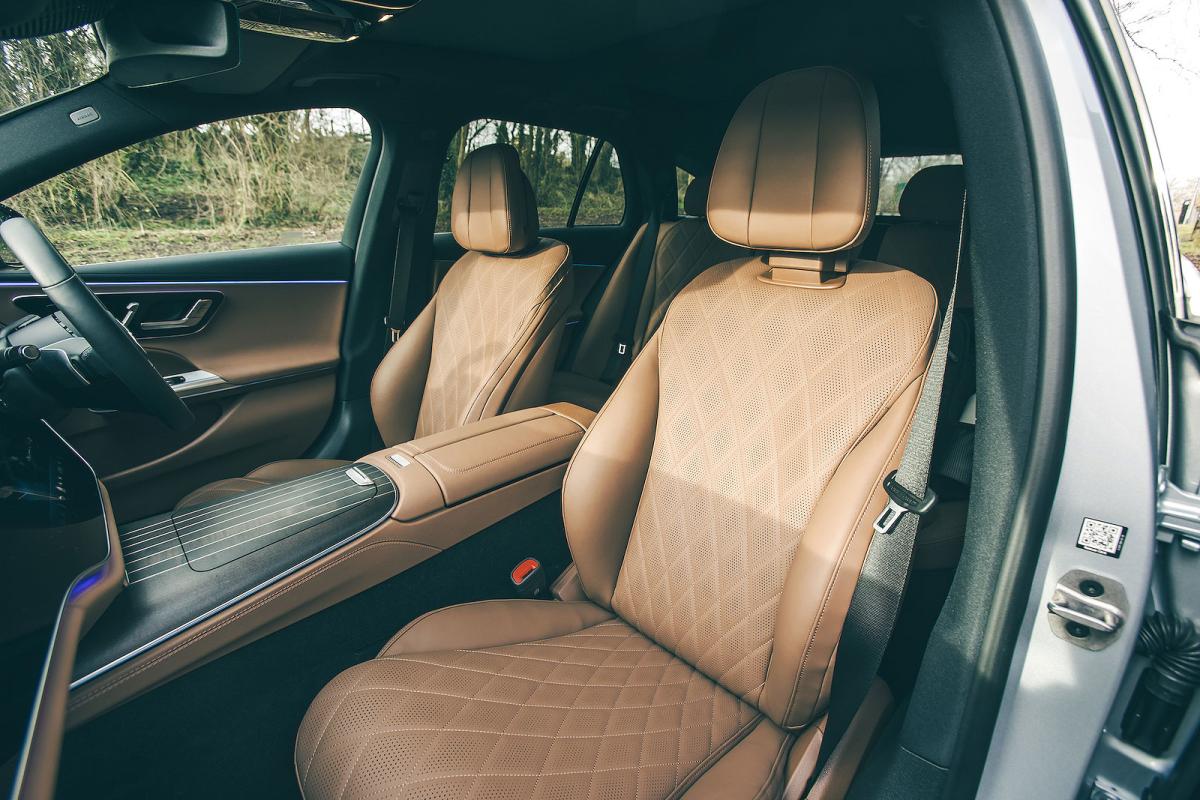
- Mercedes E-Class Estate front seats
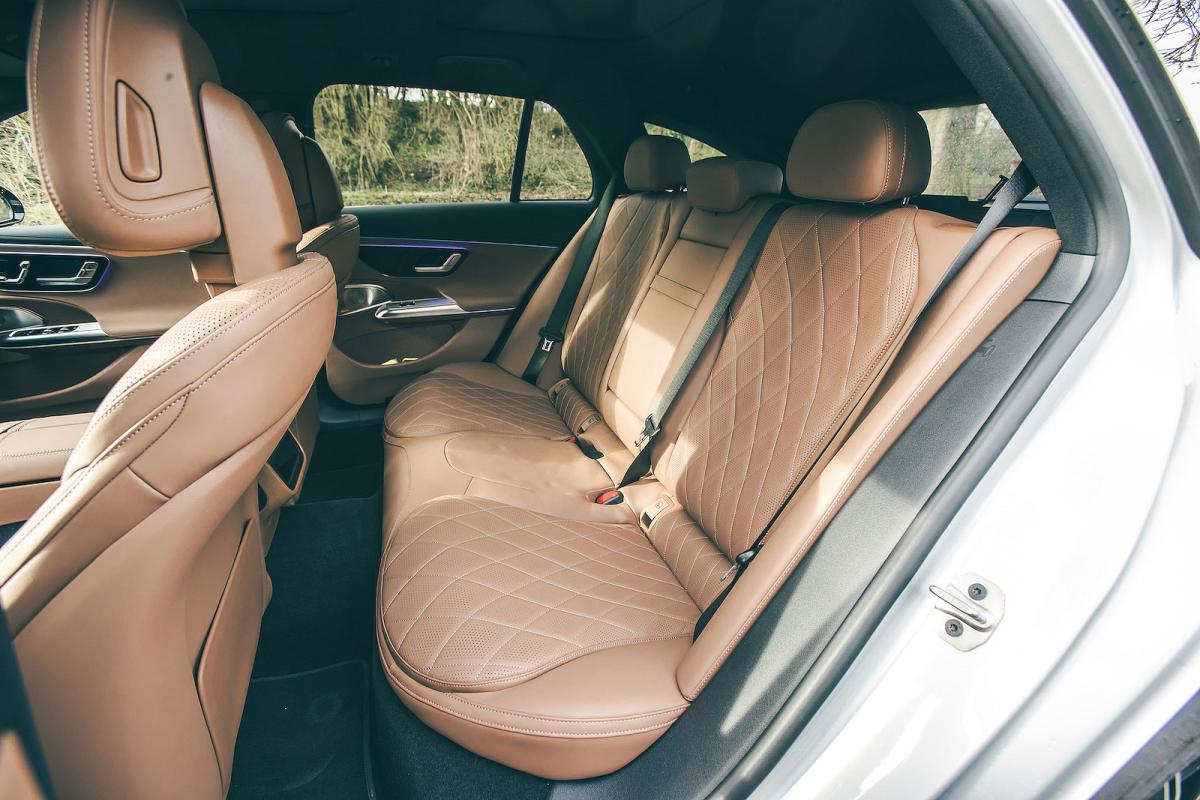
- Mercedes E-Class Estate back seats
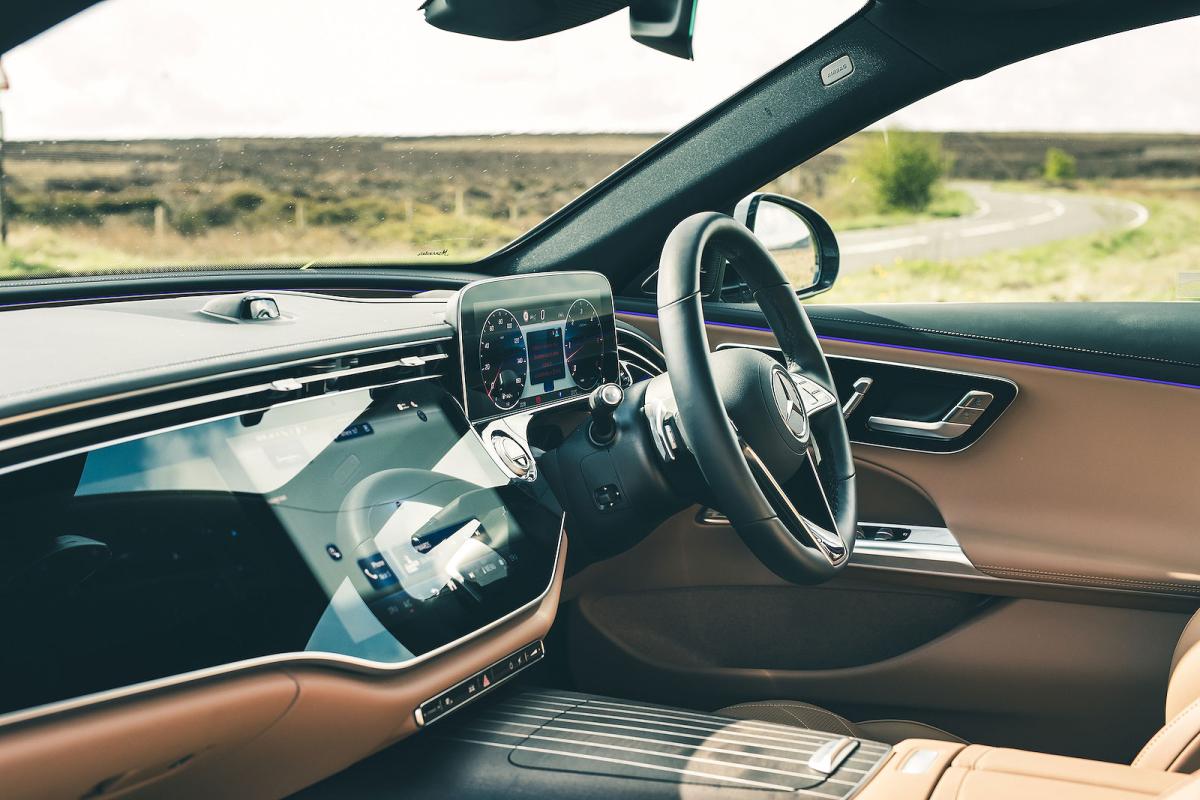
- Mercedes E-Class Estate steering wheel detail
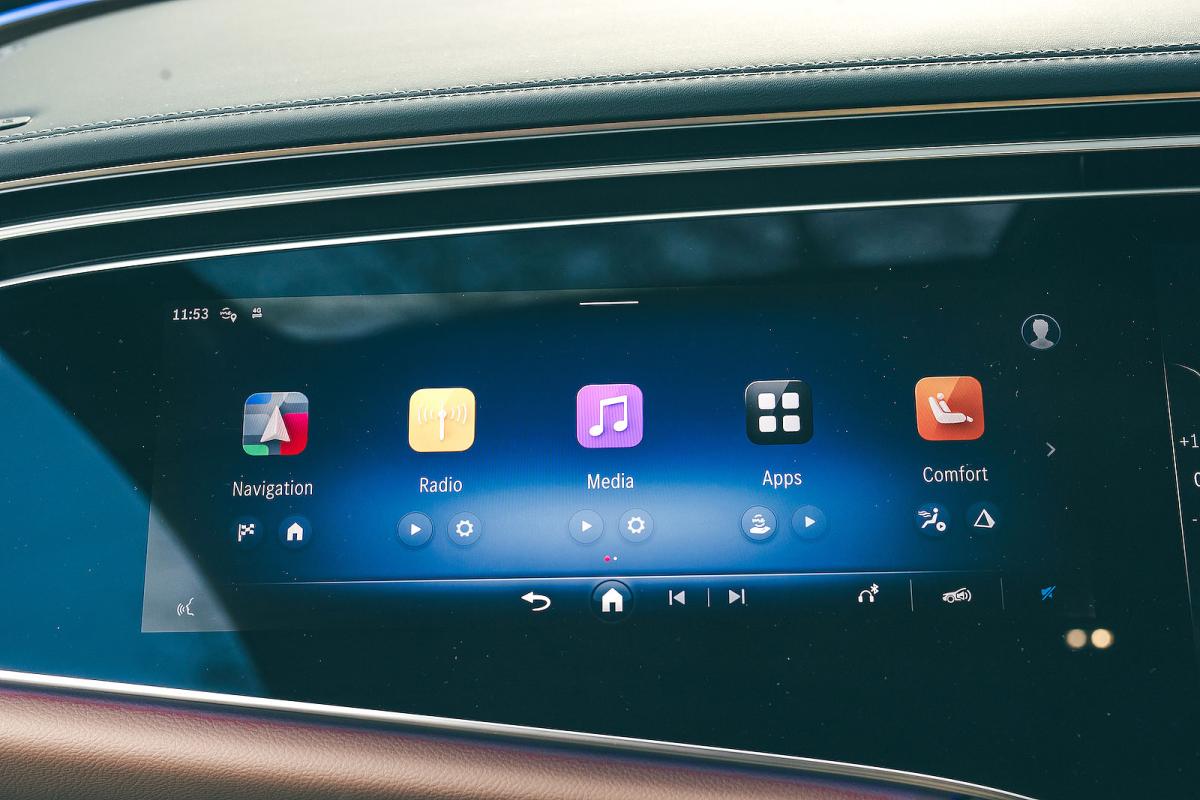
- Mercedes E-Class Estate infotainment touchscreen
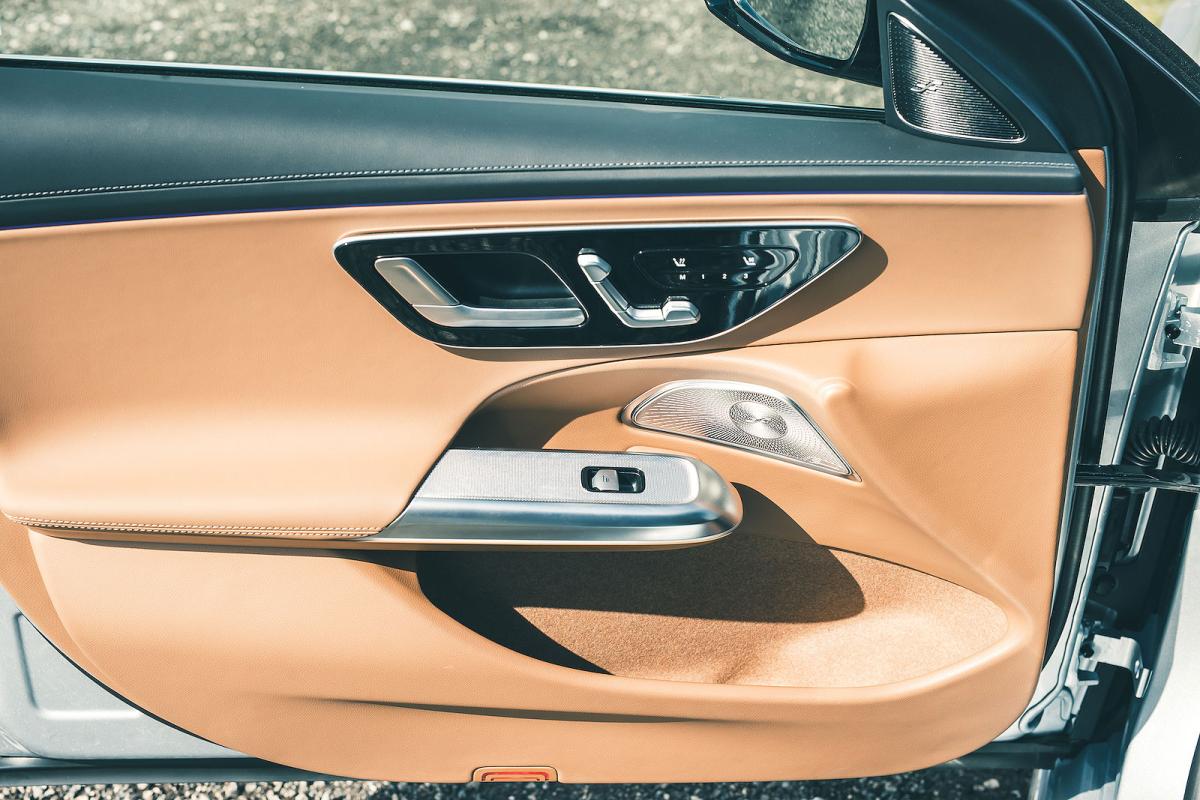
- Mercedes E-Class Estate door detail
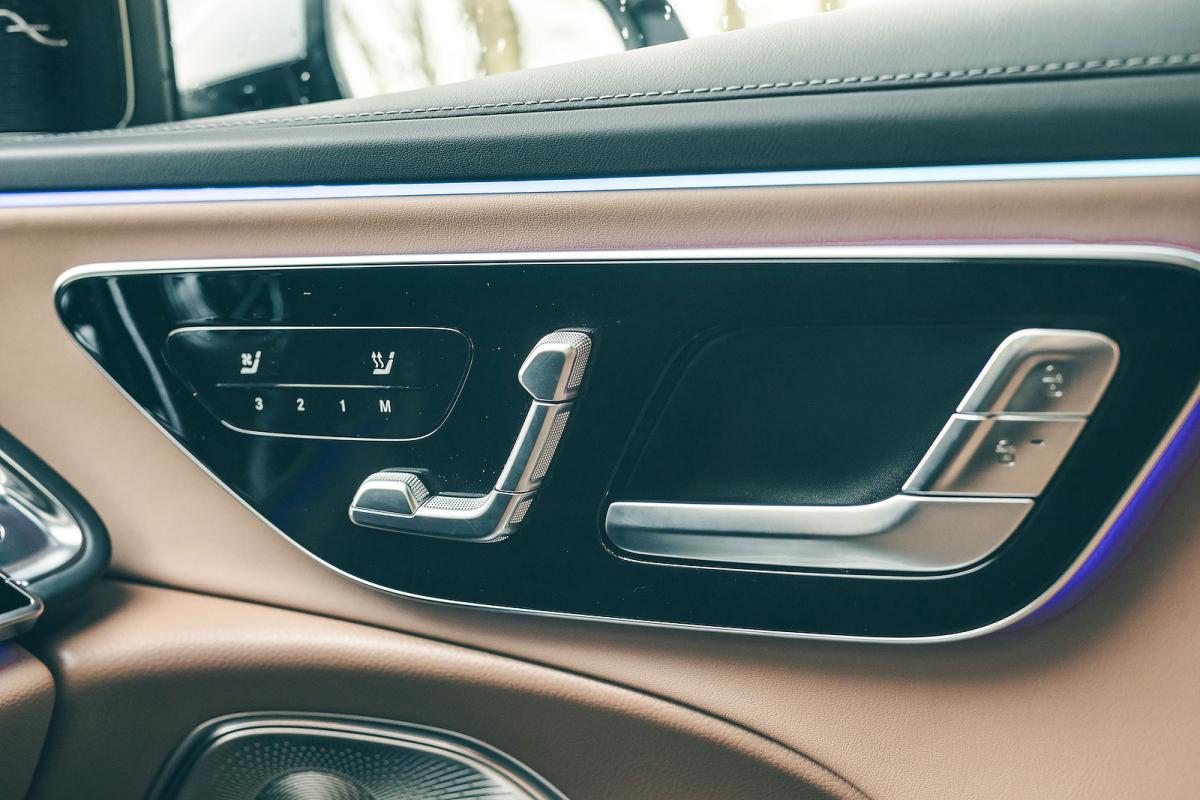
- Mercedes E-Class Estate seat controls
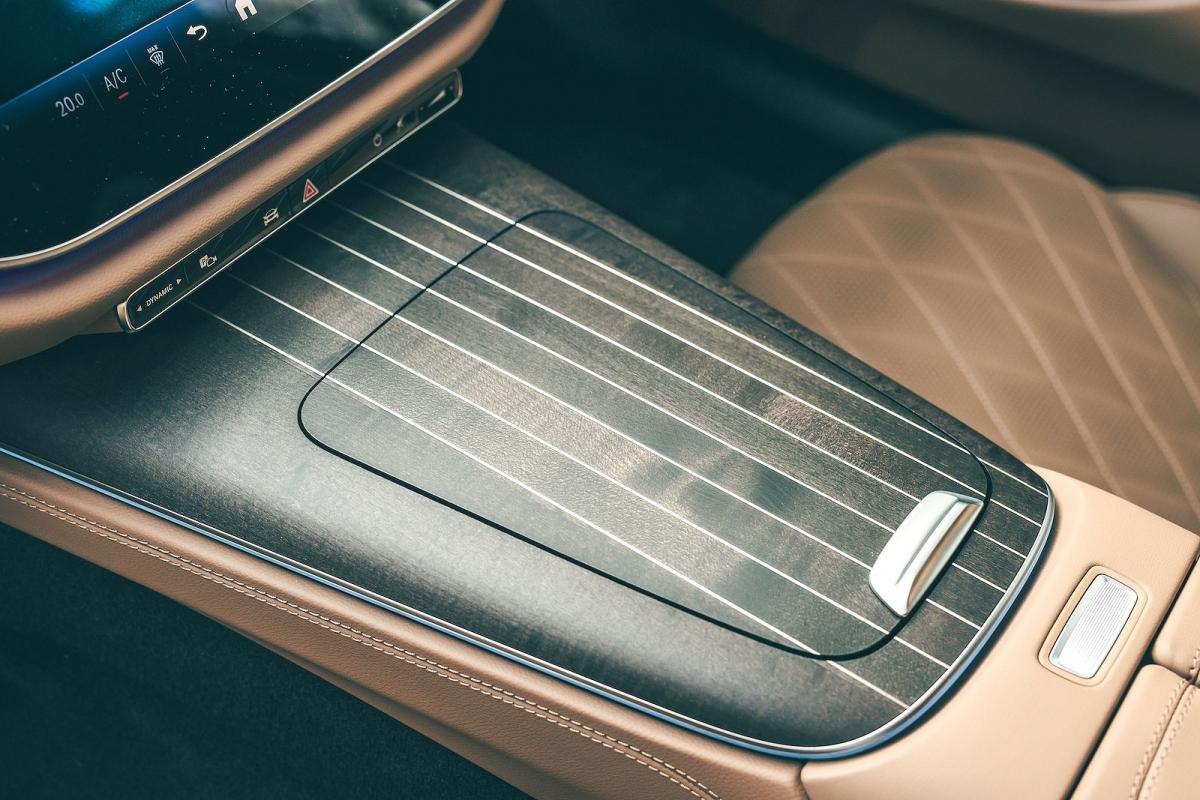
- Mercedes E-Class Estate interior detail
- Mercedes E-Class Estate 2021
- Mercedes E-Class Estate 2021
- Mercedes E-Class Estate 2021
- Mercedes E-Class Estate rear cornering
- Mercedes E-Class Estate dashboard
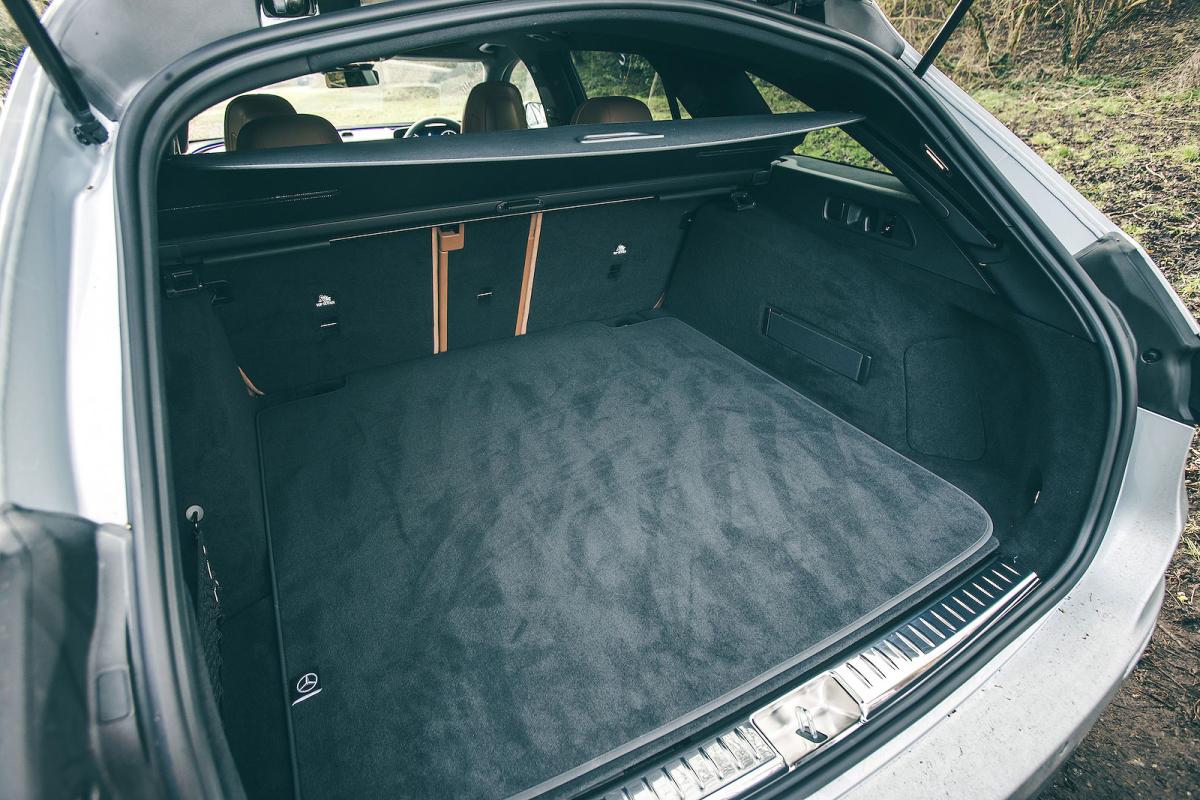
- Mercedes E-Class Estate boot
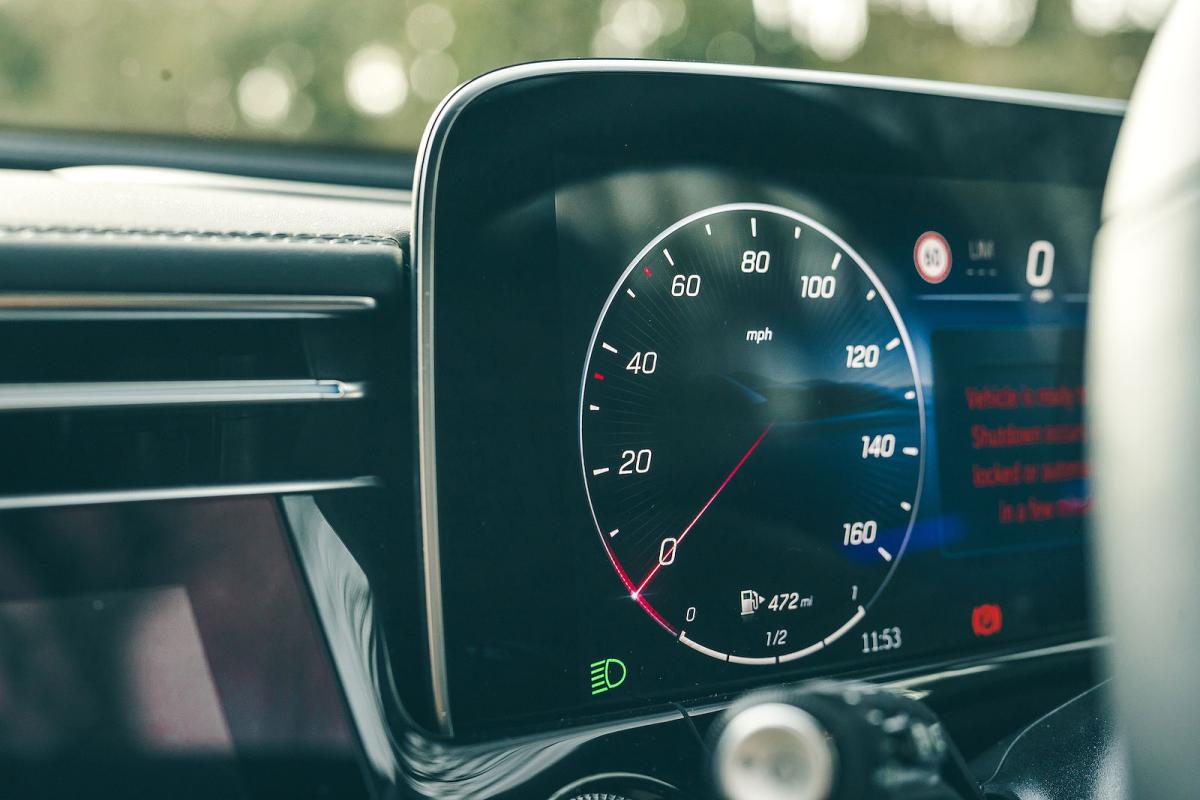
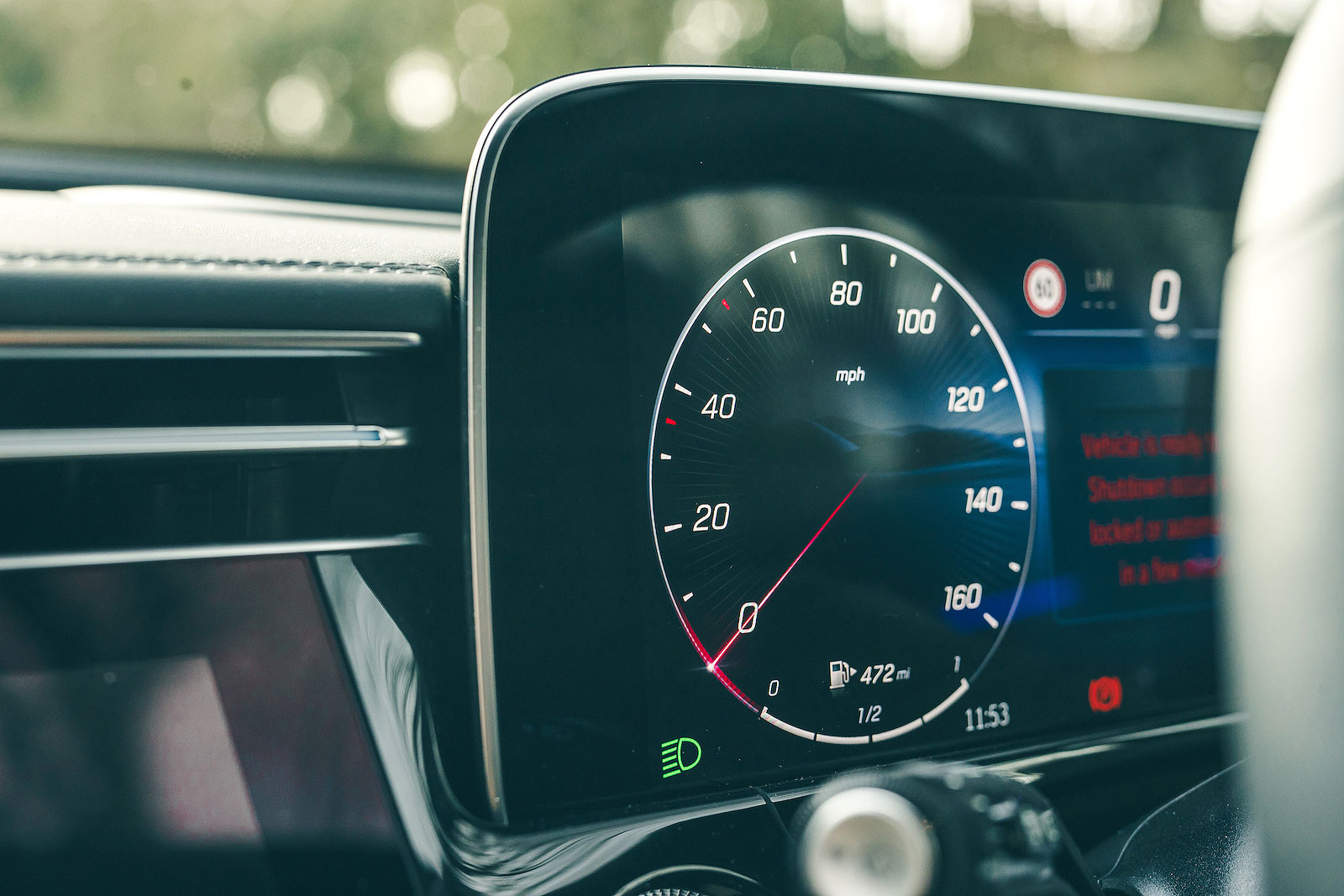
- Mercedes E-Class Estate driver display


What is What Car? best price?
The What Car? best price shows you the cheapest way to buy your new car, whether it's by choosing an in-stock car through our partner Autotrader or placing a factory order.
Available now from: £53,770
RRP from: £59,770
Figures for 2.0 E300e 25.4kWh AMG Line (Premium) G-Tronic+ Euro 6 (s/s) 5dr
Introduction
For more than half a century now, Mercedes has been skilfully blending luxury and space in a large estate that proudly wears that prestigious, three-pointed star. In fact, there have been five generations of its big, family wagon so far, of which four have been dubbed, in one way or another, the Mercedes E-Class Estate.
The first wasn’t called that because the Mercedes E-Class name didn’t exist back then. It was the model that set the trend for something spacious and classy, though, and in the process, it left the other premium producers floundering.
What is What Car? best price?
The What Car? best price shows you the cheapest way to buy your new car, whether it's by choosing an in-stock car through our partner Autotrader or placing a factory order.
Available now from: £53,770
RRP from: £59,770
It took years for Audi to finally even up the score with its raft of estates, including the E-Class’s nearest rival, the Audi A6 Avant. BMW was just as tardy, with the late arrival of its BMW 5 Series Touring.
The premium estate market isn't exclusively the domain of Mercedes and the other Germans manufacturers, though. The Swedish Volvo V90 is another formidable rival, as is the very British Jaguar XF Sportsbrake.
The E-Class Estate is available with an impressive line-up of engines – ranging from frugal diesels and tax-busting plug-in hybrids, all the way up to the fire-breathing, hardcore Mercedes E63 S AMG. We’ve reviewed that separately.
As always, it promises plenty of space for passengers and their luggage, a luxurious, tech-laden interior and, if you pick the right engine, reasonable running costs.
So is the Mercedes E-Class Estate the best estate car you can buy, and which engine and trim make the most sense? This review will tell you all you need to know.


Pros
- Base car is well equipped
- E300e makes for a compelling company car
- Refined and comfortable
Cons
- More expensive than rivals
- Not as sharp to drive as BMW 5 Series Touring
- PHEVs have a smaller boot than an equivalent 5 Series
Trims available
Performance & drive
What it's like to drive, and how quiet it is
Strengths
- PHEV has a class-leading electric-only range
- Quiet cruising manners
- Plush ride
Weaknesses
- Brakes on the PHEVs are inconsistent
- BMW 5 Series Touring is sharper in the bends
- AMG 53 isn’t particularly exciting
This latest Mercedes E-Class Estate will be one of the last dedicated internal combustion-engined Mercedes models before the brand goes electric-only, and the process has already started, with electrification on most versions.
There are three plug-in hybrids (PHEVs), and mild-hybrid petrol and diesel engines. A nine-speed automatic gearbox comes as standard on all of them.
The mild-hybrids start with the 201bhp E200, which uses a 2.0-litre four-cylinder petrol engine boosted by a 23bhp electric motor. We’ve sampled that engine in the Mercedes E-Class saloon and found that it had to work quite hard to get up to motorway speeds.
The E220d 2.0-litre diesel engine produces slightly less power (195bhp) but in turn has plenty of low-end shove that should help it deal with a car full of passengers more effortlessly.
We reckon the E220d will be preferable over the E200, but if you crave more performance, there's the six-cylinder E450d, which comes with four-wheel drive and has an official 0-62mph time of five seconds.
We have driven the PHEVs. The E300e combines a 2.0-litre petrol engine with an electric motor to produce 328bhp and a sprightly 0-62mph time of 6.5 seconds. There’s also a 300de with a diesel engine producing almost identical performance figures.
In either version, acceleration is smooth in pure electric mode and the electric motor can get up to motorway speeds with little trouble.
In Hybrid mode, the engine fires up quickly to lend a hand when you need to pick up the pace or aim for a gap in traffic. All we’d say is that the electric motor isn’t quite as strong as the one in the PHEV BMW 5 Series Touring so the E-Class's engine fires up more often.
What’s more impressive about the E-Class Estate PHEVs is their electric ranges: they can officially cover up to 67 miles on battery power. That’s a handful of miles more than a 530e Touring (up to 60 miles) or an Audi A6 Avant e-hybrid (63 miles). In real-world driving, 40 to 45 miles is more realistic, but that's plenty from many commutes.
Another of the E-Class Estate's strong points is its pillowy ride. All versions come with adaptive suspension with self-levelling air suspension on the rear axle, helping to keep the back end tied down and controlled, even when you’re lugging around heavy loads.
Ride comfort is best at high speeds, where this big Mercedes wafts along as smoothly and quietly as some luxury cars. It also deals with broken up urban roads well, taking the sting out of the harshest of bumps better than a PHEV 5 Series. However, it can struggle to settle down more than that rival when fitted with 20in wheels.
All-round air suspension is standard on the E450d and available as an option as part of the Refinement package on Premium trim levels, although we’ve yet to try one with it fitted. On the saloon, this package also includes four-wheel steering but it's not available on the Estate.
Road noise is low and the engines remain hushed. Premium Plus and Exclusive models come with acoustic windows to further cut down on wind noise.
The compromise is that the E-Class Estate feels a bit soft over undulating roads and ponderous when corning. It could also do with more feelsome steering to inspire confidence. That said, there's a respectable amount of grip and it generally feels more wieldy than almost any similarly priced family SUV.
In fact, our only major criticism of the PHEVs' driving manners concerns the brakes. Not because they don’t stop you well enough (they do) but because the light pedal response doesn’t always give a consistent amount of braking force.
That's because the car’s regenerative braking system is not very well tuned. It's not a deal-breaker – it just means you have to concentrate to avoid being jerky when slowing down.
Performance fans will be enticed by the third plug-in hybrid in the range: the Mercedes AMG E53 Estate. It uses a six-cylinder petrol engine in conjunction with an electric motor for a sub-4.0 second 0-62mph time, but it’s more about making smooth progress in a refined manner.
Even in its most aggressive Sport+ mode, the exhaust sound remains pretty muted while the augmented engine sound from the speakers is quite subtle.
Overall, it’s closer to being a more composed version of the standard car than an aggressive BMW M5 Touring rival. You’ll appreciate the extra grip and body control over the regular E-Class Estate but it never feels as hunkered down or as precise as the best estate performance cars. As a result, it’s best to accept its laidback nature rather than seek an exciting drive.
The ride becomes quite busy in its firmest setting, but even then it’s not as thumpy as the M5 Touring at low speeds and doesn’t subject occupants to any jostling in their seat. As a PHEV, the E53’s 57-mile battery range is more impressive than the M5 Touring’s 41-mile range.
"Despite the E53’s aggressive looks and quick acceleration, it’s still a quiet and comfortable cruiser that’s also good at lowering your heart rate." – Lawrence Cheung, New Cars Editor
Tips & Advice
Interior
The interior layout, fit and finish
Strengths
- Eye-catching interior
- Decent infotainment system
- Comfortable seats
Weaknesses
- Interior not as solid as BMW 5 Series Touring's
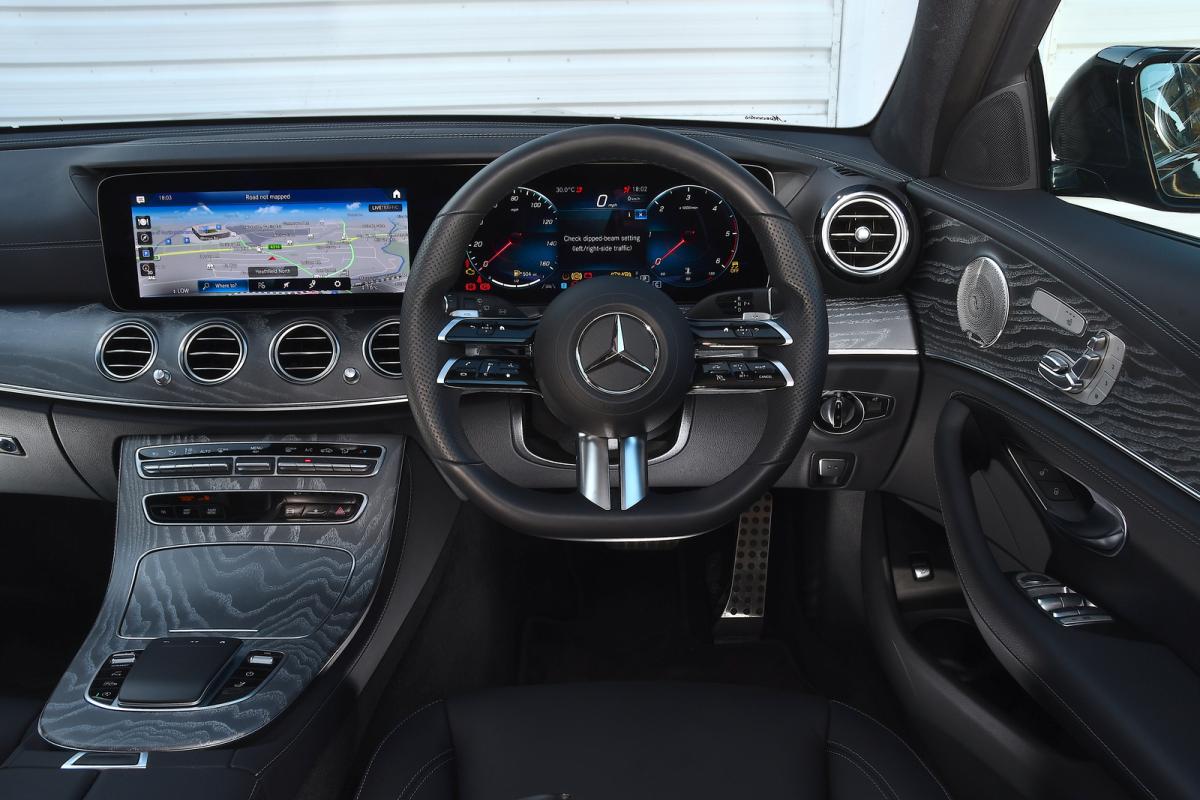
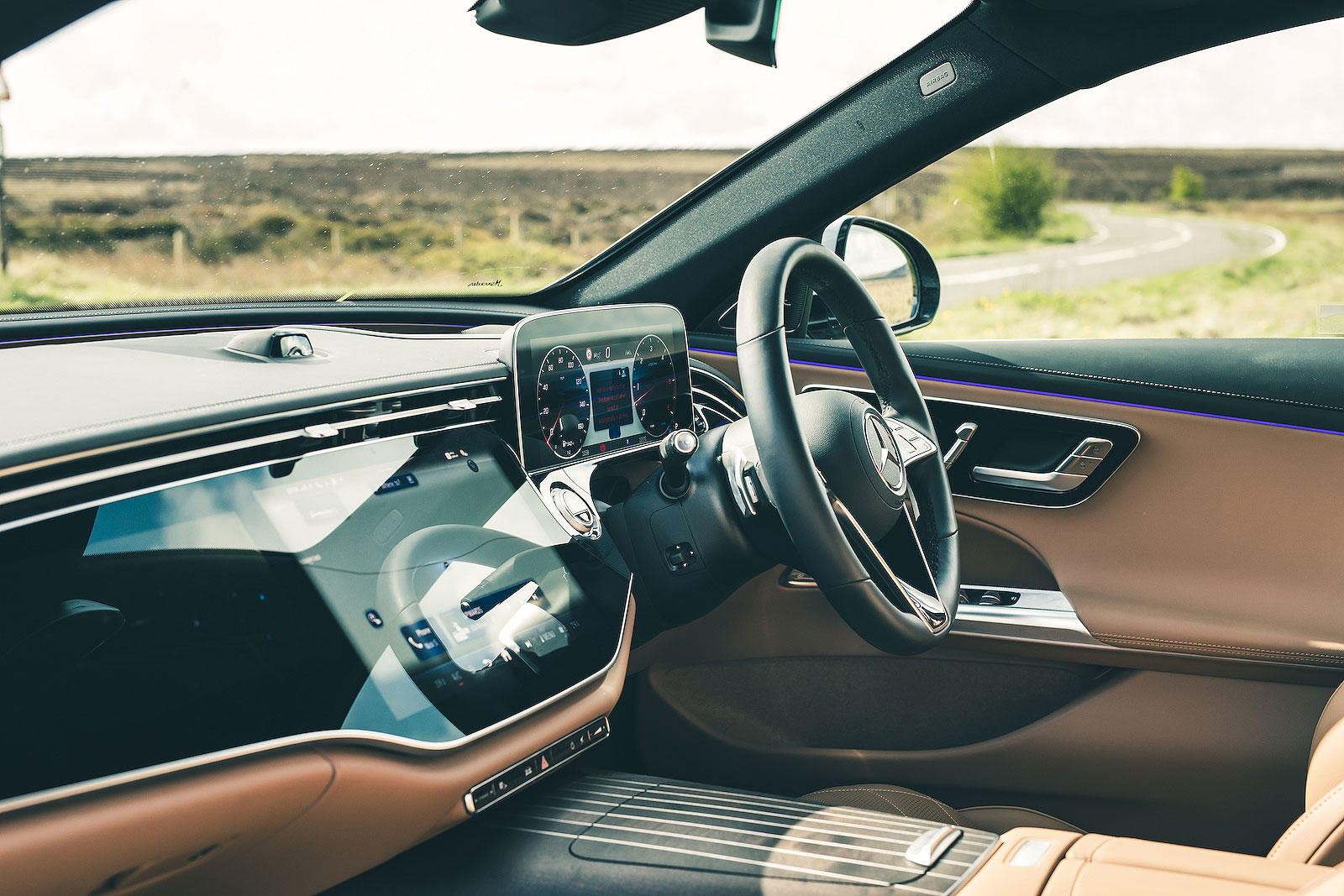
No matter which engine you choose, the Mercedes E-Class Estate has a really eye-catching interior with screens dotted across the dashboard.
There’s a 12.3in digital driver's display behind the steering wheel, a 14.4in touchscreen in the middle of the dashboard for the infotainment system and, if you go for Premium Plus trim or above, a 12.3in touchscreen in front of your passenger.
The passenger screen can be used to run social media apps and take photos, and has a special filter to make sure it's not visible from the driver’s seat.
The E-Class Estate's infotainment operating system is not as slick and intuitive as the iDrive set-up in a BMW 5 Series Touring but it’s easy enough to use. Just don’t try to control it using the touch-sensitive pads on the steering wheel – they're fiddly and infuriating. You’re far better off prodding the screen or using the surprisingly competent voice control.
Premium trim includes a 17-speaker Burmester surround-sound system upgrade that’s incredibly powerful, clear and immersive.
Ambient lighting snakes across the dashboard to add even more drama to the interior, making it easier to forgive the fact that some of the materials don’t feel quite as dense or substantial as those in the main estate car rivals. You can choose from various shades of leather upholstery if you think the standard black seats are a little too restrained.
Visibility is good thanks to the E-Class Estate's tall side windows, square rear window and modestly sized pillars. All versions come with front and rear parking sensors, and a rear-view camera. Stepping up to AMG Line Premium introduces a 360-degree camera.
The seats are soft and comfortable, with part-electric adjustment (including adjustable lumbar support) even on entry-level versions. AMG Line Premium adds full electric adjustment with memory settings, while AMG Line Premium Plus adds a massaging function.
"I’m impressed by the Digital Light matrix LED headlight upgrade fitted to higher trim levels. It’s fantastic. They’re very bright and you can see far into the distance at night." – Lawrence Cheung, New Cars Editor
Tips & Advice
Passenger & boot space
How it copes with people and clutter
Strengths
- Plenty of head and leg room in the rear
- Non-PHEV versions have a huge boot
- Useful storage spaces
Weaknesses
- Boot space in PHEV is compromised by battery
There’s an abundant amount of head, leg and elbow room in the front of the Mercedes E-Class Estate, and it feels more airy inside than an Audi A6 Avant. Storage space is impressive too, with two large storage cubbies in the centre console and big door bins.
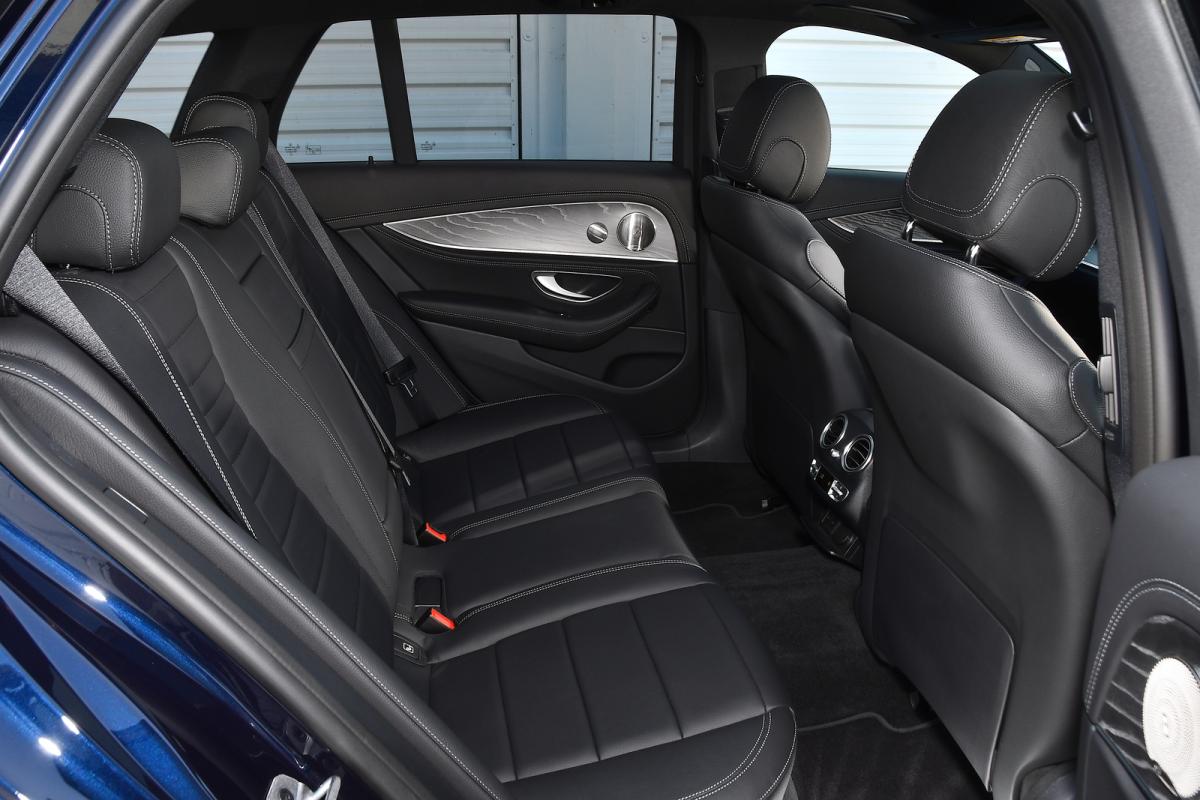
Two tall adults will find there's plenty of space in the back seats. You sit quite close to the floor but there’s plenty of leg room to stretch out, helped by having a bit more foot space under the front seats than there is in the 5 Series Touring.
Even with a panoramic roof fitted, there’s enough clearance above a six-footer’s head, although there is a bit less than that rival overall. Like its main rivals, a middle rear passenger will have to splay their feet either side of a big hump in the floor.
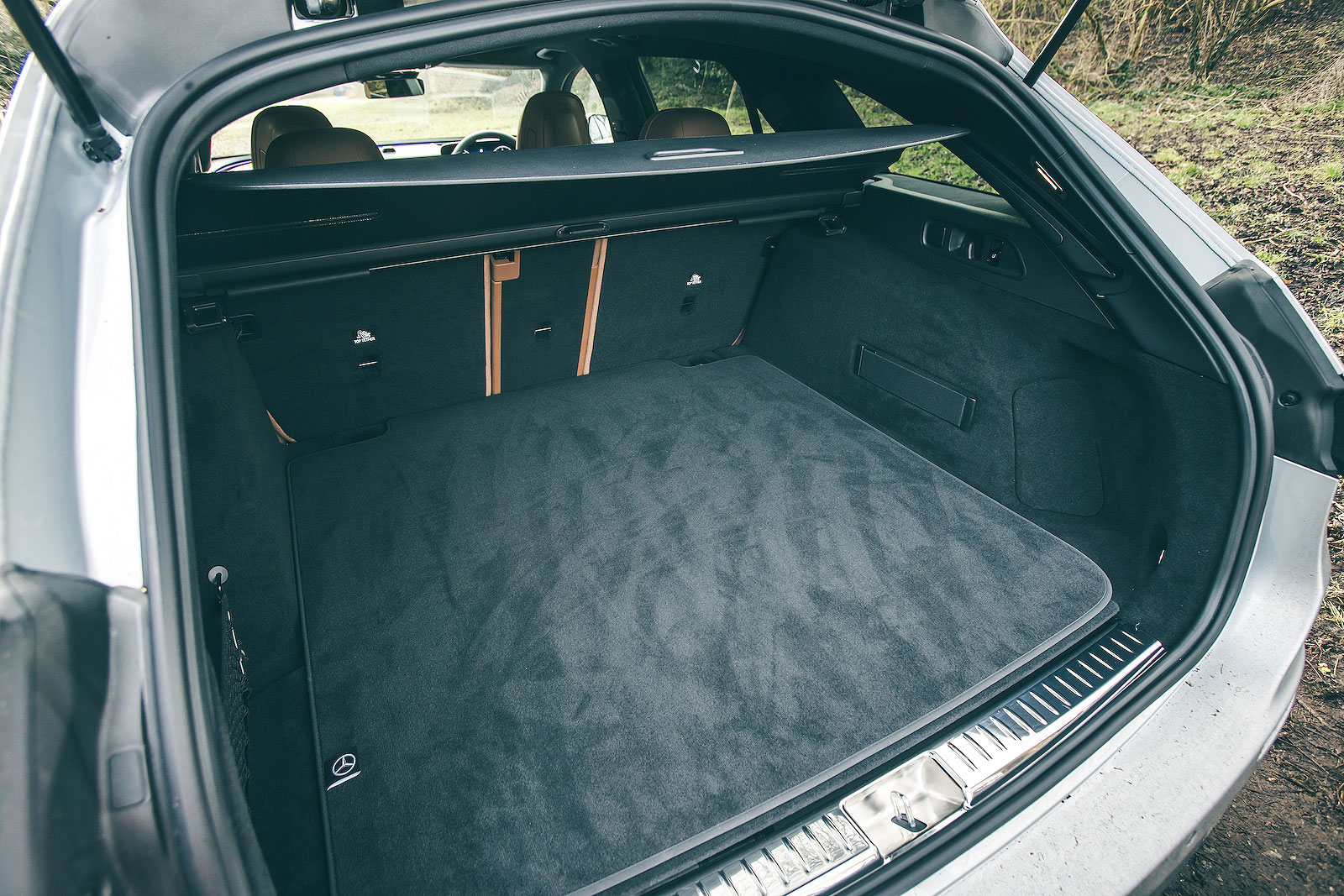
When you open the E-Class Estate's powered tailgate, the boot offers a vast 615 litres of space with the seats up and a cavernous 1,830 litre with them folded down. The Audi A6 Avant is some way behind with up to 503 litres of boot capacity, as is the BMW 5 Series Touring with its 570 litres.
That said, the E-Class Estate PHEVs (including the AMG E53) have one flaw for an estate car. You see, the drive battery's position means the boot floor is higher than on non-PHEV versions, cutting capacity to 460 litres (not much more than a Ford Puma boot).
The E-Class Estate's back seats fold down in a 40/20/40 split. However, in the PHEV the seatbacks lie flat at a lower level than the main portion of the boot, meaning there’s an annoying step in the floor of the extended load bay.
"You don’t get storage under the boot floor in the PHEV to stow away the charging cables, so I find they can get in the way when you try to put bulkier items in the boot." – Lawrence Cheung, New Cars Editor
Tips & Advice
Buying & owning
Everyday costs, plus how reliable and safe it is
Strengths
- PHEV is in a low BIK bracket
- All models are well equipped
- Plenty of safety kit
Weaknesses
- Slightly more expensive than rivals
- Fast charging not available on PHEV
The Mercedes E-Class Estate is not cheap. Even the entry-level E200 Urban Edition commands a good chunk more money than the cheapest Audi A6 Avant or BMW 5 Series Touring.
The E300e plug-in hybrid (PHEV) costs more than an A6 Avant e-hybrid or 530e Touring, but in their case the list price is almost a moot point because they're aimed squarely at company car drivers paying BIK tax. The E-Class is in a lower tax bracket than its rivals, although the difference in monthly payments between them will be small.
Ways to buy
The diesel PHEV, the E300de, costs even more and it would take a lot of miles to recoup the extra cost in fuel savings.
With CCS fast charging socket as standard, the E-Class Estate PHEVs have the edge over rival. The maximum charging speed of up to 55kW from a public charger means a 10-80% charge should take around 20 minutes. You’ll be waiting around three hours for a 10-100% charge from a home EV charger.
Every E-Class Estate comes brimming with kit, starting with the entry-level Urban Edition trim that’s aimed at company car drivers looking for the lowest P11D costs. It comes with 20in wheels, artificial leather upholstery, keyless entry, rear privacy glass and two-zone climate control.
Our recommended AMG Line Premium has smaller 19in alloy wheels, but adds a heated steering wheel, a sunroof, the Burmester 4D sound-system upgrade and a 360-degree parking camera.
AMG Line Premium Plus brings 20in wheels, ambient lighting that changes colour, heated front armrests and the 12.3in passenger touchscreen.
Exclusive Premium is similar in terms of price and equipment to AMG Line Premium but with less sporty styling. It comes with a different front grille and swaps the artificial engine sound function for acoustic glass. Inside, the wood trim finisher is finished in brown rather than black and active ambient lighting comes as standard.
Exclusive Premium Plus adds the same extras as AMG Line Premium Plus, but again has less sporty styling.
The Mercedes AMG 53 Estate is available in Premium or Premium Plus Night Edition. Both come with more aggressive styling, but get similar equipment to AMG Line Premium and AMG Line Premium Plus respectively.
The E-Class saloon achieved the full five-star rating when it was crash-tested by Euro NCAP in 2024. It got a high score for protecting adult occupants and children in front and side impact tests. All E-Class Estates come with automatic emergency braking (AEB), lane-keeping assist, traffic-sign recognition and blind-spot assist as standard.
It's too soon to tell you how reliable the latest E-Class will be but Mercedes didn't do that well in our 2024 What Car? Reliability Survey. It came in 22nd out of 31 car makers. Audi came 24th, while BMW finished in a strong eighth.
The E-class Estate comes with a three-year, unlimited-mileage warranty as standard, which matches BMW’s cover and is slightly better than Audi’s one, limited to 60,000 miles.
"It’s hard to make a case for the pricier AMG E53 Premium Plus Night Edition, especially with options, because it's close to the price of the BMW M5 Touring and that’s far superior in terms of performance and fun." – Lawrence Cheung, New Cars Editor
For all the latest reviews, advice and new car deals, sign up to the What Car? newsletter here
Tips & Advice
Similarly priced cars

If you're interested in finding a mercedes-benz E-Class, or any of the other estate cars mentioned here, head over to our Cars available now pages to find new cars listed for sale at great prices.
FAQs
Mercedes-Benz E Class specifications
Our pick
RRP price range
MPG range across all versions
Available fuel types (which is best for you? )
Available colours
Number of engines (see all)
Number of trims (see all)
Company car tax at 20% (min/max)
Company car tax at 40% (min/max)
What is What Car? best price?
The What Car? best price shows you the cheapest way to buy your new car, whether it's by choosing an in-stock car through our partner Autotrader or placing a factory order.
Available now from: £53,770
RRP from: £59,770
Cars available now

About the writer