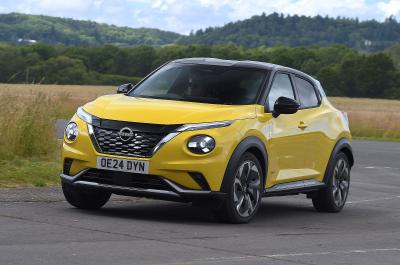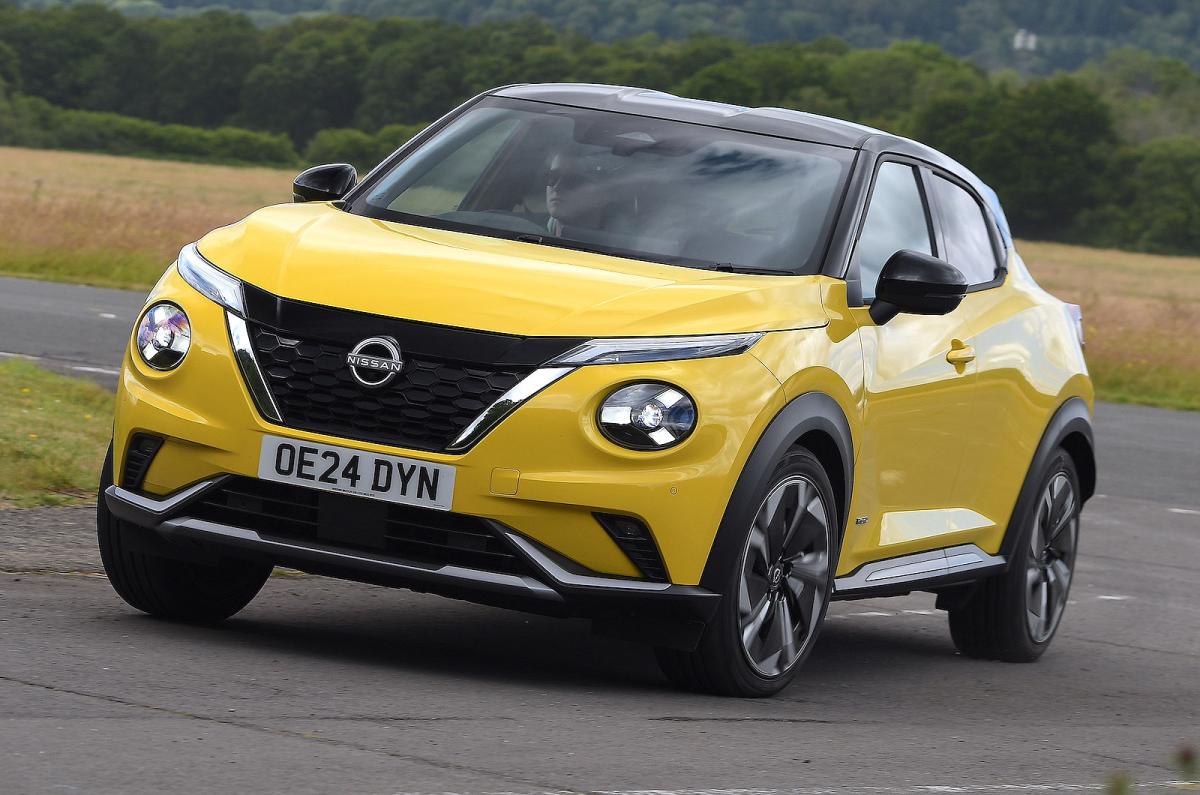
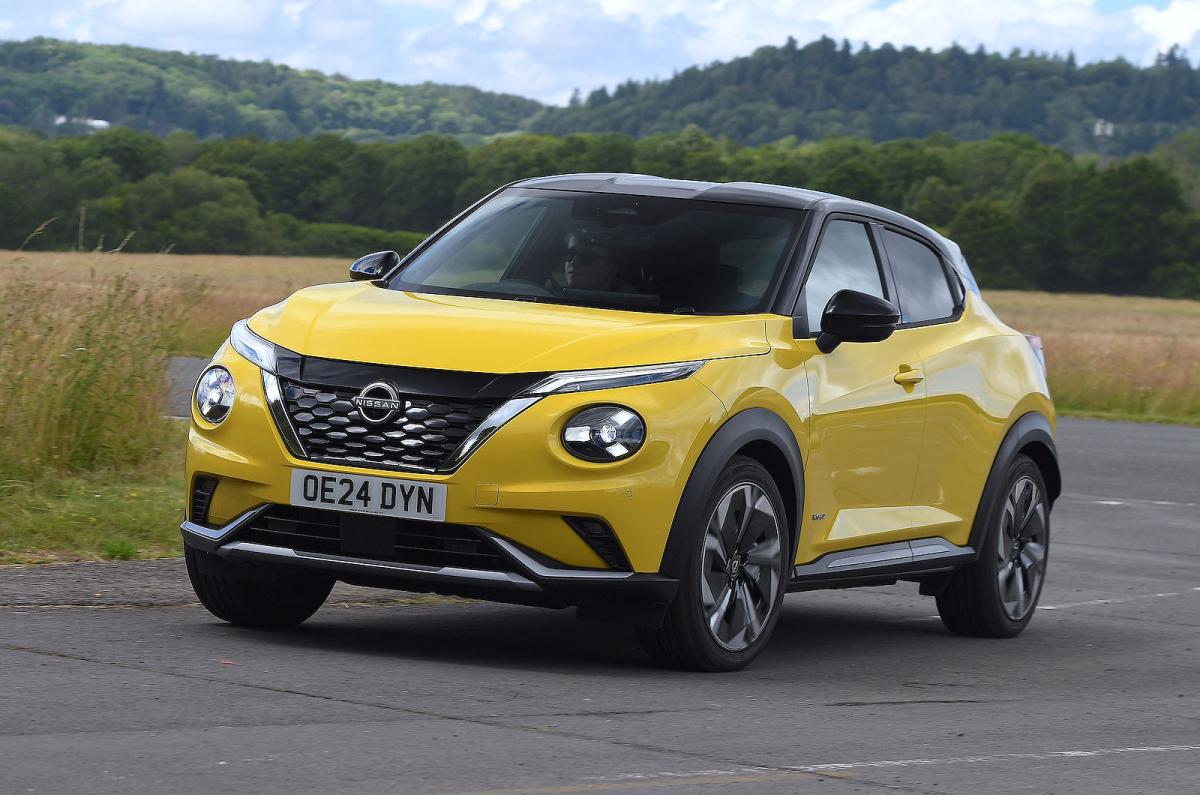
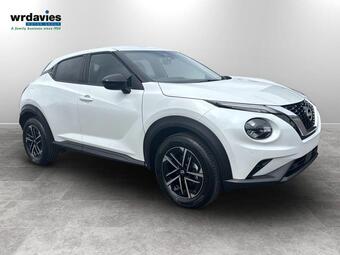
- Nissan Juke front cornering
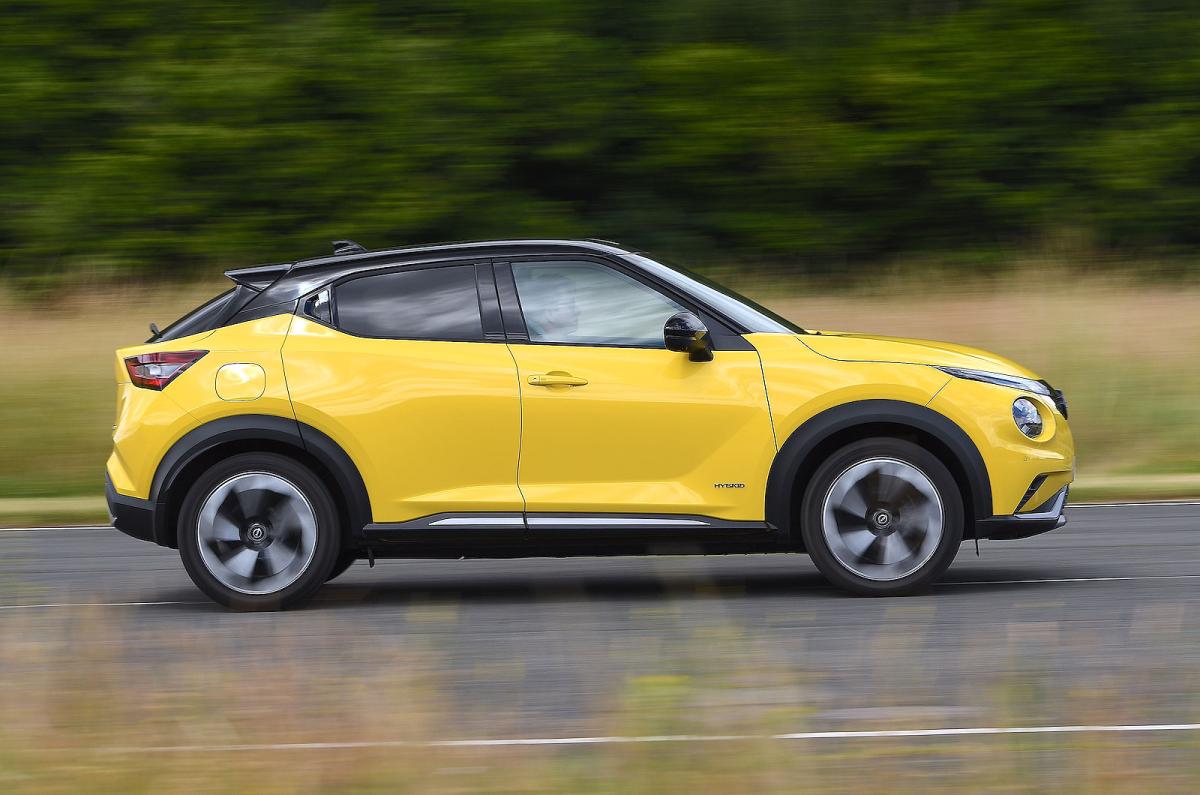
- Nissan Juke right driving
- Nissan Juke front cornering
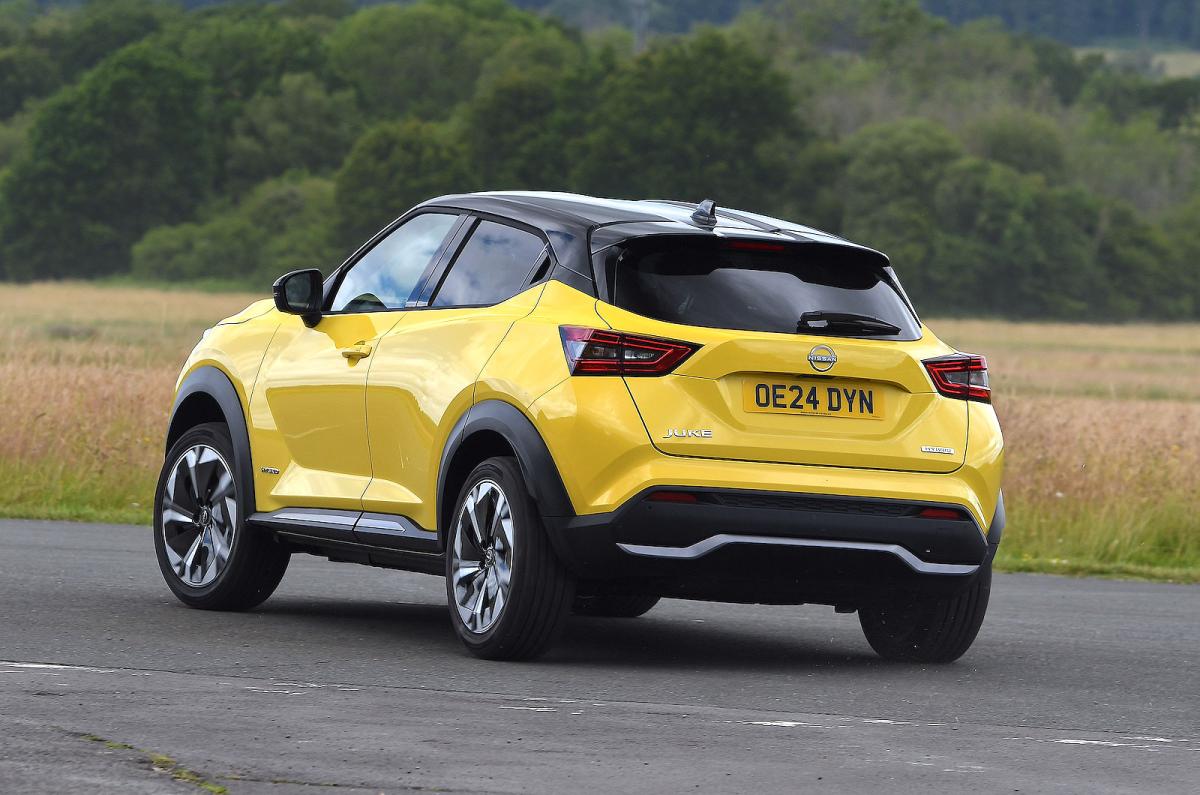
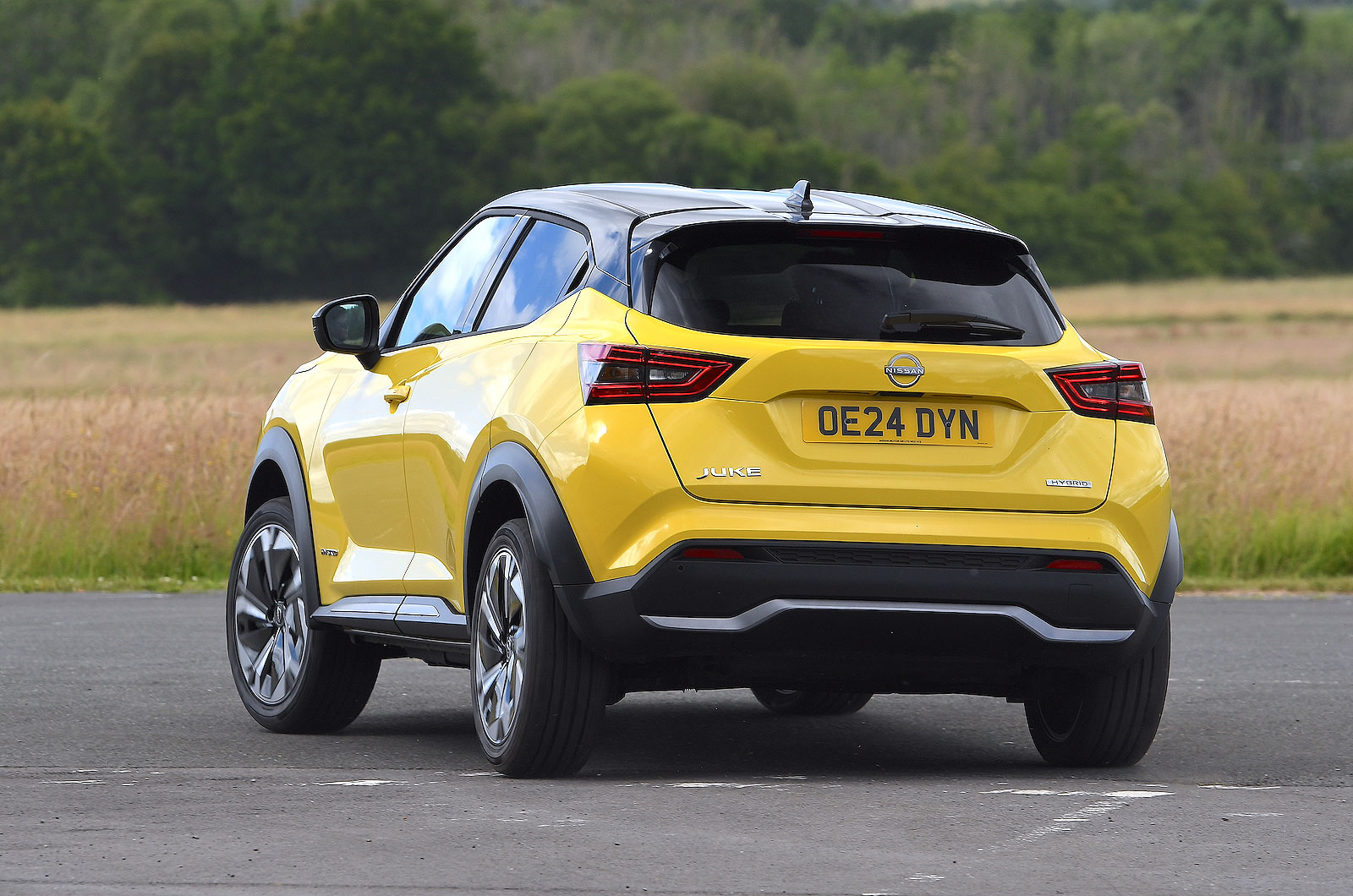
- Nissan Juke rear cornering
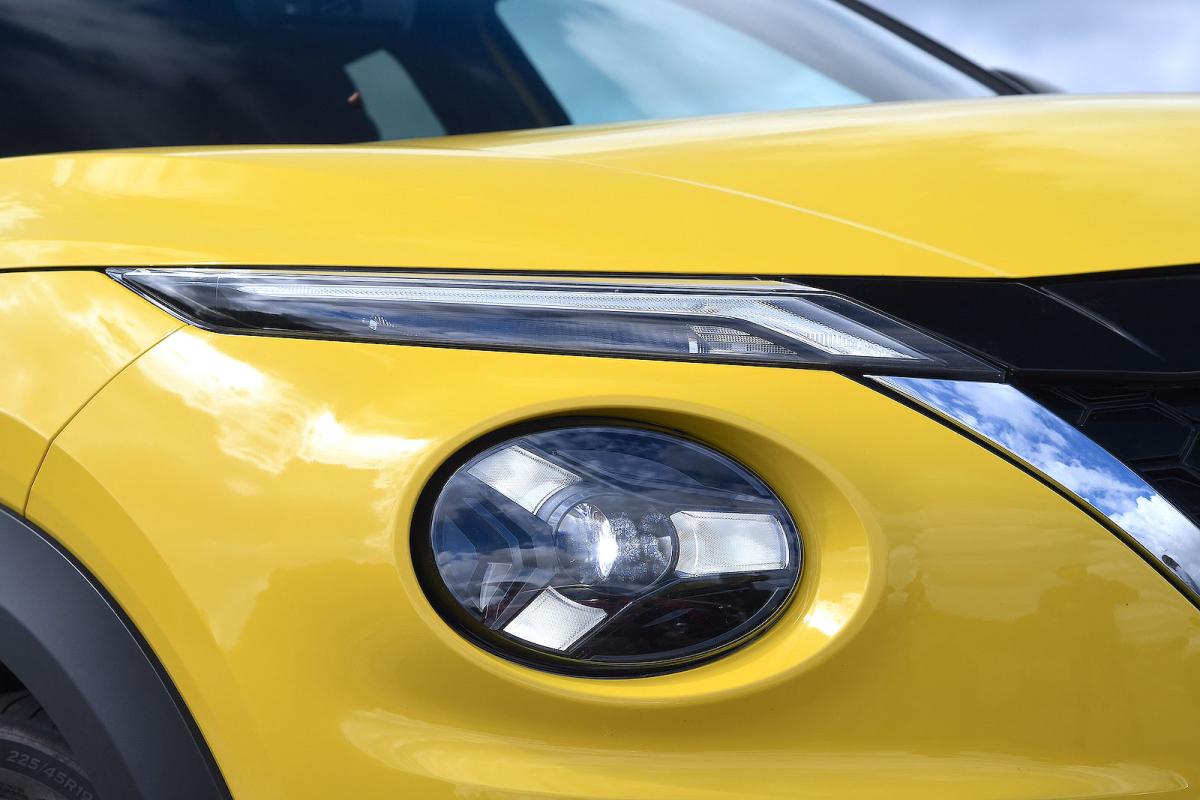
- Nissan Juke headlights
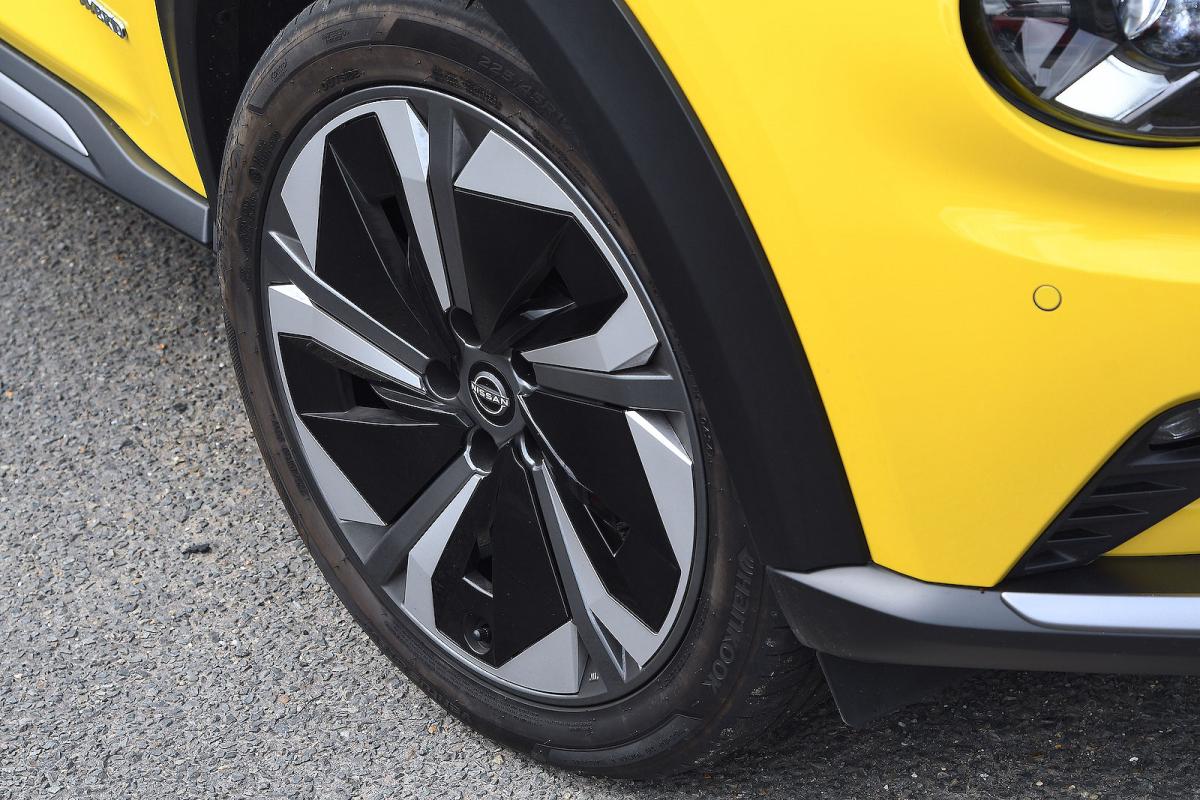
- Nissan Juke alloy wheel
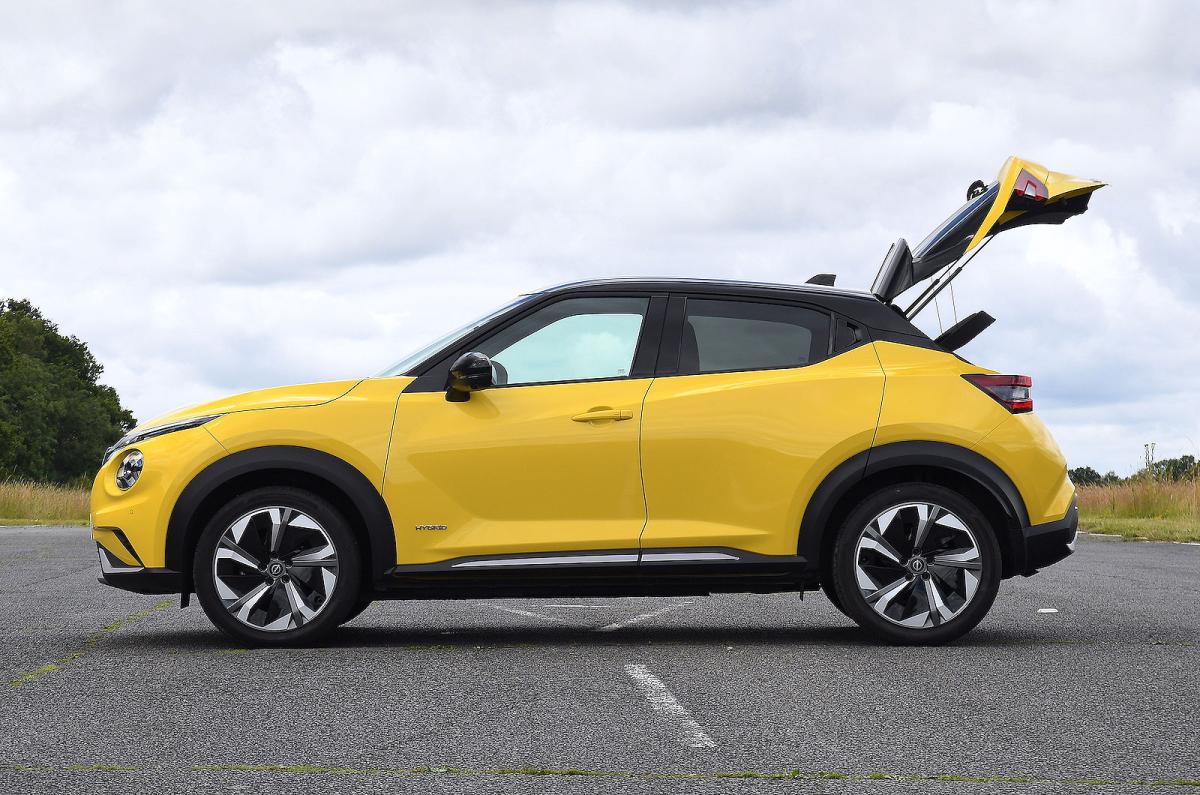
- Nissan Juke left static boot open
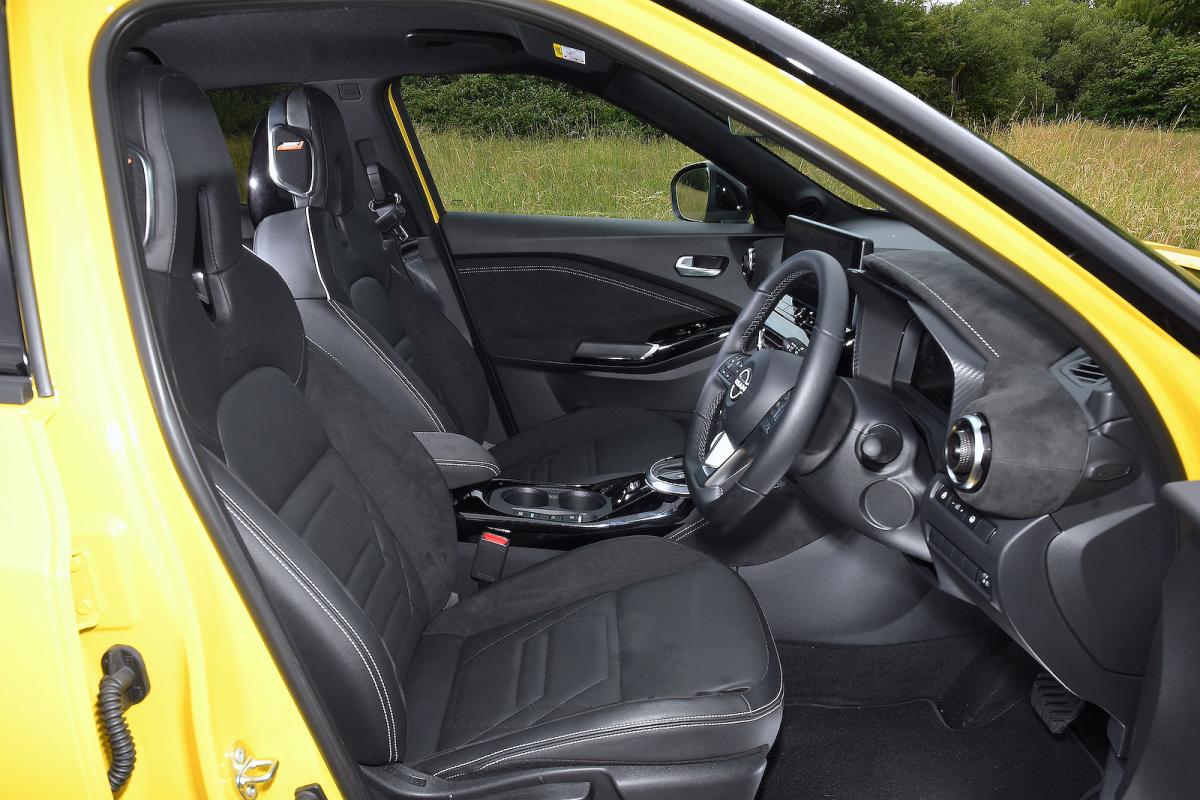
- Nissan Juke front seats
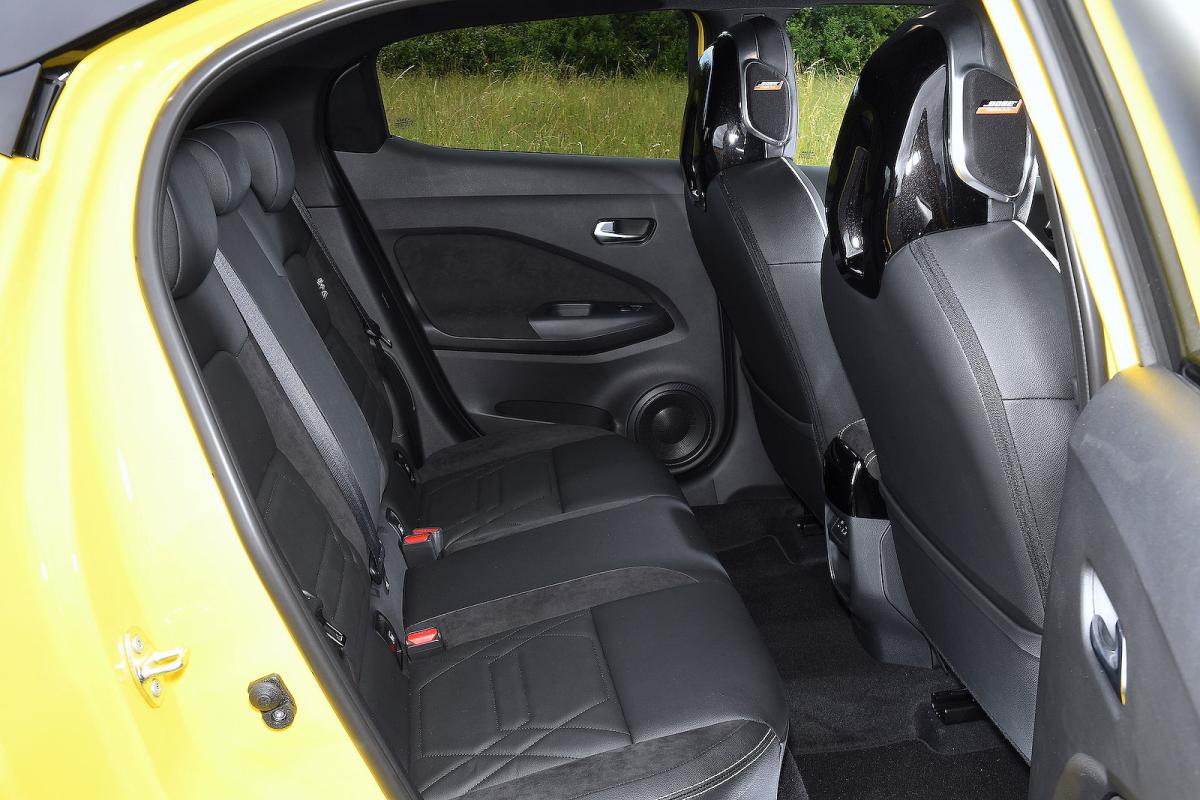
- Nissan Juke back seats
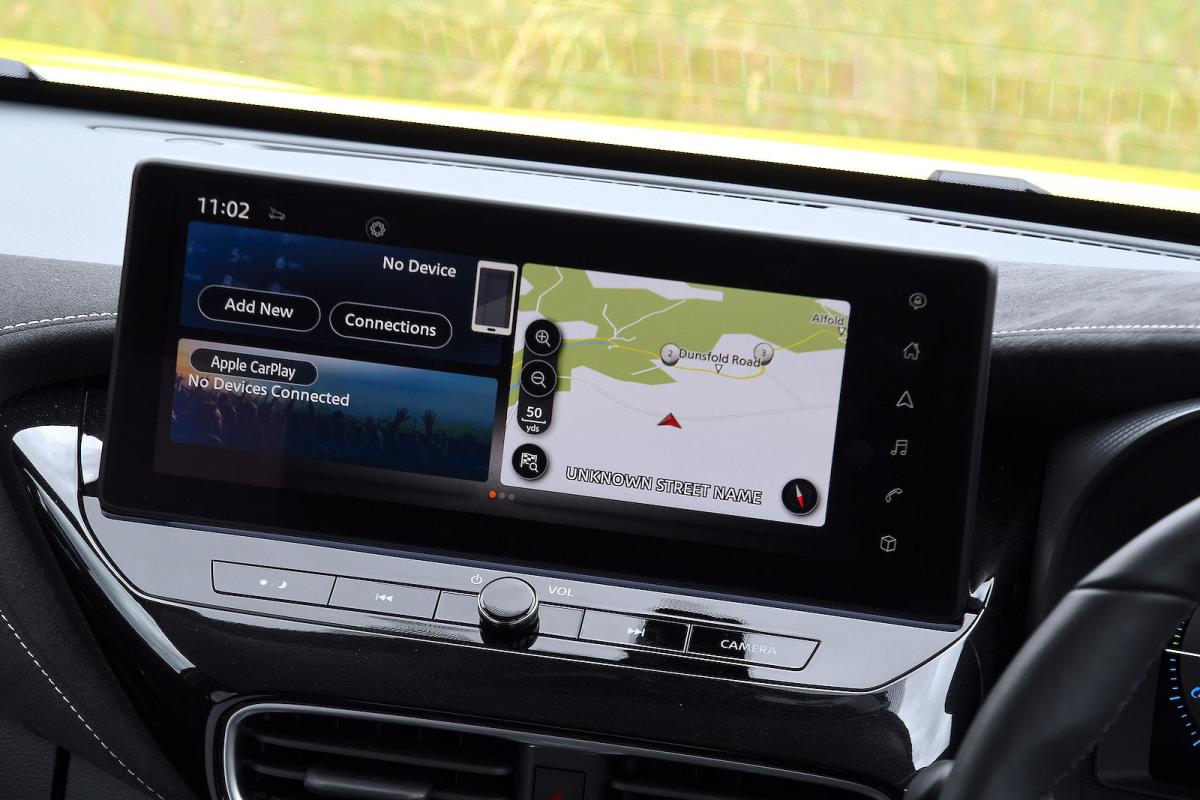
- Nissan Juke infotainment touchscreen
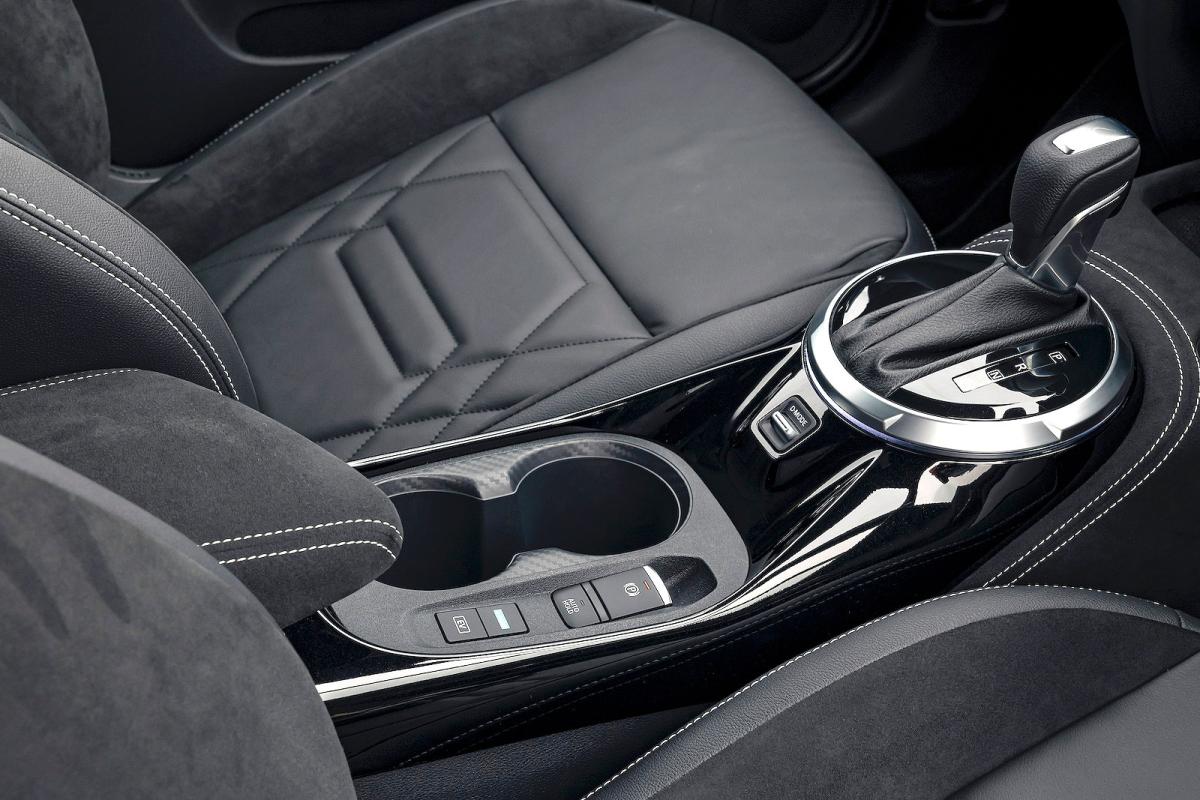
- Nissan Juke gear selector
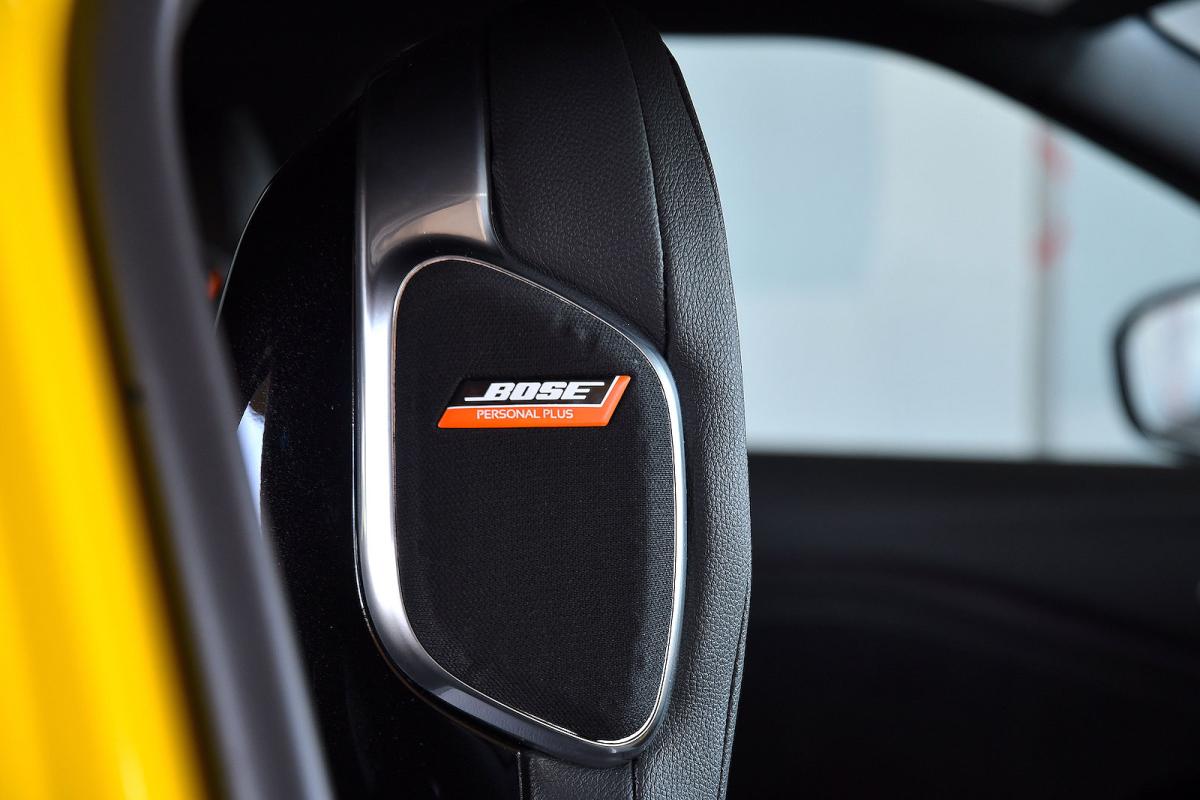
- Nissan Juke headrest speaker
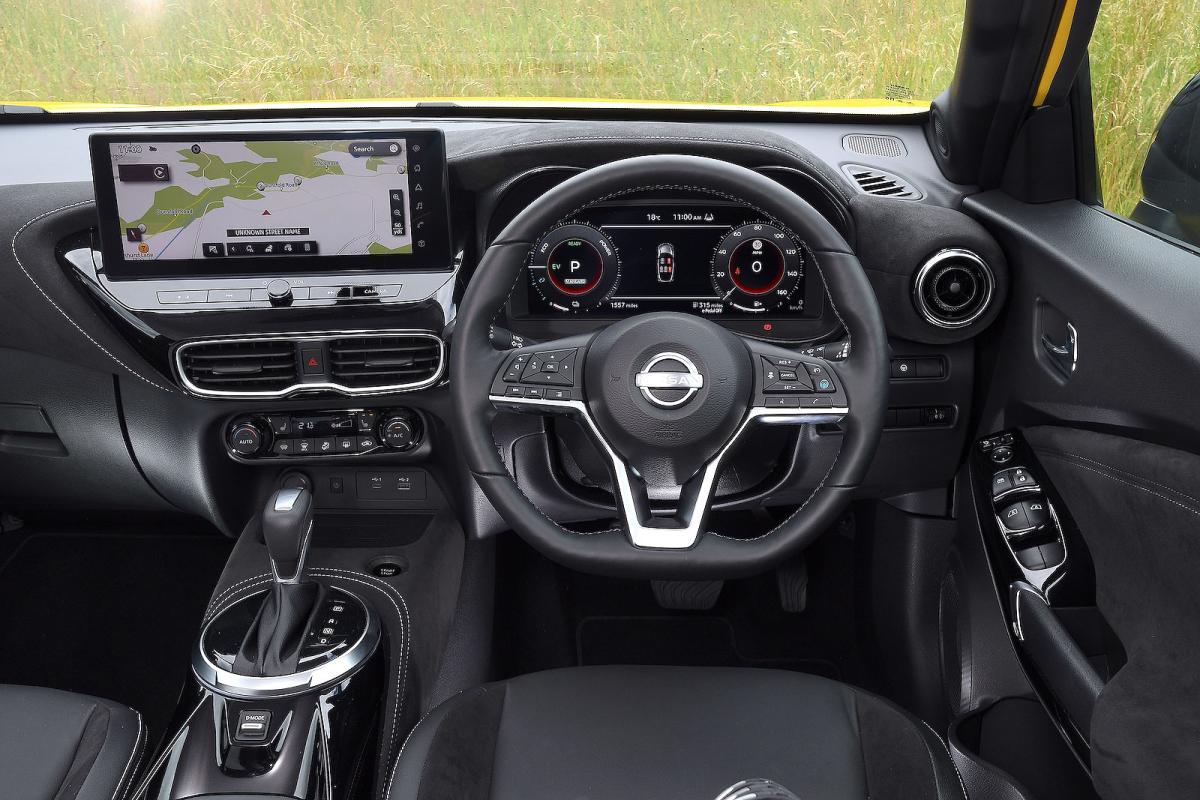
- Nissan Juke dashboard
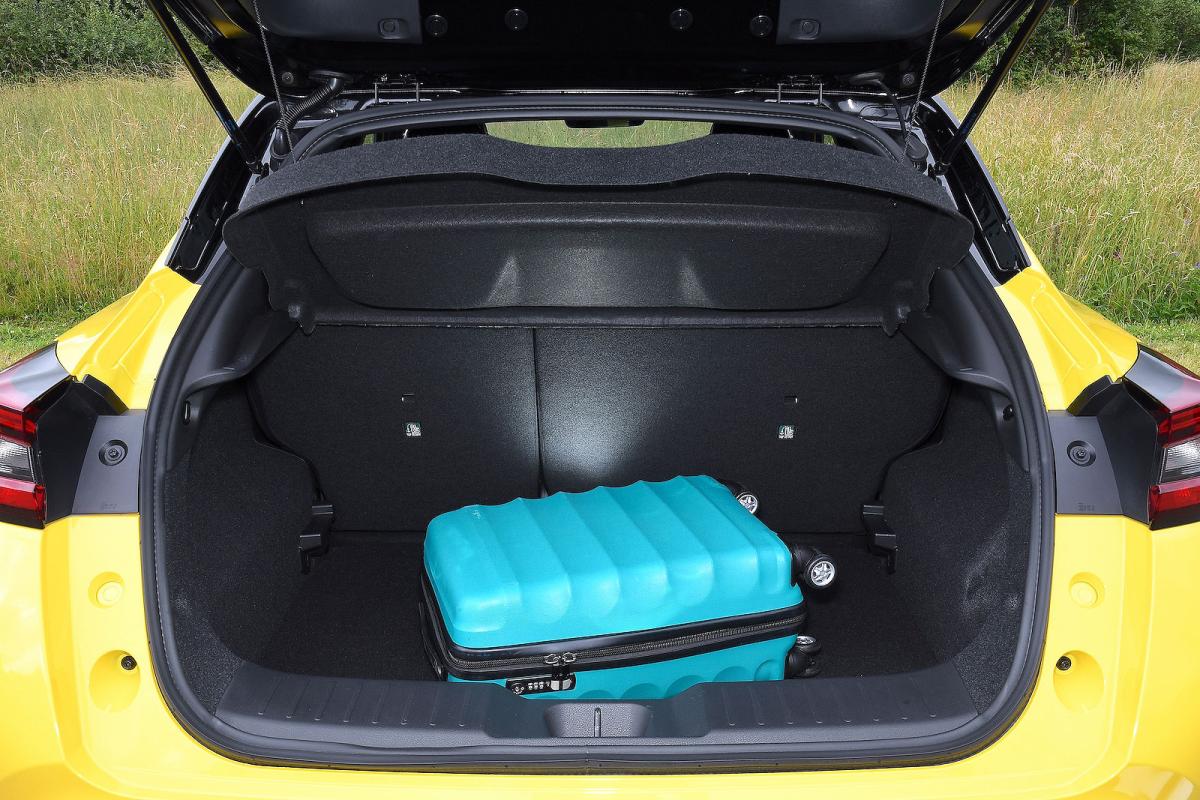
- Nissan Juke boot
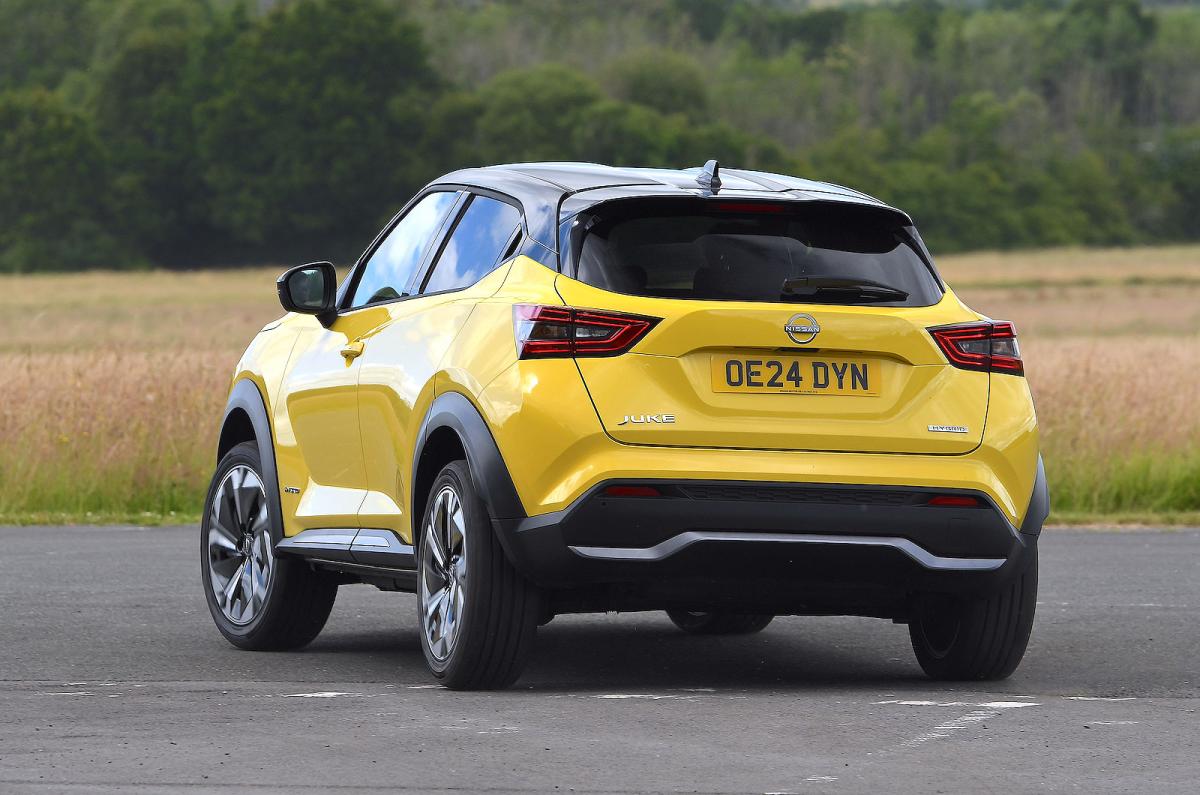
- Nissan Juke rear cornering


What is What Car? best price?
The What Car? best price shows you the cheapest way to buy your new car, whether it's by choosing an in-stock car through our partner Autotrader or placing a factory order.
Available now from: £19,390
RRP from: £24,485
About our price indicator
What Car? indicative Personal lease example (subject to status)
1.0 DIG-T Acenta Premium SUV 5dr Petrol Manual Euro 6 (s/s) (114 ps)
| Expected annual mileage | 5000 |
| Term months | 48 |
| Deposit months | 12 |
| Monthly payment | £244.88 |
| Initial payment | £2,938.56 |
Step-by-step
Leasing works a bit like a long-term rental. You drive it, but you don’t own it.
- Choose your car, pick your terms and apply for lease credit online
- Pay monthly rental payments for your chosen term length
- Drive it, enjoy it, then give it back at the end
What you get
When you lease with Autotrader you get all of this:
- Full manufacturer’s warranty
- Road tax and roadside assistance included
- No admin fees
- Free returns within 30 days*

- Lower total monthly cost than PCP/HP
- No balloon payments
- Road tax included
Figures for 1.0 DIG-T N-Connecta Euro 6 (s/s) 5dr
Introduction
The original Nissan Juke was an absolute trailblazer. Designed as an alternative to conventional small hatchbacks, its high-riding stance put an SUV within the grasp of buyers on modest budgets.
And despite its quirky looks not being to everyone’s tastes, the Juke sold by the proverbial bucketload and inspired a raft of other small SUVs. The trouble is, even if you loved the way the original Juke looked, there weren’t many logical reasons for buying one.
What is What Car? best price?
The What Car? best price shows you the cheapest way to buy your new car, whether it's by choosing an in-stock car through our partner Autotrader or placing a factory order.
Available now from: £19,390
RRP from: £24,485
About our price indicator
What Car? indicative Personal lease example (subject to status)
1.0 DIG-T Acenta Premium SUV 5dr Petrol Manual Euro 6 (s/s) (114 ps)
| Expected annual mileage | 5000 |
| Term months | 48 |
| Deposit months | 12 |
| Monthly payment | £244.88 |
| Initial payment | £2,938.56 |
Step-by-step
Leasing works a bit like a long-term rental. You drive it, but you don’t own it.
- Choose your car, pick your terms and apply for lease credit online
- Pay monthly rental payments for your chosen term length
- Drive it, enjoy it, then give it back at the end
What you get
When you lease with Autotrader you get all of this:
- Full manufacturer’s warranty
- Road tax and roadside assistance included
- No admin fees
- Free returns within 30 days*
- Lower total monthly cost than PCP/HP
- No balloon payments
- Road tax included
Thankfully, the latest second-generation version has changed that, vastly improving the Juke in areas where it was previously flawed. You now get a smarter interior, a bigger boot and better engines - including a regular hybrid.
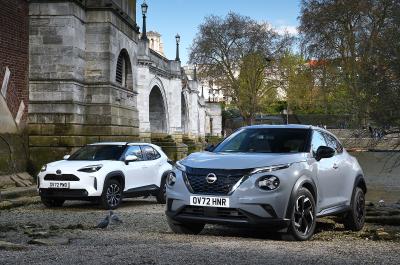
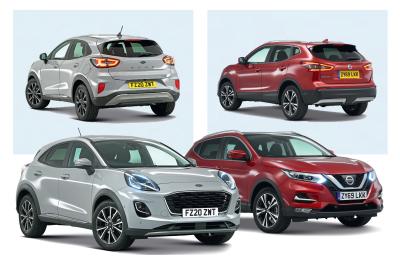
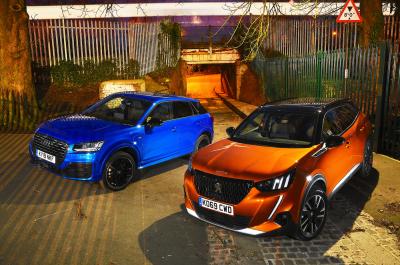
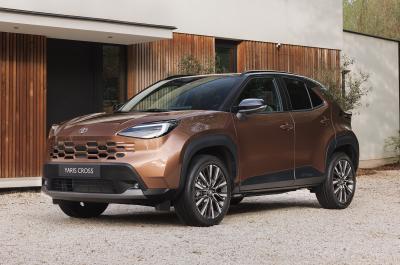
As for rivals, there are quite a few other cars you might be considering – ranging from the Ford Puma and Peugeot 2008 to the Renault Captur E-Tech, Seat Arona, Toyota Yaris Cross and VW T-Roc.
So how does the latest Nissan Juke stack up against the best small SUVs for practicality, efficiency, reliability and more? Read on to find out...
What’s new?
- February 2024 - Facelifted Juke has a redesigned centre console and improved interior quality. A racy N-Sport trim joins the range and yellow paint has been been reintroduced
- June 2022 - Hybrid Juke announced, capable of 56.5mpg and emitting 114g/km of CO2 under official figures


Our pick
Pros
- Smart interior
- Good safety rating
- Lots of toys on our recommended trim
Cons
- Choppy ride
- Claustrophobic in the rear seats
- Poor reliability record
Our pick
Trims available
Performance & drive
What it's like to drive, and how quiet it is
Strengths
- Good body control
- Low levels of road noise
Weaknesses
- Choppy ride, especially on Juke Hybrid
- Unnatural steering response
- Auto gearbox could be smoother
The Nissan Juke engine line-up starts with the 112bhp 1.0-litre turbocharged petrol (badged DIG-T 114) and we reckon it's the best choice for most Juke buyers. It's hardly quick – in our tests it took a lengthy 11.7 seconds to sprint from 0-60mph – but it's gutsy enough as long as you keep the revs above 2000rpm.
Equivalent engines in the Skoda Kamiq and VW T-Roc are stronger, but not by a great deal. The mild-hybrid engines in the Ford Puma (especially the 1.0 Ecoboost Hybrid 155) are another matter, and offer significantly faster acceleration than the 1.0-litre Juke.
The other option is the Juke Hybrid, which has a 141bhp 1.6-litre regular hybrid engine. It's not rapid, achieving a 0-60mph time of 10.4 seconds in our tests, and is slower than a Renault Captur E-Tech hybrid we timed on the same day (9.7 seconds). A Toyota Yaris Cross feels more lively when driving on just its electric motor, but the tables are turned at higher speeds, when the Juke’s petrol engine and electric motor work together to provide strong acceleration.
The Hybrid has regenerative braking with an e-Pedal button to increase the braking effect. On the highest setting, the car slows down to walking pace fairly swiftly when you lift off the accelerator pedal, making stop-start driving less work.
The petrol engined Juke isn't horrendously uncomfortable by any stretch, and the suspension takes the sting out of bigger bumps and road scars reasonably well. However, sharper imperfections cause the car to fidget annoyingly no matter what speed you're doing.
For the best comfort, we suggest sticking with the smaller 17in wheels fitted to entry-level cars and avoiding the 19in rims fitted to Tekna trim and above. Still, no version is as smooth as the most cosseting small SUVs such as the Kamiq and T-Roc. The Puma is less agitated too.
The Juke Hybrid has firmer suspension, so comfort is even less impressive than in the 1.0 DIG-T 114. It’s worse with the large 19in wheels fitted on posher trim levels, with a constant fidget at most speeds and larger bumps amplified even more than on cheaper versions.
Despite its lofty stance, the Juke doesn’t sway around through tight twists and turns as much as you might imagine, and it feels more tied down along undulating roads than the softer Captur.
There’s a reasonable amount of grip, so it feels safe and competent when driven at moderate speeds, but the car soon begins to lose its composure if you push it harder. The steering wheel also feels too keen to return to the centre position when you're going round a corner (almost as though you've wound up an elastic band). That robs you of a lot of confidence and a sense of connection to the road.
The Puma isn't only sharper and more agile than the Juke – it's also much more fun to drive. In fact, even the Kamiq and T-Roc are more composed through corners, while the steering in the Yaris Cross responds more naturally.
The Juke’s 1.0-litre petrol engine is quieter than equivalent engines in the Kamiq and T-Roc, although you do hear some whistling noises from the turbocharger when you accelerate with any vigour. The Juke Hybrid is even more hushed when running on electricity alone, but when you ask for a burst of acceleration, its 1.6-litre petrol engine disrupts the calm by transmitting vibrations through the pedals and generating a coarse note.
Fortunately, the Juke settles down to be a relatively quiet cruiser. Apart from some wind noise by the front windows and the suspension thumping over potholes, the Juke is better insulated than a Yaris Cross, with far less road noise resonating inside at 70mph. A Captur is slightly quieter overall, with even less engine and road noise, but for hushed cruising manners in a small SUV take a look at the T-Roc.
The standard six-speed manual gearshift in the DIG-T 114 is relatively light and easy, but the shift actions in rivals such as the Puma, Kamiq and T-Roc are noticeably more precise. The optional seven-speed dual-clutch automatic gearbox is decidedly jerky and best avoided, while the Juke Hybrid's auto box, with its clunky gear changes, isn’t much better. The Hybrid’s grabby brake pedal response makes it tricky to stop smoothly in stop-start traffic.
“I find the Nissan Juke deals with lumps and bumps better than its predecessor, but it still jostles you around noticeably along uneven roads, while badly broken patches send noticeable shudders through the car.” – Will Nightingale, Reviews Editor
Tips & Advice
Interior
The interior layout, fit and finish
Strengths
- Good side support from front seats
- Impressive interior quality
- Controls are easy to use
Weaknesses
- Rear visibility isn’t great
- No adjustable lumbar support
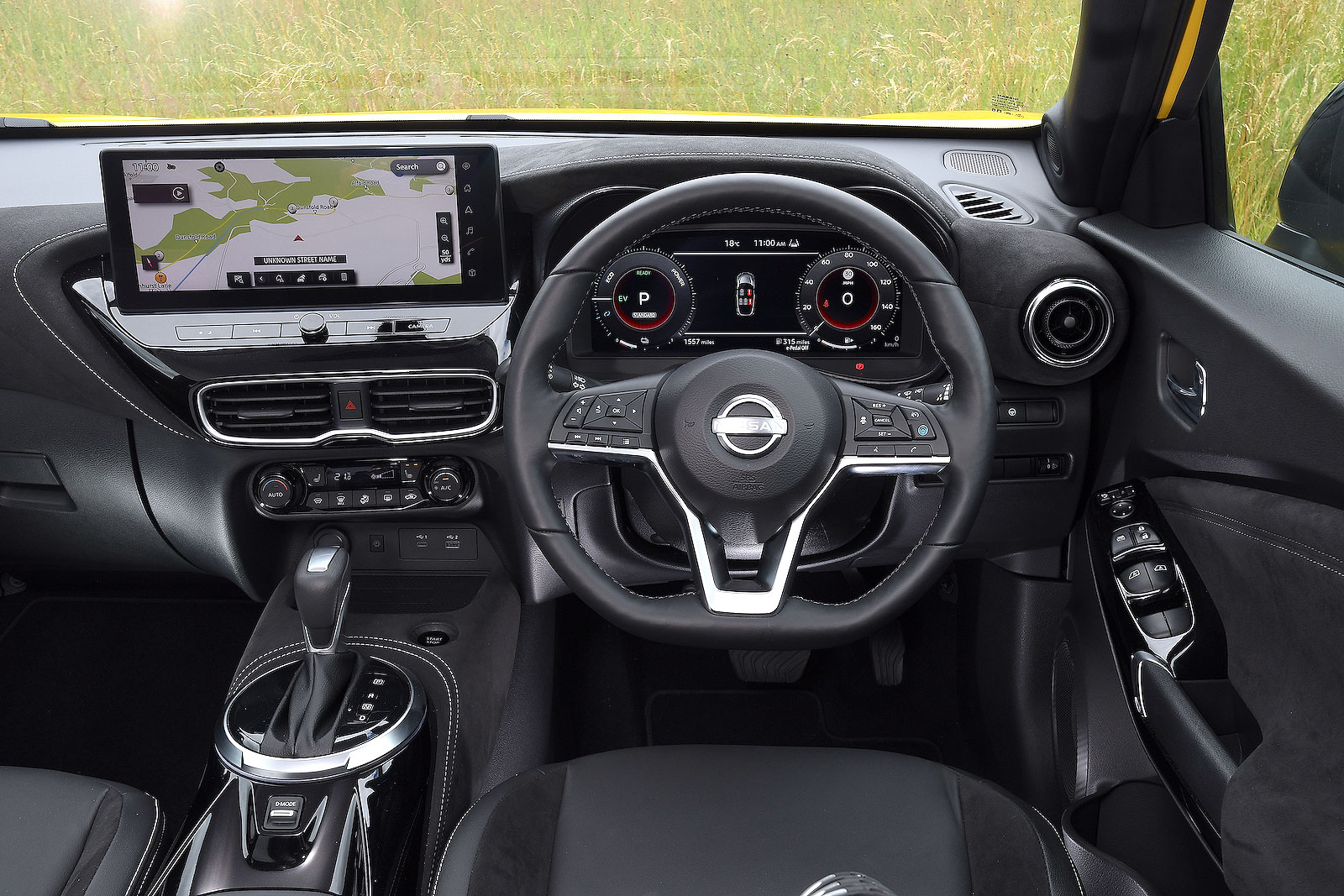
It's easy to get comfy behind the wheel of the Nissan Juke – the steering wheel adjusts for height and reach, while the height adjustable driver’s seat provides plenty of side support to hold you in place. The biggest downside is that you don’t get adjustable lumbar support with any version.
If the reason you’re considering a small SUV rather than, say, a family car is that you like a lofty driving position, it’s worth noting that you feel a bit higher up when sitting in a Juke than in a Skoda Kamiq but a Renault Captur E-Tech has an even more commanding position.
One thing we really like about the Juke’s interior is that you get physical controls for the air conditioning on all versions. The large rotary knobs make it far less distracting to adjust the temperature when you're driving than using the infotainment touchscreen (as you have to on many cars). Most versions of the Juke also have a 12.3in digital driver’s display that’s larger than the Captur's, although it’s less configurable and the graphics are not as sharp. Entry level Acenta Premium has a smaller 7in display.
Your view out of the front is mostly good, although the rear-view mirror is mounted quite low, so some drivers will find it impedes the view out of the top section of the windscreen. It’s easy to see over the Juke's dashboard and the windscreen pillars are slender to look around at junctions.
Less impressive is the view over your shoulder, which is more obscured than in rivals, including the VW T-Roc. The blame lies with the chunky rear pillars and small rear screen, although you get a rear-view camera to help out with parking as standard.
If you choose Tekna trim or above, the parking camera is upgraded to a 360-degree one that gives you a bird’s eye view of the car, making manoeuvring in tight spaces even easier. All versions bar entry-level Acenta Premium also come with front and rear parking sensors.
Every Juke comes with a 12.3in touchscreen infotainment system with DAB radio, Bluetooth, sat-nav, Android Auto and Apple Carplay. A wireless phone-charger is standard on N-Connecta trim and above.
The system is a vast improvement on previous versions, with far sharper, more modern graphics. Even so, there’s still a delay when you open different parts of the system, and it's not as responsive as, for example, the Range Rover Evoque’s system.
You get a four-speaker stereo with entry-level Acenta Premium trim, but you get a six-speaker one on N-Connecta trim. There’s also a really punchy 10-speaker Bose sound system on all the other top-spec trims, which come with additional speakers built into the driver’s headrest for a more immersive experience. That’s an impressive upgrade by small SUV standards.
This is an area where the Juke has improved in leaps and bounds compared with the original model, made even better with the mid-life update. It feels really plush, especially in the Tekna+ and N Sport trims, which have suede-like Alcantara material on plenty of surfaces.
No matter which version you go for, the Juke feels better built inside than a Ford Puma. There’s a broader palette of materials used and the turbine-style air vents are surprisingly upmarket, making a satisfying click when you close them. In fact, only the hard plastic on the tops of the doors lets the side down a little.
The Juke combination of material plushness and build quality puts it up there with the best small SUVs – beaten only by premium-badged models such as the Audi Q2.
“The Nissan Juke’s interior is one of the best in the small SUV class. It’s easy to use, well made and has plenty of showroom appeal. I like the supportive seats that hold you in place when cornering and the Bose speakers in the headrest are a nice touch.” – Dan Jones, Senior Reviewer
Passenger & boot space
How it copes with people and clutter
Strengths
- Plenty of space in the front
- Lots of leg room for four occupants
Weaknesses
- Feels claustrophobic in the back
- Limited seating flexibility
- Hybrid has smaller boot
There’s plenty of space for tall people in the front of the Nissan Juke, thanks to ample head room and seats that slide a long way back.
Storage space is nothing to write home about but there’s a small cubby below the central armrest, two cupholders just in front of that, a decent-sized glovebox and a small area for your phone.
There’s a fair amount of leg room in the back of the Juke, and even six-footers won’t have to suffer with their knees digging into the seat in front.
Head room is merely acceptable though. If you’re long in the body or have a particularly high hairstyle, you might find you need to duck to avoid pressing the back of your head against the sloping rear roof line.
The Juke feels a little more claustrophobic in the back than some small SUVs – including the Skoda Kamiq and VW T-Roc – because of its smaller windows.
All versions of the Juke come with 60/40 split folding rear seats – handy on those occasions you need to carry lots of clobber, or something particularly long or bulky. That’s less versatile than the 40/20/40 available on most versions of the Toyota Yaris Cross.
The rear seats don’t slide back and forth as they do in the Renault Captur E-Tech or VW T-Cross but that’s a rare feature in the small SUV class.
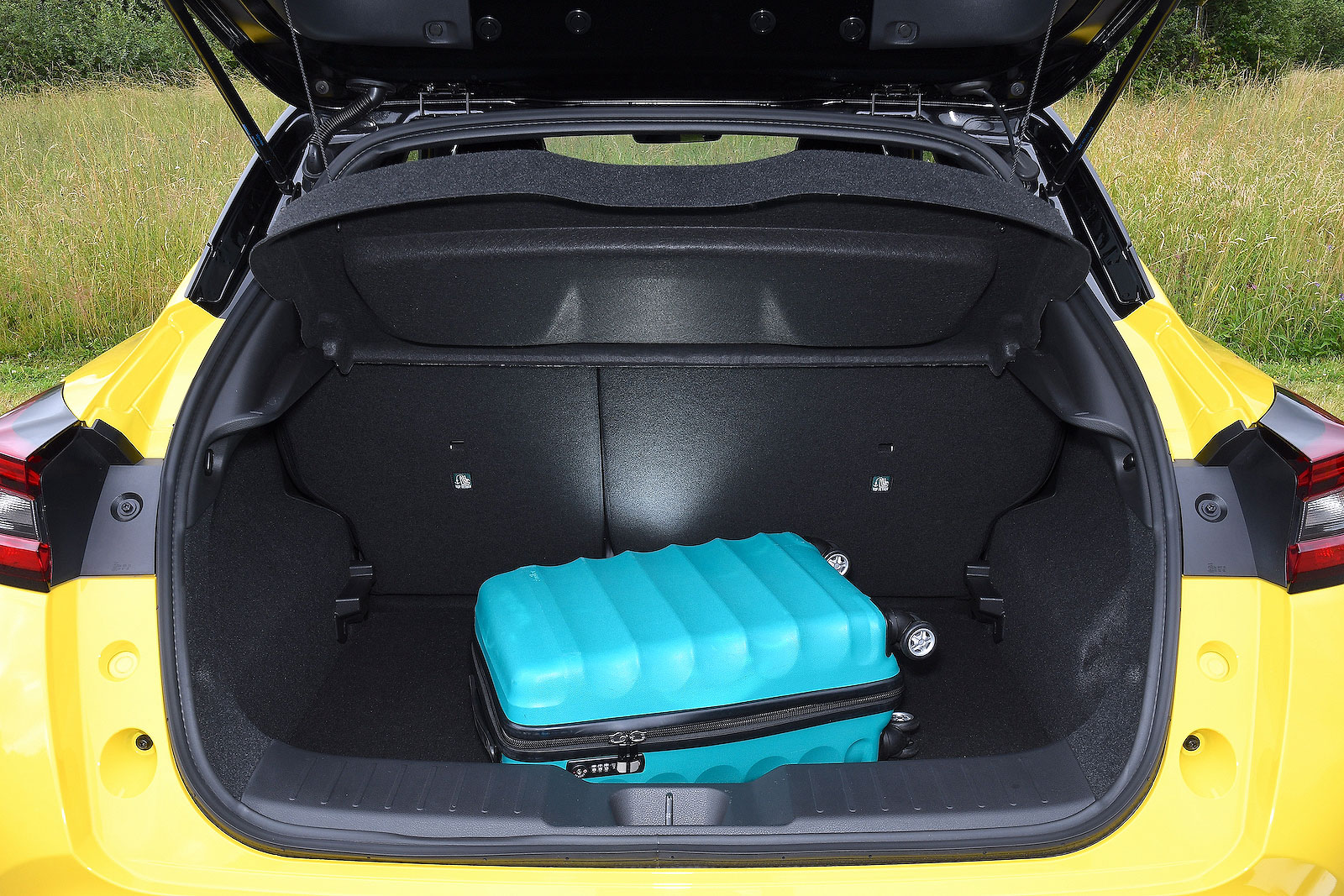
Opening the Juke's tailgate reveals a wide entrance and a boot that is a usefully square shape. Most versions have a height-adjustable boot floor as standard and if you set it to its highest position, there’s virtually no lip to negotiate. When the rear seats are folded down, there's no step in the floor of the extended load area.
The DIG-T 114's boot capacity is 422 litres, which is almost as much as what you get in the larger Nissan Qashqai. We managed to fit six carry-on suitcases below the load cover, which is impressive by small SUV standards, although a Ford Puma swallowed eight cases.
The Juke Hybrid gets a smaller boot due to the battery pack raising the height of the boot floor, so we only managed to squeeze in five carry-on cases, which matches the Captur but not the Toyota Yaris Cross (seven cases). Aside from the drop in height, the load bay remains uniform in shape that helps when packing.
“The previous Nissan Juke was so cramped in the back that it made a reasonable impression of a 2+2 coupé. Thankfully, this current model is much roomier with lots more rear leg room than I initially expected. Head room is merely acceptable though.” – Lawrence Cheung, New Cars Editor
Tips & Advice
Buying & owning
Everyday costs, plus how reliable and safe it is
Strengths
- Lots of standard safety equipment
- Attractive entry price
Weaknesses
- So-so fuel economy
- Poor reliability record
In the past, the Juke came with a fairly sparse entry-level trim, but now even the most affordable Acenta Premium comes with 17in alloy wheels, air-conditioning and cruise control. We think it's worth upgrading to N-Connecta, which keeps the cost competitive but includes useful extras, including climate control, automatic windscreen wipers, ambient lighting, an auto-dimming rear-view mirror and rear-privacy glass.
Stepping up, Tekna is next in the range. It adds larger 19in wheels, heated seats, a heated steering wheel, part faux-leater upholstery and a heated front windscreen. Alternatively, you can pay a little extra for Tekna+, which gets some style upgrades.
Ways to buy
At the top of the range is N-Sport. It costs the same as the Tekna+ but has sportier styling on the exterior, and smarter materials inside. We think they're both too expensive to recommend.
The Nissan Juke’s starting price looks reasonable, especially as it costs a little less than an entry-level Ford Puma or Skoda Kamiq, although slightly more than a Seat Arona. However, the poshest trims push the price up by many thousands of pounds, moving the Juke well into VW T-Roc and even Audi Q2 territory. Meanwhile, the cheapest Juke Hybrid is pricier than an entry-level Renault Captur E-Tech and Toyota Yaris Cross.
Fuel economy and CO2 emissions are respectable but not class-leading. The Ford Puma Ecoboost 125 is more efficient than an equivalent Juke DIG-T 114, while the real-world fuel economy figure of 46.5mpg achieved by the Juke Hybrid on our test route is disappointing. On the same day, a Renault Captur E-Tech hybrid achieved 56.7mpg, while a Yaris Cross achieved 57.7mpg.
The Juke is predicted to hold on to its value reasonably well, but the T-Roc is expected to depreciate more slowly, which should equate to lower monthly payments on PCP finance. You can check you're getting the lowest price by searching our New Car Deals pages.
In the 2025 What Car? Reliability Survey, the Juke was the worst performing small SUV, with the engine and 12-volt battery the biggest problem areas. Hybrid Jukes suffered slightly fewer faults, but were still well off the pace.
You get a three-year/60,000-mile warranty as standard, which that can be extended for an extra cost. That's not very impressive by modern standards; for example, Hyundai offers five years of cover, Kia seven years and Toyota up to 10 years (if you get an annual service at a franchised dealer).
The Juke was awarded five stars out of five for safety when it was tested by Euro NCAP – but the tests have since become more stringent.
We looked into the results more deeply and discovered that in the adult occupancy test the Juke was found to offer "marginal" protection in a sideways crash, which gave it a lower score than the Skoda Kamiq. It performed slightly better than the Kamiq in the child occupancy and pedestrian tests though.
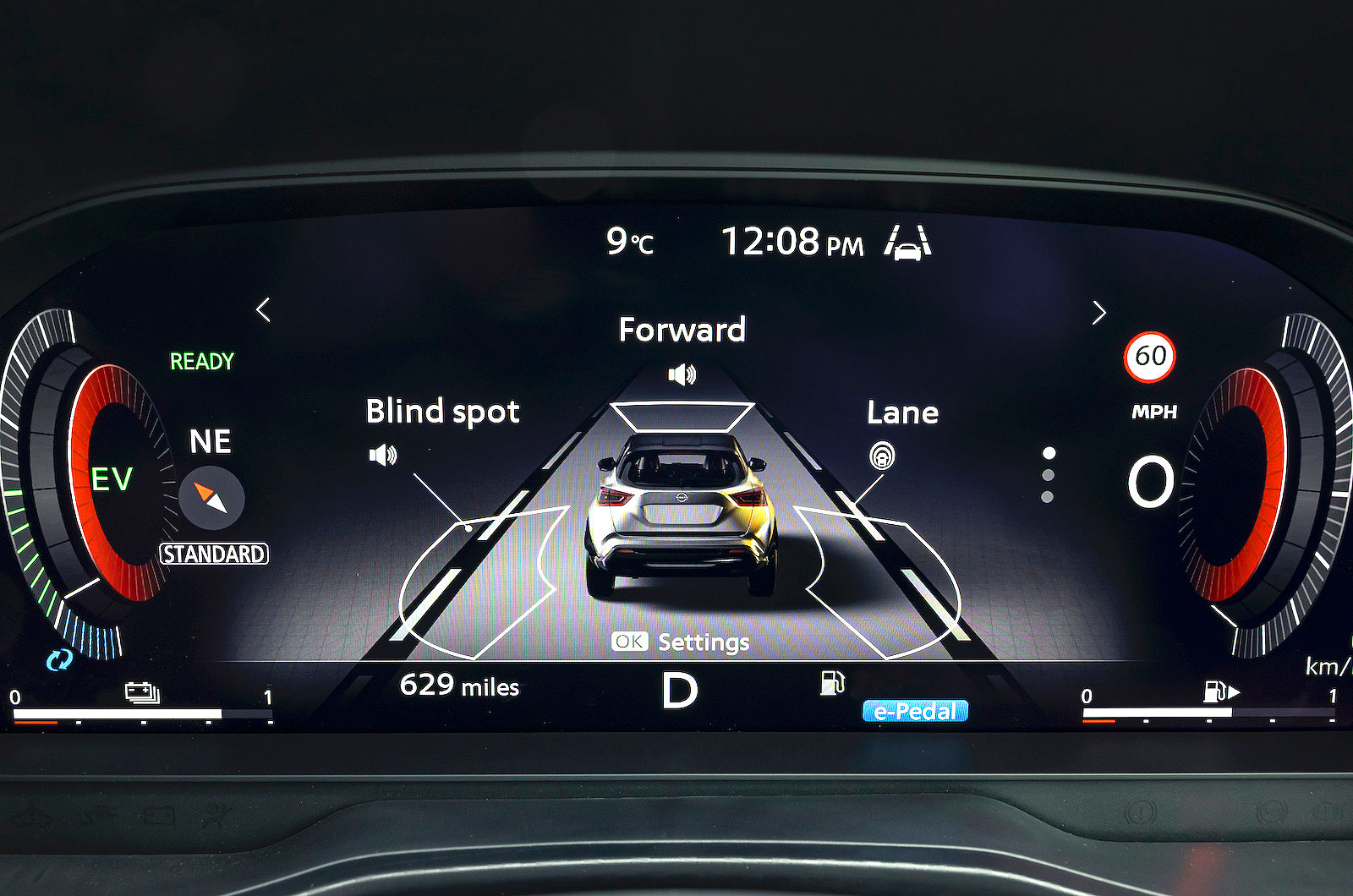
All Jukes come with automatic emergency braking (AEB) with pedestrian detection, lane-departure warning and traffic-sign recognition. You get more safety kit if you go for Tekna or higher, including blind-spot detection and rear cross-traffic alert (to warn you of cars that are about to cross your path when you’re backing out onto a road).
“Our favourite N-Connecta trim can be had with the optional Heat Pack that includes heated front seats and a steering wheel. Add that and I reckon you have all the kit you’d need” – Darren Moss, Deputy Digital Editor
For all the latest reviews, advice and new car deals, sign up to the What Car? newsletter here
Tips & Advice
Similarly priced cars


If you're interested in finding a Nissan Juke, or any of the other small suv cars mentioned here, head over to our Cars available now pages to find new cars listed for sale at great prices.
FAQs
Nissan Juke specifications
Our pick
RRP price range
MPG range across all versions
Available fuel types (which is best for you? )
Available colours
Number of engines (see all)
Number of trims (see all)
Company car tax at 20% (min/max)
Company car tax at 40% (min/max)
What is What Car? best price?
The What Car? best price shows you the cheapest way to buy your new car, whether it's by choosing an in-stock car through our partner Autotrader or placing a factory order.
Available now from: £19,390
RRP from: £24,485
About our price indicator
What Car? indicative Personal lease example (subject to status)
1.0 DIG-T Acenta Premium SUV 5dr Petrol Manual Euro 6 (s/s) (114 ps)
| Expected annual mileage | 5000 |
| Term months | 48 |
| Deposit months | 12 |
| Monthly payment | £244.88 |
| Initial payment | £2,938.56 |
Step-by-step
Leasing works a bit like a long-term rental. You drive it, but you don’t own it.
- Choose your car, pick your terms and apply for lease credit online
- Pay monthly rental payments for your chosen term length
- Drive it, enjoy it, then give it back at the end
What you get
When you lease with Autotrader you get all of this:
- Full manufacturer’s warranty
- Road tax and roadside assistance included
- No admin fees
- Free returns within 30 days*
- Lower total monthly cost than PCP/HP
- No balloon payments
- Road tax included
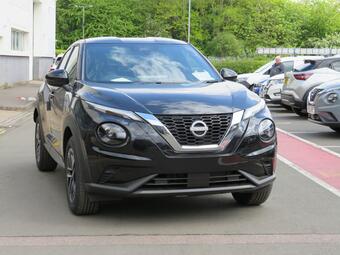
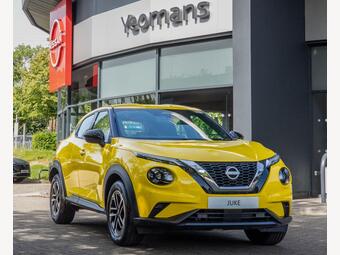
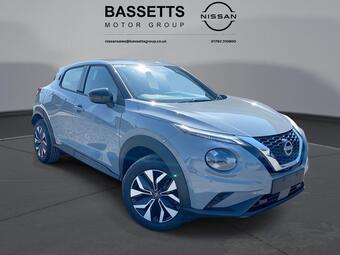
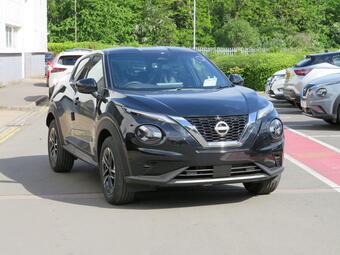
Cars available now
About the writer

More Nissan Juke
Used reviews
Longterm reviews
Reliability
- What Car? Reliability Survey: Most and least reliable small SUVs
- Britain's most reliable cars (plus the ones that'll let you down)
- What Car? Reliability Survey: Most and least reliable car brands
- Britain's most reliable cars 2024 (plus the ones that'll let you down)
- Most and least reliable used cars: small SUVs