
- NEW Hyundai Tucson review – better than a Kia Sportage? | What Car?
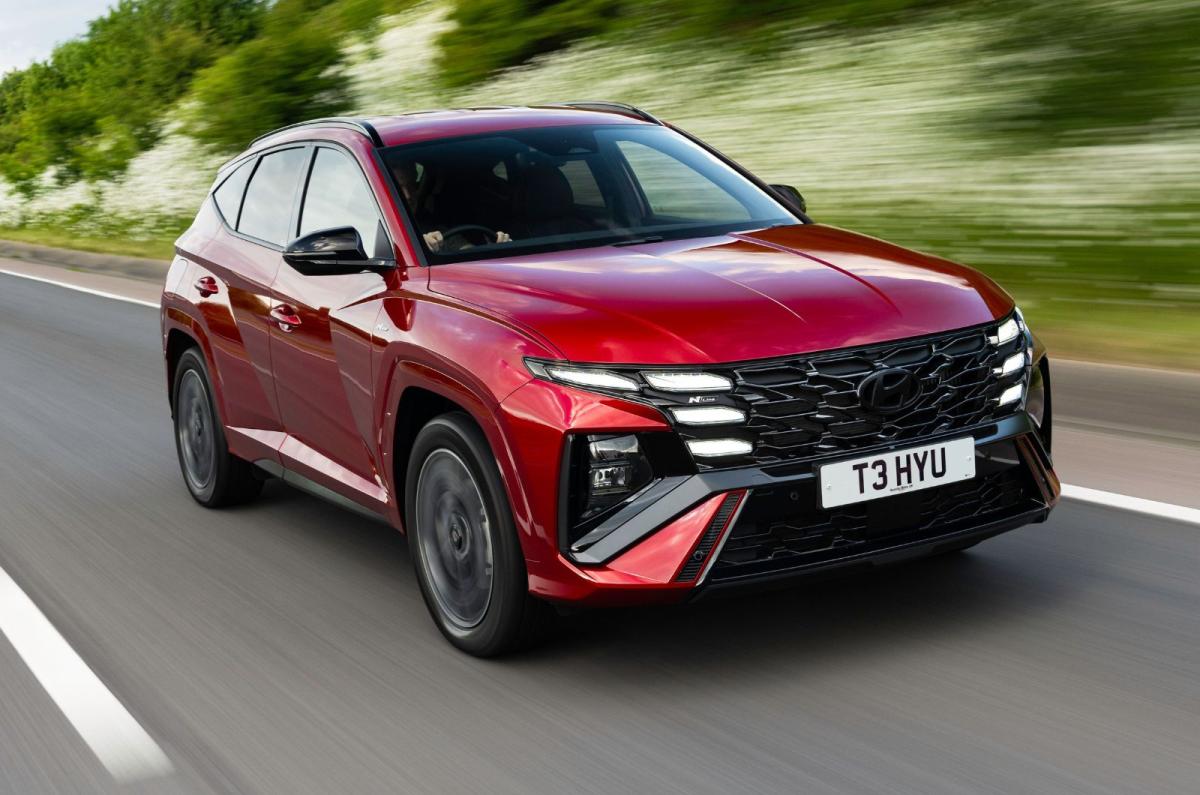
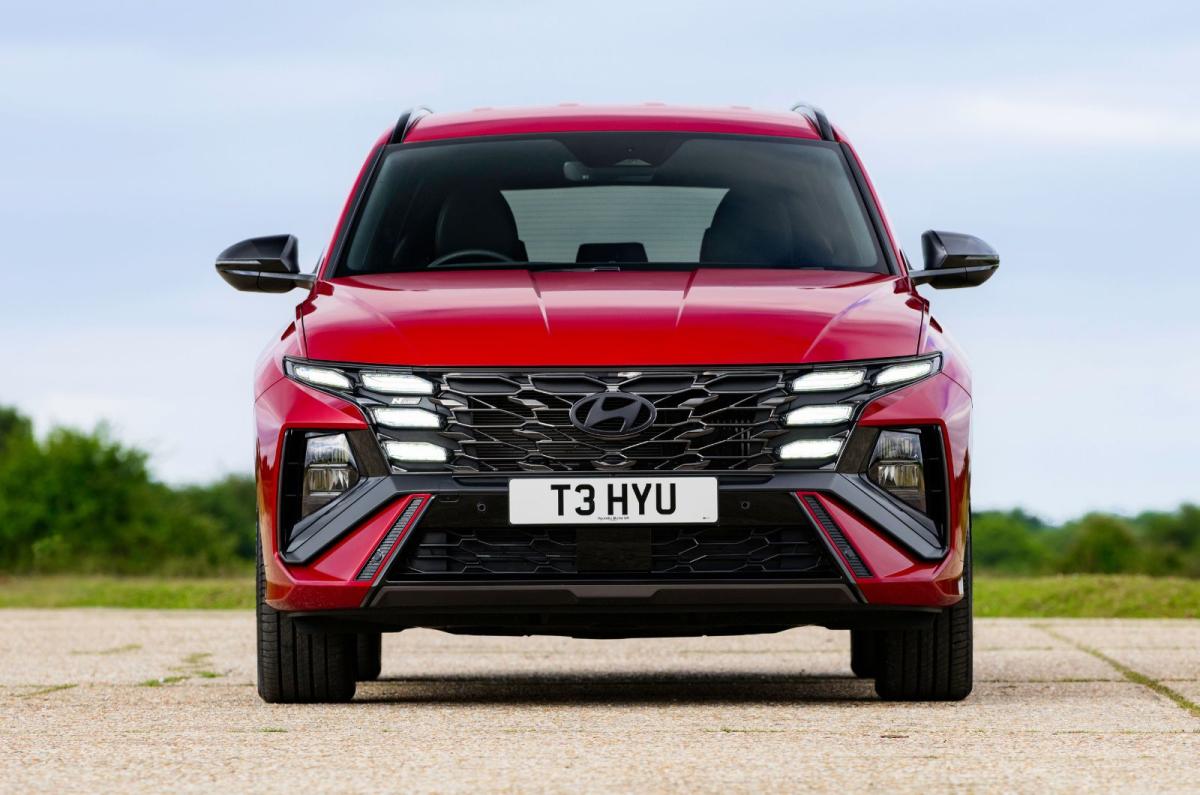
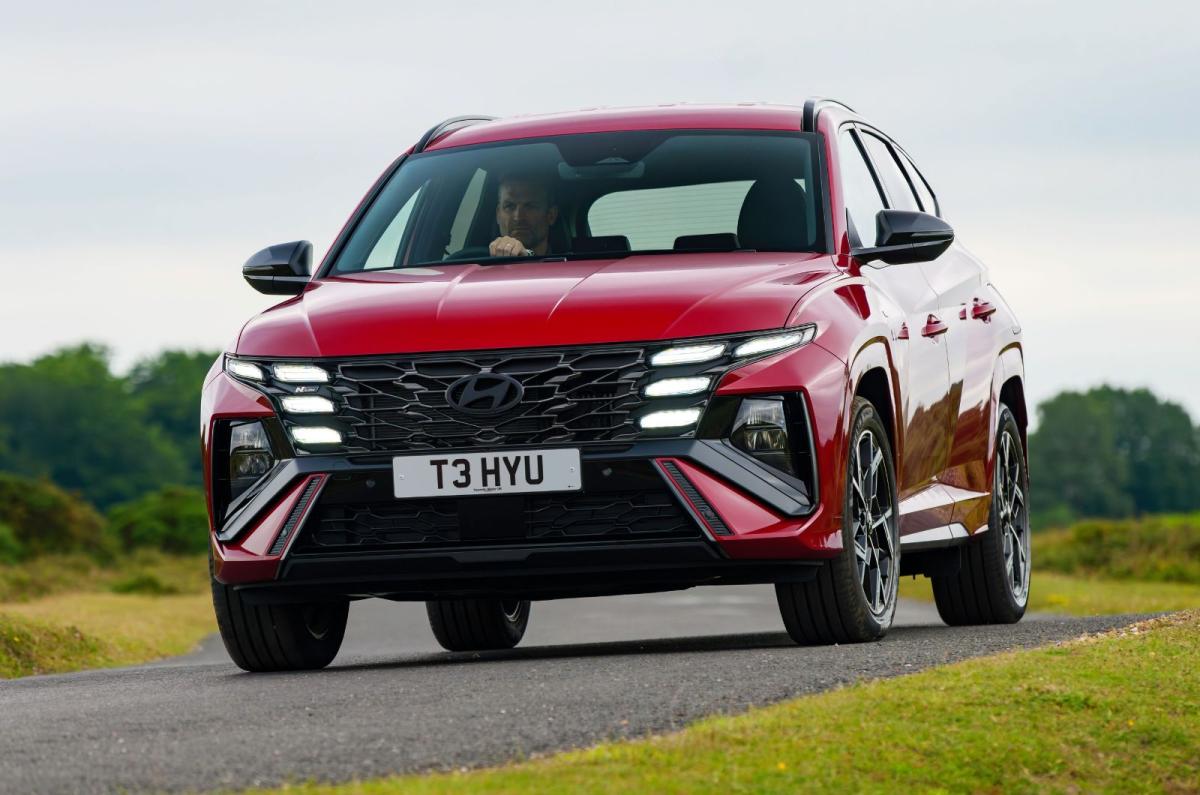
- Hyundai Tucson front dynamic
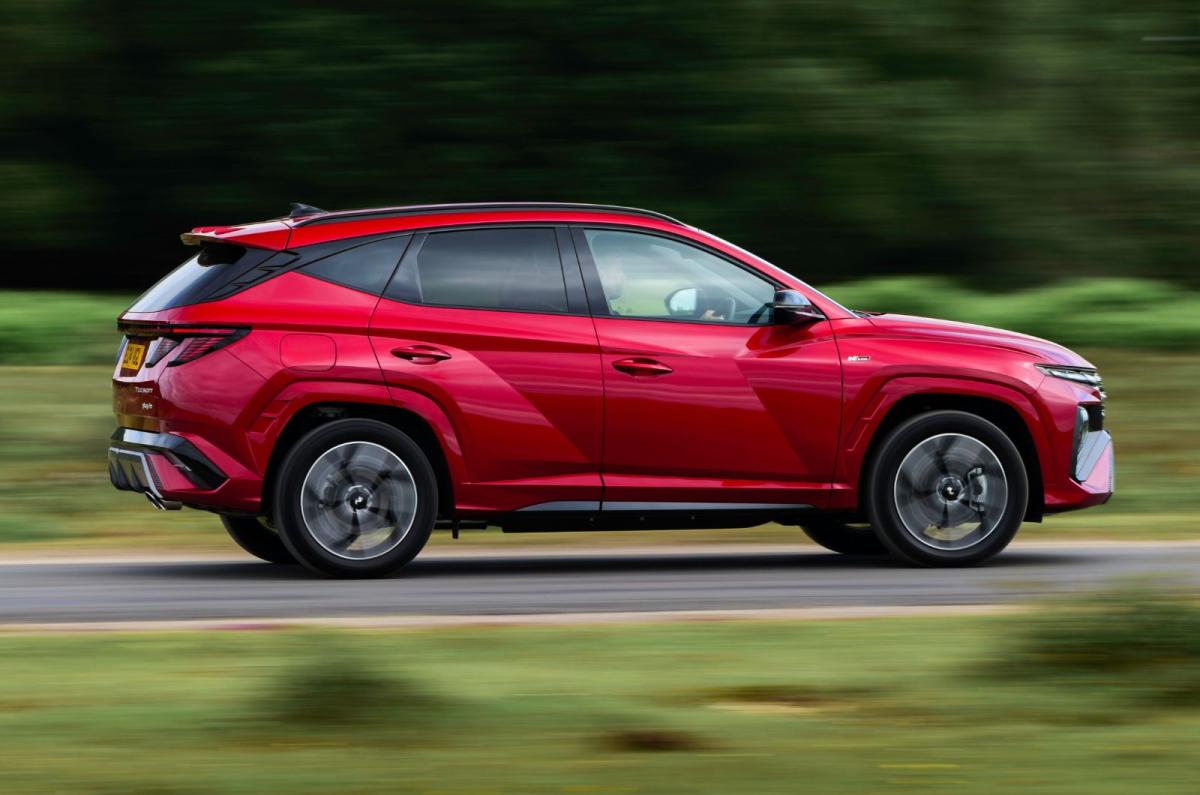
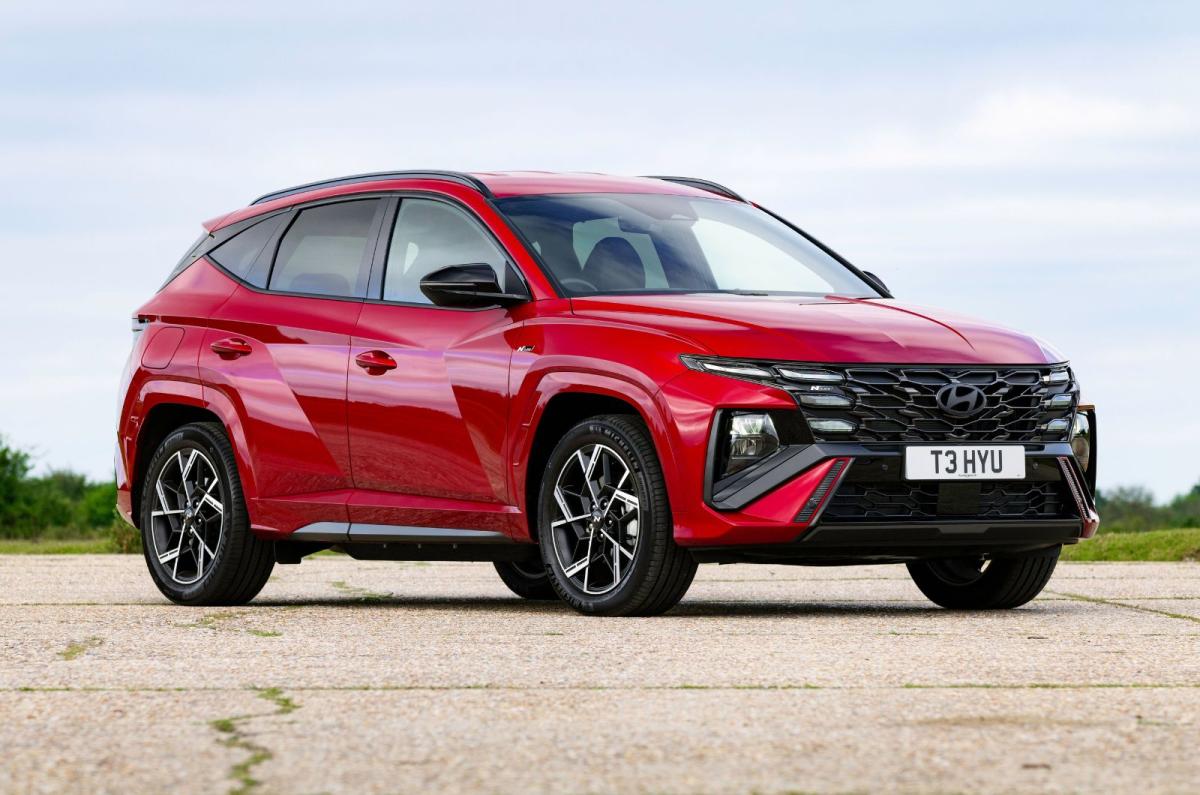
- Hyundai Tucson side dynamic
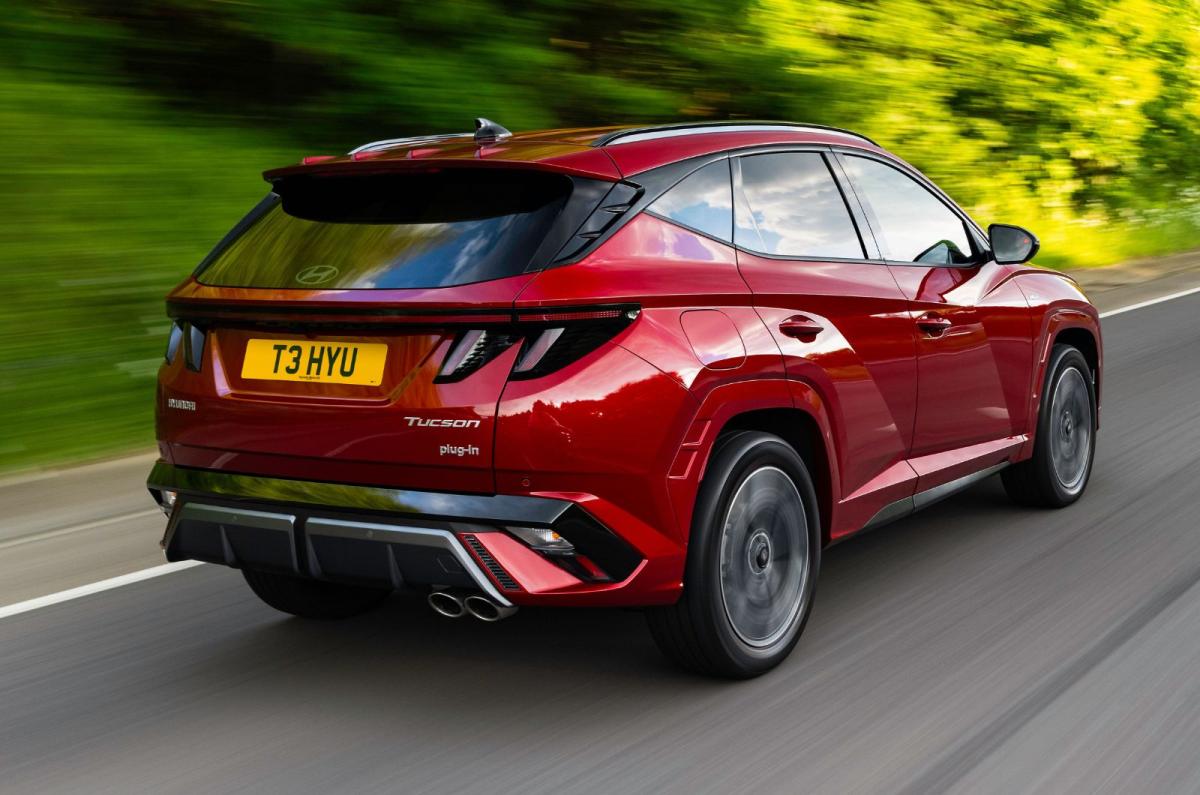
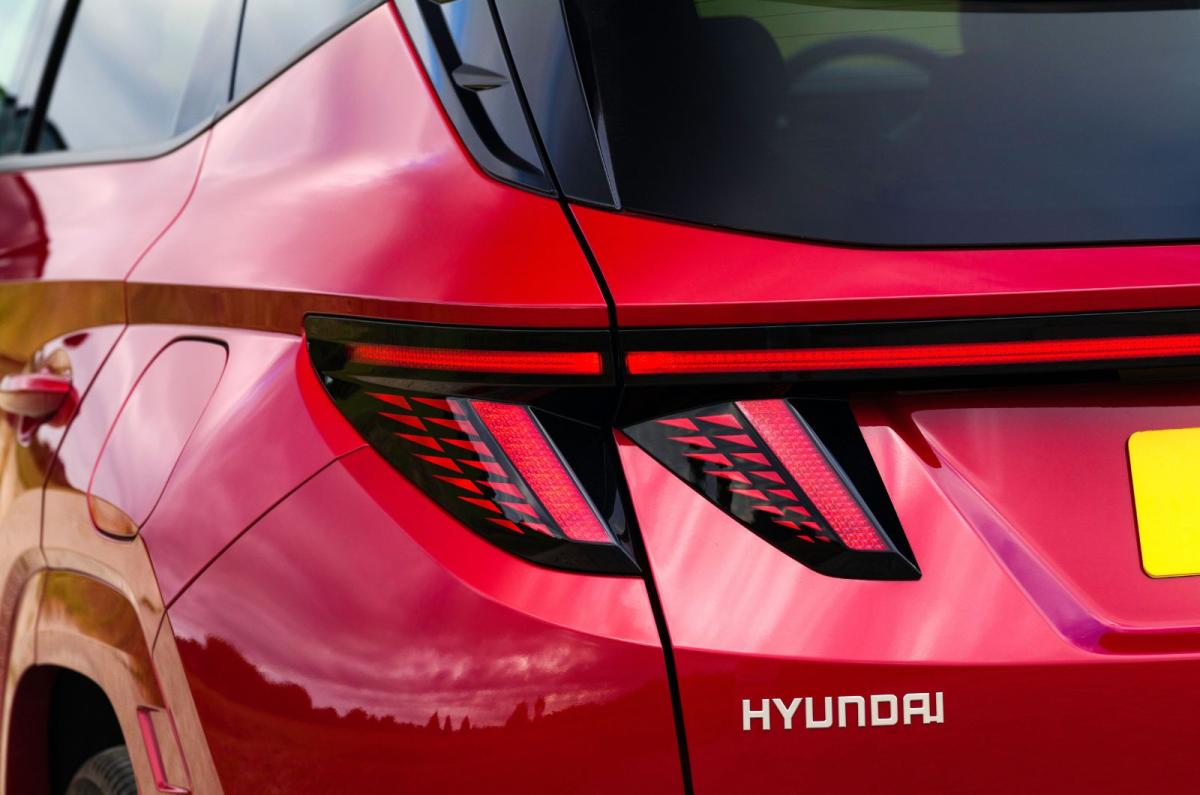
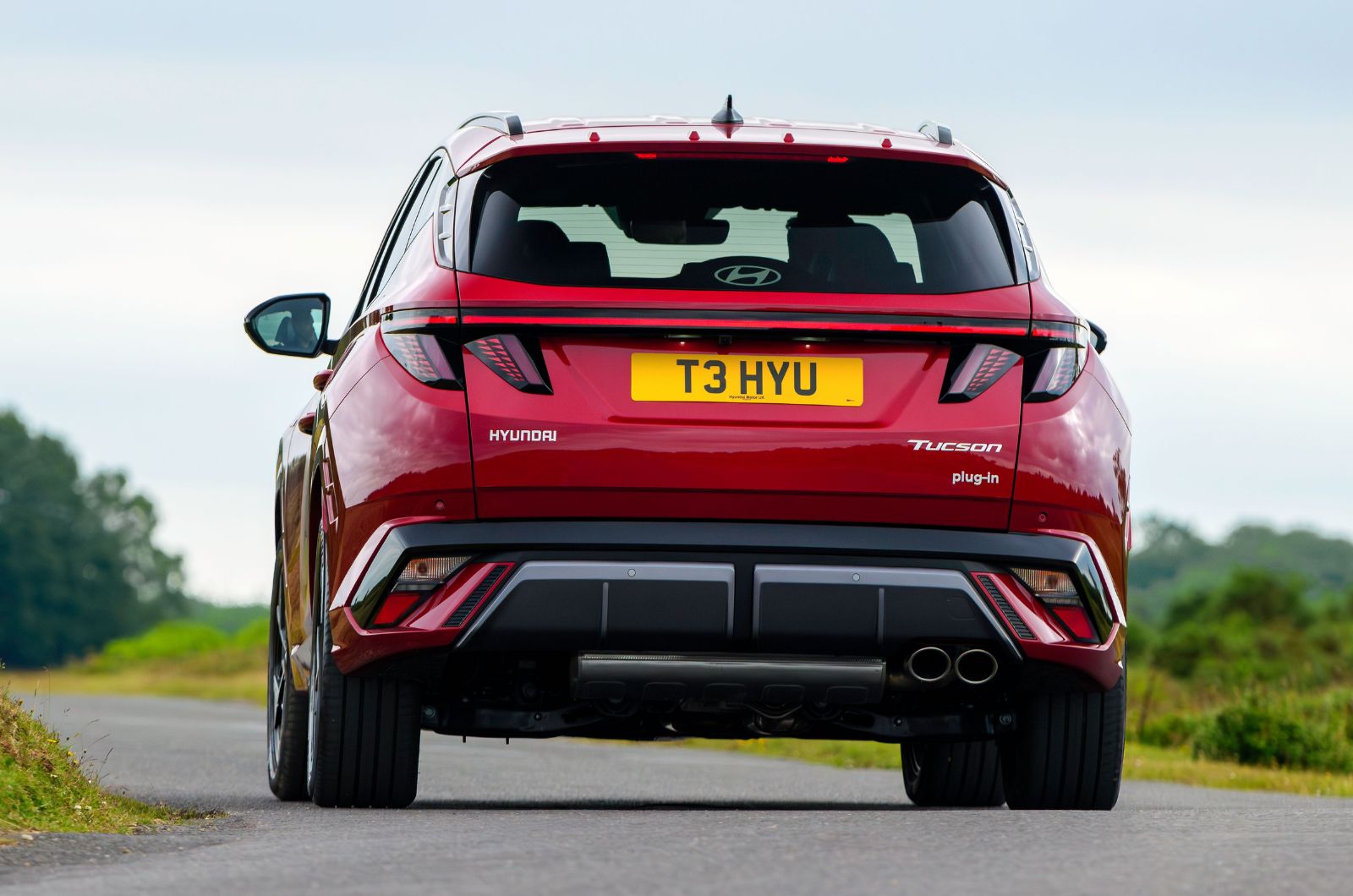
- Hyundai Tucson rear dynamic
- Hyundai Tucson front dynamic
- Hyundai Tucson interior
- Hyundai Tucson interior details
- Hyundai Tucson interior details
- Hyundai Tucson interior details
- Hyundai Tucson interior details
- Hyundai Tucson interior details
- Hyundai Tucson interior details
- Hyundai Tucson interior details
- Hyundai Tucson interior rear
- Hyundai Tucson exterior still rear
- Hyundai Tucson exterior still rear
- Hyundai Tucson exterior still front
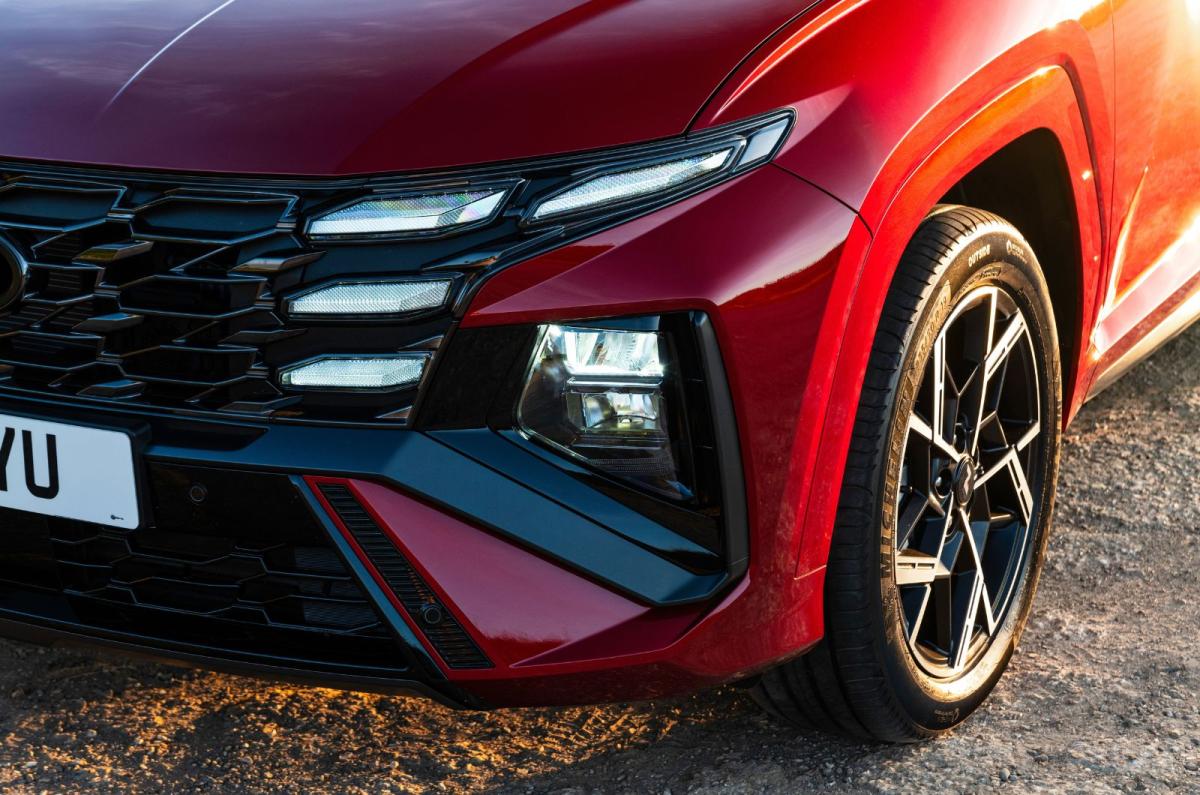
- Hyundai Tucson exterior still front details
- Hyundai Tucson exterior still front
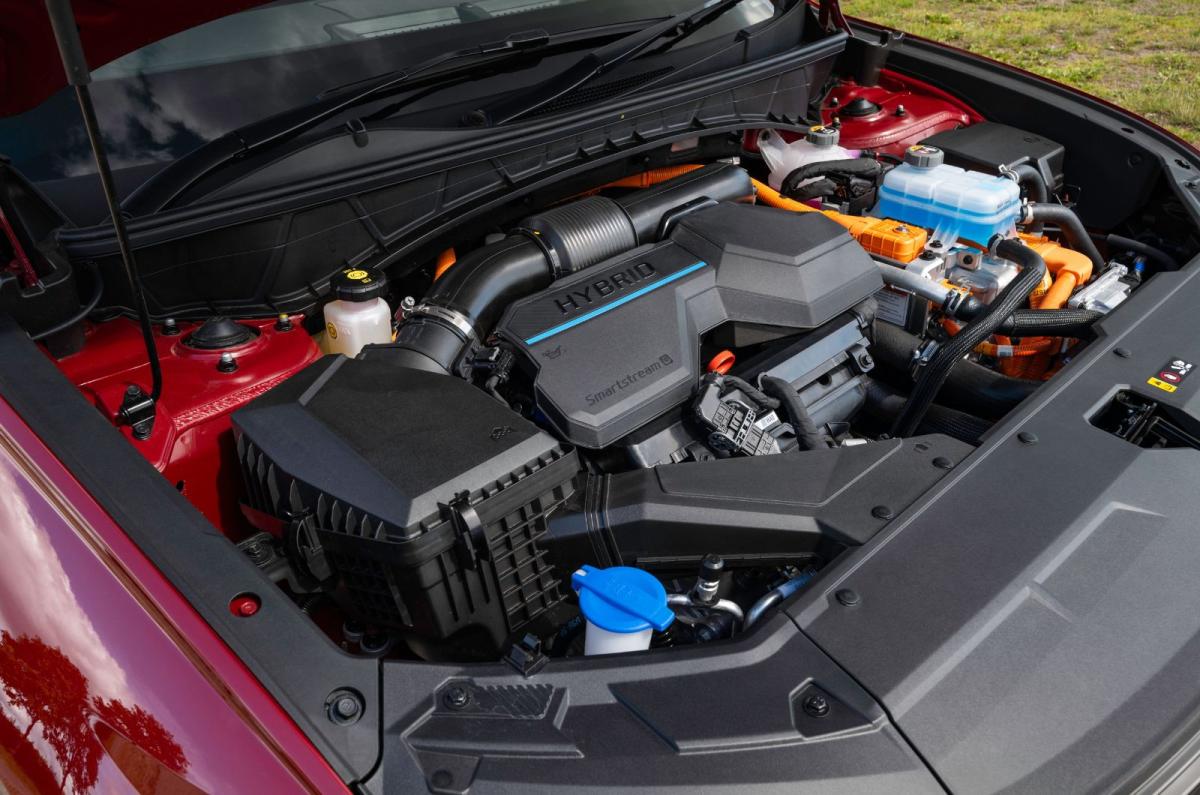
- Hyundai Tucson engine bay
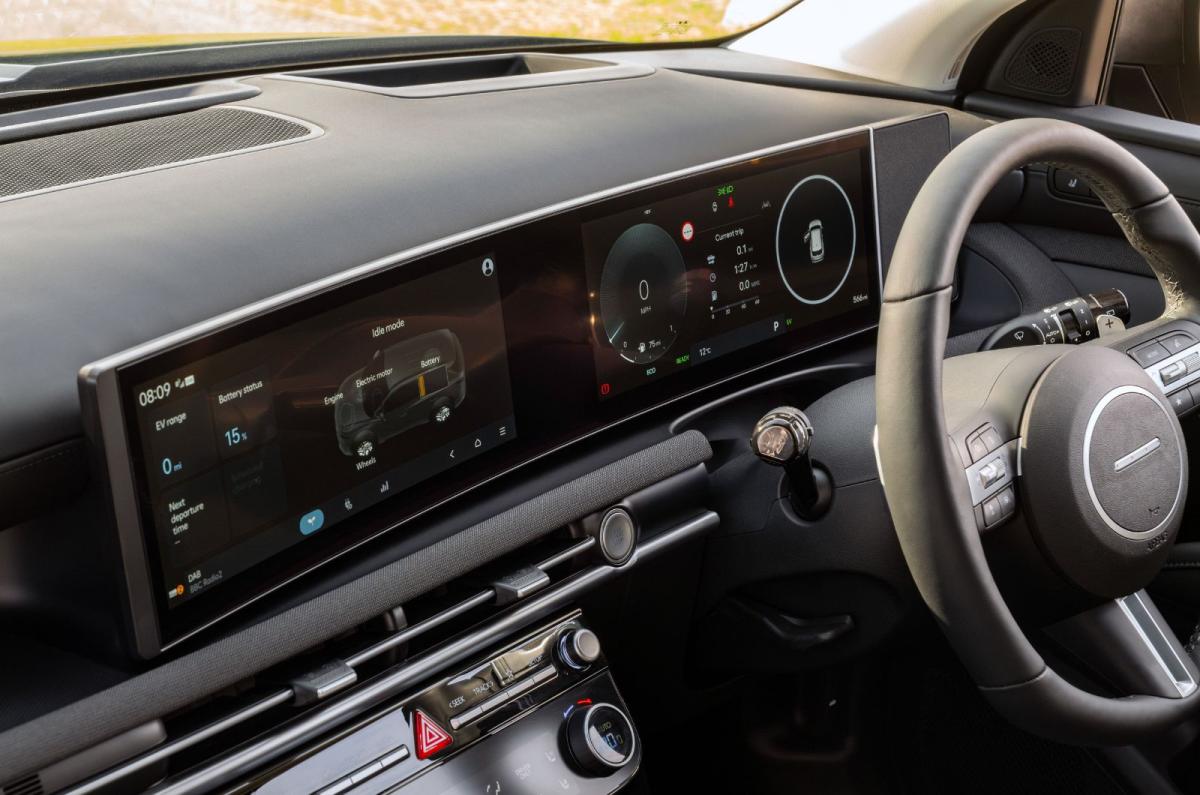
- Hyundai Tucson dashboard
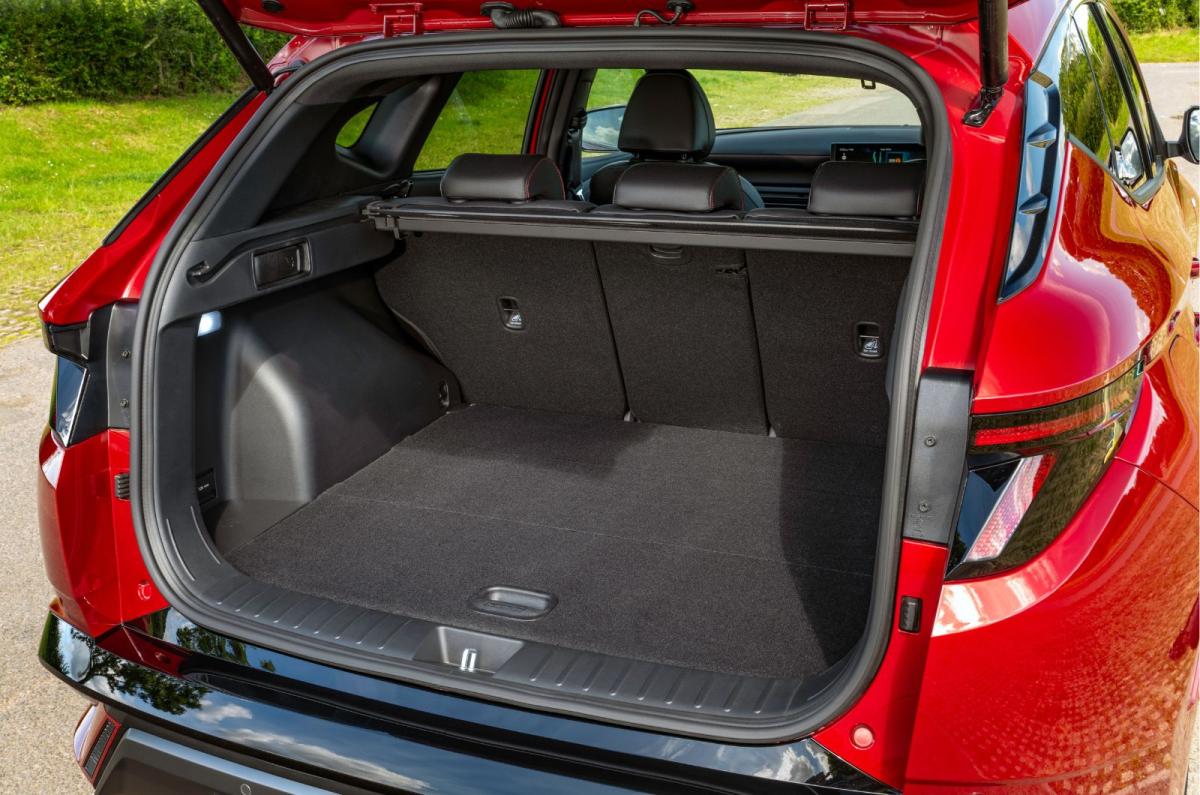
- Hyundai Tucson boot
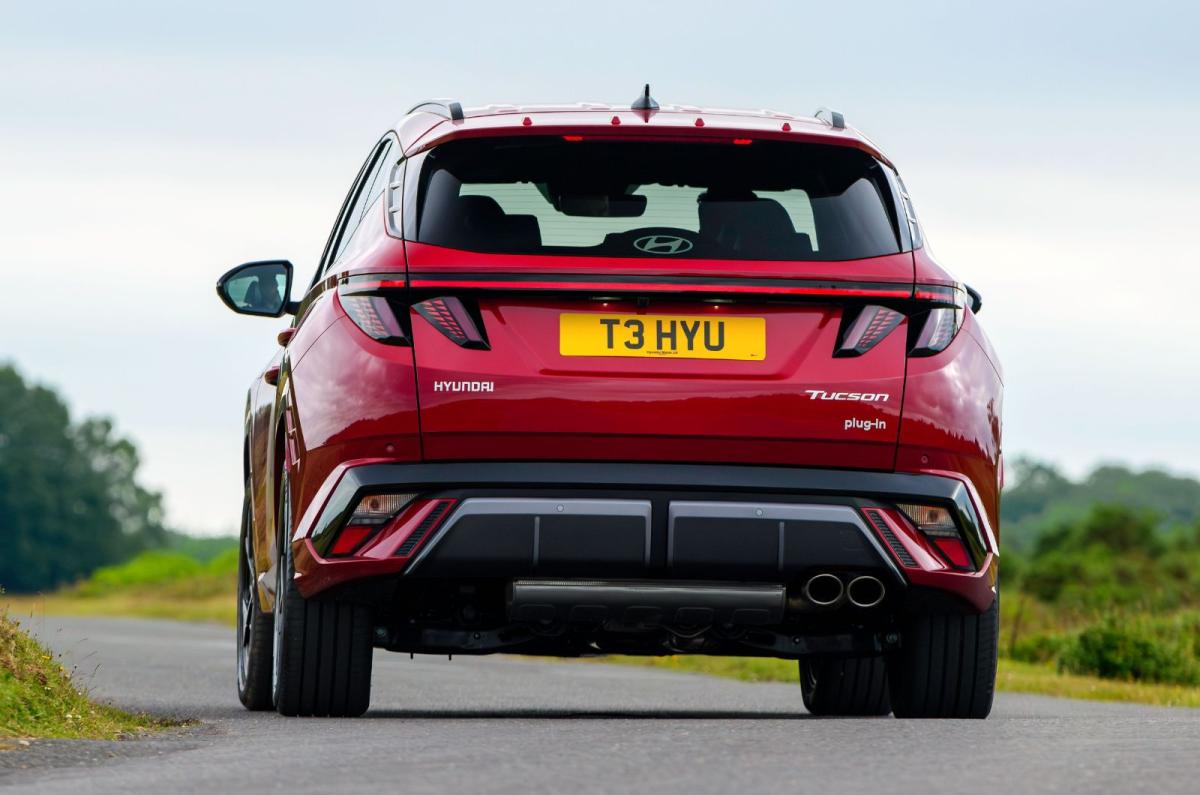
- Hyundai Tucson rear cornering



What is What Car? best price?
The What Car? best price shows you the cheapest way to buy your new car, whether it's by choosing an in-stock car through our partner Autotrader or placing a factory order.
Available now from: £26,660
RRP from: £30,985
About our price indicator
What Car? indicative Personal lease example (subject to status)
1.6T Hybrid Black Line SUV 5dr Petrol Hybrid Auto Euro 6 (s/s) (239 ps)
| Expected annual mileage | 5000 |
| Term months | 60 |
| Deposit months | 12 |
| Monthly payment | £291.81 |
| Initial payment | £3,501.72 |
Step-by-step
Leasing works a bit like a long-term rental. You drive it, but you don’t own it.
- Choose your car, pick your terms and apply for lease credit online
- Pay monthly rental payments for your chosen term length
- Drive it, enjoy it, then give it back at the end
What you get
When you lease with Autotrader you get all of this:
- Full manufacturer’s warranty
- Road tax and roadside assistance included
- No admin fees
- Free returns within 30 days*

- Lower total monthly cost than PCP/HP
- No balloon payments
- Road tax included
Introduction
If the Hyundai Tucson name makes you think of Tucson, Arizona – with its wild frontiers and gunslingers – that's actually quite appropriate.
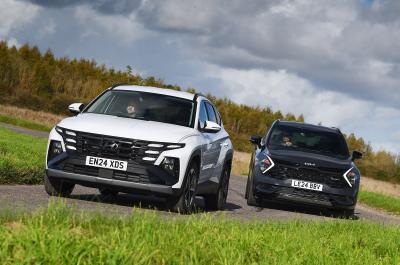
You see, the Tucson is in a gunfight with lots of other sharp-shooting family SUVs – and needs to be darned quick on the draw to see off its rivals in this highly competitive car class. To help give it an edge, Hyundai gives Tucson buyers the choice of petrol, hybrid (HEV) and plug-in hybrid (PHEV) engines (there's no longer a diesel option).
What is What Car? best price?
The What Car? best price shows you the cheapest way to buy your new car, whether it's by choosing an in-stock car through our partner Autotrader or placing a factory order.
Available now from: £26,660
RRP from: £30,985
About our price indicator
What Car? indicative Personal lease example (subject to status)
1.6T Hybrid Black Line SUV 5dr Petrol Hybrid Auto Euro 6 (s/s) (239 ps)
| Expected annual mileage | 5000 |
| Term months | 60 |
| Deposit months | 12 |
| Monthly payment | £291.81 |
| Initial payment | £3,501.72 |
Step-by-step
Leasing works a bit like a long-term rental. You drive it, but you don’t own it.
- Choose your car, pick your terms and apply for lease credit online
- Pay monthly rental payments for your chosen term length
- Drive it, enjoy it, then give it back at the end
What you get
When you lease with Autotrader you get all of this:
- Full manufacturer’s warranty
- Road tax and roadside assistance included
- No admin fees
- Free returns within 30 days*
- Lower total monthly cost than PCP/HP
- No balloon payments
- Road tax included
Plus, the Tucson was updated in 2024 and given a more user-friendly dashboard, revised suspension and tweaks to the exterior, including a redesigned grille.
Hyundai Tucson video review
But is all this enough? When the gunsmoke settles, is the Hyundai Tucson an SUV worth riding off into the sunset in or will you want to leave it stabled?
Read more: Complete the What Car? Reliability Survey now and you could win a prize
What’s new?
- March 2026: Trim range revised to become Element, Black Line, N Line, N Line S and Ultimate
- April 2024: Facelift introduced, bringing a fresh exterior and interior design, plus five trim levels
- June 2022: Named ‘Best Plug-in Hybrid for Towing’ at What Car? Tow Car Awards
- January 2022: Named ‘Best Family SUV for Practicality’ at What Car? Car of the Year Awards
- June 2021: N Line hybrid and plug-in hybrid models revealed, featuring sportier design details and 19in alloy wheels
- March 2021: Plug-in hybrid version added, with 261bhp and an all-electric range of 35 miles


Pros
- Well-made, user-friendly interior
- Spacious for passengers and luggage
- Good range of engines
Cons
- Some rivals have tidier handling
- Slightly more expensive to buy than rivals
- No sliding rear seats
Performance & drive
What it's like to drive, and how quiet it is
Strengths
- Hybrid versions offer lively performance
- Comfortable ride
- Very hushed around town
Weaknesses
- Occasionally thumps at speed on bigger wheels
- Some rivals are more agile and composed
The Hyundai Tucson engine range kicks off with a 1.6-litre petrol engine (badged 1.6T 150). It feels strong enough – acceleration is roughly on a par with the Nissan Qashqai DIG-T 158 – and you can get it with a six-speed manual or seven-speed automatic gearbox. This is our engine of choice.
|
|
Power |
0-62mph |
Top speed |
|
1.6T 150 |
148bhp |
9.4sec (with auto’) |
121mph |
|
1.6T 239 Hybrid |
235bhp (combined output) |
7.8sec |
121mph |
|
1.6T 1.6T 252 Plug-in Hybrid Automatic 2WD |
249bhp (combined output) |
9.8sec |
116mph |
Next up is the full hybrid (HEV), badged 1.6T 239 Hybrid. It still uses a 1.6-litre petrol engine. However, the battery and electric motor allows the HEV to travel on electric power alone for short distances. With the engine and motor working together, there’s plenty of poke – noticeably more than the regular petrol Tucson.
And finally, there’s the plug-in hybrid (PHEV). It’s called the 1.6T 252 Plug-in Hybrid Automatic 2WD, and as you might’ve guessed, it also has a 1.6-litre petrol engine. But compared with the HEV, the battery is much larger and its electric motor a bit more powerful. The PHEV is actually slower, though – due to the battery’s heavier weight.
The Tucson PHEV has an official electric-only range of 43 miles. That’s slightly better than the Ford Kuga and on a par with the Kia Sportage. However, if you want exceptional electric range (and cheaper company car tax), check out the MG HS PHEV, Omoda 9 and Skoda Kodiaq iV.
The HEV and the PHEV both use a six-speed automatic ‘box, and unfortunately, it’s slightly hesitant to shift down when you need a burst of acceleration. The petrol’s manual has a good-enough shift, but it’s not especially slick or satisfying.
The Tucson has a slightly softer ride than a Kia Sportage, but tweaks to the suspension (as part of the 2024 mid-life update) mean it deals with bumps and potholes at low speeds in a far more controlled manner than before.
It’s only along really bumpy roads where the Tucson feels a bit floaty and bouncy, and it takes a little longer than a Sportage to settle back down again. The Skoda Karoq or Volvo XC40 are also more settled, but the Tucson is far more comfortable than a Ford Kuga.
The smallest 17in set of wheels you get with entry-level Element trim help to maximise ride comfort.
While the latest Tucson doesn’t pitch into bends as much as it used to and there’s plenty of grip available, it’s still best enjoyed at a more leisurely pace.
When you’re driving sedately it flows along happily enough, but if you push harder, the steering doesn’t build up much weight and you find it’s not as easy to place accurately on the road as a Kia Sportage or Volkswagen Tiguan. Those models have tighter body control, making them more stable and agile to drive spiritedly.
At low speeds, the Tucson is well refined. Both the Hybrid and PHEV are hushed in electric mode and the petrol engine doesn't become vocal or sound coarse when it wakes up – unless it's worked hard.
There’s a fraction more wind noise on motorways than in a Volvo XC40 but it’s still pretty low for a family SUV. There’s not much road noise either, and occupants are slightly better isolated from the outside world than in a Kia Sportage. Previously, the Tucson’s soft suspension would twang over expansion joints, but the 2024 update vastly reduced this.
The Tucson’s brakes are powerful enough but the response from the pedal isn’t quite as immediate as it is in the Sportage so it’s not quite as easy to come to a smooth stop.
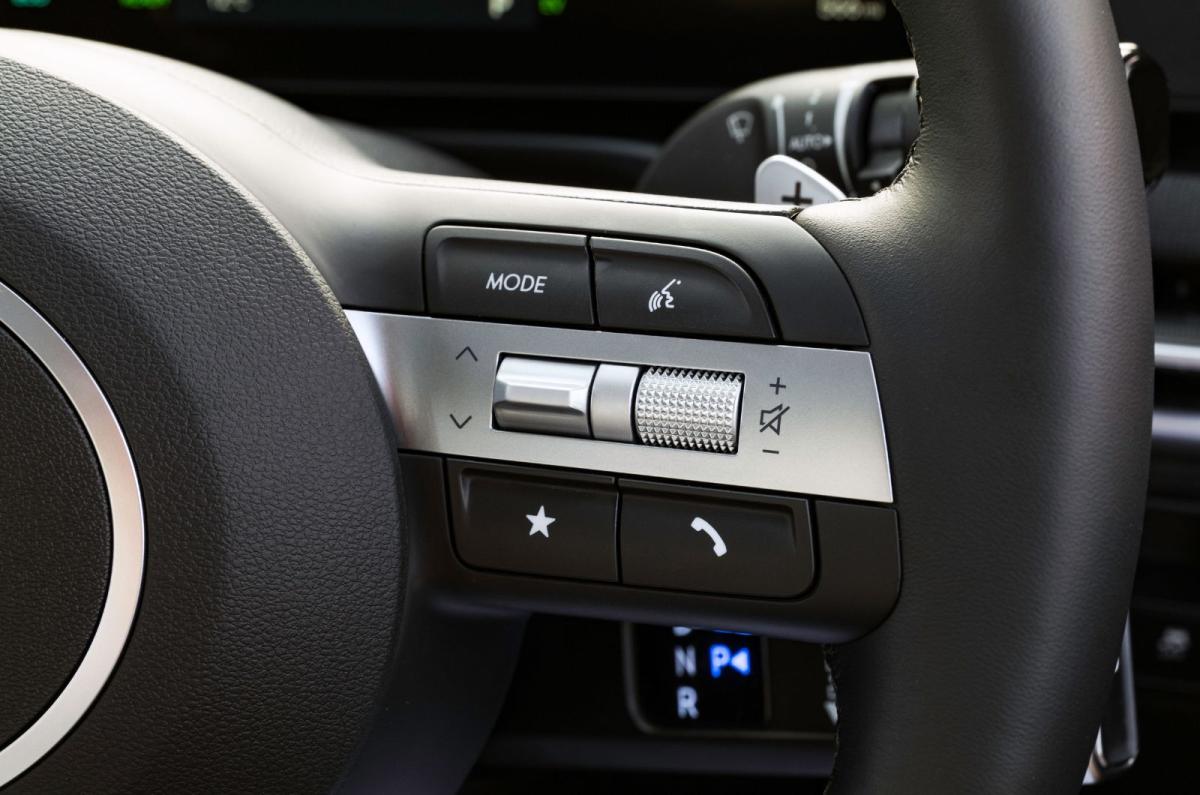
“I like that you can adjust the strength of the regenerative braking system in the Tucson Hybrid by using the paddles on the steering wheel. It’s something you can’t do in a Kia Sportage.” – Lawrence Cheung, New Cars Editor
Tips & Advice
Interior
The interior layout, fit and finish
Strengths
- Supportive and comfortable seats
- Infotainment system looks smart
- Front and rear parking sensors come as standard
Weaknesses
- Digital driver’s display can be slightly obscured
The Hyundai Tucson’s driving seat isn’t as high up as in the Volvo XC40 – something to think about if you want a lofty SUV driving position. Still, it's supportive through corners and comfy on long journeys thanks to electrically adjustable lumbar support.
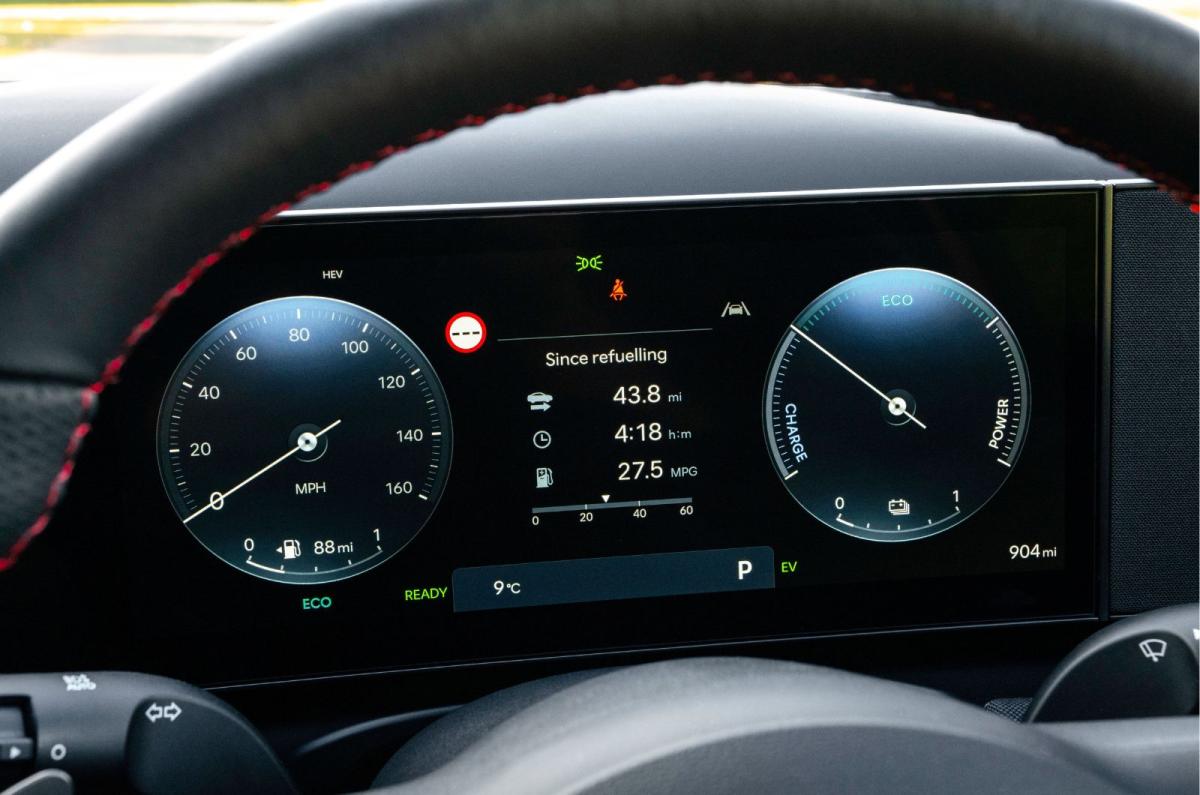
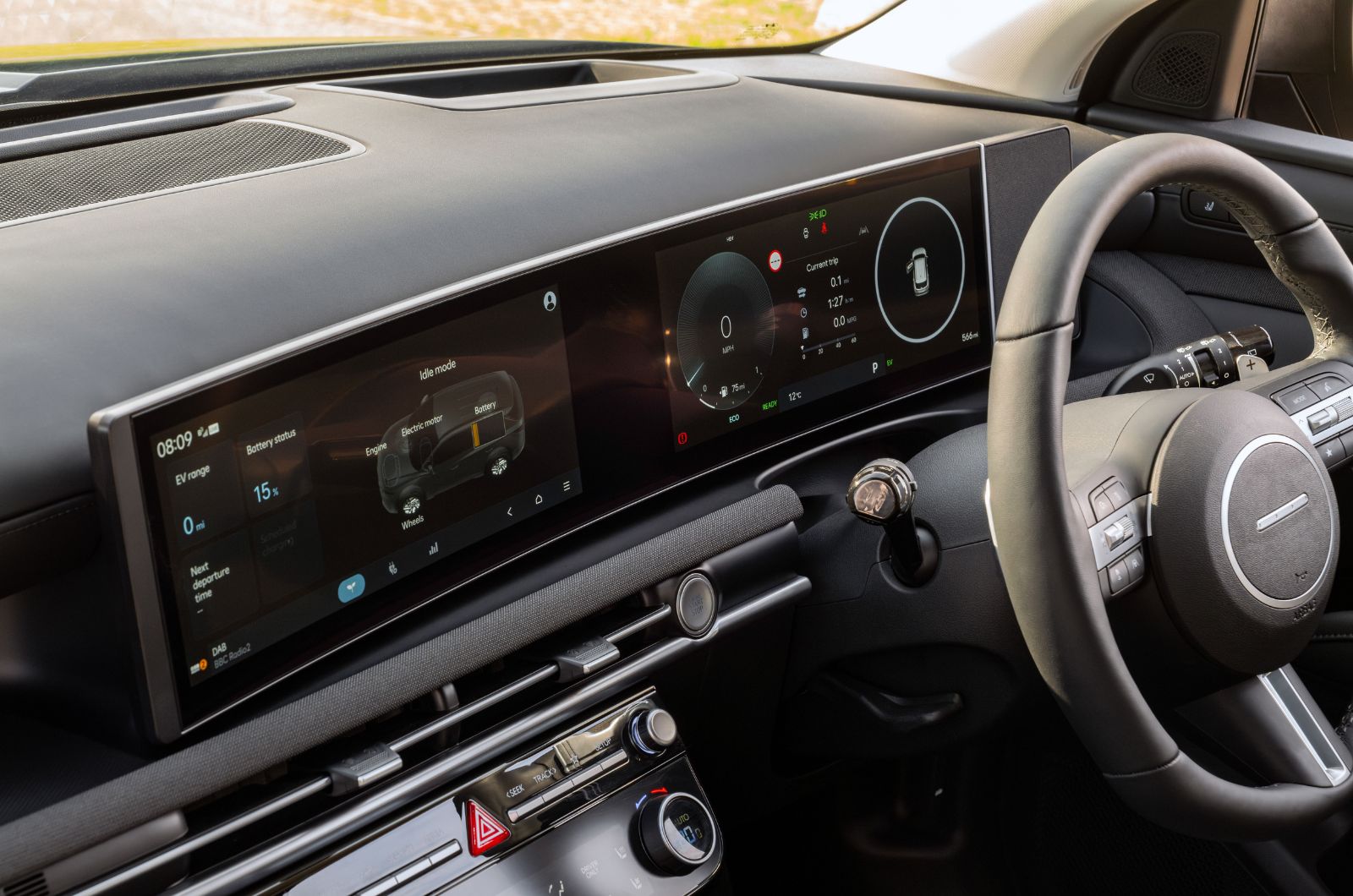
On Black Line trim and above, the Tucson gets a 12.3in digital driver's display that isn’t particularly configurable, but it is easy to read at a glance. Some drivers might find the top corners are partially obscured by the steering wheel if it’s set low down, though.
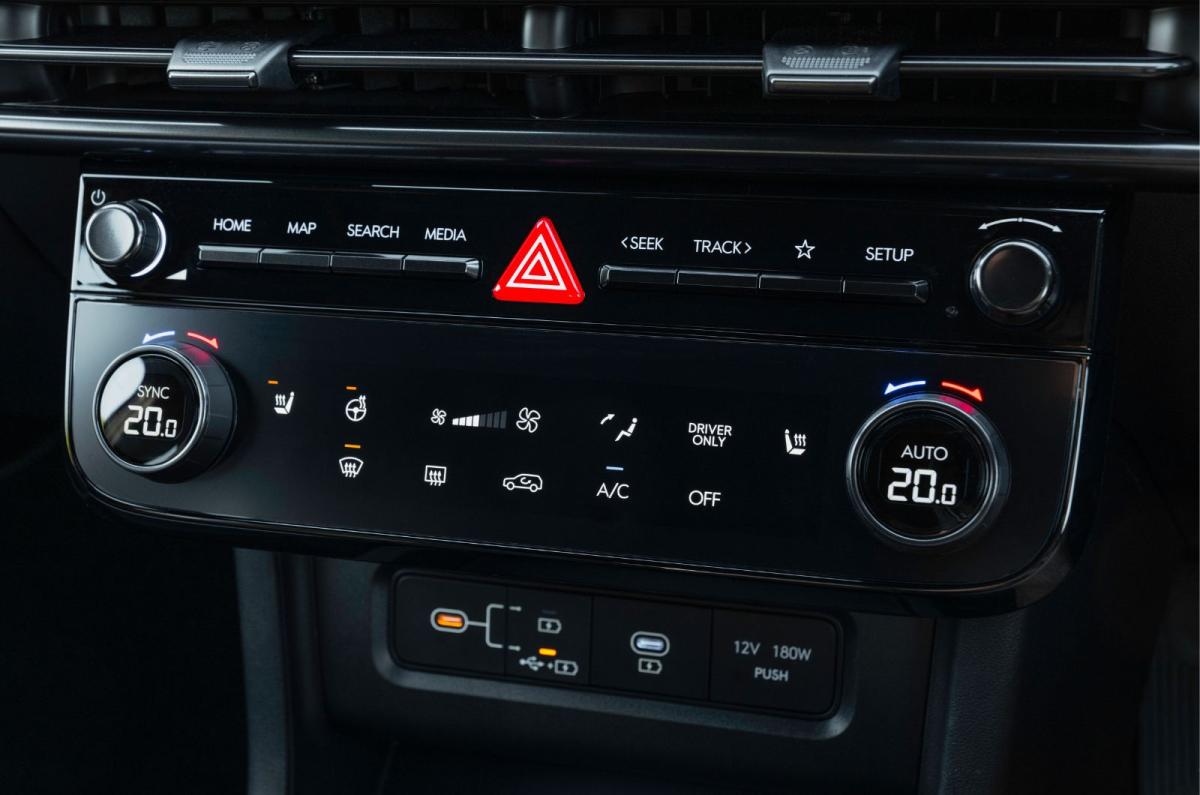
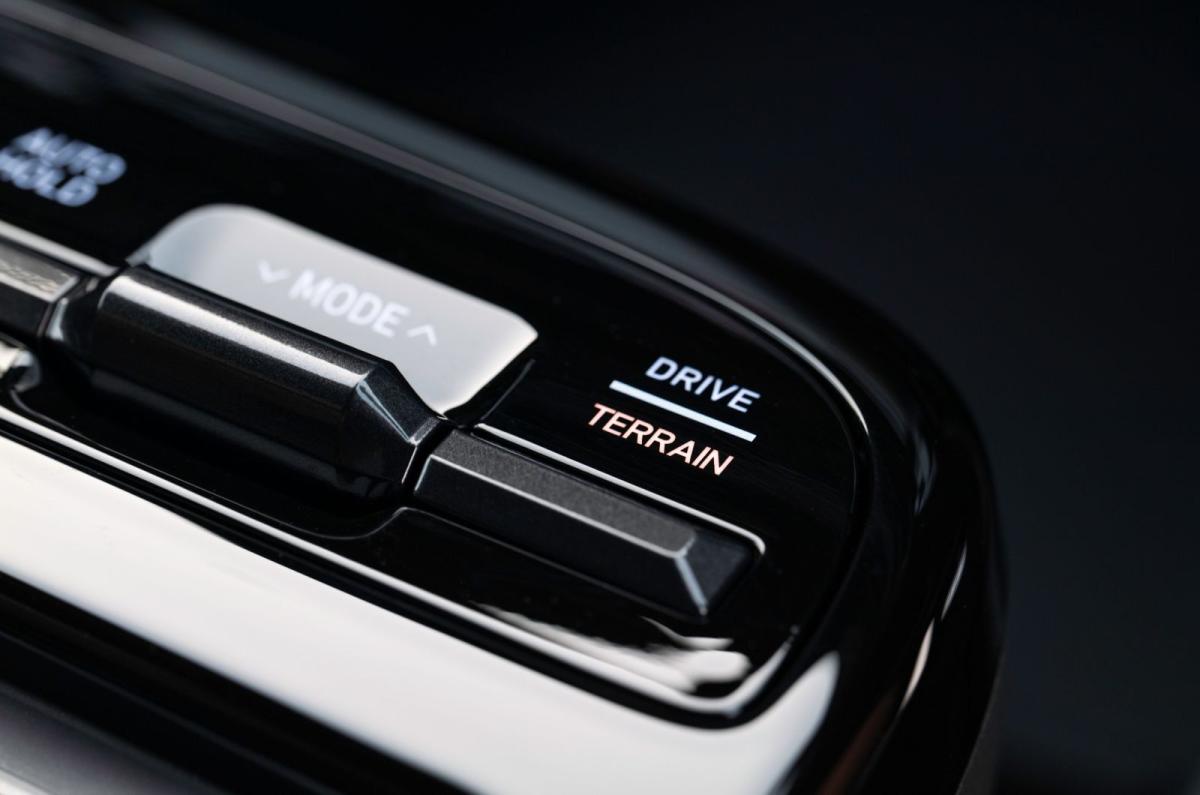
All the buttons and physical dials on the dashboard are positioned closely around you, including a large control panel below the infotainment touchscreen that makes it easy to adjust the temperature. There are some touch-sensitive controls that are trickier to operate by feel but at least they’re not ones you'll use frequently.
The Tucson's front pillars are not that chunky, but some might find the angle they’re set at a little obscuring through tighter corners or at T-junctions. Otherwise, the low dashboard gives you a clear view ahead over the bonnet. You get a clearer view over your shoulder in the Tucson than in a Kia Sportage thanks to its larger and longer rear side windows.
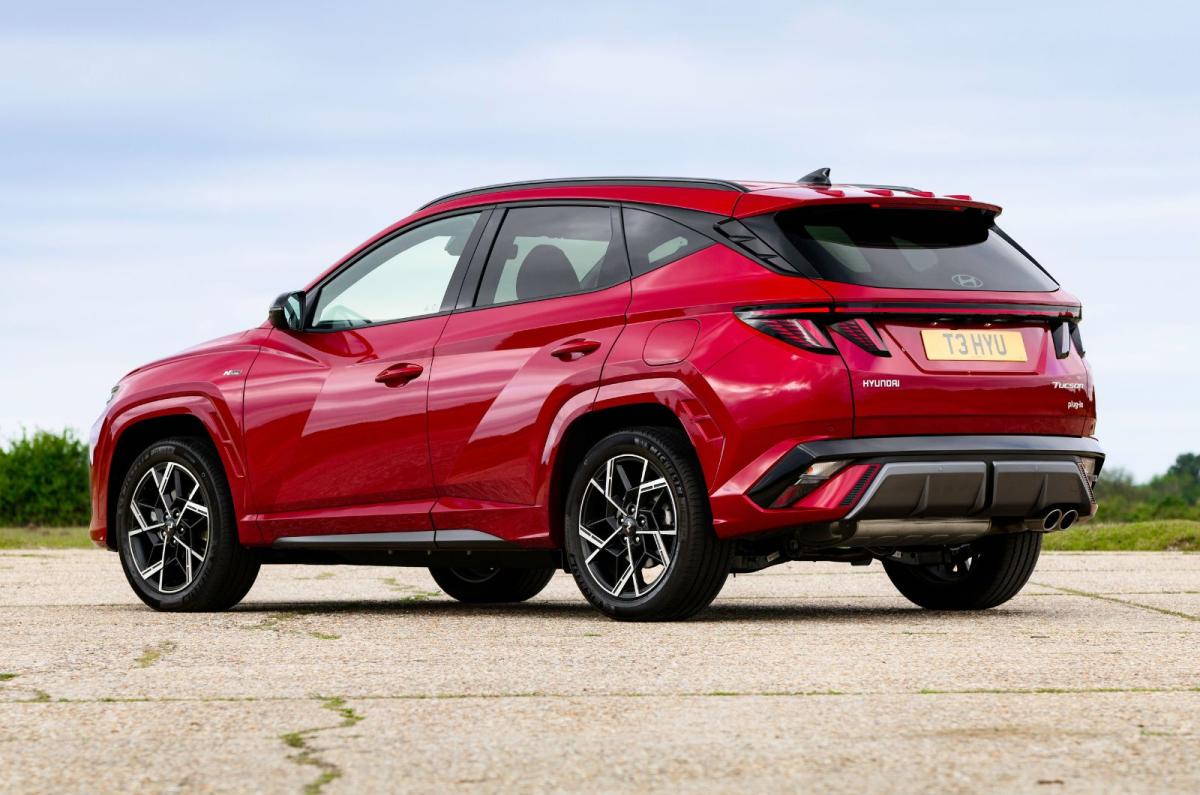
The rear pillars are very chunky so you’ll almost certainly end up relying on the parking aids. Thankfully, you get front and rear parking sensors and a rear-view camera as standard. Top-spec N Line S and Ultimate trims gain a 360-degree camera and a system called Blind Spot View Monitor (BVM), so that when you flick on the indicator a camera feed shows an image of what’s in your blind-spot on the driver's display.
N Line S trim introduces matrix LED headlights that automatically adjust to avoid dazzling other road users when on high beam.
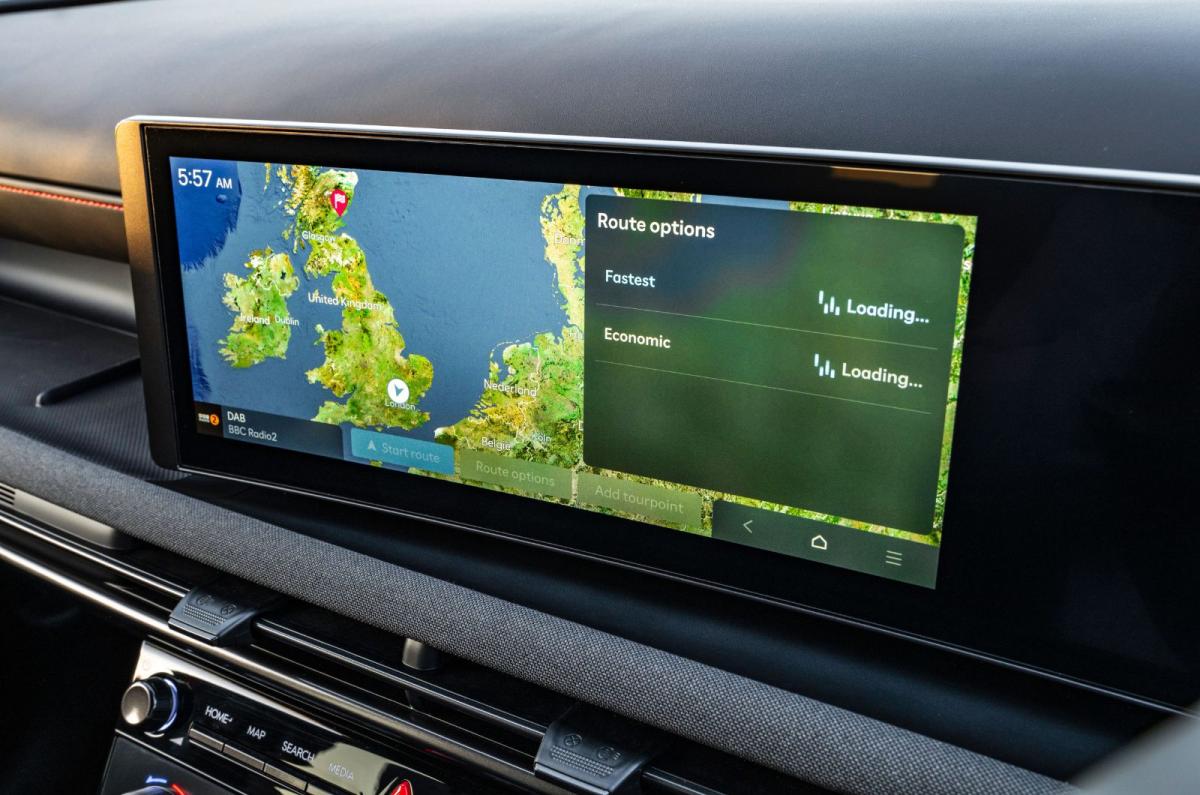
All Tucsons get a 12.3in infotainment touchscreen positioned beside the driver's display. It’s as crisp as the best flatscreen TVs and has smart graphics.
The infotainment menus are straightforward and the software is responsive enough to inputs, if not quite as snappy as the best touchscreens, including the ones in the Renault Austral and VW Tiguan. The icons could be a little larger to make them easier to aim for, but at least there's a row of physical shortcut buttons on the panel below that’s handy for hopping between functions.
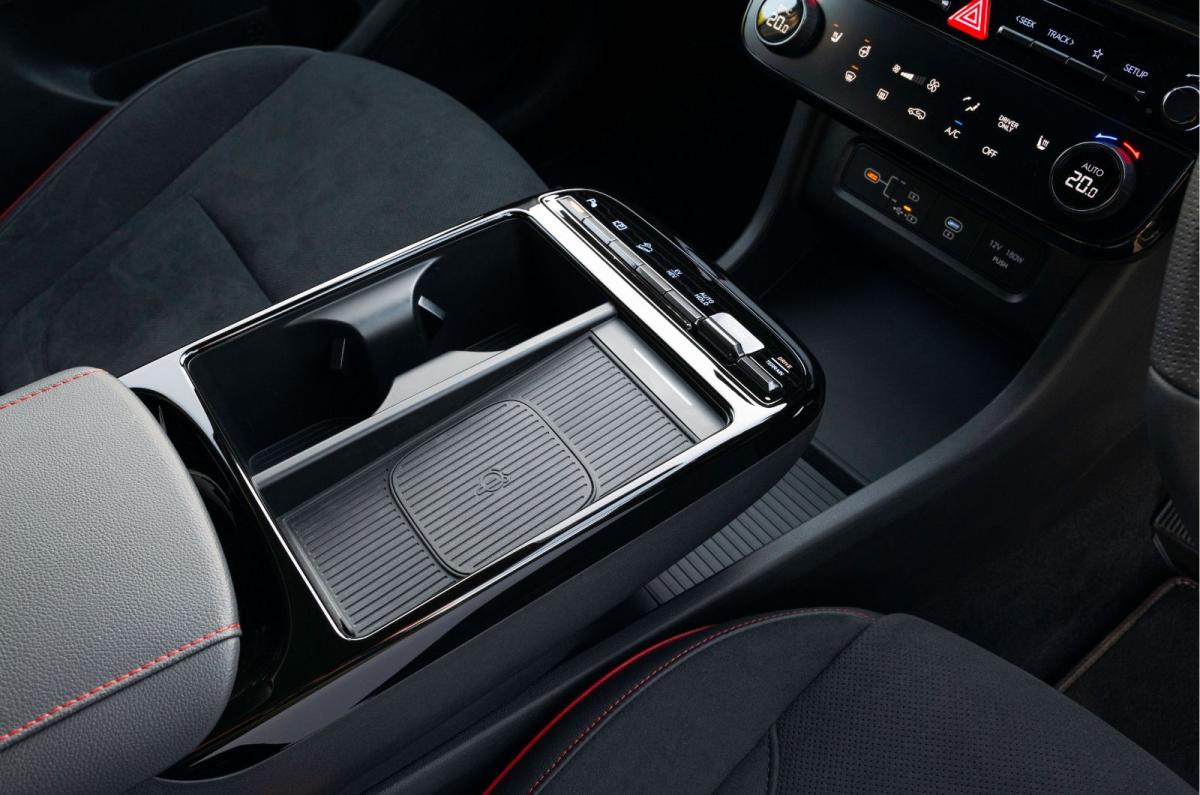
Hyundai’s penchant for giving you lots of kit means sat-nav, Bluetooth connectivity, DAB radio, and wireless Android Auto and Apple CarPlay smartphone mirroring are standard. All versions get wireless phone-charging and a six-speaker sound system. Moving up to N Line Edition trim upgrades the stereo to an eight-speaker Krell unit.
The upgrades made to the Tucson’s interior in 2024 improved the range of materials used. They're soft and dense where it counts and the finish is better overall, with buttons that operate with a well-damped action.
What’s missing, however, is the dollop of premium panache and high-end material quality you get in the Volvo XC40, but it’s still a step up from the Ford Kuga interior, which has more hard plastics.
“I found that the twist-operated gear selector low down on the steering column took some time to get used to, but it does free up some space on the centre console.” – Dan Jones, Senior Reviewer
Passenger & boot space
How it copes with people and clutter
Strengths
- Loads of leg and head room for four
- Rear seats recline
- Boot is one of the biggest in the family SUV class
Weaknesses
- Small door bins
- Rear seats don't slide back and forth
If you ate all your greens as a kid and grew up tall and strong, the Hyundai Tucson’s generous proportions will see you right. There’s plenty of leg room, plus at least as much head room as any other family SUV offers. It also feels as broad and airy as many rivals, including the Ford Kuga and Kia Sportage.
The front door bins are on the small side but the roomy glovebox and the two-tier centre console opens up various storage trays. There’s also a storage shelf above the glovebox. In short, you won’t struggle to hide your paraphernalia.
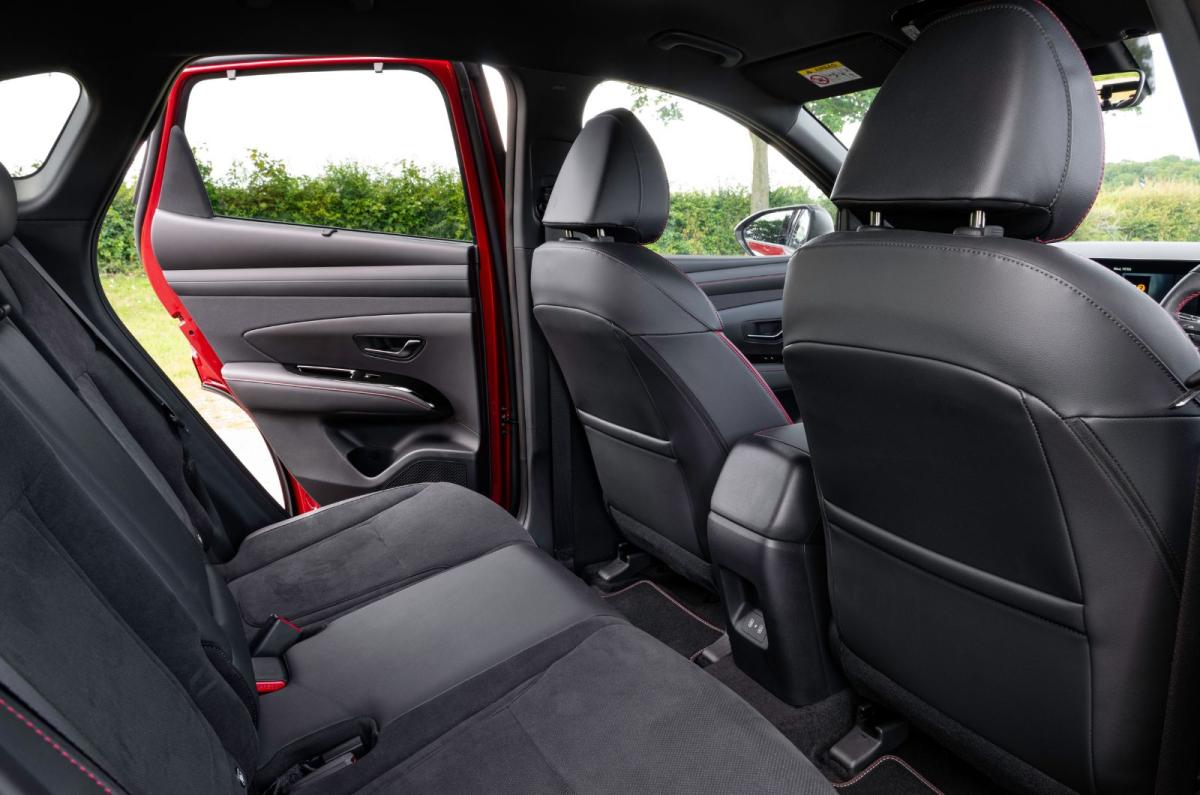
The Tucson's back seats are great for taller folks, so if you often ferry around adults as well as youngsters, this is definitely one to check out. There's enough space for two six-footers to sit comfortably, even with the front seats slid well back. There’s lots of room for their feet under the front seats and the head room is excellent.
When you add a passenger to the narrow middle seat, things can get a bit pinched around the shoulders if all the passengers are burly adults. It's slightly wider inside than a Kia Sportage but the Ford Kuga offers a little more space for feet on either side of the hump in the floor.
The Tucson's rear door bins are small, with just enough room for a 500ml bottle in each, but there's a fold-down armrest in the middle with integrated cupholders.
The rear bench doesn't slide back and forth as it does in a Ford Kuga or VW Tiguan but the backrest does recline so your passengers can snooze.
The backrest folds down in a useful 40/20/40 split, helping to maximise the space available for passengers and longer pieces of luggage. That's more versatile than the 60/40 split in a Nissan Qashqai.
As with the Kuga and the Kia Sportage, all Tucsons now get handy remote levers just inside the boot that fold down the rear seats. Before the 2024 update, that feature was reserved for higher trim levels.
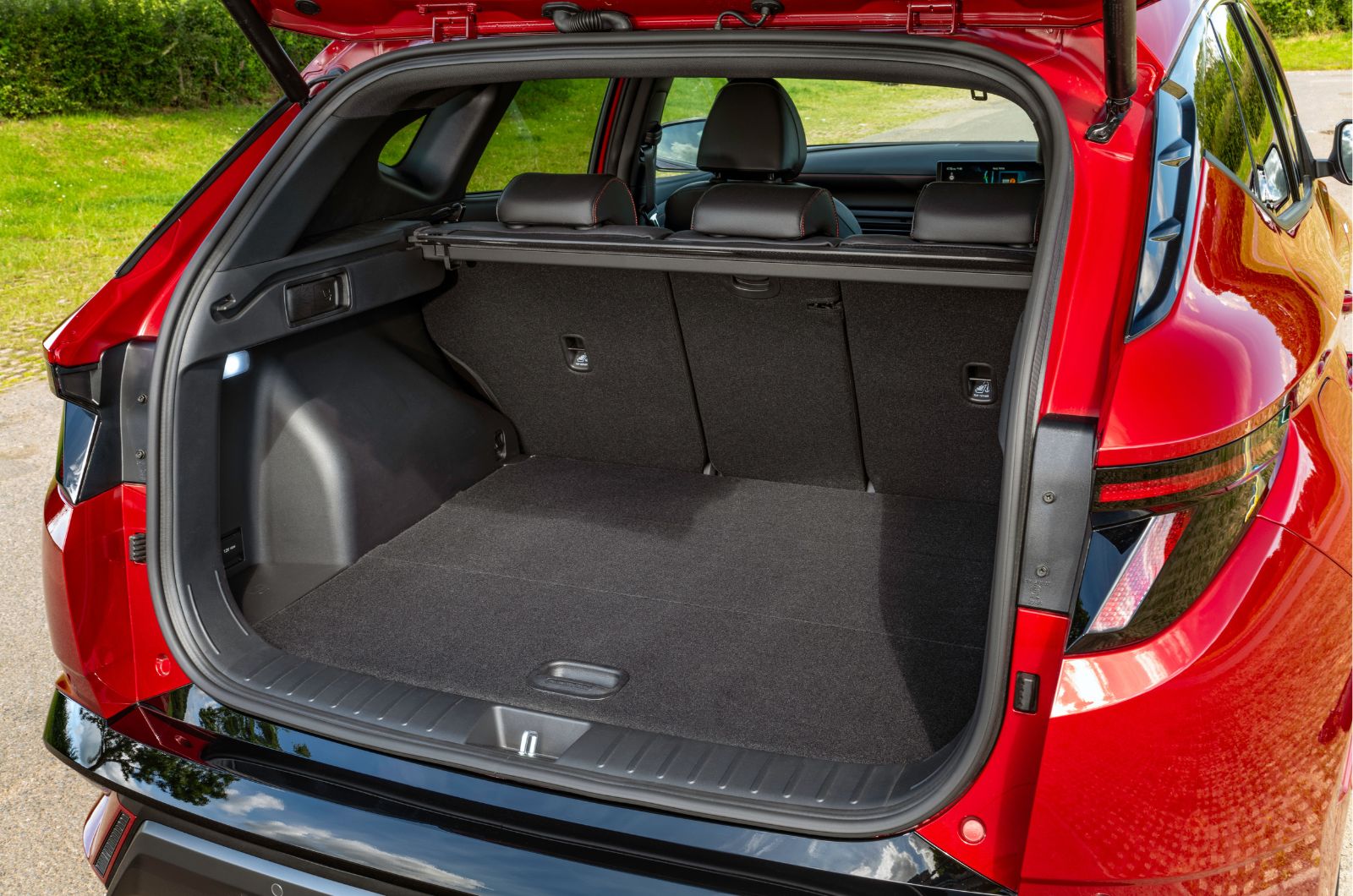
At up to 620 litres, the Tucson’s boot space is among the biggest you’ll find in the family SUV class. However, that figure is for the regular petrol version. The regular hybrid and PHEV have 616 litres each, so their boots are only slightly smaller.
You’ll be able to fit around eight carry-on suitcases below the parcel shelf. In other words, the Tucson will easily cater for the average family holiday.
There’s a height-adjustable boot floor in most versions of the Tucson, although the PHEV has a fixed one due to the battery pack underneath. All versions except entry-level Element and Black Line come with an electric tailgate.
“I like that most Tucsons get a height-adjustable boot floor, but it’s not completely flat in the lowest setting and slopes up towards the rear seats.” – Will Nightingale, Reviews Editor
Tips & Advice
Buying & owning
Everyday costs, plus how reliable and safe it is
Strengths
- Well equipped
- Excellent reliability record
- Unlimited-mileage warranty lasts five years
Weaknesses
- Higher trims are expensive
- Other PHEVs have cheaper company car tax
The entry-level Element trim comes generously equipped, with 17in alloy wheels, dual-zone climate control, cruise control and keyless ignition. We think this is the trim to choose.
It’s worth considering Black Line for its heated front seats, a heated steering wheel, ambient lighting and rear privacy glass. It gets 19in wheels and a larger driver’s display, too.
Ways to buy
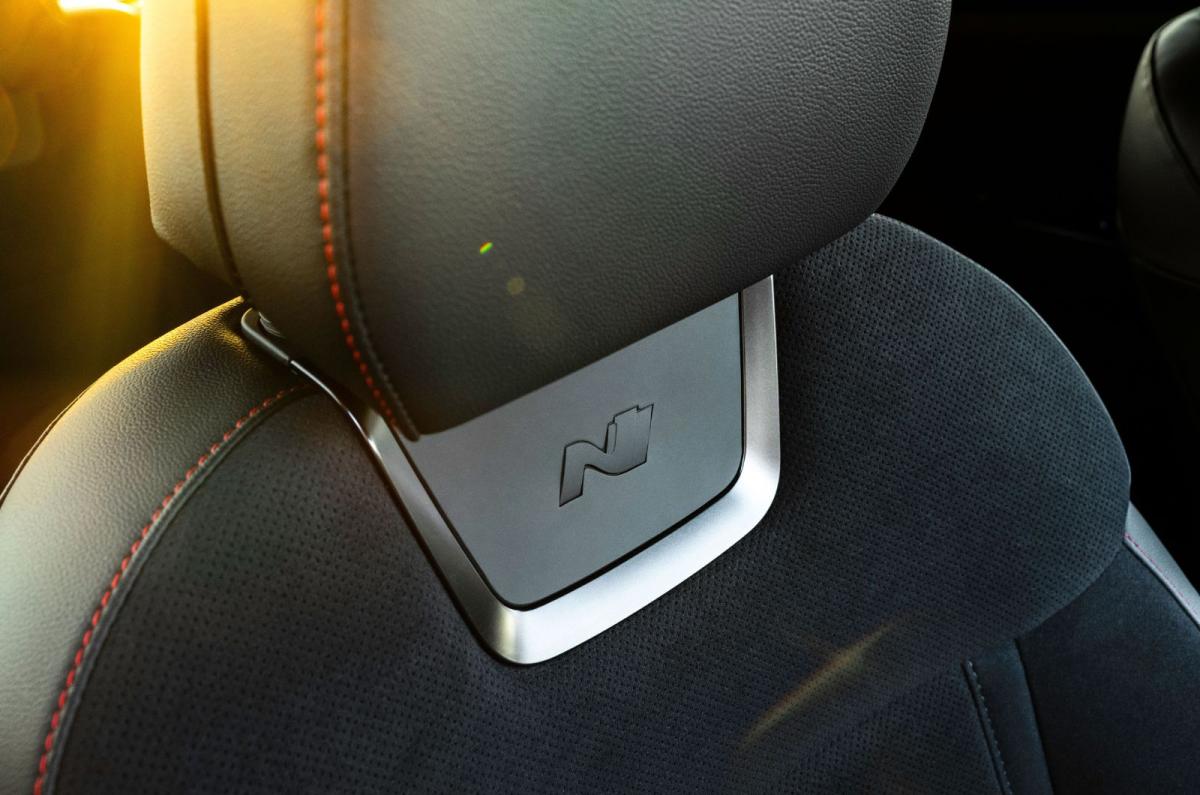
N Line Edition is a little too pricey for our liking, but if you’re interested, it gets sportier exterior styling, faux leather and suede-like upholstery, adaptive cruise control, a head-up display, sun blinds integrated into the rear doors and additional safety features. N Line S then adds a panoramic sunroof and LED matrix headlights.
At the top of the range is Ultimate, which adds electrically adjustable front seats. They’re ventilated as well as heated.
The Hyundai Tucson comes with plenty of kit as standard given its price tag. Its starting price roughly matches the Skoda Karoq’s and undercuts that of the Ford Kuga and Kia Sportage. The entry-level Seat Ateca is even cheaper, though.
Mid-level trims push the Tucson towards the premium territory occupied by the BMW X1, Volvo XC40 and VW Tiguan, while top spec versions are close to the Range Rover Evoque (and the Evoque is estimated to depreciate slower).
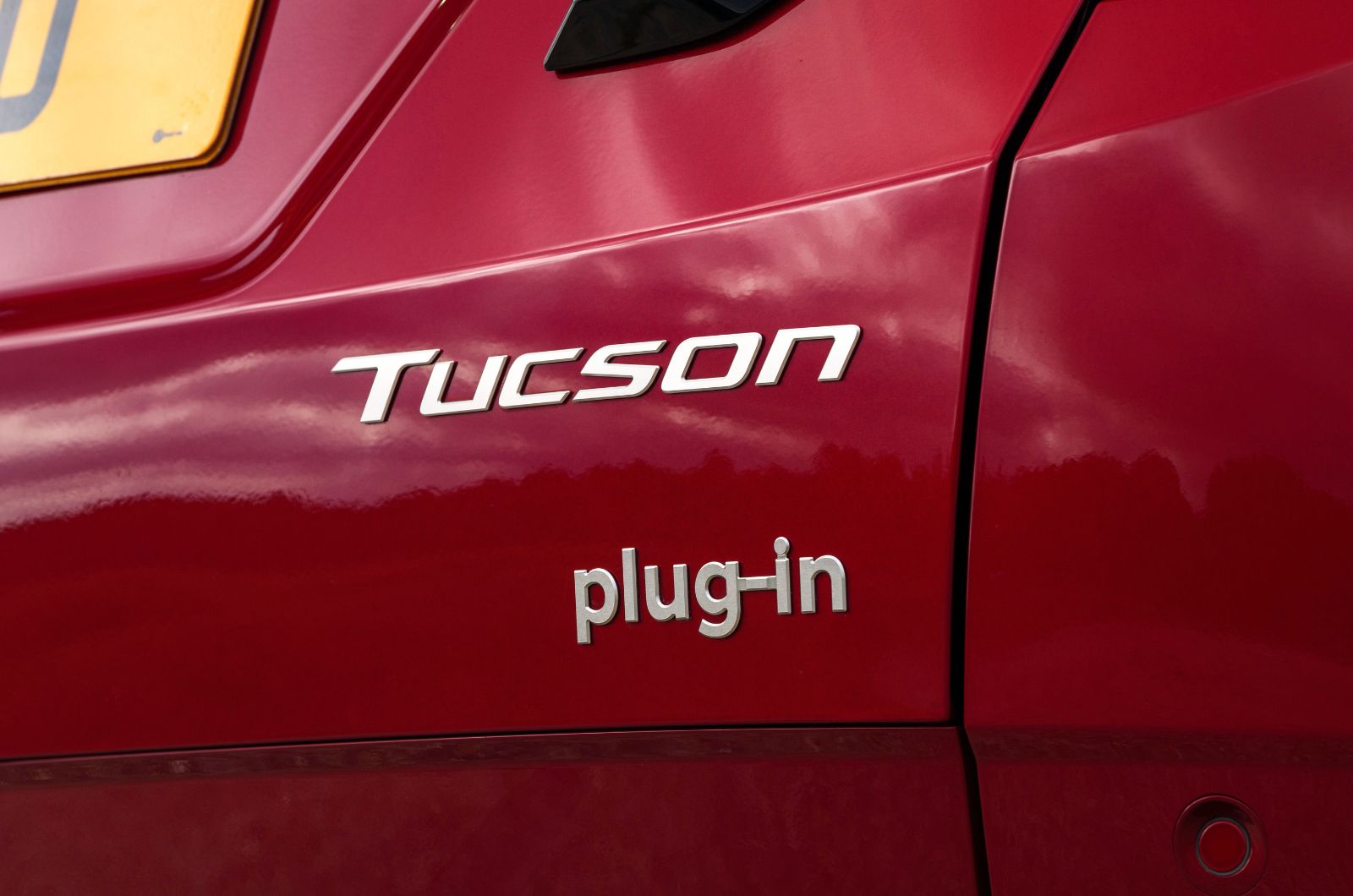
The Tucson PHEV's low CO2 figure of 22g/km and 43-mile official electric range makes it a good option as a company car, but not the best. As we mentioned, the MG HS PHEV, Omoda 9 and Skoda Kodiaq iV have much longer electric-only ranges. That puts them in a lower BIK tax rate. When the battery is drained, you can expect mid to high-30s MPG figures from the Tucson PHEV’s petrol engine.
The HEV produces as little as 126g/km, putting it in a lower BIK tax bracket than the entry-level petrol manual, but because it has a higher list price, the amount you pay in monthly salary sacrifice works out virtually the same.
The Tucson Hybrid clocked up 44.4mpg in a real-world test, matching the Kia Sportage (44.6mpg). That’s about the same as some diesel family SUVs and compares well with petrol rivals. The petrol isn’t quite as frugal, but mid to high-30s MPG is easily achievable if the trip computer is to be believed.
The Tucson came 21st out of 57 family SUVs featured in our 2025 What Car? Reliability Survey. It proved more reliable than the Mazda CX-60 and VW Tiguan but not the Lexus NX and Kia Sportage (petrol/hybrid). As a manufacturer, Hyundai performed reasonably well in the survey, coming 14th out of 30 manufacturers ranked.
You get a five-year, unlimited-mileage Hyundai warranty. That’s better than most rivals offer, although Kia covers its cars for up to seven years.
The Tucson achieved the highest five-star safety rating when it was tested by Euro NCAP. Airbag protection for the driver’s chest in a front collision was rated as marginal but the car performed well everywhere else. There’s plenty of safety kit as standard to help you avoid an accident in the first place.
For example, every Tucson comes with automatic emergency braking (AEB), a driver attention warning system, speed-limit recognition and trailer stability assist. You also get a system that can automatically apply the brakes after a collision to ensure you don’t roll forwards and have a secondary impact.
Stepping up to N Line Edition trim (with an automatic Tucson) adds a Highway Drive Assist feature that adjusts your steering for you in order to keep the car centred in your chosen lane (you must keep your hands on the wheel though).
“Big discounts are available on the Tucson, but I'd urge potential buyers to do their sums because it loses value quicker than some rivals.” – Claire Evans, Consumer Editor
Buy it if…
- You appreciate the choice of petrol, hybrid and plug-in-hybrid engines
- You’re more concerned with comfort than sportiness
- You’re after a big boot
Don’t buy it if…
- You’re after a low-budget option
- You want sliding rear seats
- You want a company car that’s low on BIK tax
For all the latest reviews, advice and new car deals, sign up to the What Car? newsletter here
Tips & Advice
Similarly priced cars


If you're interested in finding a Hyundai Tucson, or any of the other family suv cars mentioned here, head over to our Cars available now pages to find new cars listed for sale at great prices.
FAQs
Hyundai TUCSON specifications
RRP price range
MPG range across all versions
Available fuel types (which is best for you? )
Available colours
Number of engines (see all)
Number of trims (see all)
Company car tax at 20% (min/max)
Company car tax at 40% (min/max)
What is What Car? best price?
The What Car? best price shows you the cheapest way to buy your new car, whether it's by choosing an in-stock car through our partner Autotrader or placing a factory order.
Available now from: £26,660
RRP from: £30,985
About our price indicator
What Car? indicative Personal lease example (subject to status)
1.6T Hybrid Black Line SUV 5dr Petrol Hybrid Auto Euro 6 (s/s) (239 ps)
| Expected annual mileage | 5000 |
| Term months | 60 |
| Deposit months | 12 |
| Monthly payment | £291.81 |
| Initial payment | £3,501.72 |
Step-by-step
Leasing works a bit like a long-term rental. You drive it, but you don’t own it.
- Choose your car, pick your terms and apply for lease credit online
- Pay monthly rental payments for your chosen term length
- Drive it, enjoy it, then give it back at the end
What you get
When you lease with Autotrader you get all of this:
- Full manufacturer’s warranty
- Road tax and roadside assistance included
- No admin fees
- Free returns within 30 days*
- Lower total monthly cost than PCP/HP
- No balloon payments
- Road tax included
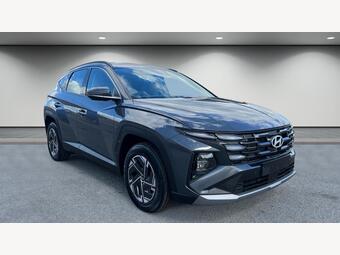
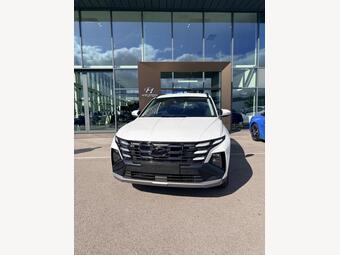
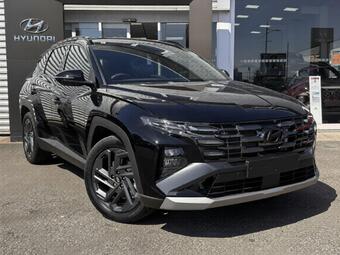
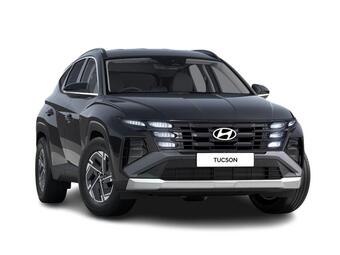
Cars available now
About the writer