











What is What Car? best price?
The What Car? best price shows you the cheapest way to buy your new car, whether it's by choosing an in-stock car through our partner Autotrader or placing a factory order.
Available now from: £98,431
RRP from: £107,530
About our price indicator
What Car? indicative Personal lease example (subject to status)
Range Rover Electric
| Expected annual mileage | 5000 |
| Term months | 48 |
| Deposit months | 12 |
| Monthly payment | £1,261.80 |
| Initial payment | £15,141.60 |
Step-by-step
Leasing works a bit like a long-term rental. You drive it, but you don’t own it.
- Choose your car, pick your terms and apply for lease credit online
- Pay monthly rental payments for your chosen term length
- Drive it, enjoy it, then give it back at the end
What you get
When you lease with Autotrader you get all of this:
- Full manufacturer’s warranty
- Road tax and roadside assistance included
- Free returns within 30 days*

- Lower total monthly cost than PCP/HP
- No balloon payments
- Road tax included
Figures for 3.0 D300 MHEV SE Auto 4WD Euro 6 (s/s) 5dr
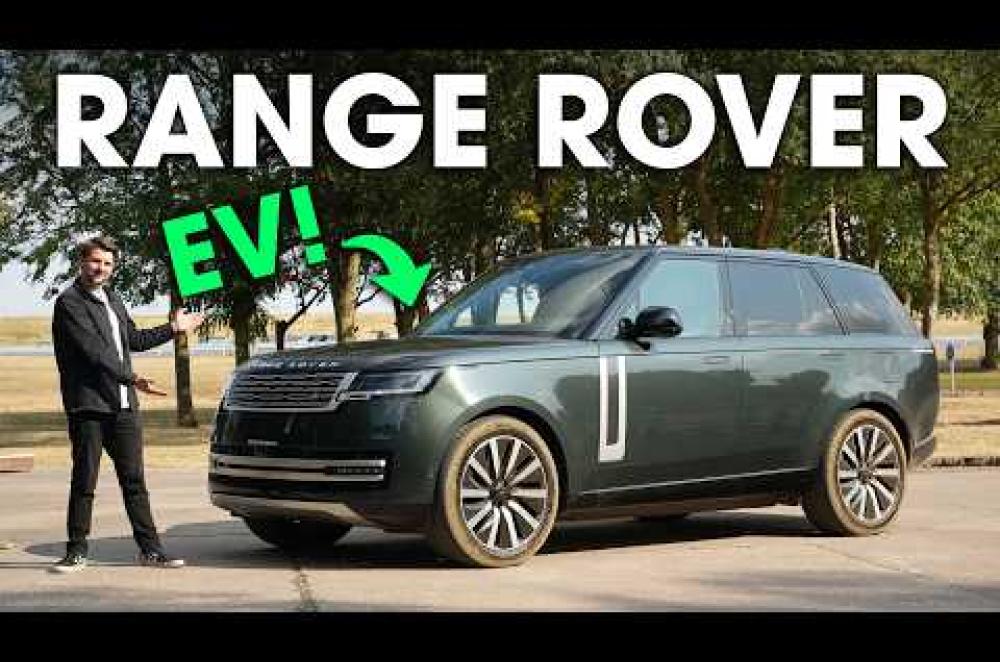
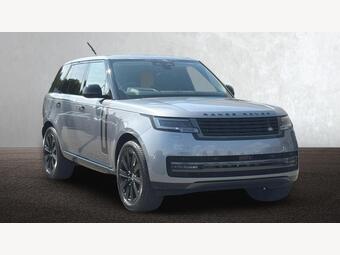
Ever since the original Land Rover of 1948, the brand has never been shy about pushing boundaries. And in 1970, that led to the original Range Rover – the pioneer that popularised the modern luxury SUV. Yet even that pales into insignificance against the challenge of creating the all-new Range Rover Electric.
Range Rover Electric video review
What is What Car? best price?
The What Car? best price shows you the cheapest way to buy your new car, whether it's by choosing an in-stock car through our partner Autotrader or placing a factory order.
Available now from: £98,431
RRP from: £107,530
About our price indicator
What Car? indicative Personal lease example (subject to status)
Range Rover Electric
| Expected annual mileage | 5000 |
| Term months | 48 |
| Deposit months | 12 |
| Monthly payment | £1,261.80 |
| Initial payment | £15,141.60 |
Step-by-step
Leasing works a bit like a long-term rental. You drive it, but you don’t own it.
- Choose your car, pick your terms and apply for lease credit online
- Pay monthly rental payments for your chosen term length
- Drive it, enjoy it, then give it back at the end
What you get
When you lease with Autotrader you get all of this:
- Full manufacturer’s warranty
- Road tax and roadside assistance included
- Free returns within 30 days*
- Lower total monthly cost than PCP/HP
- No balloon payments
- Road tax included
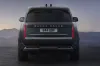
According to senior figures at the company, “it must be a Range Rover first, an electric car second”. And that means it must retain the refinement, luxury, practicality, versatility and off-road prowess that makes it one of our favourite luxury SUVs, while also being a good electric car.
So, has the wait been worth it and how does it stack up against rivals such as the much cheaper BMW iX and the sporty Porsche Cayenne Electric? Well, to find out how things are shaping up, we spent some time at Jaguar Land Rover’s HQ in Gaydon driving a late Range Rover Electric prototype.


With a comfortable ride, a really luxurious interior, superb refinement and a competitive range, the Range Rover Electric is shaping up to be a brilliant electric SUV. It's even great off-road, as a Range Rover should be. It's just a pity it's so expensive; there are much cheaper rivals that are also really plush.
What's new?
- September 2026 - Range Rover Electric pricing is confirmed
- August 2026 - We review a late prototype of the Range Rover Electric
Best buy

Pros
- Very comfortable ride
- Whisper quiet
- Really plush interior
Cons
- Hugely expensive to buy
- Lack of physical controls
- Land Rover's reliability record
What's new?
- September 2026 - Range Rover Electric pricing is confirmed
- August 2026 - We review a late prototype of the Range Rover Electric
Best buy
Trims available
Performance & drive
What it's like to drive, and how quiet it is
Strengths
- Comfortable ride
- Lots of power
- Genuinely good off-road
Weaknesses
- Rivals are even faster
- Some rivals are better to drive
How fast is it and which motor is best?
The engineers at Range Rover are benchmarking the Range Rover Electric on versions of the car that have a whopping great V8 underneath their bonnets. As such, at launch, every Range Rover Electric will come with a pair of motors, one on each axle, giving you a total of 542bhp that’s fed to all-four wheels.
As you might expect, that gives you plenty of performance off the line, with an official 0-60mph sprint time of 4.3sec. Now, that isn’t as fast as the BMW iX M70 or any Porsche Cayenne Electric, but it’s still really fast in an SUV as big and heavy as the Range Rover Electric. Plus, there’s a chance we’ll see even more powerful versions in the future.
Is it agile and is the ride comfortable?
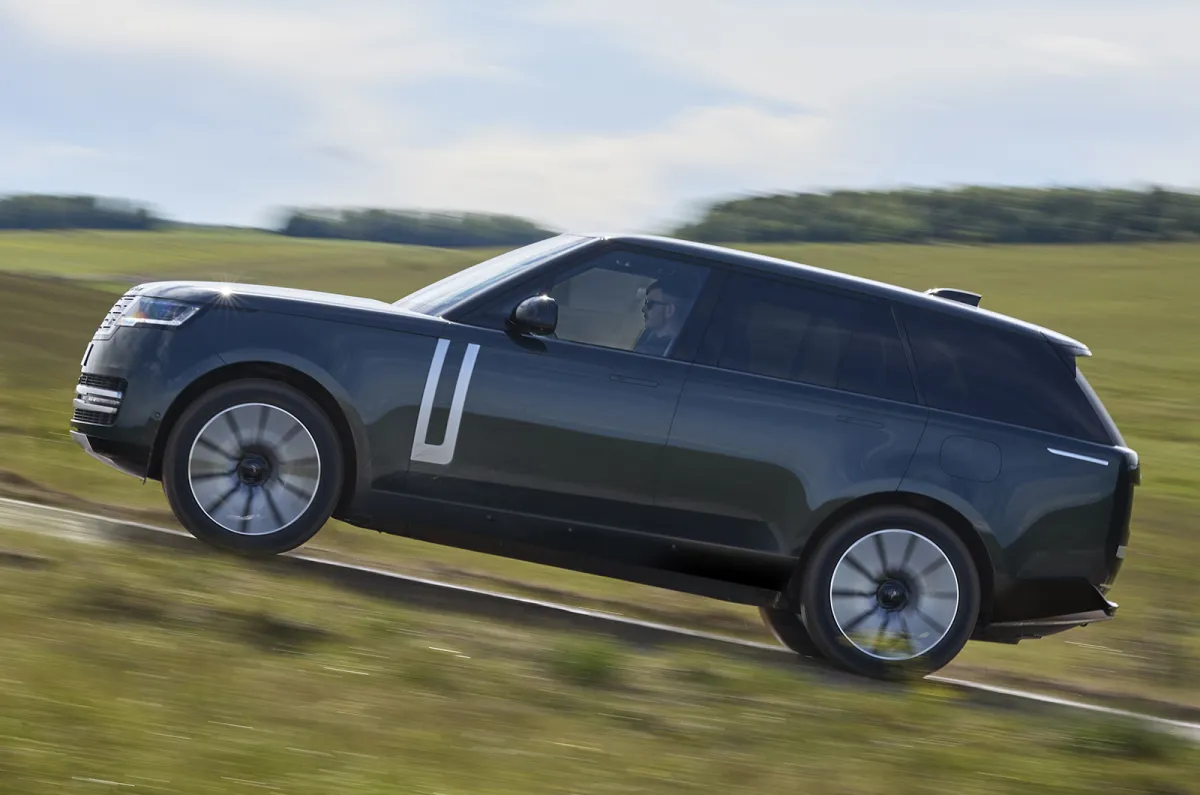
Despite the fact that the Range Rover Electric is hauling around some heavy batteries, it feels almost identical to any other version. That isn’t a bad thing, either; it means that the Range Rover Electric is very comfortable.
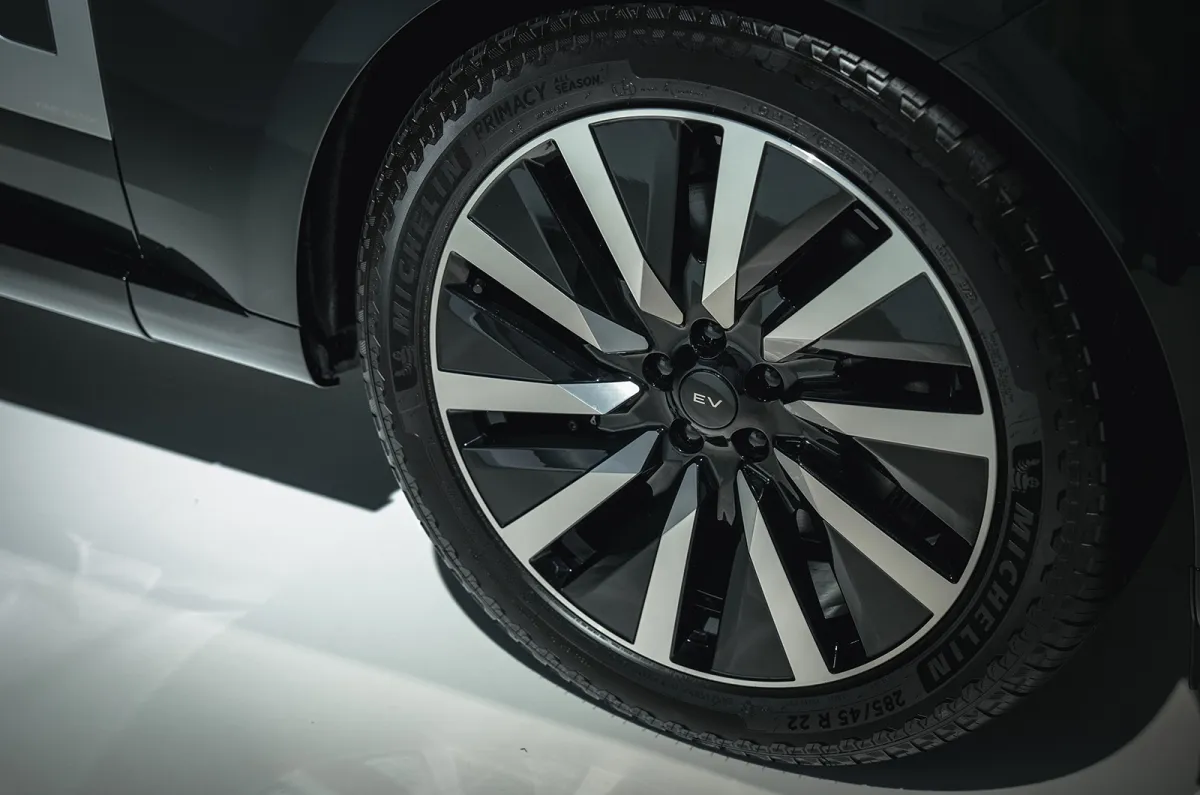
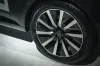
As with the standard car, you get adaptive air suspension as standard, and we found that it gave our prototype a really controlled ride that minimised body movement over undulating roads but still managed to soak up imperfections with relative ease. Our prototype had 22in alloy wheels, which are likely to be the largest, so if you want an even more comfortable ride, smaller wheels might be the way to go.
The one issue is that, while the ride is controlled once you’re on the move, the sheer amount of torque and the softness of the suspension means that the nose raises high into the air if you put your foot down from a standstill. In turn, that can make the front end feel a tad floaty until the nose lowers again or you ease off.
Now, the Range Rover Electric is built for comfort, so it probably isn’t a surprise that it isn’t as agile as the Cayenne Electric, with more lean through corners and less precise steering. That doesn’t mean you can’t thread it down a country road with confidence, quite the opposite in fact, it just isn’t as engaging as the Porsche or, we expect, the Range Rover Sport Electric.
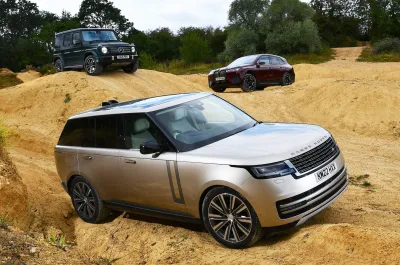
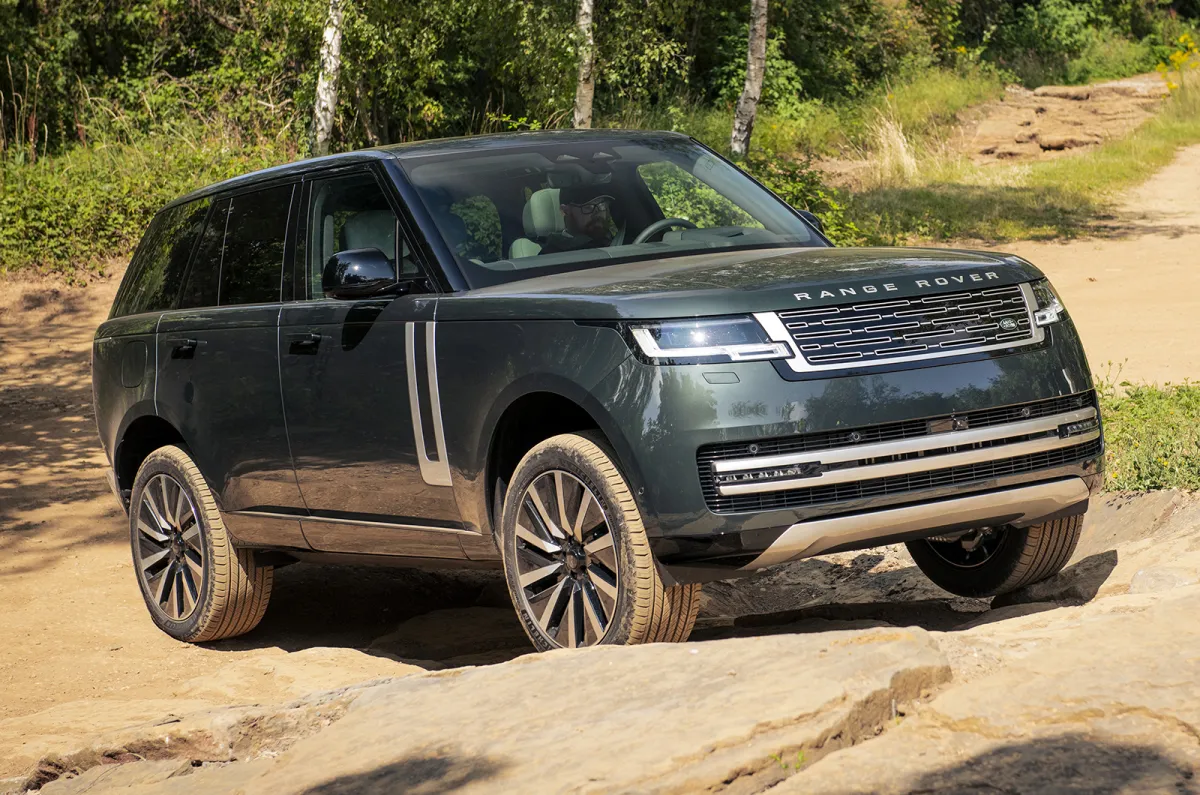
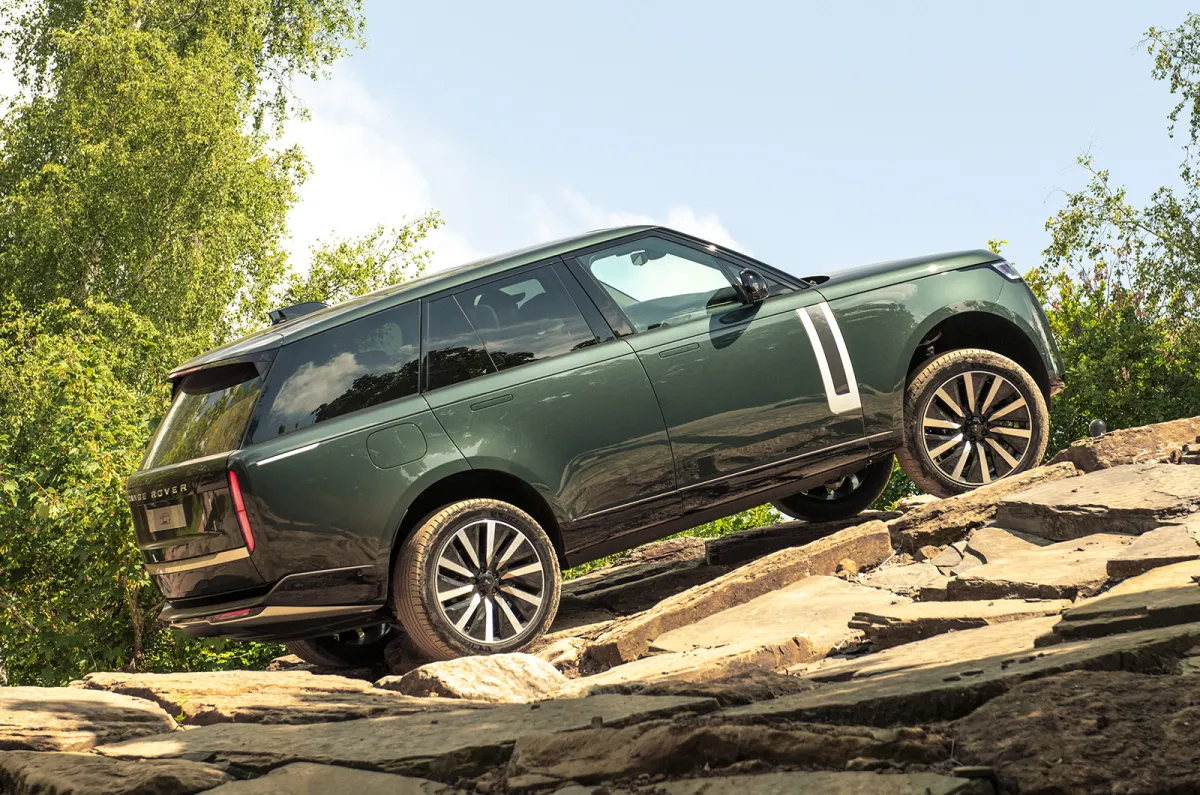
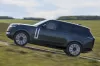
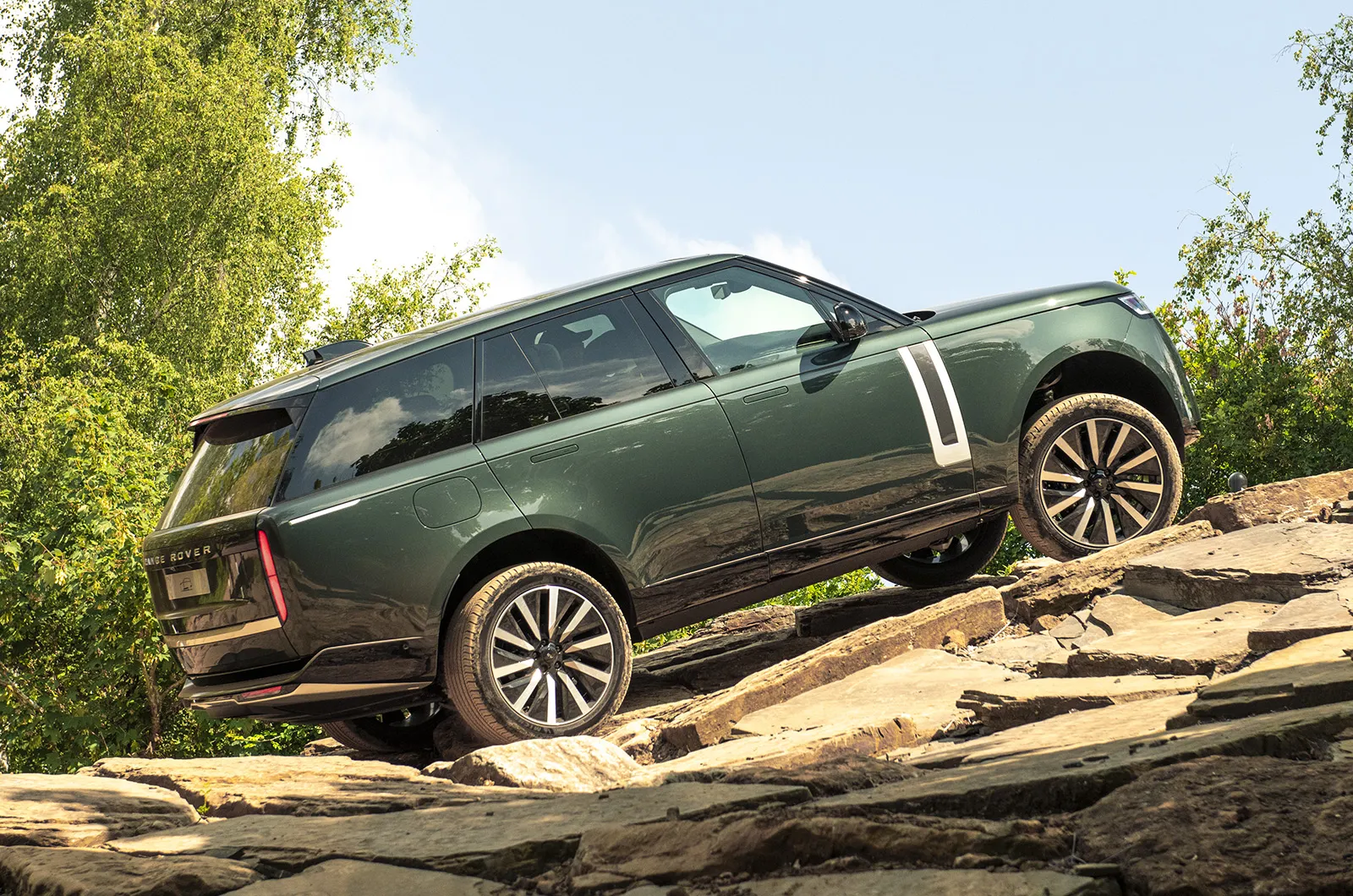
Of course, any Range Rover worth its salt should be able to go off-road, and the Electric doesn’t disappoint. It actually has slightly lower ground clearance than other Range Rovers, because of its batteries, but it’s still hugely impressive off-road and capable of clambering over almost any obstacle you can throw at it.
On top of all the features you’d expect, including the latest Terrain Response software which automatically adapts the motors and suspension based on the conditions, the Range Rover Electric’s motors means that it can employ even better control, sending power to each wheel in milliseconds, depending on which needs it most. Better still, your wading depth remains the same as other Range Rovers (900mm).
Is it quiet and how easy is it to drive smoothly
We’re used to EVs being really quiet, but the Range Rover Electric takes that to the next level. There’s no motor whine to worry about, while both wind and road noise are almost non-existent, even at 70mph. As a result, the Electric is a very calm cruiser.
The regenerative braking system, which slows the car while harvesting energy, is also very impressive. You have three modes and all have been set up to feel very natural, with Low mode allowing you coast with minimal slowing, Standard mode feeling just like engine braking and the Single Pedal mode slowing you to a gradual and complete stop.
Which you prefer will be down to personal preference, but no matter which mode you’re in, it’s easy to come to a smooth stop. That’s helped by the brake pedal itself, which is perfectly weighted and, again, makes stopping a doddle.
What’s the range and efficiency like, and how quickly can it charge?
At launch, every Range Rover Electric will come with a 118.5kWh (total capacity) battery, which gives it an official range of 372 miles. We don’t have a real world estimate for the Porsche Cayenne Electric yet, but its official range of 399 miles means that it might just have the edge.
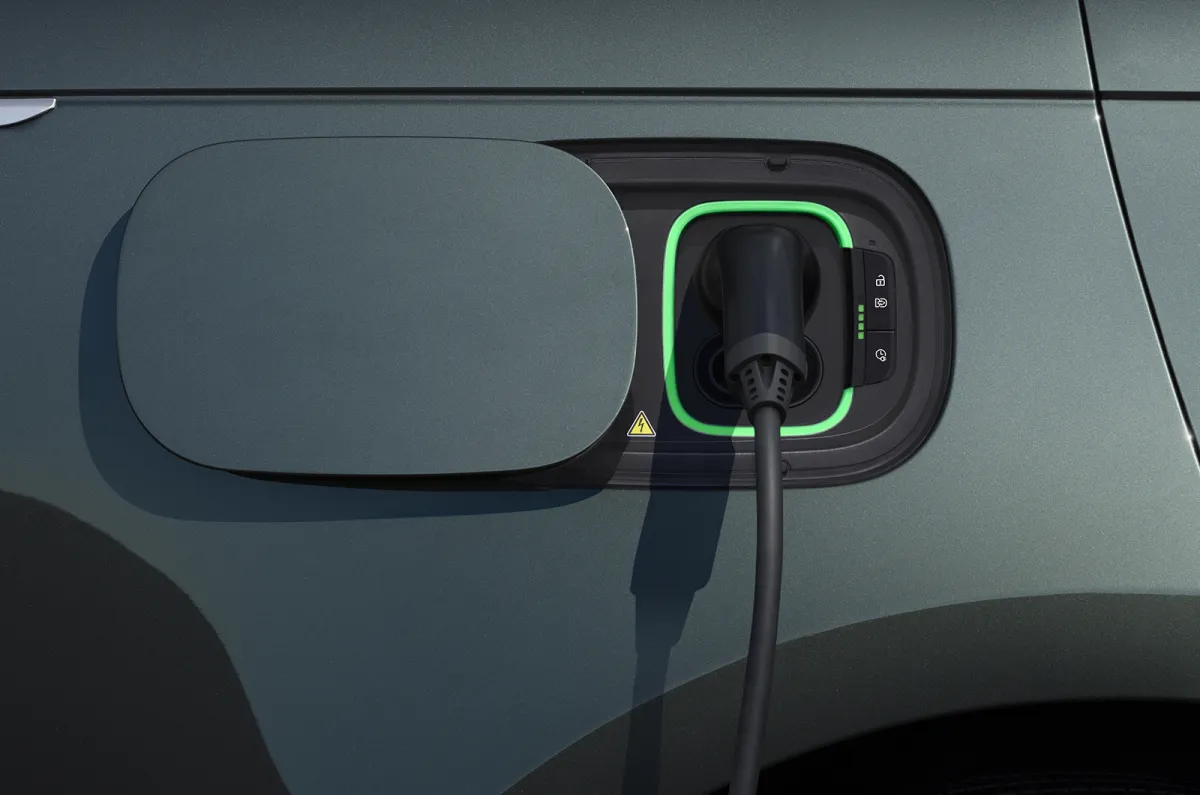
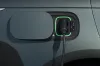
When you run out of charge, 800V architecture means a maximum charging rate of 350kW. Plug into a fast charger and that means a 10-80% charge in around 22 minutes. Unlike some rivals, you also won’t have to worry about using 400V chargers, because the Electric will happily charge without the need for optional equipment.
There’s no word yet on how long it’ll take to charge the Range Rover Electric from 0-100% on a 7kW home wallbox, but with a battery that big, we suspect it’ll take quite some time.
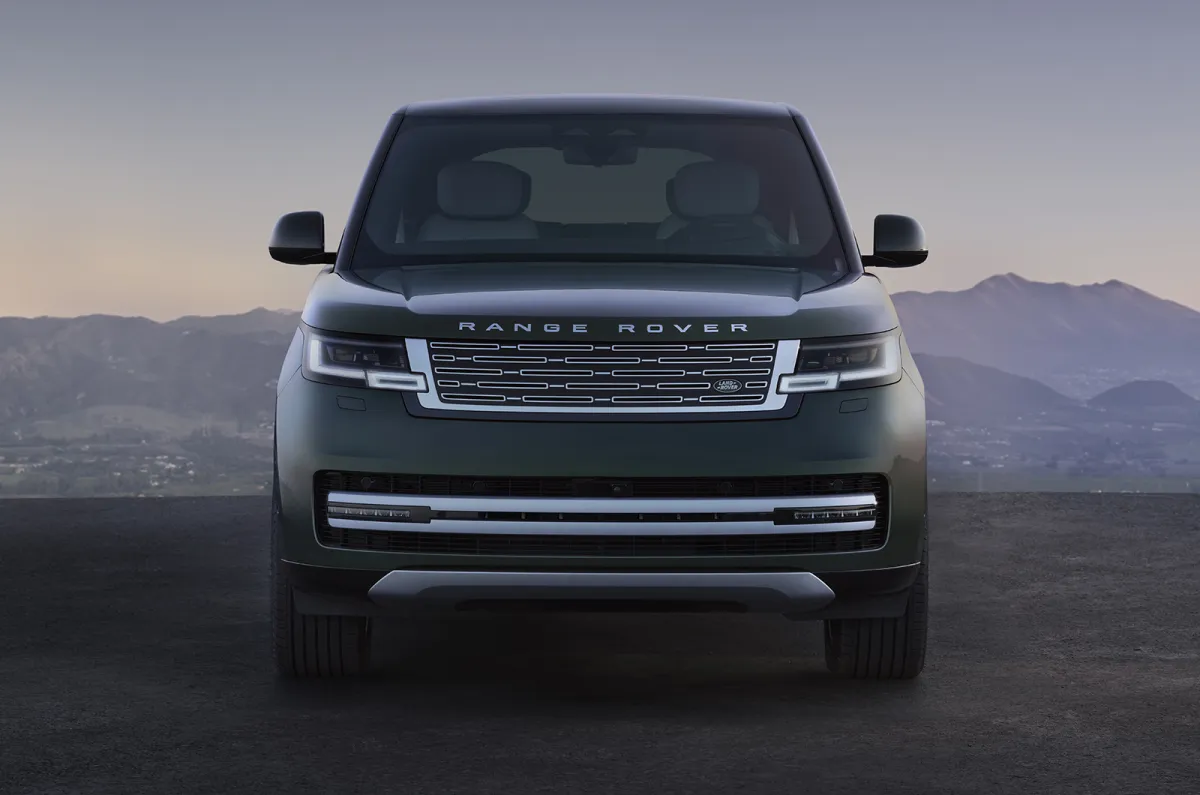
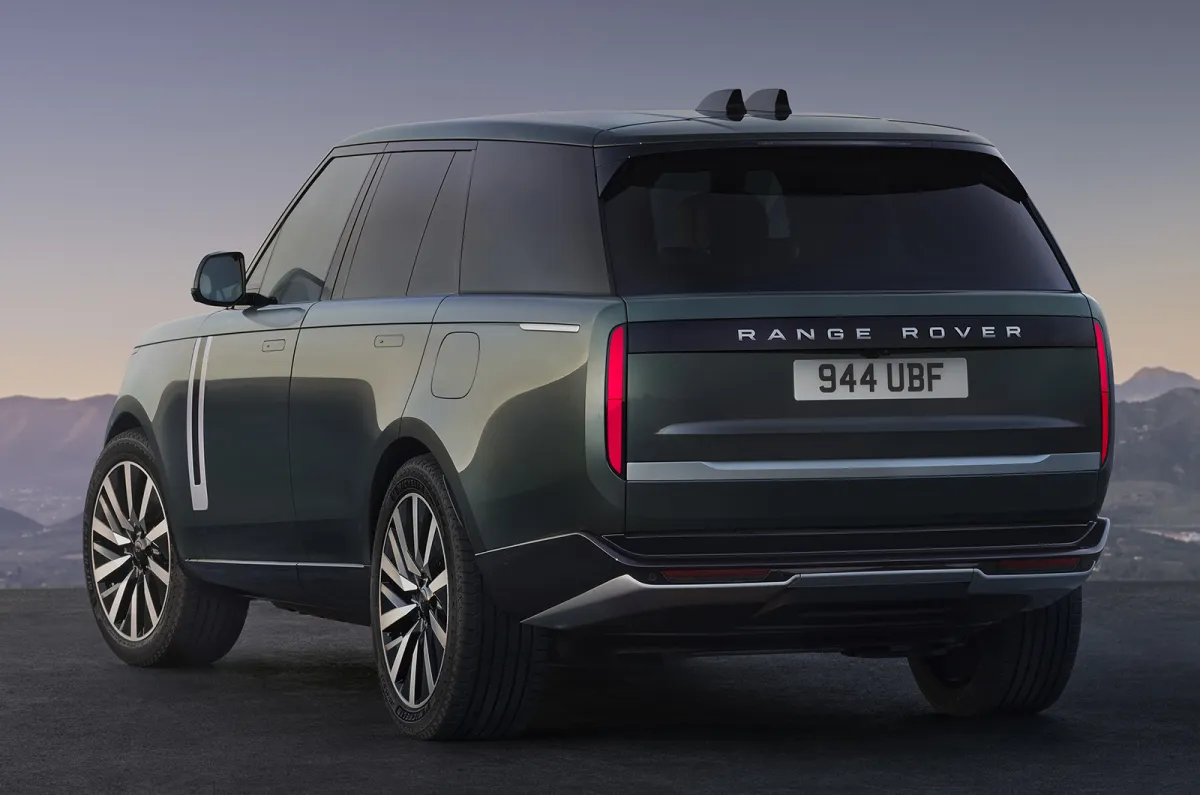
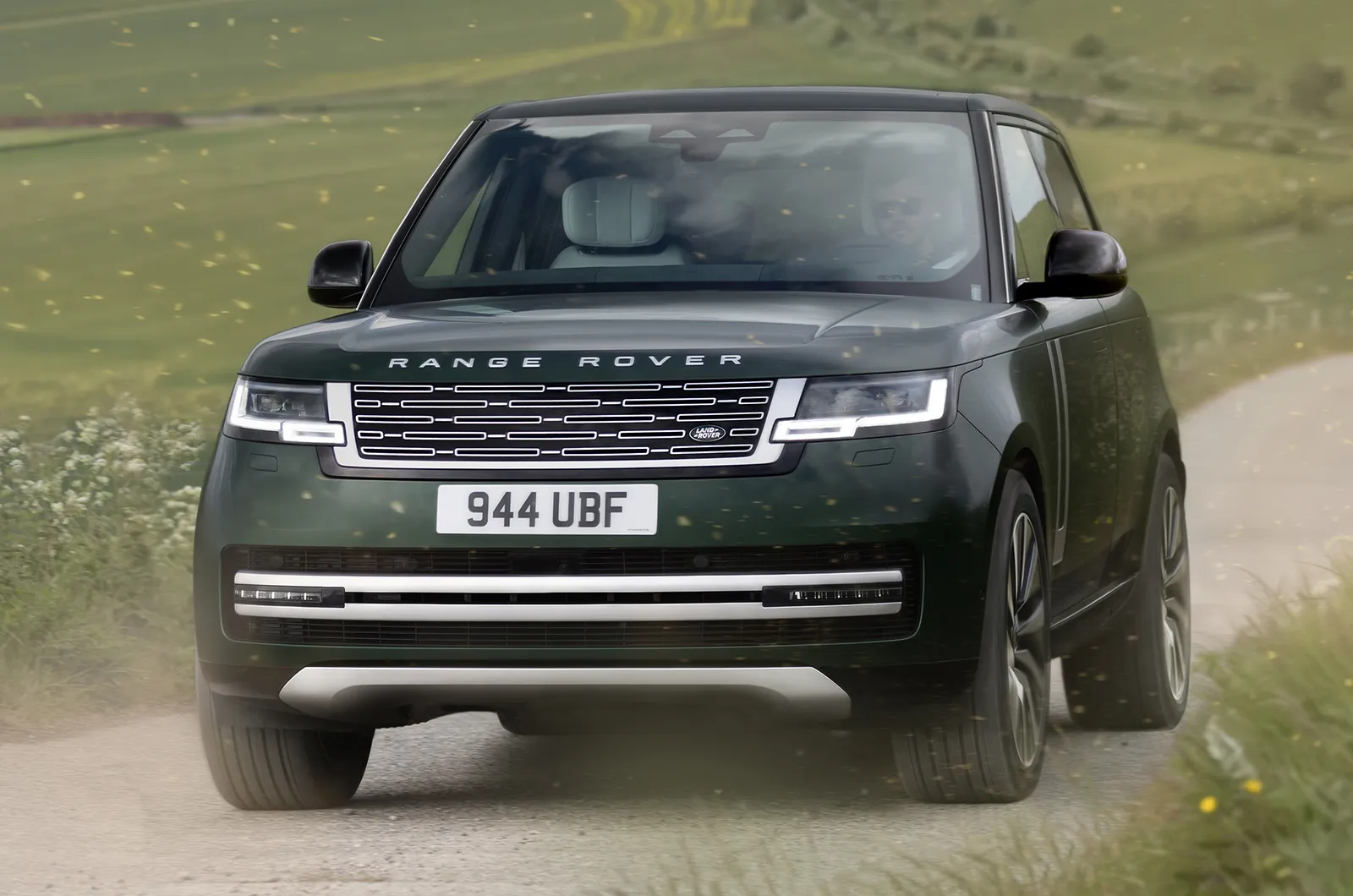
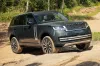
While most styling changes on the Range Rover Electric are subtle, I’m a fan of the new aero wheels. Not only do they increase range, but they’ve also been designed to not suck dirt and sand in while off-roading.
Tips & Advice
Interior
The interior layout, fit and finish
Strengths
- Plush materials
- Great driving position
Weaknesses
- More physical controls would be better
- Some non-electric rivals are even plusher
What does the interior look like and is it well made?
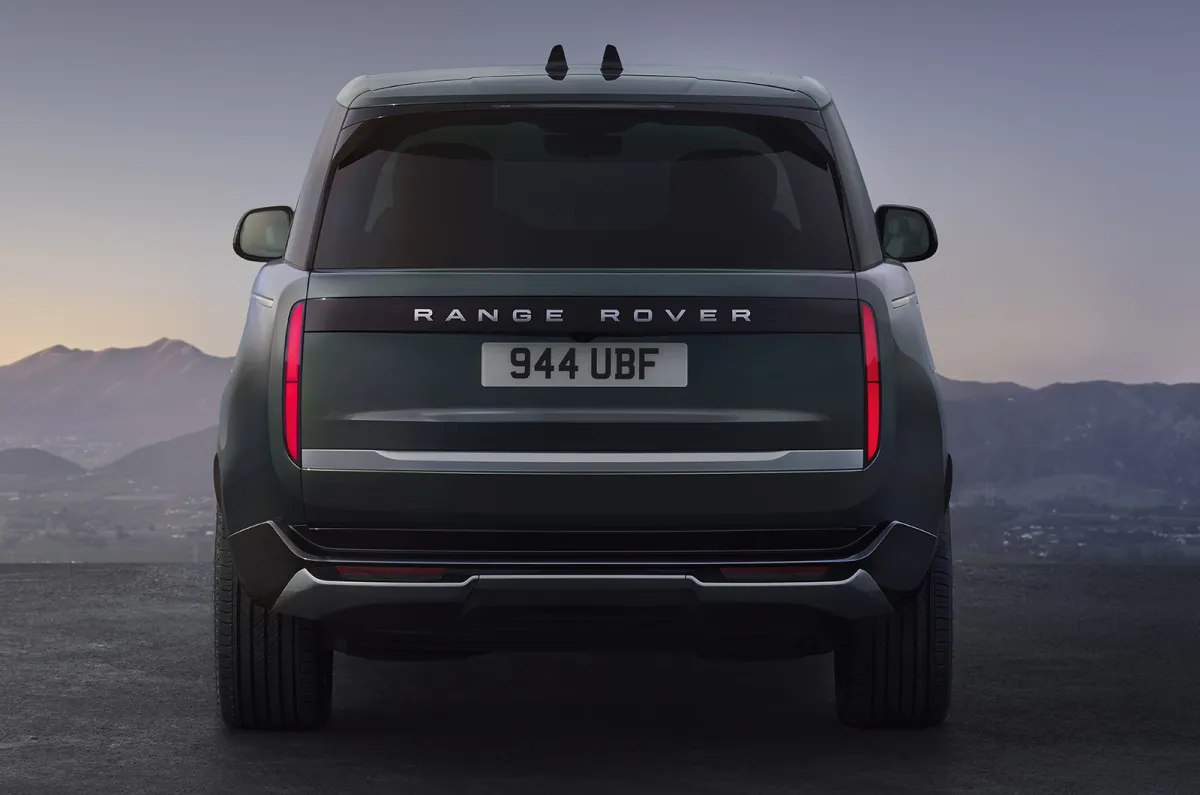
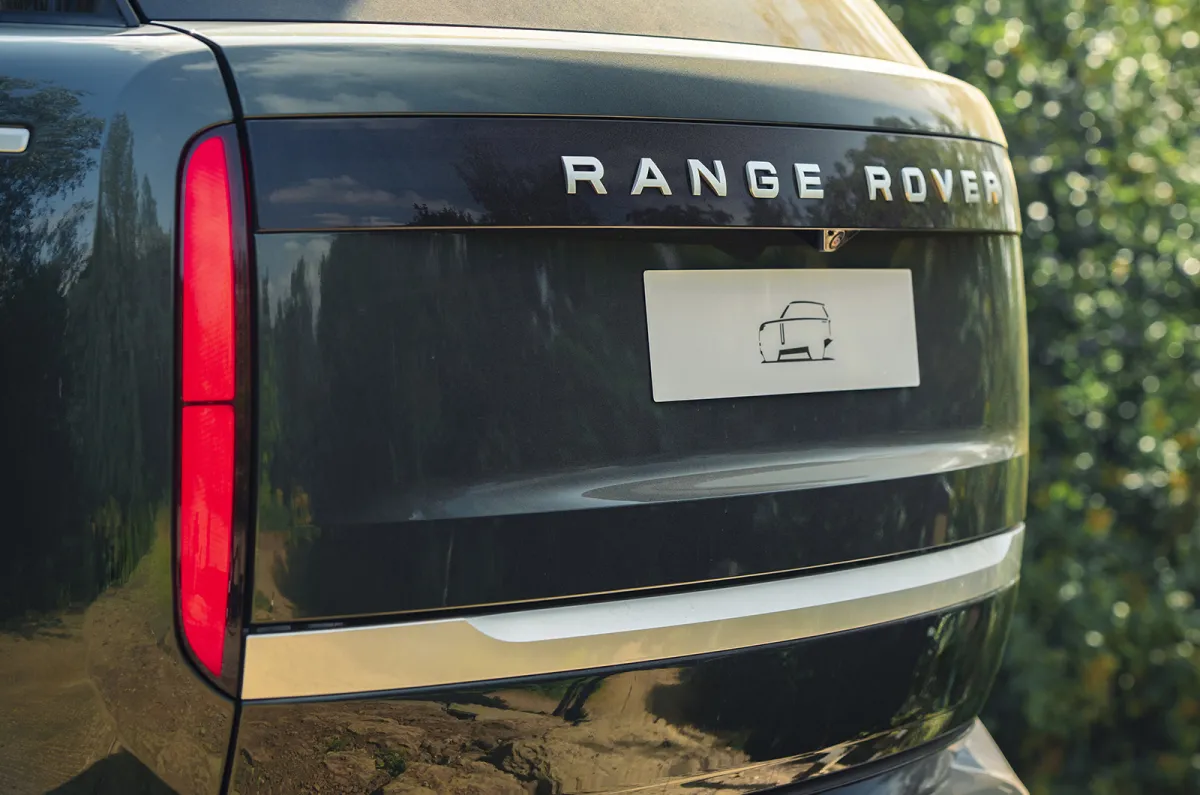
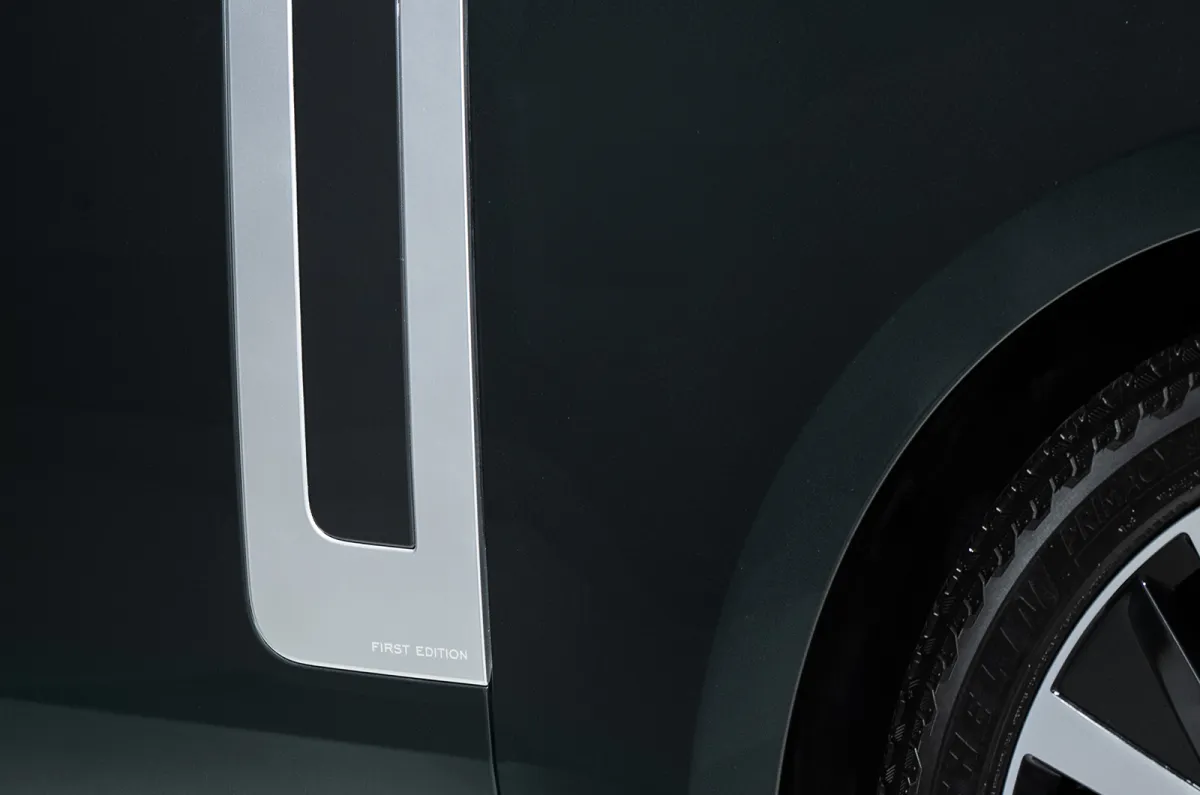
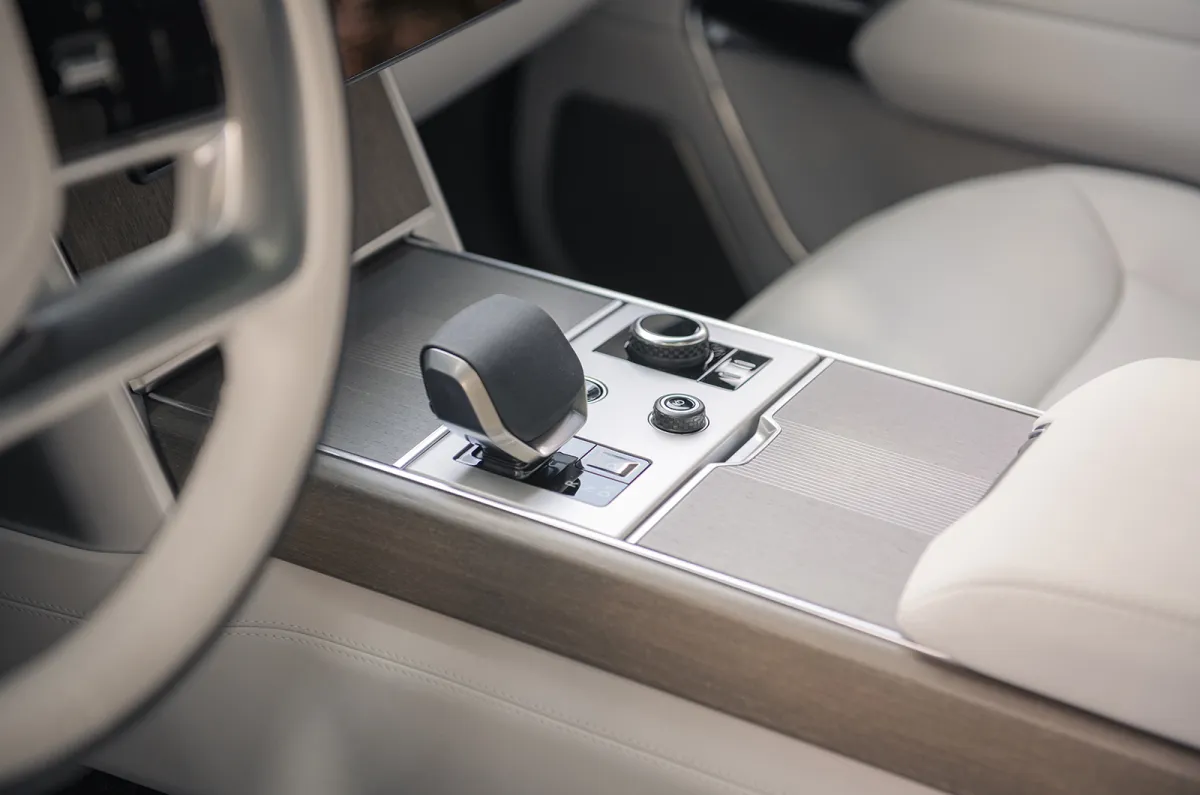
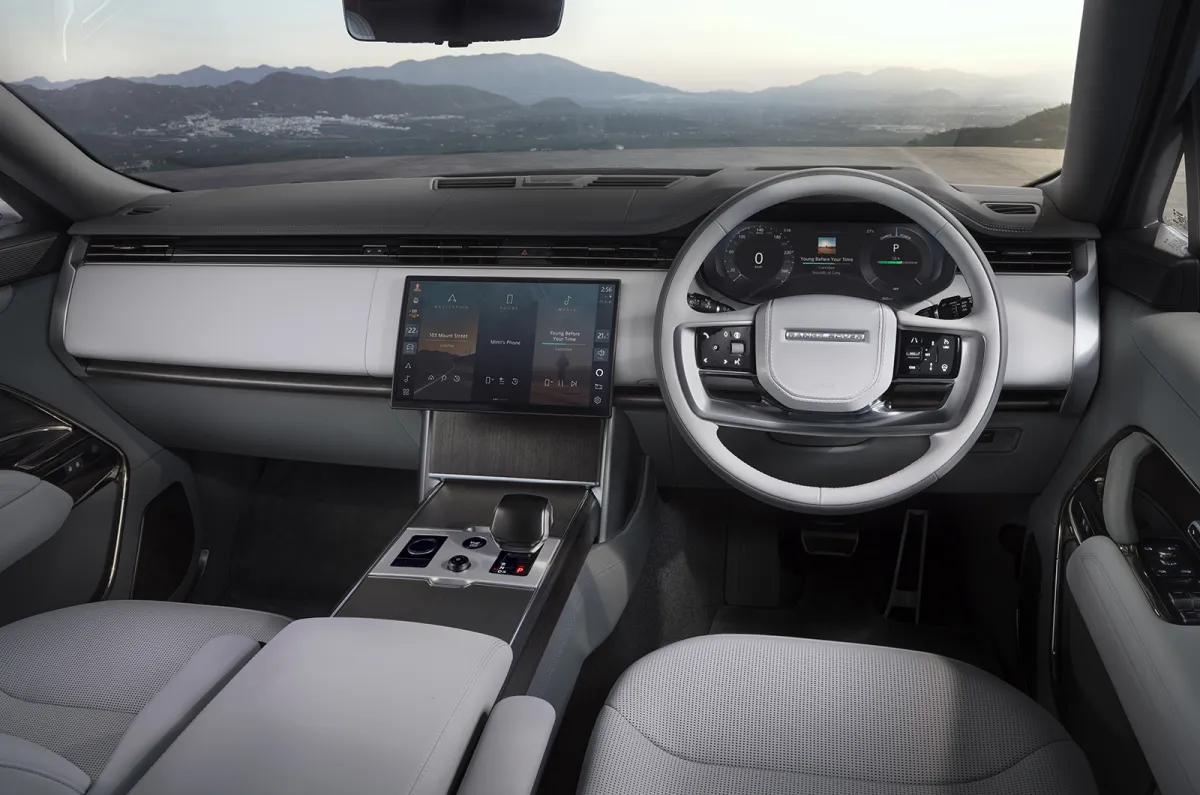
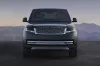
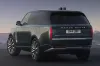
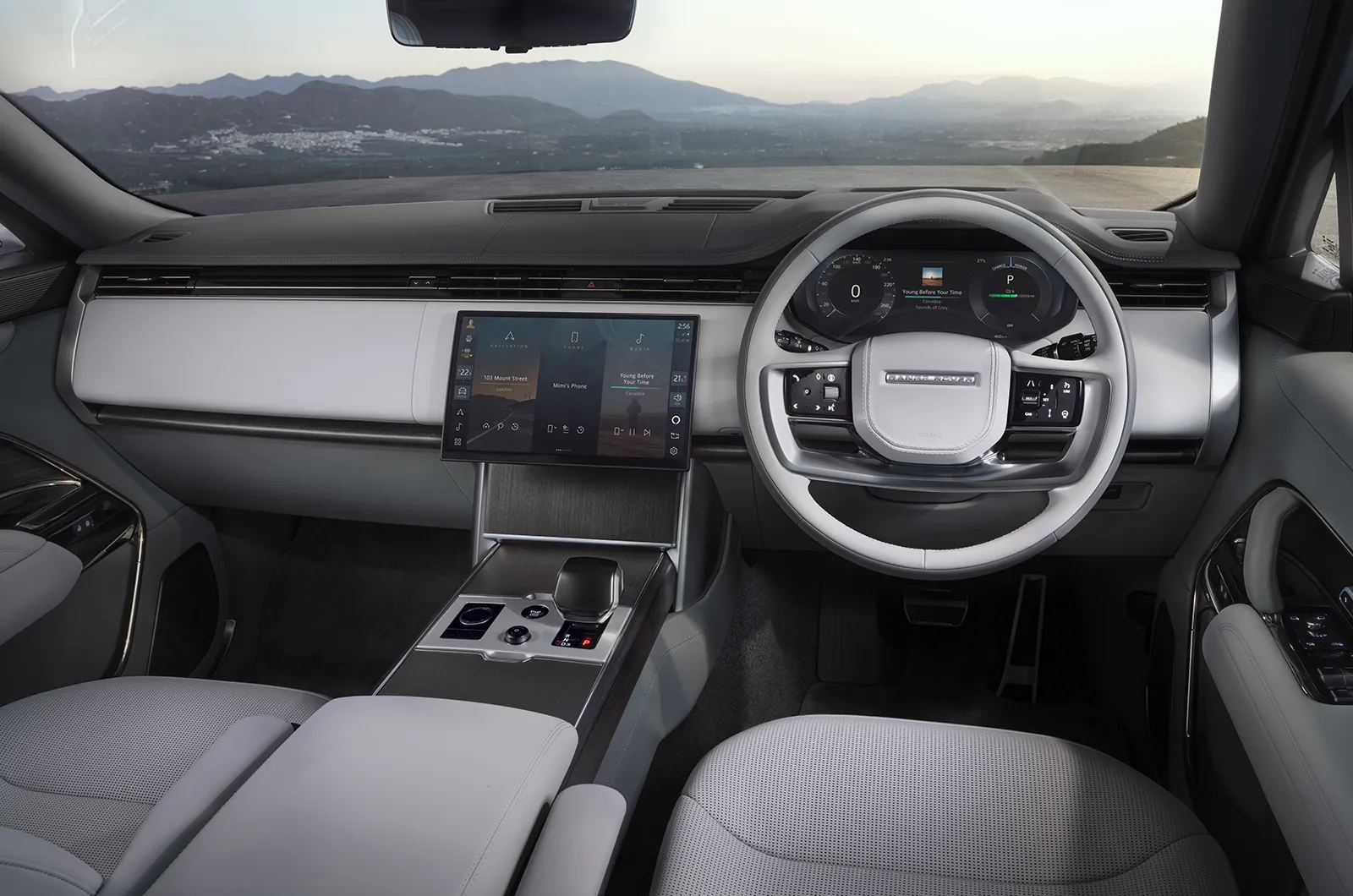
As with the exterior, which has barely changed from the petrol-powered Range Rover, the interior is very much a case of ‘if it ain’t broke don’t fix it’. You even still have the ‘S’ label on the transmission, which usually stands for ‘sport’ but now means ‘single pedal’.
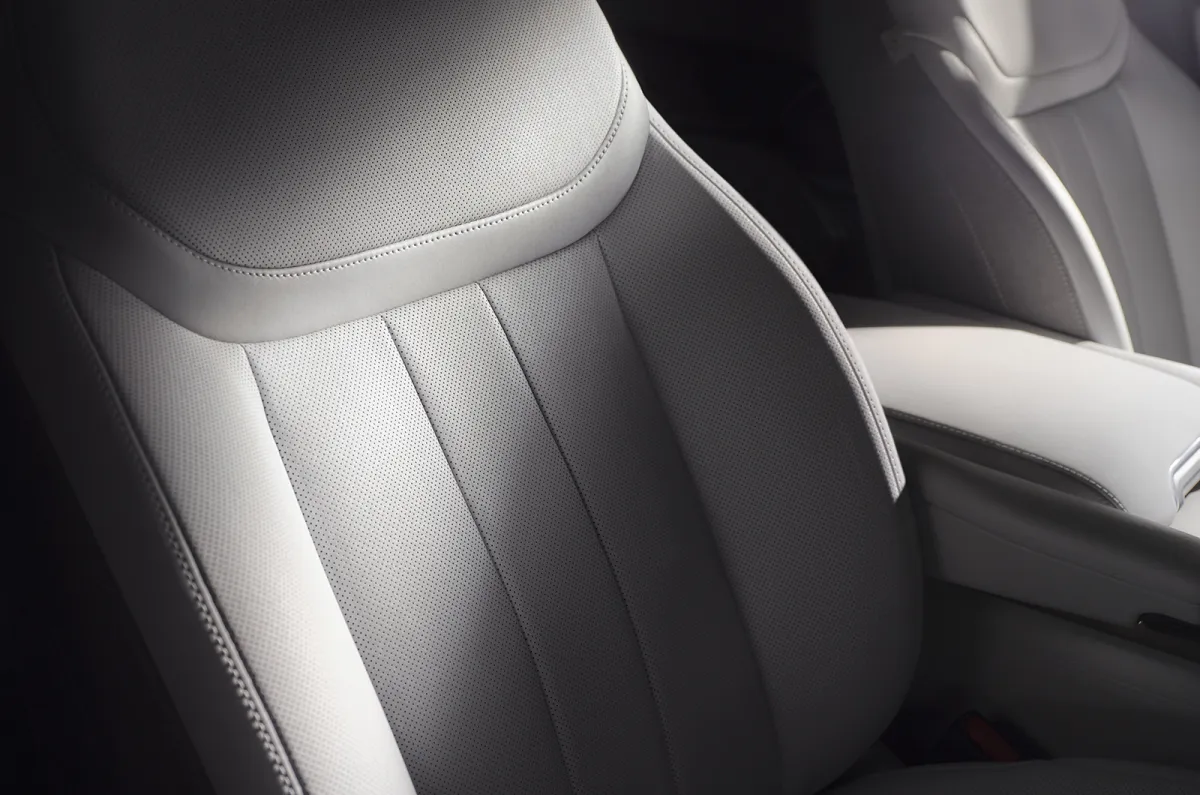
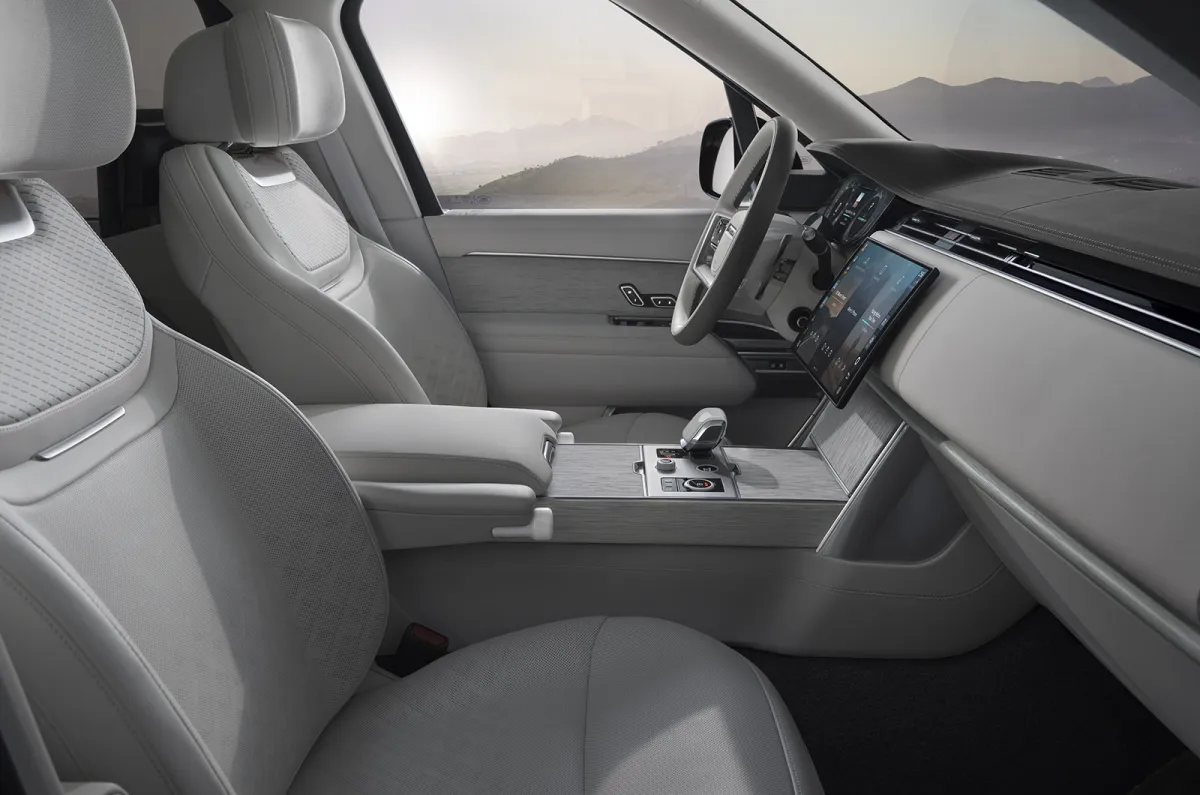
Having the same interior as other versions isn’t an issue, though. It actually means that you still get one of the plushest-feeling interiors out there, with a mixture of thick, high quality, leathers (or vegan equivalents) or wood trim on every surface.
It feels more upmarket than the Porsche Cayenne Electric’s interior. In fact, only the Bentley Bentayga offers an even more luxurious interior, but you can’t have that rival as an electric car.
Is the driving position comfortable and is it easy to see out?
You sit really high above the road, making the Range Rover Electric feel properly commanding as you drive down the road.
Better still, you’re lined up perfectly with the steering wheel and pedals. To help you easily tailor that driving position, you get 20-way electrically adjustable front seats, including adjustable lumbar support and side bolsters, as well as an electrically-adjustable steering wheel.
Thanks to the fact you’re sat high up, forward visibility is really good, as is the view out at junctions. You get massive door mirrors, blind spot monitoring and huge cut-outs in the rear pillars to help you see what’s alongside you, while the large rear window helps you to see what’s behind.
To help you park this quite frankly massive luxury SUV, you’ll likely get the same parking aids as the petrol-powered Range Rover, which means parking sensors all round and a 360-degree parking camera as standard.
Is the dashboard and infotainment system easy to use?
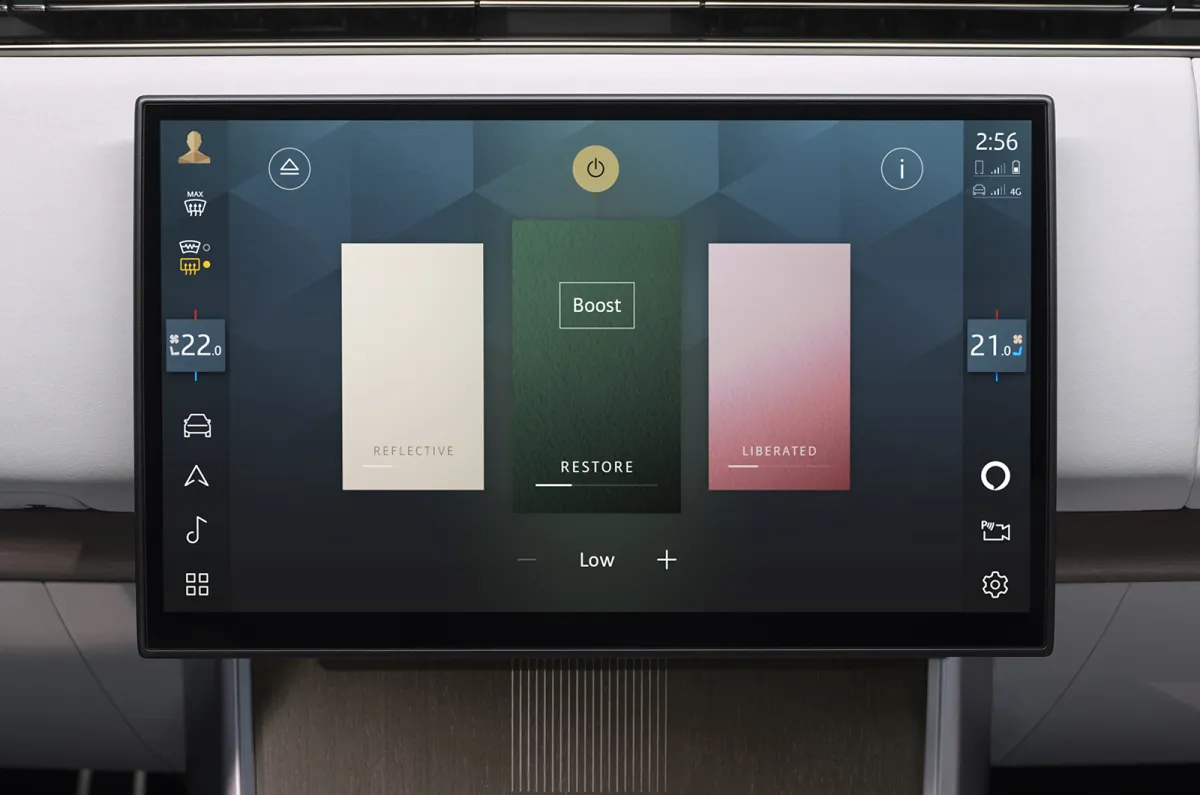
As with other versions of the Range Rover, the Electric has done away with physical controls for pretty much everything, meaning that you have to instead rely on the touchscreen or voice control to operate most functions. In fairness, that’s the same as the Porsche Cayenne Electric and Volvo EX90, though.
Every Range Rover Electric comes with a 13.1in touchscreen infotainment system, with sharp graphics, large icons and a quick reaction to all of your prods. It’s an easy system to navigate too, thanks to simple menus that are logical and intuitive. It’s arguably easier to use than the BMW iX’s system, but that rival at least gets a physical controller, making it less distracting to operate on the move.
You get plenty of standard features, including DAB radio, Bluetooth and Apple CarPlay/ Android Auto smartphone mirroring, as well as some EV-specific features, including being able to find charging stations along your route.
The other screen that you’ll find inside is the 13.7in digital driver display that sits behind the steering wheel. Like the main screen, the graphics are really sharp, so it’s easy to read all of the key info you need at a glance.
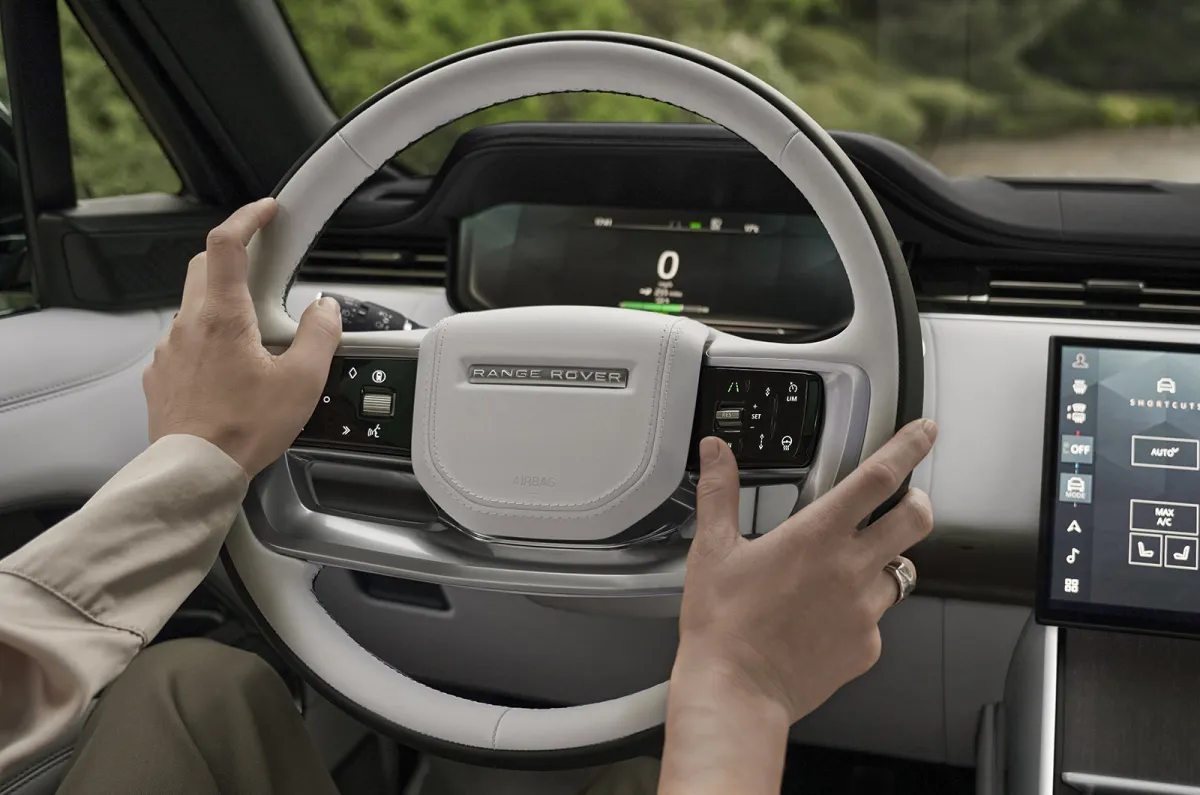
You also get a few different screens to choose from. Indeed, simply press one of the buttons on the steering wheel and you can cycle through everything from traditional dials to a fullscreen map.
I like that the Range Rover Electric has proper buttons on its steering wheel, including one that allows you to easily turn off the lane-assist and traffic sign bongs.
Tips & Advice
Passenger & boot space
How it copes with people and clutter
Strengths
- Loads of interior space
- Big boot
- Long wheelbase has loads of rear leg room
Weaknesses
- No seven seat version
How much space does it have for people?
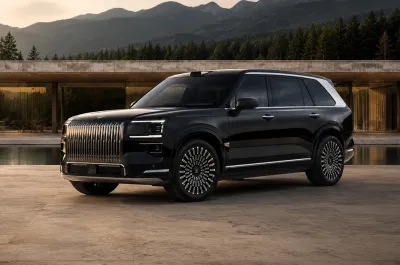
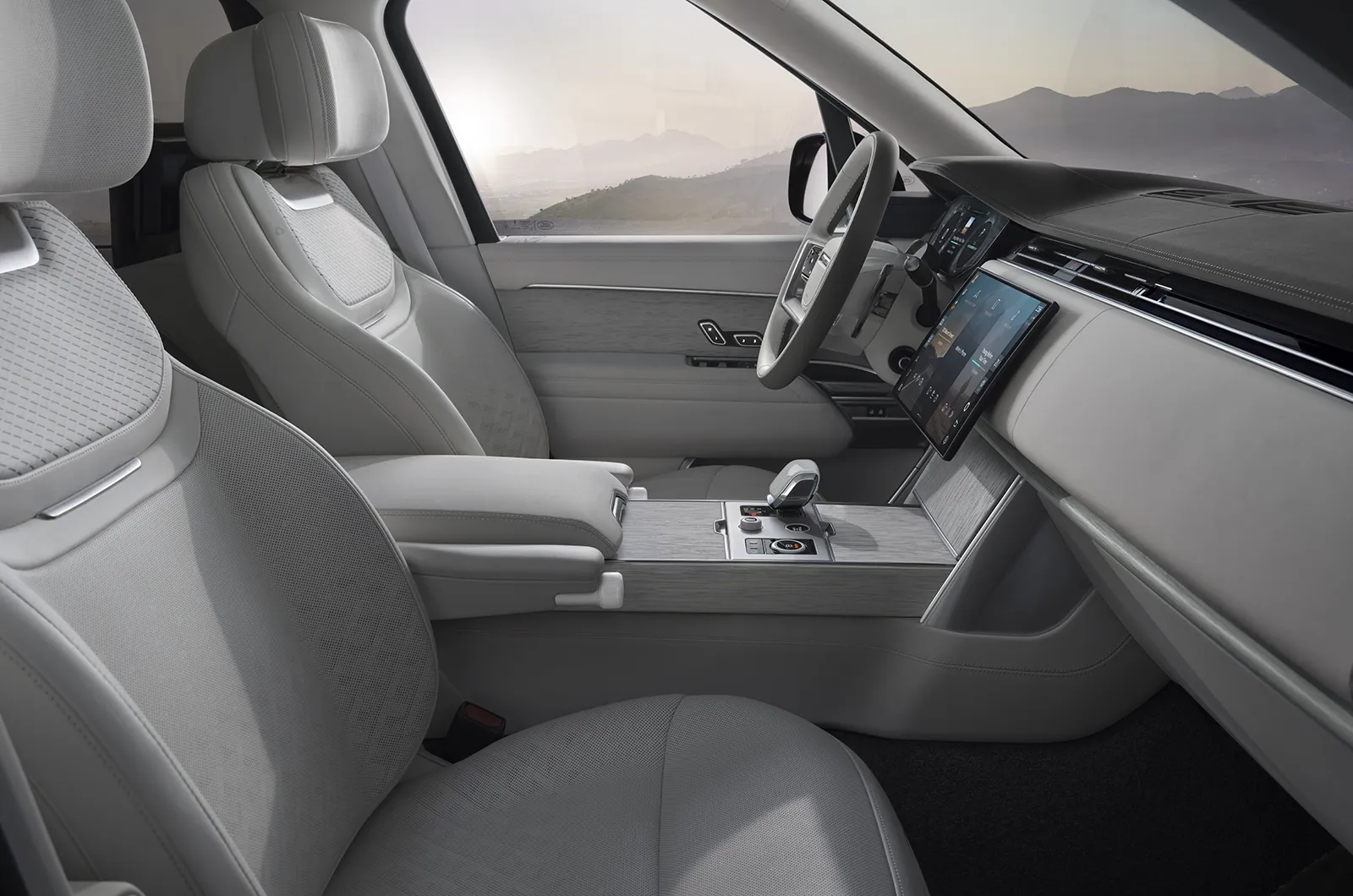
As you can probably tell from the pictures, the Range Rover Electric is a really big SUV, so it probably isn’t all that surprising that there’s loads of space inside. Even if you’re over six-feet tall and as broad as a rugby player, you won’t have any issues fitting in the front or with your shoulders rubbing against your front seat passenger.
Despite the battery being underneath the floor, it hasn’t lost any space, so equally tall people will have loads of head and leg room in the rear, allowing them to spread out - especially if you go for the Long Wheelbase version. We’re yet to try the Short Wheelbase version of the Range Rover Electric, but our experience with the regular car means that we still doubt you’ll have any issues if you’re over six-feet tall.
No matter which you go for, you’ll be able to fit three adults across the rear without any issues, the Range Rover Electric’s width ensuring that everyone has enough shoulder room. There’s a slight transmission tunnel for the middle seat passenger to straddle (which is filled with electrical gubbins), but it’s so wide that they’ll be able to comfortably place their feet on it.
The main downside to the Range Rover Electric is that, like the plug-in hybrid (PHEV) version, you can’t have it with seven seats.
How much room does it have for luggage?
Boot space is exactly the same as any other Range Rover, meaning that you have 818 litres of space available. In more relatable terms, we managed to fit 10 carry-on sized suitcases into the boot of the standard Range Rover, making it one of the largest boots we’ve tested.
Better still, the opening is really big and the boot a good shape, making it easy to load items in. There’s also no load lip, making it easy to lift heavy items in – you can even lower the air suspension by pressing a button in the boot to make it even easier.
Like other versions, you still get a split tailgate, and both parts are electrically-operated as standard, making it easier to open them when you have your hands full.
If you need to load long items into the boot, you can split the rear seats in a 40/20/40 configuration, allowing you to feed long items through from the boot without sacrificing one of the outer rear seats. As with the air suspension trickery, you can fold those seats using buttons in the boot.
While you don’t get physical controls in the front of the Range Rover, I like that rear seat passengers get proper rotary dials to adjust their climate control and heated/ventilated seats.
Buying & owning
Everyday costs, plus how reliable and safe it is
Strengths
- Loads of standard equipment
- Should be a cheap company car
Weaknesses
- Expensive to buy
- No reliability rating yet
How much does it cost and what equipment do you get?
The Range Rover Electric range kicks off with the Autobiography Short Wheelbase, and will cost you £154,070 (the starting price at the top of this review is for the Range Rover line-up as a whole). That’s a whole lot of money and we’d advise you to also look at cheaper but very plush rivals including the BMW iX before taking the plunge.
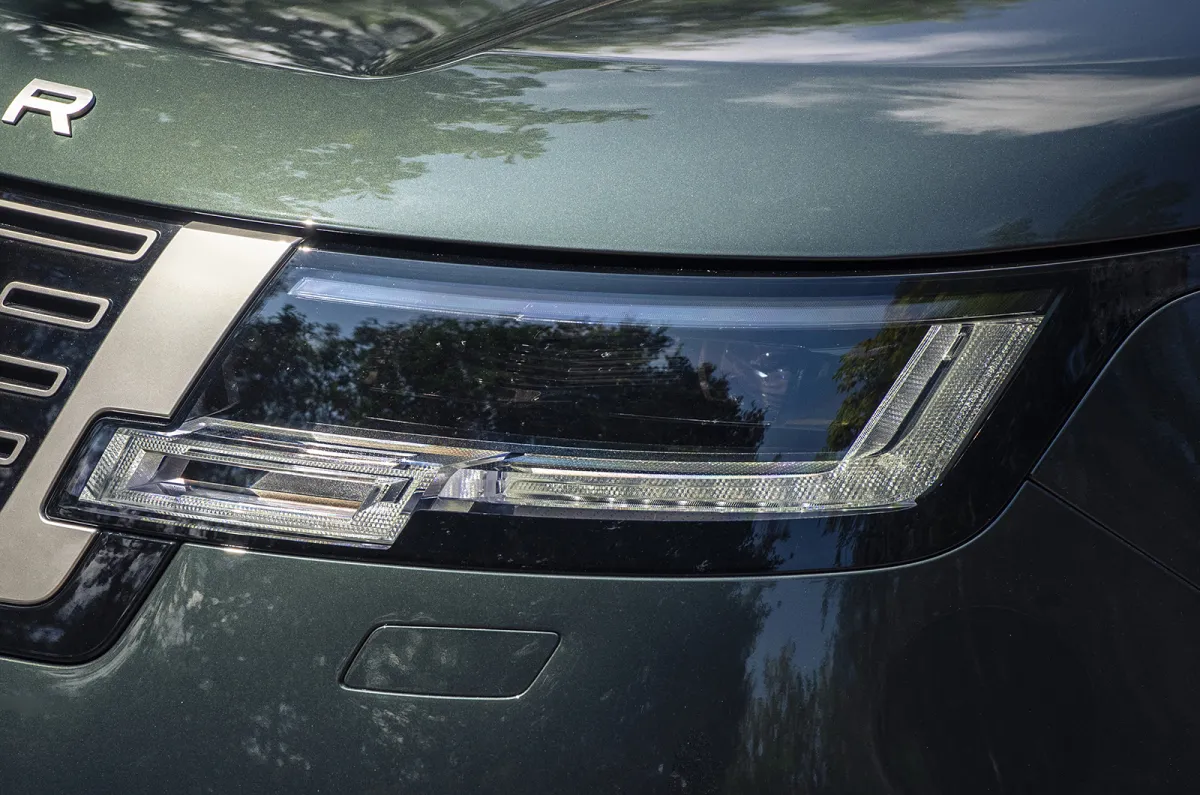
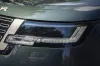
If you do, at least the Range Rover Electric comes with loads of standard equipment, including four-zone climate control, heated and cooled massage front seats, heated and cooled rear seats and matrix LED Headlights.
Ways to buy
You’ll also be able to have three SV trims with the Short Wheelbase Range Rover Electric, as well as three SV versions of the Long Wheelbase, with prices kicking off at £215,670 and heading way north of £225,240. The pricing for the top spec SV Ultra trims is yet to be confirmed, but it won’t be cheap.
Now, the Range Rover Plug-in Hybrid (PHEV) has long been a great way for company car drivers to get a really luxurious car but with low monthly benefit-in-kind (BIK) payments. This Range Rover Electric should be even better, potentially reducing those bills even more and costing way less than a petrol variant.
Is it reliable, and how long is the warranty?
We don’t have reliability data for the electric Range Rover and it’s hard to predict how it’ll be because it’s the first time the brand has made an EV.
Even so, Land Rover has a less than brilliant history when it comes to reliability – in fact, it placed 26th out of 30 manufacturers in the 2025 What Car? Reliability Survey.
Should anything go wrong, the Range Rover Electric will most likely get the same three-year/unlimited mileage warranty as all other Range Rover’s, as well as a separate warranty for its electric battery.
How safe is it, and is it easy to steal?
Being a new model, Euro NCAP hasn’t specifically tested the new Range Rover Electric just yet. But it did test the petrol-powered Range Rover back in 2022 and awarded it the full five-star rating.
That means it should be very safe, something that’ll likely be helped by the amount of standard safety equipment. Again, we don’t have a list yet, but expect AEB, lane-assist, rear-cross traffic alert and blind spot monitoring at the very least.
Buy it if...
- You want a really comfortable electric SUV
- Having lots of interior space is a priority
- You’re after an electric SUV that’s really luxurious
Don’t buy it if…
- You’re after an electric seven-seater
- Having the longest range possible is important to you
- You want an electric SUV with engaging handling
For all the latest reviews, advice and new car deals, sign up to the What Car? newsletter here
With Range Rover’s reliability track history not being brilliant, I think it’s great that (outside of the EV-specific parts) nearly everything can be directly swapped with other versions, meaning plenty of parts availability from the off.
Tips & Advice
Land Rover Range Rover alternatives
Land Rover Range Rover specifications
Best buy
RRP price range
MPG range across all versions
Available fuel types (which is best for you? )
Available colours
Number of engines (see all)
Number of trims (see all)
Warranty
Company car tax at 20% (min/max)
Company car tax at 40% (min/max)
FAQs
What is What Car? best price?
The What Car? best price shows you the cheapest way to buy your new car, whether it's by choosing an in-stock car through our partner Autotrader or placing a factory order.
Available now from: £98,431
RRP from: £107,530
About our price indicator
What Car? indicative Personal lease example (subject to status)
Range Rover Electric
| Expected annual mileage | 5000 |
| Term months | 48 |
| Deposit months | 12 |
| Monthly payment | £1,261.80 |
| Initial payment | £15,141.60 |
Step-by-step
Leasing works a bit like a long-term rental. You drive it, but you don’t own it.
- Choose your car, pick your terms and apply for lease credit online
- Pay monthly rental payments for your chosen term length
- Drive it, enjoy it, then give it back at the end
What you get
When you lease with Autotrader you get all of this:
- Full manufacturer’s warranty
- Road tax and roadside assistance included
- Free returns within 30 days*
- Lower total monthly cost than PCP/HP
- No balloon payments
- Road tax included
Land Rover Range Rovers available to buy
About the writer