- NEW VW Tiguan vs Volvo XC40 review – what's the best SUV? | What Car?
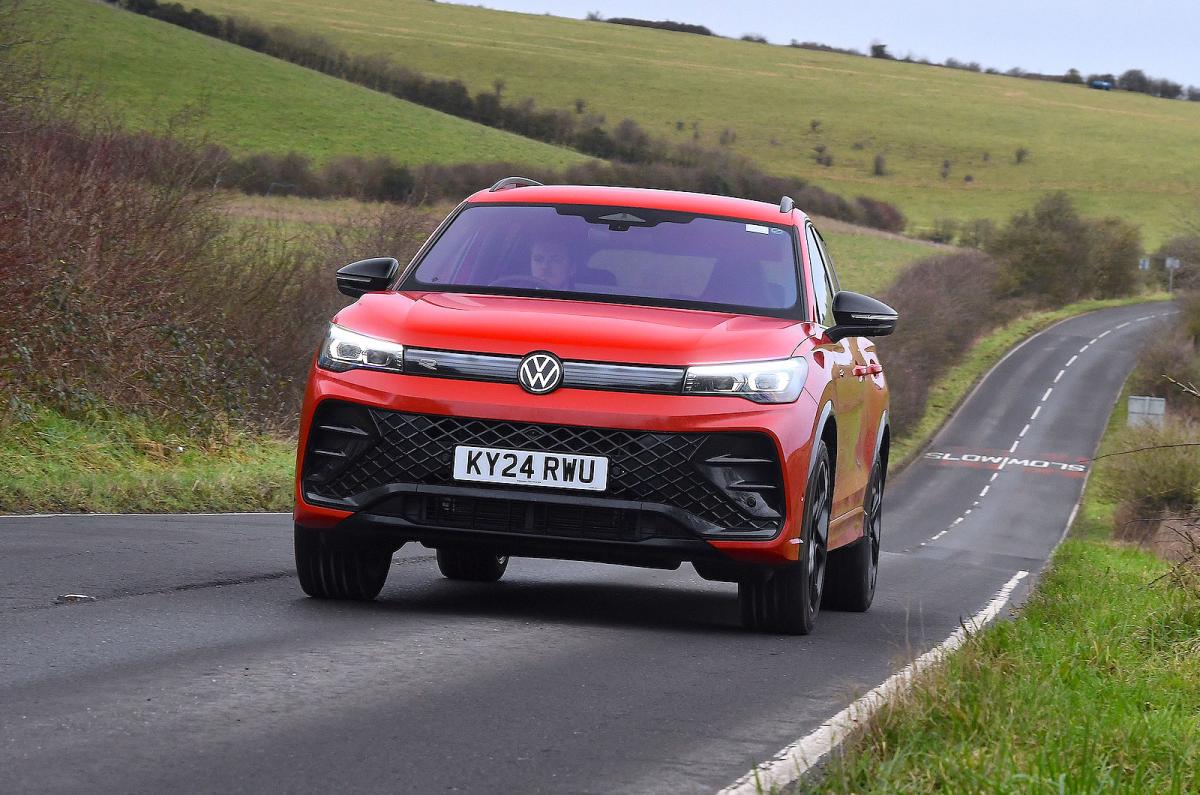
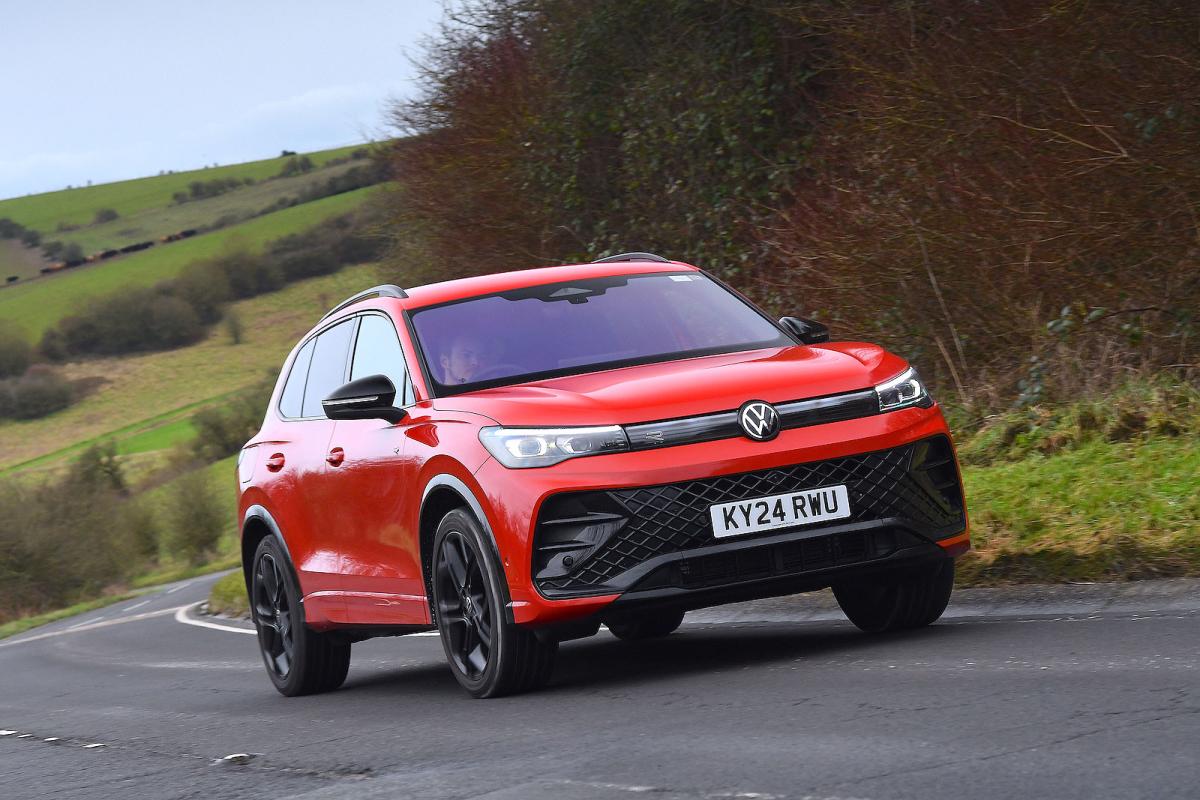
- VW Tiguan front cornering
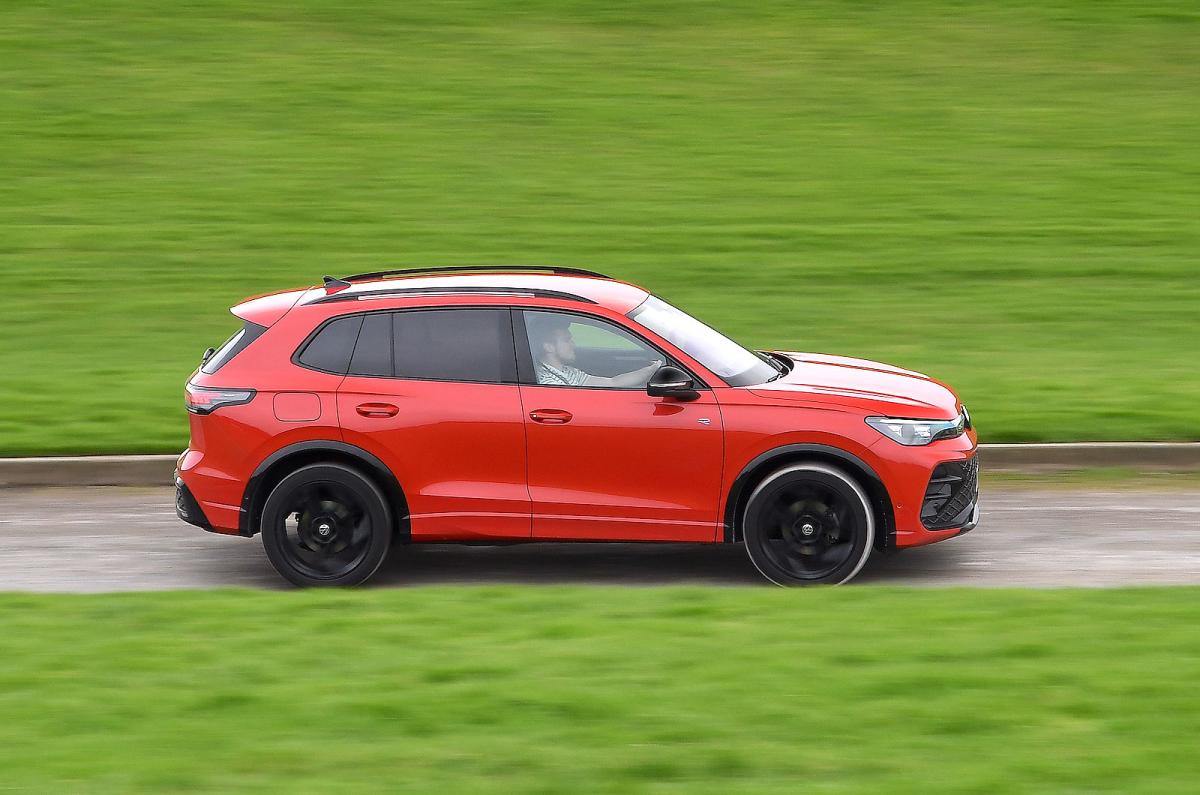
- VW Tiguan right driving
- VW Tiguan front driving
- VW Tiguan front right driving
- VW Tiguan front left driving
- VW Tiguan rear left driving
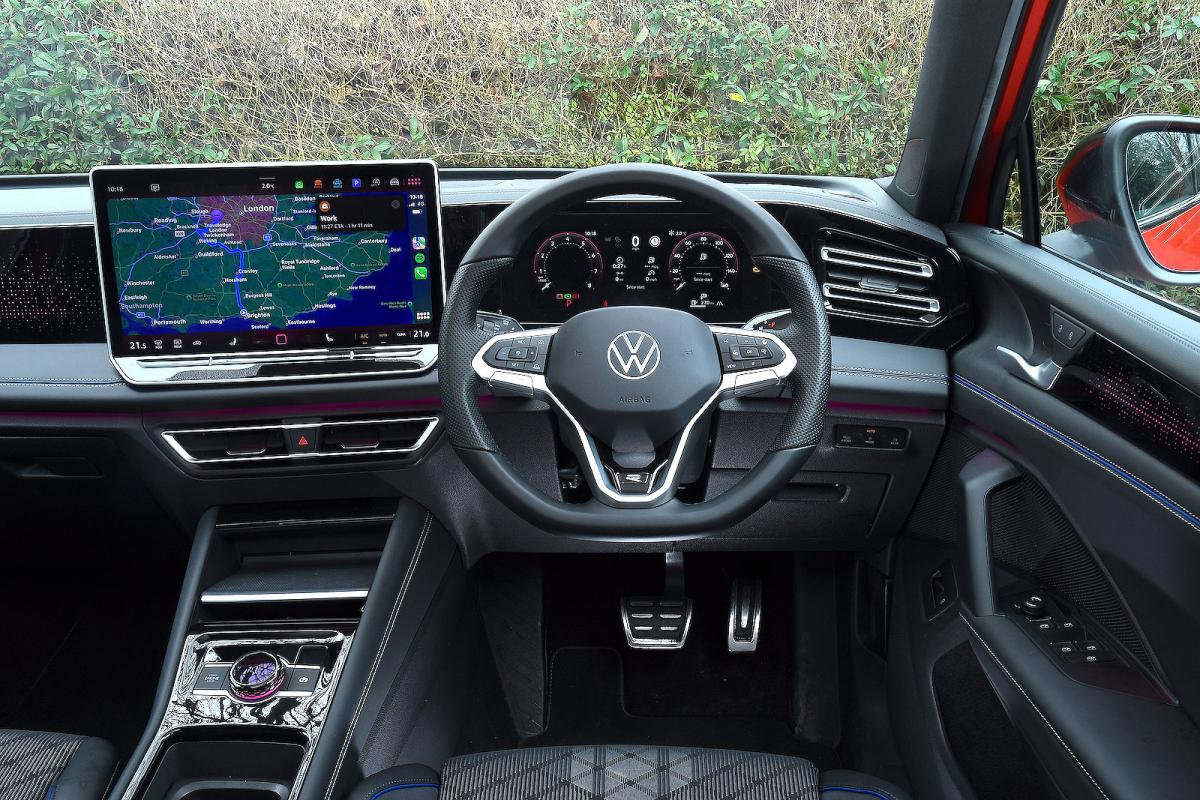
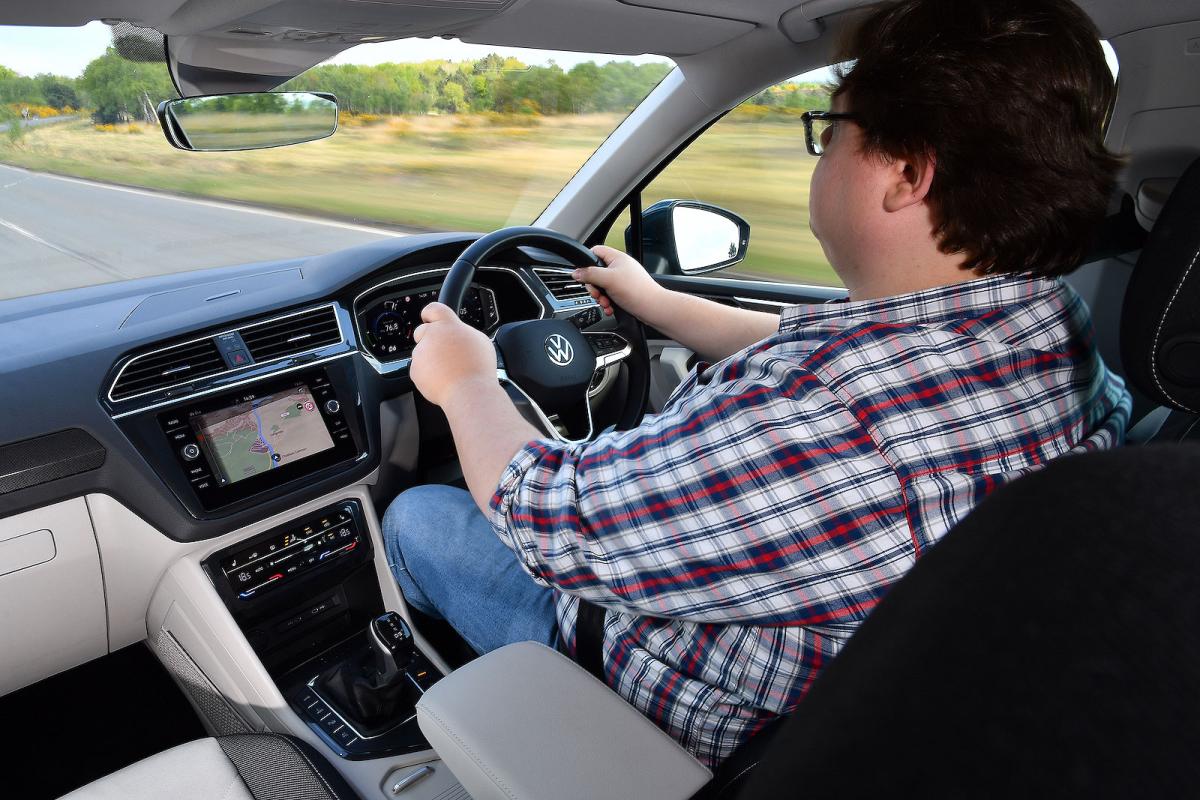
- VW Tiguan dashboard
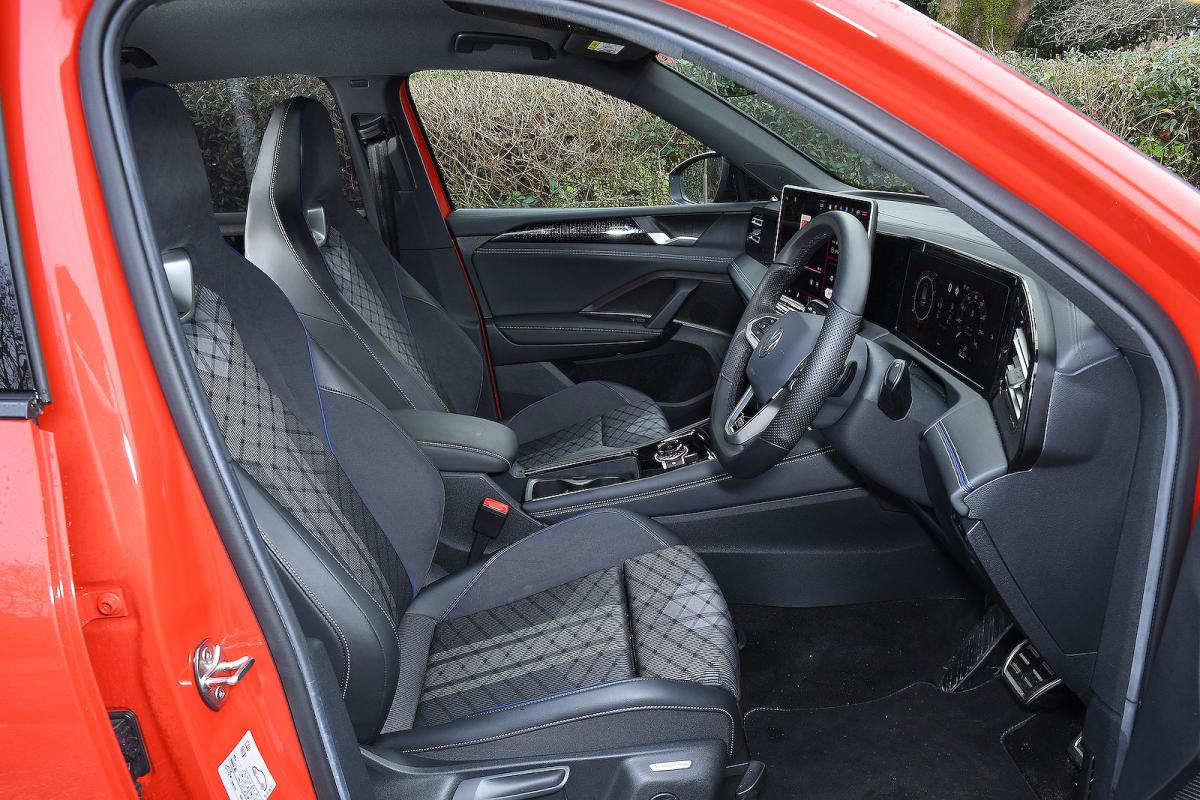
- VW Tiguan front seats
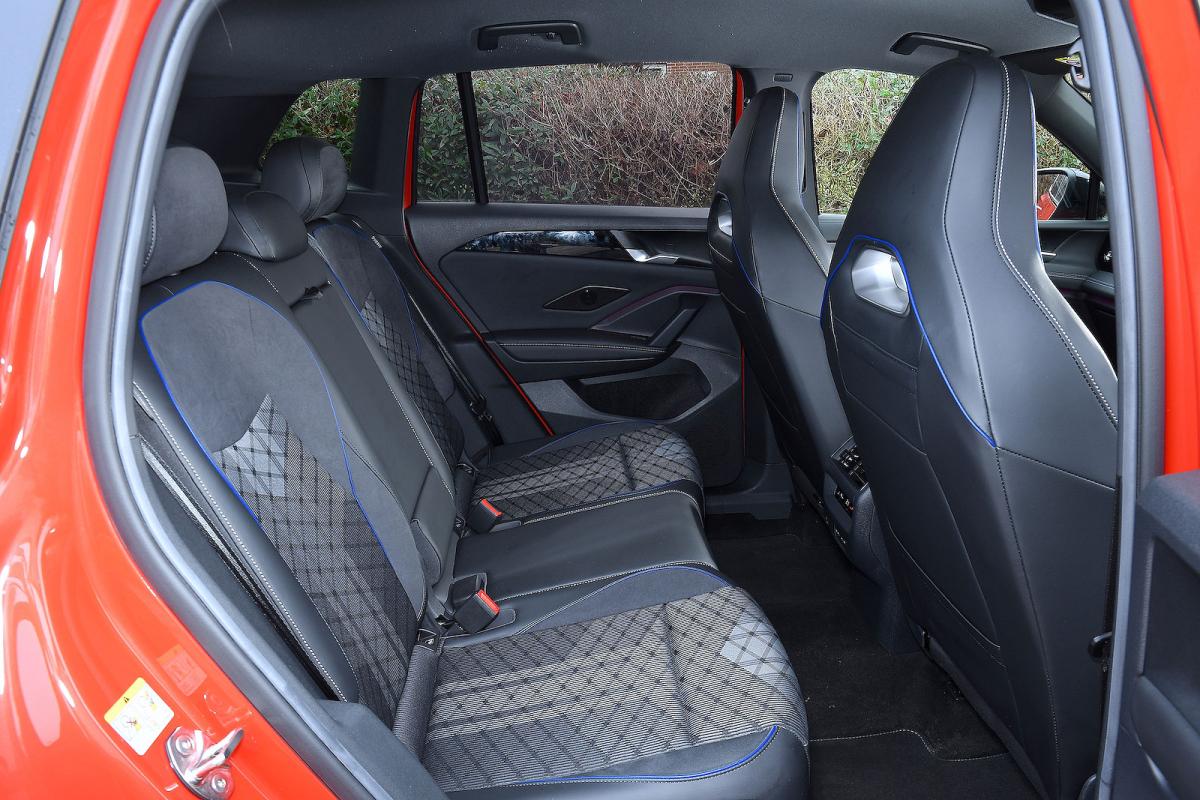
- VW Tiguan back seats
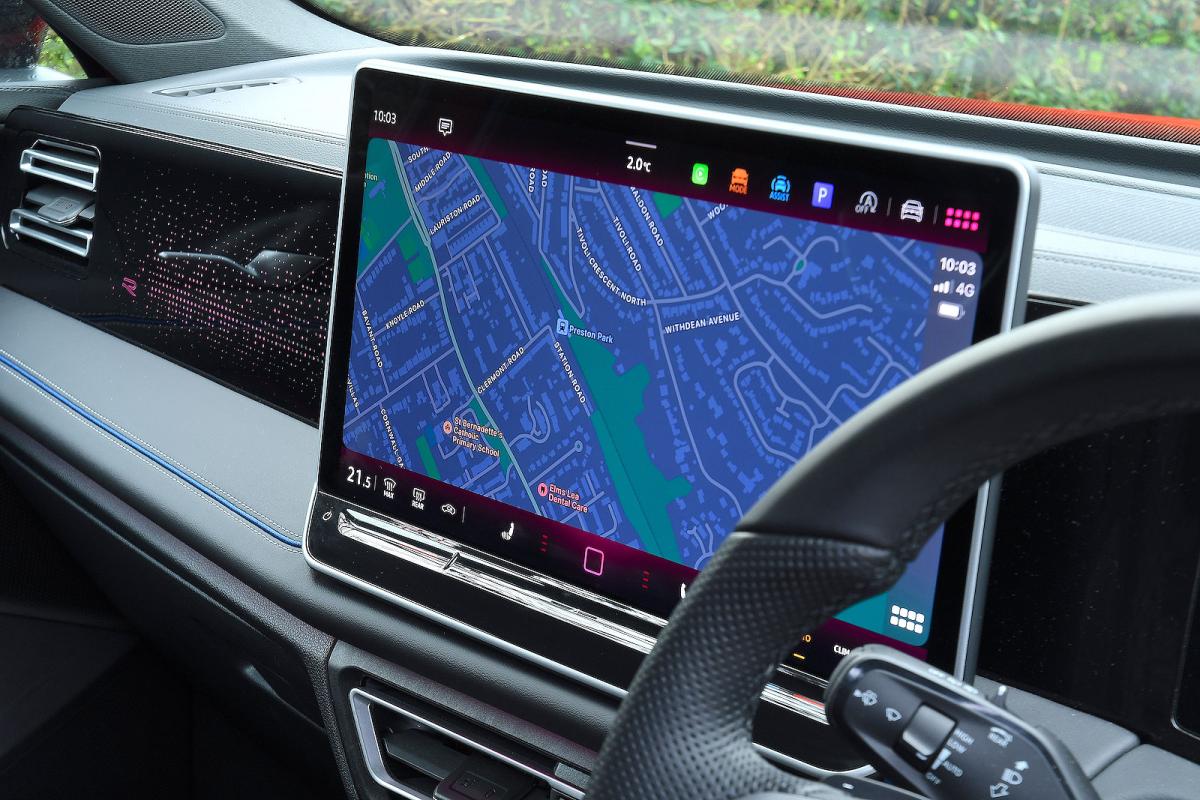
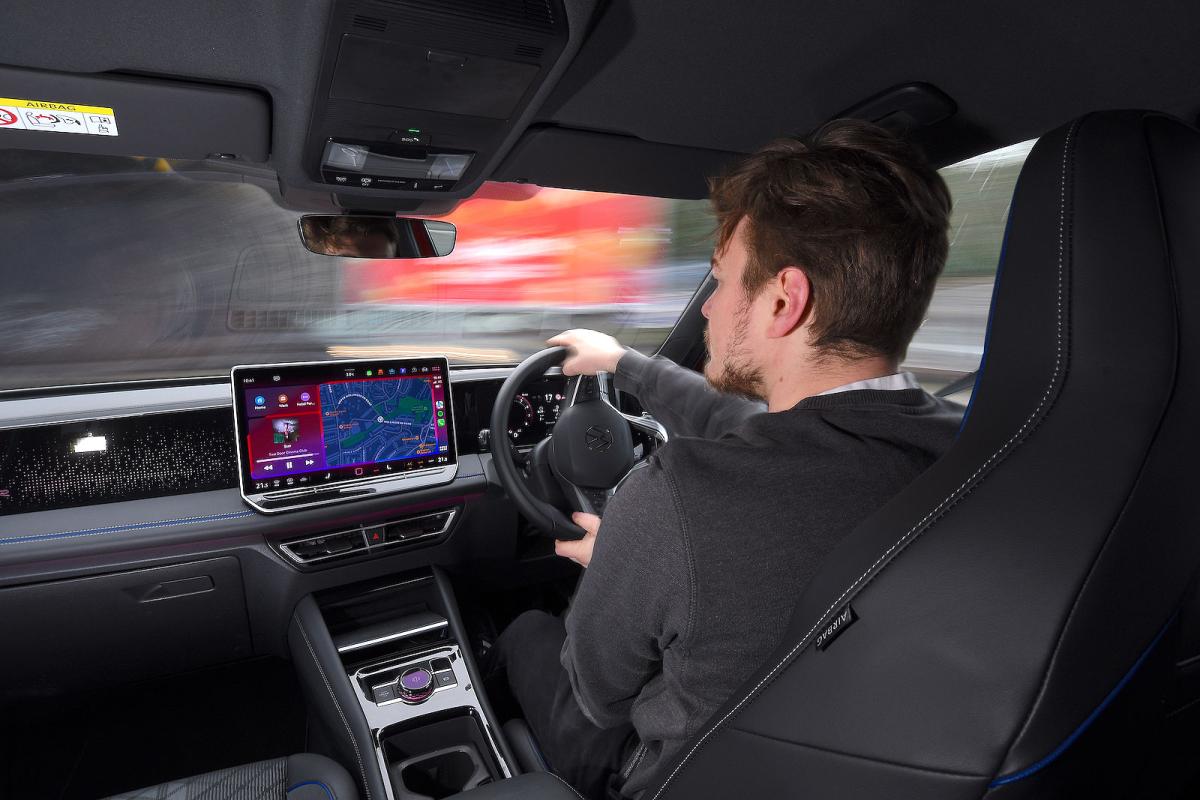
- VW Tiguan infotainment touchscreen
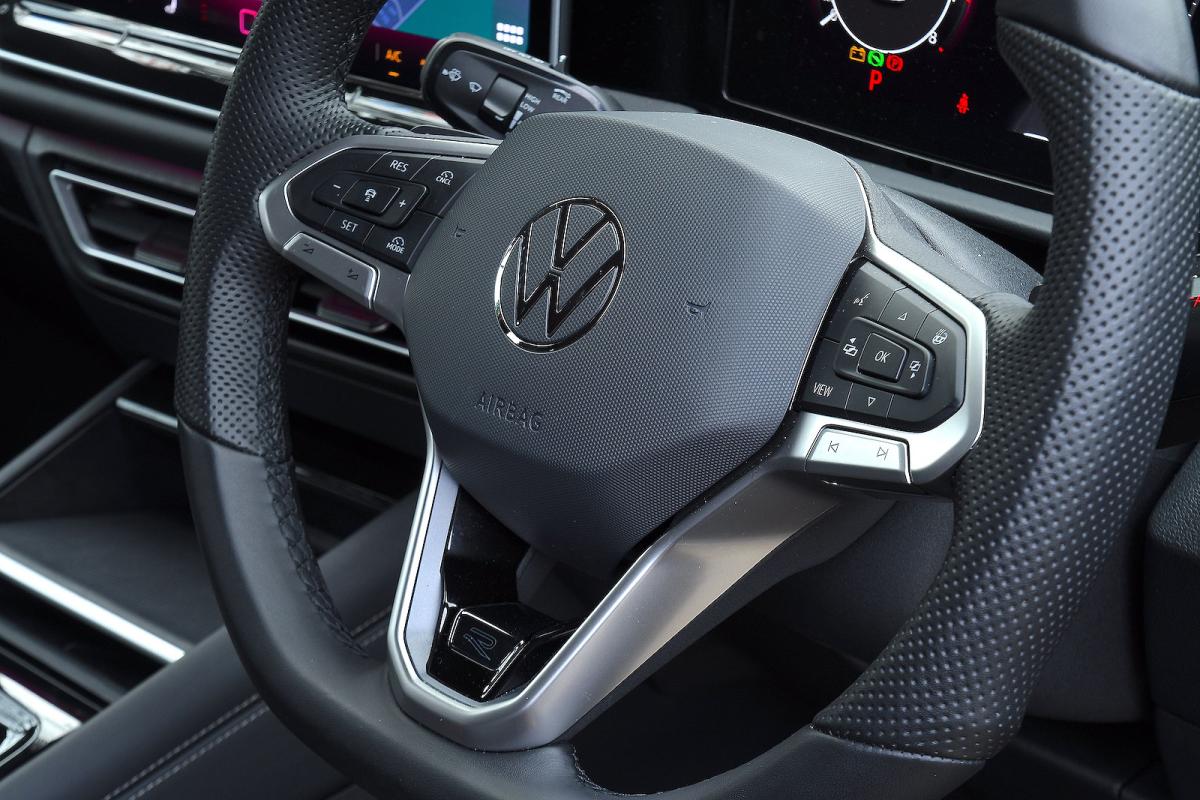
- VW Tiguan steering wheel
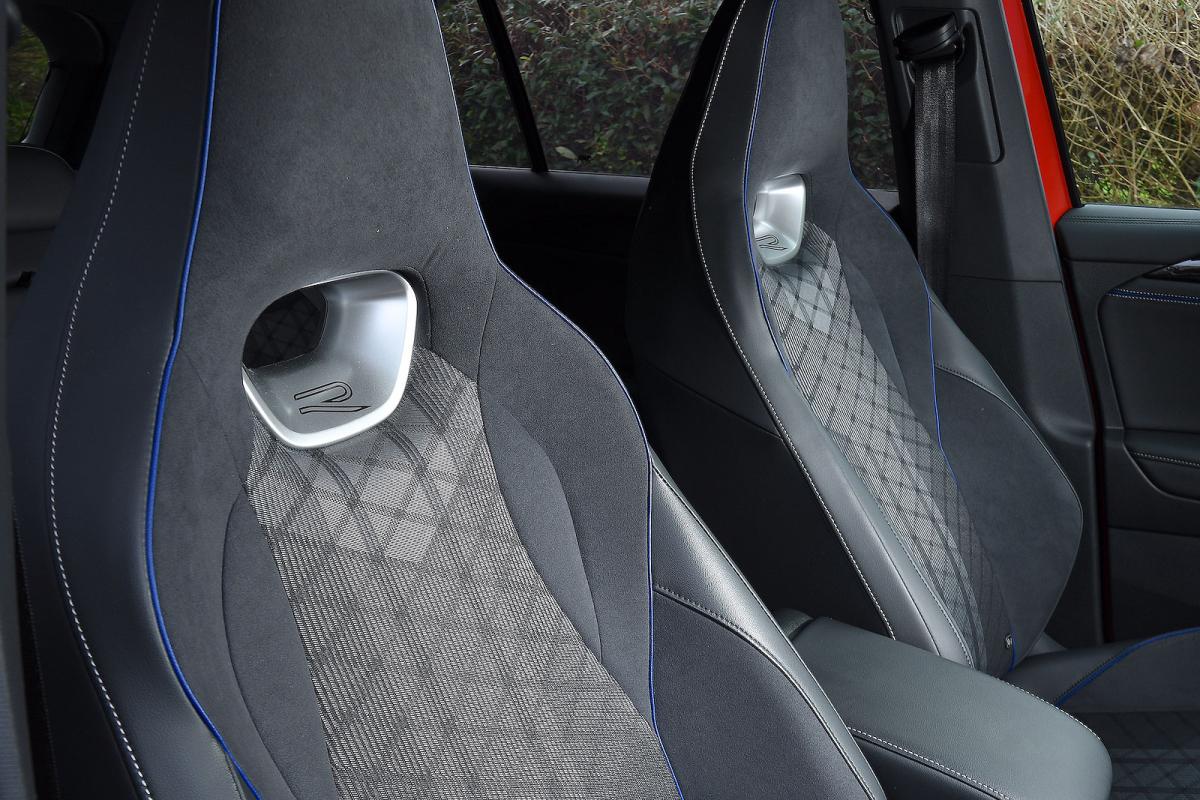
- VW Tiguan seats
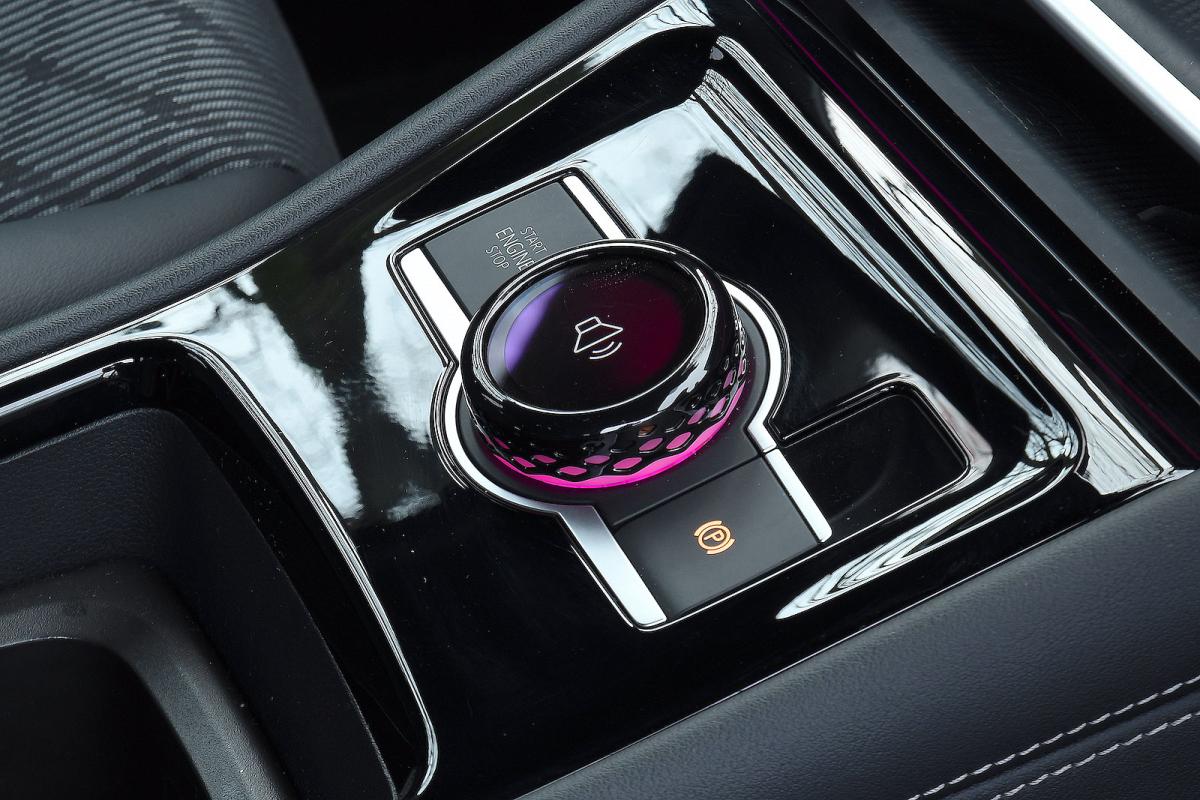
- VW Tiguan control dial
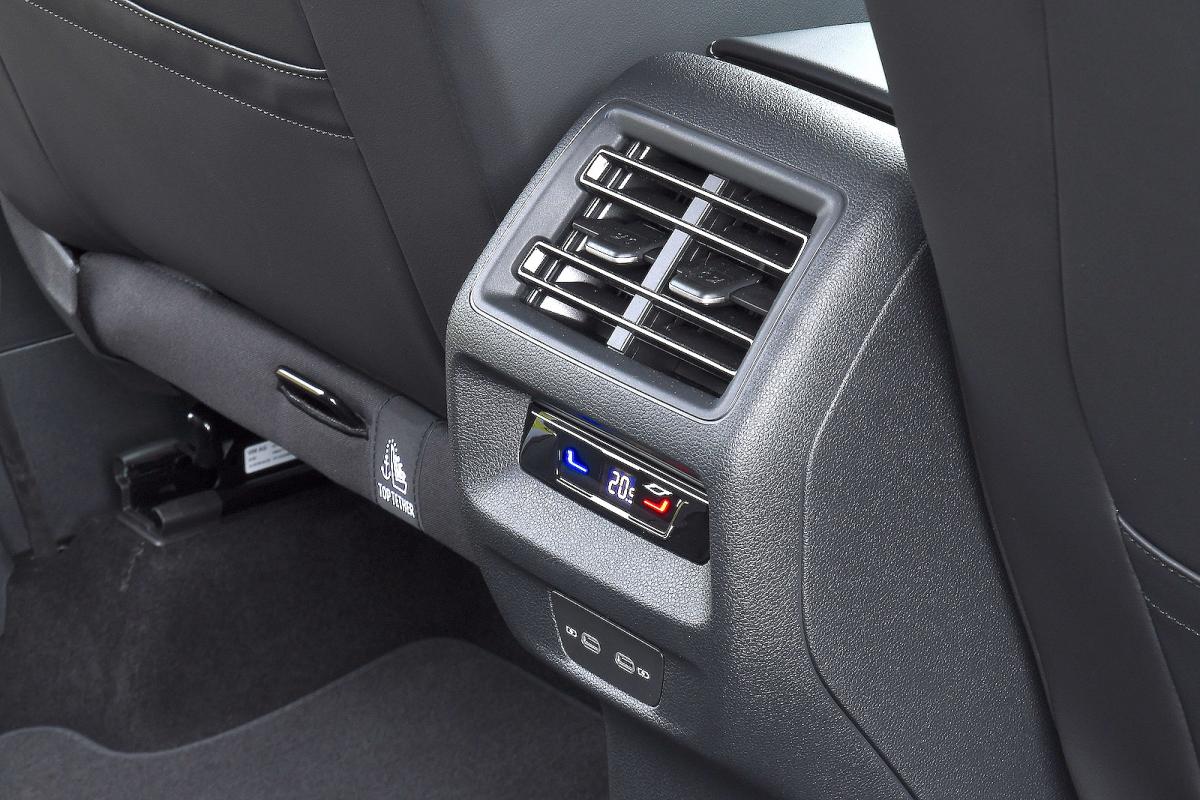
- VW Tiguan interior detail
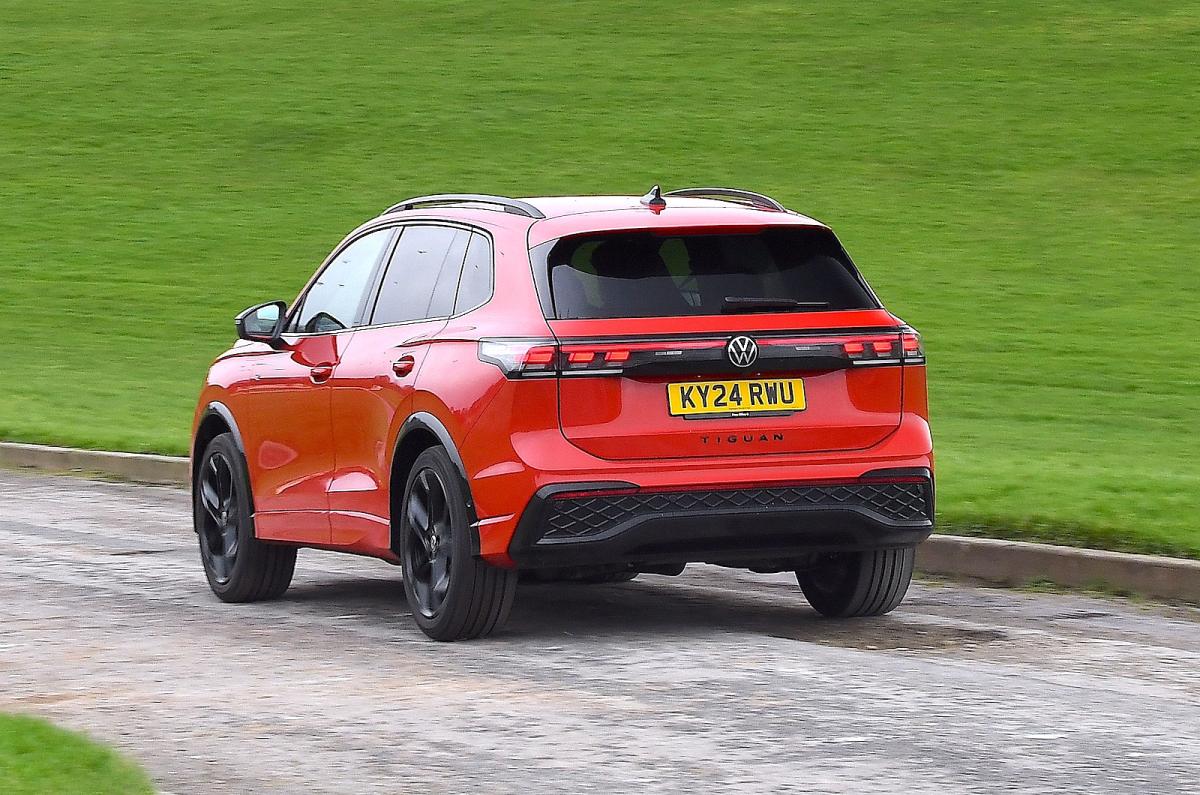
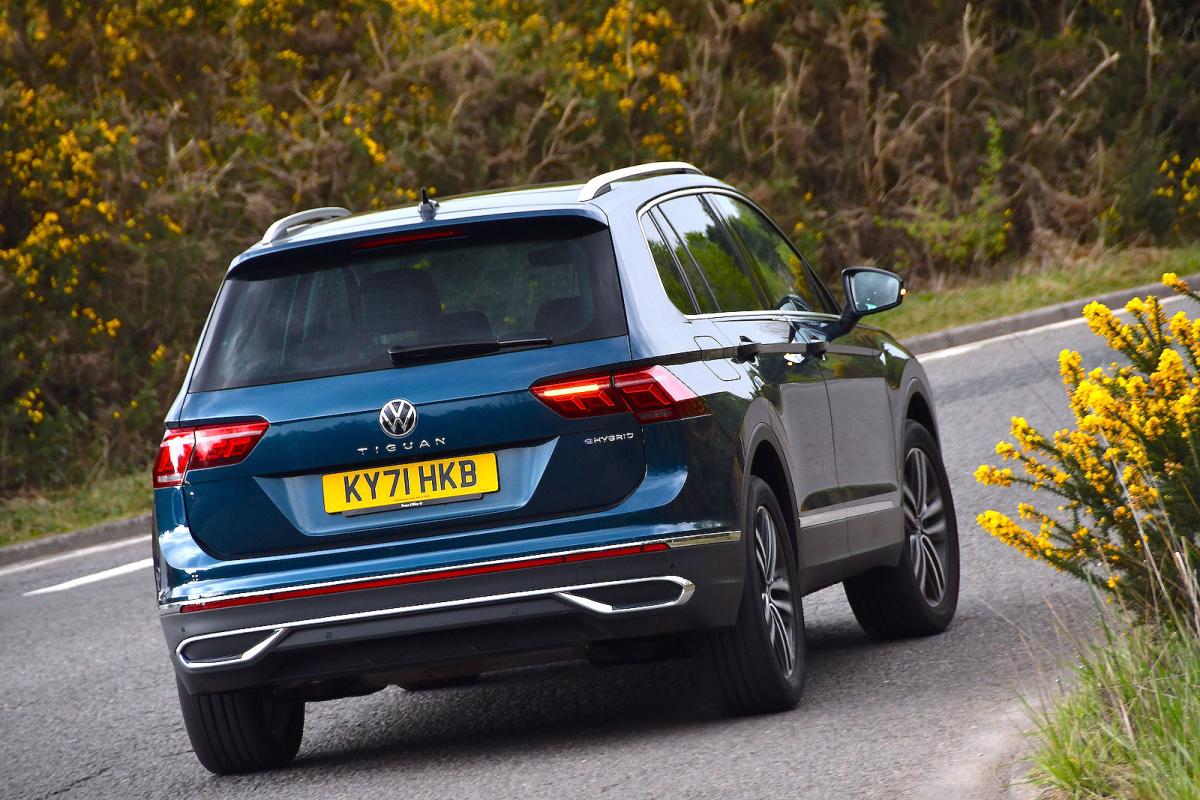
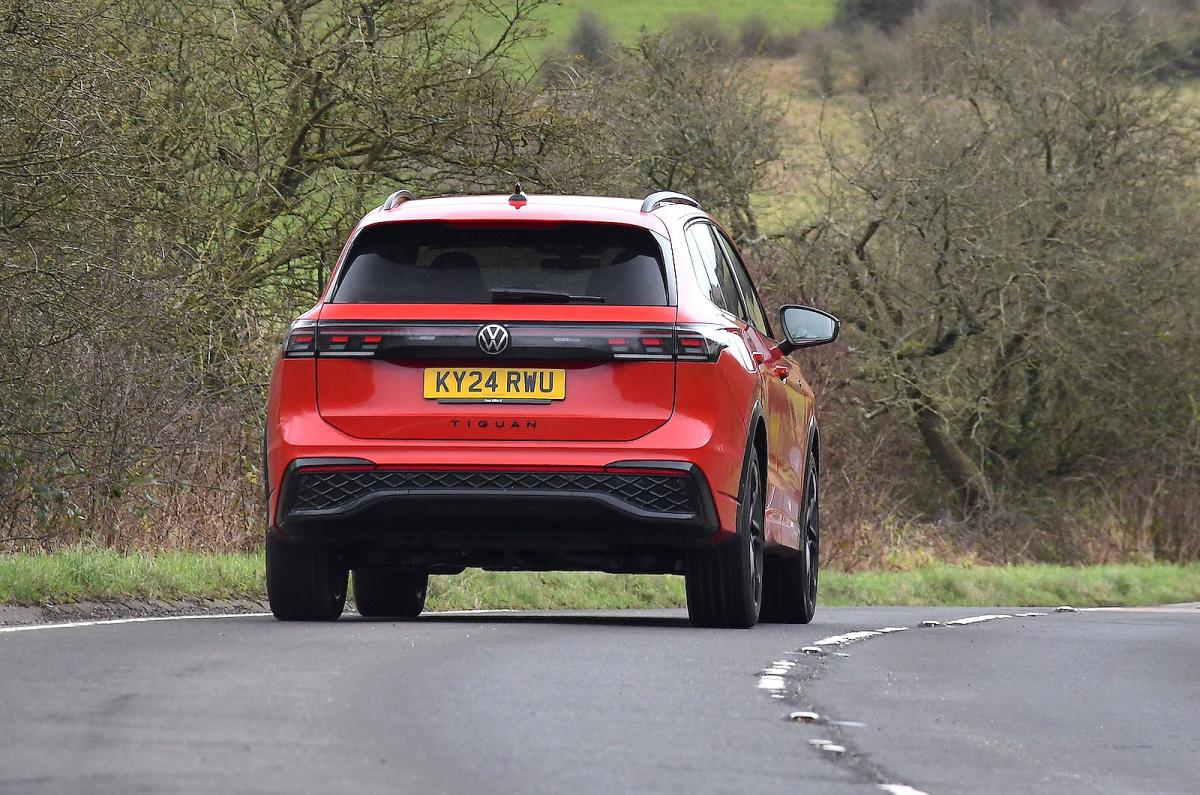
- VW Tiguan rear cornering
- Darren Moss road testing VW Tiguan
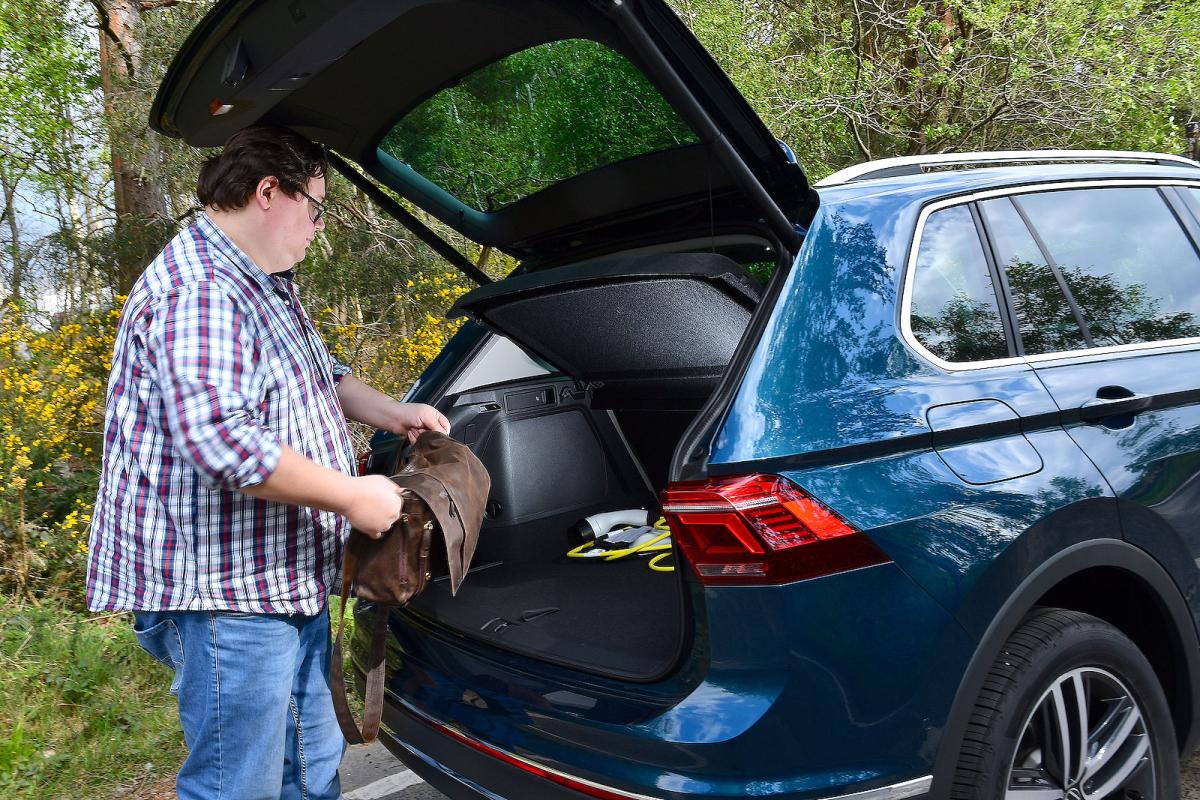
- Darren Moss loading VW Tiguan boot
- VW Tiguan rear cornering
- VW Tiguan test drive
- VW Tiguan boot
- VW Tiguan driver display



What is What Car? best price?
The What Car? best price shows you the cheapest way to buy your new car, whether it's by choosing an in-stock car through our partner Autotrader or placing a factory order.
Available now from: £30,890
RRP from: £38,920
About our price indicator
What Car? indicative Personal lease example (subject to status)
1.5 eTSI MHEV Match SUV 5dr Petrol Hybrid DSG Euro 6 (s/s) (130 ps)
| Expected annual mileage | 5000 |
| Term months | 48 |
| Deposit months | 12 |
| Monthly payment | £349.87 |
| Initial payment | £4,198.44 |
Step-by-step
Leasing works a bit like a long-term rental. You drive it, but you don’t own it.
- Choose your car, pick your terms and apply for lease credit online
- Pay monthly rental payments for your chosen term length
- Drive it, enjoy it, then give it back at the end
What you get
When you lease with Autotrader you get all of this:
- Full manufacturer’s warranty
- Road tax and roadside assistance included
- No admin fees
- Free returns within 30 days*

- Lower total monthly cost than PCP/HP
- No balloon payments
- Road tax included
Introduction
The Volkswagen Tiguan family SUV is the German brand's best-selling model worldwide, and it's a popular car here in Britain too.
It's not hard to grasp why – the Tiguan combines family-friendly practicality with a relatively upmarket image and for less money than premium-badged alternatives including the BMW X1 and the Volvo XC40 (especially if you get a good discount, which isn't too difficult).
What is What Car? best price?
The What Car? best price shows you the cheapest way to buy your new car, whether it's by choosing an in-stock car through our partner Autotrader or placing a factory order.
Available now from: £30,890
RRP from: £38,920
About our price indicator
What Car? indicative Personal lease example (subject to status)
1.5 eTSI MHEV Match SUV 5dr Petrol Hybrid DSG Euro 6 (s/s) (130 ps)
| Expected annual mileage | 5000 |
| Term months | 48 |
| Deposit months | 12 |
| Monthly payment | £349.87 |
| Initial payment | £4,198.44 |
Step-by-step
Leasing works a bit like a long-term rental. You drive it, but you don’t own it.
- Choose your car, pick your terms and apply for lease credit online
- Pay monthly rental payments for your chosen term length
- Drive it, enjoy it, then give it back at the end
What you get
When you lease with Autotrader you get all of this:
- Full manufacturer’s warranty
- Road tax and roadside assistance included
- No admin fees
- Free returns within 30 days*
- Lower total monthly cost than PCP/HP
- No balloon payments
- Road tax included
So, should you stop reading here and just go out and buy one? Well, before you do, the Tiguan will need to prove itself against the even more affordable Seat Ateca and Skoda Karoq (which are based on the same suspension and engines).
To make sure it stands the best chance, the Tiguan gets lots of trim levels and engine options, including a 1.5-litre petrol with 128bhp and a plug-in hybrid (PHEV) model, right up to a 316bhp 2.0 petrol that's exclusive to the Tiguan R sports SUV.
So, is this second-generation Volkswagen Tiguan a great buy or would you be better off with another family SUV? Read on to find out...


Pros
- Well-judged ride and handling balance
- Has a large boot and great seating flexibility
- Roomier than many rivals
Cons
- Higher trims are as pricey as premium-badged rivals
- Option packs drive up the price
- 1.5-litre petrol engine is noisy when revved
Trims available
Performance & drive
What it's like to drive, and how quiet it is
Strengths
- Good ride and handling balance
- Well-weighted steering
- Comfy and highly customisable adaptive suspension
Weaknesses
- 1.5-litre engine is vocal when revved
- Some wind and road noise on the motorway
- Jerky brake pedal action on PHEVs
How fast is it and which engine is best?
Engine-wise, the VW Tiguan covers most bases. It also comes with an automatic gearbox as standard. The range kicks off with the two 1.5-litre petrol engines: the 128bhp eTSI 130 and 148bhp eTSI 150. They both use mild hybrid assistance to bolster performance and fuel economy, and even the least powerful eTSI 130 feels peppy. Officially it covers off 0-62mph in 10.2sec.
The eTSI 150 is quicker and our pick of the range. It managed 0-60mph in 9.0sec when we tested it. Yes, that was fractionally slower than the Volvo XC40 B3 (8.7sec) and Mini Countryman C (8.4sec) we pitted it against, but if you're happy to rev it out, there's plenty of real-world pace on tap.
The two plug-in hybrid (PHEV) models are badged eHybrid and offer 201bhp or 268bhp. Even the 201bhp model provides a good turn of speed when both power sources are combined, getting you from 0-62mph in 8.2sec. The electric motor also adds more initial zip from a standing start.
If you’d prefer a diesel engine, there's only one. It's called the 2.0 TDI 150 and has 148bhp. That’ll get it from 0-62mph in 9.4sec, so it's pretty lively and, being a diesel, has plenty of low-end grunt. If you'll be doing any towing, it's a good option.
Need something quicker? No problem. There are more powerful 2.0-litre TSI petrols with four-wheel drive: the TSI 204 with 201bhp, and the TSI 265 with 261bhp. So far we're yet to try either, but their performance isn't likely to leave you wanting – VW claims the TSI 265 sprints from 0-62mph in just 5.9sec, which is sports SUV territory.
Is it agile and is the ride comfortable?
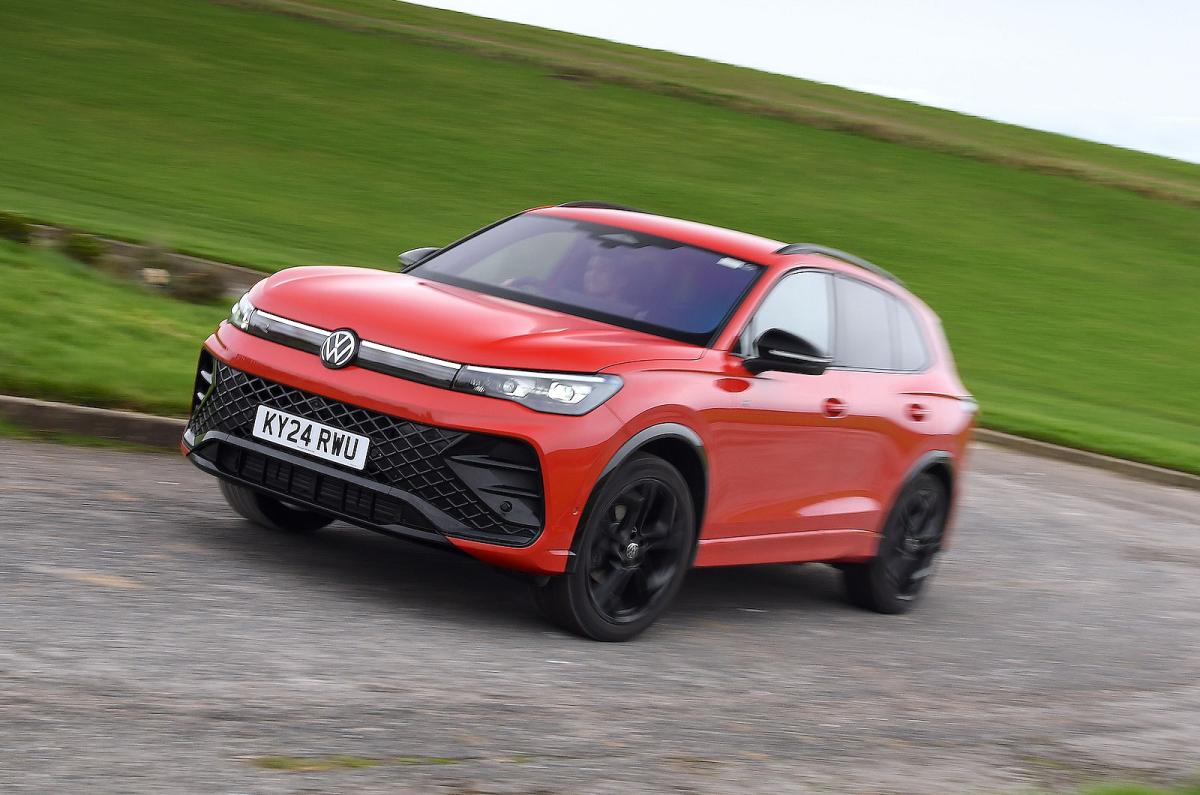
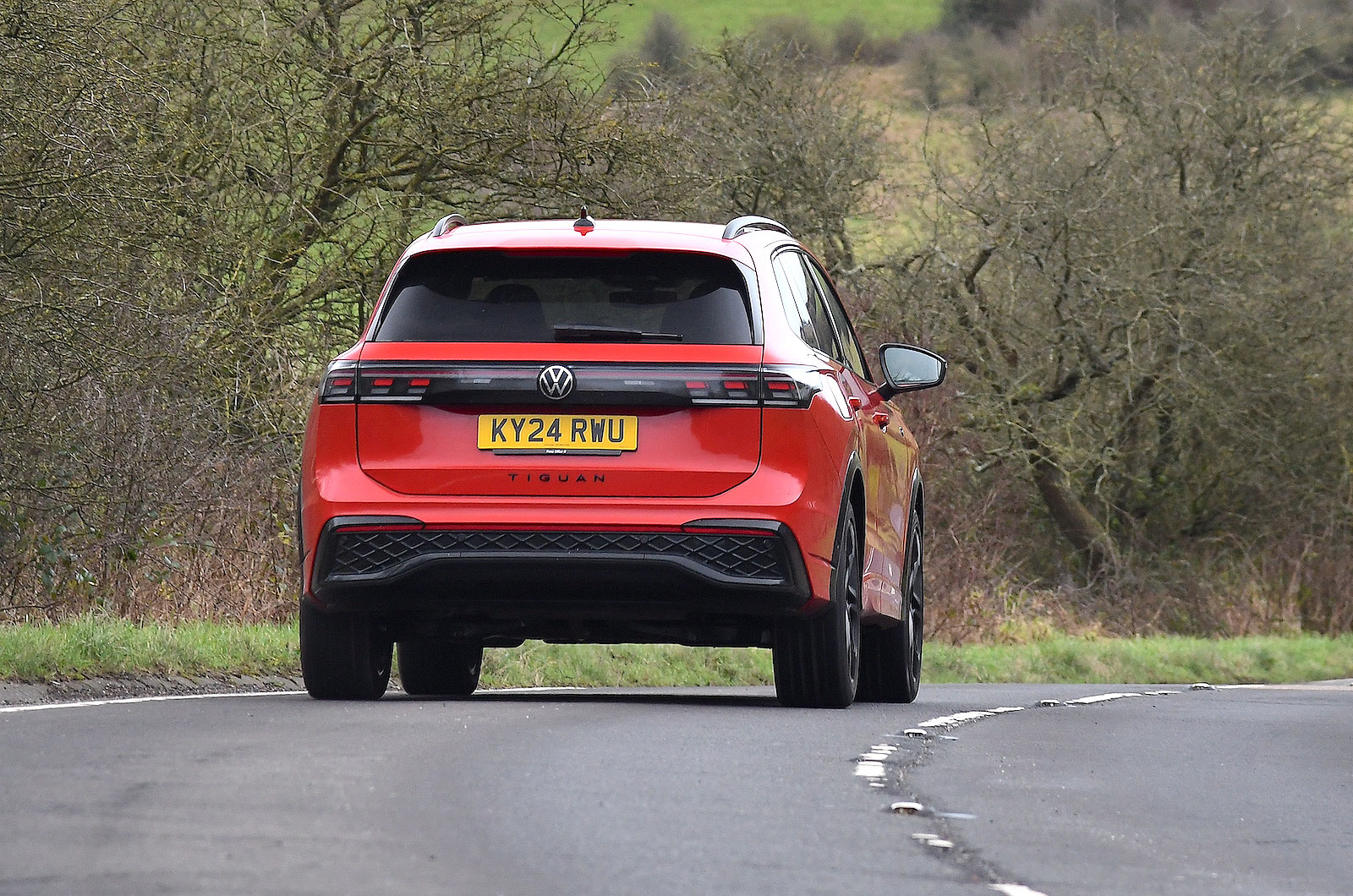
The Tiguan is pretty good when it comes to ride comfort. Yes, the standard suspension is tuned slightly towards the firmer end of the scale but it still rounds off most bumps and ruts comfortably. It's not perfect, though. There's some choppiness to the ride on faster, uneven roads. For maximum comfort in this class, you'll find the XC40's ride is a little more polished.
The Tiguan can match the XC40’s calm and cosseting ride, though – if it's fitted with adaptive suspension, called DCC Pro. This is standard if you choose a PHEV or Black Edition model, or you can add it with the optional Dynamic Driving Package on certain trims and engines. DCC Pro allows you to alter the ride stiffness in multiple increments between soft and firm. You do this using controls on the touchscreen.
In its softer settings, the Tiguan has a pliant, slightly floaty ride that’s soothing for everyday driving. For twistier sections, you can move it ever further towards the sportiest mode. Doing that takes out the floatiness, but the trade-off is a noticeably busier ride. Even so, the Tiguan still manages to smother bumps far better than a BMW X1 with adaptive suspension.
The X1 is more agile, though, and the Tiguan doesn’t have quite as much outright grip as a Countryman or XC40 when you push it hard. But we reckon the Tiguan strikes a good balance of comfort and agility, regardless of whether it's on regular or adaptive suspension. The well-weighted steering inspires confidence and its neat body control allows you to thread your way down an undulating country road at a reasonable lick. It certainly feels sharper to drive than a Nissan Qashqai or Vauxhall Grandland.
Is it quiet and how easy is it to drive smoothly?
At motorway speeds, the Tiguan generates slightly more wind and road noise than its Countryman and XC40 rivals. Also, the 1.5 petrol engines (including in the PHEV versions) are more vocal when revved hard than the equivalents in the Countryman and XC40. But that's comparing the Tiguan with two of the quietest cars in class, and, overall, it's far from grating to live with.
In terms of smoothness, the automatic gearbox changes gears unobtrusively, and if you’re thinking about a PHEV, the hybrid system swaps smoothly between petrol and electric power. However, the PHEVs regenerative brakes, which recharge the battery when you slow down, are abrupt, especially around town. The regular brakes in the non-PHEV models are much more progressive.
What’s the range and efficiency like, and how quickly can it charge?
Both PHEVs have an official electric-only range of around 75 miles, which is competitive. You’ll be hard pushed to achieve that in the real world, mind, but around 55 to 60 miles of running before the petrol kicks in should be possible, which is still impressive.
For the best efficiency, you do have to keep the battery charged, otherwise you’ll be mainly using the petrol engine. The cheapest way to charge is at home with a cheaper overnight electricity tariff. From a 7kW home charger a full charge takes around three hours.
It’s much more expensive to charge from a public charger – the priciest fast chargers can work out costing more per mile than if you’re running on petrol. But the Tiguan can fast charge at 40kW, so a 5-80% boost is possible in fewer than 30 minutes.
“I was impressed by the sheer configurability of the Tiguan's DCC adaptive suspension. In Individual mode, there are 15 degrees of firmness to choose from.” – Will Nightingale, Reviews Editor
Tips & Advice
Interior
The interior layout, fit and finish
Strengths
- Comfortable driving position
- Good visibility
- Responsive infotainment software
Weaknesses
- Fiddly touch-sensitive ventilation controls
- Not as plush or robustly built as the best rivals
What does the interior look like and is it well made?
The Tiguan’s smart interior offers plenty of soft-touch, leather-like materials on the doors and dashboard, while gloss black and silver trim finishers add a bit of visual flair. Life trim comes with a strip of ambient lighting on the dash, while Elegance and R-Line versions have additional patterned lighting on the dash and doors. The controls and switches operate with reassuring precision.
You'll find some hard, scratchy plastics lower down on the dashboard, but they're kept away from the areas you touch regularly. Even so, upmarket family SUVs, such as the Genesis GV70 and the Volvo XC40, have classier interiors that feel slightly better screwed together than the Tiguan's – the infotainment screen, for example, creaks when you prod it.
Is the driving position comfortable and is it easy to see out?
Getting comfortable in the VW Tiguan is easy, thanks to plenty of adjustment from the seat and steering wheel. Powered, adjustable lumbar support for the front seats is standard on all trims, while Elegance trim and above include massaging seats and an adjustable seat base for additional thigh support.
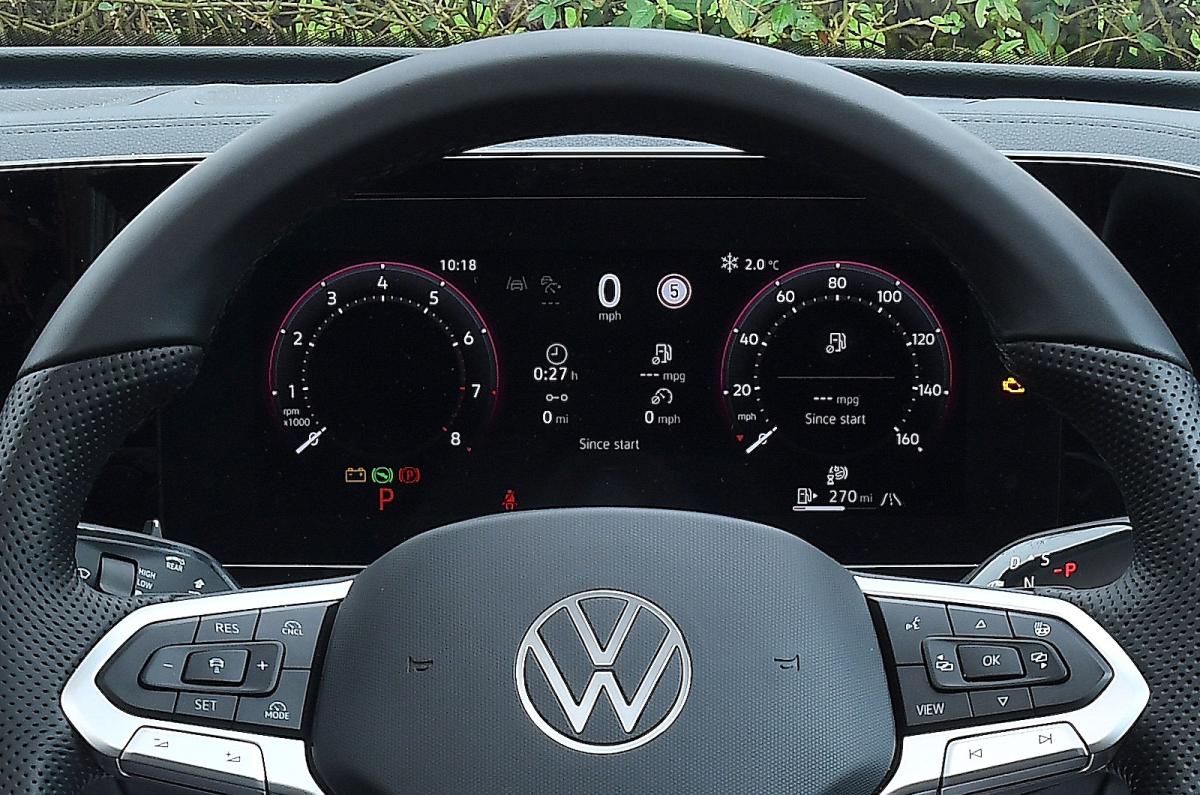
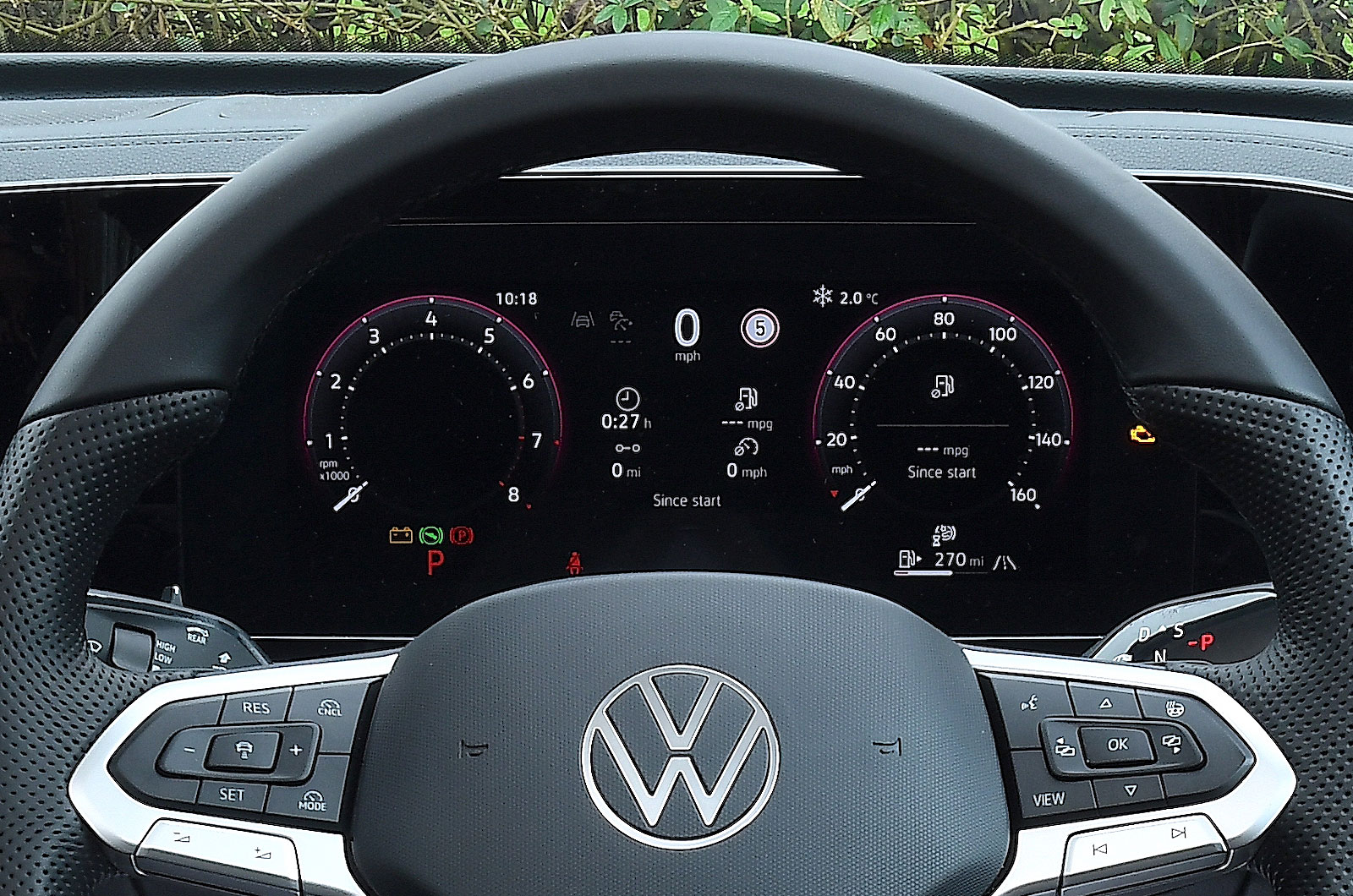
All versions come with a versatile, 10.3in digital driver's display that looks sharp and offers all sorts of useful information. The optional Infotainment Package Plus adds a head-up display.
The Tiguan gives you a great view out of the front, while large side windows and relatively slim rear pillars help provide a clearer over-the-shoulder view than you get in a Volvo XC40. To make parking a doddle, all versions come with front and rear parking sensors, as well as a rear-view camera. Elegance trim improves that to a 360-degree camera.
Every version comes with bright LED headlights, while Black Edition gets an upgrade to Matrix LED headlights. They can stay on main beams more often without dazzling other drivers.
Is the dashboard and infotainment system easy to use?
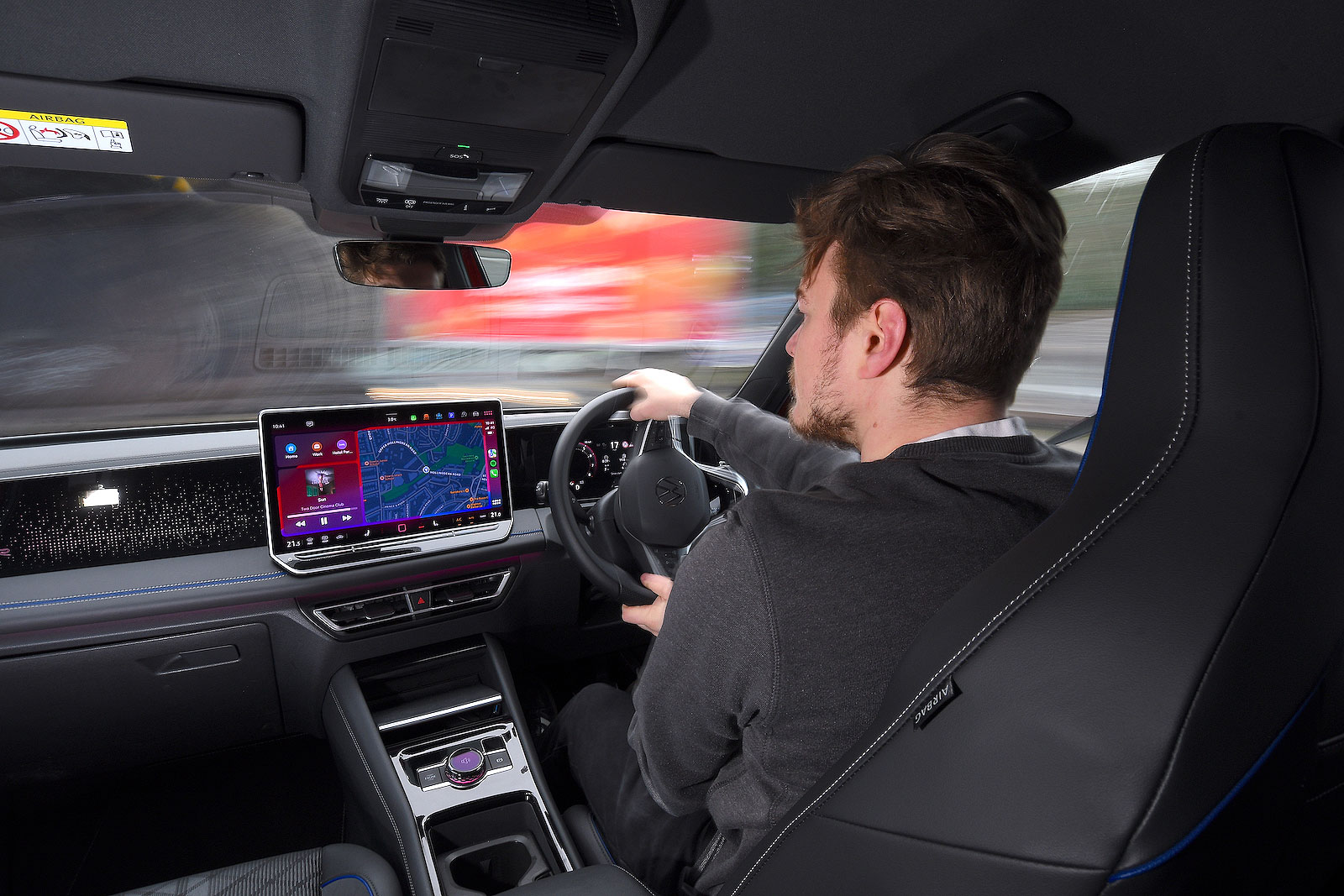
The Tiguan comes as standard with a freestanding, 12.9in infotainment touchscreen. A whopping 15in screen (that’s as big as a Tesla Model Y‘s screen) is available as part of the Infotainment Package Plus.
The larger screen is impressive, but either version uses the brand’s latest software – a big improvement over older VW systems. You get sharp, vibrant graphics and quick responses to your inputs. It’s well equipped, too, with every trim from entry-level Life having wireless Apple CarPlay/ Android Auto, wireless phone-charging, 45-watt USB-C charging, sat-nav, natural-speech voice-control system, and an eight-speaker stereo.
While you can customise shortcut icons at the top corner of the screen to aid usability, some of the climate control functions are integrated into a sub-menu, which makes them fiddlier to use than simple physical controls. At least the interior temperature and heated seat settings are permanently on display.
You can also adjust the interior temperature using touch pads below the infotainment screen, but those are still fiddlier to use than physical controls. On the plus side, you get proper buttons on the steering wheel for cruise control and audio settings. There's a big rotary dial on the centre console, too, which covers two functions: adjusting the stereo volume and scrolling through the various drive modes.
“I like the physical rotary controller on the Tiguan's centre console, but it’s a shame it doesn’t operate more of the touchscreen’s functions.” – Steve Huntingford, Editor
Passenger & boot space
How it copes with people and clutter
Strengths
- Lots of passenger space front and rear
- Versatile rear seats
- Big boot for non-PHEV models
Weaknesses
- PHEV versions lose a chunk of boot space
How much space does it have for people?
There’s plenty of head and leg room for taller people in the front of the VW Tiguan, and storage space is impressive, too. The front door pockets can hold a fairly large bottle, there's a cubby below the centre armrest with two cupholders, and space for a pair of phones below the centre air vents.
Leg room is generous in the rear seats with plenty of foot space underneath the front seats, too. There’s also loads of head room. Even with the optional panoramic roof fitted, which zaps space, there's still enough room for six-footers to sit up without their head touching the roof lining.
If you’re only carrying a couple of rear passengers they can fold down the central armrest, which includes two cupholders and a slot to hold a phone in place for watching videos. Or, if the middle rear-seat is needed, it's spacious enough for short journeys – but whoever sits there does have to straddle the small hump in the middle of the floor.
If you want a seven-seater the Tiguan’s not for you – the seven-seat Tiguan Allspace is no longer on sale. But it’s been replaced by the VW Tayron, which does have seven seats, and you can read all about that by clicking the link.
All Tiguans come with 40/20/40 split-folding rear seats, which are more versatile than the 60/40 split you’ll find in a Seat Ateca or Volvo XC40. The rear bench also slides back and forth to prioritise rear leg room or boot space, the backrest reclines to improve comfort, and you can fold the rear seats completely flat using handles either side of the tailgate opening.
How much room does it have for luggage?
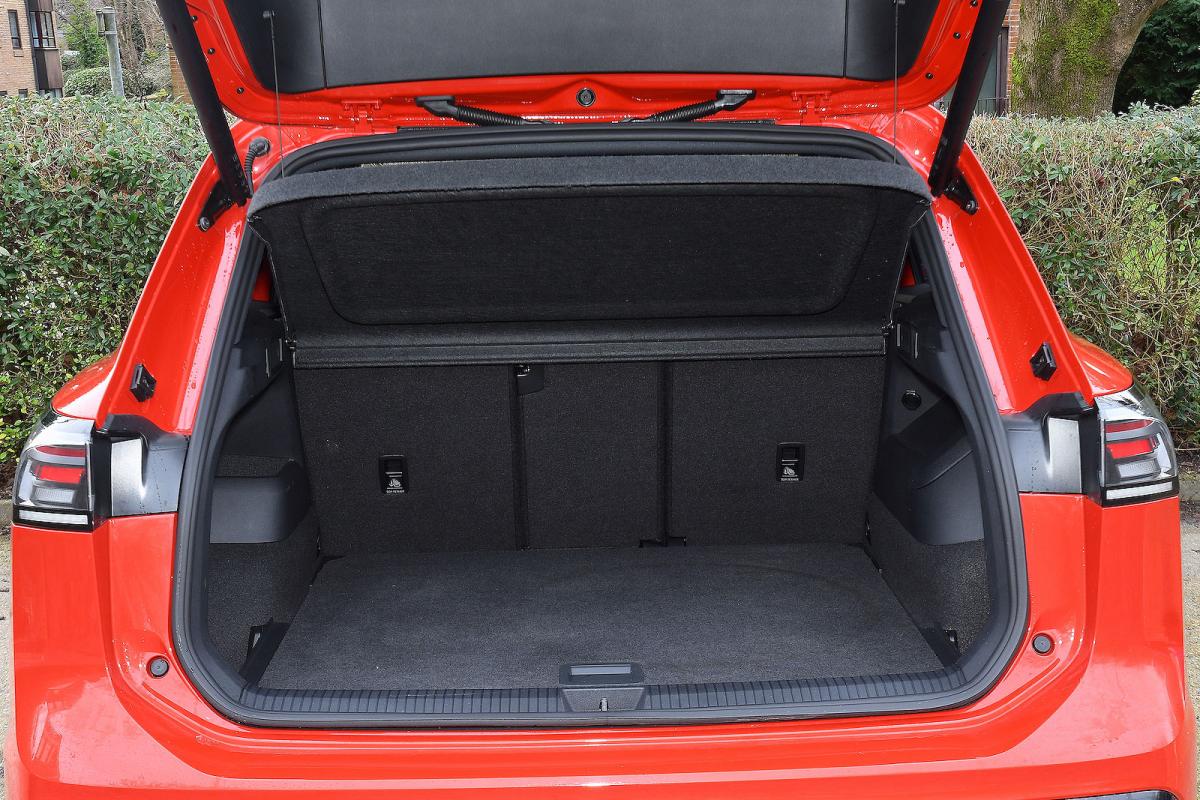
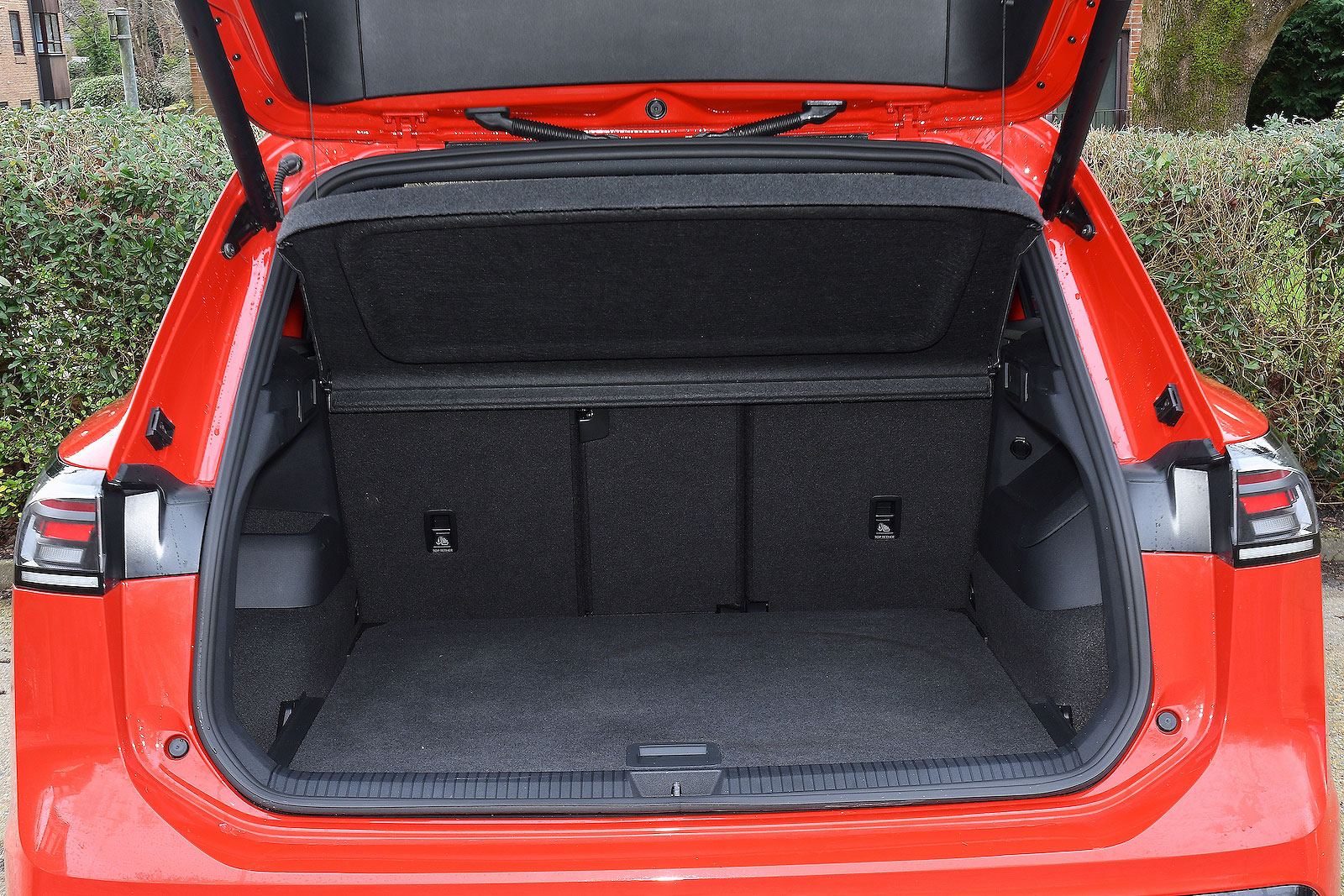
Regular petrol and diesel Tiguans have a seriously big boot by class standards. At 652 litres with the rear seats in place, you’ll have no issues packing for your next family holiday. It’s so big we managed to fit nine carry-on suitcases below the parcel shelf – two more than an XC40 and four more than a Mini Countryman C managed.
Bear in mind that the PHEVs lose quite a lot of boot volume thanks to the hybrid tech, dropping the volume down to 490 litres. Still decent but not amazing.
The load area is a uniform shape, and all non-PHEV versions come with a height-adjustable boot floor. That lets you divide the boot into two parts and also creates a flat loading area if you raise the floor when the rear seats are down.
“I was surprised by the amount of boot space you lose by choosing a PHEV Tiguan rather than one of the other versions.” – Doug Revolta, Head of Video
Tips & Advice
Buying & owning
Everyday costs, plus how reliable and safe it is
Strengths
- Competitive fuel economy from petrol engine
- PHEV has ability to charge faster than rivals
Weaknesses
- Pricier than some rivals
How much does it cost and what equipment do you get?
Entry-level versions of the VW Tiguan cost more than the equivalent Kia Sportage, Mini Countryman, Seat Ateca or Skoda Karoq. And if you want a mid-level Tiguan, it'll cost cash buyers a similar amount as a BMW X1 or Volvo XC40.
The 1.5-litre petrols officially average just under 50mpg, which looks competitive for a family SUV. That said, we achieved a real-world average of 38.1mpg when we tested a 1.5 eTSI 150 on our test route, but that was slightly ahead of a Countryman C (37.2mpg) and XC40 Be (35.6mpg). The TDI 150 diesel offers better real-world fuel consumption, but make sure you factor in the higher purchase price and higher cost of diesel before committing.
Ways to buy
Company car drivers will find themselves drawn to the eHybrid plug-in hybrids because their electric-only range and low CO2 emissions place them in a lower BIK tax bracket than other Tiguans. That said, a fully electric SUV, including the VW ID 4, will be an even cheaper company car.
There are a total of five trim levels to choose from, kicking off with the entry-level Life. This comes reasonably well kitted out with 18in alloy wheels, three-zone climate control, adaptive cruise control, ambient lighting, power-folding door mirrors, and the other bits we've already mentioned, including wireless phone-charging, front and rear parking sensors and a rear-view camera.
We'd go for Match trim, though, because the price jump isn't huge and it adds keyless entry, a powered tailgate and rear privacy glass. There are also a lot more engines to choose from with this trim level.
If you want even more luxuries, Elegance is worth a look. Additions include 19in alloy wheels, extra ambient lighting, hands-free powered tailgate opening, and heated and massaging front seats. It’s rather pricey though, costing slightly more than a top-spec Kia Sportage GT Line S.
R-Line comes with the same add-ons as Elegance, plus sportier styling and bigger 20in alloy wheels. Black Edition is very pricey but comes with extras such as matrix LED headlights and adaptive cruise control with steering assist – basically, semi-autonomous driving.
Is it reliable, and how long is the warranty?
Sadly, the latest Tiguan performed poorly in the 2025 What Car? Reliability Survey, with 81% of the cars we were told about suffering a fault. The one saving grace was that Volkswagen covered the cost of all repairs.
Volkswagen’s standard warranty runs for two years with unlimited mileage, then a further year up to a total of 60,000 miles. That’s par for the course, and doesn’t match the seven years you get from Kia or the 10 years Toyota gives you – providing you regularly get the car maintained at a Toyota service centre.
How safe is it, and is it easy to steal?
The Tiguan scored the full five stars for safety when it was tested by Euro NCAP. All versions come with automatic emergency braking (AEB) and lane-keeping assistance, as well as traffic-sign recognition and a system that monitors driver fatigue. You also get blind-spot monitoring and rear cross-traffic alert to warn of approaching vehicles behind you.
“I’m impressed with the Tiguan plug-in hybrid’s maximum charging rate of 40kW. That means I can add a good amount of range in under half an hour.” – Darren Moss, Deputy Digital Editor
Buy it if...
- You want an SUV that's enjoyable to drive, but aren't prepared to compromise on comfort
- You need a practical and versatile family SUV
- You're looking for a plug-in hybrid with a great electric range
Don't buy it if...
- You get frustrated by touch-sensitive controls
- You're hunting for a bargain
- You're looking for a car with a reassuring reliability record
For all the latest reviews, advice and new car deals, sign up to the What Car? newsletter here
Tips & Advice
Similarly priced cars


If you're interested in finding a Volkswagen Tiguan, or any of the other family suv cars mentioned here, head over to our Cars available now pages to find new cars listed for sale at great prices.
FAQs
Volkswagen Tiguan specifications
RRP price range
MPG range across all versions
Available fuel types (which is best for you? )
Available colours
Number of engines (see all)
Number of trims (see all)
Company car tax at 20% (min/max)
Company car tax at 40% (min/max)
What is What Car? best price?
The What Car? best price shows you the cheapest way to buy your new car, whether it's by choosing an in-stock car through our partner Autotrader or placing a factory order.
Available now from: £30,890
RRP from: £38,920
About our price indicator
What Car? indicative Personal lease example (subject to status)
1.5 eTSI MHEV Match SUV 5dr Petrol Hybrid DSG Euro 6 (s/s) (130 ps)
| Expected annual mileage | 5000 |
| Term months | 48 |
| Deposit months | 12 |
| Monthly payment | £349.87 |
| Initial payment | £4,198.44 |
Step-by-step
Leasing works a bit like a long-term rental. You drive it, but you don’t own it.
- Choose your car, pick your terms and apply for lease credit online
- Pay monthly rental payments for your chosen term length
- Drive it, enjoy it, then give it back at the end
What you get
When you lease with Autotrader you get all of this:
- Full manufacturer’s warranty
- Road tax and roadside assistance included
- No admin fees
- Free returns within 30 days*
- Lower total monthly cost than PCP/HP
- No balloon payments
- Road tax included
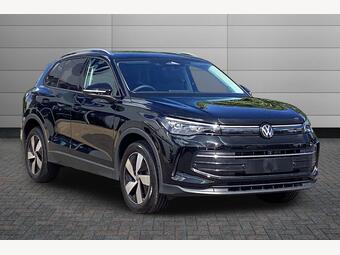
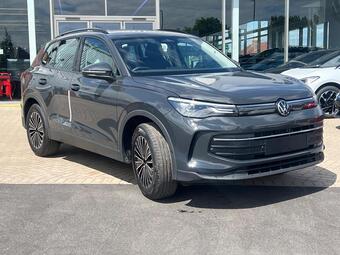
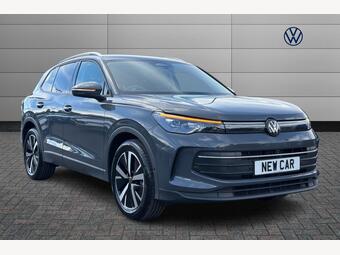
Cars available now
About the writer